Field Notes
Our Predicted 2026 Product Development Trends
Our predicted 2026 product development trends highlight how RKS teams see innovation, validation, and execution evolving across industries.



Product development is entering a new phase, one where products are no longer defined solely by what they enable, but by how they behave over time. We selected these trends because we’re seeing intelligence move from behind the scenes into the core of product experience, shifting responsibility from the user to the system itself. As products gain the ability to initiate action, occupy attention, and physically interact with the world, success will depend less on feature depth and more on restraint, clarity, and accountability. In 2026 and beyond, the strongest products will be those designed with intention, products that know when to act, when to stay silent, and how to earn trust through behavior rather than complexity.
Our Predicted Product Development Trends of 2026
- Perspective
- RKS Design Foresight
- Domains
- Consumer, Healthcare, Industrial, Manufacturing, Emerging Technology
From Feature Accumulation to Strategic Restraint
Clarity Outperforms Complexity
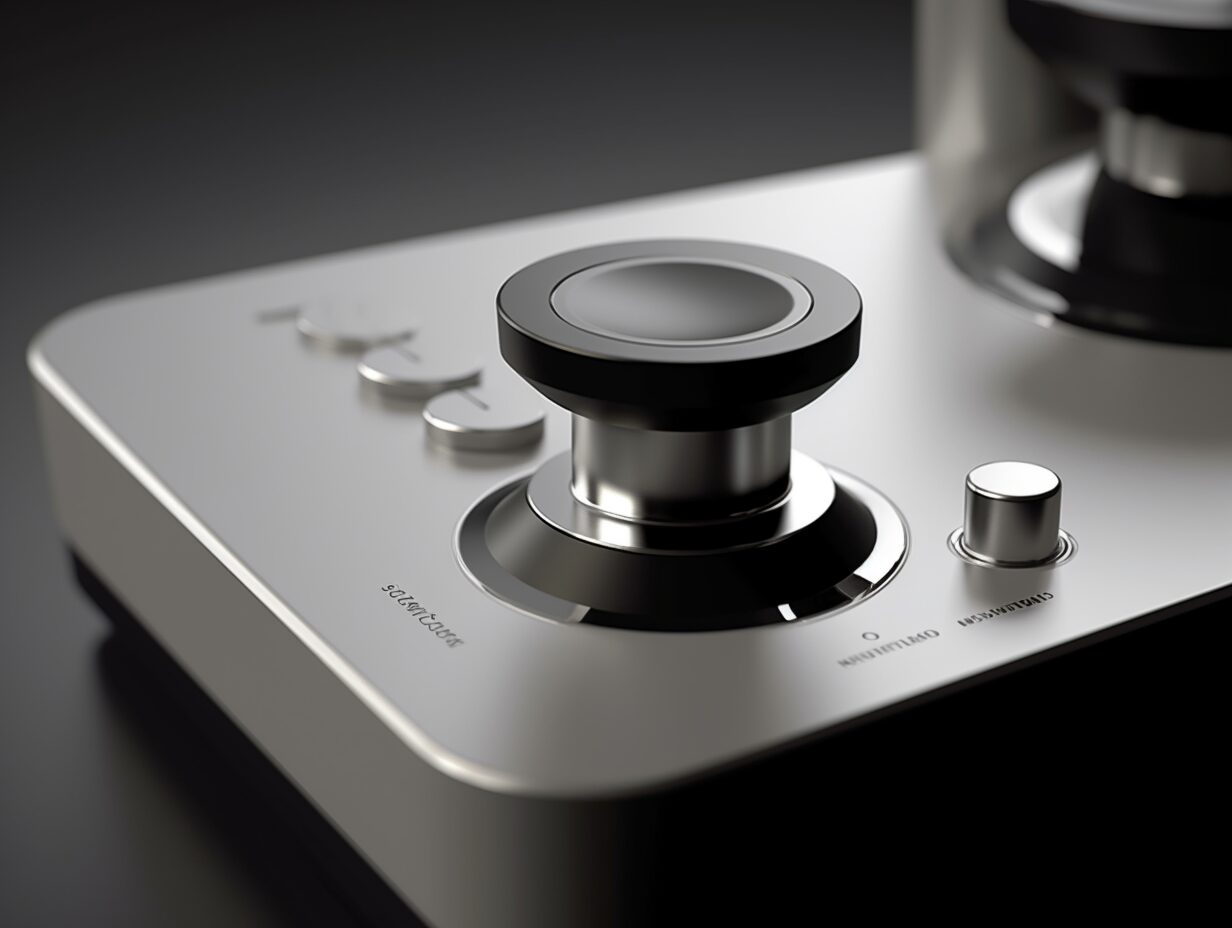
As products become more capable, the defining challenge of product development is no longer adding intelligence, it is deciding what not to include. Restraint in this context is not minimalism or aesthetic reduction; it is strategic discipline. It means intentionally limiting features, behaviors, and choices so that products feel legible, predictable, and aligned with human expectations. In an environment where intelligence can easily overwhelm, clarity becomes a differentiator, and products that remove friction, options, and ambiguity will outperform those that accumulate functionality. We’re already seeing this play out in products like the Apple Watch, where health insights are surfaced selectively rather than continuously, prioritizing relevance over volume. Similarly, platforms like Notion have succeeded by curating powerful capabilities behind simple interaction patterns rather than exposing every function at once. At RKS, we see restraint emerging as a competitive advantage because it directly supports trust, adoption, and long-term use. As products take on more responsibility, users will gravitate toward systems that demonstrate judgment, knowing when to act, when to stay quiet, and when to get out of the way.
Trust Is Built Through Physical Behavior
Behavior Is Judged Before Intelligence
When intelligence moves into physical products, trust is no longer built through explanations or performance metrics, it is built through behavior. Timing, motion, responsiveness, and even hesitation shape how people perceive intent and reliability. The human nervous system evaluates behavior instinctively, long before logic or reasoning comes into play. As a result, products with embedded intelligence will increasingly be judged as social actors rather than neutral tools. This is already evident in autonomous vehicles from companies like Waymo, where passenger trust depends less on knowing how the system works and more on how smoothly, cautiously, and predictably it behaves in real-world conditions. The same is true for service robots and assistive devices, where subtle motion cues can communicate safety or risk. We believe this trend will accelerate because physical AI removes the buffer of abstraction, there is no interface layer to hide behind. Product development teams will need to design behavior as carefully as form, recognizing that trust is earned moment by moment through action.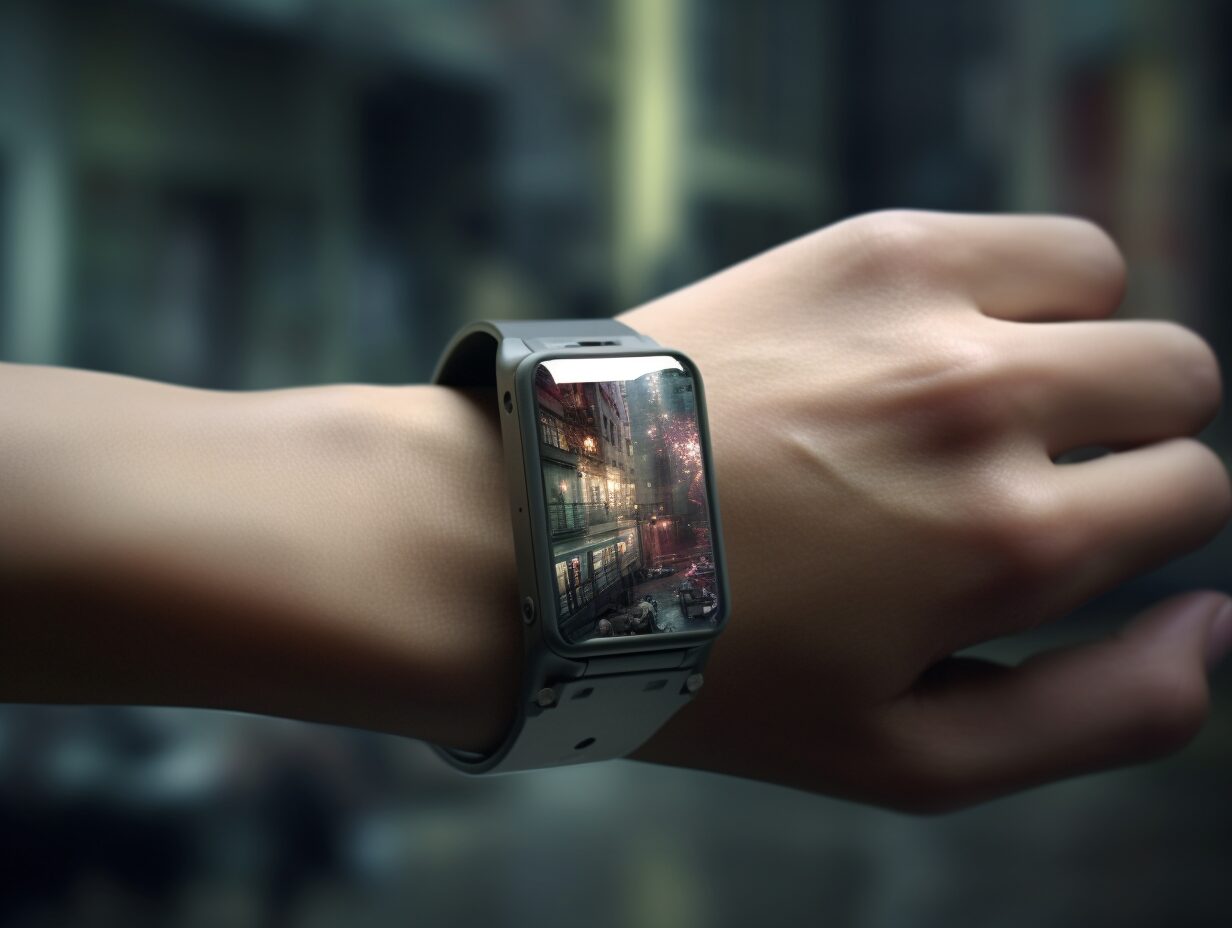
Designing for Attention in a Screen-Saturated World
Presence Becomes A Design Decision
As screens evolve beyond flat rectangles into flexible, transparent, and spatial experiences, attention becomes a core design responsibility. These new interfaces expand how products occupy space and interrupt daily life, forcing designers to confront not just what information is shown, but when and why it appears. In this landscape, presence itself becomes a product decision, how assertive a system should be, how long it should remain visible, and what level of interruption it is entitled to demand. We’re seeing early signals of this shift in spatial computing platforms like the Apple Vision Pro, where digital content coexists with the physical environment rather than replacing it. Here, the challenge is not visual capability but attentional ethics, designing systems that respect cognitive load and situational context. At RKS, we believe this will become a defining product development theme as more devices compete for presence in shared spaces. Products that manage attention with restraint and intention will feel supportive; those that do not will feel invasive.
Human Augmentation Enters Everyday Life
Design Shapes Identity, Safety, And Agency
As wearables, performance tools, neurotechnology, and assistive systems mature, human augmentation is moving out of niche communities and into everyday use. When products interface directly with the body, product development extends beyond function into identity, dignity, and perceived control. These systems do not just enhance capability, they change how people see themselves, how others perceive them, and how safe or autonomous they feel while using them. Mainstream adoption of devices like the Neuralink or advanced prosthetics highlights that technical performance alone is not enough. Products must clearly signal safety, agency, and reversibility to gain acceptance. At RKS, we see this trend accelerating because the barriers are no longer purely technical, they are psychological and cultural. Product teams that design augmentation with empathy, transparency, and respect for human dignity will be the ones that unlock broad adoption.