
Where design meets durability and efficiency
Human-Centered Commercial Equipment Design and Service Design Firm
powered by Psycho-Aesthetics®.
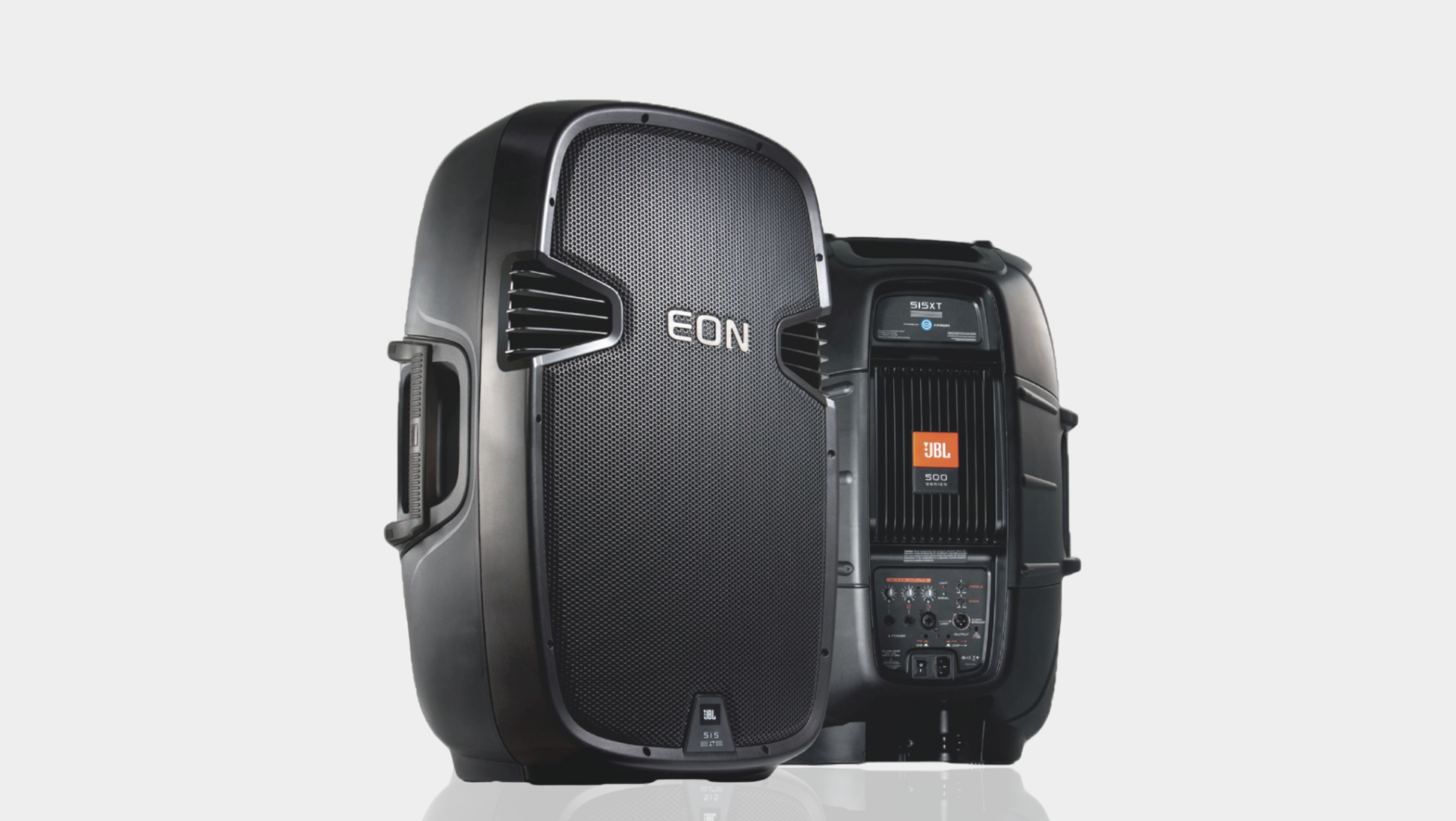
The best-selling powered speaker series, the EON 500 sets a new benchmark for portable PA systems.
The EON 500 series sets a new benchmark for portable PA systems, delivering professional-grade sound, rugged reliability, and effortless portability.
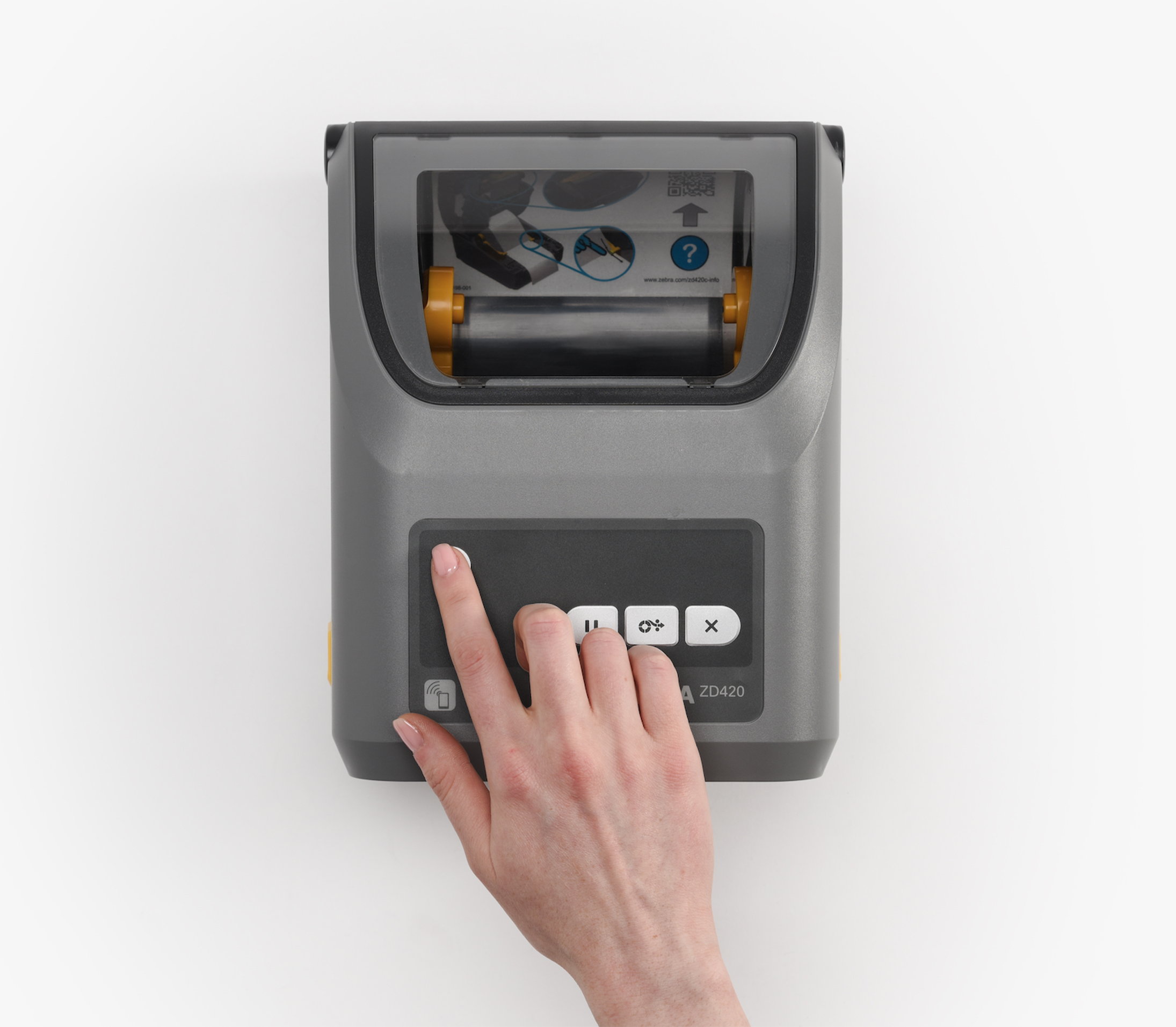
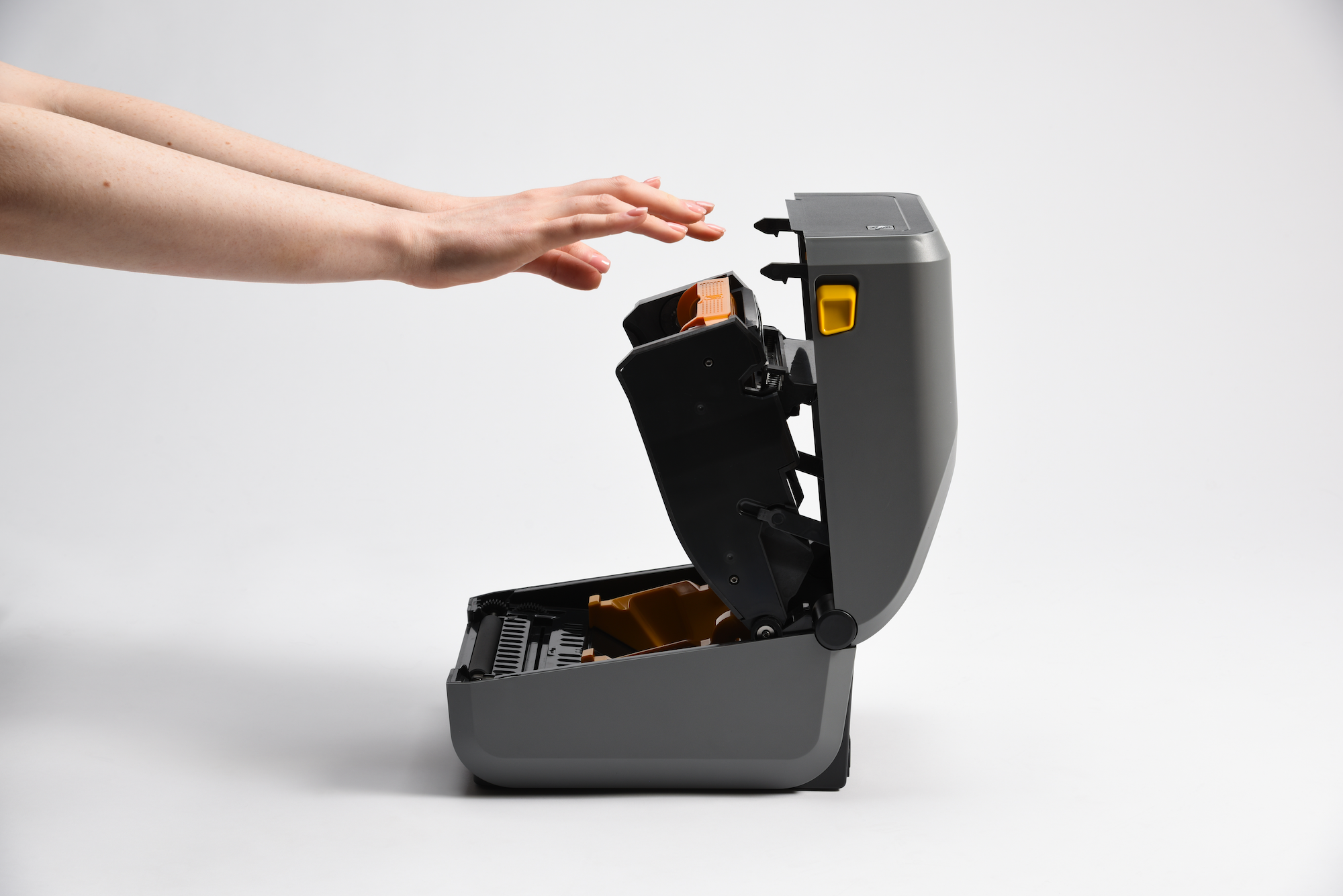
An Advanced Desktop Printer with Disruptive Technology.
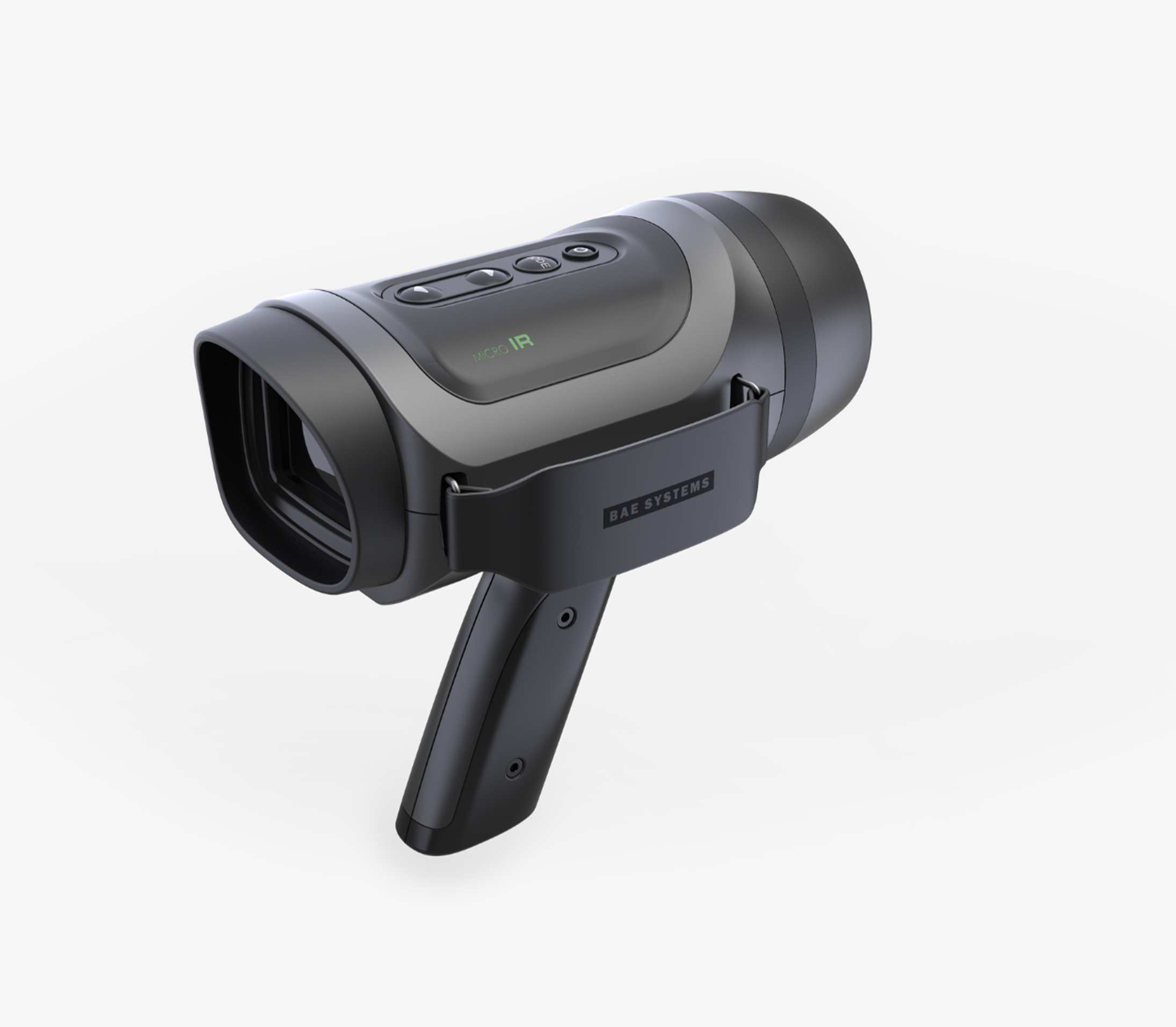
A new ergonomic design reduced reported wrist fatigue by ~30% during long shifts, while the device withstood drops from up to 1.8 m, passed IP65/67 ingress tests, and featured a one thumb UI with fast scanning that cut transaction times by ~25%.
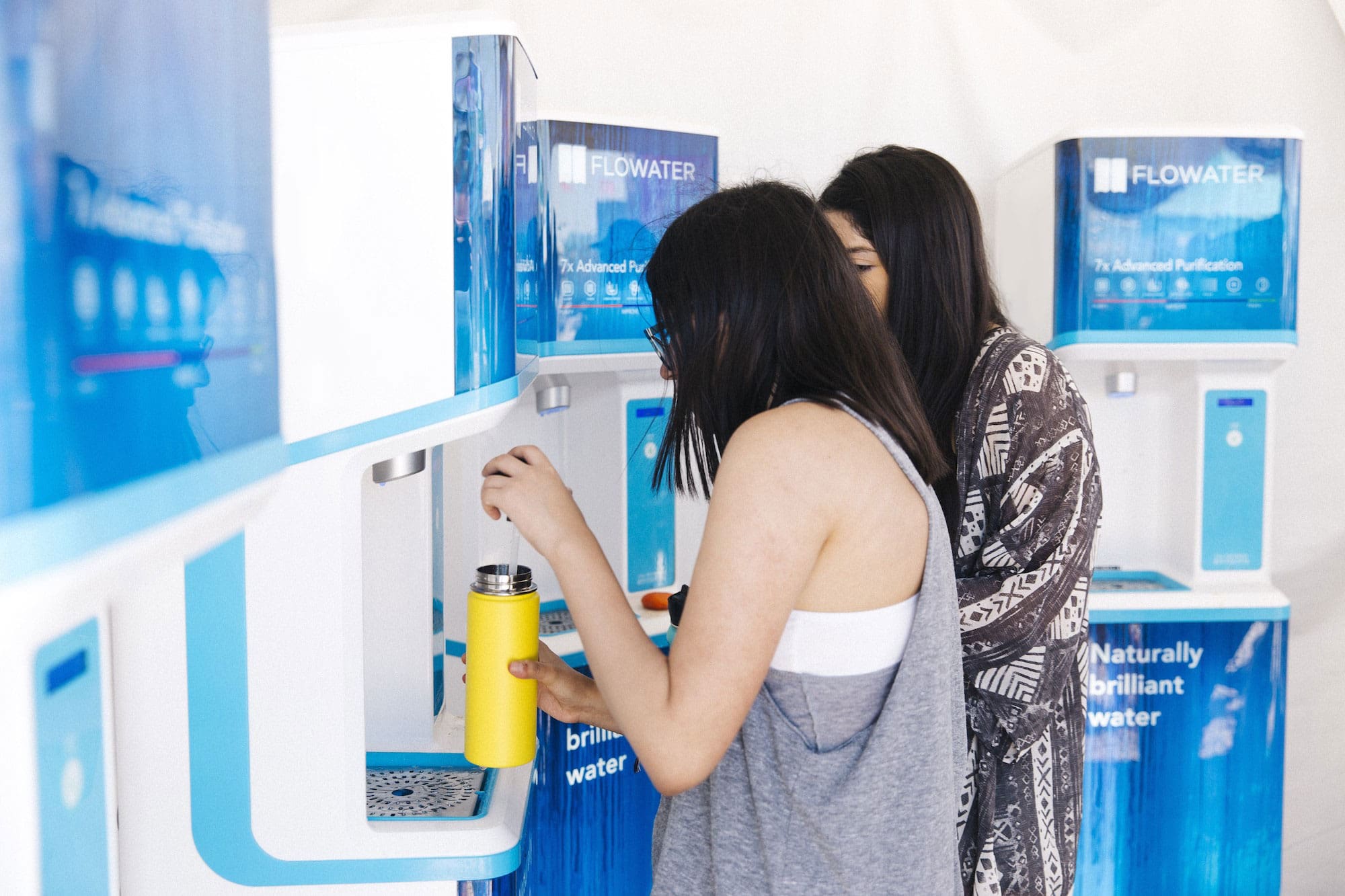
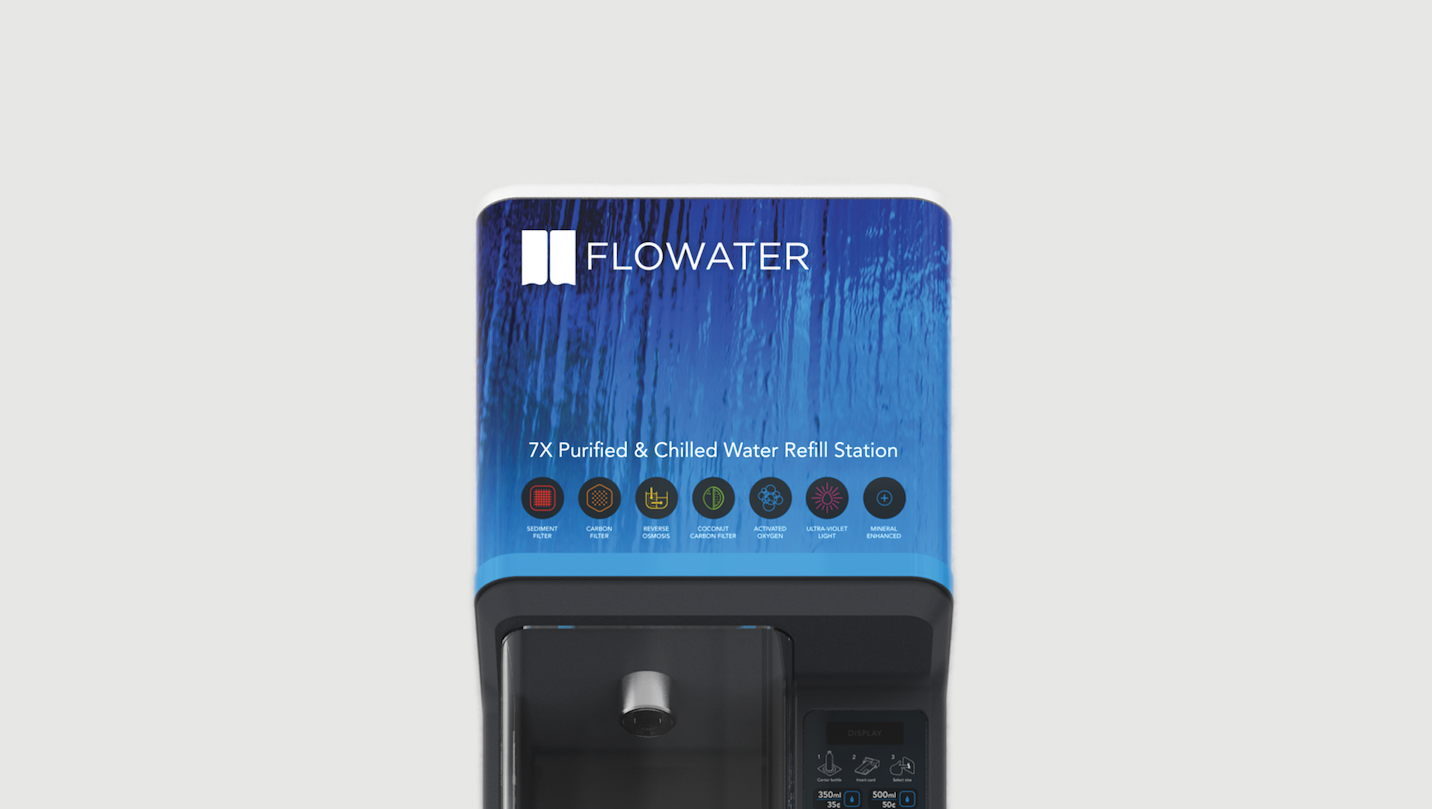
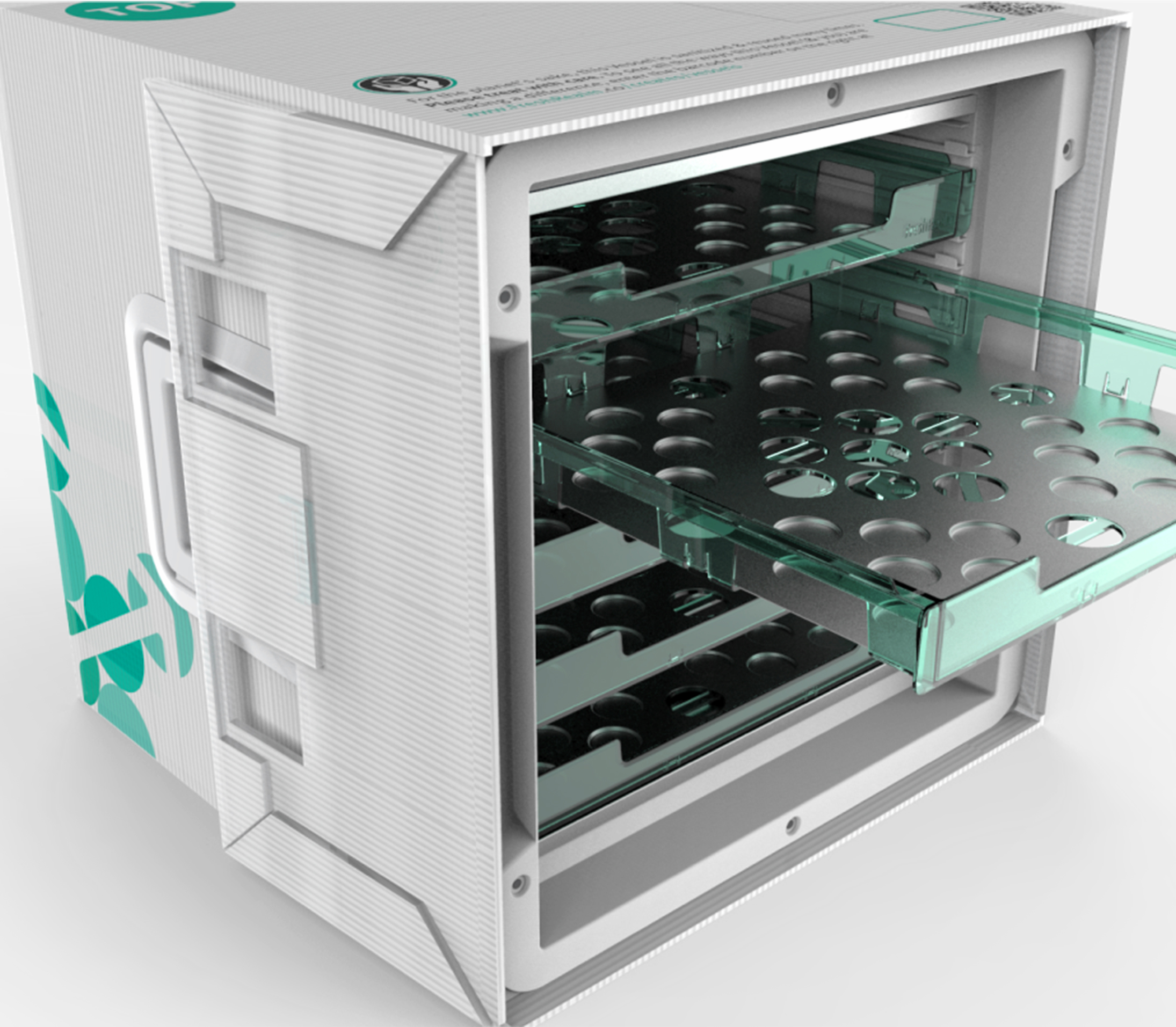
Sustainable Alternative to Disposable Bottles.
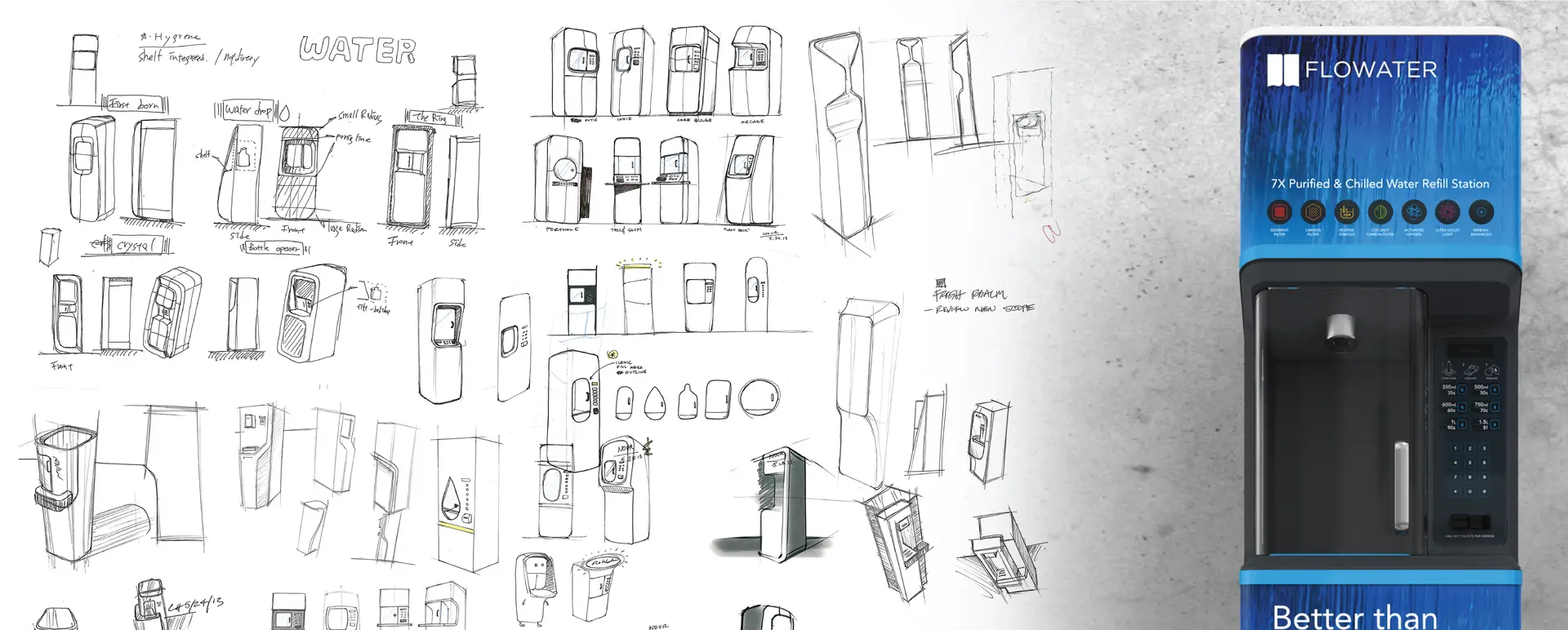
Fully launched and deployed in thousands of locations, FloWater has saved over 400 million single use bottles and earned widespread press coverage for its design, innovation, and social impact.
Commercial Research and Strategy Capabilities
We translate user insights into actionable product strategy, aligning brand goals with real-world needs to drive and create lasting impact for your company through our commercial product services.
Research Design
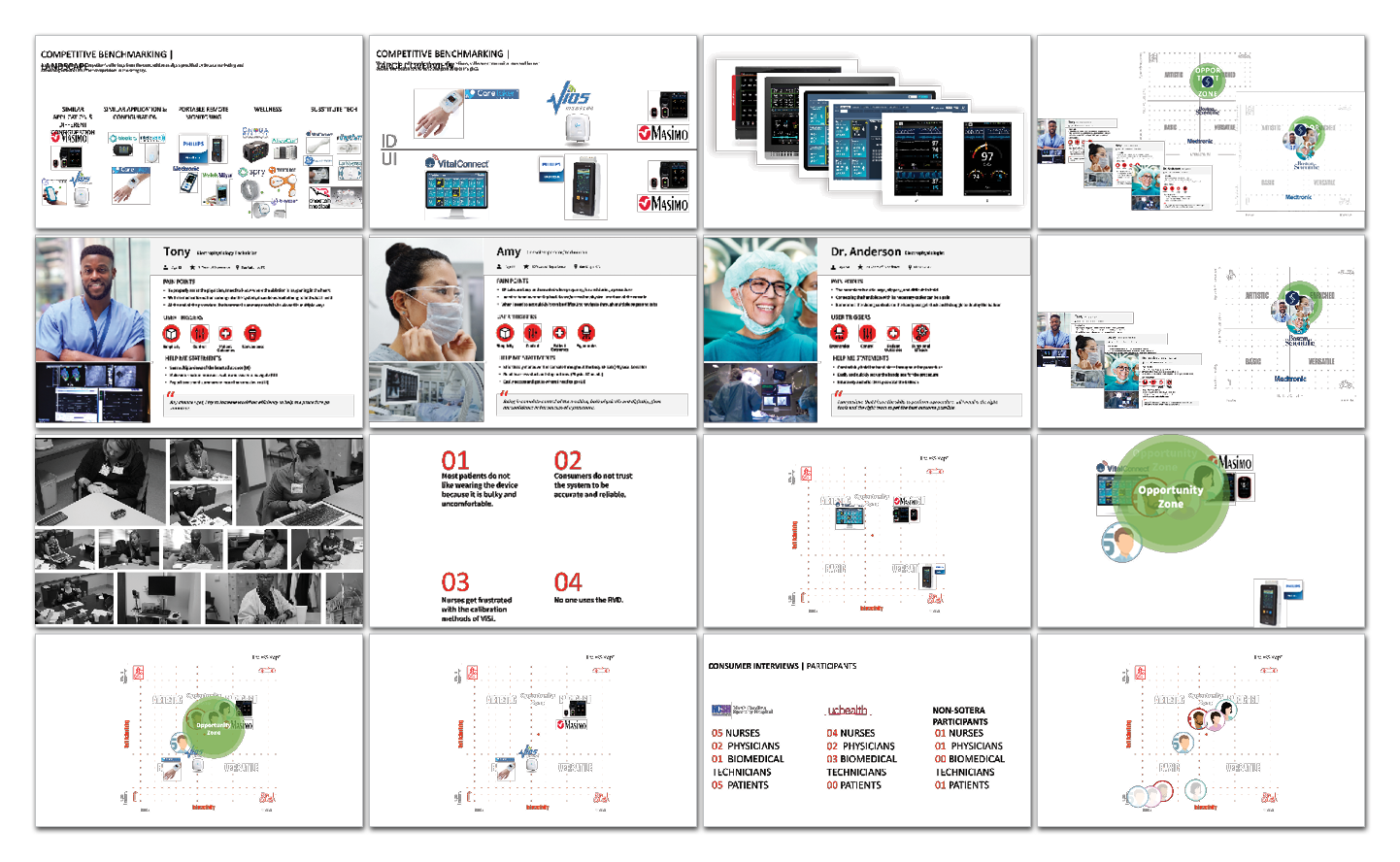
Designers often aren’t the users of industrial products. So, we research to deeply understand the target market behaviors, needs, and lifestyles to help guide effective design decisions. We use tools like ethnography, interviews, and testing to inform product strategy. This research strategy helps RKS make designs that benefit users for years, ensuring they’re safe, easy to learn, and simple for every user to adopt.
Ethnographic Research
We root our design thinking in ethnographic research, studying consumers in the context of their daily lives. Whether observing behaviors in homes, during routines, or at play, we uncover the nuances that arise from real-world human contact to drive meaningful design. When in-person research isn’t possible, we leverage digital tools to capture insights remotely, ensuring the research process remains thorough and effective. These deep, real-world understandings fuel the innovative, award-winning solutions and work RKS Design is known for.
Industrial Product Strategy Design
We take a comprehensive approach when planning a consumer device. Beyond just the product, we consider client goals, budgets, regulations, and market needs. We balance features, cost, and timing to design and create a new product consumers want at the right price, guided by clearly defined strategy and designed to help achieve business goals. Our designers focus on the entire user experience, from manuals to graphics and servicing, making sure each step of the process supports usability. We also consider the product’s lifespan, determine which parts users can replace, and figure out how to disassemble it for safe user contact.
Industrial Product Production Support
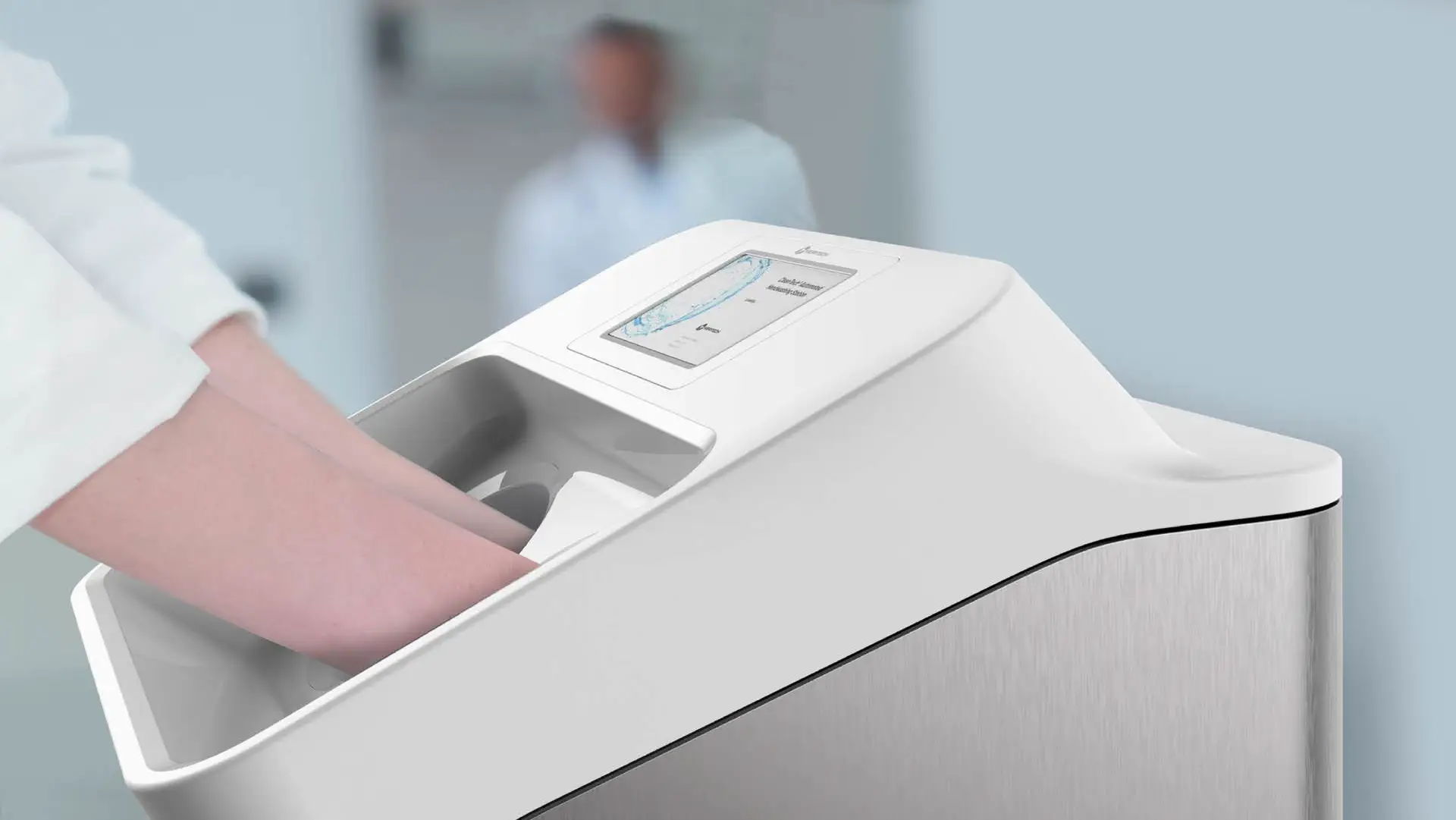
Industrial products usually face fewer regulations than consumer ones. Yet, they still need to follow health, safety, and environmental rules like TSCA, Prop 65, and EU standards like REACH to protect the user. Consumers and companies can also use some industrial designs, which then face extra regulations. If a product isn’t strictly industrial, we ensure it meets CPSC safety standards. Throughout our design process, we ensure products align with all necessary regulations and are ready for agency testing.
Production Design
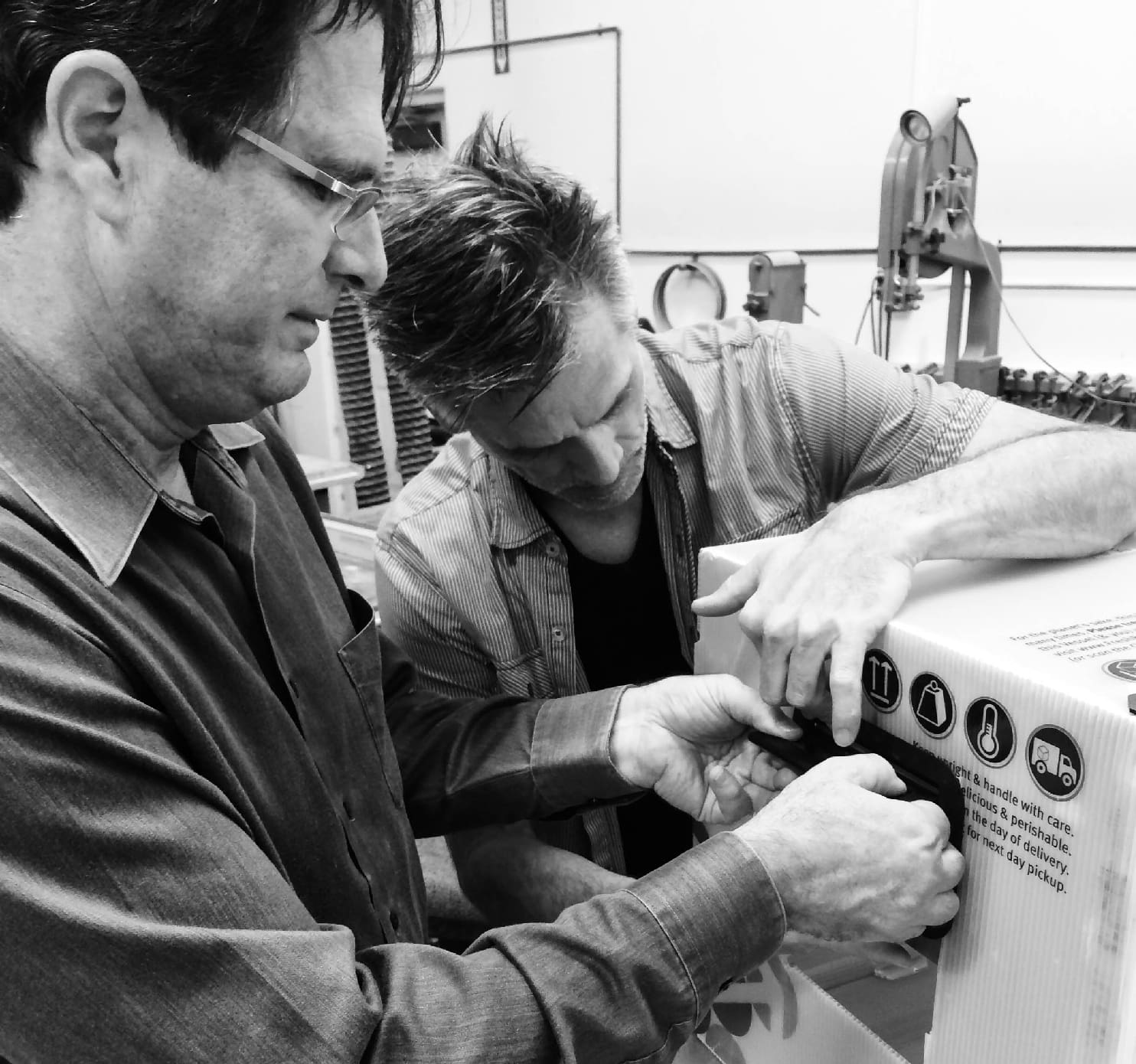
Industrial products need to be durable and efficient for high-intensity environments. We often design them for mass production to keep costs low. Our process considers these tough requirements and ensures designs are affordable for the market, backed by efficient production services. Our team of designers prioritize understanding these needs from the start.
Designer Insights
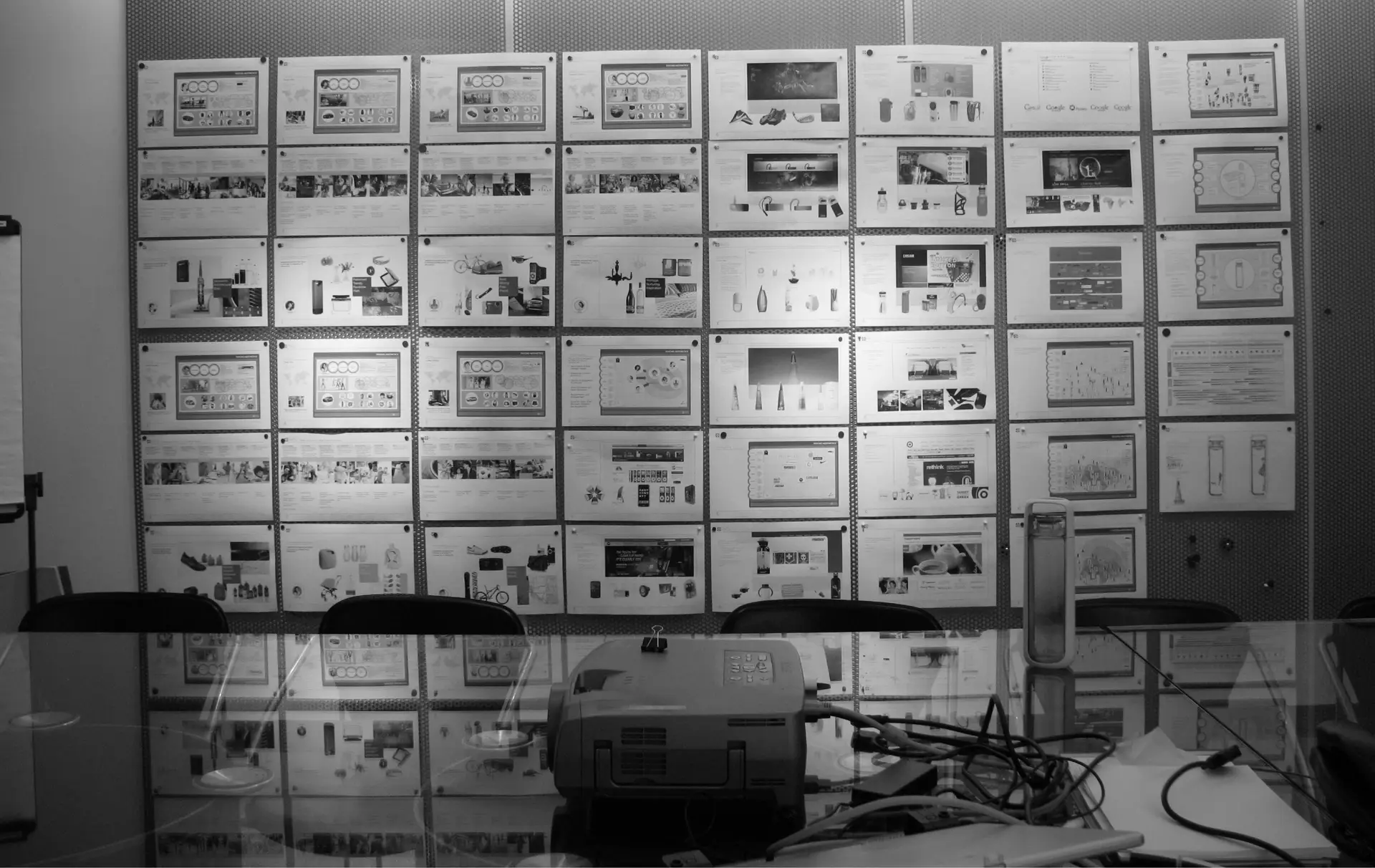
Designers play a crucial role in the process of turning ideas into products. They look at overall issues, brainstorm, and choose directions. Designers connect business and user needs, even when they are different, by collaborating with clients to work toward shared goals. Our designers draw on years of expertise to synthesize diverse user, business, and market needs into coherent industrial solutions, turning complex challenges into successful outcomes.
Design and Engineering Capabilities for Commercial Products
Our industrial design and engineering expertise come together to create commercial products that are not only ready for market, but built to perform for years to come.
Industrial Product Definition, Product Design and Development
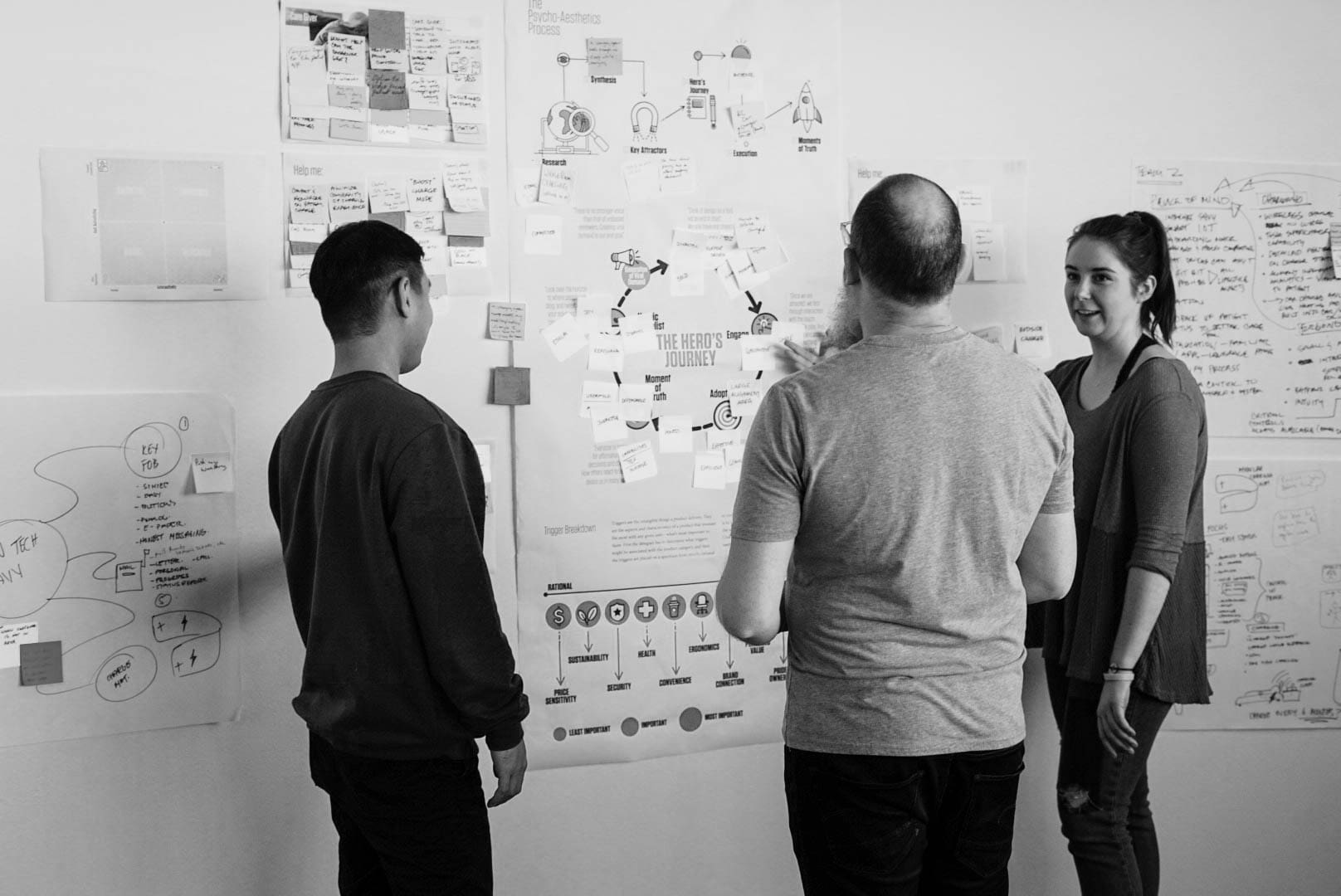
We use our special psycho-aesthetics methodology in our industrial product development process to create emotional ties between products and users. Instead of just focusing on how a product feels, we consider how it makes users feel about themselves. For industrial designs, this means helping workers feel safe and efficient. Our designs aim to reduce risks and speed up tasks. Industrial product experience design emphasizes a product’s aesthetic appeal, structural form, color palette, and tactile experience.
Engineering and Verification
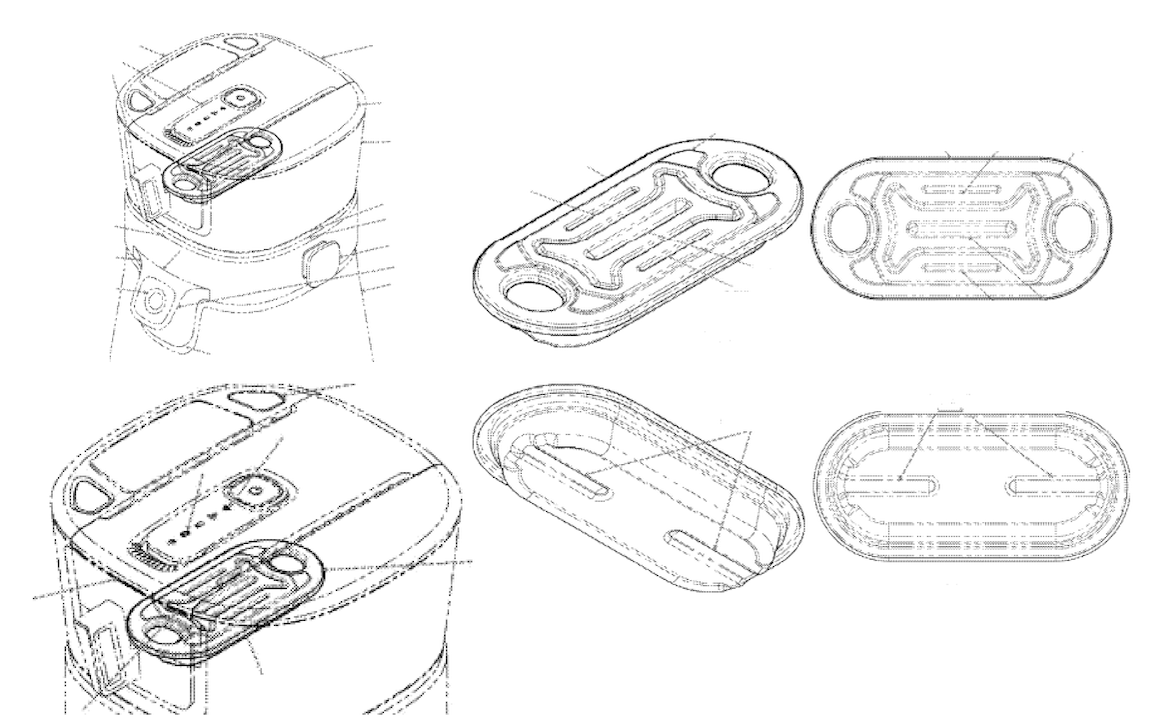
Creating industrial products comes with specific challenges needing expert engineering. Our experienced team often designs with intricate systems and innovative materials to help solve complex product challenges and improve user outcomes. Using advanced AR/VR and CAD tools, we address these issues early, speeding up the design, prototyping, and production process.
Technology Roadmap
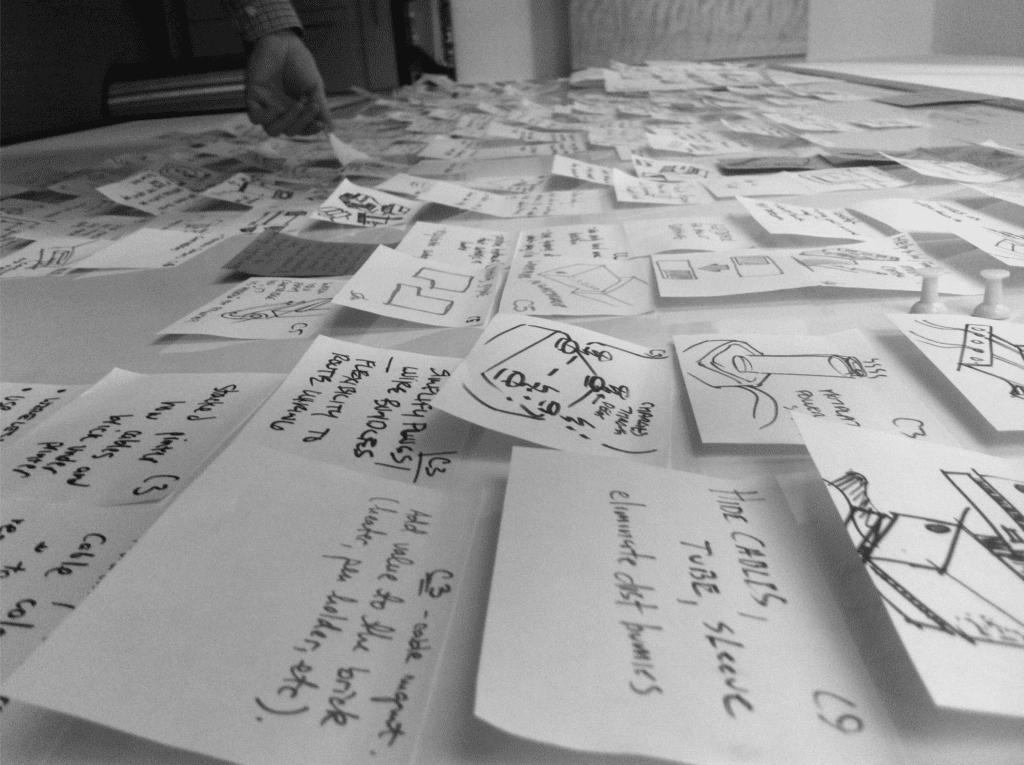
We use a three-phase approach for technology roadmap development. First, we set essential requirements, leadership, and scope. Next, we pinpoint system needs, main technology areas, and new alternatives. In the final phase, we refine our roadmap before implementing it. This process ensures we prioritize cost-effective technologies for outstanding results that align with long-term brand strategy.
Proof of Concept
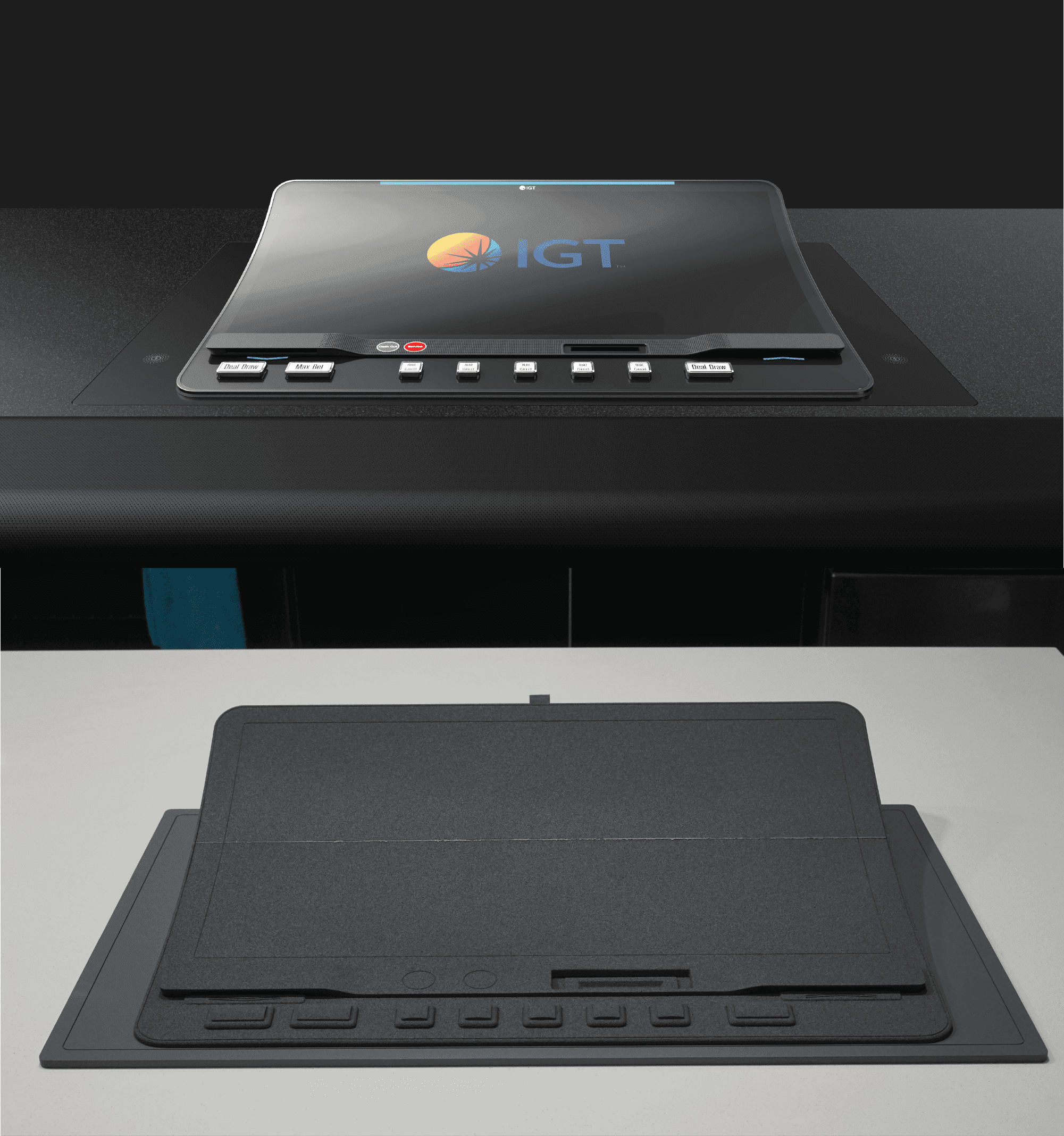
Our proof of concept (POC) method helps us share knowledge, explore new technologies, and present a concrete idea. A POC tests a design or technology idea. Its main goal is to show our design’s basic functions and confirm its feasibility. We also include safety analysis to meet standards set by bodies like the FDA and CSA.
Beta Prototyping
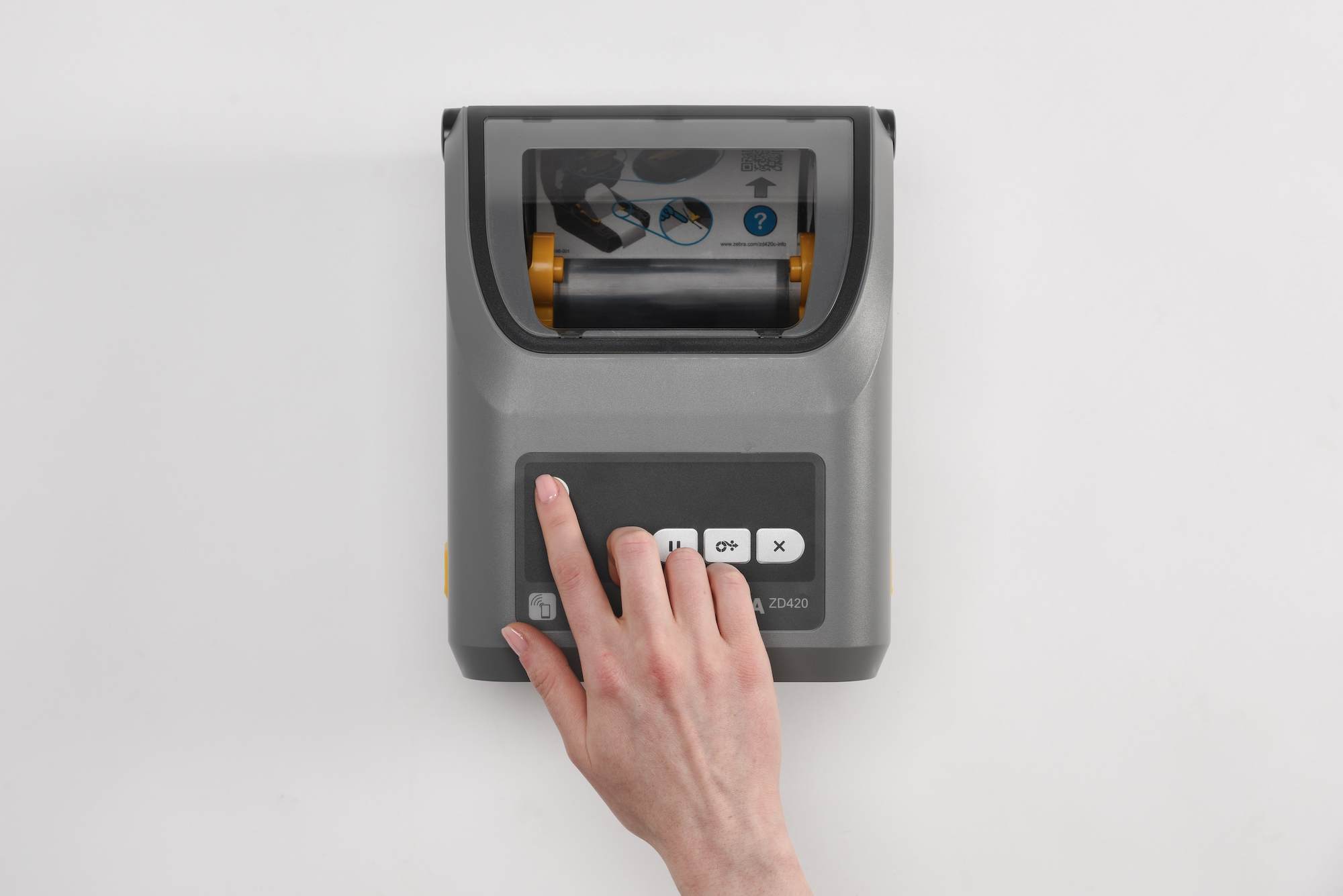
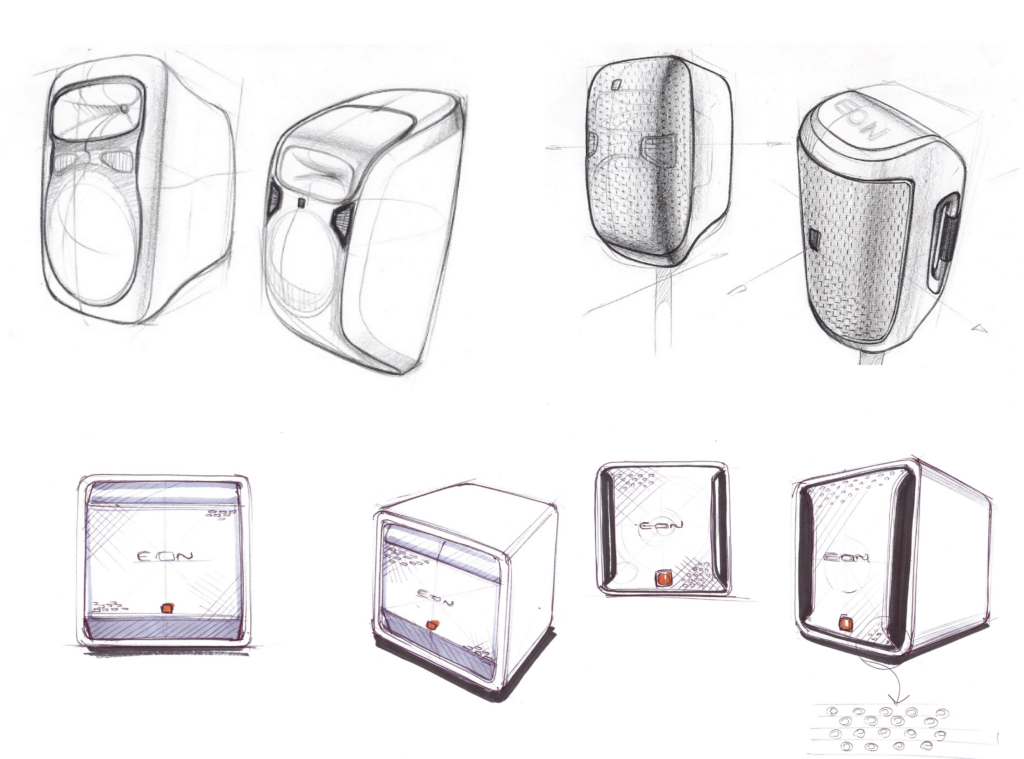
Beta Prototyping lets us turn a concept into a testable product for user feedback. This feedback guides design and function improvements. It also helps our team gauge the time needed for a final product. Since we center our design on users, industrial product prototyping is vital for advancing production and pinpointing issues. It refines and validates our design direction with better accuracy.
Future Concept Development
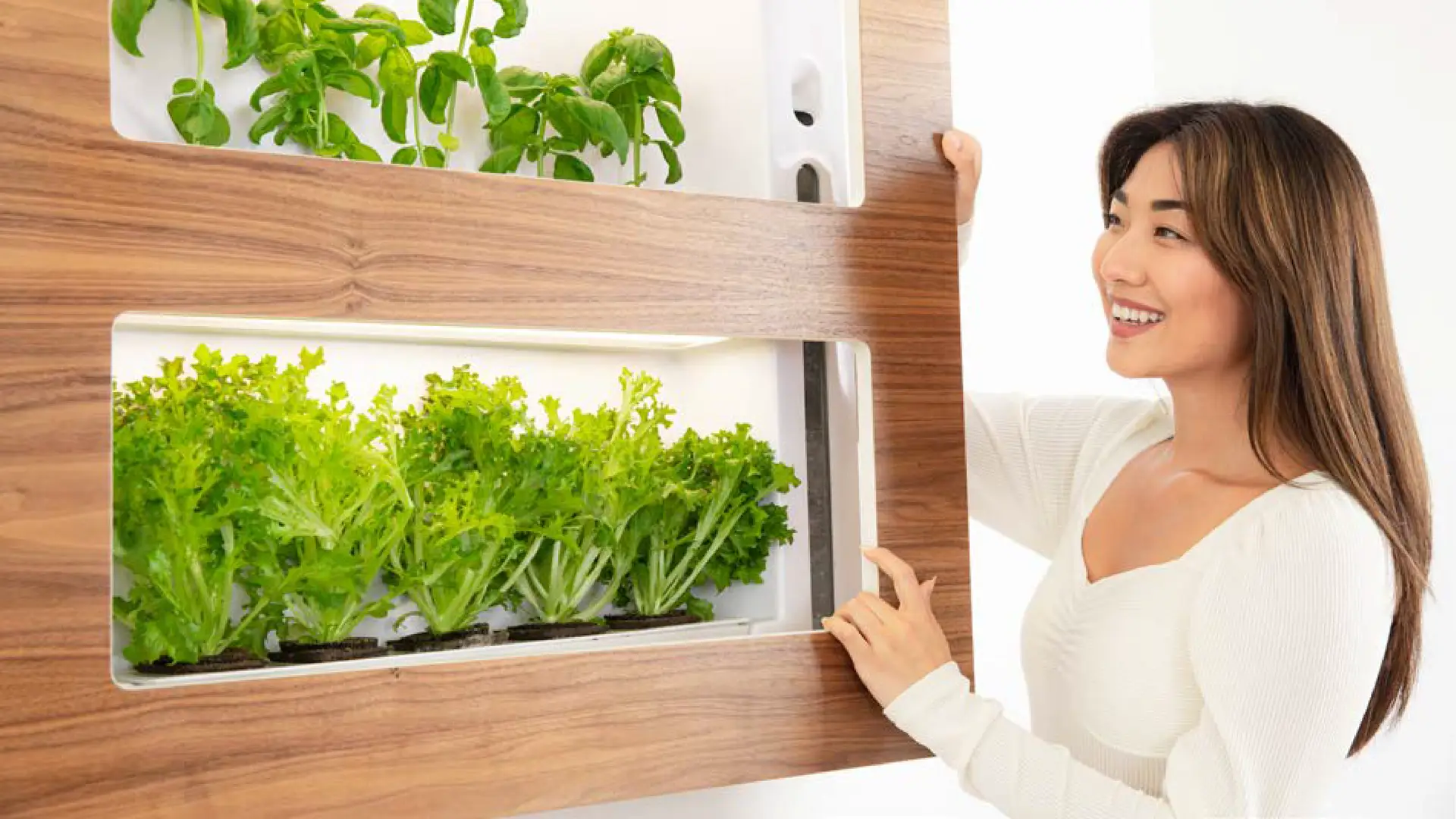
After creating a concept and prototype, we plan for upcoming features and technologies. Future concept development considers upcoming tech, global trends, market changes, and user needs. It might involve basic requirements or new prototypes. Tailored to client needs and the device type, this approach helps businesses and companies adapt to new market changes more quickly.
Intellectual Property Support
After making a prototype from our concept, we plan ahead for upcoming features and technologies. We consider future tech trends, global shifts, market changes, and what users might need. Depending on the client and device type, this might involve new concepts or prototypes. This approach helps businesses quickly adapt to market changes.
Commercial Product User Experience Design
The experience of a product is a combination of the industrial design, UI, and branding into a compelling UX.
Human-Centered Safety and Usability
Industrial product designers need to ensure users can safely use a device in its intended setting, especially in points of physical user contact. We enable this through human factors validation testing, user testing, or usability engineering. This process helps minimize errors that might cause harm. We test product prototypes with typical users to find strengths, weaknesses, and possible errors. Additionally, we collaborate with device manufacturers to shape our tests based on identified risks and selected KPIs to lower those risks.
User Experience Design
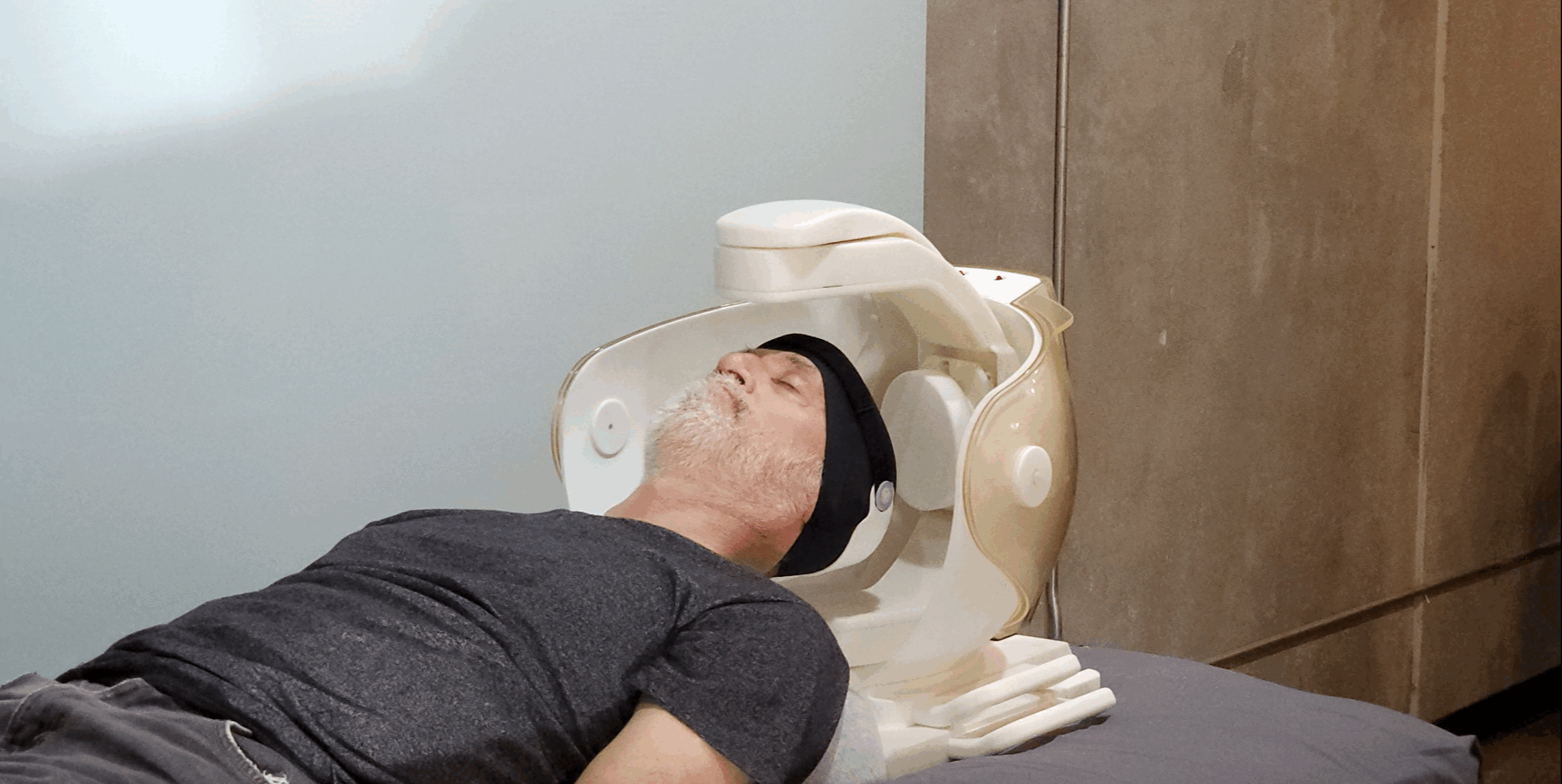
User experience design (UX) defines a great industrial product. We gauge this through performance, accuracy, and usability. Products should address user needs, solve problems, and outshine existing solutions to elevate the brand experience. We must build them consistently to specifications for a uniform UX. For a product to be usable, users should find it familiar. To achieve this, UX must be a focus from research to manufacturing. Our team looks at every product detail, from size to technical constraints.
User Interface Design
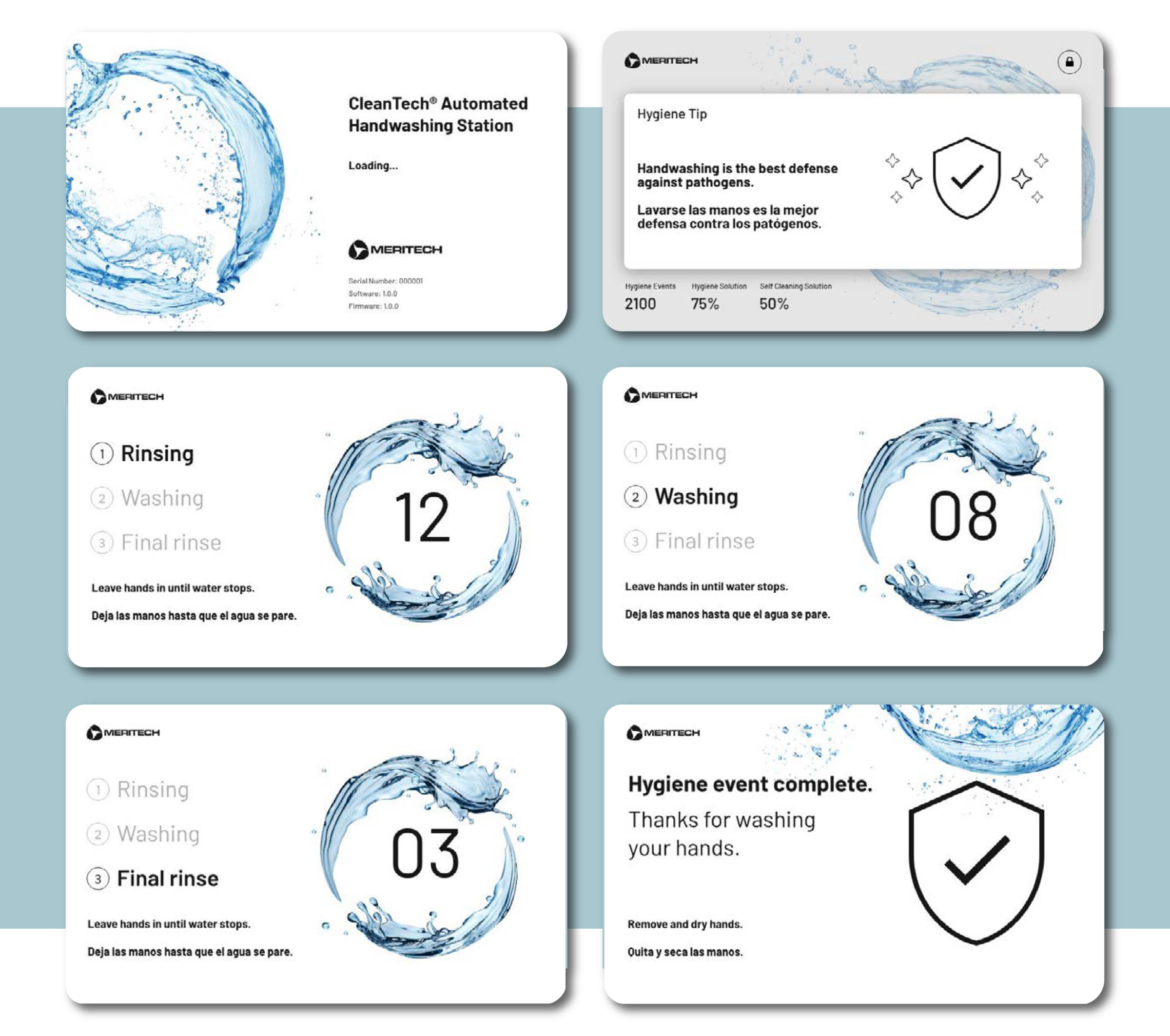
User interface design and industrial design shape how users interact with products. We aim for designs that are user-friendly and efficient, complemented by our interface design services. Through human-centered design, we consider how users will use and react to the product. We follow key UI principles: giving users control, ensuring comfort, simplifying tasks, and maintaining consistency. Our goal is to merge the UI and design for an outstanding user experience that empowers consumers.
Branding Design
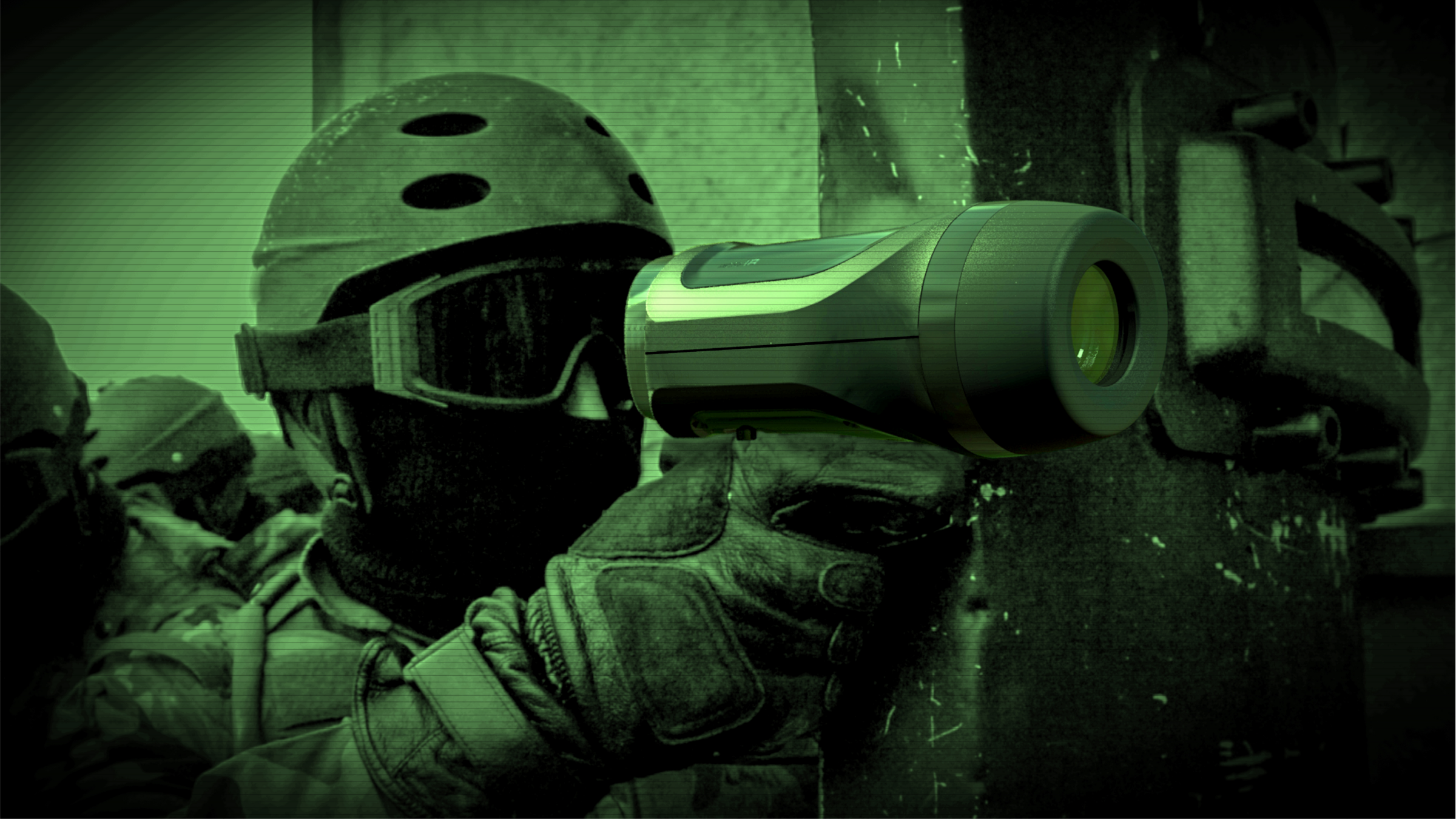
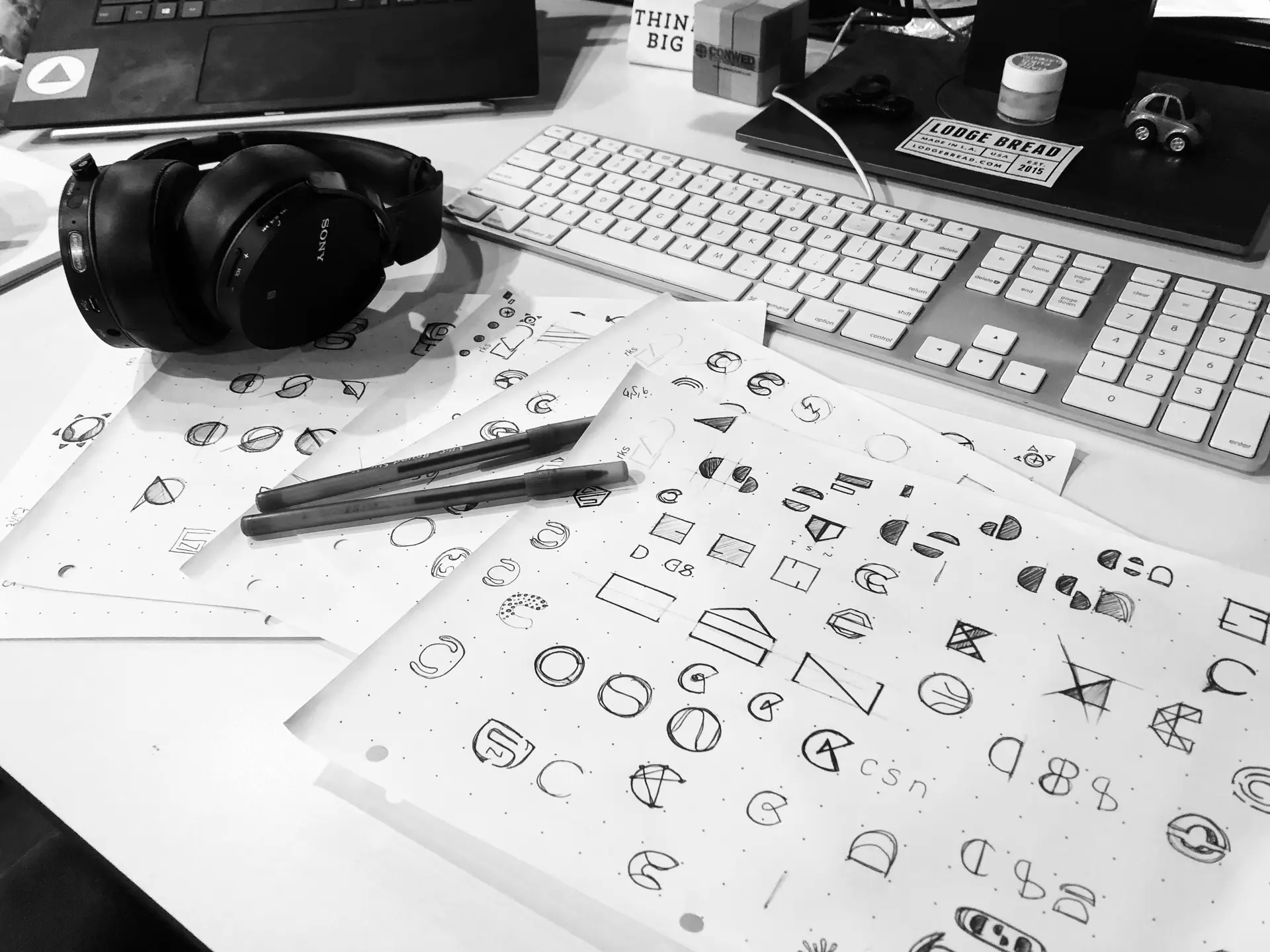
A brand forms an emotional bond with consumers through its design, influencing how they feel about themselves. In competitive markets, a strong brand identity is vital. It helps businesses and companies stand out, attracts partners, guides marketing, and sets pricing based on brand value. While some think a brand is just about a logo and colors, we believe in a comprehensive approach. This includes business and audience analysis, brand positioning, creative development, social media marketing, implementation, and ongoing evaluation to create cohesive brand value; all part of the brand building work we deliver.
Digital Development
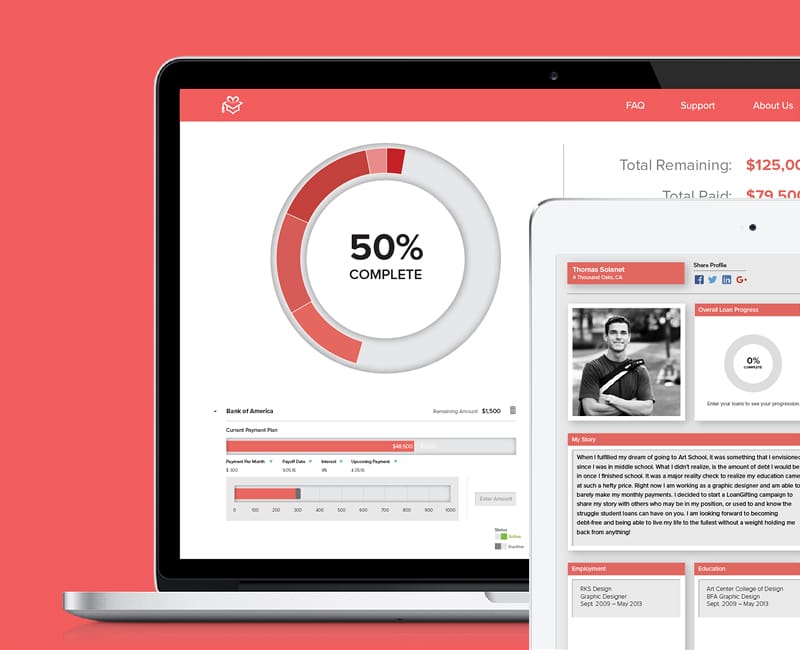
Modern industrial products combine cutting-edge software and hardware, guided by integrated design practices. With technology ever-evolving, these products often merge both realms. We utilize top tools and technologies like augmented reality, AI facial and body tracking, natural language processing, blockchain, machine learning with tools like TensorFlow, video processing, hardware integration, IoT, and 3D imaging with OpenGL.
ready to partner with us?
Contact UsFrequently Asked Questions
What is industrial product design?
Industrial product design focuses on conceptualizing and creating products that are functional, aesthetically pleasing, and manufacturable. It combines art, science, and technology to bring innovative solutions to everyday problems.
How does industrial product design differ from general product design?
While general product design can encompass a broad range of items, from digital assets to physical objects, industrial product design specifically targets mass-produced goods, often involving materials like plastics, metals, and other industrial materials.
Why is understanding the market crucial for successful industrial product design?
A deep understanding of the market helps designers cater to consumer needs, predict trends, and ensure that the product has a competitive edge once launched.
What are the key stages in the industrial product design process?
The key stages include research, ideation, prototyping, testing, and manufacturing. Each stage requires careful planning and execution to ensure product success.
Can I see examples of previous industrial product design projects from RKS Design?
Certainly, our portfolio at rksdesign.com/work-all/ showcases a range of products we’ve designed, reflecting our commitment to innovation and quality.
How do I get started with RKS Design for my industrial product design needs?
Begin by reaching out to our team through our contact page. We’ll discuss your product ideas, market research, and how we can collaborate to bring your vision to life.