
How does L.A.’s cultural diversity drive unconstrained design and innovation?
For decades, Los Angeles has been cradle to some of the most innovative designs and designers in the world. Their names resonate with both designers and non-designers alike: Raymond Lowey, the father of Industrial Design itself, Charles and Ray Eames who changed the course of furniture and design, Frank Gehry who broke the mold on architecture, and Saul Bass, who drove Graphic Design to new heights. Then too, lest we forget about Walt Disney, a creative genius with a vision he designed into reality and changed the world.
 Diversity Drives Design
 Diversity Drives Design
The breadth and depth of this creative output has no doubt been driven by cultural diversity that is unique to Los Angeles. In fact, L.A. is home to many communities whose populations are larger outside of their home countries, including Korea, Iran, Thailand, Mexico, El Salvador, etc. Nearly half of L.A.’s population is Latino, 11 percent is Asian, and 10 percent is African-American. Because LA is so large and diverse, it is decentralized; a series of interlinked communities and cultures that harmonize but not necessarily with any shared mission, vision or brand statement. This diversity has also driven incredible economic success. With a GDP of over 1 trillion dollars, makes it one-third of California’s overall ranking as the fifth largest global economy. L.A. and its Southern California surrounding communities have 24 million residents with 70 Universities of Higher Education.
Designing the Future
At the western edge of the United States, Southern California has always been a leader in design. Starting in the 1950’s, NASA and JPL began testing rockets in the clear blue skies over the vast California desert. This endless progress of flight and pursuit of space travel established an industry that attracted the world’s leading designers and engineers. Rocketdyne, McDonnell Douglas, Lockheed Martin, Boeing and many others pushed the envelope of design and technology on a daily basis, and attracted yet more designers and engineers to the region. The trickle-down effect spawned an unparalleled wellspring of local design ingenuity that continues to this day. 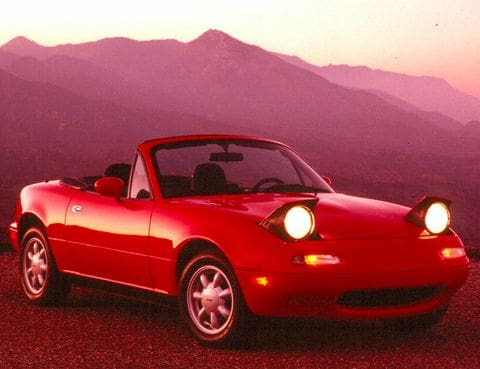
Car companies have long recognized the cultural relevance of Los Angeles’ multicultural residents. Mazda’s Tom Matano famously designed the game-changing Miata sports car in California, and recognized the cultural tapestry of L.A., observing that, “if it works in Southern California, it’ll work anyplace.” And it did. Volkswagen’s “New Beetle” was designed in Simi Valley, California and its new Design Center is located in nearby Oxnard. Volvo currently has a design studio in neighboring Camarillo and BMW—along with its Mini and Rolls-Royce brands—has its design studio in Newbury Park, ten miles up the road.
The future, like the present and past, is incredibly bright. General Motors is investing $71 million to expand its automotive design center in Pasadena…a stone’s throw from Art Center College of Design, possibly the most prolific womb of automotive and product design in the world. Aspiring designers in myriad fields—especially automotive and consumer products—converge on this campus from across the seas to bask in the California sunshine and the unparalleled design magic for which the Art Center is renowned.
In the last decade, major technology companies have either grown in the Southern California sun, or relocated major business units. Snapchat was founded in Venice on the beach, and Electronics Arts was founded only a stone’s throw away. Google, Amazon, Apple, and Sony all have major design and innovation divisions in LA.
These future shapers of our world share a bright, diverse and motivational environment that speaks of what is possible…where, if you design it today, you see it on the road tomorrow. The endless inspiration and creativity generated in a place where play is as important as work contributes to the essential connection between great design and the consumer.
Growing Our Roots in Fertile Land
Design is not one thing, but many things. Design is multimedia and cross-pollinating and includes Fashion, Film, Music, Architecture, Branding, Advertising, etc. Many designers, including RKS principal Ravi Sawhney, landed here not by their own choice, but were thrown into the back of a station wagon and driven here cross country by their parents getting way from the cold and looking for the multicultural promise of acceptance that LA made. But then, many (if not most) of the brightest minds in design and creativity came here by choice, to be close to other designers, and the warm Southern California sun that seems to drench and seep into cracks of every Angelino’s soul.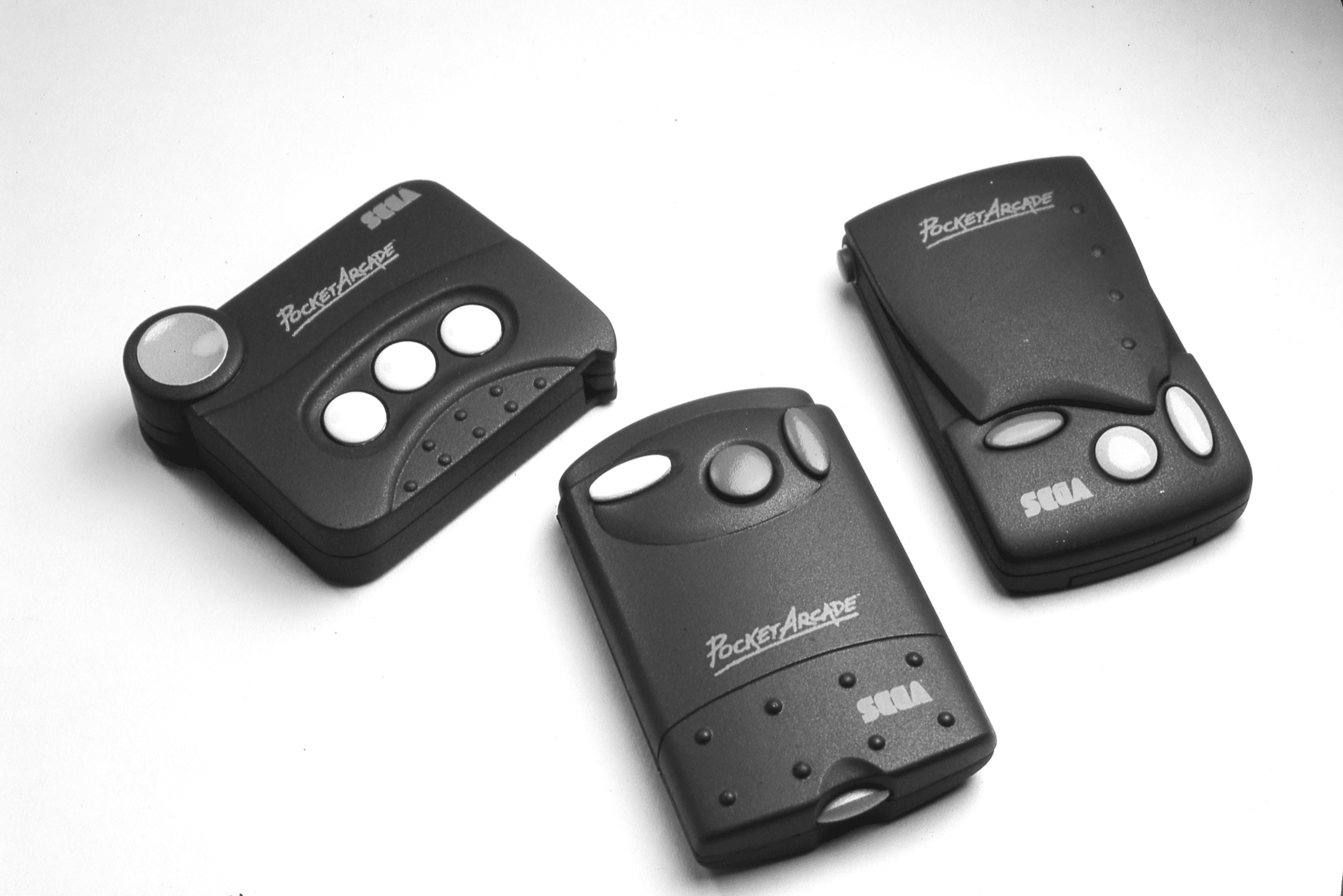
Our story, RKS, started in industrial design. Being here in L.A., we found that the cultural and business diversity unique to LA became our playground. And as we became more integrated in our community, we found our work extending far beyond the borders of making beautiful products. We now work in UX, UI, software development, and design strategy.
 Our Future

It wouldn’t be fair to say that Southern California has a monopoly on great design, but few would argue that it has any real rivals with its diversity and cross-pollination of different art, film, architecture, technology, and design disciplines. L.A.’s secret is that it lives in the building of today and the designing of tomorrow. We spend our time reflecting on what we have learned, what we can do, and how we bring tomorrow to life in new refreshing ways that reinvent us and everything around us. It’s a mindset. All we know is that L.A. was, is, and will continue to be an increasingly important cradle for good design and a beacon of design diversity around the world.
We’re happy to be here.