Field Notes
How RKS Designed the MiniMed Insulin Pump: A Full Case Study
Before MiniMed, insulin pumps were often viewed as intimidating medical equipment, creating barriers to adoption for the people who needed them most. RKS partnered with MiniMed to redesign the experience around the patient, transforming a complex clinical device into something more approachable, intuitive, and empowering.
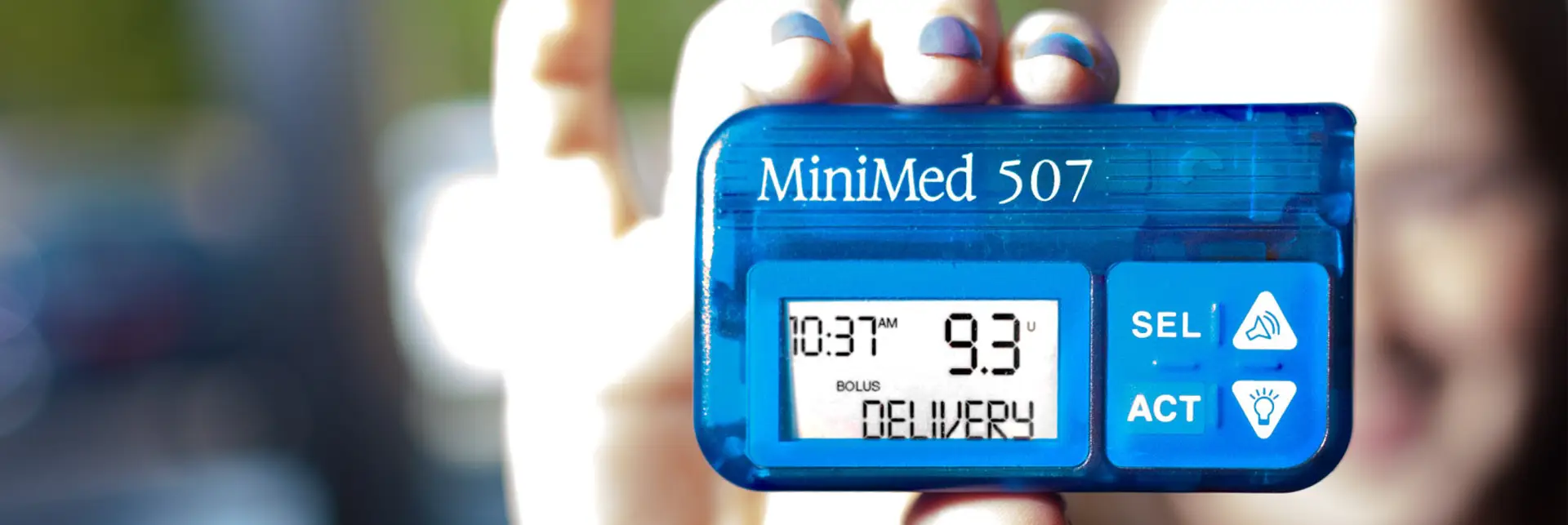

MiniMed 507: How Strategic Design Increased Adoption and Led to a $3.6 Billion Acquisition
Before MiniMed, insulin pumps were often viewed as intimidating medical equipment, creating barriers to adoption for the people who needed them most. RKS partnered with MiniMed to redesign the experience around the patient, transforming a complex clinical device into something more approachable, intuitive, and empowering. By reducing friction, increasing confidence, and improving everyday usability, the redesign helped drive widespread adoption, contributing to a 500% increase in sales and ultimately supporting Medtronic’s acquisition of MiniMed for $3.6 billion.
- Type
- RKS Design Perspective
Date
The MiniMed insulin pump is one of the most consequential medical device designs in history. It transformed the management of Type 1 diabetes, moving patients from multiple daily injections to continuous subcutaneous insulin delivery, with a level of precision, convenience, and control that changed what it meant to live with the disease. By the time Medtronic acquired MiniMed in 2001 for $3.8 billion, the pump had become the market-defining product in its category.
RKS Design was the firm that created its industrial design. This is the story of how that happened, and what it reveals about the relationship between emotional design and commercial success.
The Brief: More Than a Medical Device
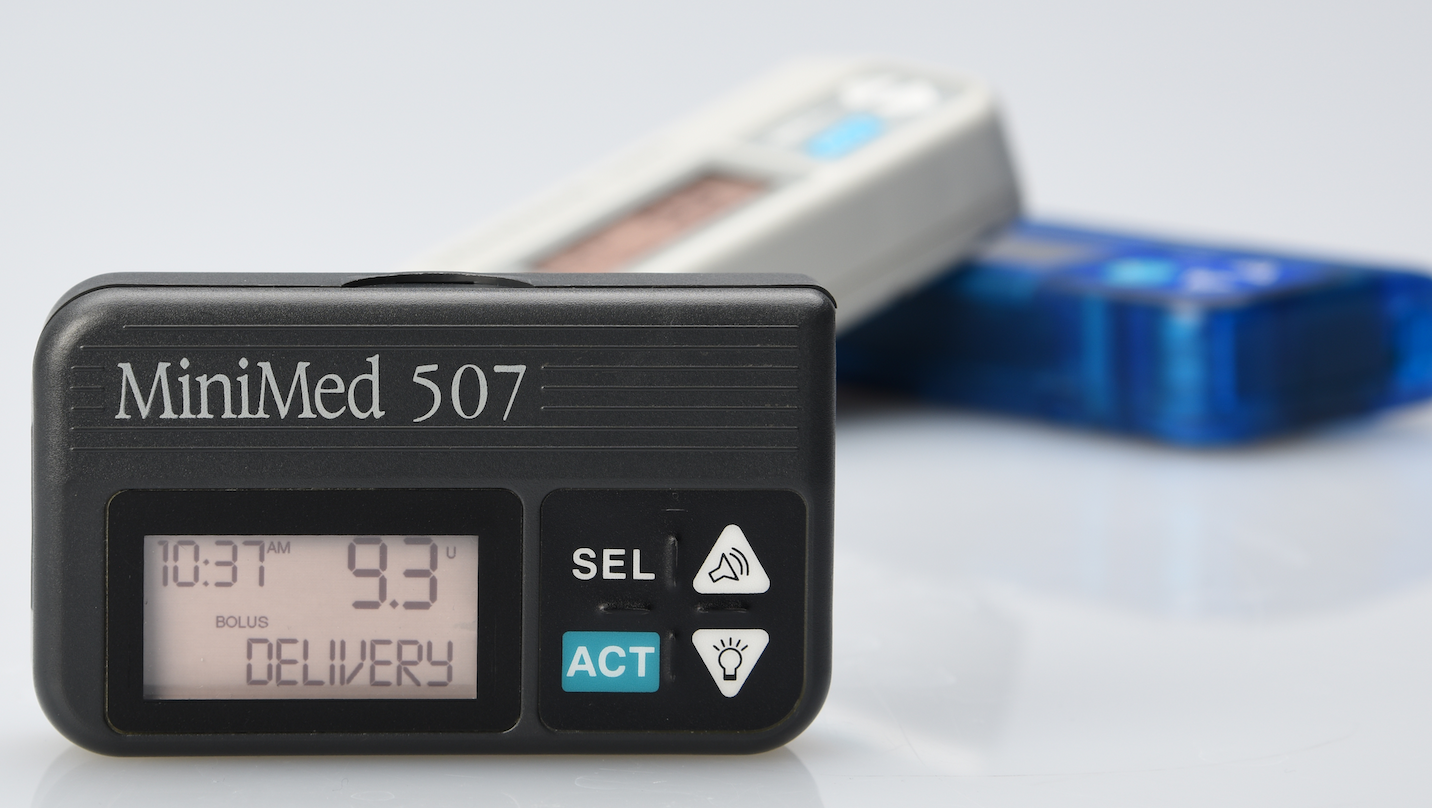
RKS began the engagement the way we begin every engagement: by investing deeply in understanding the people who would use the product. This is the first stage of our Psycho-Aesthetics® methodology, what we call Discover, and for the MiniMed project, it meant spending significant time with insulin-dependent patients to understand not just their functional needs but their emotional lives.
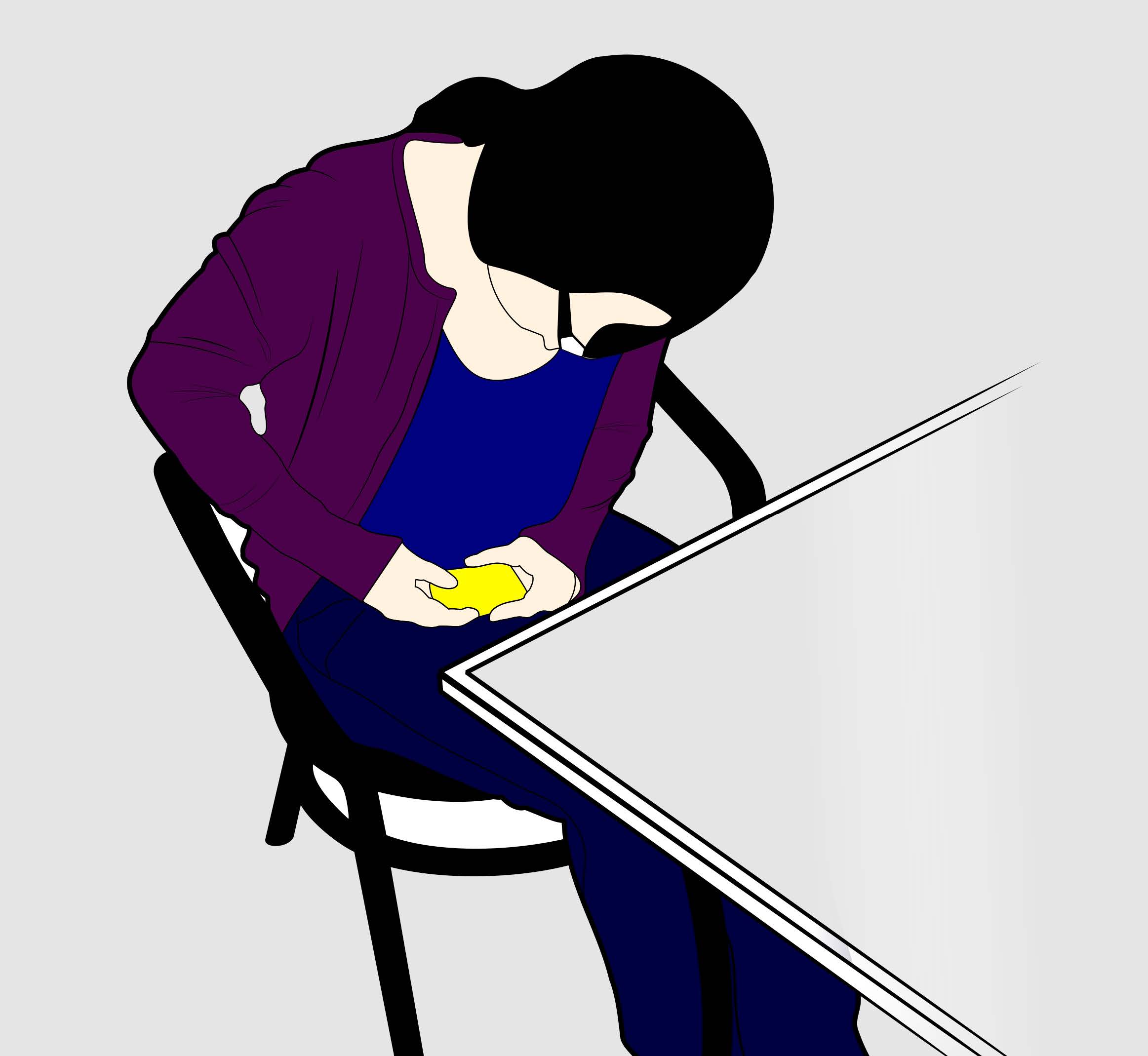
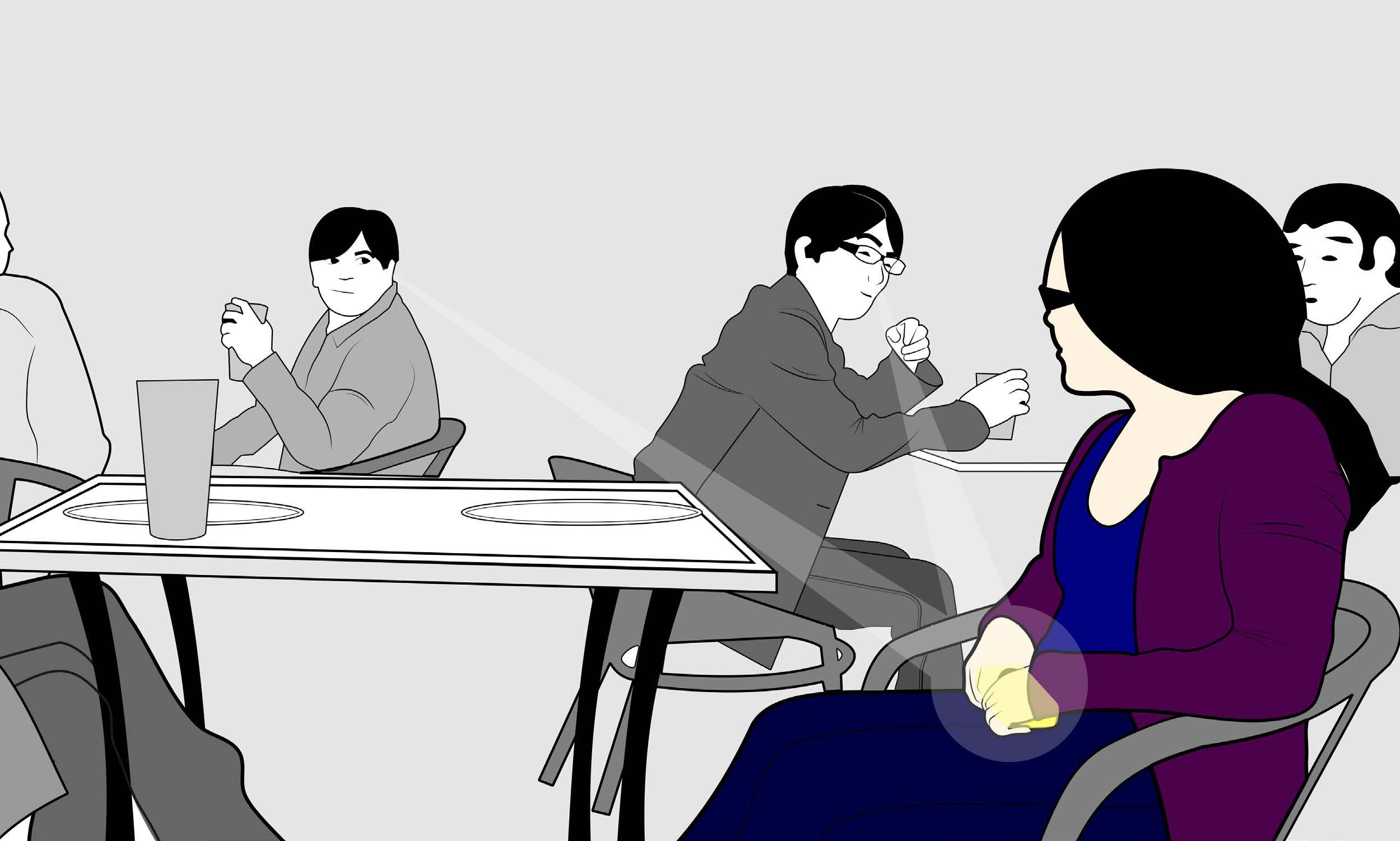
What emerged from that research was a clear and actionable emotional insight: patients with Type 1 diabetes had a profound desire for normalcy. They wanted to manage their condition without being defined by it. They wanted to go to school, to work, to the beach, and not be asked “what is that thing on your belt?” The device they wore every day was, for many of them, the most visible reminder of a condition they’d rather not have to think about constantly.
A secondary insight was equally important: patients wanted to feel in control. Insulin management is a deeply personal discipline, a constant negotiation between food, activity, stress, and insulin levels. A device that felt precise, responsive, and reliable would reinforce the patient’s sense of agency. A device that felt medical and impersonal would undermine it.
The Research: Understanding the Emotional Landscape
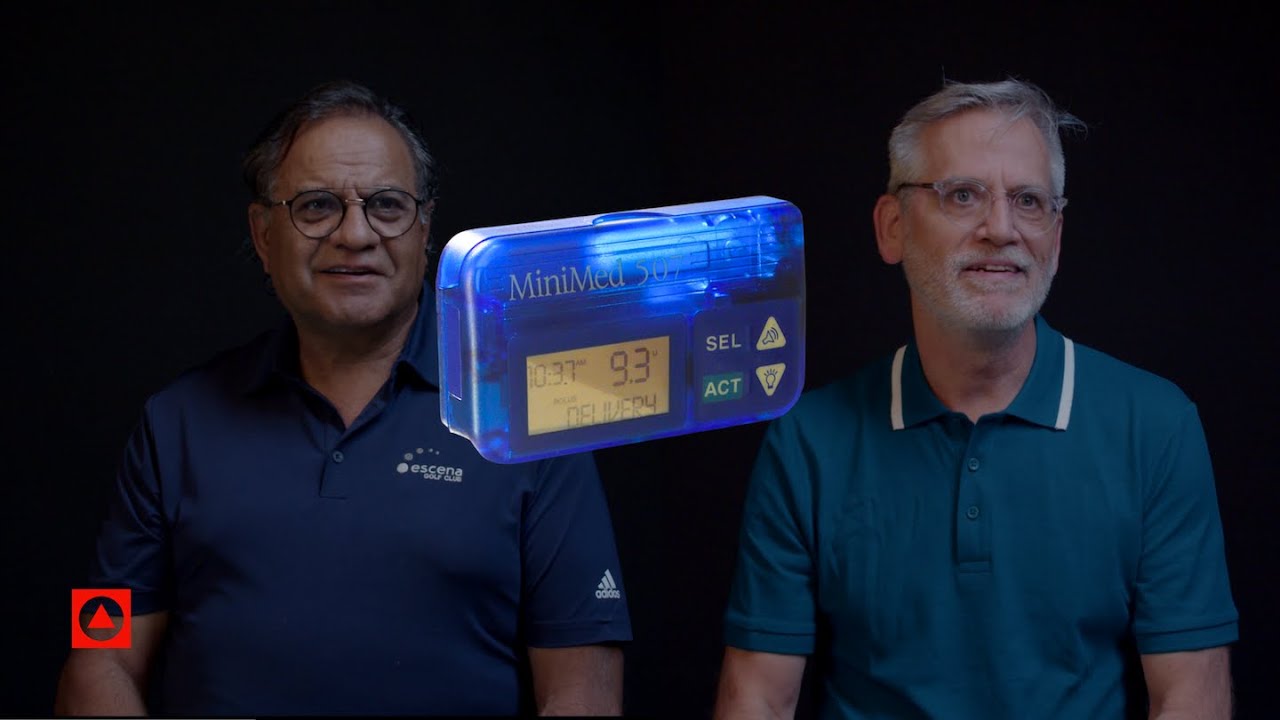
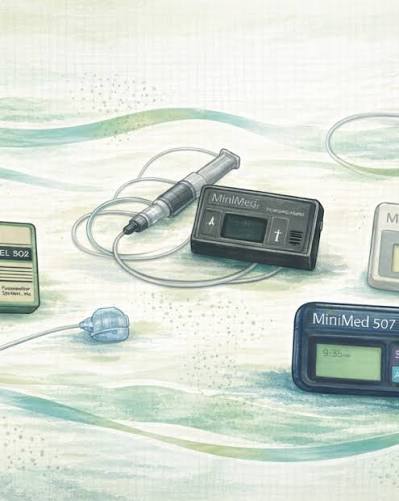
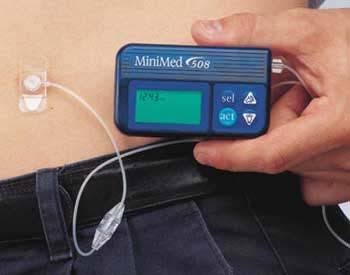
“We became that user. That was how we cracked the code.”
CEO & Founder Ravi Sawhney and Lead Designer Lance Hussey discuss how RKS used immersive research and Psycho-Aesthetics® to transform MiniMed from a clinical device into an empowering personal product, helping drive adoption, category leadership, and a multi-billion-dollar acquisition.
With these emotional targets established, the RKS design team got to work. Every design decision was evaluated against the same question: does this help the patient feel normal, and does it reinforce their sense of control?
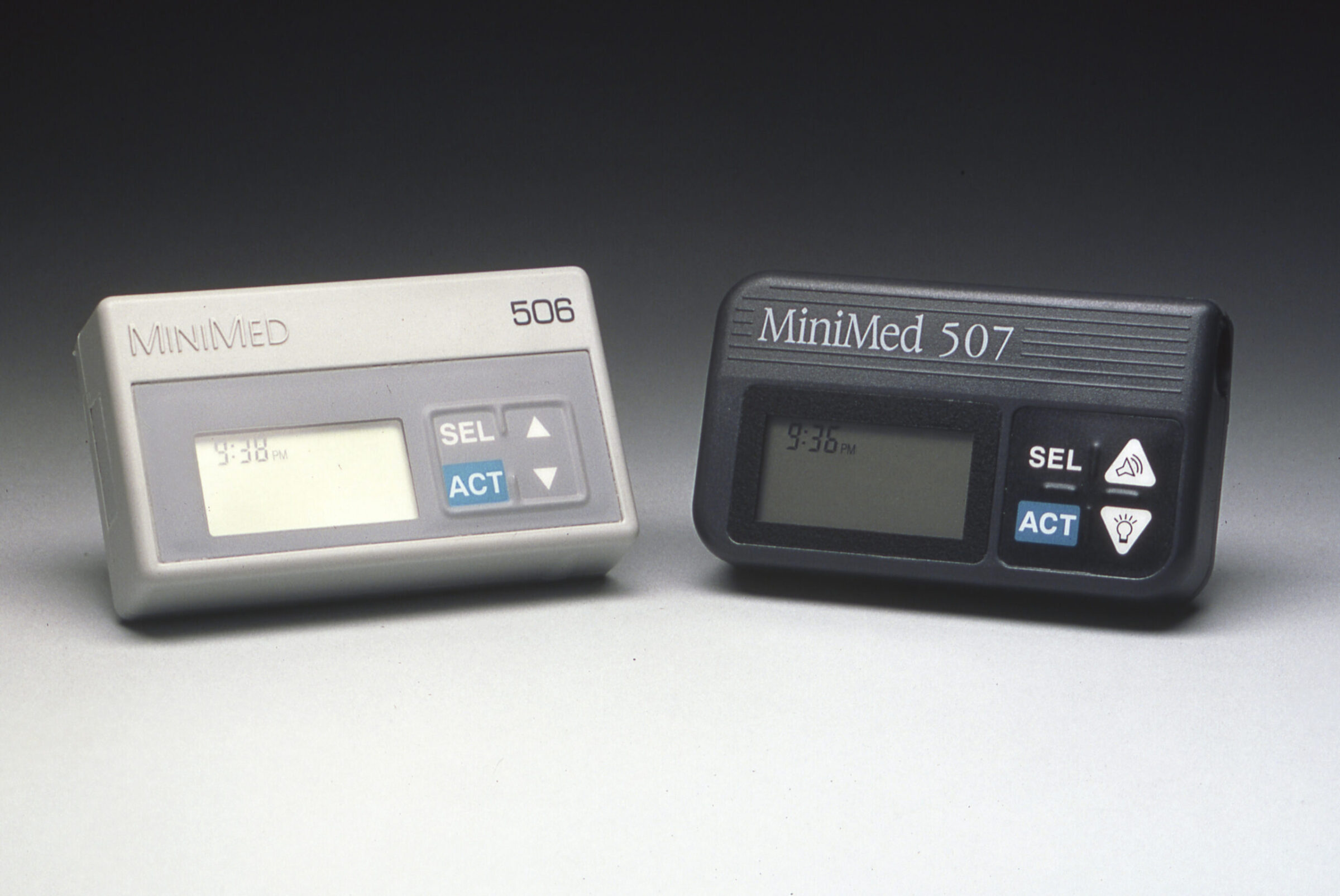
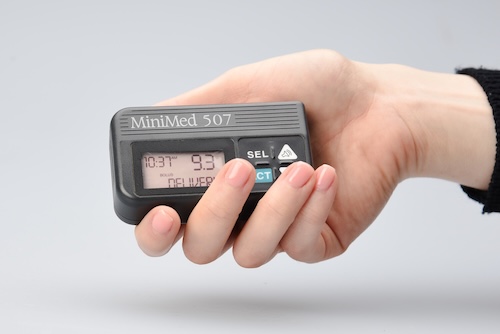
The form language moved away from clinical device aesthetics toward something closer to consumer electronics, the category that patients associated with technology that was personal, desirable, and unremarkable in public. The proportions were refined to sit naturally on the body. The surface treatments were chosen for tactile quality as well as visual appeal. The display and interface were designed to communicate confidence and precision rather than complexity and medical necessity.
The result was a device that looked like it belonged to a person, not to a disease. Patients who had dreaded wearing previous-generation pumps found themselves comfortable wearing the RKS-designed device in contexts where they’d previously hidden it. That wasn’t a cosmetic outcome. It was a therapeutic one: patients who wore their pumps consistently had better glycemic control.
The Design: Normalcy as a Design Target
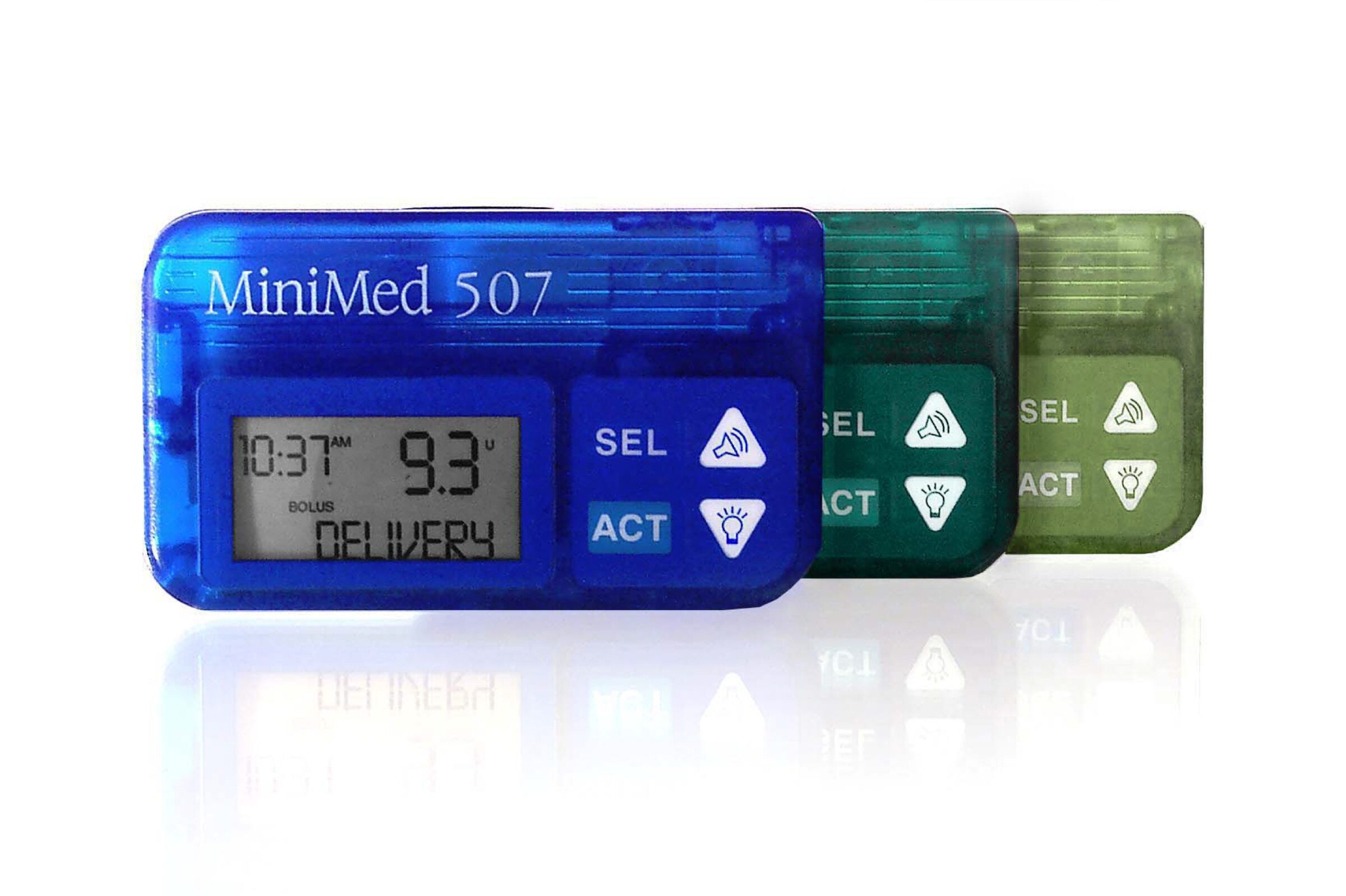
The MiniMed pump became the world’s best-selling insulin pump. Its commercial dominance wasn’t achieved by technical specification advantages alone, competitors had capable devices. It was achieved because the RKS design made patients want to use it. That emotional connection translated into word-of-mouth recommendation, clinician preference, and institutional adoption at a scale that technical performance alone wouldn’t have generated.
When Medtronic acquired MiniMed in 2001, the $3.8 billion valuation reflected the strength of a franchise built on both clinical efficacy and emotional design. The pump was the platform on which MiniMed’s market position rested, and that platform was, in significant part, a design achievement.
The Outcome: Market Leadership
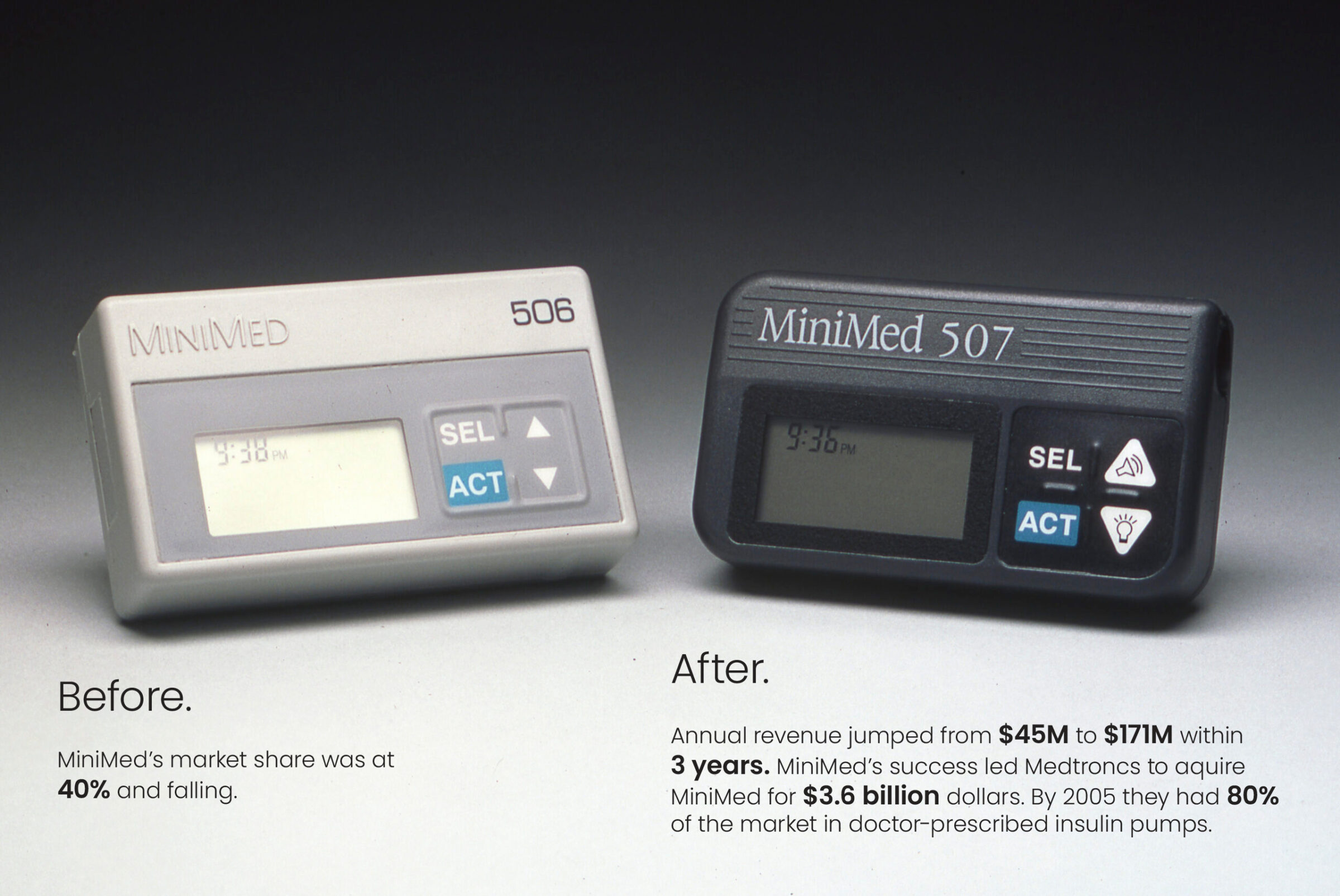
Functional excellence is necessary but not sufficient. The MiniMed pump worked well before RKS was engaged. The design work didn’t fix a clinical problem, it solved a human one. In competitive markets where multiple devices offer comparable clinical performance, emotional design is often what determines market leadership.
Emotional insight must precede design decisions. The RKS approach begins with understanding what users want to feel, not what features they want. That sequencing matters. Design decisions made without an emotional target produce products that may be functional and aesthetically considered but don’t connect. Design decisions made in service of a clear emotional target produce products that feel inevitable to users.
The best medical device design serves the whole person. Patients are not defined by their conditions. Devices that treat them as patients first and people second create barriers to adoption and consistent use. Devices that honor the patient’s full identity, designed for the life they want to live, not just the condition they manage, are adopted more readily and used more consistently.
What This Case Teaches Us About Medical Device Design
The MiniMed engagement established a set of principles that guide RKS’s approach to medical device design to this day. If you’re developing a medical device and want to understand how Psycho-Aesthetics® and human-centered design can support both clinical and commercial outcomes, we’d welcome the conversation. Visit our medical device design and development page to learn more, or contact us to start a project discussion.