Field Notes
Human-Centered AI: Why Adoption Matters More Than Technology
Artificial intelligence has fundamentally changed how organizations generate information, accelerate workflows, and make decisions. But despite unprecedented advances in AI capabilities, one challenge continues to hold businesses back: adoption.

Artificial intelligence has fundamentally changed how organizations generate information, accelerate workflows, and make decisions. But despite unprecedented advances in AI capabilities, one challenge continues to hold businesses back: adoption.
The question is no longer whether AI can produce answers. It’s whether those answers translate into products, services, and experiences that people trust, embrace, and ultimately choose.
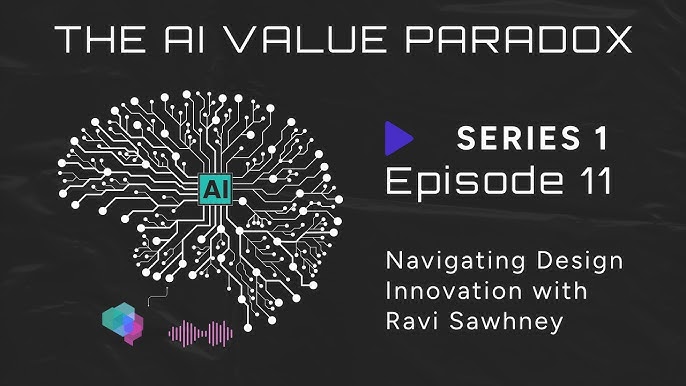
In a recent conversation on the AI Value Paradox Podcast, RKS Design Founder and CEO Ravi Sawhney explored why the next chapter of AI innovation depends less on the technology itself and more on understanding the human behaviors that determine success. Drawing on more than four decades of experience developing Psycho-Aesthetics®, Ravi shares why the future of innovation will belong to organizations that move beyond algorithms and begin designing for trust, meaning, and human adoption.
AI Doesn’t Need More Intelligence | It Needs Better Human Direction
- Type
- RKS Design Perspective
- Date
- June 30th, 2026
- Podcast
- The AI Value Paradox
- Listen to the Full Episode
- Here: Listen to the Full Episode
Moving Beyond the AI Hype Cycle
The excitement surrounding generative AI has been unprecedented.
Organizations are investing billions into new infrastructure, deploying copilots, automating workflows, and experimenting with increasingly capable models.
But novelty fades quickly.
Eventually every organization asks the same question:
Is this actually creating value?
AI excels at identifying patterns from what already exists. It can summarize information, generate content, and accelerate execution.
What it cannot inherently determine is why people choose one product over another, why customers trust certain brands, or why employees embrace one new workflow while resisting another.
Those decisions remain deeply human.
Innovation succeeds when technology aligns with emotion, aspiration, identity, and behavior.
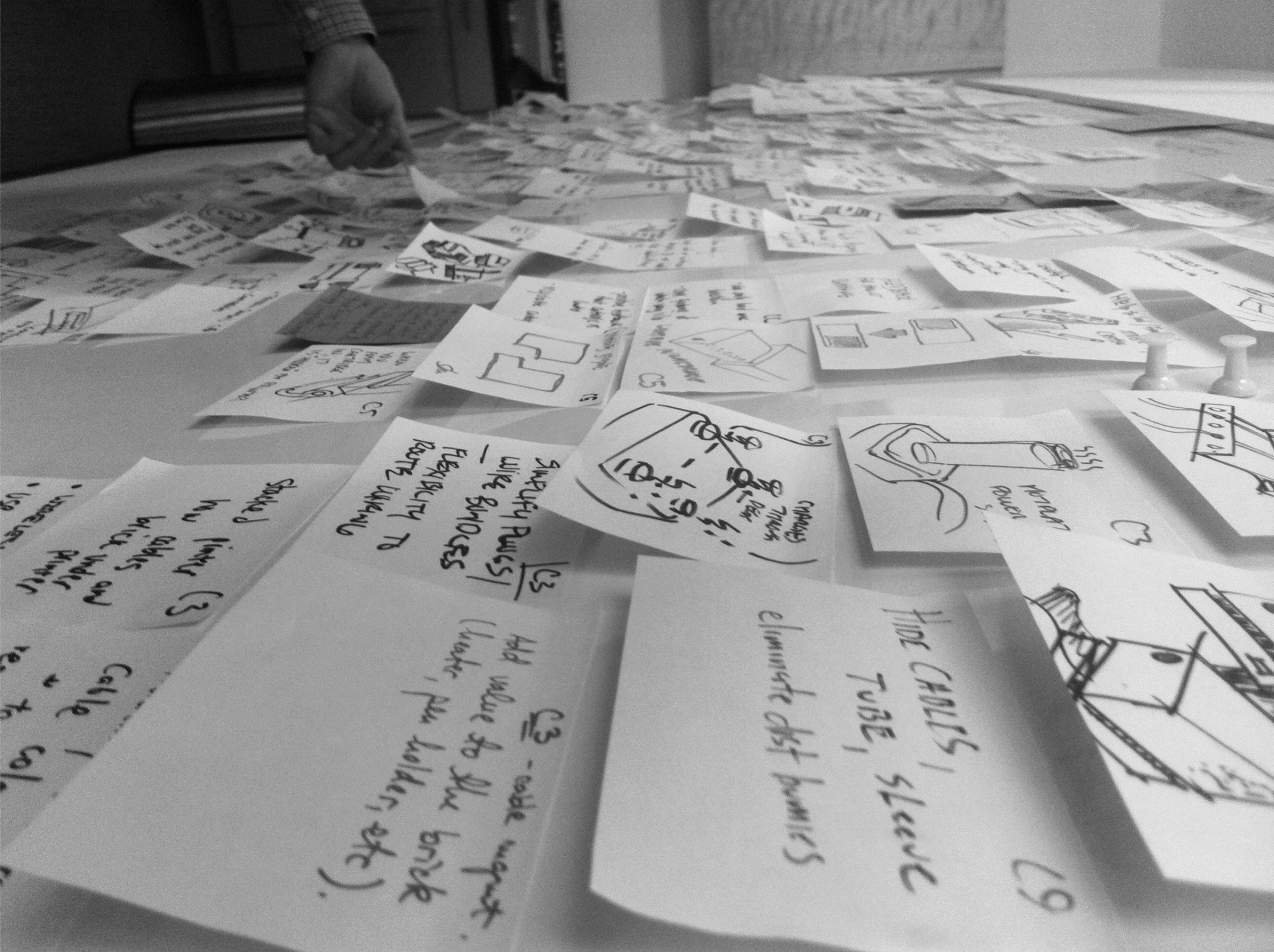
The Missing Layer Between Intelligence and Adoption
For more than four decades, RKS Design has explored the relationship between human behavior and successful innovation through Psycho-Aesthetics®, a methodology Ravi developed in the early 1980s.
Its central idea remains surprisingly simple:
People don’t respond only to what a product does.
They respond to how it makes them feel about themselves.
That distinction changes everything.
Instead of beginning with technology, the design process begins with understanding aspirations, emotional motivations, unmet needs, and the subtle behavioral signals people often struggle to articulate themselves.
Those insights become the foundation for products, services, experiences, and brands that people genuinely want to adopt.
AI can dramatically accelerate this work.
It cannot replace the human understanding that makes it meaningful.
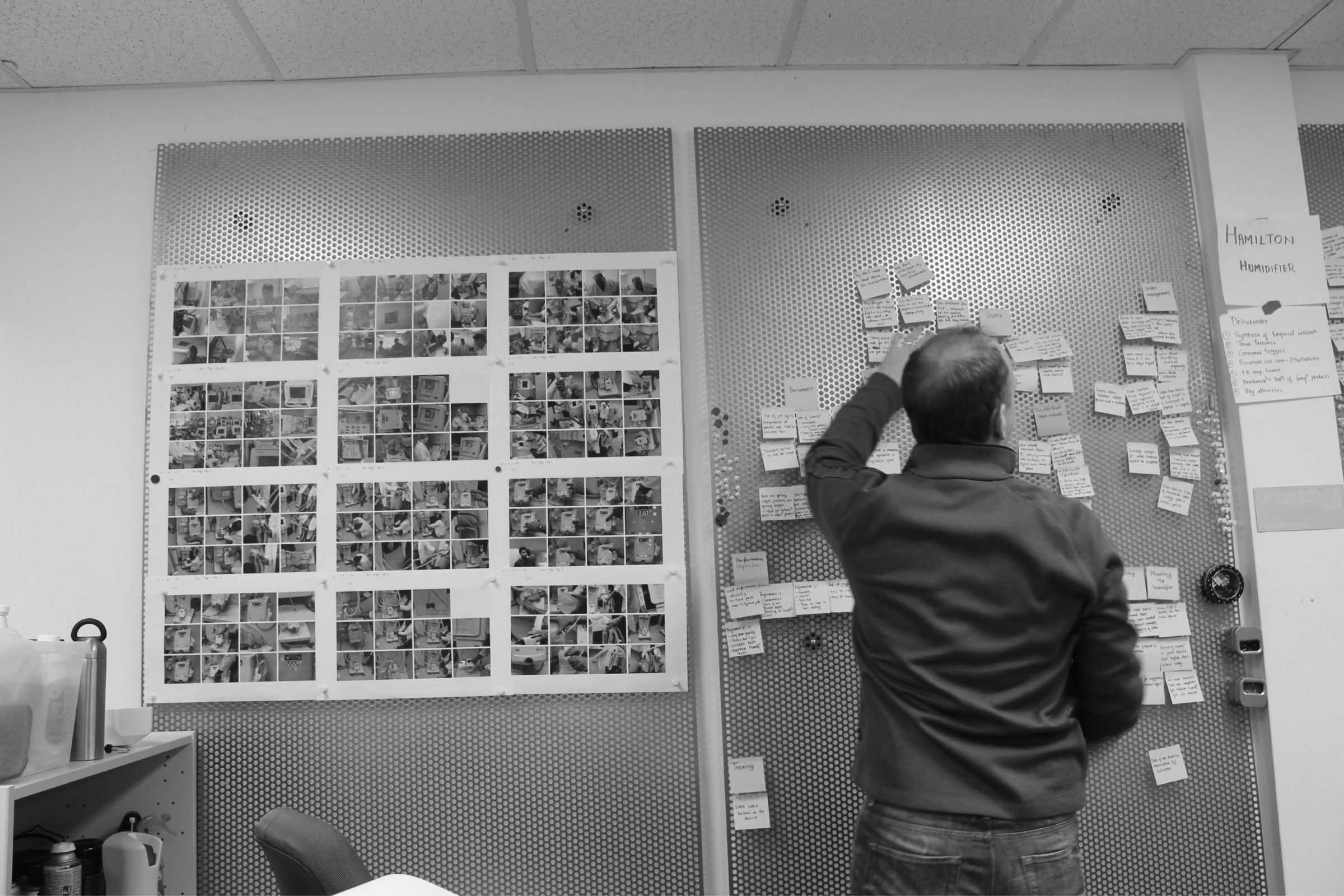
Why Better Research Still Matters
One of the strongest themes throughout the conversation was Ravi’s belief that human research has become more important, not less, in the age of AI.
Large language models learn from existing information.
They do not observe hesitation during an interview.
They cannot recognize subtle changes in body language.
They cannot experience embarrassment, pride, anxiety, confidence, or aspiration firsthand.
Those moments often reveal the real barriers to adoption.
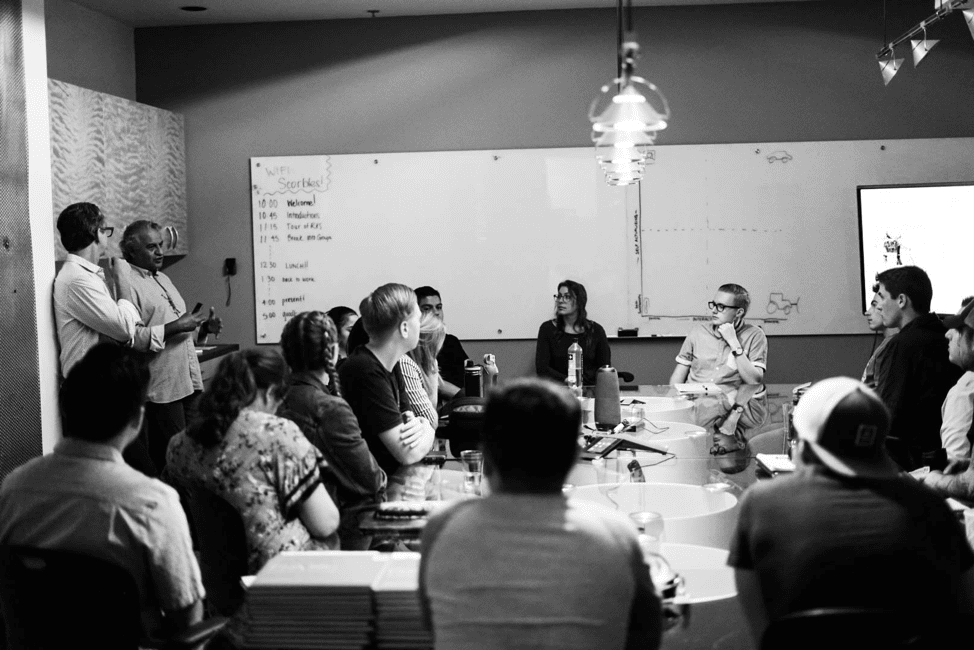
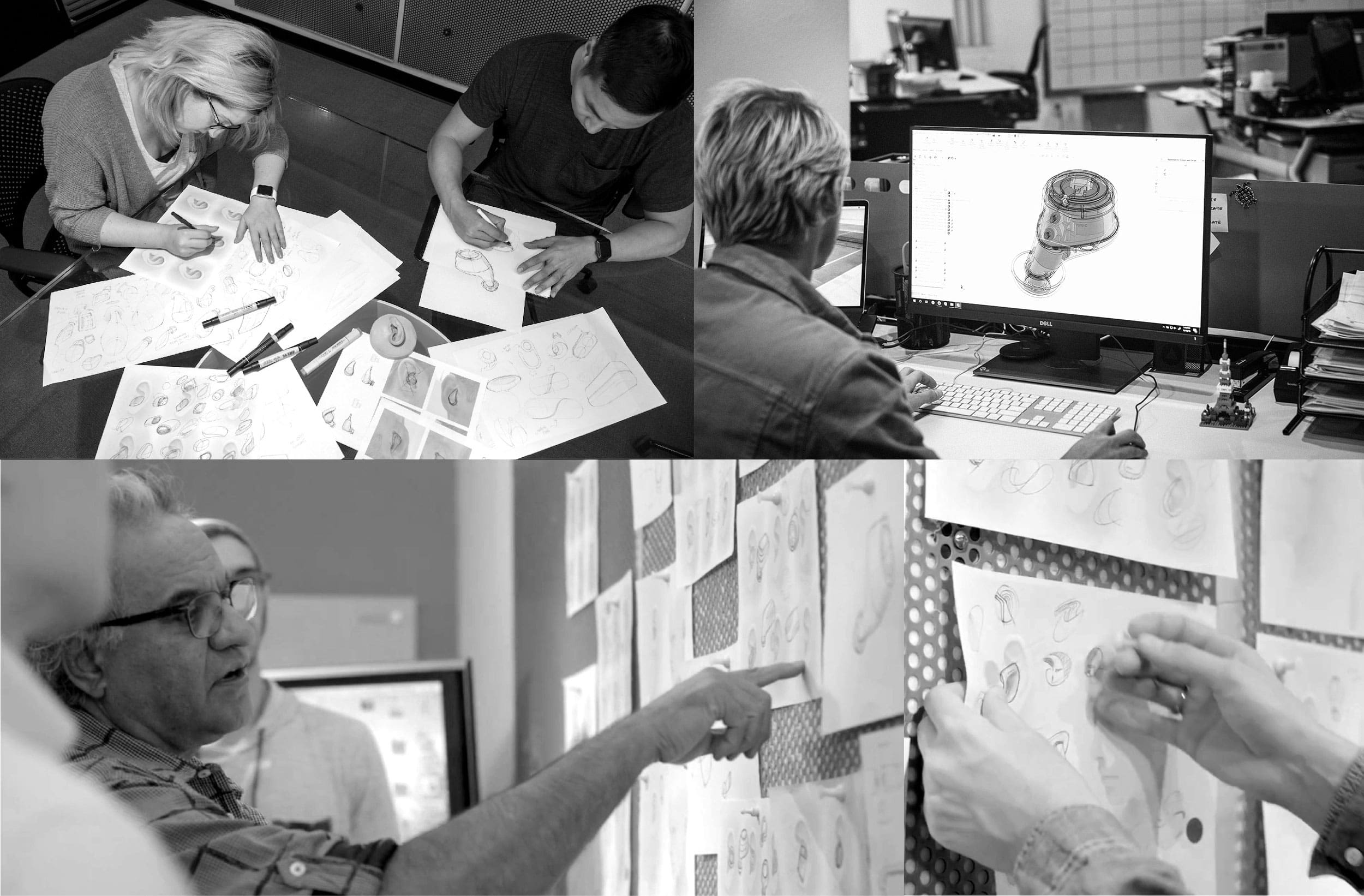
For decades, RKS Design has relied on immersive ethnographic research, observing real people in real contexts to uncover insights that traditional surveys rarely expose.
These moments frequently become the catalyst for breakthrough innovation.
Technology helps organize knowledge.
People reveal meaning.
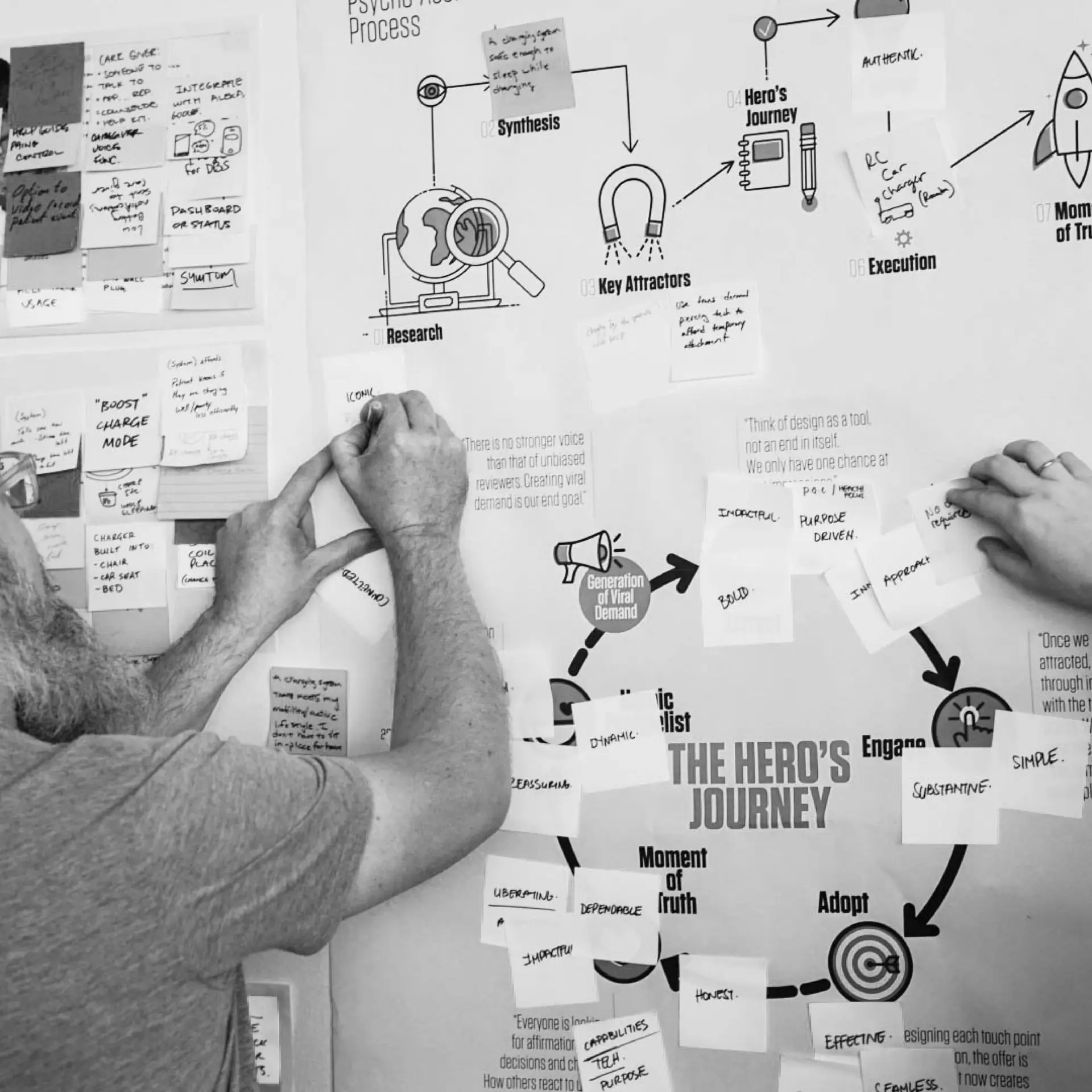
Designing for the Hero’s Journey
Innovation is rarely a single decision.
It is a sequence of emotional decisions.
Ravi described how successful products often follow a progression similar to the classic Hero’s Journey.
First, people encounter something new.
Then comes hesitation.
Uncertainty.
Resistance.
Only after a series of positive experiences do they develop confidence, adopt the solution, and ultimately recommend it to others.
Great design intentionally supports this progression.
Every interaction becomes an opportunity to reduce friction and reinforce confidence.
The goal isn’t simply usability.
It’s helping people feel increasingly capable.
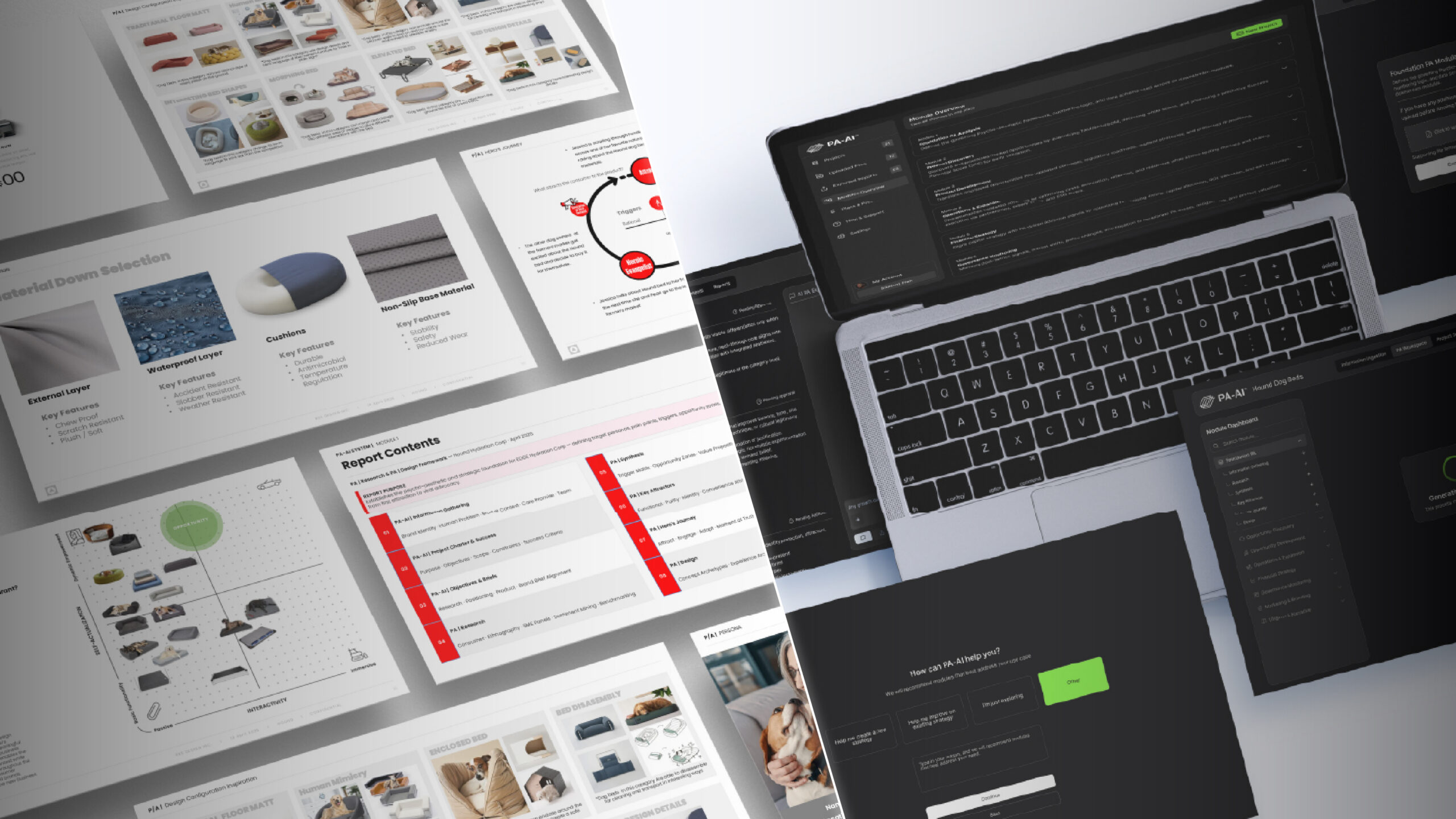
AI as a Force Multiplier
While Ravi remains cautious about overstating AI’s creative capabilities, he is equally optimistic about its ability to amplify human expertise.
Work that once required months of synthesis can now happen in days.
Teams can evaluate significantly more opportunities.
They can visualize strategic directions faster.
They can spend less time assembling information and more time interpreting it.
The result is not replacing creativity.
It’s expanding the amount of meaningful creative work people can accomplish.
When guided by the right human framework, AI becomes a powerful multiplier for innovation rather than a substitute for it.
Designing the Future Requires Designing for People
Throughout the conversation, one message remained remarkably consistent.
Organizations often believe AI implementation is primarily a technology initiative.
In reality, it is an adoption initiative.
Technology creates capability.
People create value.
Whether developing medical devices, consumer electronics, enterprise software, or entirely new business models, long-term success depends on understanding the invisible human signals that shape every decision.
As AI continues to evolve, those signals will only become more important.
Because the future won’t belong to organizations with the most sophisticated algorithms.
It will belong to those who best understand the people those algorithms are meant to serve.