Field Notes
Human-Centered Design vs. Design Thinking: Key Differences Explained
Human-centered design and design thinking are two of the most influential frameworks in modern product development, and they're often confused for the same thing.
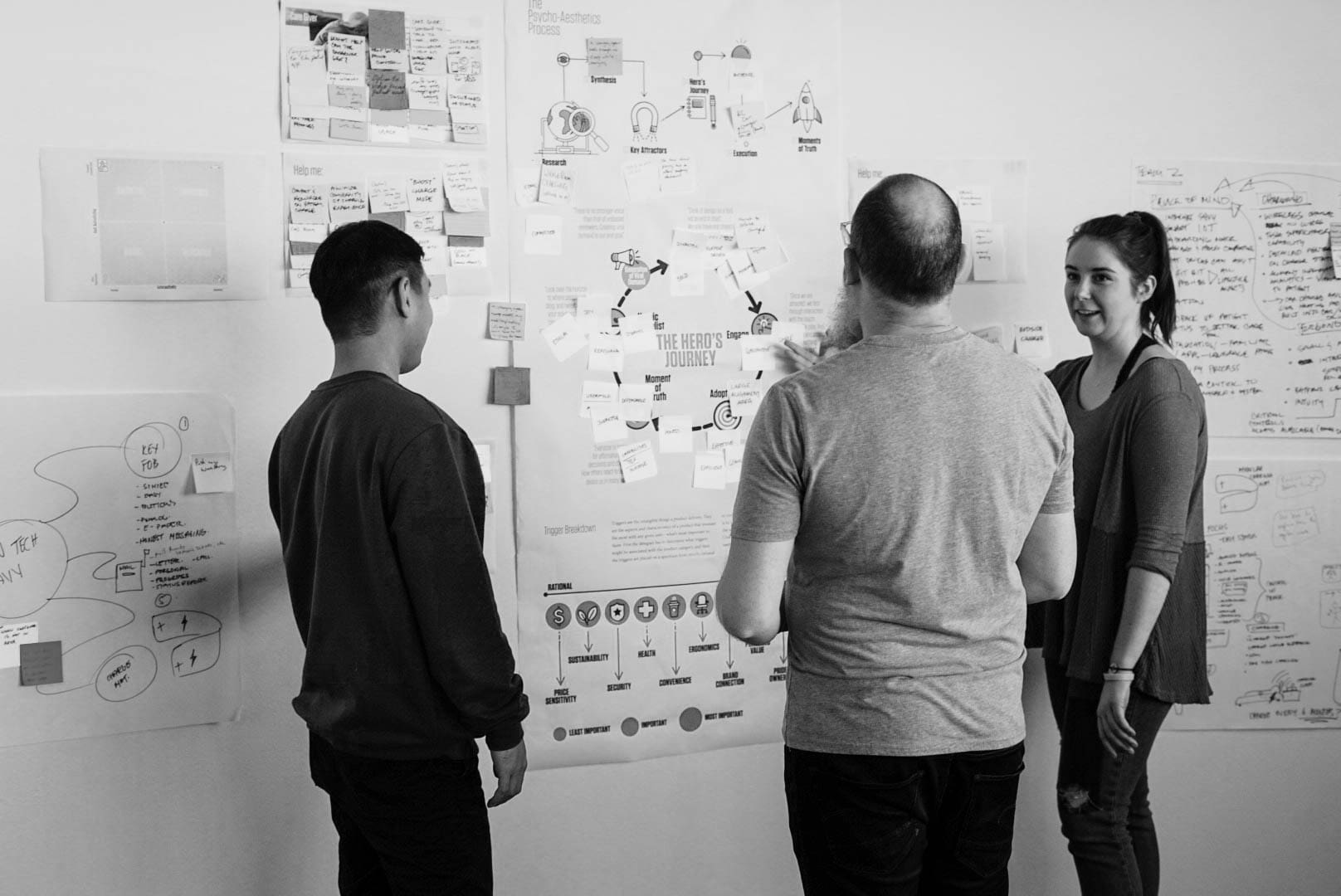

Human-centered design and design thinking are two of the most influential frameworks in modern product development. They’re often used interchangeably, which creates real confusion, especially for teams trying to decide which approach to apply to a given challenge. The distinction matters: understanding what each framework does well, and where it falls short, can determine whether your next product effort produces an incremental improvement or a genuine breakthrough.
Both approaches emerged from a shared desire to create products and experiences that better serve people, but they operate at different levels. Human-centered design focuses on deeply understanding user needs, behaviors, and contexts to inform better solutions. Design thinking provides a broader problem-solving process for exploring ideas, testing assumptions, and driving innovation across teams. While they are highly complementary, treating them as identical can lead organizations to overlook important opportunities, either by solving the wrong problem exceptionally well or by generating ideas that lack meaningful human relevance.Human-Centered Design vs. Design Thinking: Key Differences and When to Use Each
Type
Date
What Is Human-Centered Design?
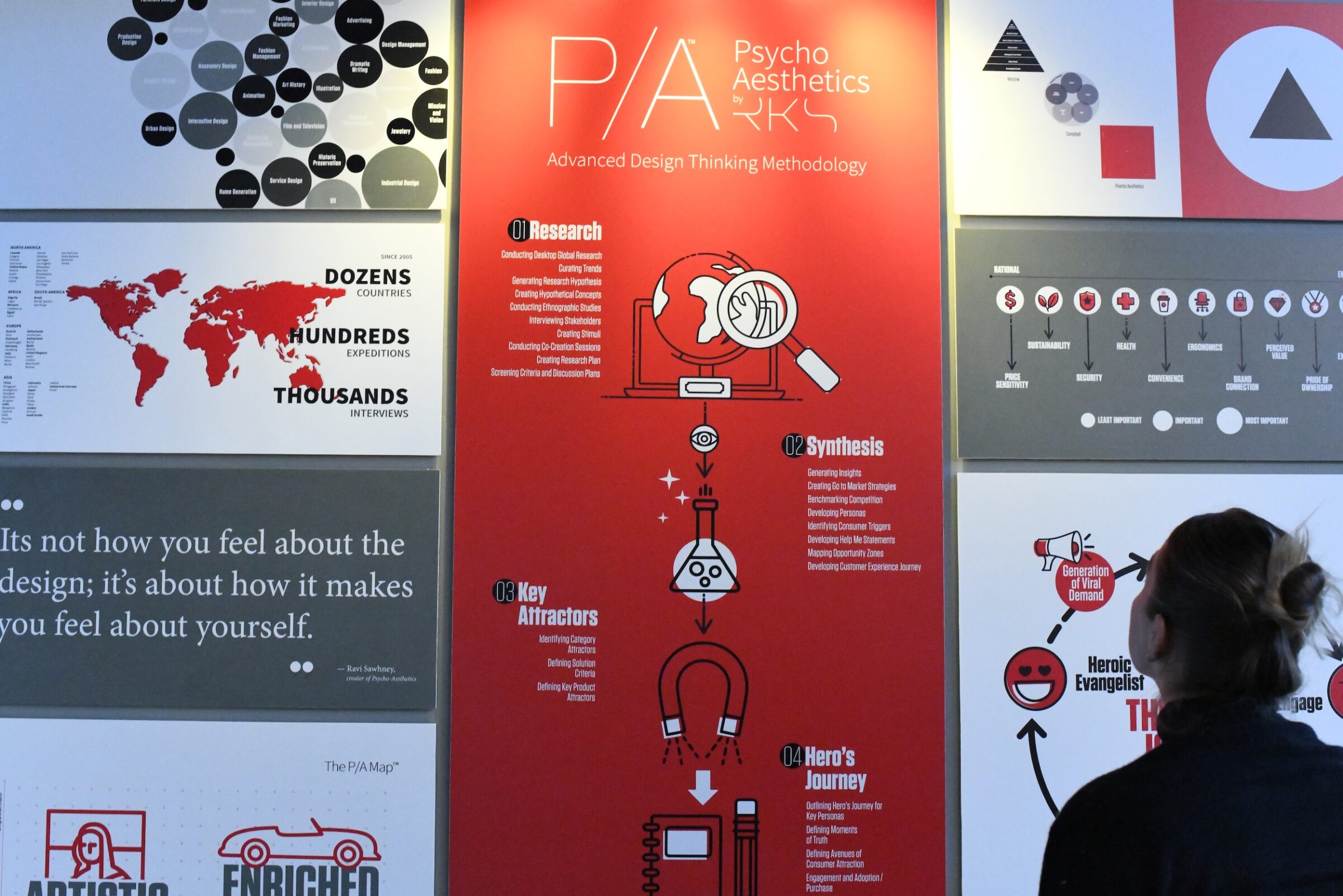
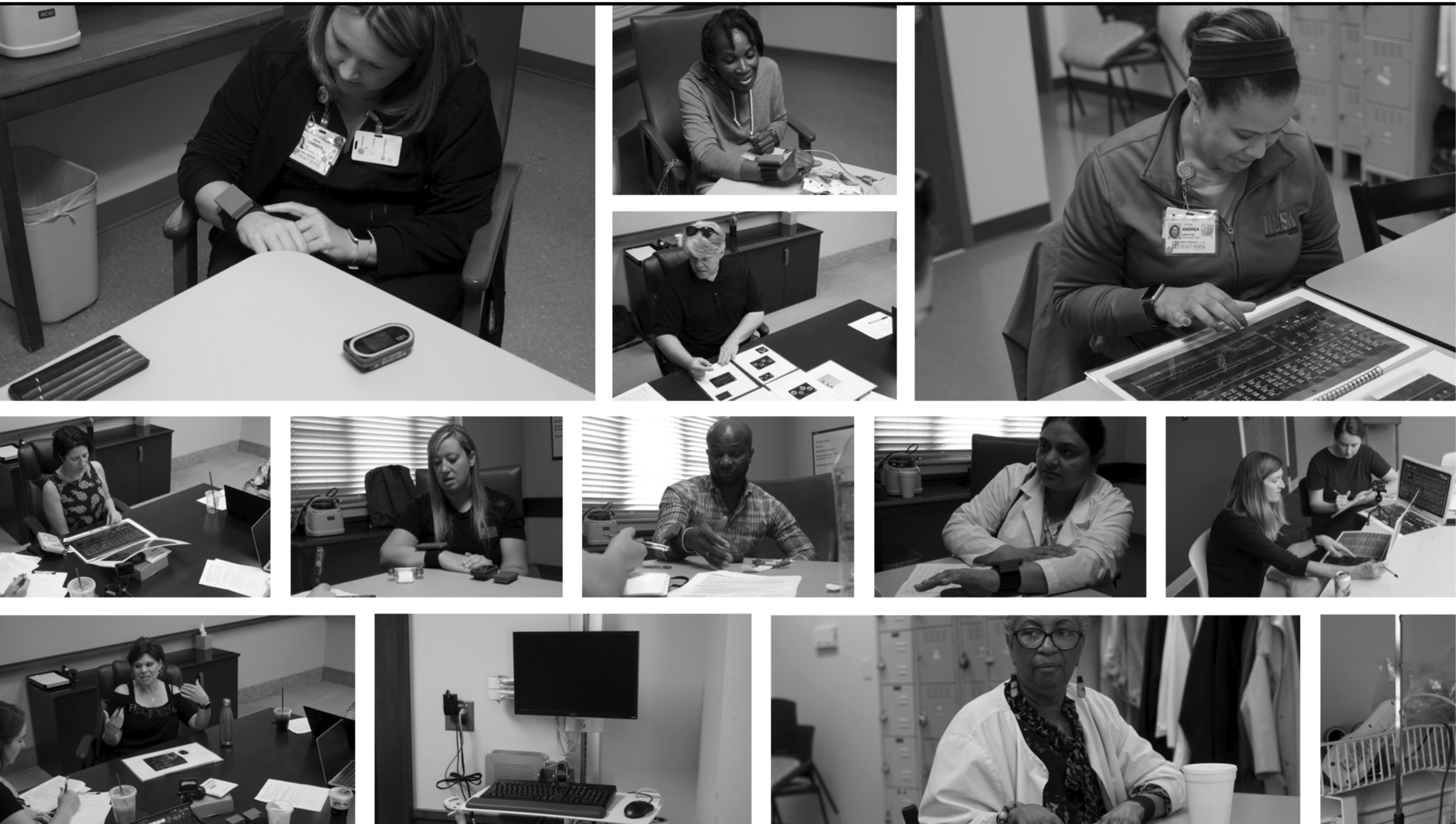
Human-centered design (HCD) is a design philosophy and process that places the needs, behaviors, and experiences of users at the center of every decision. Developed and popularized by organizations like IDEO and the Stanford d.school, HCD emerged from the recognition that many products fail not because they’re technically deficient, but because they don’t actually fit how people live and work.
The core principle is deceptively simple: before you design anything, deeply understand the people you’re designing for. This means going into the field, observing real behavior, conducting interviews, and building empathy for the full context of someone’s life, not just the moment they interact with your product. HCD is both a mindset and a process, typically moving through phases of research, synthesis, ideation, prototyping, and testing.
What Is Design Thinking?
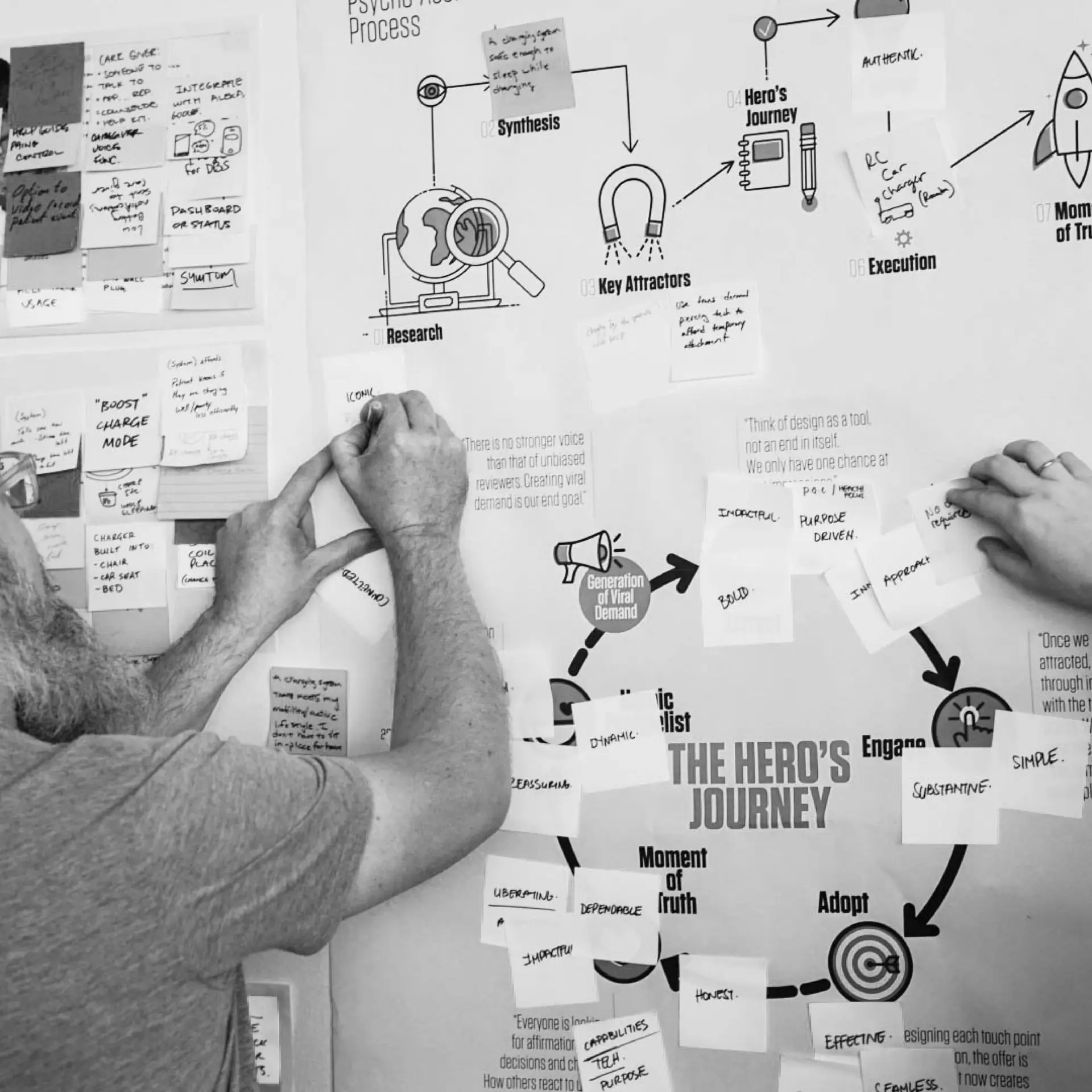
Design thinking is a structured problem-solving methodology that applies design principles to any complex challenge, not just product development. It’s widely taught in business schools and used by consulting firms, technology companies, and government agencies to tackle everything from service design to organizational strategy.
The most widely cited framework (from Stanford’s d.school) includes five stages: Empathize, Define, Ideate, Prototype, and Test. It’s inherently iterative, the framework expects teams to move back and forth between stages as new insights emerge. Design thinking’s power is in its broad applicability; its weakness is that it can become a process checklist producing incremental solutions rather than genuinely innovative ones.
Key Differences: Human-Centered Design vs. Design Thinking
Primary focus: HCD centers on user needs and experiences; design thinking centers on the problem-solving process itself.
Who uses it: HCD is used primarily by designers and researchers; design thinking is broadly applicable across any discipline.
Depth of empathy: HCD goes deep and ethnographic; design thinking varies significantly by practitioner.
Scope: HCD is oriented toward product and service design; design thinking can be applied to any complex challenge.
Both frameworks share important DNA, they value empathy, iteration, and user feedback. The key difference is emphasis: HCD is fundamentally about who you’re designing for; design thinking is fundamentally about how you solve problems.
Where Both Fall Short: The Emotional Gap
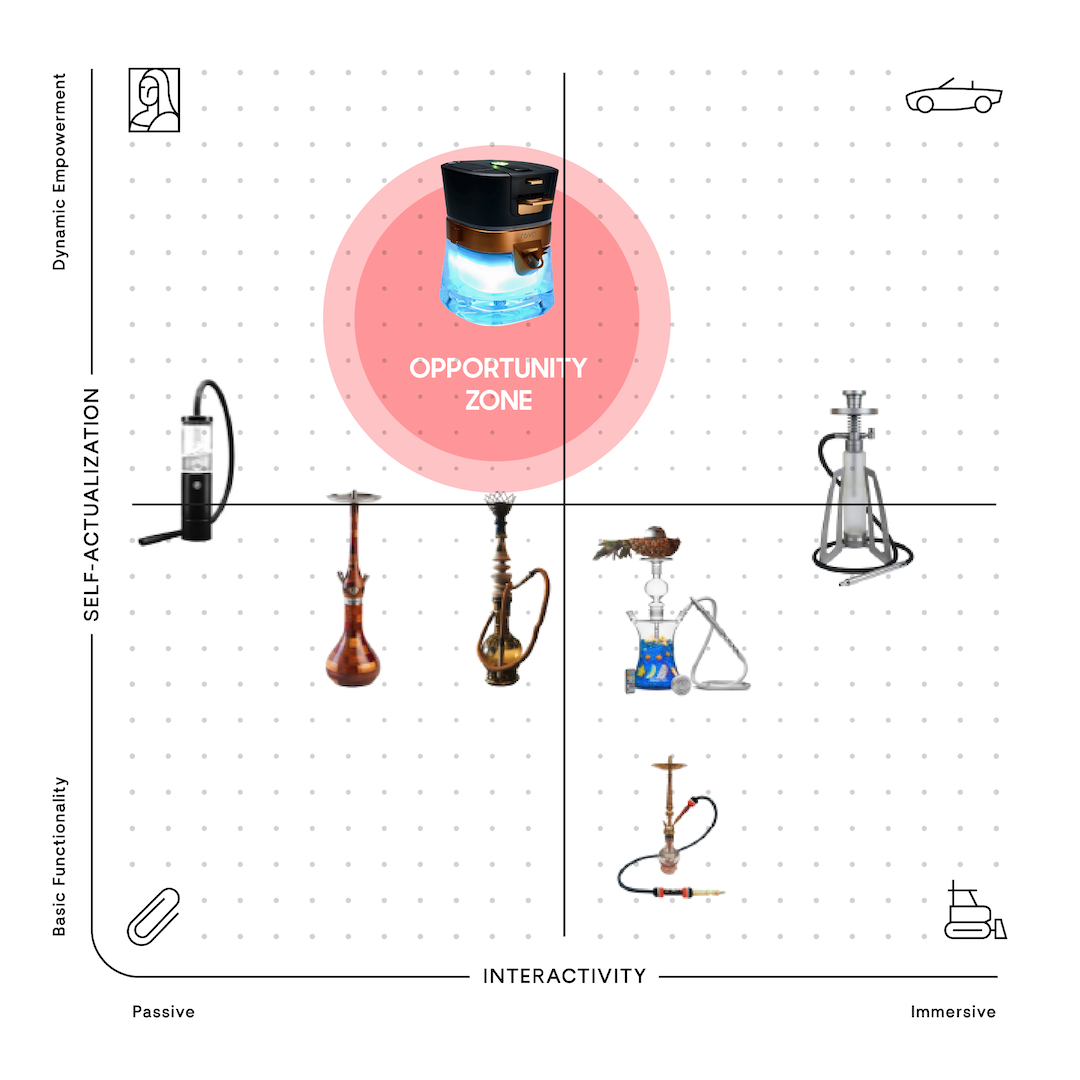
Despite their many strengths, both frameworks have a notable gap: they tend to treat emotion as an output of good design rather than as an input to design strategy. Neither provides a systematic method for understanding the emotional landscape of a user population, the collective desires, anxieties, and aspirations that shape how people will respond to a product before they’ve ever seen it.
This is a meaningful limitation. Products don’t succeed or fail purely on the basis of how well they solve functional problems. They succeed or fail based on how they make people feel. A product can be functionally excellent and emotionally wrong, and in most markets, emotionally wrong means commercially unsuccessful.
How Psycho-Aesthetics® Extends Both Frameworks
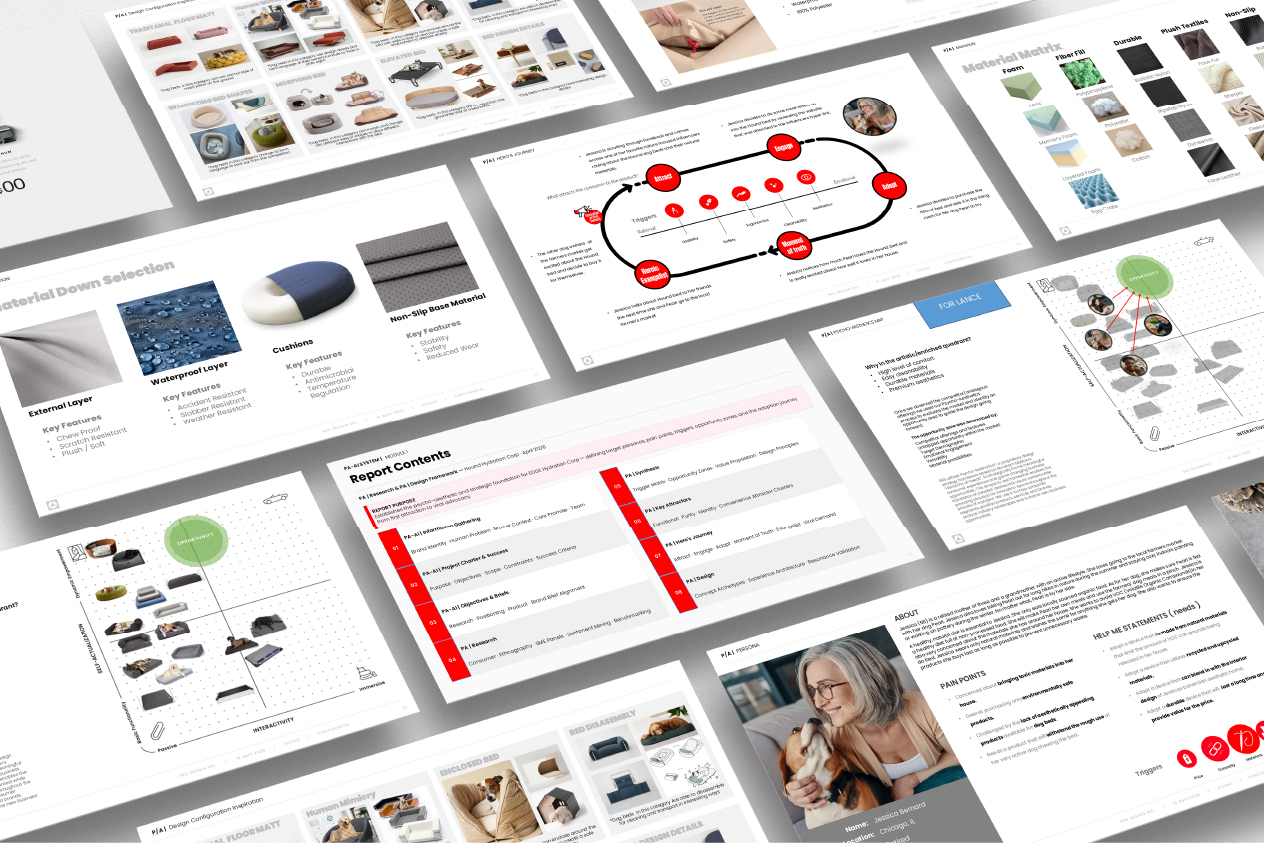
Psycho-Aesthetics®, the proprietary design methodology developed by RKS Design founder Ravi Sawhney, addresses this gap directly. Where HCD asks “what does this user need?”, Psycho-Aesthetics® asks “what does this user want to feel, and what product makes them feel that way?” Where design thinking asks “what is the problem to solve?”, Psycho-Aesthetics® adds “what is the emotional experience to create?”
The methodology moves through four core dimensions: collective empathy (understanding the shared emotional landscape of a user population), emotional mapping (translating emotional insights into design attributes), aesthetic translation (giving emotional targets physical form), and validation (testing whether the emotional design landed as intended).
Choosing the Right Framework
Human-centered design is a strong foundation for any project where deep user understanding is the key variable. Design thinking is most powerful as a process scaffold for cross-functional teams tackling ambiguous problems. Psycho-Aesthetics® is most valuable when emotional resonance is the competitive differentiator, when the product needs to do more than work, it needs to be loved.
In practice, RKS integrates all three: using design thinking as a process structure, HCD principles to anchor research, and Psycho-Aesthetics® to ensure emotional intention drives every creative decision. To learn more, visit our Psycho-Aesthetics® page.