Field Notes
The ROI of Human-Centered Design: Real Numbers from Real Projects
The evidence is overwhelming: companies that invest in human-centered design consistently outperform those that don't, across every metric that matters commercially.

The ROI of Human-Centered Design: Real Numbers from Real Projects
Type
Date
The Evidence Base
The McKinsey Design Index
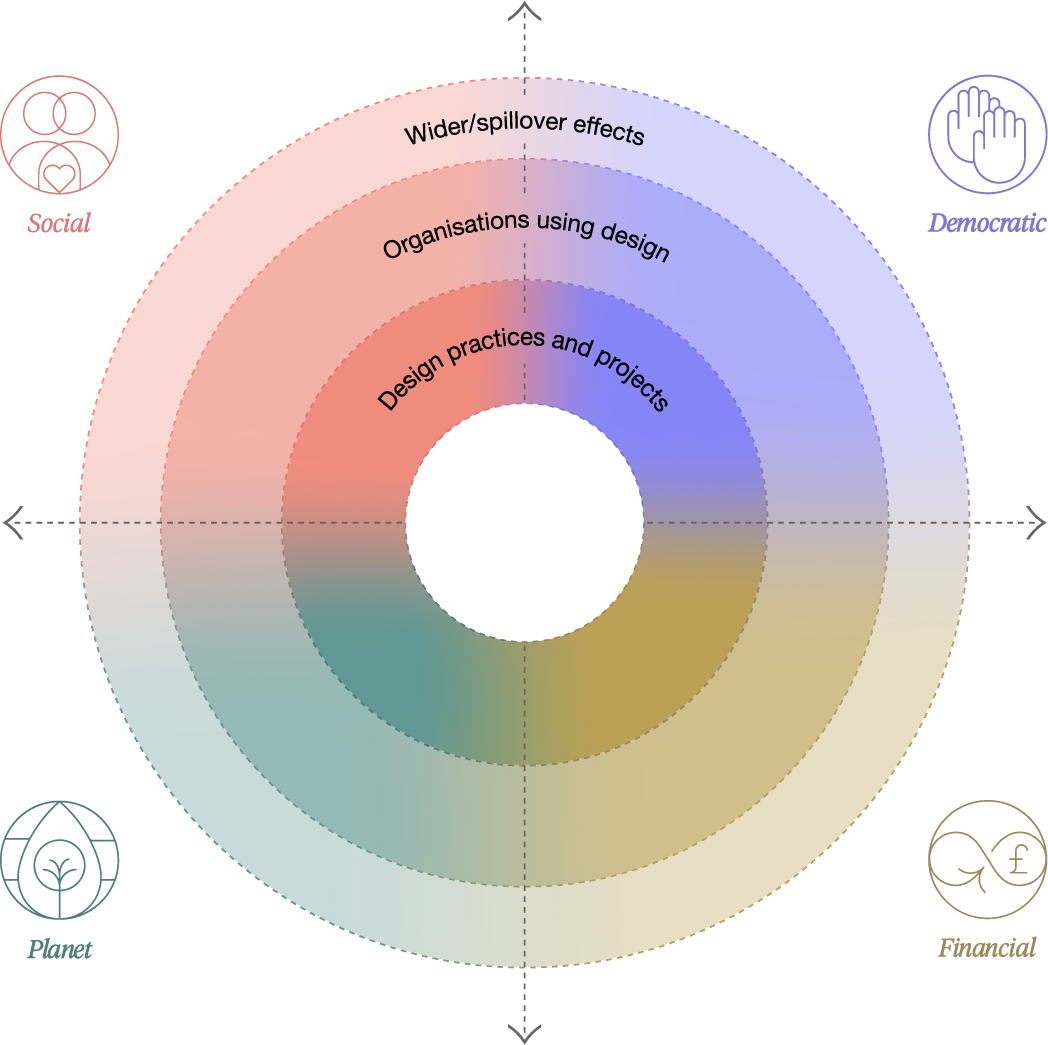
In 2018, McKinsey & Company published what remains the most rigorous large-scale study of design’s commercial impact. Tracking 300 public companies across multiple industries over five years, McKinsey found that companies in the top quartile of design performance outperformed industry benchmark growth by 32 percentage points in revenue and 56 percentage points in total returns to shareholders.
The Design Index didn’t measure aesthetic quality, it measured how systematically companies integrated user insights into product decisions, how cross-functionally design was practiced, and how continuously products were iterated based on user feedback. The companies that scored highest on these dimensions, the same disciplines that define human-centered design, produced dramatically better financial outcomes.
Design Council: The Design Economy
The UK Design Council has tracked design’s economic contribution across multiple studies. Their research consistently finds that for every £1 invested in design, businesses see £4 in net operating profit increase. For companies in the top quartile of design investment, the return is even higher. Across industries, from consumer goods to medical devices to financial services, the pattern is consistent: design investment correlates with commercial outperformance.
Forrester Research: UX ROI
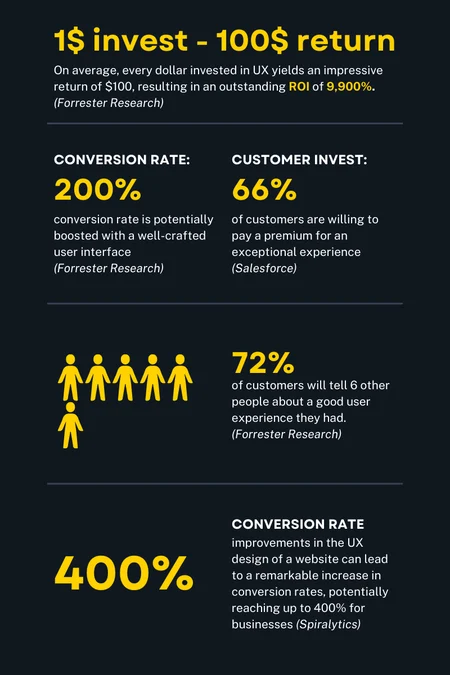
Forrester’s research on UX investment has found that a well-designed user interface can raise conversion rates by up to 200%, and a better UX design overall can yield conversion rates up to 400% higher. For connected products and software-enabled devices, the UX investment case is particularly strong, poor UX drives churn, poor reviews, and support costs that compound rapidly at scale.
How Human-Centered Design Creates Value
Reduced development waste:
Products built without user research fail at alarming rates. CB Insights analysis of startup post-mortems consistently finds “no market need” as the leading cause of failure, a problem that rigorous user research, conducted before significant development investment, almost always catches. The cost of discovering a product-market fit problem in user research is a fraction of discovering it after launch.
Faster market adoption:
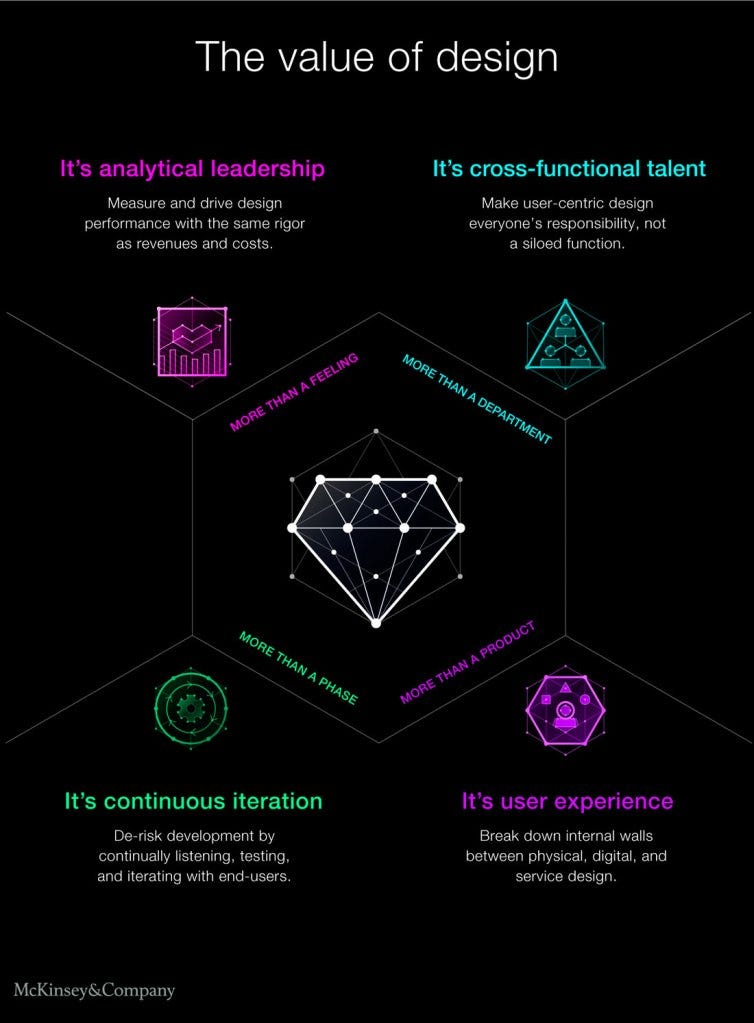
Products that connect emotionally with users from first encounter drive faster adoption curves. The difference between a product that requires explanation and one that feels immediately right is the difference between a marketing challenge and a marketing advantage. RKS’s Psycho-Aesthetics® methodology is specifically designed to produce that “immediately right” quality, by grounding design in the emotional landscape of the target user population before any form decisions are made.
Premium pricing power:
Products that connect emotionally command premium prices. Apple’s price premium in consumer electronics, Sonos’s in audio, OXO’s in kitchen tools, all are sustained by emotional design quality, not by technical specification advantages that competitors couldn’t close if they tried. When a product makes people feel something, price sensitivity decreases and loyalty increases.
Reduced support and return costs:
Poor usability drives support calls, product returns, and negative reviews. In medical devices, it drives adverse events and regulatory action. In consumer products, it drives the kind of one-star Amazon reviews that kill products at scale. Human-centered design that reduces use errors and confusion pays for itself in support cost avoidance alone, before accounting for brand impact.
RKS Case Example: MiniMed Insulin Pump
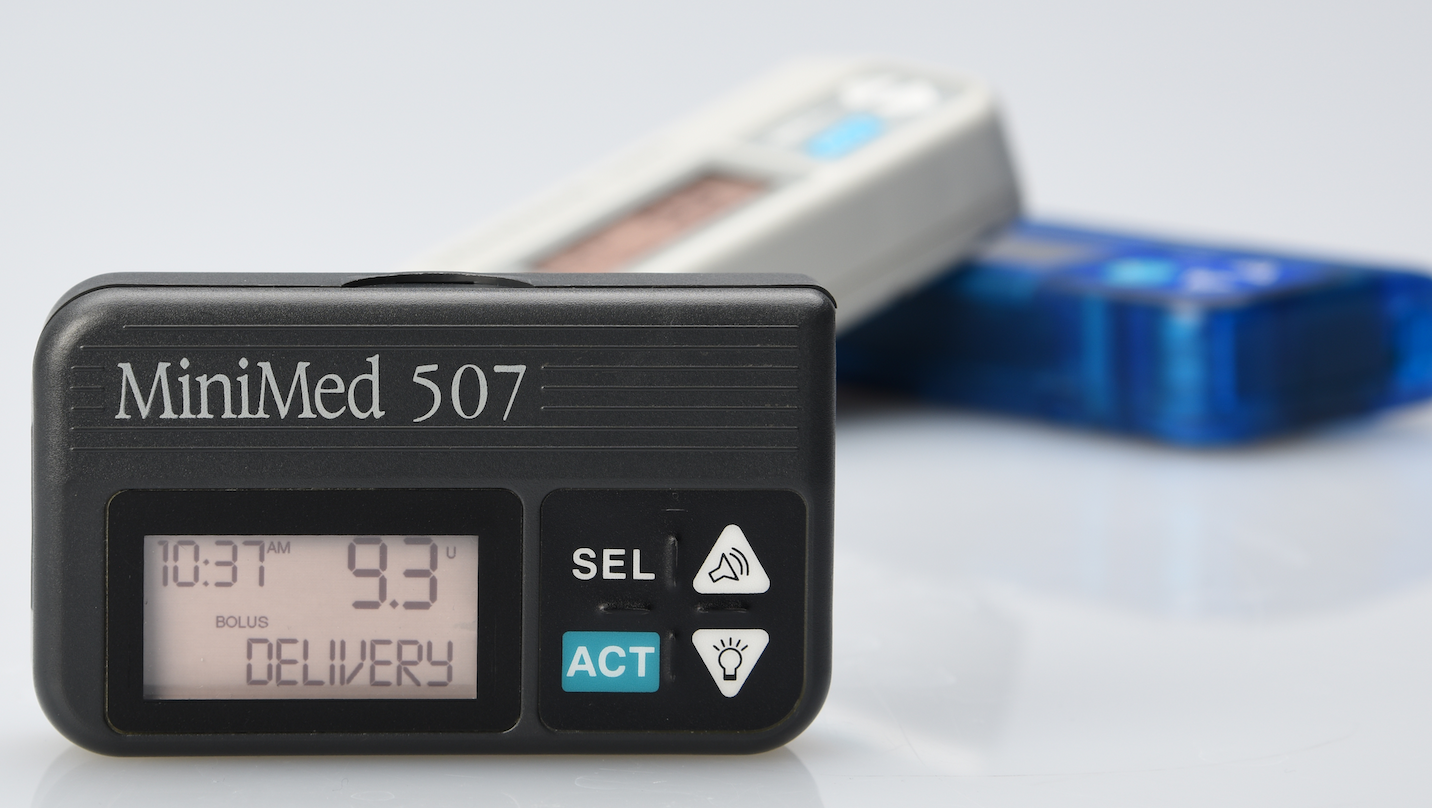
When MiniMed brought RKS in to redesign their insulin pump, the clinical performance of the device was already strong. The design challenge was emotional: creating a device that patients would actually want to wear every day. The RKS team applied Psycho-Aesthetics® to understand the emotional landscape of insulin-dependent patients, their desire to feel normal, their resistance to visible medical labeling, their need for a device that felt like it belonged to them rather than defined them.
The resulting design addressed these emotional needs directly. The outcome was not just a better-designed device, it was the world’s best-selling insulin pump. The emotional design investment translated directly into market leadership, sustained over years of competitive pressure from technically capable alternatives.
Making the Business Case for Design Investment
If you’re building the internal case for design investment, the evidence supports a clear argument: companies that treat design as a strategic function, not a finishing step or a cost to minimize, consistently outperform those that don’t. The return on that investment comes through multiple channels: faster adoption, premium pricing, lower support costs, fewer failed launches, and stronger customer loyalty.
The question isn’t whether to invest in human-centered design. It’s how to invest in it effectively, which means choosing partners with the methodology, track record, and cross-functional integration to deliver outcomes, not just deliverables. To learn more about how RKS Design approaches design as a commercial discipline, visit our consumer product design page and explore our Psycho-Aesthetics® methodology.