Field Notes
Spotify Logo Reaction: Emotional Familiarity, Trust and Design
Spotify’s temporary logo change sparked more than design debate. RKS Design explores emotional familiarity, trust, and why people react to visual change.


When Design Changes Feel Personal: What Spotify’s Temporary Logo Reveals About Trust and Human Perception
Type
Date
Publication
Read the Full Article
The Reaction Was Never Just About the Logo

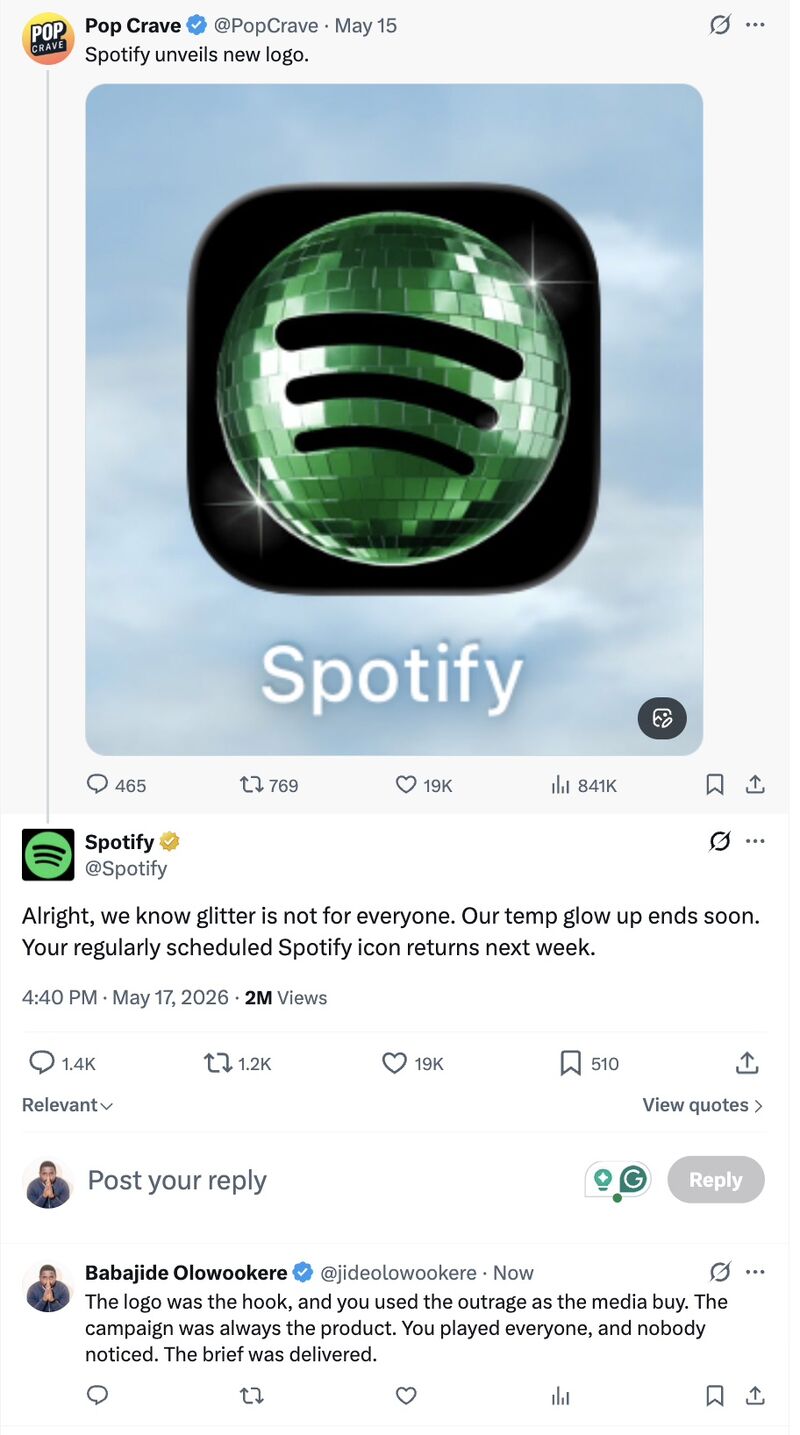
Spotify’s temporary “discomorphism” anniversary logo transformed its familiar green icon into a glittering disco ball. The update was intentionally short lived and tied to a celebratory campaign.
Yet the reaction was immediate.
Users debated it. Designers recreated it. Social channels amplified it.
From a traditional design perspective, this might appear to be feedback about visual preference.
But human response rarely works that way.
As Ravi Sawhney shared with Fast Company:
“People think reactions like this are about a logo, but they are usually about emotional familiarity and subconscious trust.”
Design systems become emotional systems over time. People build recognition, expectations, and comfort around visual cues that feel stable and familiar.
When those cues shift, even temporarily, the reaction is often emotional before it becomes rational.
Familiarity Is a Hidden Driver of Trust

Most organizations think about trust as messaging.
In reality, trust is often built through repeated experience.
Colors. Shapes. Interactions. Layouts. Motion. Packaging. Interfaces.
Over time these elements create emotional memory.
Users stop consciously processing them because they become part of the relationship itself.
This is why seemingly small design changes can produce unexpectedly large reactions.
The disruption is not necessarily visual.
It is psychological.
For decades, Psycho-Aesthetics® has explored this intersection between design and human response. The methodology recognizes that adoption is influenced not only by utility, but by perception, affirmation, identity, and emotional resonance.
People do not simply ask:
Does this work?
They also ask:
Does this still feel like the thing I trust?
Attention Is Not the Same as Affinity
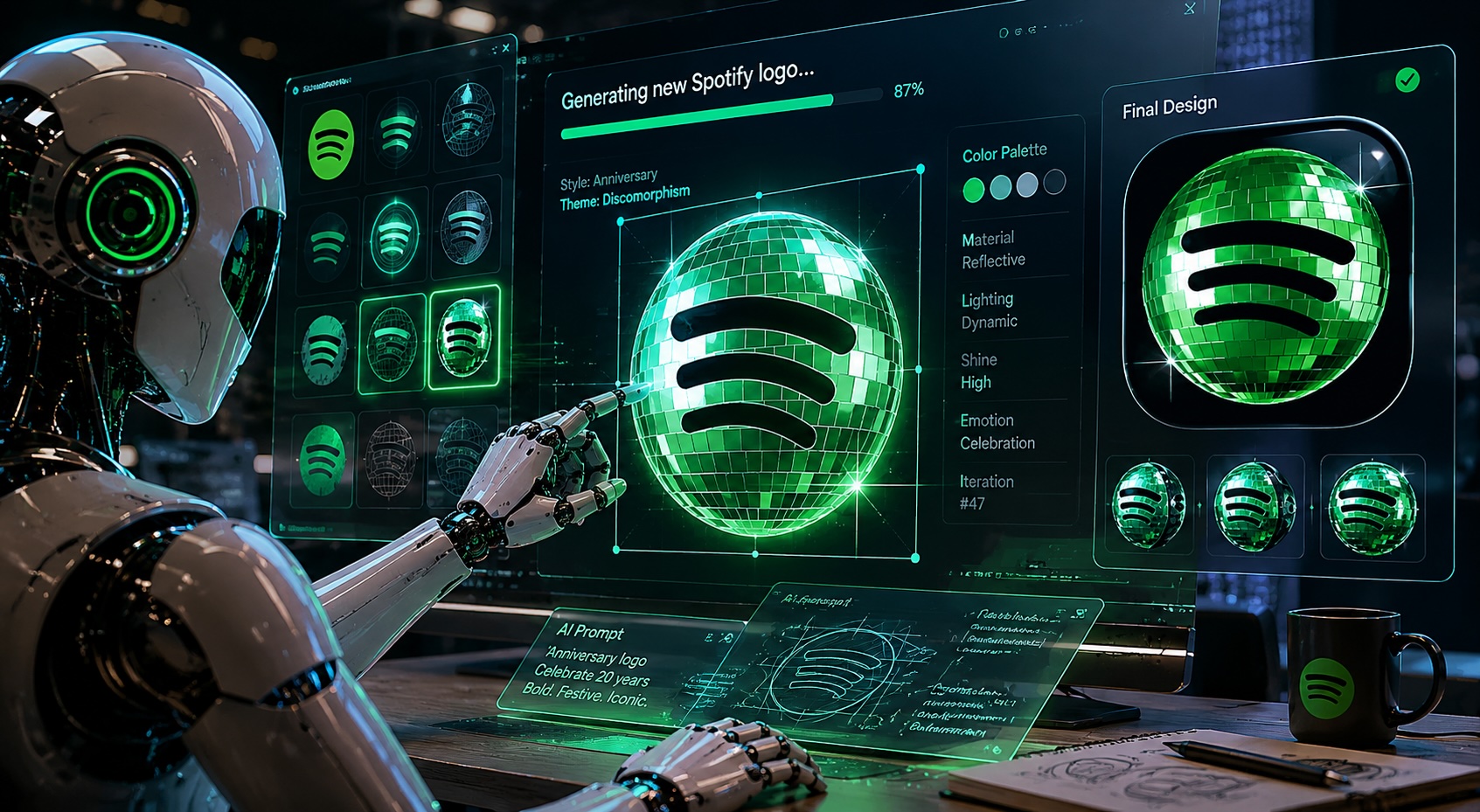
Spotify ultimately benefited from the moment.
The temporary redesign generated discussion, participation, social sharing, and reportedly increased subscribers.
From a marketing perspective, it worked.
But moments like these reveal an important distinction.
Attention can be engineered.
Affinity must be earned.
Many modern organizations optimize for visibility while overlooking emotional continuity.
Yet long term adoption depends on maintaining the relationship people already have with a brand.
The challenge is not generating attention.
It is understanding which changes strengthen connection and which unintentionally weaken it.
What This Means for Design in the AI Era
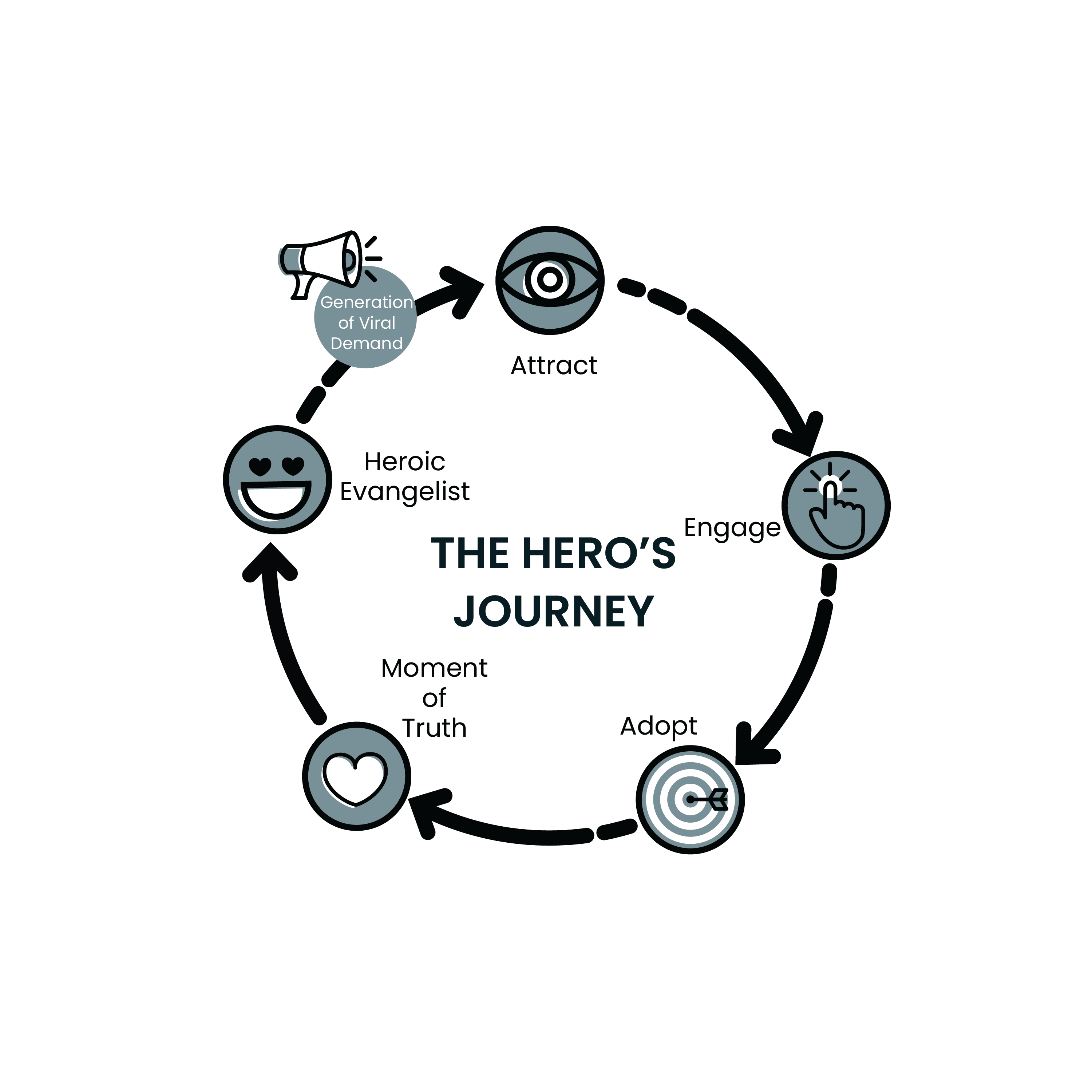
As AI accelerates content creation, product iteration, and brand experimentation, organizations now have unprecedented ability to change experiences quickly.
The question is no longer:
Can we redesign it?
It becomes:
How will people perceive it?
Capability without understanding creates risk.
Because human response determines adoption.
This belief has shaped RKS Design for more than 45 years and continues to evolve through Psycho-Aesthetics® and PA-AI™, our Human Intelligence Layer built to help organizations understand trust, perception, and adoption before execution.
Technology may increase speed.
Human understanding determines outcomes.
The RKS Design Perspective
The Spotify conversation highlights something larger than branding.
It demonstrates that design creates emotional infrastructure.
People build relationships with experiences long before they consciously realize it.
The brands and technologies that succeed are not simply functional or visible.
They create familiarity.
They reinforce identity.
They make people feel confident in the choices they make.
That has always been the foundation of Psycho-Aesthetics®.
And it may be more important today than ever.