Field Notes
The 5 Stages of RKS’s Product Design Process
Explore the five stages of the RKS product design process and how Psycho-Aesthetics® drives product adoption.

Every design process has steps. What distinguishes a great process from a generic one is what happens at each step, and what beliefs those steps reflect about how good products get made. At RKS, our product design process is built on over 40 years of experience and grounded in Psycho-Aesthetics®, our proprietary methodology for designing products that connect with people emotionally. The result is a process that doesn’t just produce well-designed products, it produces products that people choose, adopt, and stay loyal to.
While many product development processes focus on functionality, feasibility, and execution, these factors alone rarely determine long-term success. Products succeed when they align with how people perceive value, form preferences, and make decisions. That requires looking beyond technical requirements to understand the emotional, social, and psychological drivers that influence behavior. By integrating these insights throughout the design process, teams can make more informed decisions and create solutions that resonate in the marketplace, not just in development reviews.
The 5 Stages of RKS Design's Design Process: Psycho-Aesthetics® in Action
- Type
- RKS Design Perspective
- Date
- June 1st, 2026
Stage 1: Discover, Understand the Human Landscape
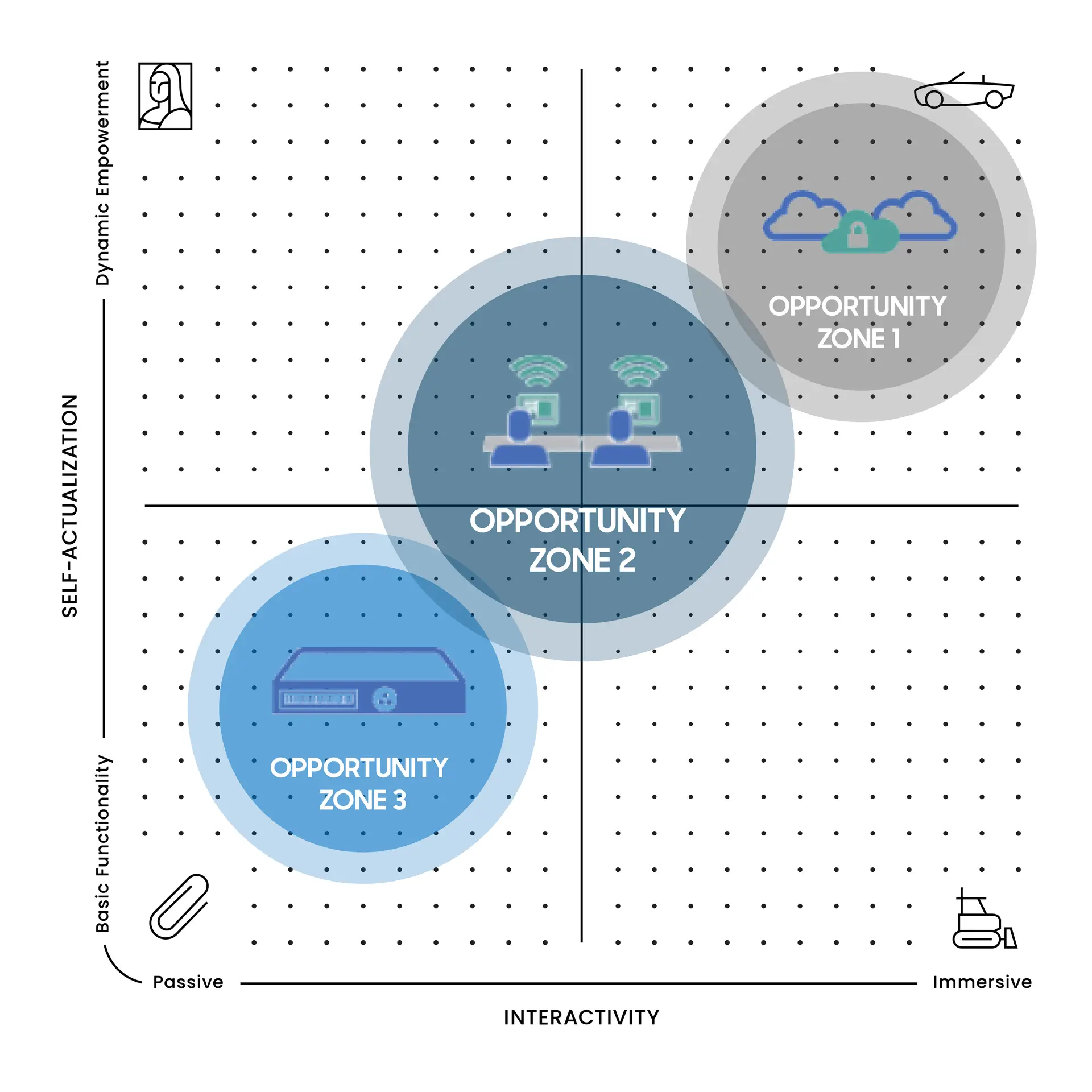
Every RKS engagement begins with a genuine inquiry: who are the people this product is for, what are their lives like, and what do they need this product to make them feel? This isn’t standard market research. We’re not looking for demographic profiles or purchase intent data. We’re looking for the emotional undercurrents that define how a population of people relates to a product category, their anxieties, their aspirations, their identity narratives, their unspoken expectations.
We call this phase Discover, and it’s guided by the first principle of Psycho-Aesthetics®: that emotional understanding must precede design. We use ethnographic research, user interviews, observational studies, and expert consultation to build a picture of the user that goes far deeper than “what features do you want?” The output of Discover isn’t a report, it’s a design target: a clear, emotionally grounded definition of what the product needs to make people feel.
Stage 2: Define, Turn Insights into Strategy
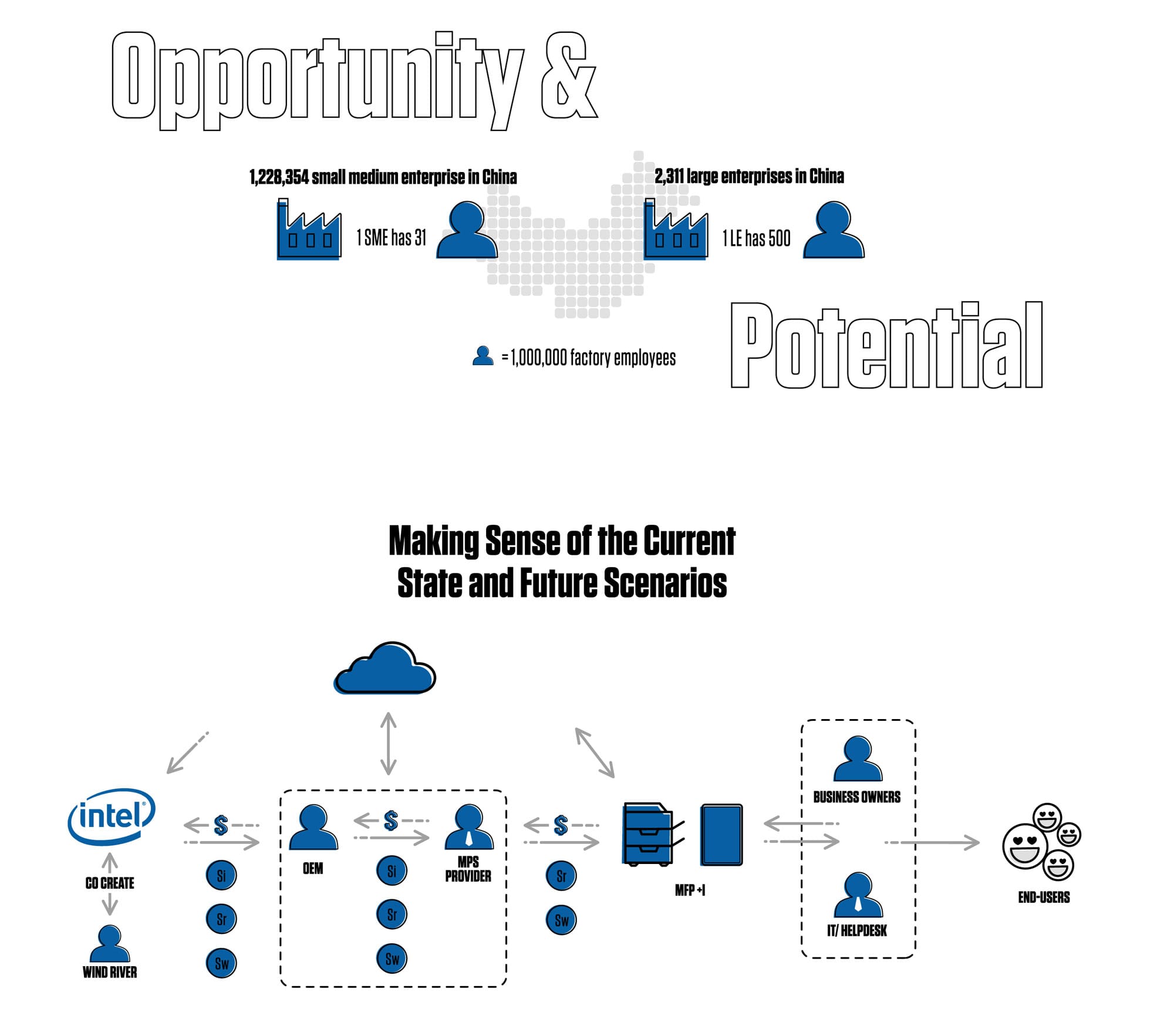
Discovery surfaces insights. Define turns those insights into design strategy. In this stage, we synthesize our research into the critical design criteria that will govern the project: what emotional territory must the product occupy, what aesthetic language is consistent with that territory, what functional and regulatory constraints design must operate within, and what success looks like for the client’s business.
This stage also involves competitive analysis and market positioning. The deliverable of Define is a design brief that frames not just what the product should do, but what it should be, in every dimension that a user experiences. This brief becomes the shared reference point for the design and engineering teams, aligning creative direction with business strategy before a single concept is generated.
Stage 3: Design, Create with Emotional Intention
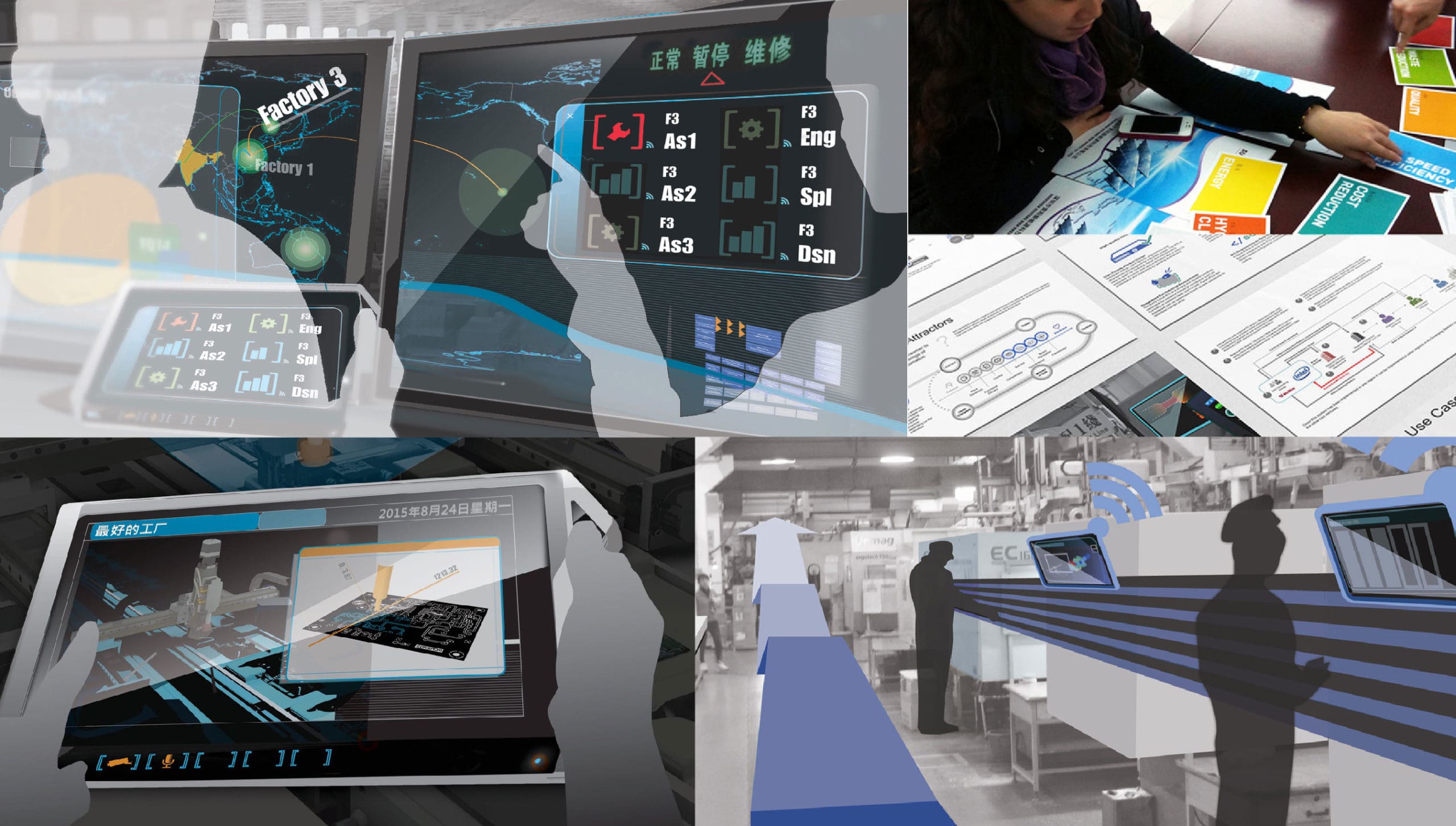
With a clear target established, our designers get to work. The Design stage is where the emotional insights from Discover and the strategic framework from Define get translated into physical form. RKS designers explore multiple directions, sometimes radically different from one another, before converging on the most promising territory for development. Each direction is evaluated not just on aesthetics and functionality but on emotional resonance: does this concept make you feel what it’s supposed to make you feel?
This is where Psycho-Aesthetics® operates most visibly. The shapes, proportions, materials, colors, and interactions in each design concept are not chosen arbitrarily, every decision is made in service of the emotional target established in Discover. The aesthetic isn’t decoration; it’s communication. Throughout this stage, design and engineering work in parallel, and user feedback is integrated continuously.
Stage 4: Develop, Build It Right
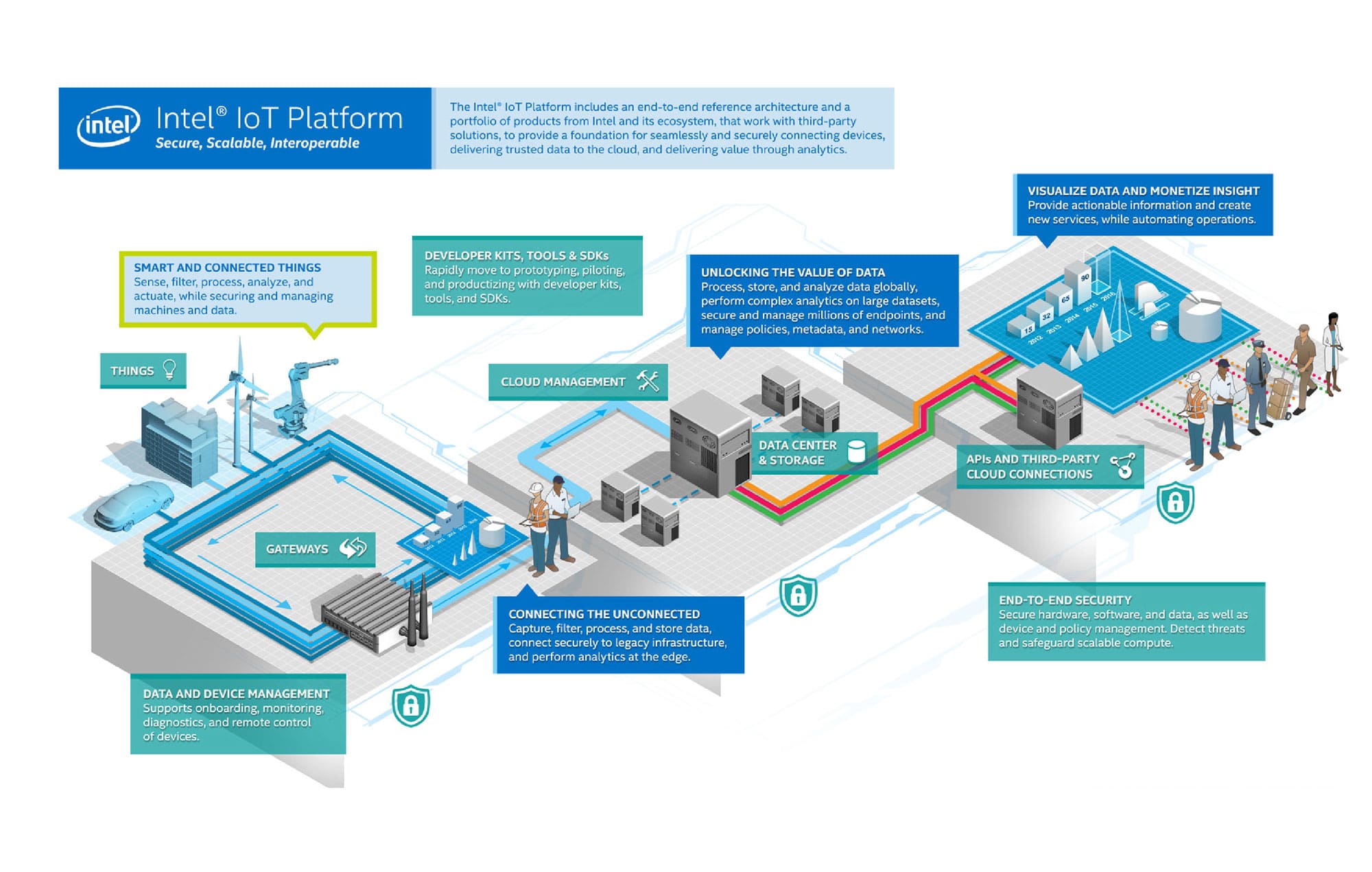
The selected design concept enters a rigorous development phase. This is where concepts become products. Development involves:
Engineering: Mechanical and electrical engineering, CAD development, finite element analysis, and design for manufacturability reviews.
Prototyping: Multiple rounds tied to specific test objectives, we learn from every prototype, not just the last one.
Validation: We return to users throughout development, testing functional prototypes in realistic use scenarios. For regulated products, this includes formal usability testing against regulatory requirements.
Regulatory Compliance: For medical devices and other regulated products, development includes design controls documentation, risk analysis, and verification testing required for regulatory submission.
At the end of Develop, we have a product that’s ready for the world, not just in its design, but in its documentation, manufacturability, and validated performance.
Stage 5: Deliver, Launch with Confidence
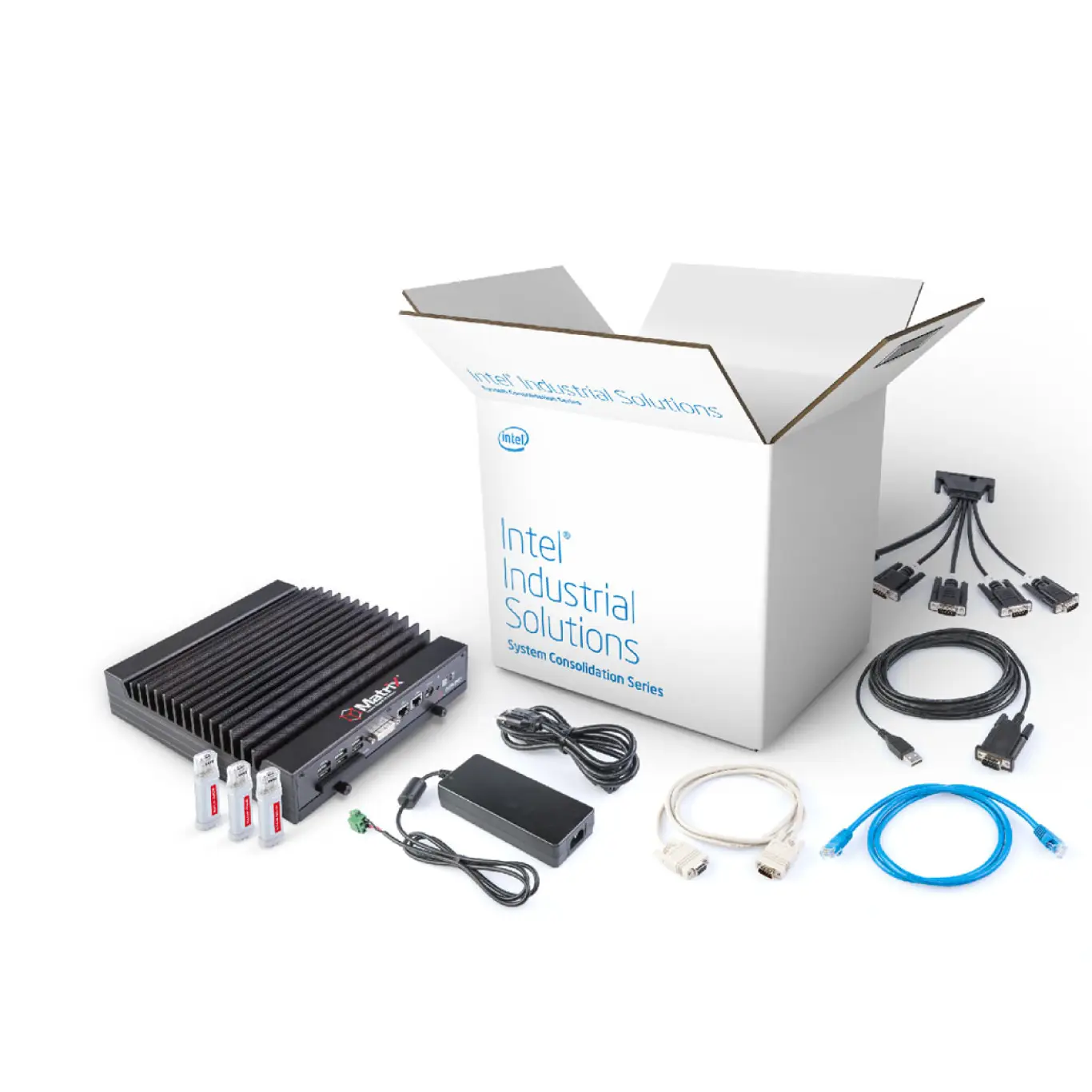
The final stage bridges design development and commercial launch. Deliver encompasses everything needed to get a market-ready product into production and into users’ hands. This includes manufacturing liaison: working with production partners to ensure design intent is faithfully executed at scale. Small manufacturing compromises that might seem minor in isolation can collectively erode the product experience, the precision of a seam, the quality of a finish, the feel of a button. We manage these details because they matter.
Deliver also includes launch support: design documentation for marketing and communications, support for packaging and retail presentation, and the handoff of all design assets to the client’s internal teams. The goal of Deliver is a product that looks, feels, and performs exactly as designed. Not approximately. Exactly.
Why This Process Works
The RKS process isn’t generic best practice. It’s the product of four decades of experience across consumer electronics, medical devices, IoT, and digital products, powered throughout by Psycho-Aesthetics®, the methodology that ensures emotional intelligence guides every decision. The result is products that succeed not just by performing well but by connecting with the people who use them. That connection is what drives adoption, loyalty, and long-term market leadership.
To learn more about our approach, explore our Psycho-Aesthetics® methodology, or visit our service pages for consumer product design, medical device design, and product development.