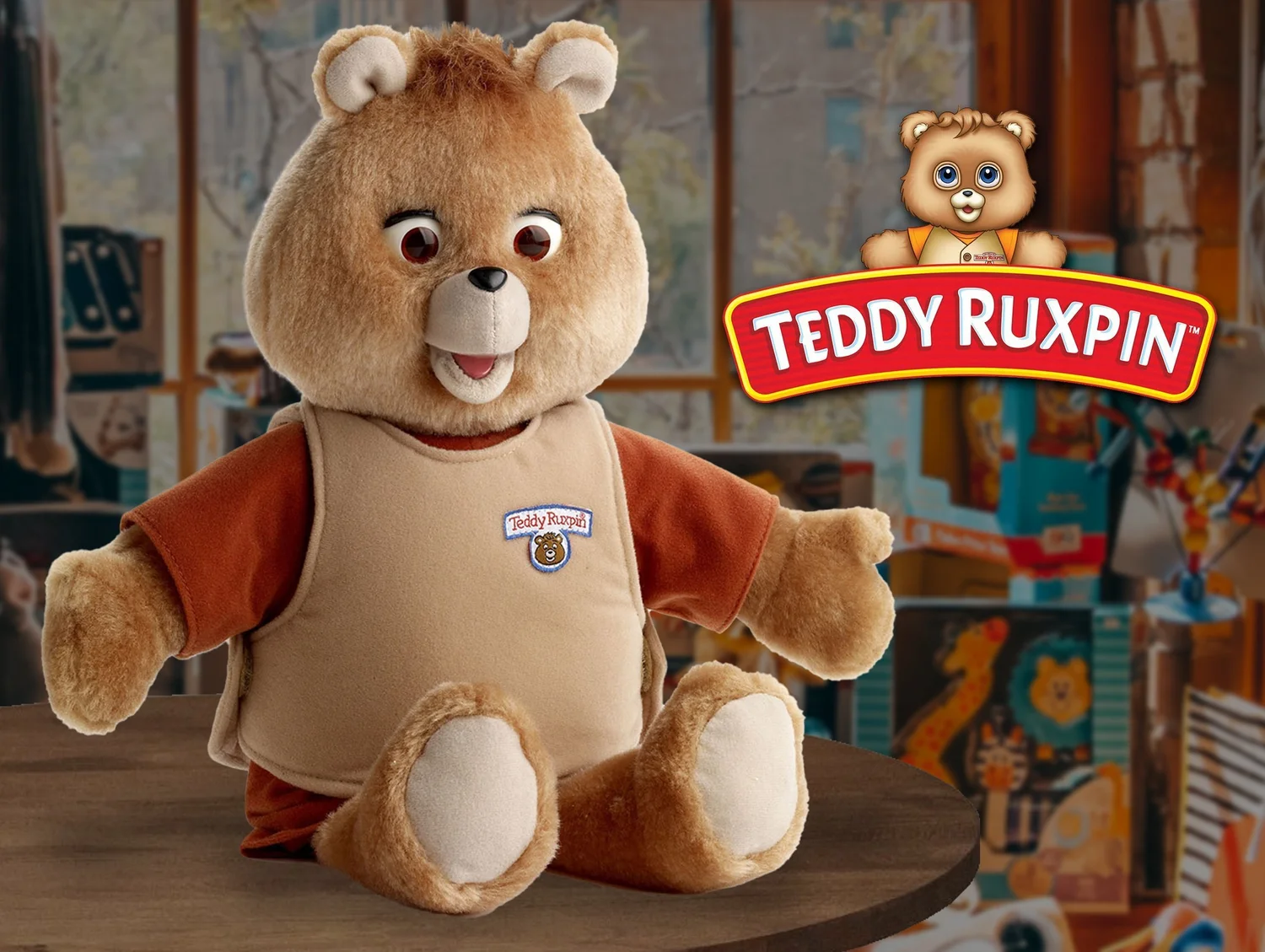
Teddy Ruxpin
The story of crafting the world’s first animatronic toy.
A childhood icon that reshaped how design could feel.
— Ravi Sawhney, CEO & Founder RKS Design
The Toy That Started a New Way of Design Thinking

The Moment That Sparked Everything
“A teddy bear that comes to life should never look like a piece of technology.”
Ravi Sawhney walks through the early development of Teddy Ruxpin and the intense hands-on work required to transform a rough animatronic prototype into a warm, believable character. He reflects on the design decisions, rapid prototyping, and long hours that brought Teddy to life in time for its 1985 launch.
Behind the Magic: Turning Technology Into Emotion
“Why invent everything from scratch? What if I find this, that, and the other thing and put it together?”
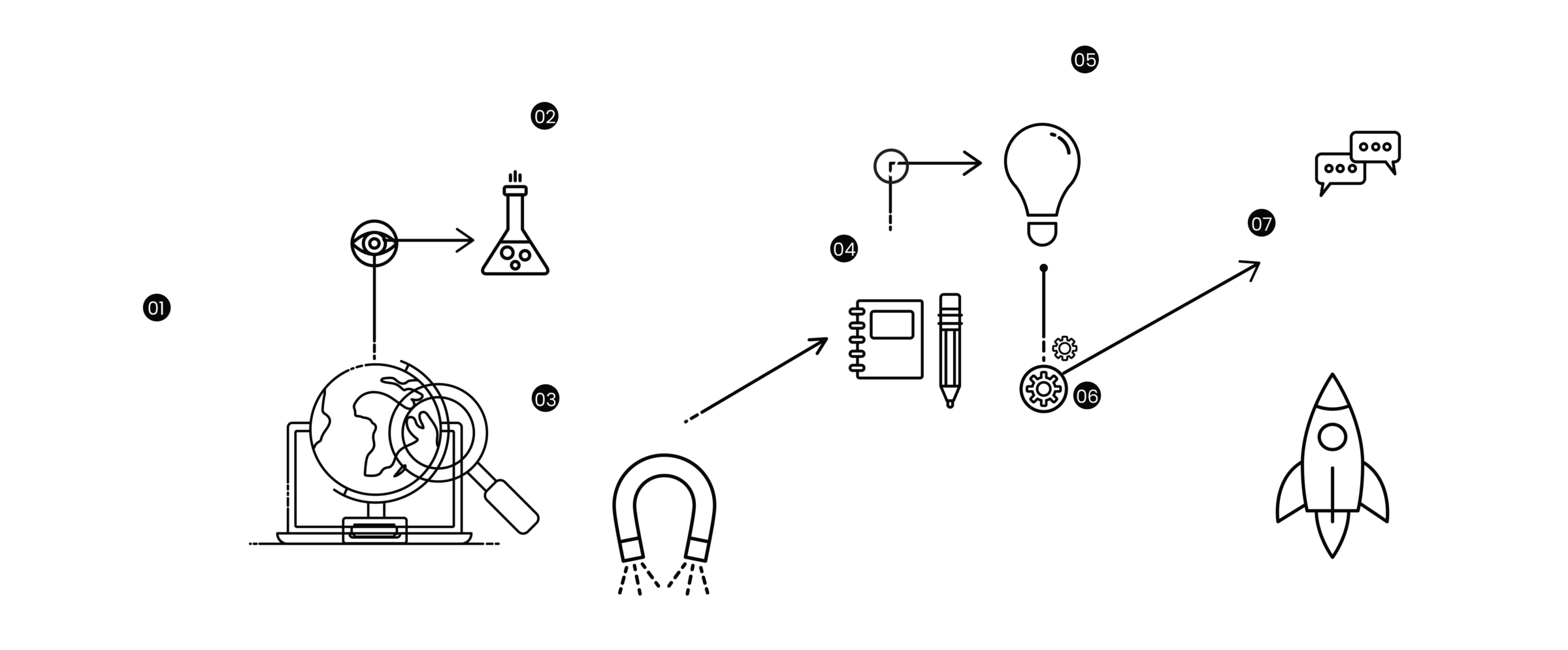
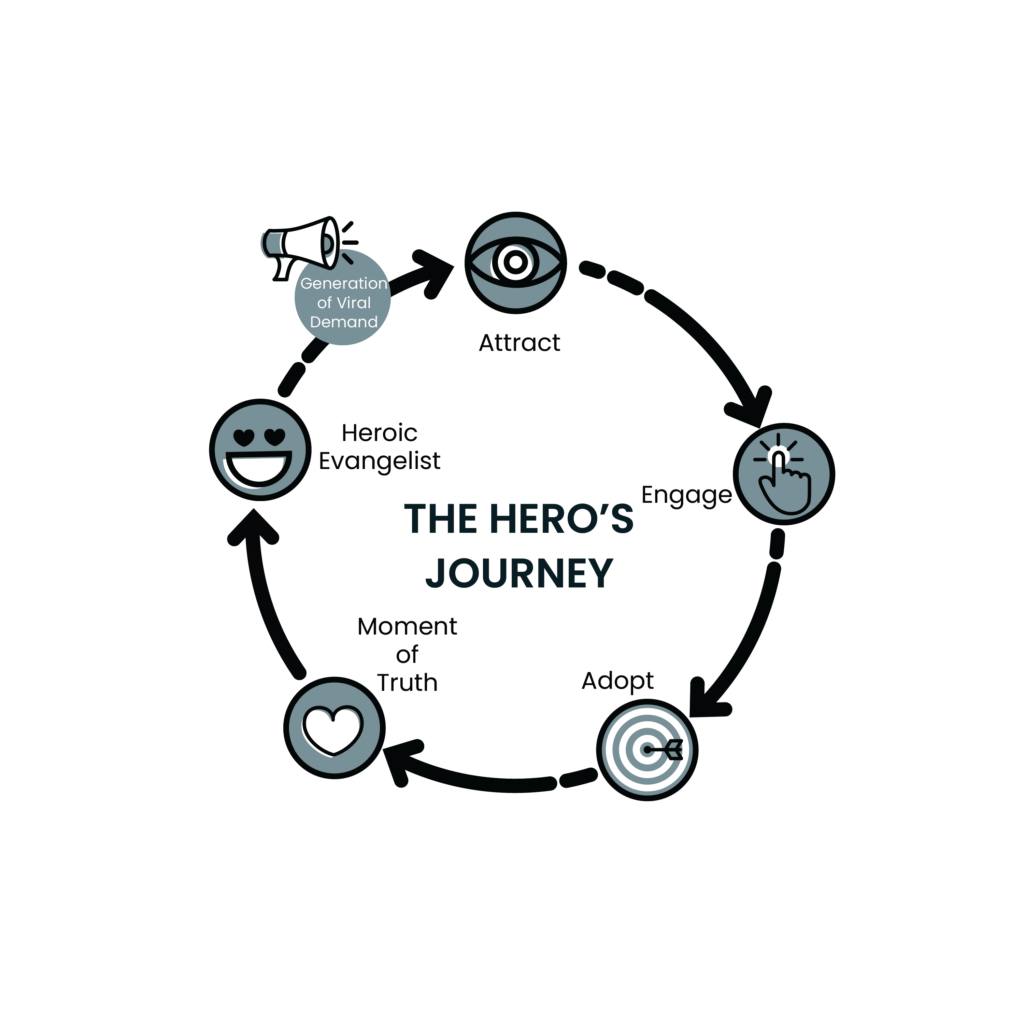
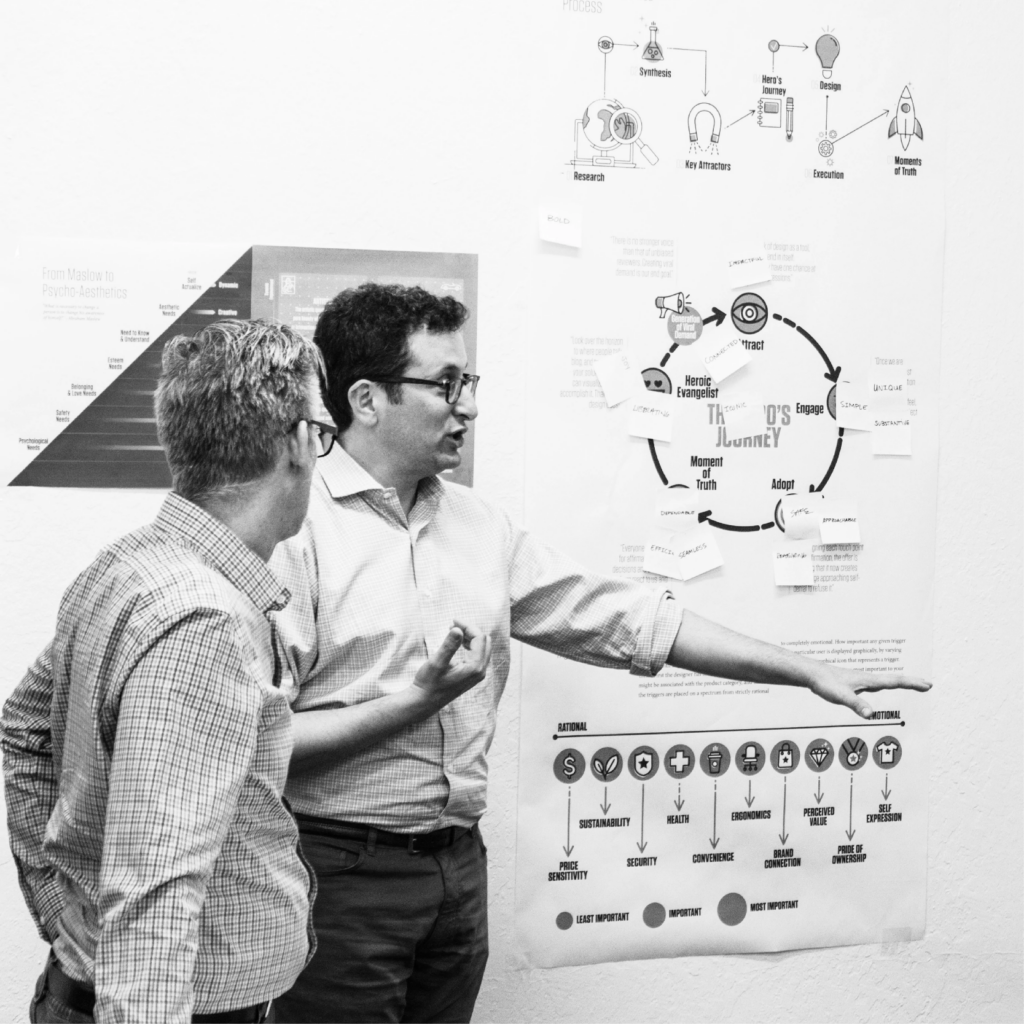
Although the methodology wouldn’t be named for many years, Teddy Ruxpin became the first clear expression of what would evolve into Psycho-Aesthetics®. It proved that combining existing technologies in the right way can elevate the human experience far more than any single breakthrough on its own.
Putting Emotion at the Center of Design
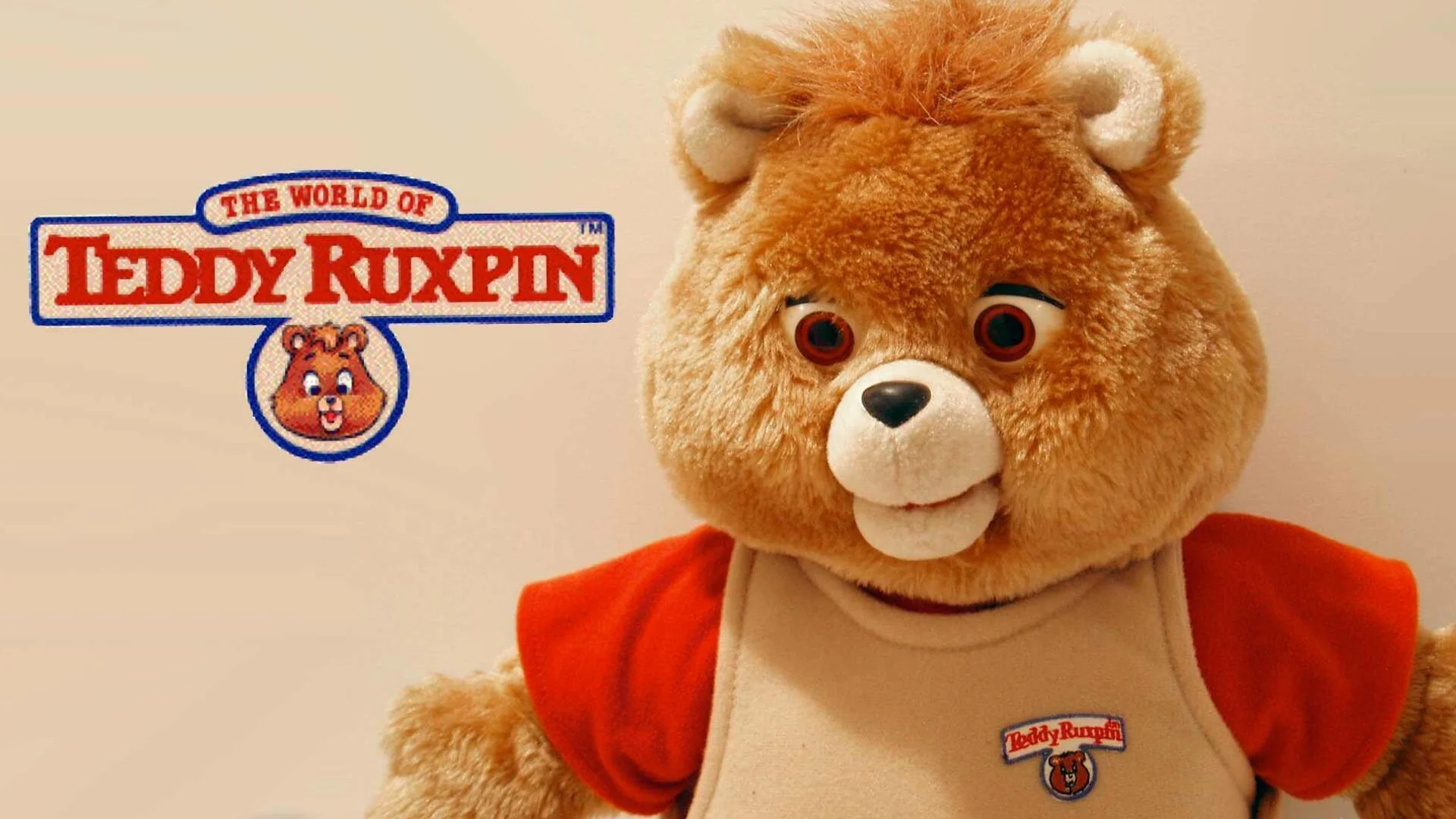
The scale of the response was remarkable. Teddy quickly became more than a seasonal bestseller. He became part of a larger cultural conversation about how products could interact with people in ways that felt warm, approachable, and human. For RKS, it was a clear demonstration that design rooted in emotion does more than delight the user. It can shape how entire families create memories together.
A Holiday Moment Shared Around the World
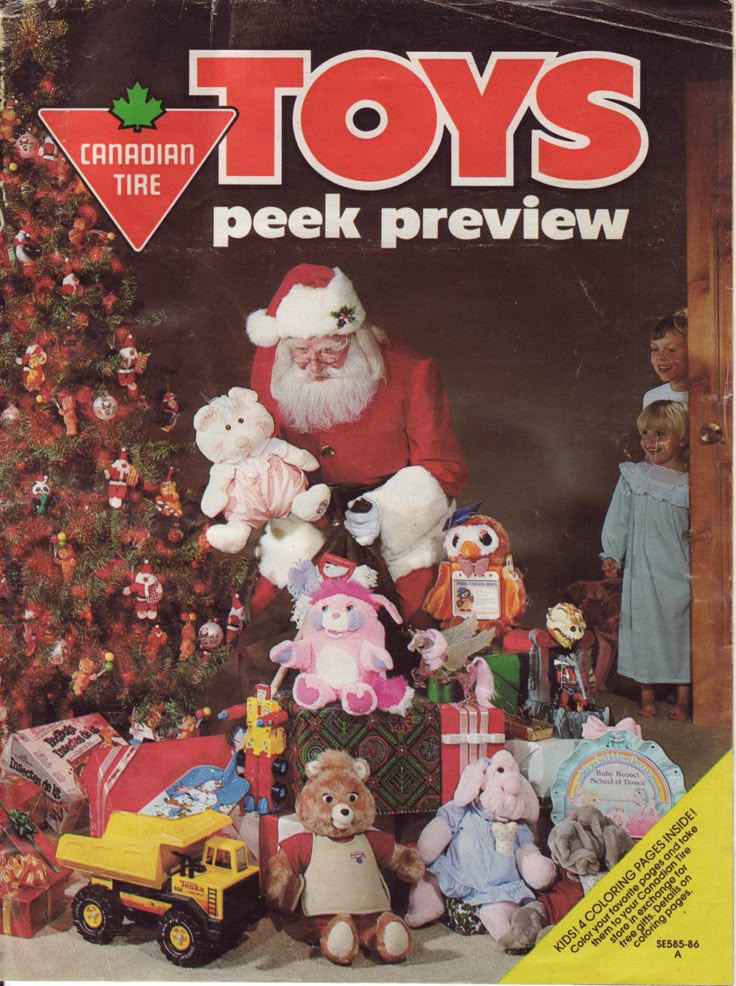
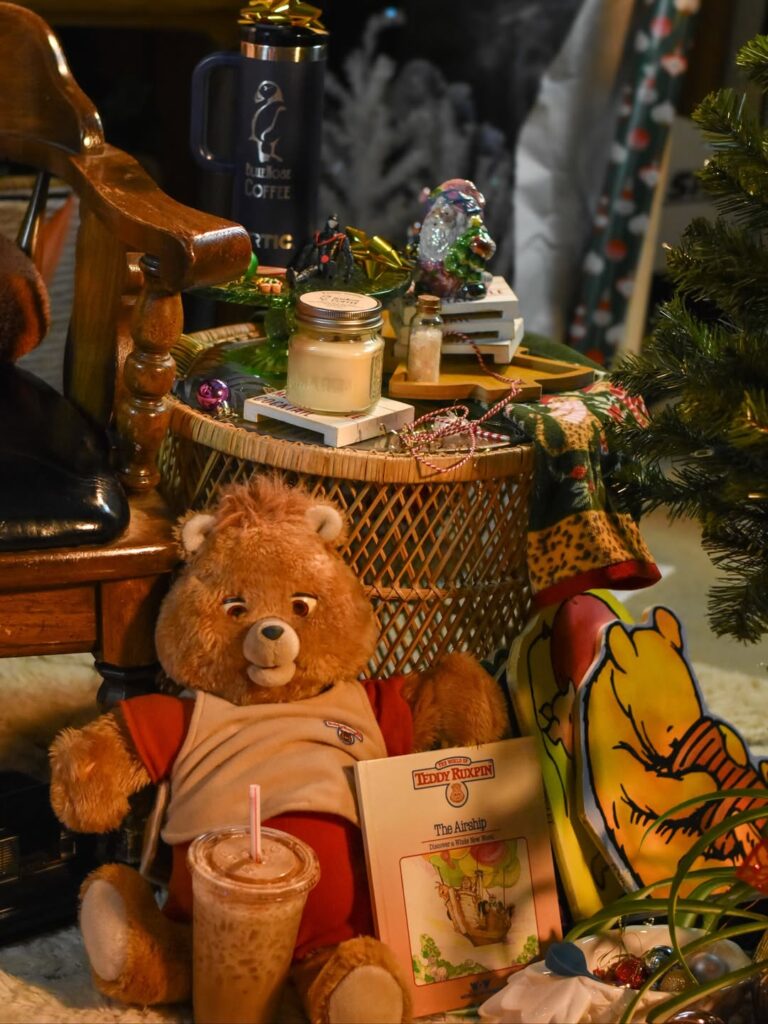

What We Learned and Still Use Today


The Toy That Shaped Our Design Philosophy
“It’s not how you feel about the design of the experience. It’s how it makes you feel about yourself.”
Ravi reflects on why Teddy Ruxpin’s impact came from prioritizing human emotion over visible technology. He shares how the bear’s sense of enchantment shaped his belief that great design is defined not by the product itself, but by how it makes people feel.