Field Notes
What Does a Product Design Firm Do? (And When Do You Need One?)
A product design firm takes an idea, or a problem, and turns it into a physical product that people want to use, buy, and keep buying.
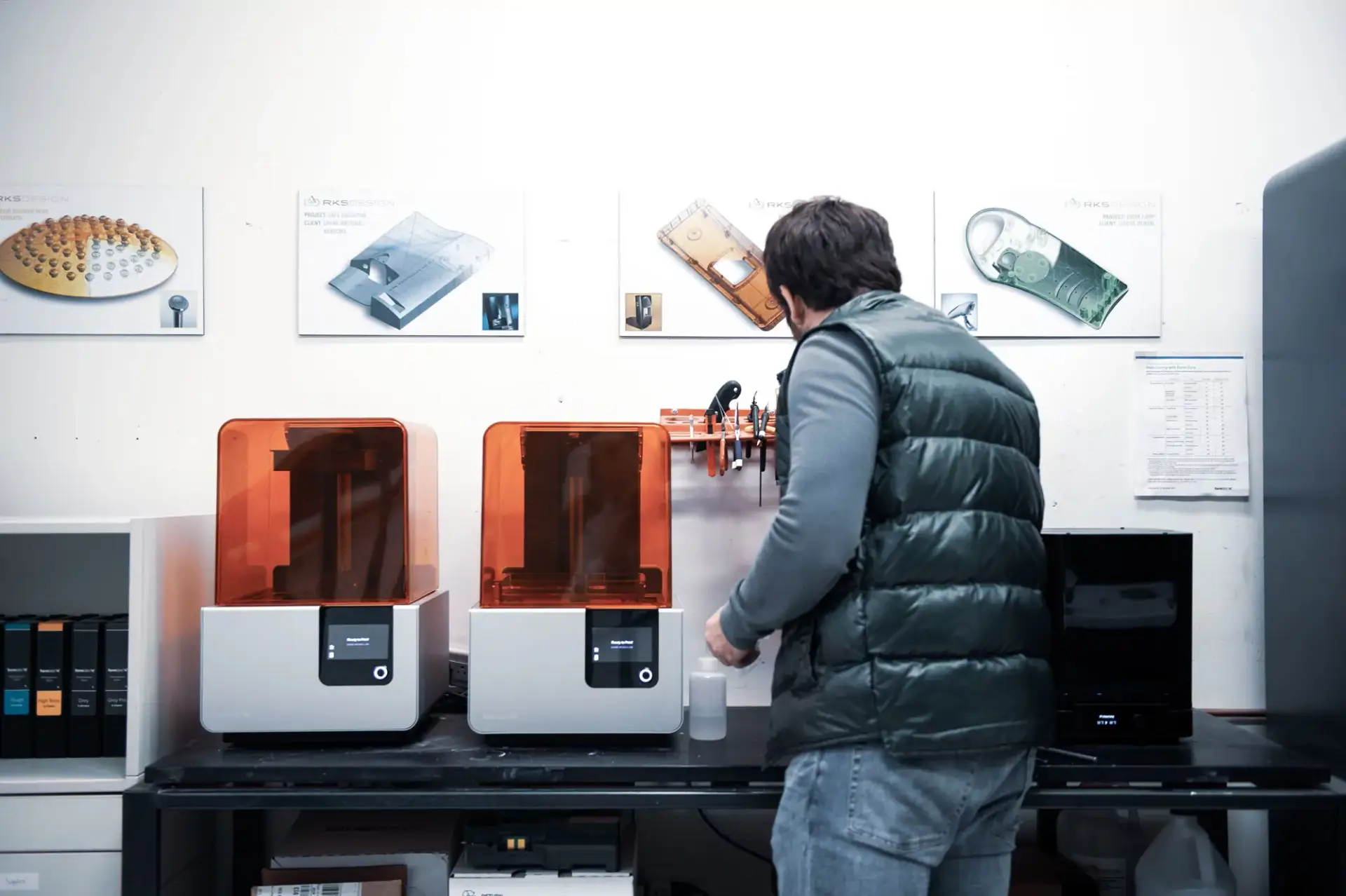

A product design firm takes an idea, or a problem, and turns it into a physical product that people want to use, buy, and keep buying. The longer answer involves strategy, psychology, engineering, prototyping, user research, and market positioning, all working toward a single outcome: a product that succeeds commercially because it connects with people emotionally.
At its core, product design is about reducing the gap between what a business wants to achieve and what people actually value. While many products solve functional problems, the most successful products go further, they create trust, reinforce identity, and fit seamlessly into people’s lives. A product design firm helps uncover these deeper human motivations, translating insights into products that not only work well, but feel right. This combination of utility and emotional resonance is often what separates products that gain traction from those that struggle to find adoption.
What Does a Product Design Firm Do? A Guide to Working with Design Firms
- Type
- RKS Design Perspective
- Date
- May 21st, 2026
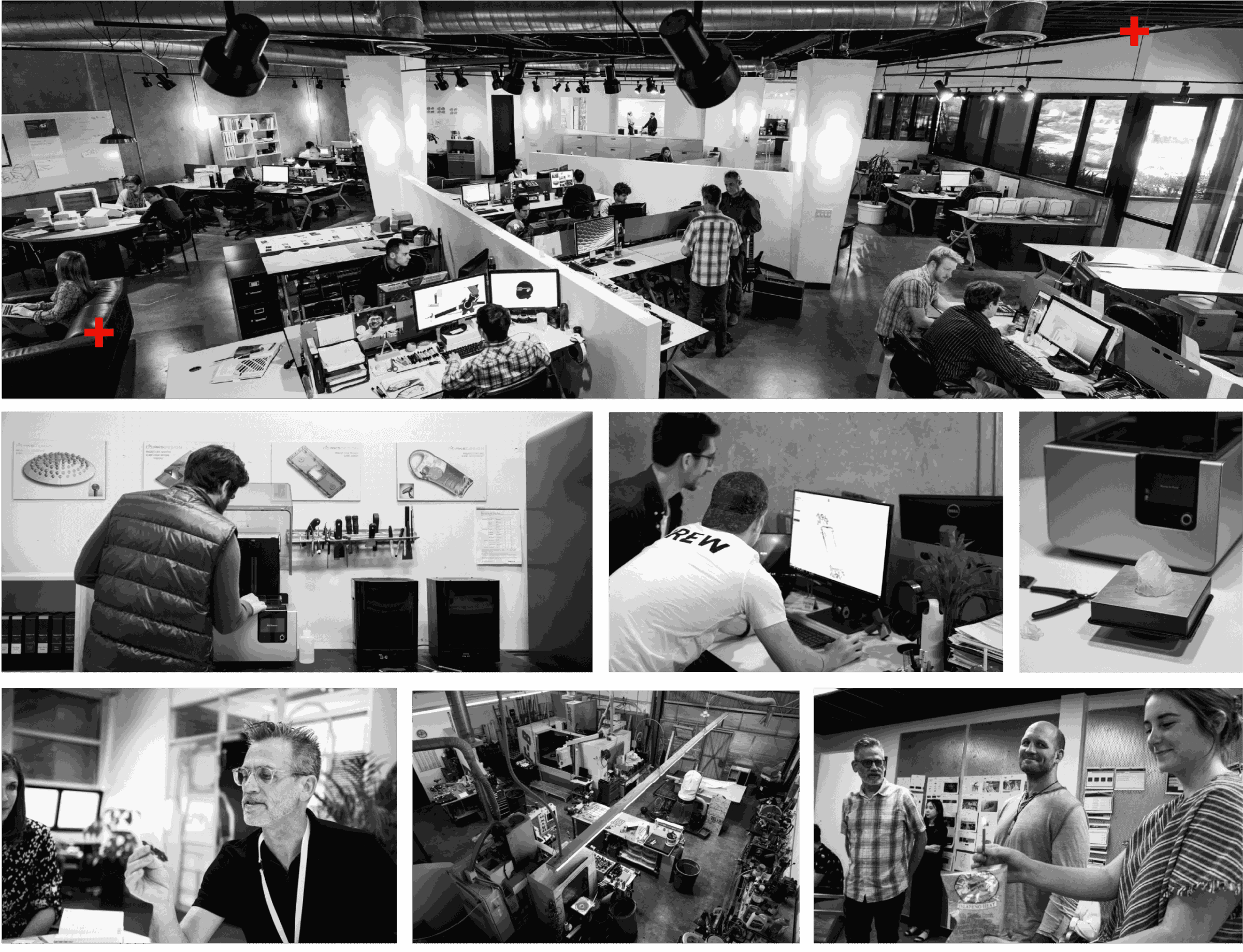
What Services Does a Product Design Firm Provide?
User Research and Insights
Before any sketching begins, great design firms invest in understanding users, their behaviors, frustrations, desires, and emotional landscape. At RKS, this stage is guided by Psycho-Aesthetics®, a proprietary methodology that examines the emotional needs underlying user behavior. The goal is to understand not just what people do, but what they want to feel.
Industrial and Product Design
This is the core craft: translating insights into three-dimensional form. Industrial designers work with shape, proportion, materiality, color, and texture to create products that are not only functional but emotionally resonant. Good industrial design is the difference between a product that gets purchased once and one that builds a following.
Product Engineering and Development
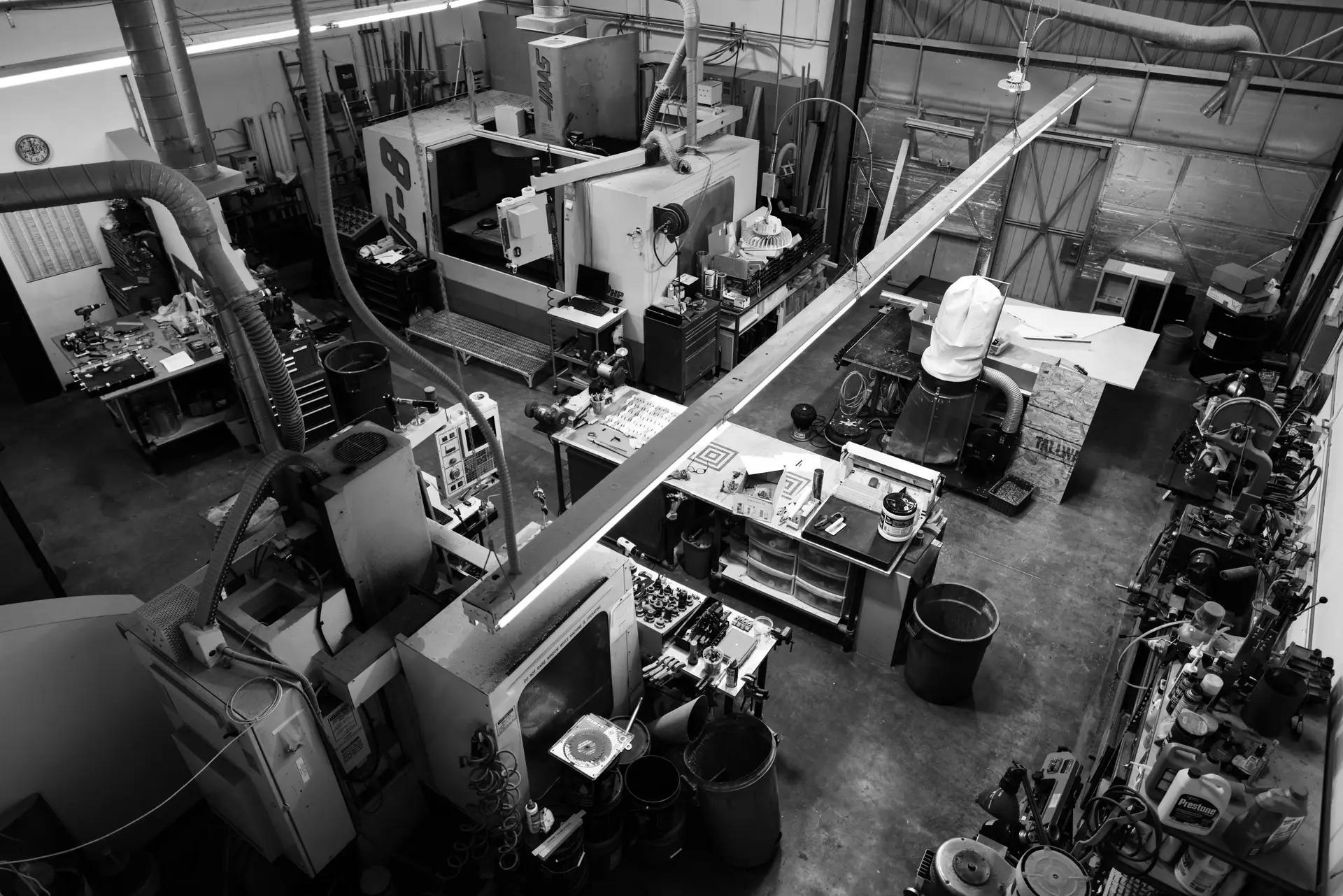
Design and engineering are increasingly inseparable. The best product design firms have mechanical and electrical engineers working alongside designers from the earliest stages, ensuring that beautiful concepts are also buildable. This includes CAD development, finite element analysis, design for manufacturability, and prototype development.
Prototyping and Validation
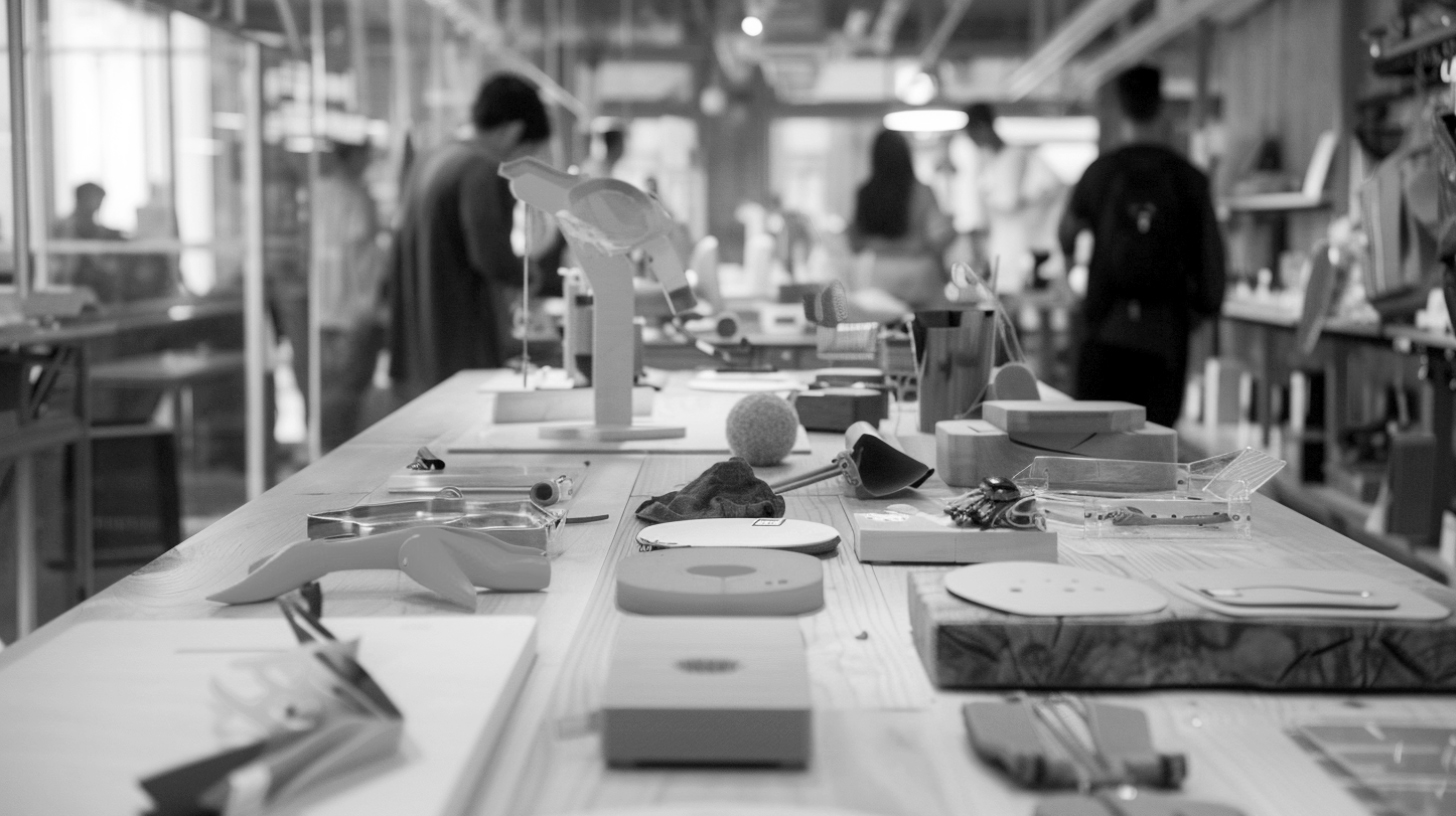
Prototypes come in many forms, appearance models, functional prototypes, user testing models, and each serves a different purpose. A good firm will prototype strategically, testing the right things at the right stage rather than building every iteration in full fidelity.
When Should You Hire a Product Design Firm?
You’re launching a new product and don’t have a design function.
Hiring a full-time design team for a single product launch is rarely the right investment. A firm gives you access to senior expertise, proven processes, and a full stack of capabilities, on demand, without the overhead.
Your in-house team is strong on engineering but weak on design strategy.
Engineering-driven organizations often produce products that work brilliantly but fail in the market because they don’t connect emotionally with users.
You’re entering an unfamiliar product category.
A firm that specializes in medical devices, consumer electronics, or IoT products brings category-specific knowledge that can compress your learning curve by years.
You’re preparing for fundraising or a major commercial launch.
Investors and retail buyers respond to products that look finished, considered, and market-ready.
In-House Design vs. a Product Design Firm
The in-house versus external debate comes down to three factors: scale, specialization, and speed. For most companies, especially at early or mid-stage, a firm offers better economics. A well-resourced design firm can also staff up quickly and move faster than most companies can hire and onboard. Many companies use a hybrid model: a small internal function managing direction and brand standards, partnering with firms like RKS for major initiatives.
How to Evaluate a Product Design Firm
Portfolio depth and category experience. Look for evidence of both aesthetic sophistication and technical rigor. Methodology. The best firms have a point of view on how to design, ask candidates to explain their process and why it works. Engineering integration. Design that can’t be built is expensive entertainment. User research capabilities. Ask how the firm gathers and synthesizes insights, and how those drive design decisions.
Conclusion
A product design firm is a strategic partner for companies that take product seriously. The right firm brings not just design craft but user intelligence, category experience, and an emotional design methodology that gives products their best chance of success. Learn more about RKS Design’s approach to consumer product design or explore our product development capabilities.