Field Notes
What Is Psycho-Aesthetics® and Why It Matters in Product Design
Most people can tell the difference between a product that feels right and one that doesn't, but very few can explain why. That gap is exactly where Psycho-Aesthetics® lives.

Most people can tell the difference between a product that feels right and one that doesn’t. But very few can explain why. That gap, between visceral reaction and articulable reasoning, is exactly where Psycho-Aesthetics® lives.
Psycho-Aesthetics® is a proprietary design methodology developed by RKS Design founder Ravi Sawhney. At its core, it’s a framework for understanding how human emotions, psychology, and aesthetics interact to shape a person’s response to a product. The goal isn’t just to make something beautiful. It’s to engineer an emotional connection that drives adoption, loyalty, and lasting market success.
In an era where AI can generate designs in seconds and manufacturing tolerances are nearly identical across competitors, emotional resonance is one of the few remaining advantages that can’t be easily replicated. That’s what makes Psycho-Aesthetics® not just relevant, but essential.
What Is Psycho-Aesthetics®: And Why It Matters in Product Design
- Type
- RKS Design Perspective
- Date
- May 18th, 2026
The Origin of Psycho-Aesthetics®
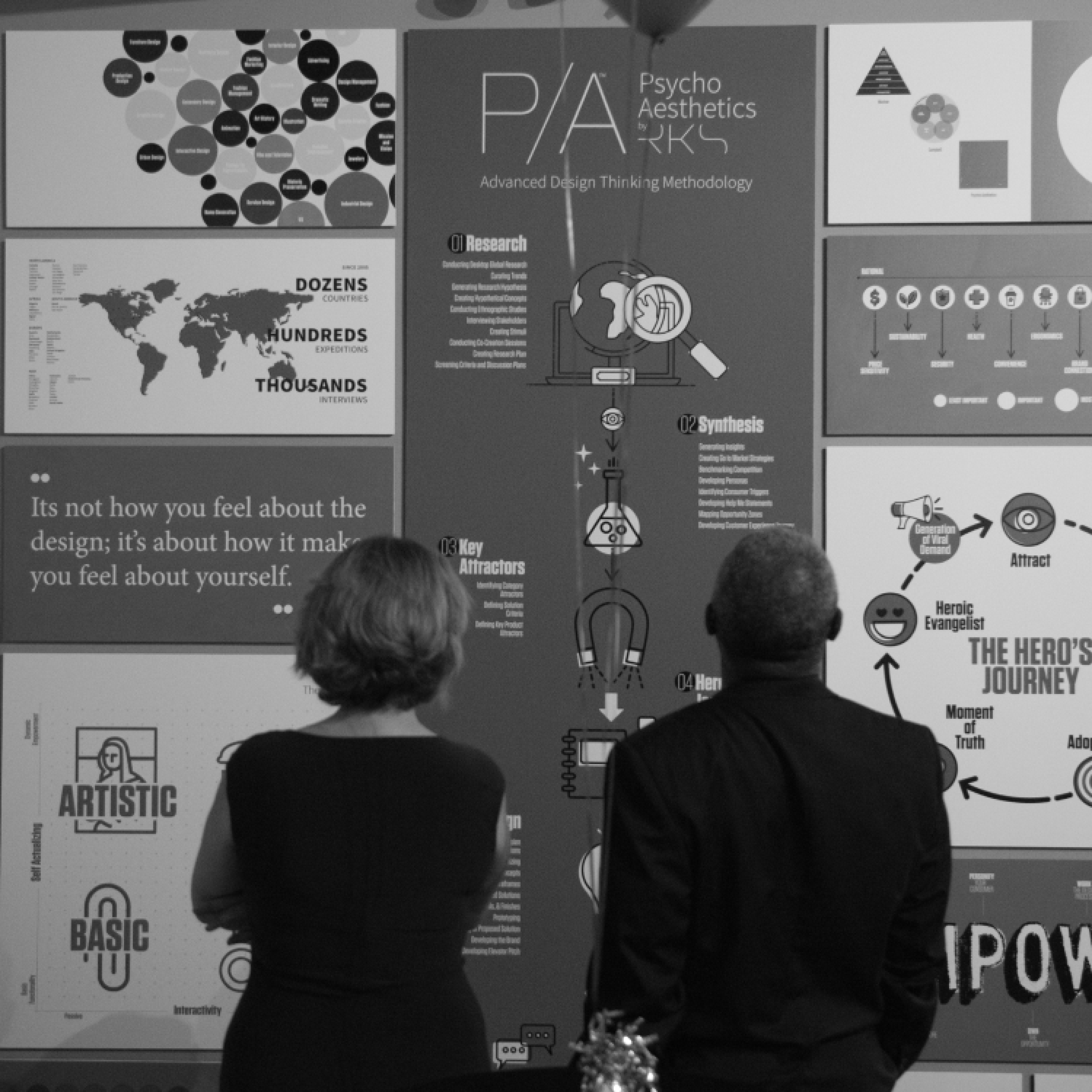
Ravi Sawhney developed the Psycho-Aesthetics® framework in the 1980s, drawing from psychology, cognitive science, and design practice. His premise was straightforward but radical at the time: product design shouldn’t start with form or function. It should start with human beings, specifically, with understanding how people emotionally engage with the world around them.
Sawhney recognized that the most successful products in history weren’t just well-engineered. They made people feel something. The original Macintosh made people feel like insiders. The Walkman made people feel autonomous. The MiniMed insulin pump, which RKS designed, made chronically ill patients feel like themselves again, rather than like patients. These outcomes weren’t accidental. They were the result of intentional emotional design. Psycho-Aesthetics® gave that intentionality a structure.
How Psycho-Aesthetics® Works
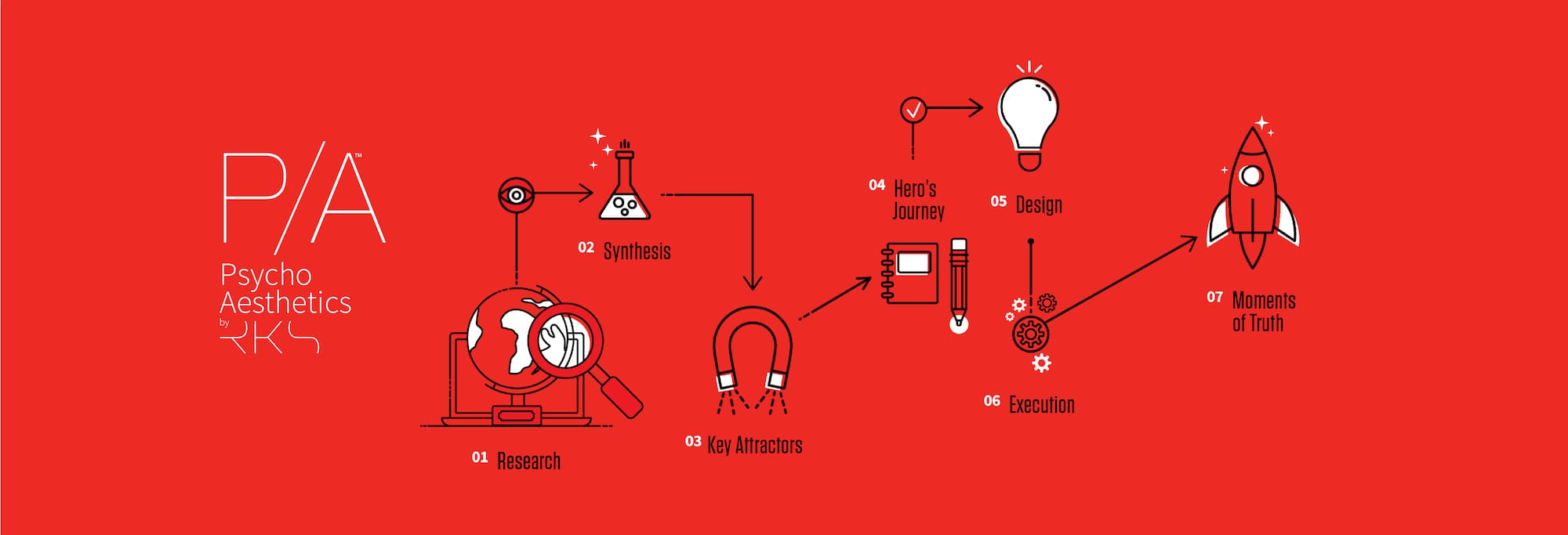
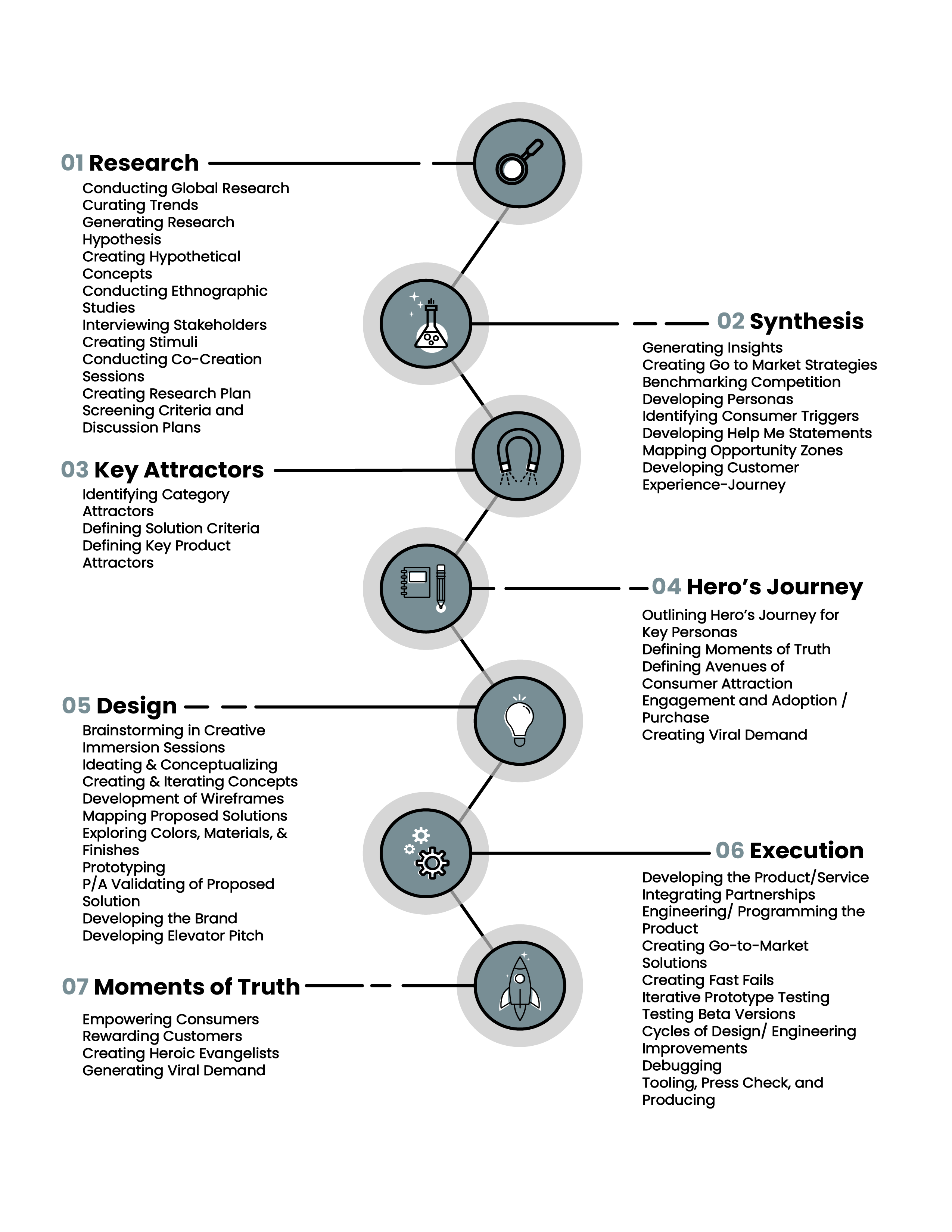
The Psycho-Aesthetics® methodology operates across four interconnected dimensions:
1. Empathy at Scale
Traditional empathy in design means sitting with a user and observing their behavior. Psycho-Aesthetics® extends this by asking: what are the collective emotional needs of the target population? What anxieties, aspirations, and identity narratives do they share? This isn’t market research in the conventional sense. It’s a deeper excavation of the human condition as it relates to a specific product category.
2. Emotional Mapping
Once core emotional needs are identified, the methodology maps them onto design attributes. What visual language signals trust? What texture communicates precision? What color palette evokes liberation versus control? This stage draws heavily from cognitive psychology and semiotics, the study of how symbols and forms carry meaning.
3. Aesthetic Translation
Here, emotional insights become tangible form. Shapes, materials, surfaces, and interactions are chosen not arbitrarily but because they carry specific emotional weight. The aesthetic isn’t decoration, it’s communication. This is where Psycho-Aesthetics® diverges most sharply from purely functional design approaches.
4. Validation
The final stage tests whether the emotional design landed as intended. RKS uses structured user validation to measure not just usability, but emotional response. This loop, empathy, mapping, translation, validation, repeats across a project’s lifecycle, ensuring that emotional alignment is a continuous discipline.
How Psycho-Aesthetics® Differs from Design Thinking
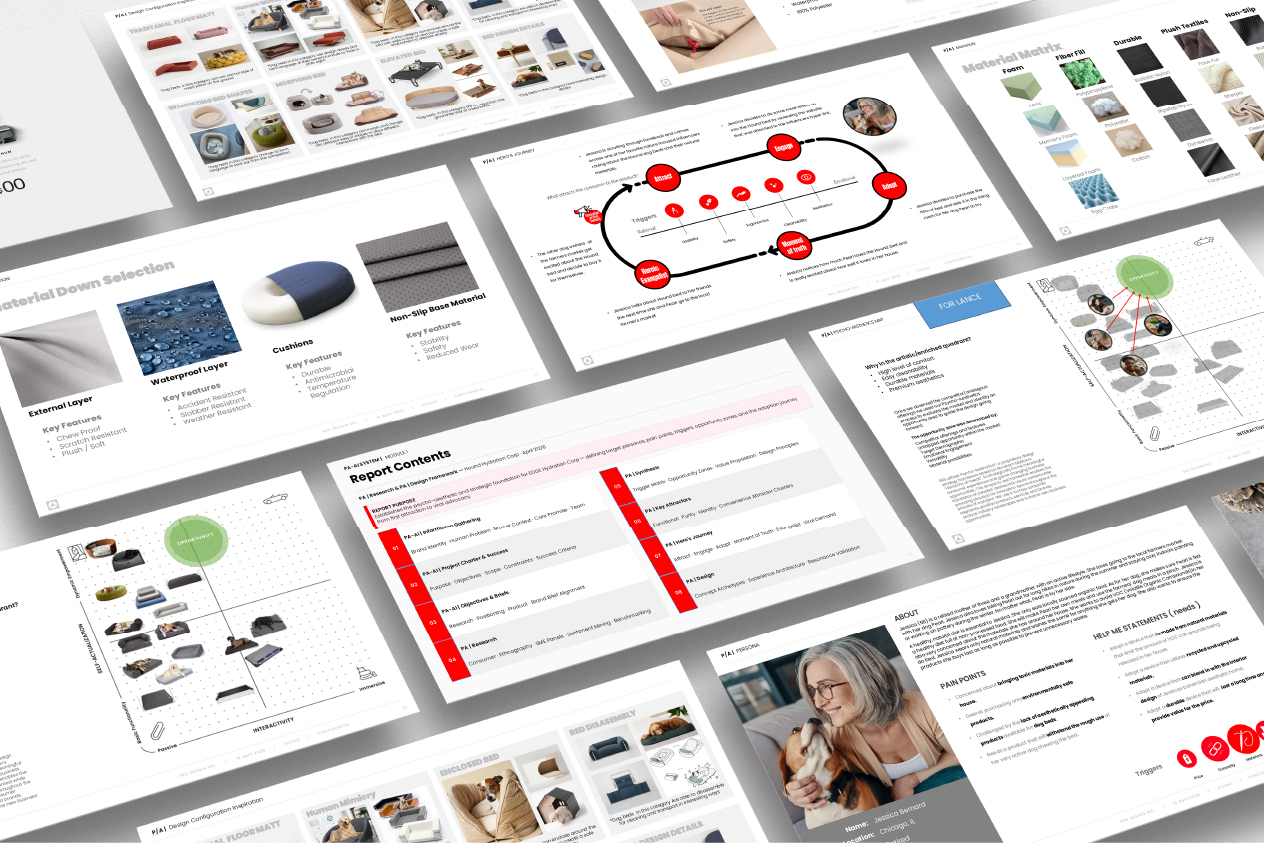
Design thinking is a widely used innovation framework that emphasizes empathy, ideation, prototyping, and iteration. It’s an excellent tool for solving problems. Psycho-Aesthetics® is an excellent tool for creating desire. Design thinking asks: “What does the user need?” Psycho-Aesthetics® asks: “What does the user want to feel, and what product makes them feel that way?” In practice, RKS uses elements of both, design thinking provides useful scaffolding, while Psycho-Aesthetics® provides the emotional depth that transforms a solution into a product people want to own.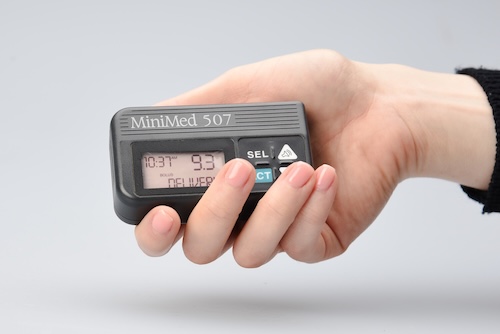
Psycho-Aesthetics® in Action
MiniMed Insulin Pump
When MiniMed approached RKS to redesign their insulin pump, the emotional challenge was subtle: how do you design a medical device that a person with diabetes will willingly wear on their body every day? RKS’s empathy research revealed a core insight: patients didn’t want a device that announced their condition. They wanted something that fit seamlessly into their identity. The resulting design became the world’s best-selling insulin pump. The emotional design wasn’t a nice-to-have, it was the commercial differentiator.
Guitar Hero
When RKS worked on Guitar Hero’s guitar controller, Psycho-Aesthetics® informed every decision, the weight of the controller, the visual language of the body shape, the haptic feedback of the strum bar. Each element was calibrated to amplify a specific fantasy: making someone feel like a rock star in their living room. The result was a product that created an entirely new category of gaming.
Why Psycho-Aesthetics® Matters Now More Than Ever
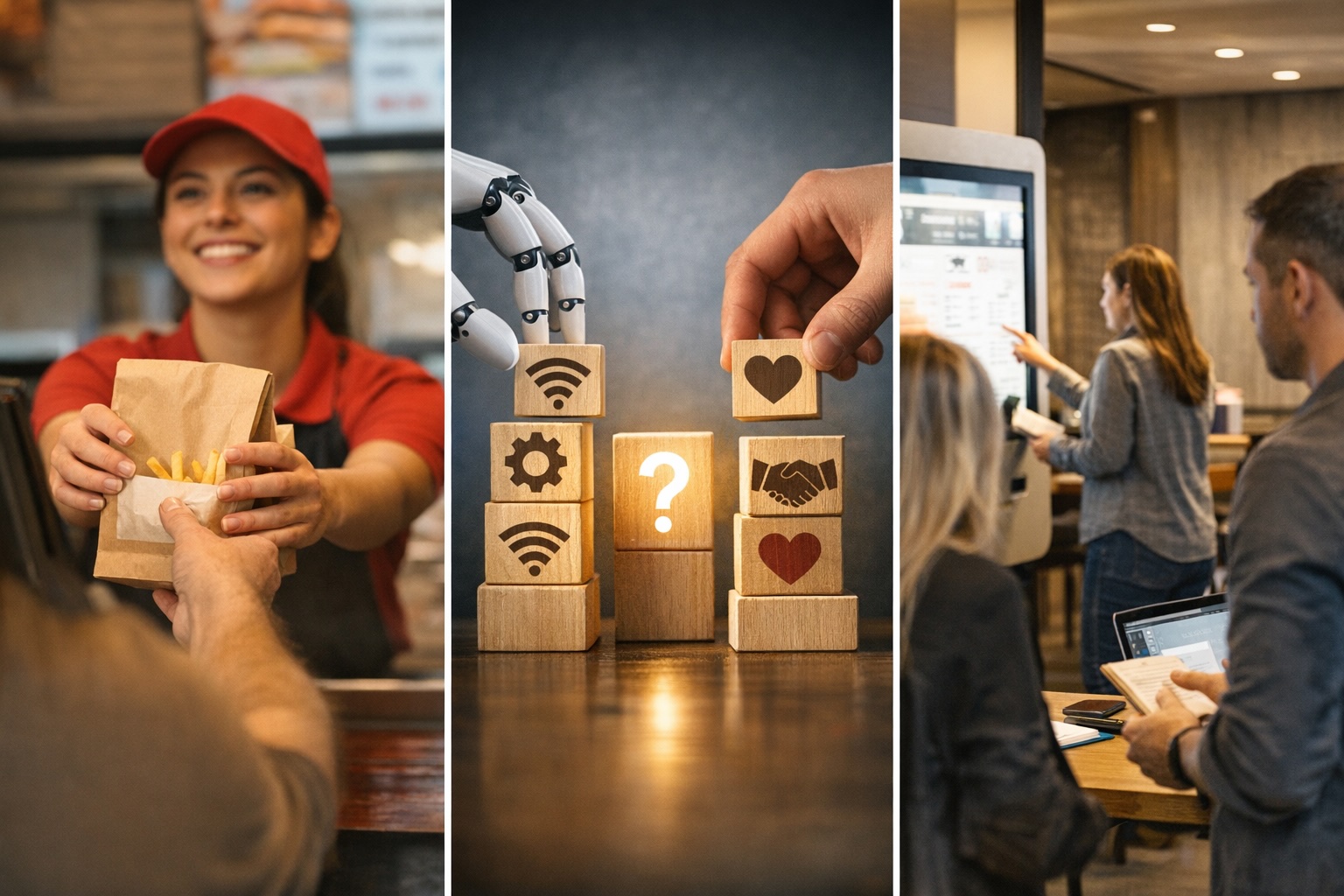
Three forces are converging to make emotional design more critical than ever. First, commoditization: when products are technically similar, emotional resonance becomes the key differentiator. Second, AI-generated design: generative tools can produce thousands of variations in seconds, but only Psycho-Aesthetics® defines the emotional target those variations should aim for. Third, user sophistication: modern consumers have extraordinarily high standards, shaped by decades of exceptional product design.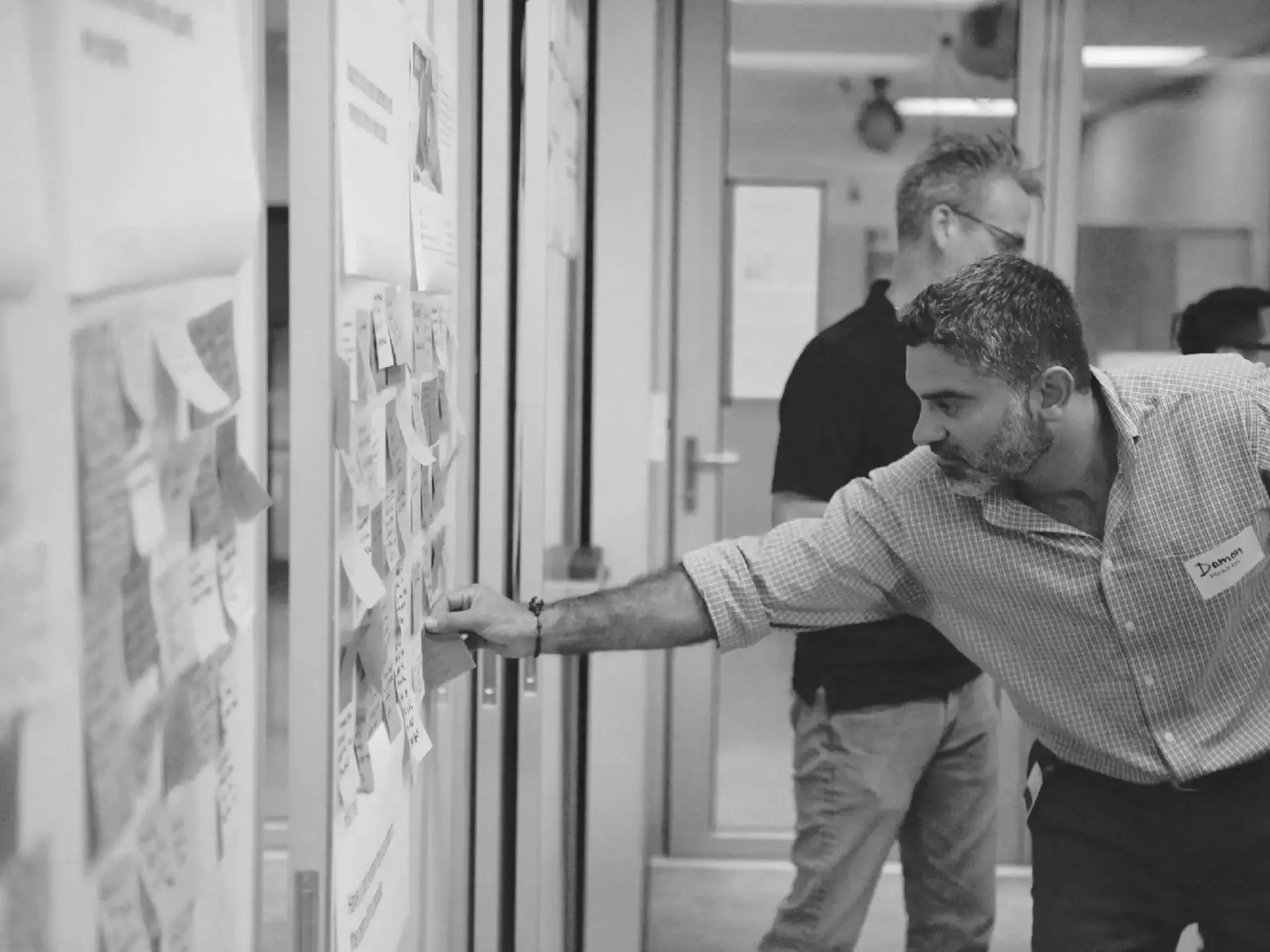
Academic Recognition
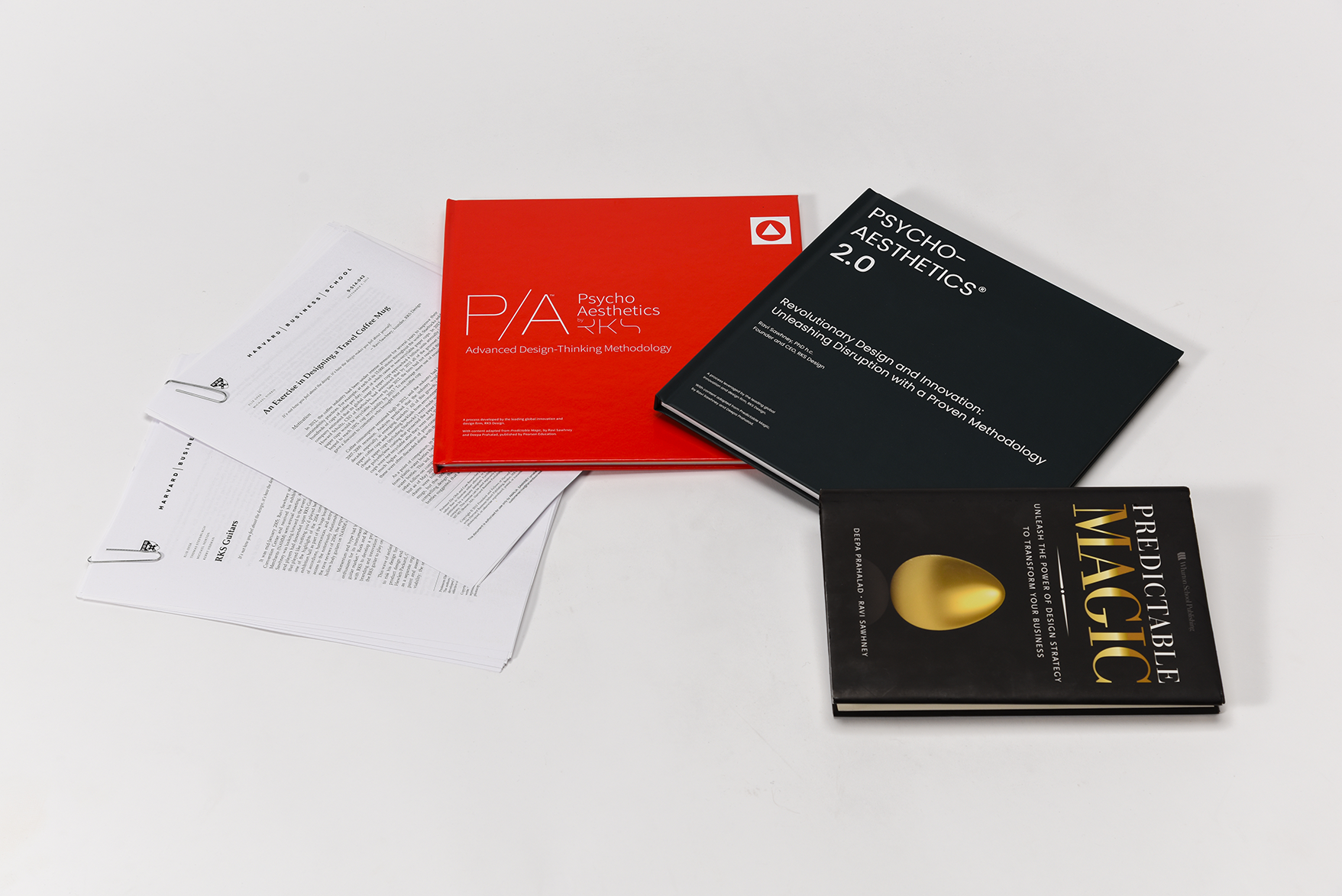
The credibility of Psycho-Aesthetics® extends beyond commercial outcomes. The methodology has been taught at institutions including Harvard and the Wharton School of Business, where it has been recognized as a significant contribution to understanding how design drives commercial value. This academic recognition signals that Psycho-Aesthetics® isn’t brand language, it’s a validated framework that has withstood rigorous intellectual scrutiny.
Conclusion
Psycho-Aesthetics® is not a trend or a tagline. It’s a rigorous, validated approach to product design that starts with human emotion and ends with commercial results. In a market where functional differentiation is increasingly hard to sustain, the ability to engineer emotional connection is a profound competitive advantage. To learn more about how RKS Design applies Psycho-Aesthetics®, visit our Psycho-Aesthetics® page and About page.