
Consumer Product Design
Designing everyday essentials that spark connection
powered by Psycho-Aesthetics®.
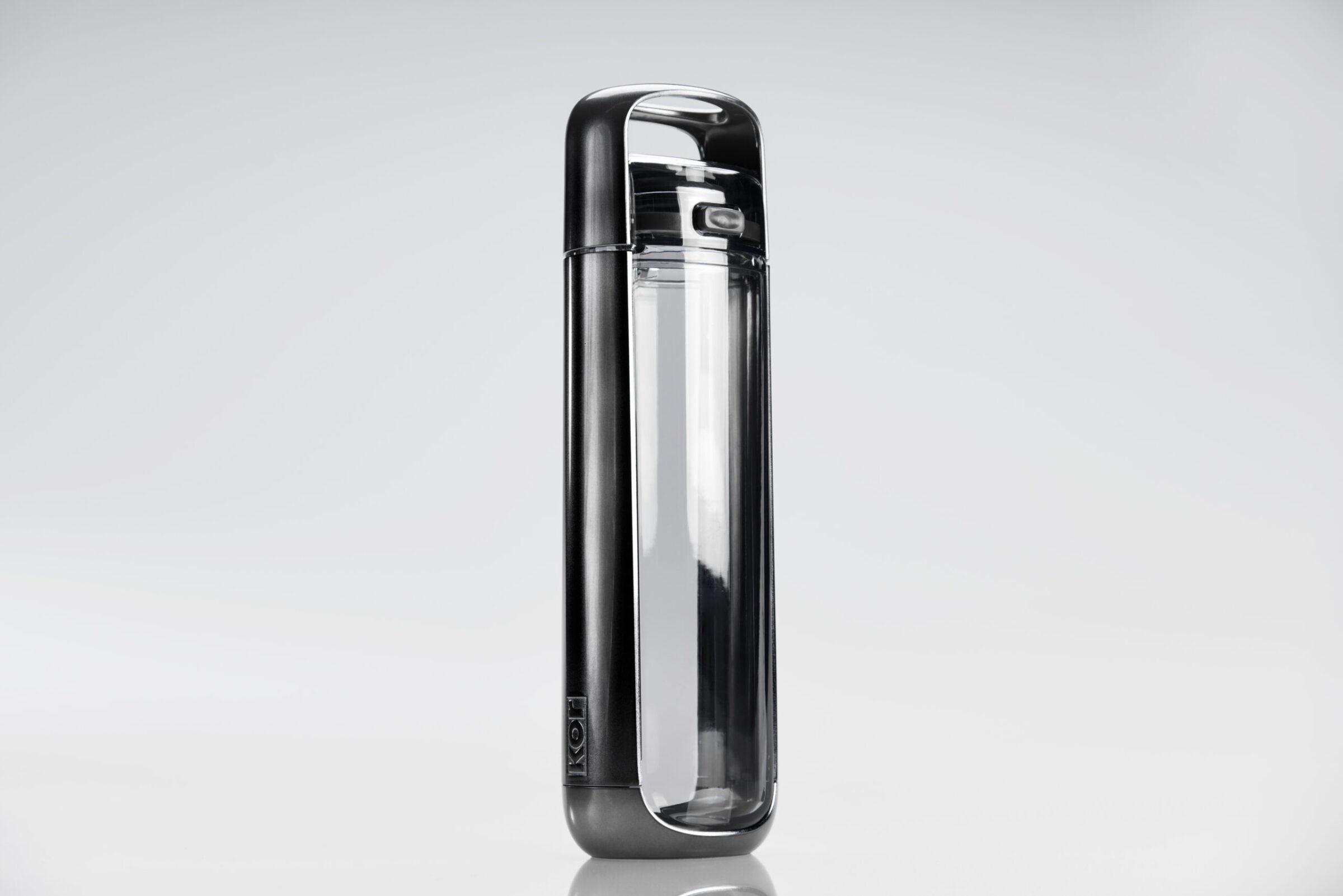
Kor One Personal Hydration Bottle
Innovative design helping Kor One expand to over 100 countries.
We designed the iconic Kor One hydration vessel, helping the brand expand to over 100 countries and become a viral sensation, widely recognized as a symbol of modern, sustainable design.
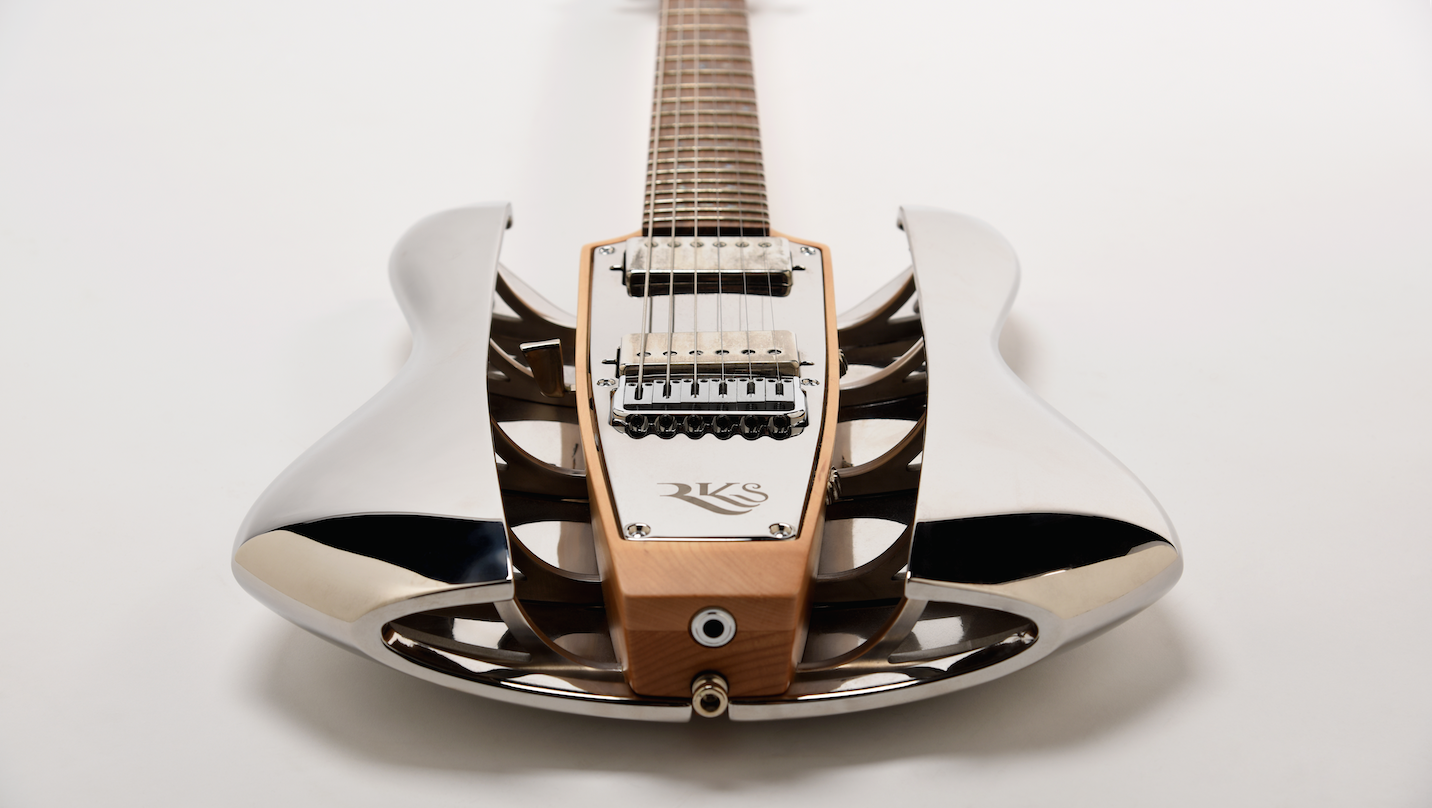
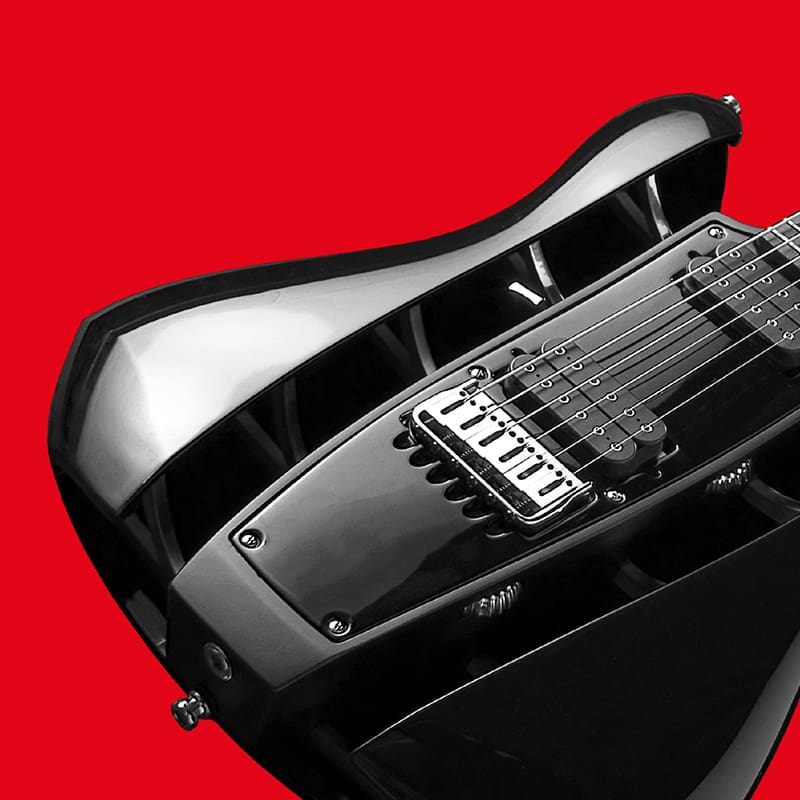
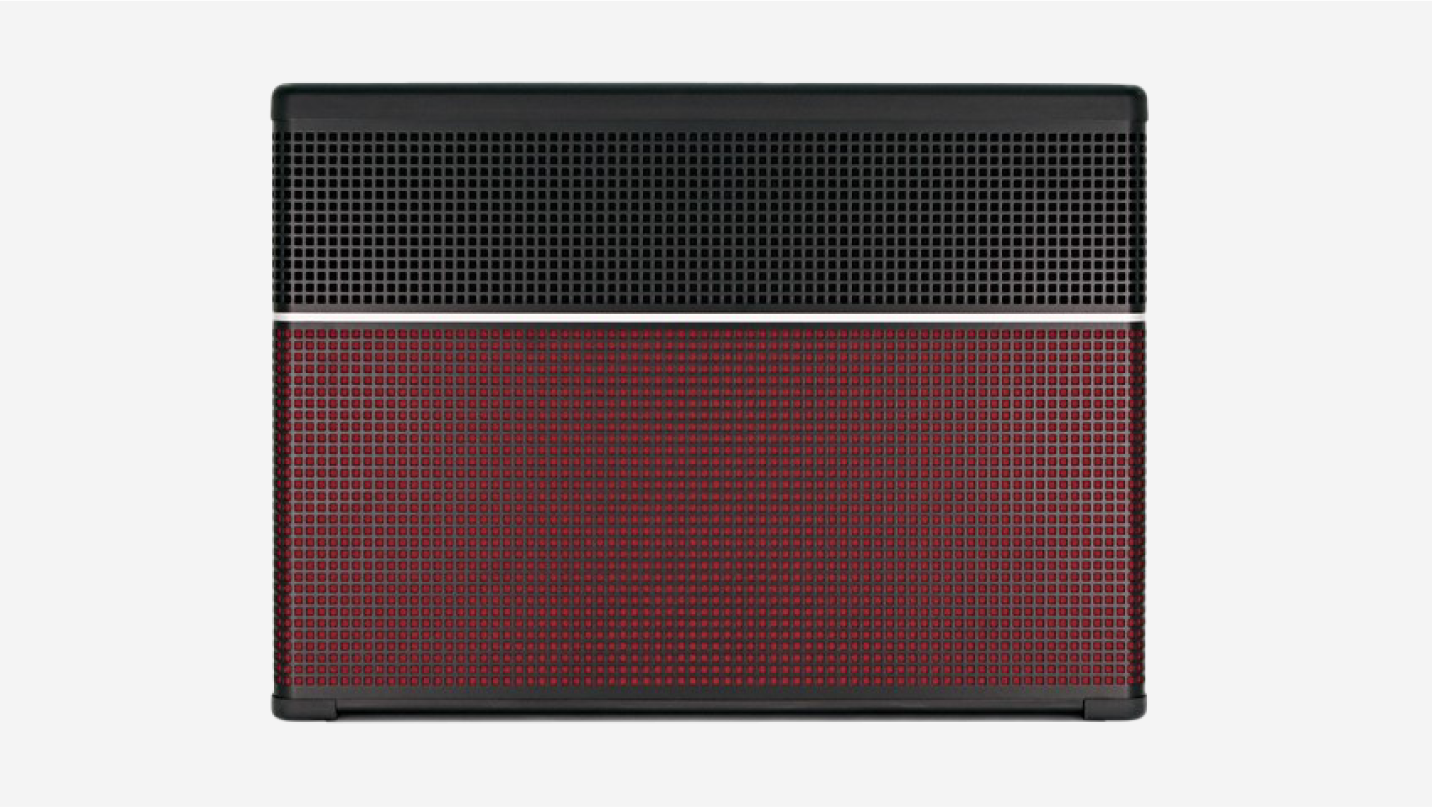
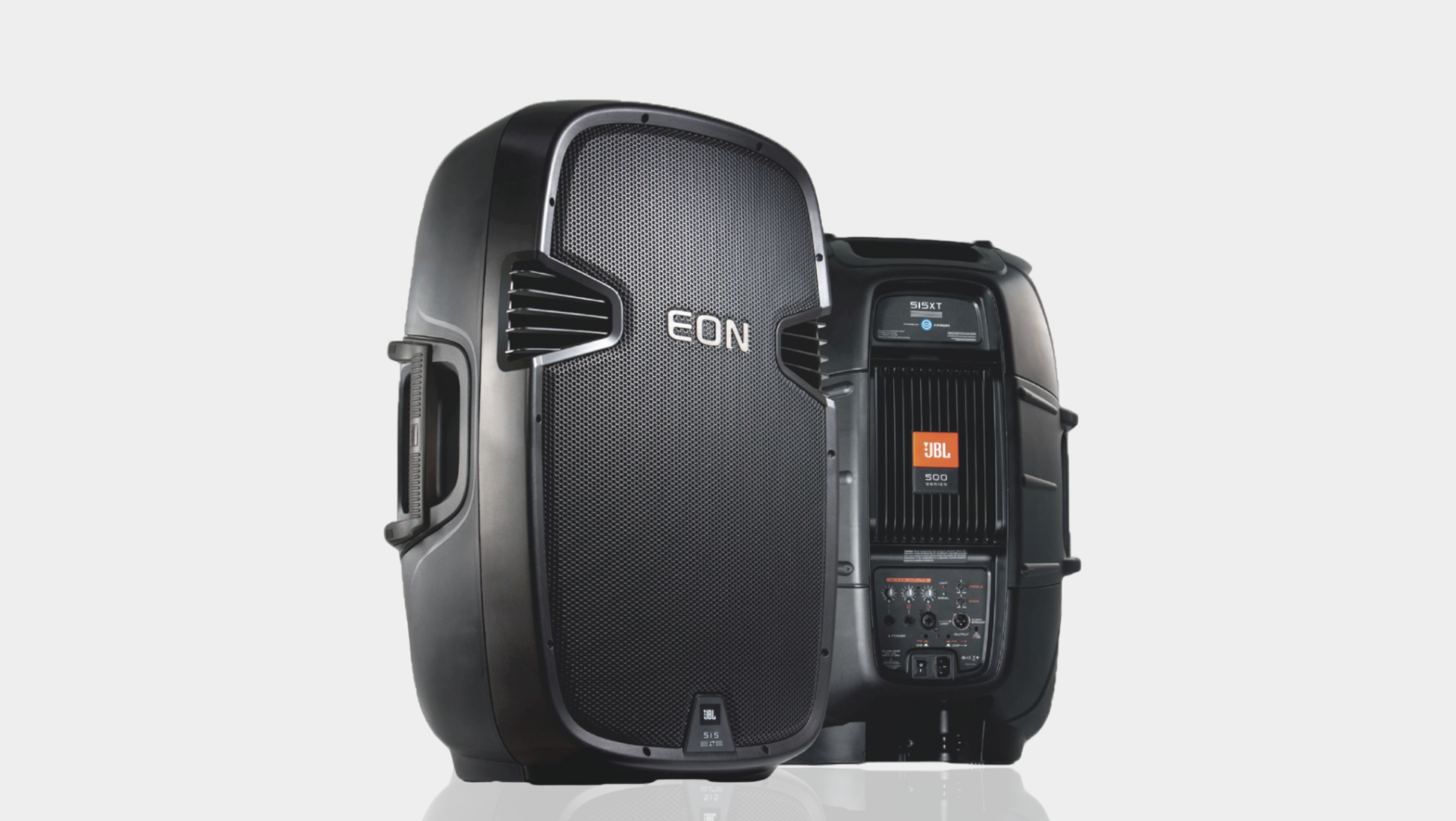
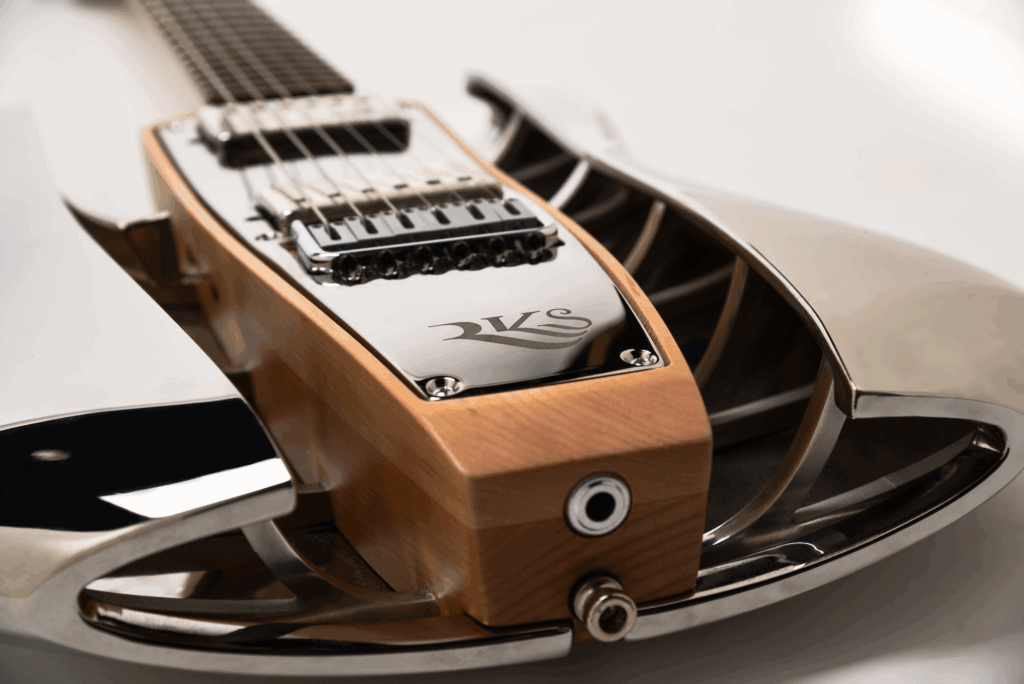
RKS Guitars have been praised and endorsed by numerous music legends.
We designed the groundbreaking RKS Guitar, helping redefine the electric guitar with a bold fusion of sustainability, ergonomics, and style, earning praise from legendary musicians and recognition as a modern icon in instrument design.
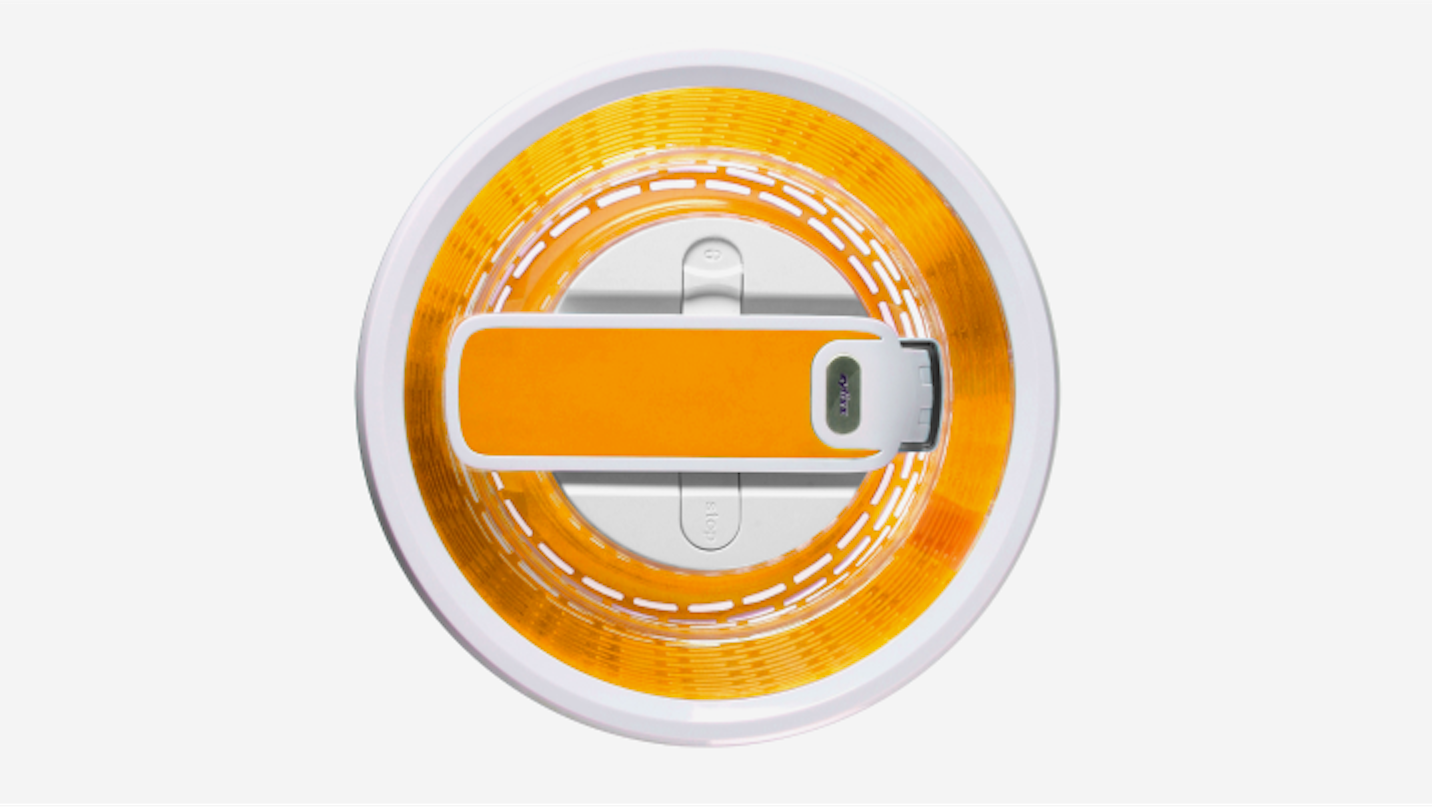
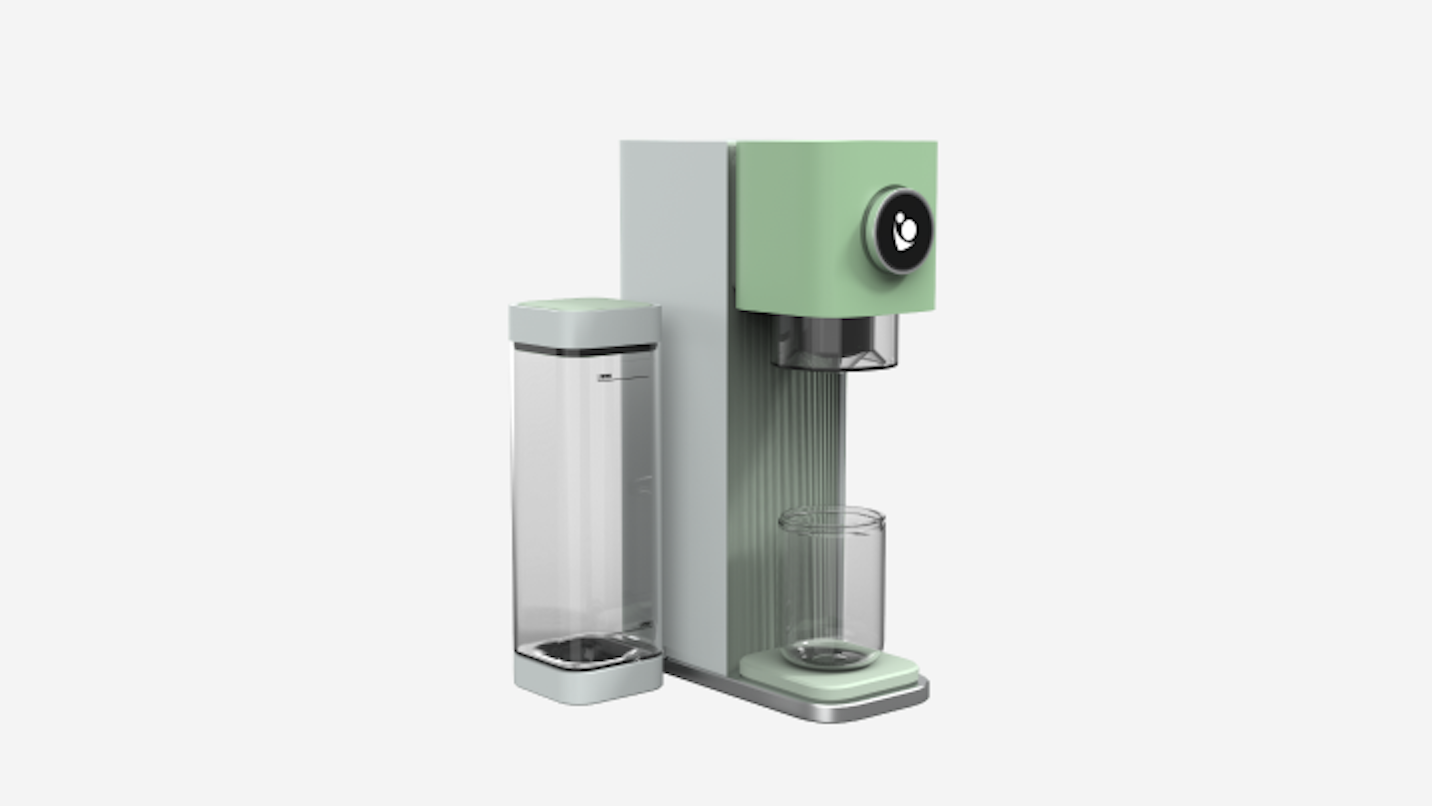
Timeless design that earned over 32,000 five-star reviews on Amazon.
Understanding that consumers don’t always know what they need, we used research and strategy to uncover hidden pain points and solve them with innovation. The result is a new benchmark in the kitchenware industry.
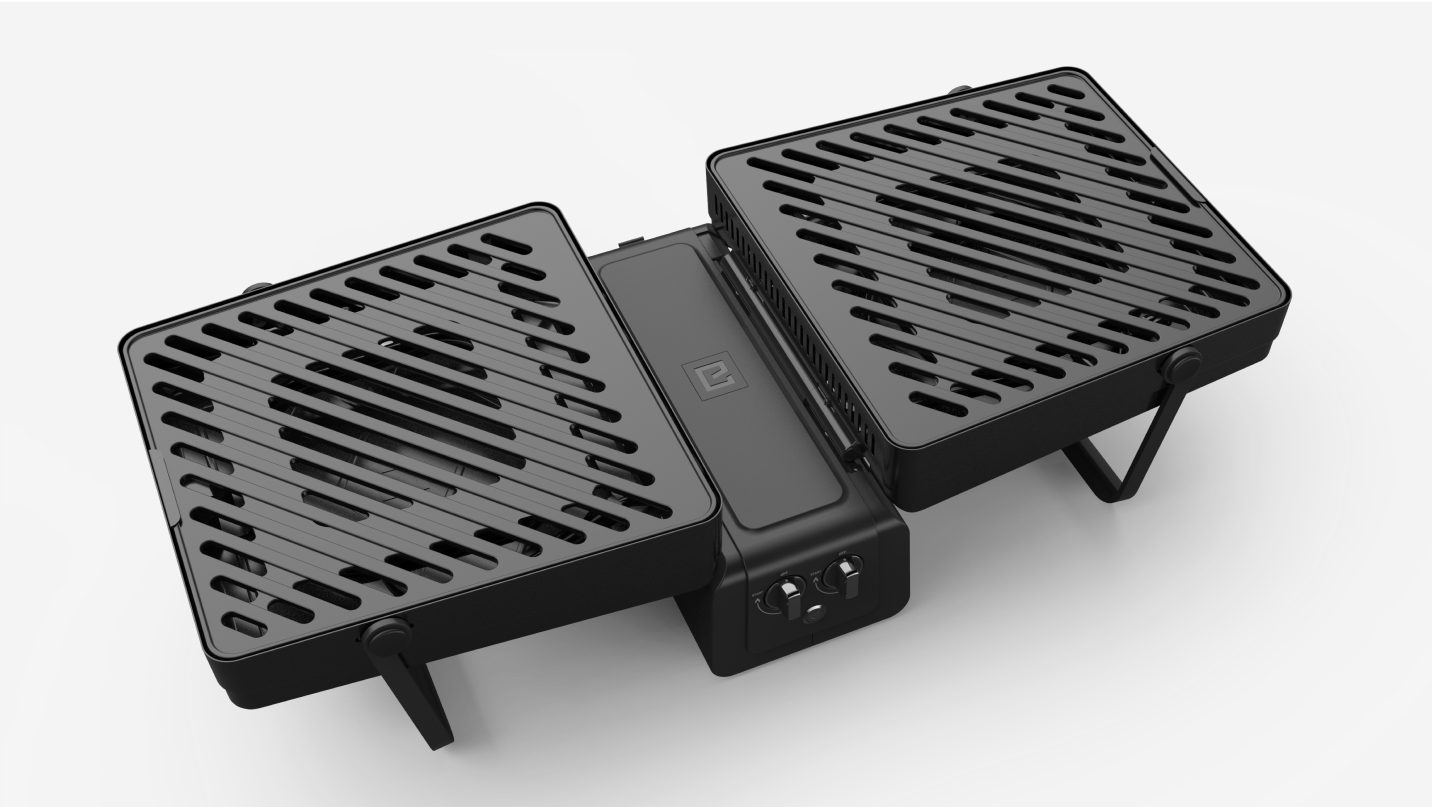
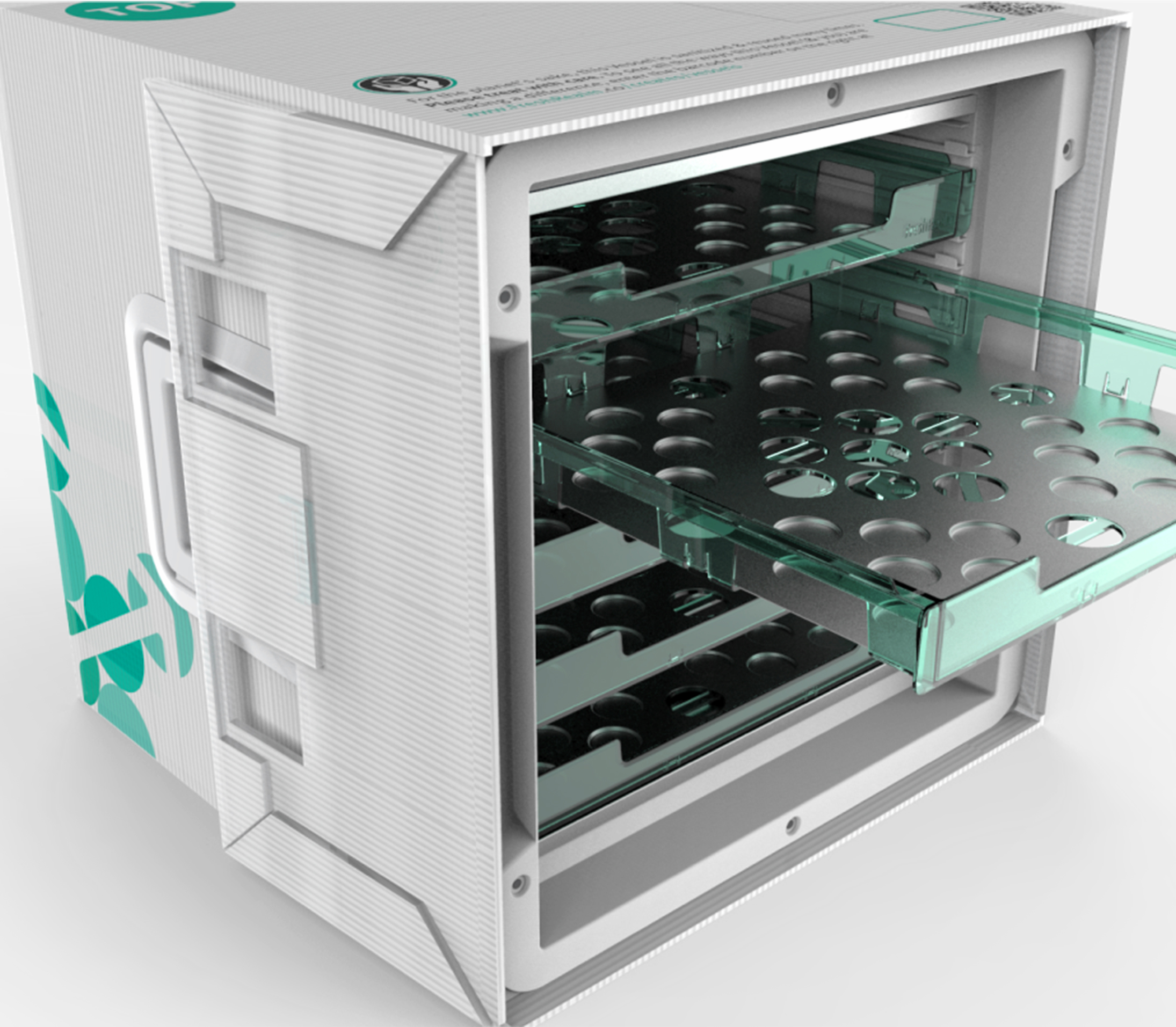
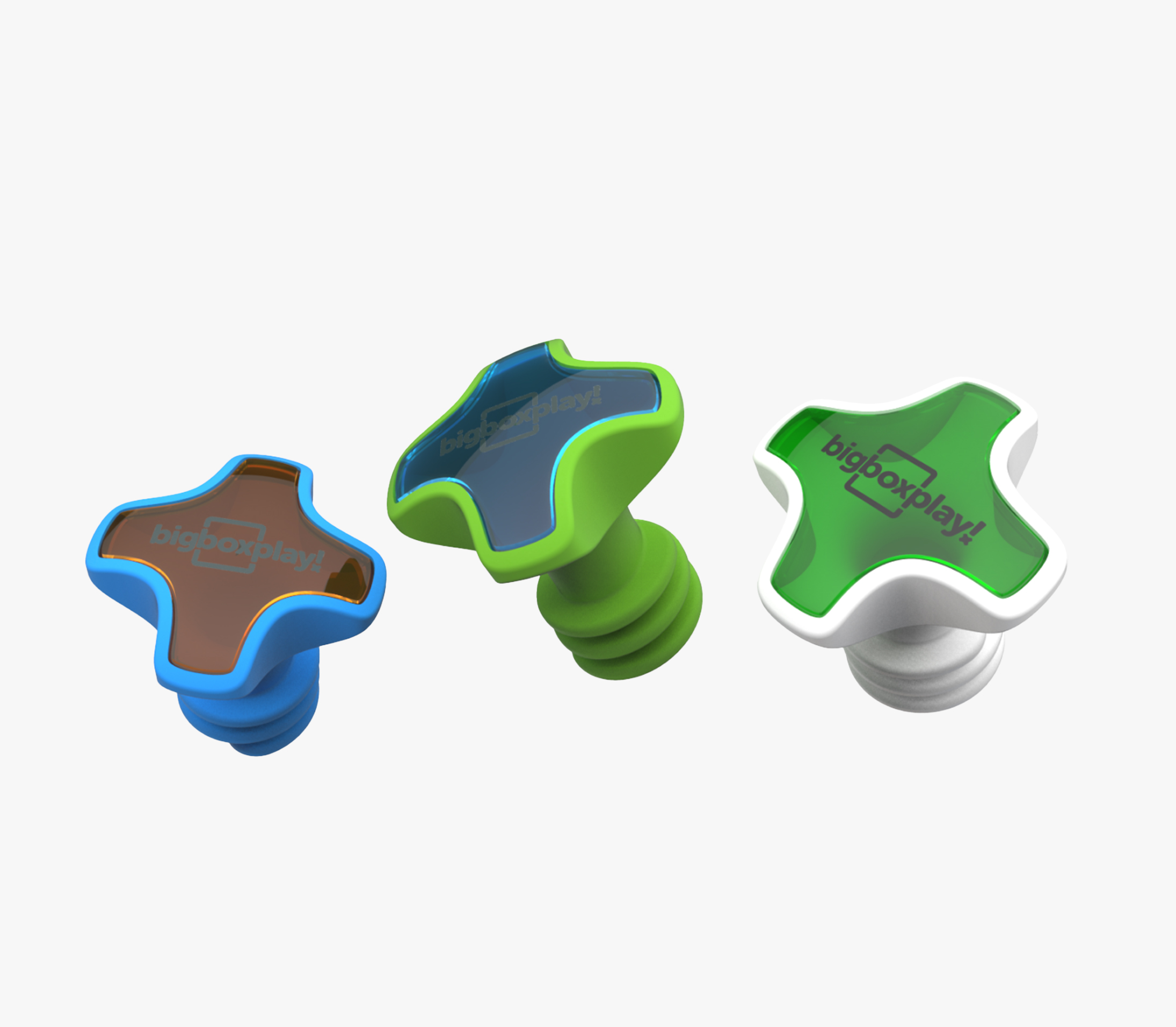
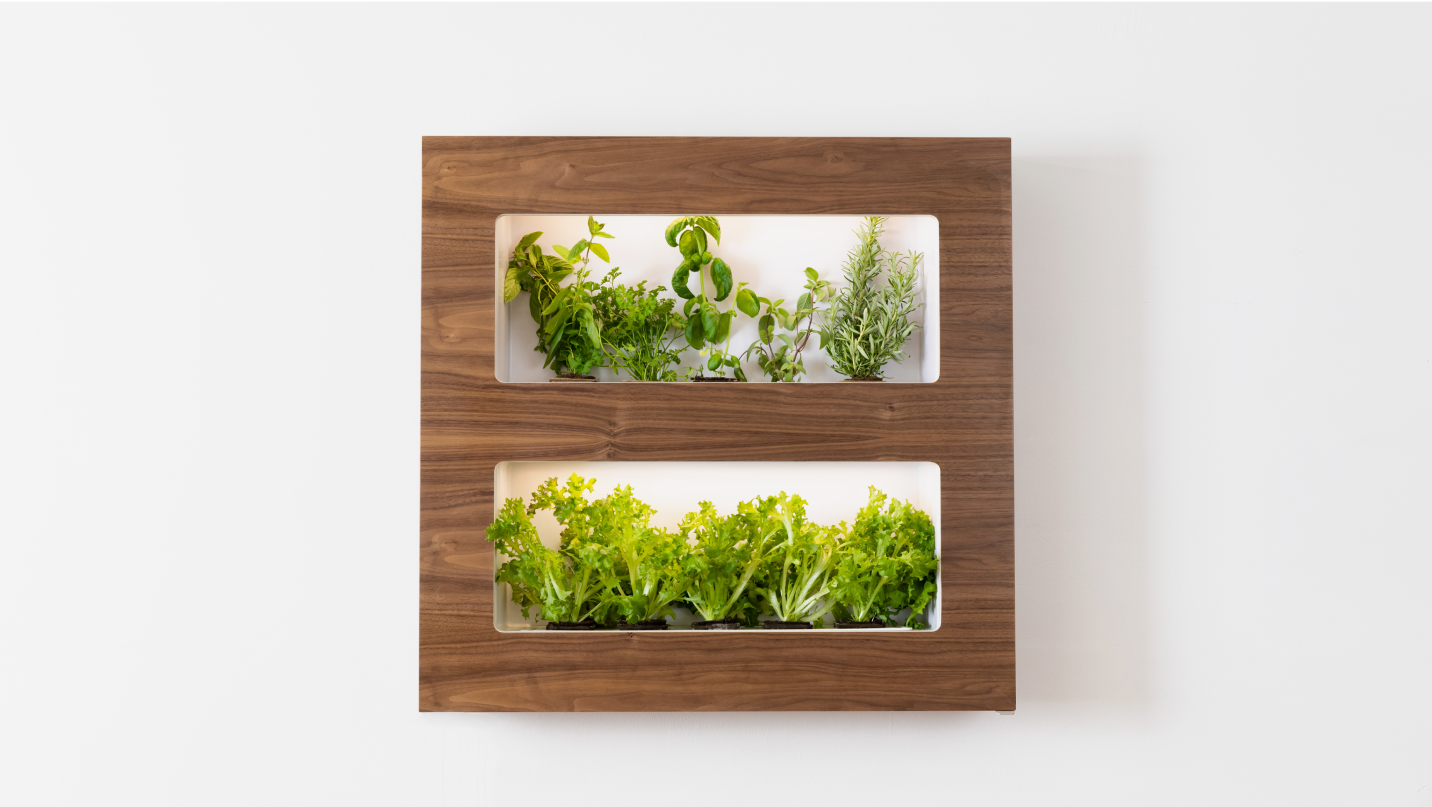
Consumer Research & Strategy Capabilities
We translate user insights into actionable product and design strategy and services, aligning client & brand goals with real-world needs to drive lasting consumer impact.
Research Design
In most cases, designers are not the consumers. Without deeper understanding and insights into consumers’ behavior and psychological patterns, RKS designs would be unable to create long and lasting benefits that help consumers over many years. This foundation of this success comes from insights into consumers, their needs, their aspirations, their challenges, how they work, how they live, how they play, and the interior and social architecture of their lives. We use this picture as the basis of our designs, shaping new solutions that are safer, easier to learn, and simpler to use. Ultimately, consumer products and goods informed by user research are safer, easier to learn, and simpler to use.
Ethnographic Research
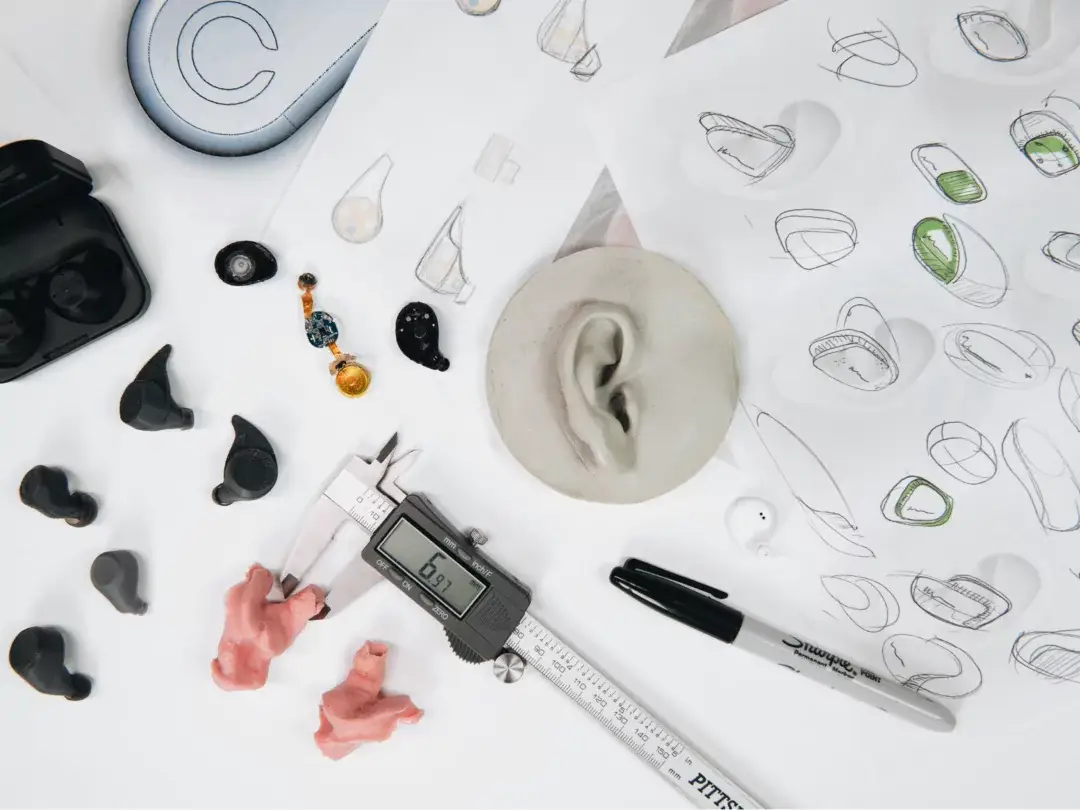
Ethnographic research is a cornerstone of our psycho-aesthetics design methodology. By observing and engaging with users in their real environments, from homes to hobbies, we uncover deep insights that drive human-centered innovation. When in-person research isn’t possible, we leverage digital tools to gather and analyze behavior remotely and develop actionable insights. Alongside ethnography, we conduct interviews, benchmarking, competitive analysis, and usability testing, where even one small idea can spark human-centered innovation. With decades of experience, our team transforms real-world insights into award-winning, user-driven designs.
Consumer Product Strategy Design
Creating a successful consumer product strategy requires a holistic, user-centered approach guided by a dedicated team. We align product features with user needs, market realities, and cost targets, delivering solutions that are functional, intuitive, and ready for the shelf. Our team considers the full user journey, from packaging and interface to points of contact, upkeep, and end-of-life disposal. Designed for everyday performance and repeated use, our products prioritize usability, durability, and user delight as we develop every touchpoint.
Regulation Support
Consumer products must meet strict regulatory and compliance standards to reach the consumer market, especially in the U.S. From FCC, EMC, RF, and safety testing for electronics to CPSC and CPC certification for children’s products, the requirements are rigorous. We integrate these standards into every stage of the design process, ensuring the products, goods, and solutions we develop for each client are fully compliant and ready for third-party testing and certification.
Market Identification
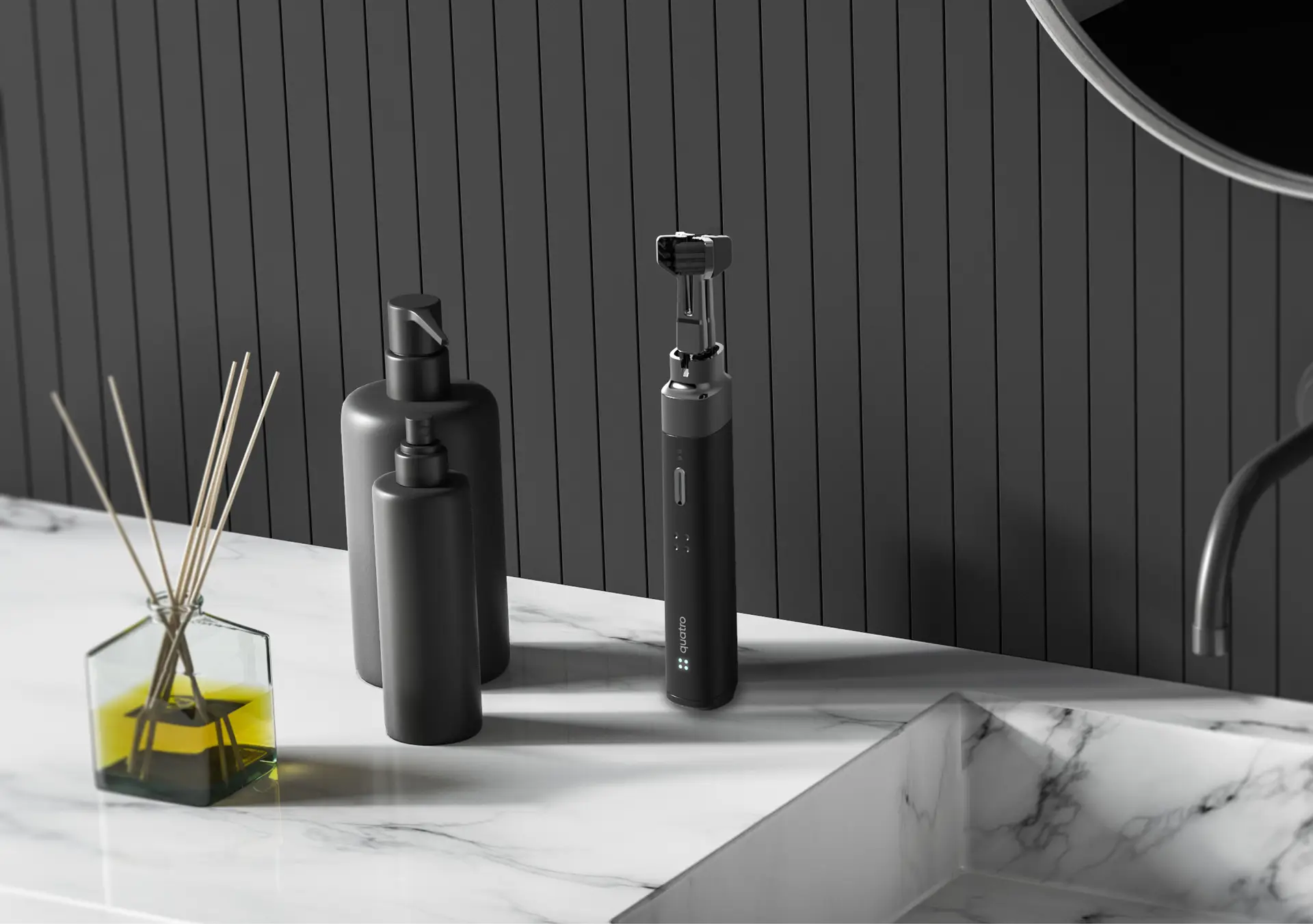
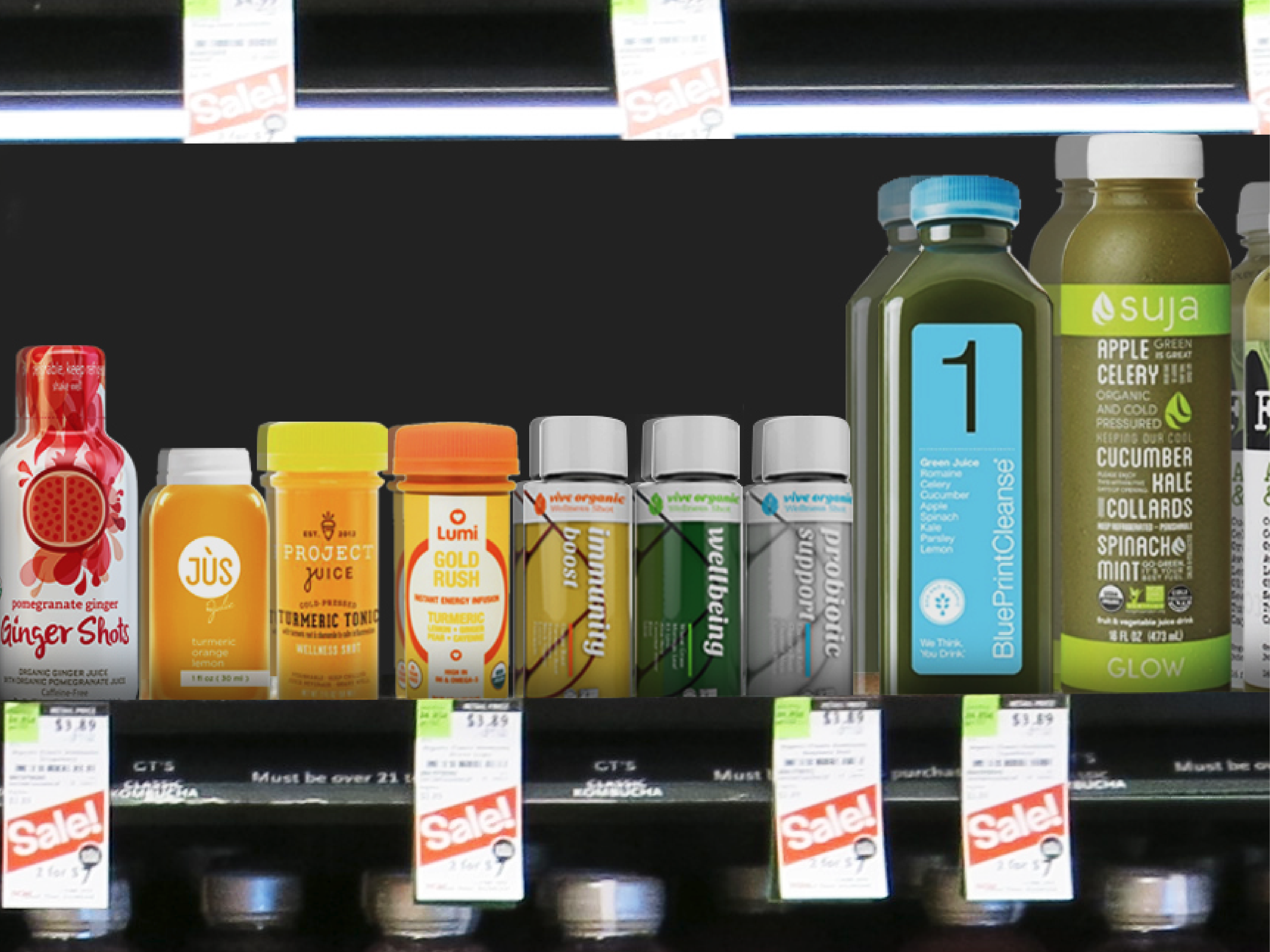
We often start with patents or early-stage ideas and work to build true product-market fit. Using our psycho-aesthetic framework, we identify real consumer needs and pain points, then focus on the most valuable features. We design and engineer MVPs for each client that validate those insights and deliver a clear improvement multiple. Many companies overestimate their product’s value, so we use a rigorous mix of qualitative and quantitative research to uncover real opportunities. With over 40 years of experience, we’ve helped launch hundreds of successful products and services. Our designers advocate for the user at every step, considering not just form and function, but the full product experience, including UI, manuals, servicing, and end-of-life sustainability.
Industrial Design for Consumers
We prioritize functional industrial design that emphasizes intuitive creativity, user contact, and calculated scientific decision-making.
Consumer Product Definition and Product Design
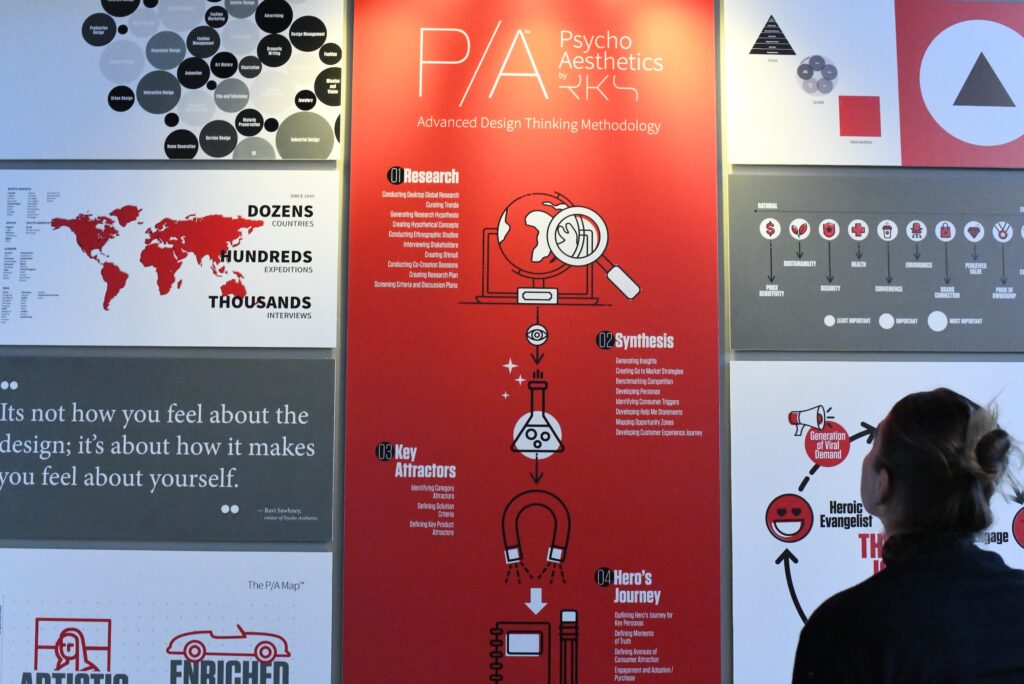
Our product definition and design framework is rooted in psycho-aesthetics, a unique approach that creates emotional connections between consumers and products. We don’t just ask how a product makes users feel, but how it makes them feel about themselves. Through thoughtful industrial design, shape, color, texture, we craft products that deliver powerful “Moments of Truth,” where users feel seen, empowered, and accepted. Today’s consumer products must do more than function; they must inspire confidence, identity, and self-expression. With this insight, we design bold, distinctive products that resonate on a deeper human level.
Engineering and Verification
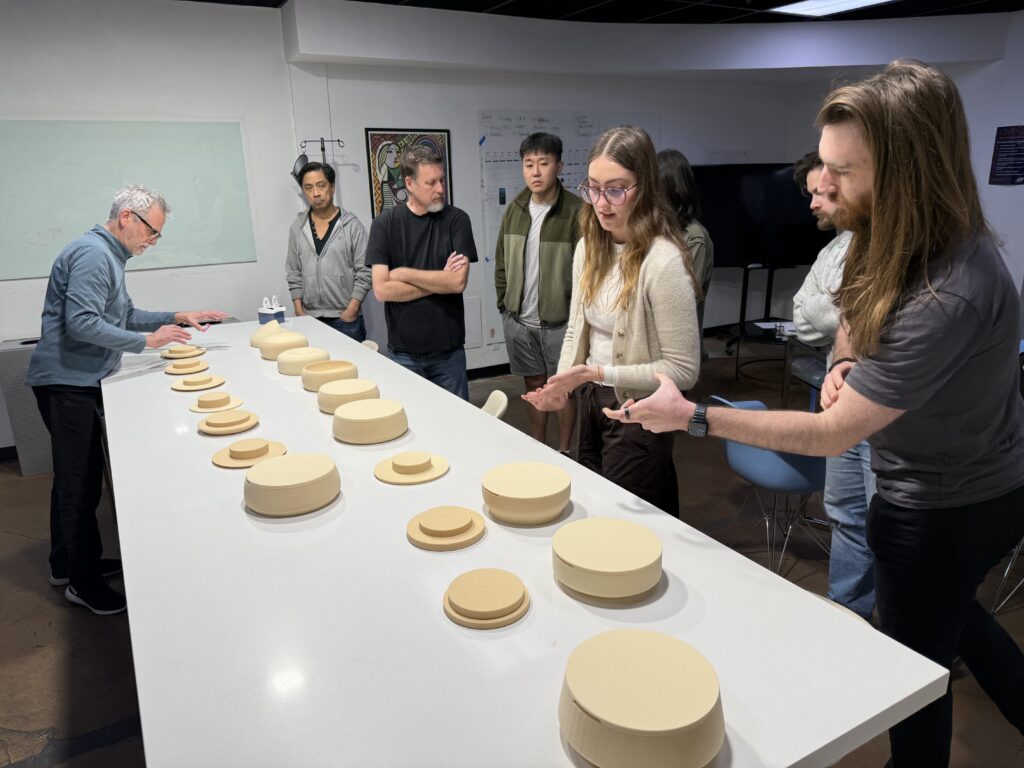
Consumer products pose unique challenges that require deep engineering know-how. Our design and engineering teams have years of experience from consumer products, from concept design, to prototyping, through producing and manufacturing. Often these products rely on complex mechanical and electromechanical systems with low tolerances, requiring us to develop innovative uses for new materials or adapt existing ones for new purposes. Using the latest in AR/VR and CAD-based tools, our team of engineers work to identify and solve these complex issues early on. Through our engineering, design, and verification expertise we create consumer products and goods that meet their requirements, while taking into account COGS constraints, manufacturing and production timelines.
Technology Roadmap
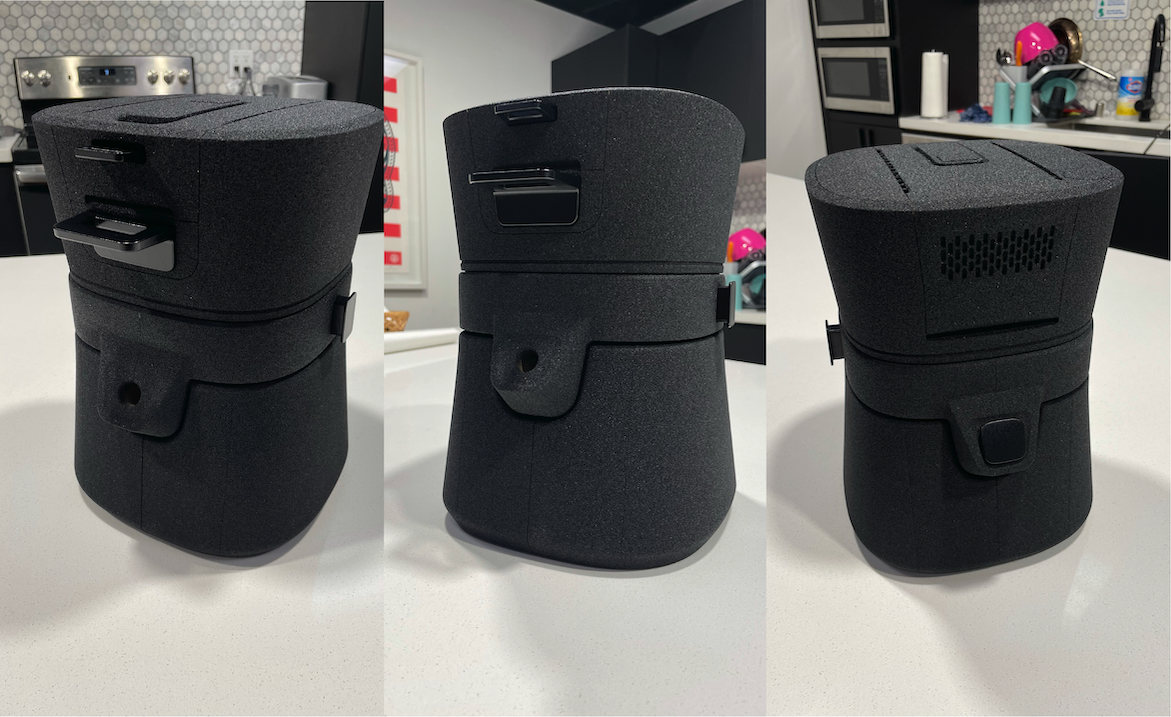
The technology roadmap development creates our framework for our technologies. The roadmapping is conducted in three phases: preliminary activities, the development of the roadmap, and the follow-up activities phase. In the preliminary activities stage, we satisfy essential requirements, assign leadership, and define the scope and boundaries under the initial vision. In the second phase, the development of the roadmap we identify the critical system requirements, the major technology areas, the technology drivers and their targets, and the alternatives. In the final phase, we allow our roadmap to be critiqued and improved before implementation. This unique process assures that we focus on cost-advantageous technologies that deliver remarkable solutions and results.
Proof of Concept
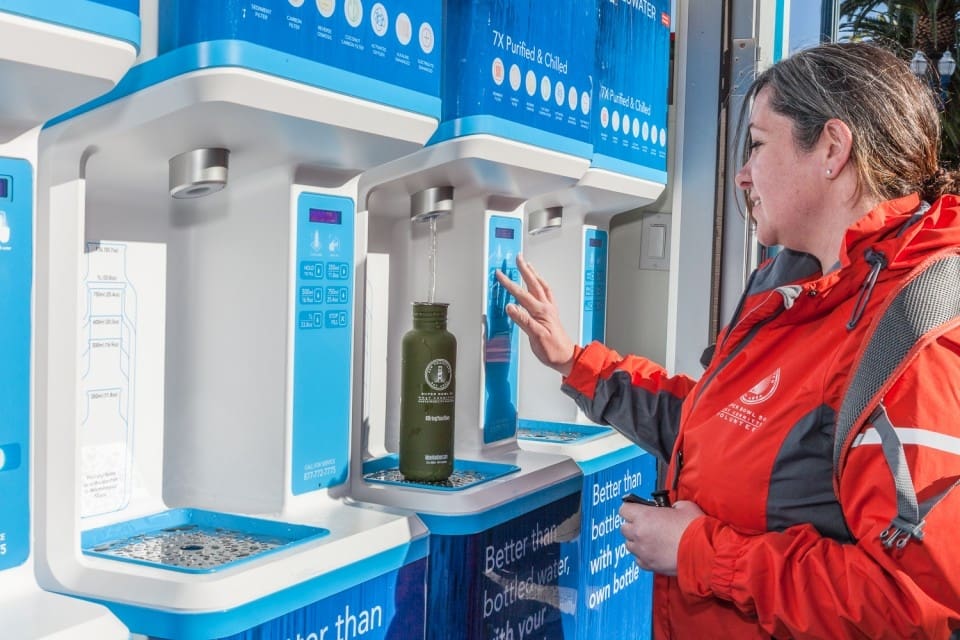
Our proof of concept method enables our team to share internal knowledge, explore emerging technologies on the technology roadmap, and provide a tangible concept. By its nature a proof of concept (POC) is a small exercise to test the design idea, an assumption, or a technology. The main purpose of developing a POC is to demonstrate the basic functionality of our design and to verify a certain concept or theory that can be achieved in development. Included in this can be a failure mode and effects analysis (FMEA) as we work to ensure that the consumer product meets the safety standards put in place by various governing bodies, such as CSA, CE, and UL.
Beta Prototyping
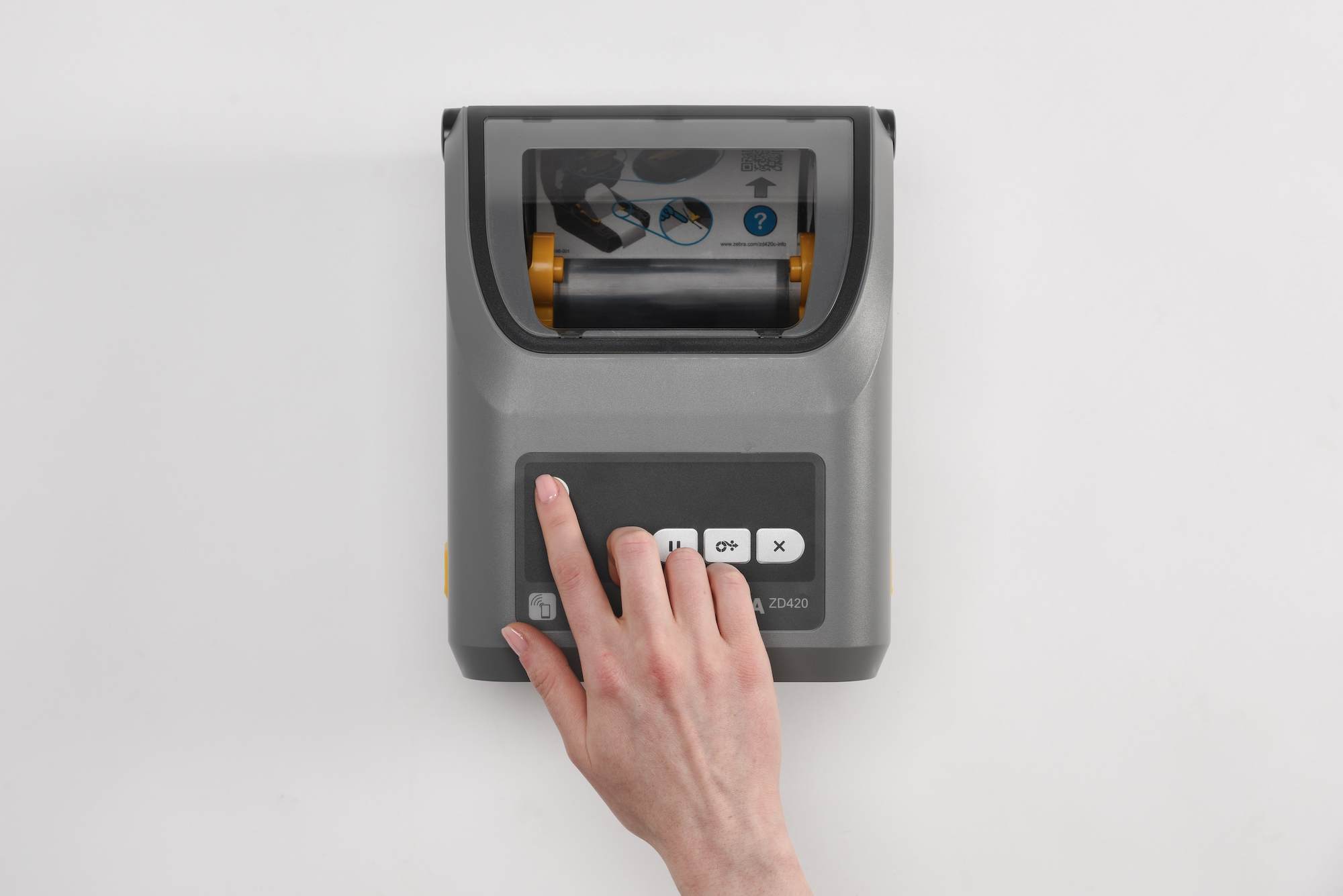
Beta Prototyping is a quick and effective way of bringing a new proof of concept to life and allows potential consumers to evaluate, test and share their feedback. We can use this feedback to make improvements to the design and functionality of the product. Internally, beta prototyping helps our team create a more accurate estimate of how long it will take to complete a production model, and after that to manufacturing. Because our human-centered design framework focuses on the consumer, prototyping is one of the most useful activities for moving forward into production, while quickly finding any issues.
Future Concept Development
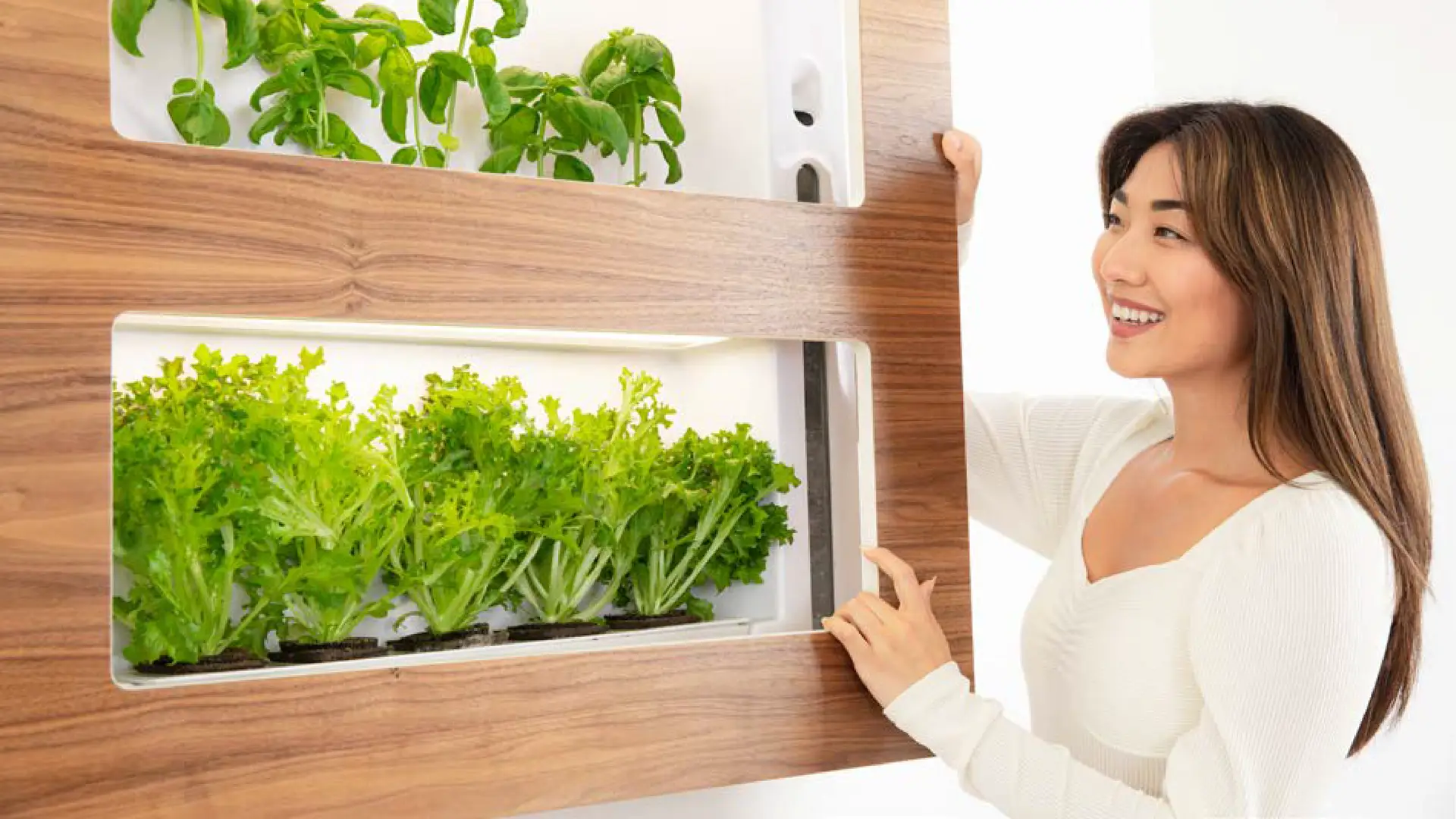
After designing a proof of concept and producing a prototype, we roadmap future features, technologies, and products. Future concept development engages the dynamic environment of future technologies, global trends, changing markets, and user needs. Future concepts can include simple requirements or additional proof of concepts and prototypes. This part of the process often depends on the needs of the client, and the specific type of device.
Intellectual Property Support
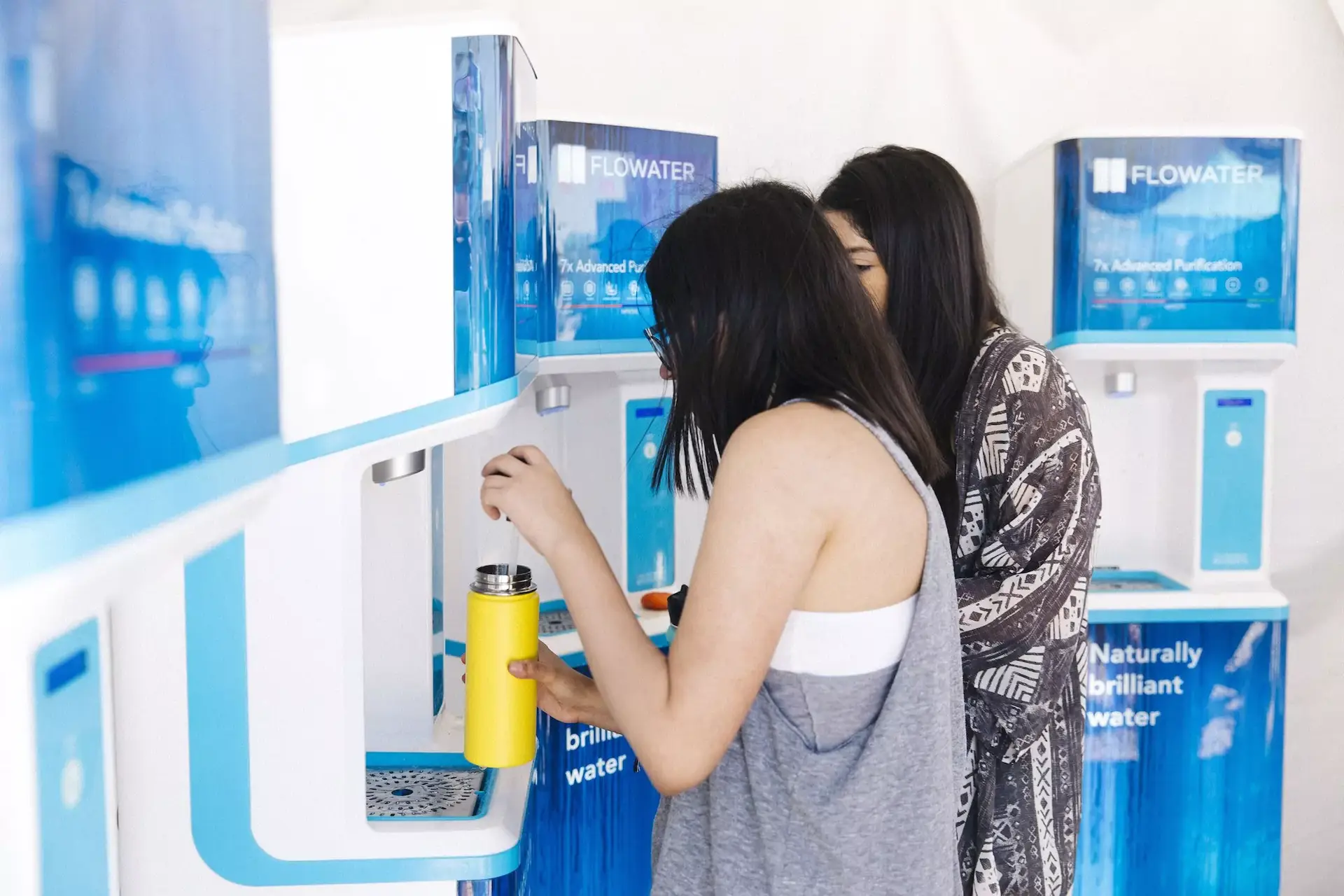
Patenting new device technology is critical in creating lasting value to our clients and to end consumers. We consider whether there is technology to patent early on in the design process, and work with our customers to file patents to the USPTO. We routinely assist attorneys and agents with the technical muscle to support the patent applications of our clients. Our experts help patent professionals draft effective and comprehensive claims based on the invention and the characterization data. In addition to data, we provide clear technical support throughout the entire application. In the end, patents allow our customers to own outright the innovations we build together.
Consumer Product User Experience Design
The experience of a product is a combination of the industrial design, UI, and branding into a compelling UX.
Usability & Engineering
Usability testing is essential to ensure that consumer products can be used safely and intuitively by real people in everyday environments. Also known as usability engineering, this process aims to minimize use errors and friction that frustrate people or create safety risks. We conduct formative usability studies with representative users to uncover design strengths, identify weaknesses, and detect potential issues early. Grounded in our Psycho-Aesthetics research, our work focuses on the human factors and key performance indicators (KPIs) that make products easier and more enjoyable to use. We also partner with manufacturers across electronics, housewares, and personal care to build in safety, compliance, and user-centered innovation.
User Experience Design
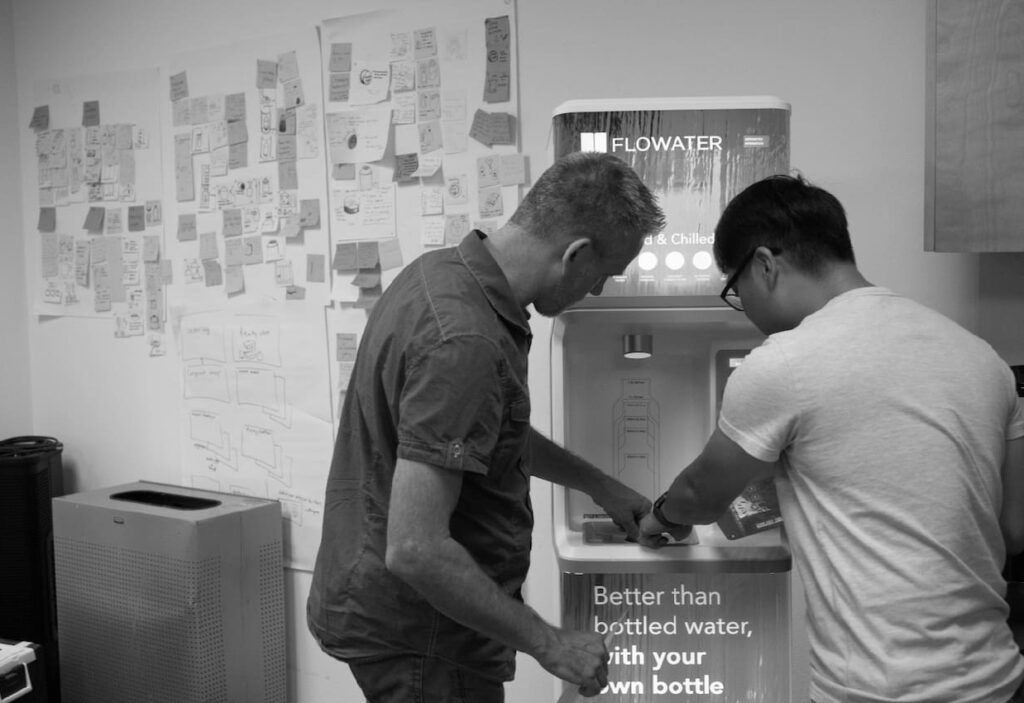
User experience (UX) defines the success of any consumer product or service. We measure UX through three key pillars: performance, accuracy, and usability. High-performing products meet core needs, solve real pain points, and offer a significant improvement over existing solutions. Accurate products are built on precise specifications that ensure consistent, reliable experiences through manufacturing. Usable products with thoughtful design feel instantly familiar, intuitive, and easy to adopt. To meet these standards, UX must be integrated from the earliest research phase through design, development, and manufacturing. We evaluate every detail, from physical dimensions to technical constraints, so that no idea is overlooked in delivering seamless, user-centered products.
User Interface Design
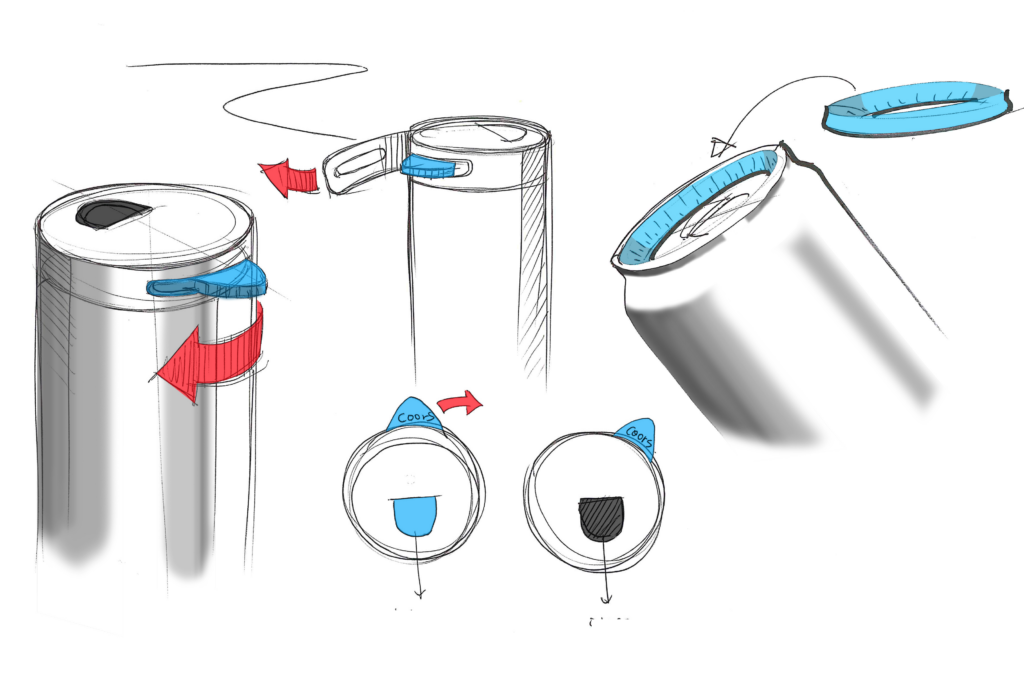
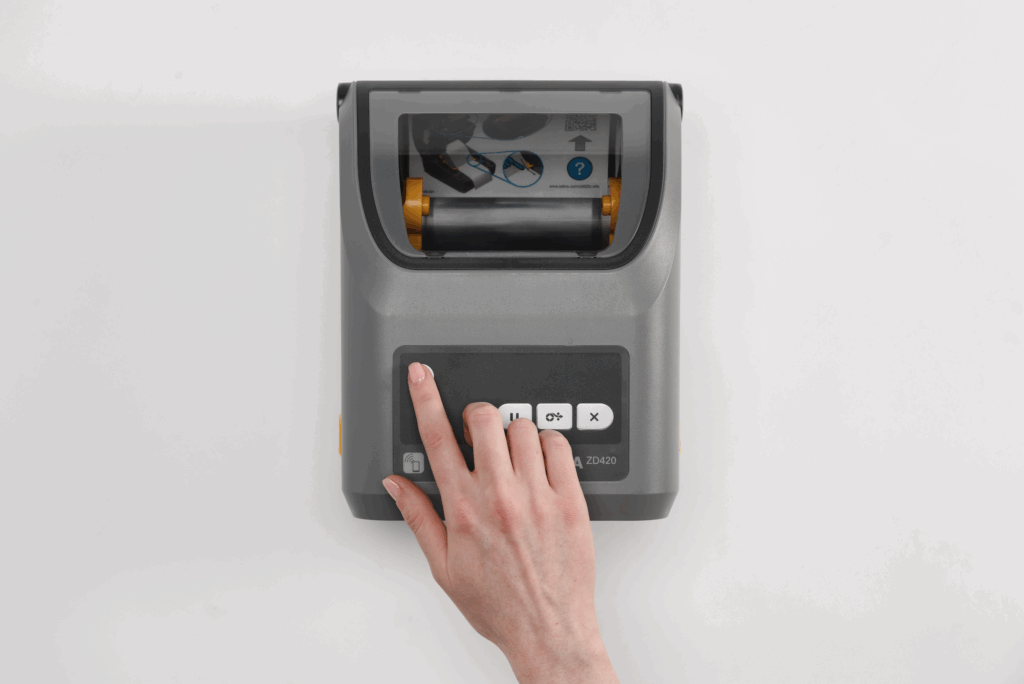
User interface (UI) and industrial design are the key touchpoints that define any consumer product experience. Great products deliver intuitive, efficient UIs that meet user needs with clarity and ease. Using human-centered design, our team explores real use cases, user behavior, and context to craft interfaces that feel natural and empowering. Our approach follows four golden rules: give users control, ensure comfort, reduce cognitive load, and maintain consistency. From an initial idea to concept to execution, we align UI with industrial design to create a seamless, empowering user experience, one that makes the consumer feel like the hero of the product journey.
Branding Design
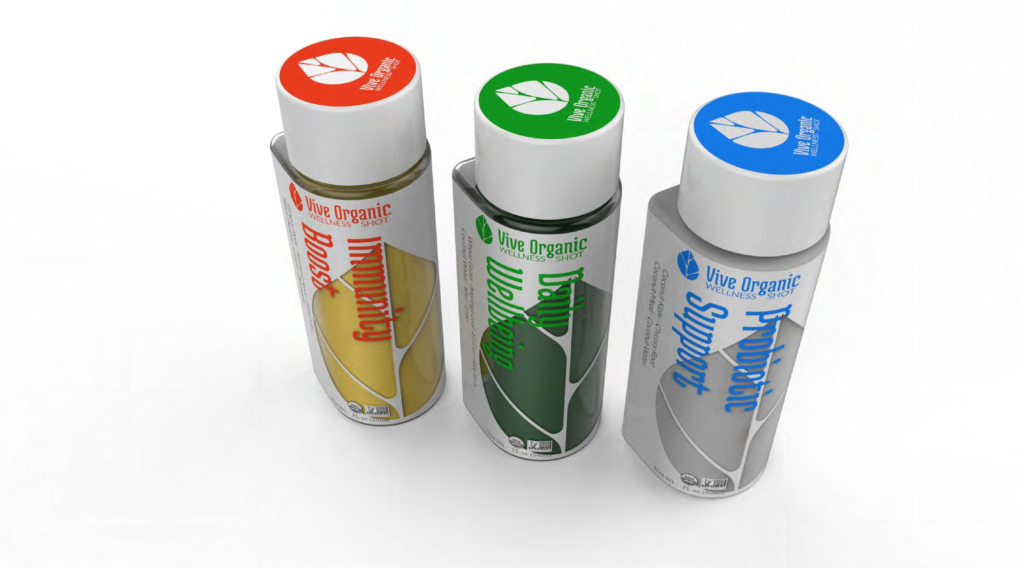
A strong brand creates an emotional connection by shaping how a product makes consumers feel about themselves. In today’s crowded markets, a memorable brand identity is essential for standing out, attracting investors, guiding marketing services, and commanding premium value. Branding goes far beyond a logo, color palette, or icon set. We take a strategic, multi-phase approach, combining business analysis, audience research, brand positioning, creative development, implementation, and performance measurement, to build brands that resonate and endure.
Digital Development
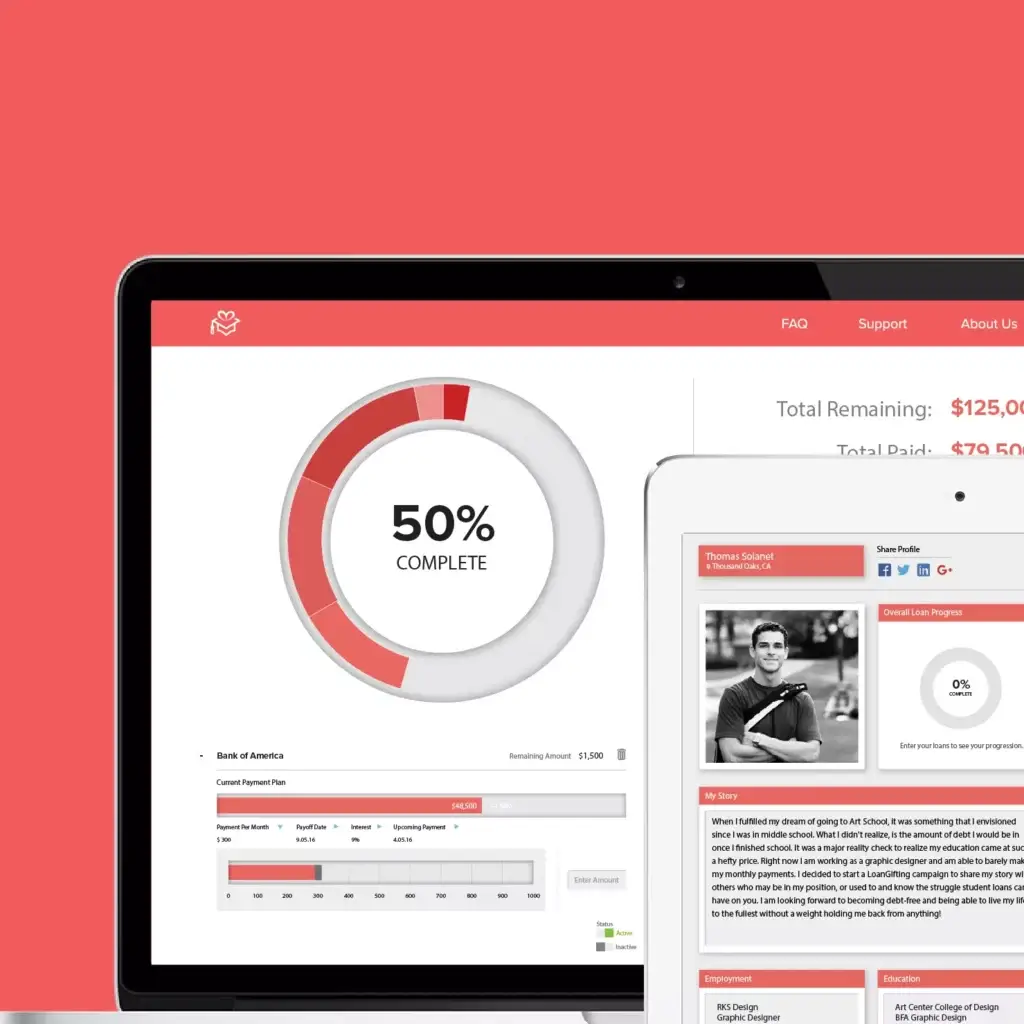
Today’s consumer products and services seamlessly blend hardware and software, often sitting at the intersection of cutting-edge technologies. As tech continues to evolve, we stay ahead by building expertise in emerging tools, from AR SDKs, AI-based facial and body tracking, and natural language processing with Amazon Lex, to blockchain, smart contracts, and decentralized security. Our team works with advanced technologies like machine learning (TensorFlow, scikit-learn), video and image processing, IoT and beacon systems, on-device integration, and 3D rendering with OpenGL, to create connected, intelligent experiences that lead the market.
ready to partner with us?
Contact UsFrequently Asked Questions
What is consumer product design?
Consumer Product Design is the art and science of creating and developing products for consumers. Generally consumer product design is reserved or product for general use, and excludes products that are for use by professionals in controlled environments, like medical products or commercial products. The consumer design process involves a combination of form and function, with designers focusing on the aesthetic appeal, usability, and functionality of the product. The ultimate goal is to create products that meet the needs and wants of consumers, ensuring a positive user experience. This involves understanding consumer psychology, ergonomics, user research, and incorporating these insights into the design. Mass production is also a crucial aspect of Consumer Product Design, requiring designers to consider cost-effective materials and efficient manufacturing processes. An in-depth understanding of both user experience and production processes is essential for success in Consumer Product Design.
How is consumer product design different than other types of design?
Consumer Product Design is a specialized field that differs from other types of design in several ways. It focuses on creating products that meet the needs and wants of consumers, taking into consideration the user experience, aesthetic appeal, and functionality of the product. This type of design requires an understanding of consumer psychology, ergonomics, and user research, as well as the knowledge of efficient production processes to ensure mass production. In comparison, other types of design may not place such emphasis on the consumer experience and the production process. Therefore, Consumer Product Design is unique in its approach to design, incorporating the perspectives of both the user and the manufacturer.
What is human-centered design?
Human-Centered Design is an approach to design that prioritizes the needs and experiences of the user. It is a customer-centric methodology that considers the perspectives of the end-user in the design process. The aim of Human-Centered Design is to create products, services, and experiences that are tailored to meet the needs and wants of the target audience. This approach involves understanding the user’s habits, behaviors, and motivations through user research and testing. Human-Centered Design leads to more user-friendly and efficient products, services, and experiences that deliver a positive impact on the user’s life.
How do you hire a consumer product design company?
When it comes to creating successful consumer products, it’s important to work with a design firm that has expertise in the field. Here’s a guide to help you hire the best Consumer Product Design Company for your needs: Define your design goals and requirements: Clearly articulate the design requirements for your project and the goals you hope to achieve. Research Consumer Product Design Companies: Look for companies that specialize in Consumer Product Design and have a proven track record of delivering successful products. Evaluate portfolios: Review the portfolios of potential design firms to assess their expertise, creativity, and design style. Schedule consultations: Schedule consultations with the design firms to discuss your project requirements and to see if they are the right fit for your needs. Evaluate their processes: Make sure the design firm has a solid design process in place and has a deep understanding of user-centered design principles. Consider pricing: Review the pricing and services offered by the design firms and select one that fits your budget and offers the services you need. Sign an agreement: Once you’ve selected the best Consumer Product Design Company, sign an agreement that outlines the scope of work, timeline, and payment terms.
What is product development?
Product development is the process of bringing a new product to market, from initial concept through design, engineering, prototyping, testing, and manufacturing. It combines user research, industrial design, and engineering to create products that are functional, manufacturable, and market-ready. At RKS, product development is a collaborative, iterative process in which design and engineering work synergistically, ensuring that design decisions are made in consideration of engineering constraints and vice-versa. We support our clients from early feasibility prototypes and proof of concept through to manufacturing partner selection and production, helping turn ideas into successful products.
What are the 4 types of consumer products?
Consumer products can be classified into four distinct categories based on their characteristics and use: Convenience Products: These are low-cost, frequently purchased products that are readily available and require minimal effort to purchase. Shopping Products: These are products that require more effort to purchase and are often purchased less frequently. Consumers usually compare several brands before making a purchase. Specialty Products: These are high-end, unique products that have a particular appeal to a specific target market. Unsought Products: These are products that consumers may not know exist or may not have considered buying. These products typically require significant marketing and advertising efforts to raise awareness.
What is a consumer product design firm?
A consumer product design firm is a professional service organization that specializes in the design and development of consumer products. These firms offer a range of services, including product design, engineering, prototyping, and market research, to help clients bring their product ideas to market. Consumer product design firms work with a wide range of clients, including startups, established companies, and entrepreneurs, to create innovative and appealing products that meet the needs and preferences of consumers. The product design process typically involves collaboration between the firm and the client, with the aim of creating a product that is functional, aesthetically pleasing, and market-ready. A consumer product design firm provides valuable support and expertise to help clients navigate the complex and competitive world of consumer product development. With a deep understanding of consumer behavior, market trends, and the needs of retailers, a consumer product design firm is a critical partner for organizations looking to bring innovative and successful consumer products to market.