
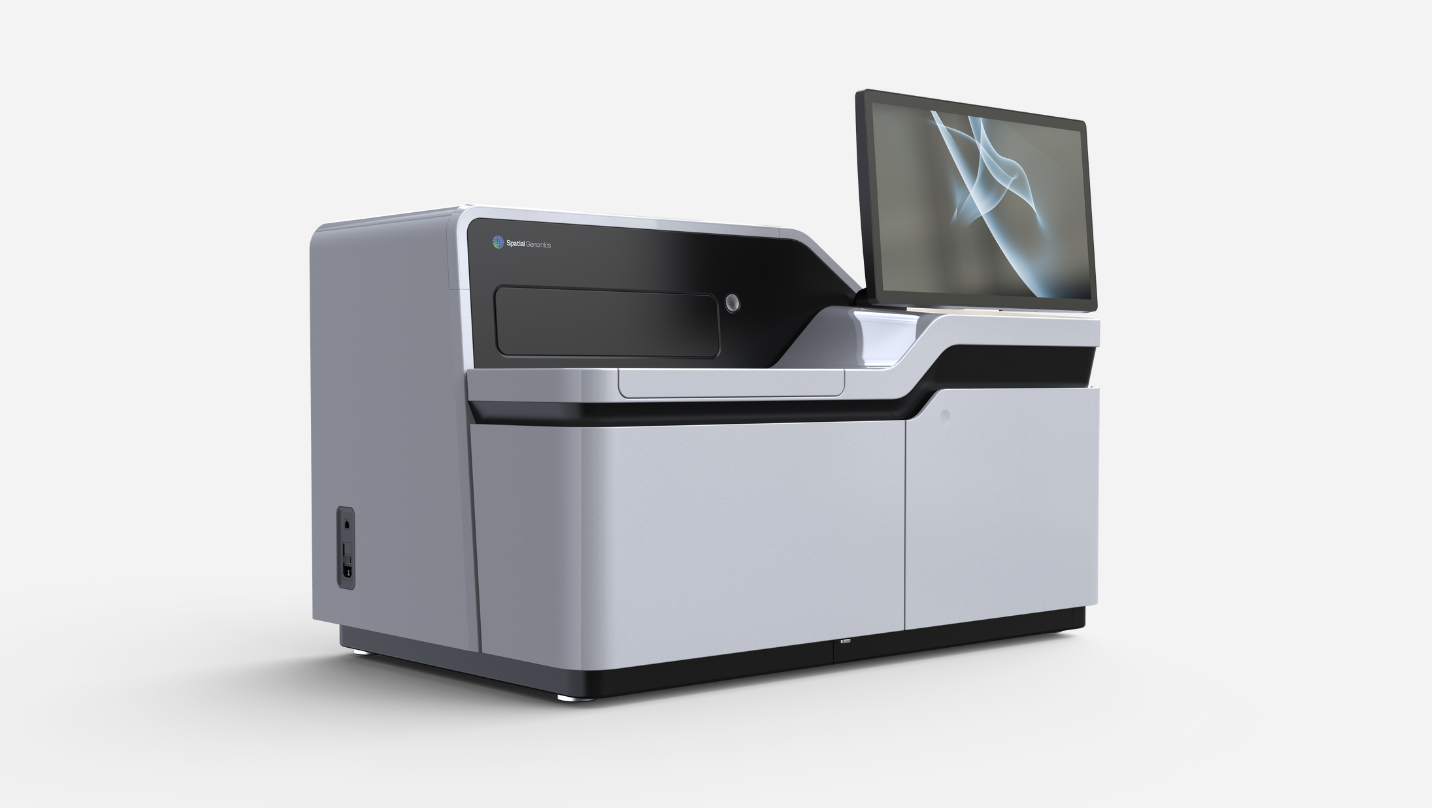
From tissue to insight with clarity and speed.
Researchers and clinicians face critical bottlenecks in spatial biology datasets: slow manual imaging, complex workflows, and analysis burden. RKS was tasked with designing a fully automated spatial genomics instrument that seamlessly integrates sample handling, image capture, and user feedback while minimizing cognitive load in high stakes lab environments.
Research Insights & Discovery
Key Outputs
- Lab workflow and persona mapping
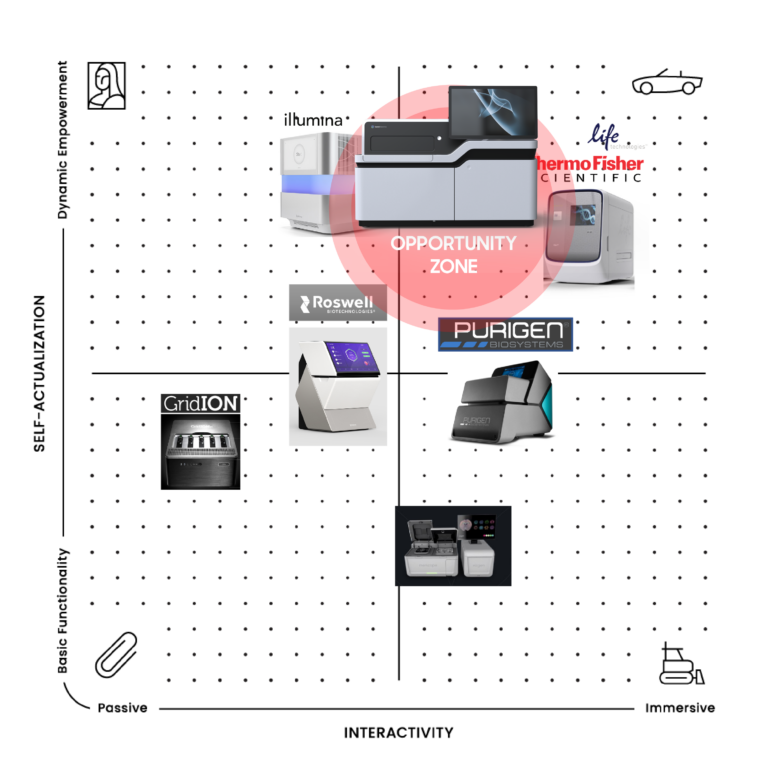
- Psycho-Aesthetics® 2.0 Map
- Emotional journey insights highlighting trust and clarity
- Competitive benchmark and opportunity analysis
- How We Used Psycho-Aesthetics™ to Identify Unique Opportunities in the Project.
We embedded with lab technicians, researchers, and lab managers to observe spatial genomics workflows, from tissue prep to imaging and data post processing. Key insights centered on workflow complexity, instrument intimidation, clog points in reagent usage, and trust in analytical outcomes. Using Psycho‑Aesthetics®, we positioned the system within the artistic quadrant to balance precision with visual clarity and ease of use.
How We Used Psycho-Aesthetics™ to Identify Unique Opportunities in the Project.
Using our proprietary Psycho-Aesthetics® 2.0 framework, we conducted in-depth interviews and ethnographic observation in diverse lab settings. We identified key emotional and usability pain points, such as intimidation with complex interfaces, workspace clutter, and trust in precision. These insights guided both the form and interface strategy, ensuring approachability and confidence in operation.
Innovation Consulting
Key Outputs
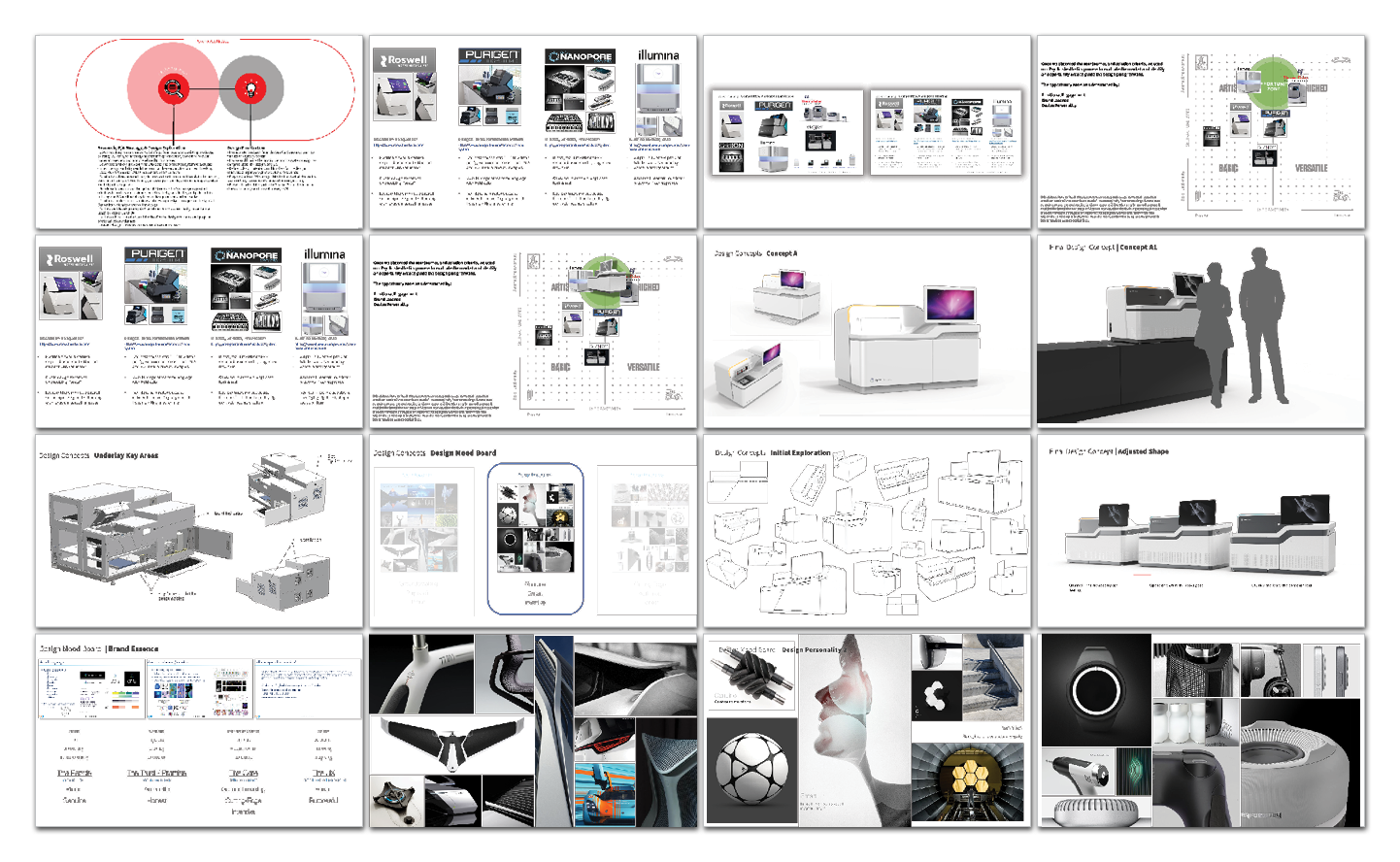
- Modular system architecture that optimizes sample loading and sequencing cycles
- Workflow innovation roadmap addressing throughput, customization, and future expansion
- Materials and CMF strategy aligned with sterile lab environments and data-forward branding
With validated insights, we shaped a modular, high throughput platform designed for real world spatial genomics use. Our innovation strategy emphasized automation, scalable sample architecture, and intuitive maintenance, enabling rapid ROI for research institutions.
Industrial Design & UI/UX
Key Outputs
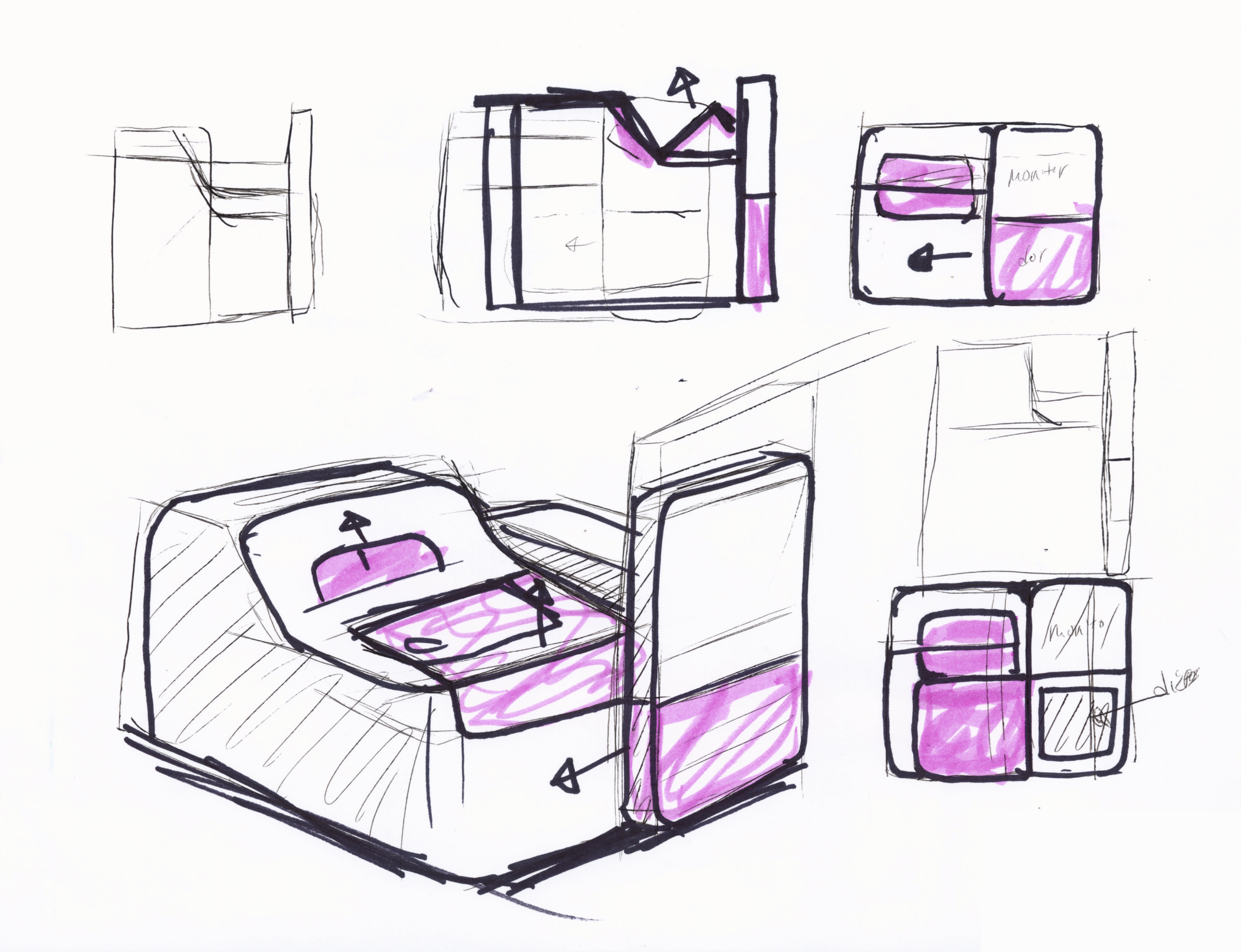
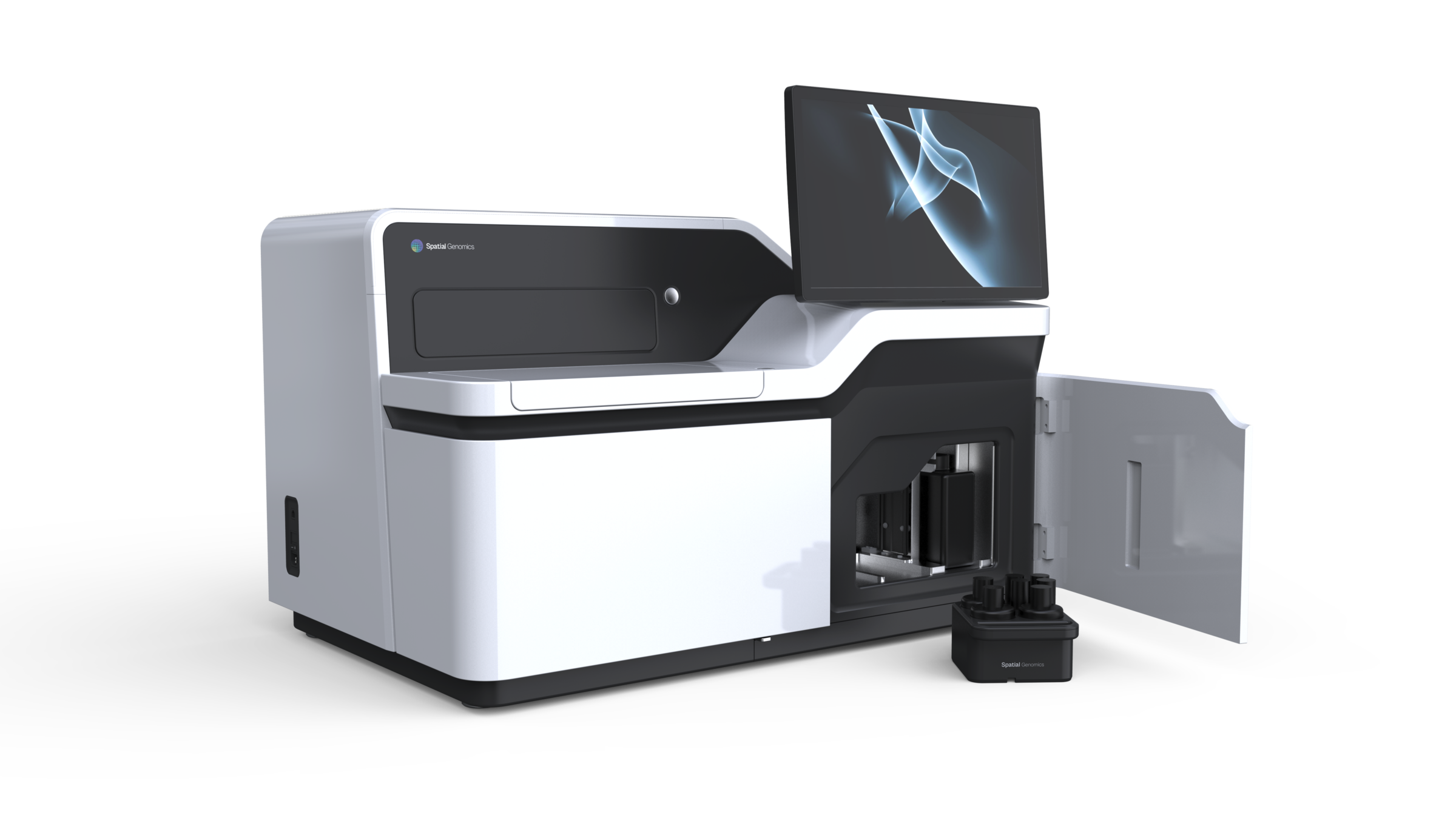
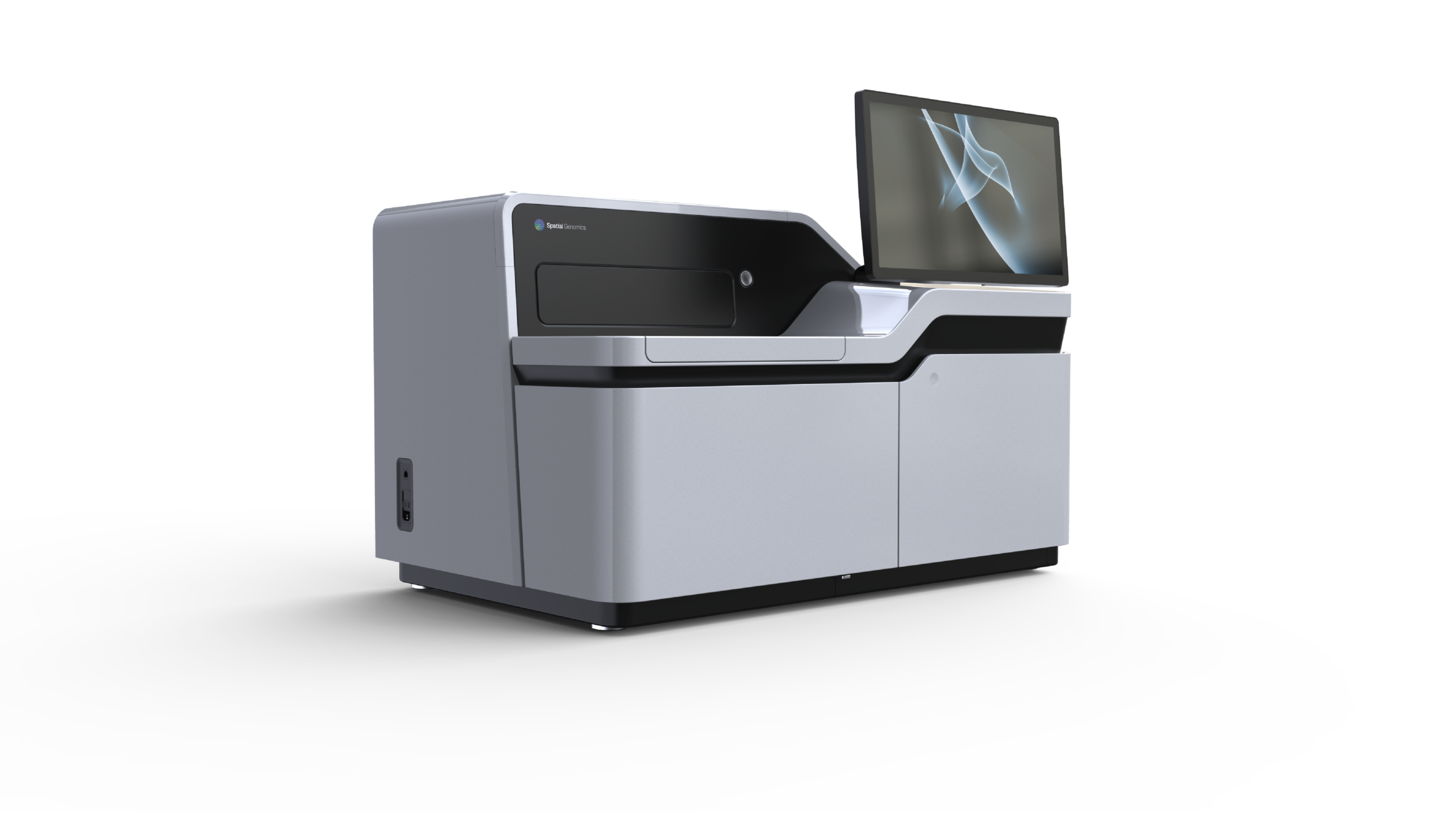
- CAD renderings for optimized bench footprint and front access design
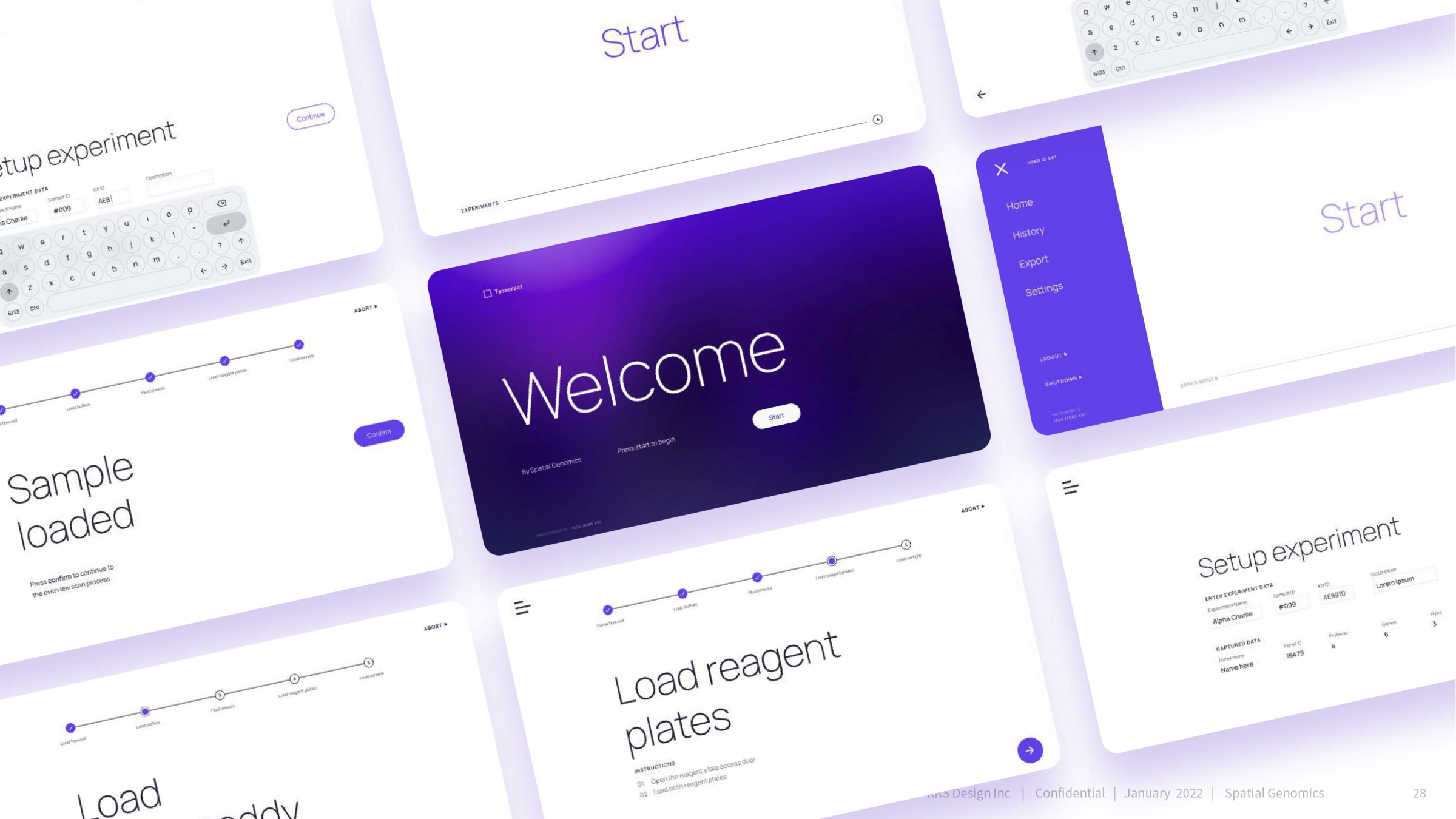
- Touchscreen interface layout with custom iconography and task flows
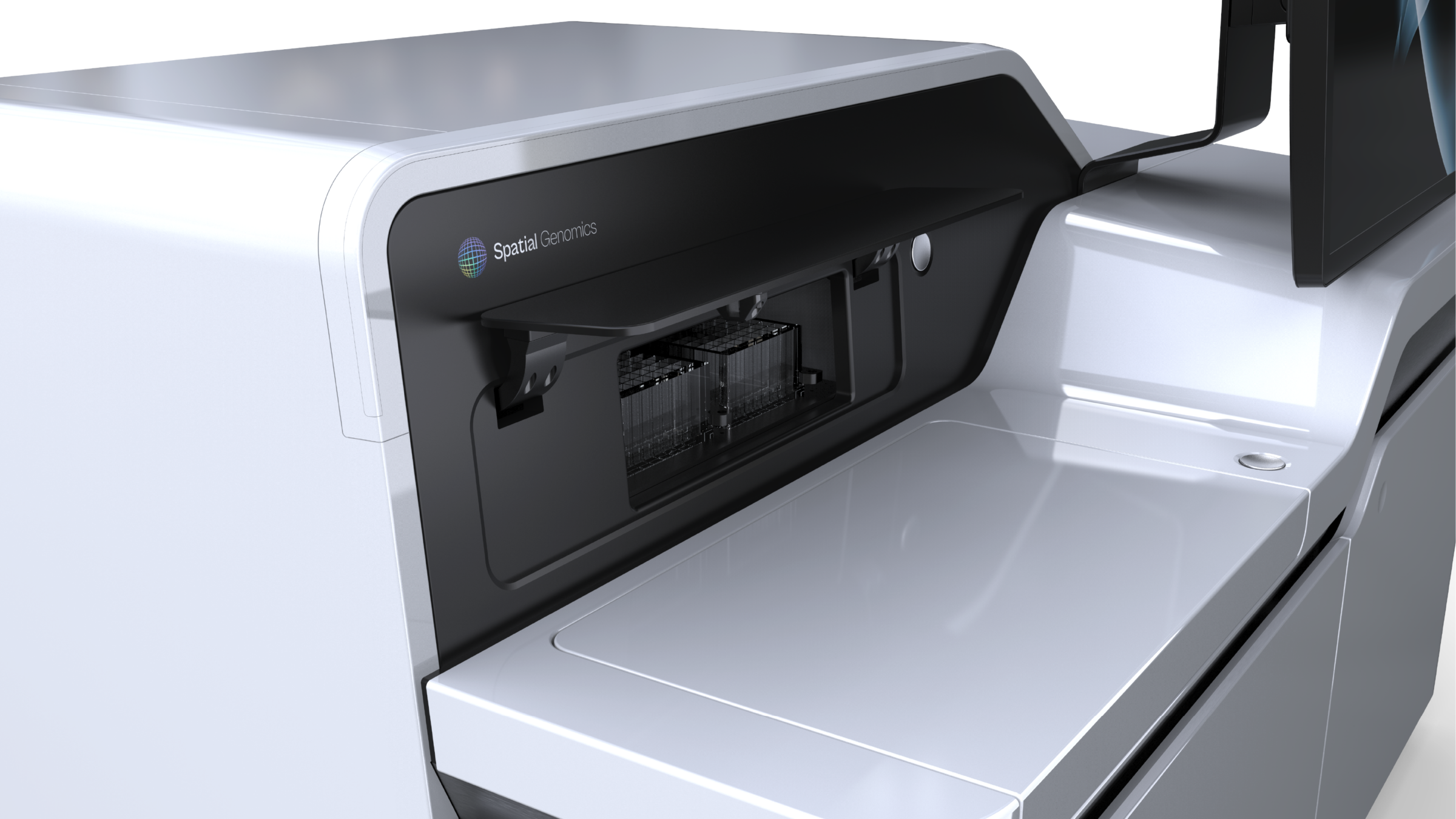
- CMF treatments supporting lab grade durability and brand coherence
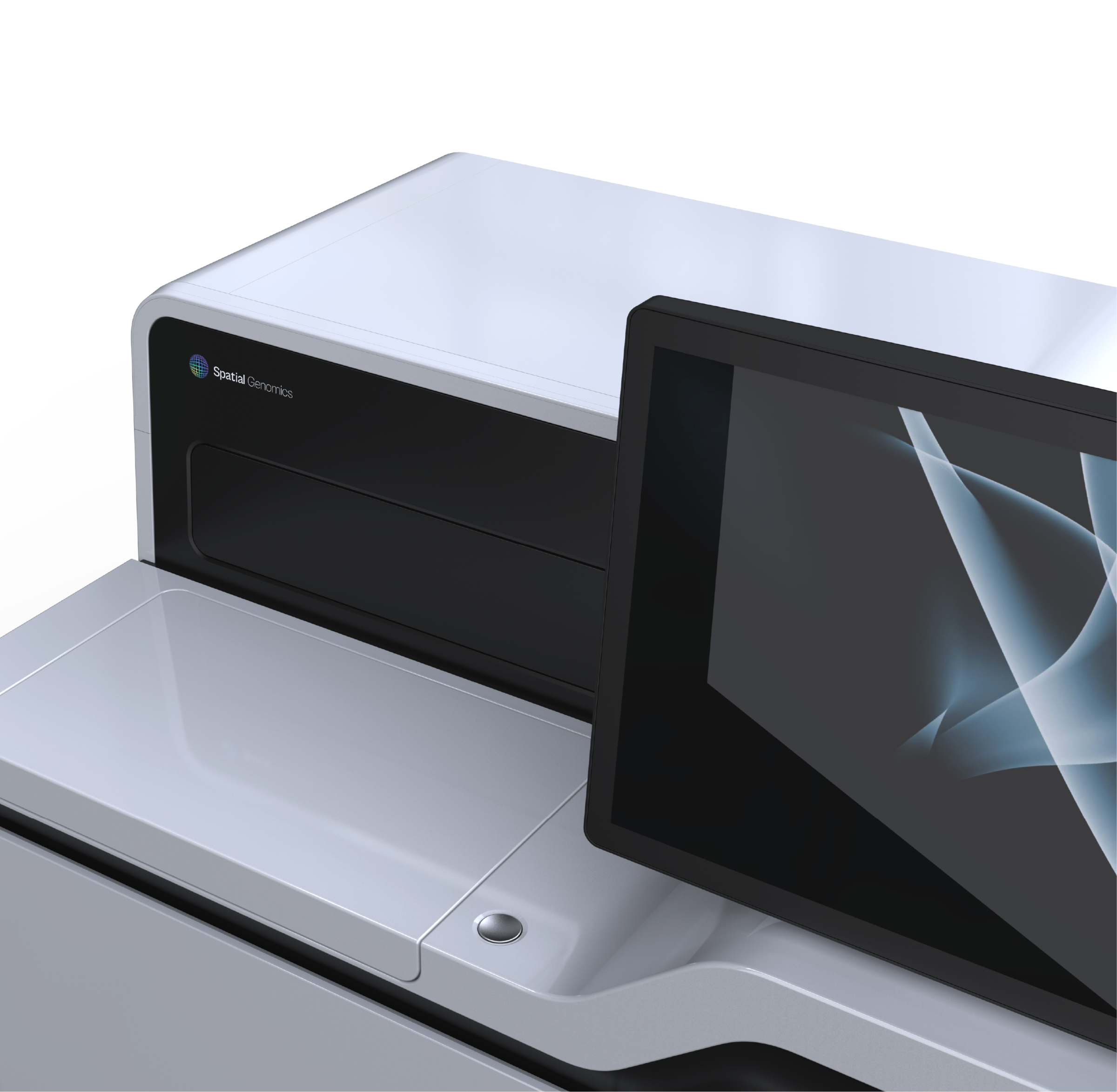
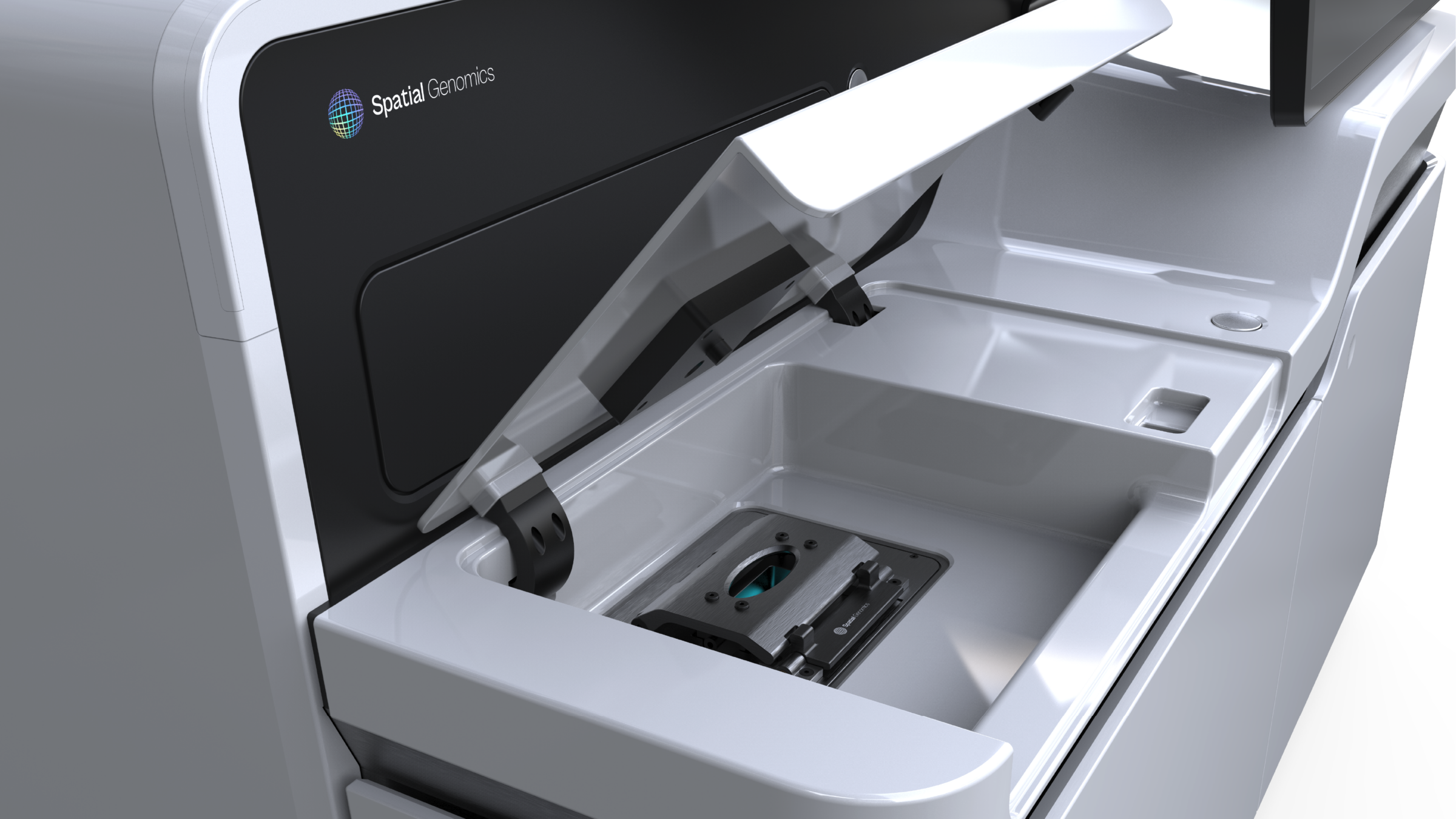
Form and experience were combined into an ergonomic tower chassis featuring front side consumable access and status lighting. The touchscreen interface offers guided workflows that reduce navigation errors and provide clear feedback, simplifying operation in high volume lab settings.
Engineering & Development
Key Outputs
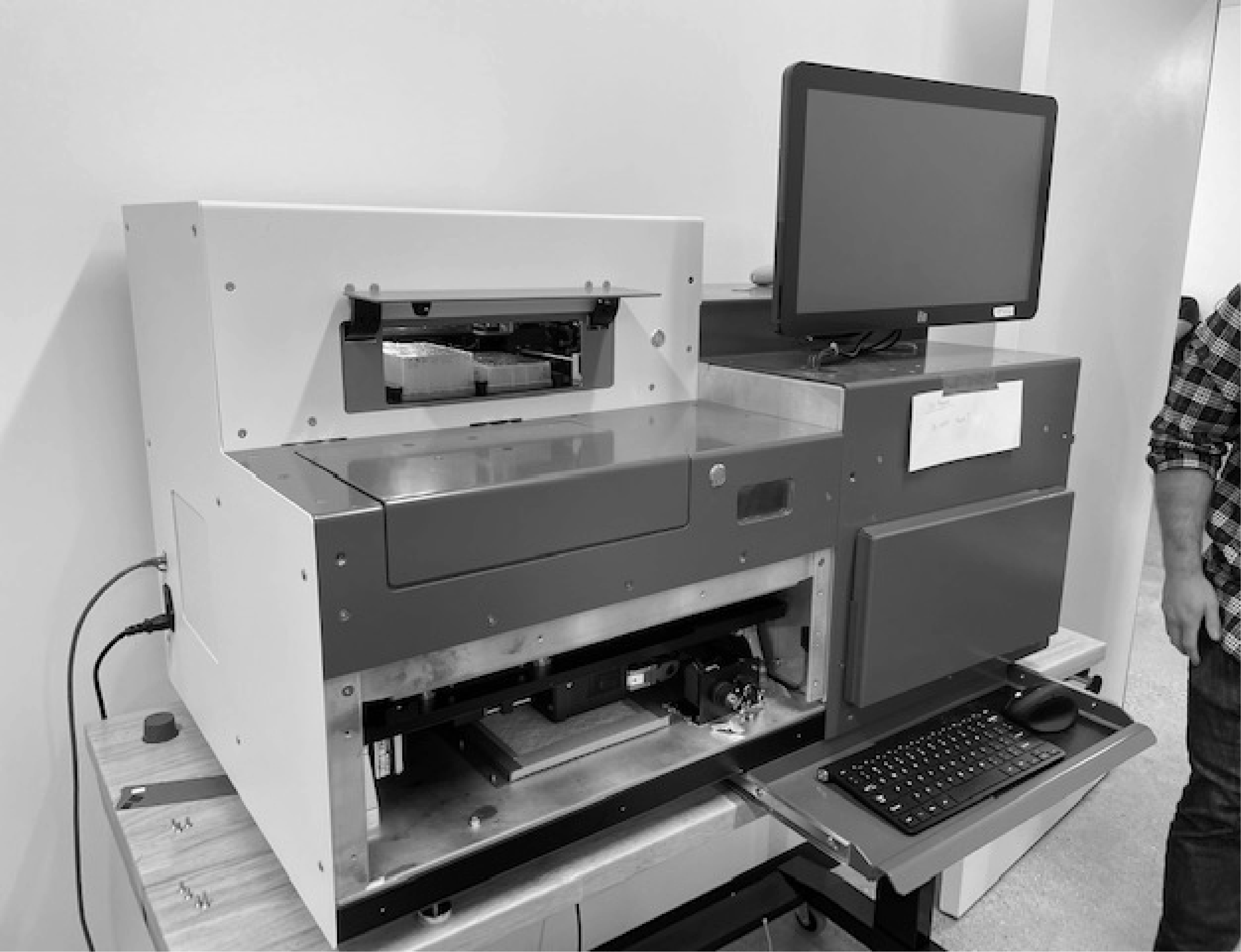
- Functional engineering builds validated for workflow reliability
- Mechanical and CAD/CAM deliverables optimized for manufacturability
- Performance testing across fluidics, temperature control, and alignment precision
We engineered fluidics integration, modular reagent handling, and precision optics to support highly accurate spatial sequencing. Iterative prototyping and validation ensured reliability across thermal, environmental, and connectivity demands.
Key Outcomes and Results
Key Accomplishments
- Status: Fully designed and prototyped; platform is operational and scaling in genomics labs globally
- Enabled automated spatial imaging experiments in oncology, immunology, and diagnostics
- Integrated G4X expansion platform broadens applications across spatial multiomics
- Serves as a high performance instrument in clinical and research workflows
The Spatial Genomics platform exemplifies RKS Design’s mastery in elevating highly technical life science equipment into accessible, elegant, and ergonomic tools. By combining strategic innovation consulting, emotionally intelligent branding, and engineering rigor, we accelerated breakthrough spatial biology adoption, empowering scientists with next generation capabilities in precision medicine and discovery driven research.
ready to partner with us?
Contact UsExplore More Work
Kor One
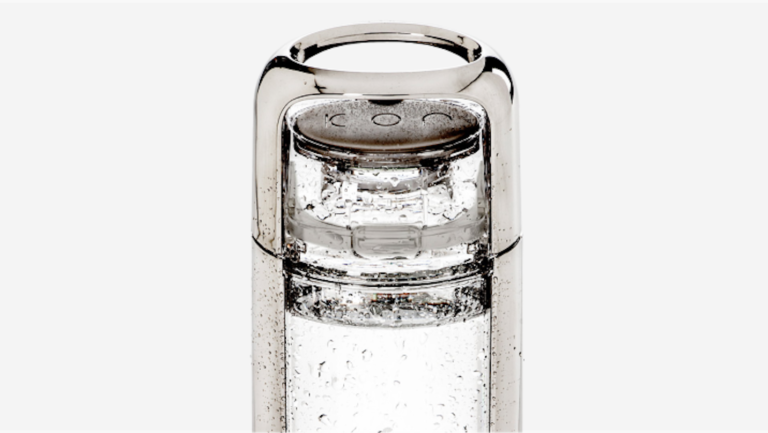
Stylish personal hydration designed to eliminate disposable water bottles, paving the way for a sustainable and brighter future.
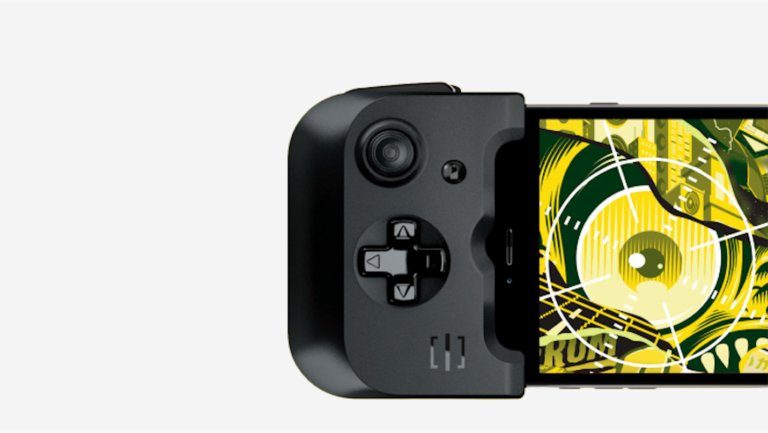
Gamevice
A new mobile gaming category that enables gamers to play on the go with physical controls and zero latency.
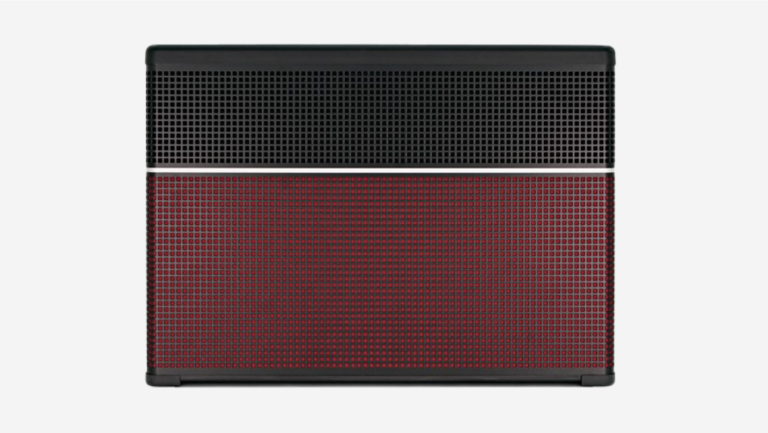
Line 6
A smart, high-performance guitar amp designed to amplify the unique sound of your favorite guitar.
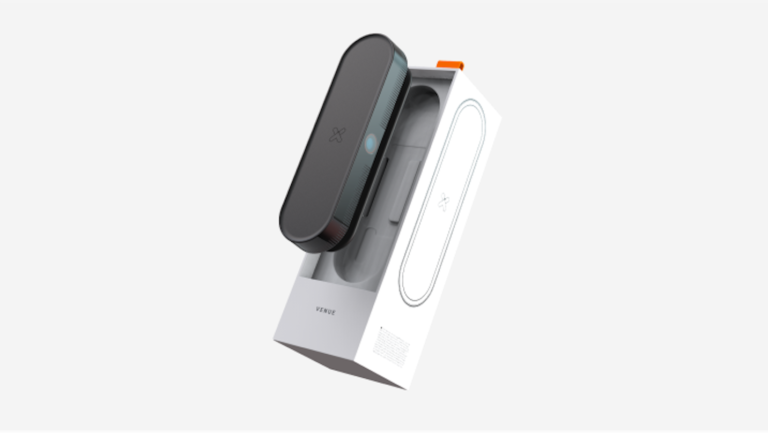
Xcinex Venue
Bringing the Big Screen to the comfort of your home.
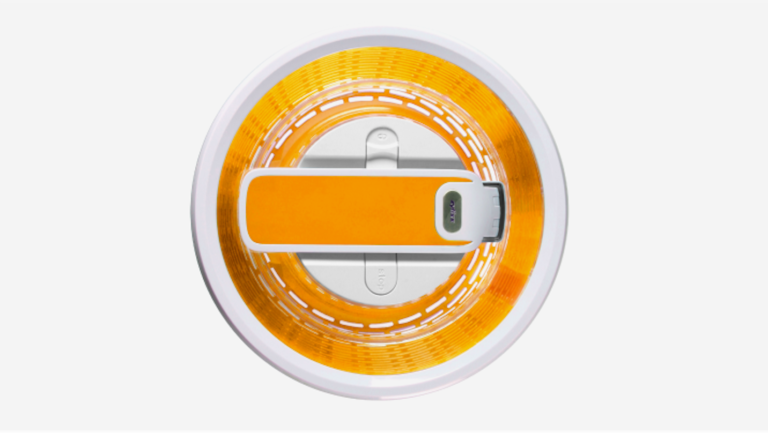
Zyliss
Creating iconic kitchen gadgets that rise above the rest.
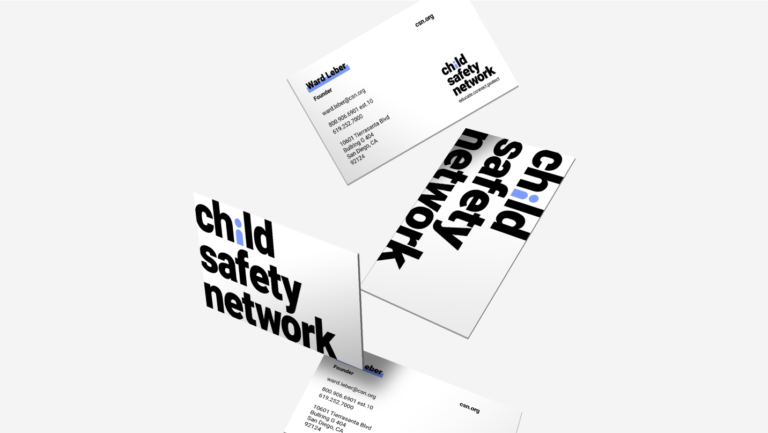
Child Safety Network
Repositioning a brand in its 30th year to help appeal to millennial parents and facilitate fundraising to ensure the safety of kids.
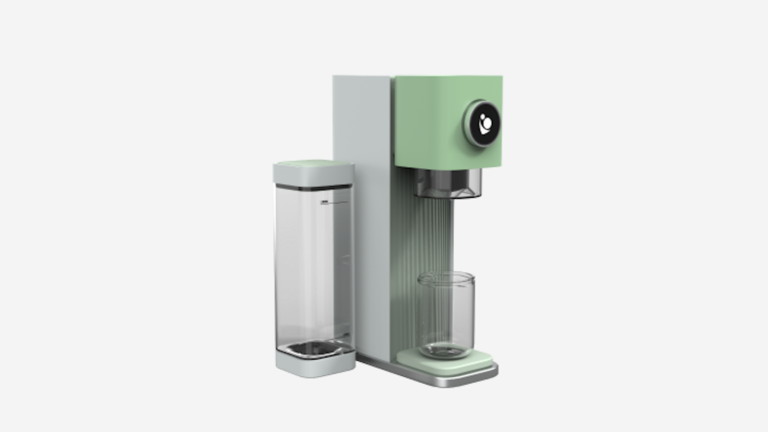
Baby Barista
The perfect baby bottle formula in less than a minute.
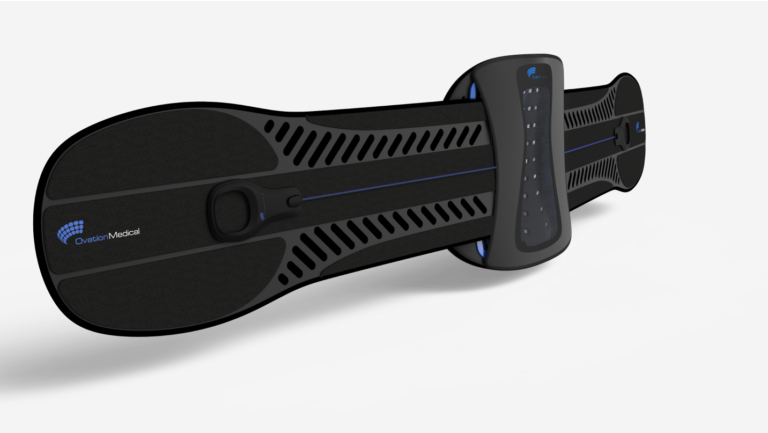
Ovation
Active influenced back brace that delivers support through a streamlined design.
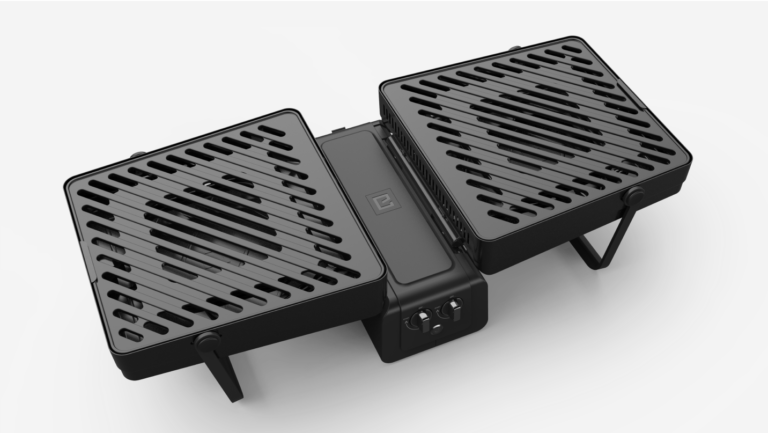
Elevate Grill
A compact, portable grilling experience.

DPA ONE®
Reimagining homeownership access through human-centered innovation.
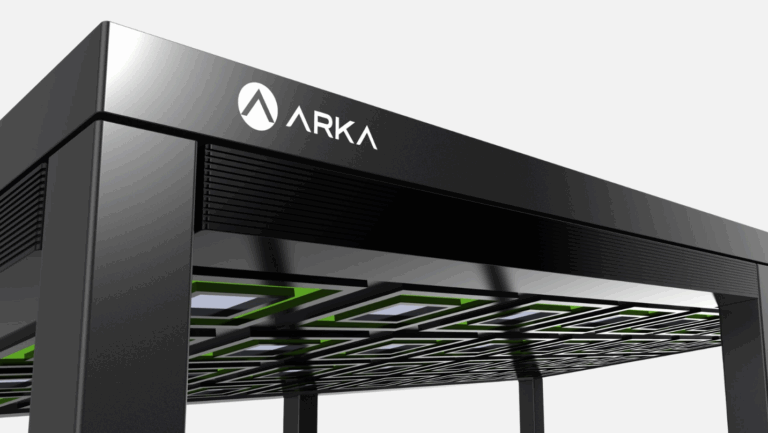
Arka Power Gazebo
Elegant solar powered outdoor living.
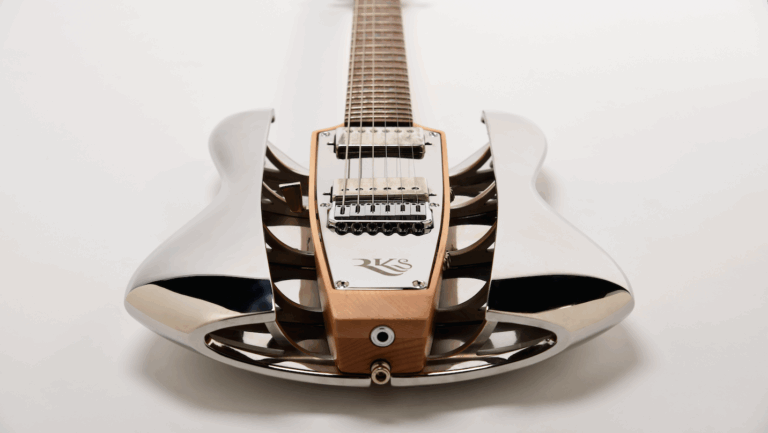
RKS Guitars
Reinventing the electric guitar to drive sustainability and increase usability for the optimal playing experience.