Field Notes
How to hire a (great) product design firm
Before hiring a design firm for your new product or app, it's essential to understand your goals, your budget, and your team dynamics.

How do I hire a design firm? Have an understanding of these key factors
Before hiring a design firm for your new product or app, it’s essential to understand your goals, your budget, and your team dynamics.Using our decades of experience, we’ve created a list of the most important things to consider when hiring a new design firm. By focusing on these ten things, you’ll be on your way to finding a great design partner. Hiring a design firm can be a daunting task, but with the right approach, you can find the perfect firm for your project. Whether you’re looking for an industrial design firm, a product design firm, a graphic design firm, or a web design firm, there are several key factors to consider when making your selection. In this post, we’ll explore how to hire a design firm, including tips for finding the right design firm, questions to ask when hiring a design firm, and what to look for in a design firm.
1. Have an understanding of the project budget and scope
The first step in hiring a design firm is to determine your project’s needs. Are you looking for an industrial design firm to help with product development, or a graphic design firm to help with branding and marketing materials? Once you’ve identified your project’s needs, you can begin your search for a design firm.
At the outset of a design project, you should have a budget in mind. A budget helps you to limit the scope of the project. With too large a budget you may focus on too many things, but with too small of a budget, you may not be able to bring on the design partners you need. Knowing your budget ahead of time helps both the firm and the client save time by narrowing the project’s scope focusing the discussion on priorities. Your budget will also reflect your experience of hiring an outside design firm and where you are in your product development process. If you’re a startup and have never gone through the design process, your budget may be anchored to freelance websites or smaller projects you’ve done in the past. You may need to narrow and adapt your budget now that you’re searching for a professional firm.
2. Figure out what your desired output and timelines are

When evaluating a design firm, it’s important to consider their track record and portfolio, as well as their approach to budget and timelines. Make sure to ask about their approach to budgeting and timelines, and how they handle any unexpected delays or changes. Look for firms that are transparent and upfront about their budget and timelines, and that have a proven track record of delivering projects on time and within budget. What phase are you at in your project? Are you at a more exploratory or more tactical stage? What do you need to get done? The more focused you can be in your search for a partner, the more strategic a design partner can be. With a clear definition of success or output, the design team can focus on the project’s details or why a project will work. If you can give high-level parameters to the team at the outset of a project, it will enable them to be more strategic on how they create a proposal prioritizing the statement of work. On the other hand, if you tell a design firm you want to do something very broad – they might come back with tons of research they want to do. This approach might be entirely unexpected, but it’s understandable given a broad set of marching orders. But if you can give them a timeline and budget, a design firm can come back to you with a set plan to achieve exactly what you want, at a timeline and budget you’re probably more likely to understand.
3. Understand their portfolio and capabilities
Before hiring a firm, you need to gain a good understanding of the work that they’ve done in the past. In general, you’ll want to see a diversity of work. This diversity means that they don’t have to be an expert in the project you need, but they need to have shown the ability to learn, and ultimately work in a variety of different areas. Learning how they solved problems in other categories could make them a great partner. For example, to design a refrigerator, you don’t have to have designed a refrigerator before. But you do have to have a systematic process that can be applied and reapplied. If they’ve previously reinvigorated a medical category, you can assume that they can help do the same in your category. Ultimately, to understand their capabilities, look to the system they use and the value they’ve brought to the market or the client, rather than the product they created.
4. Research their team
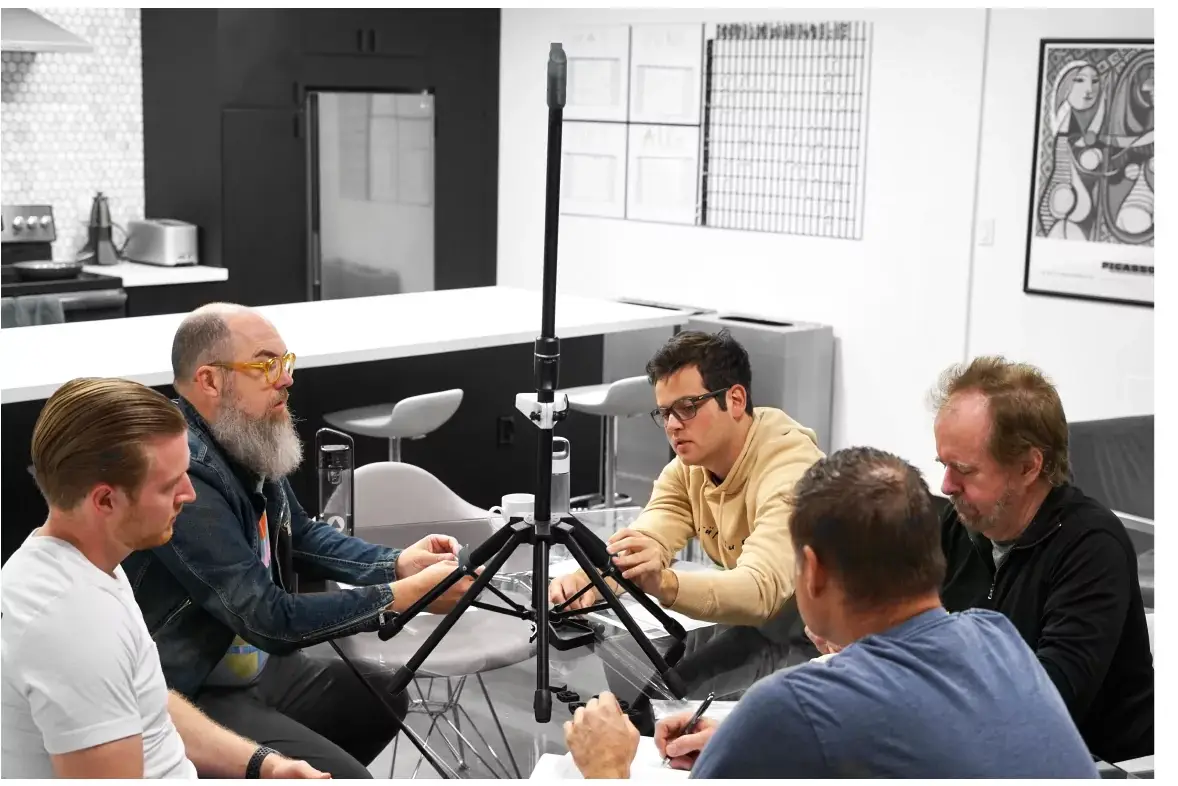
Choosing the right team is vital for the success of the project. The right team will have the necessary experience to drive success in the project and be a good fit for your team. Depth and breadth of experience are key predictors of success but not in the way you might think. At the end of the day, the project will last for months or years. The experience a design team brings is not so that they can do the job in a vacuum, but they can effectively coordinate with your team. A well-rounded team will have diversity in skill, in their number of years designing, and perspective. They will also have an approach to design. Do they have a process that allows them to adapt and create solutions for different categories?
5. Identify how their team complements your team
Design is a collaborative process. The design team should fill missing gaps in your team and work within your team culture. While a design team can bring new processes and innovative ideas to your organization, the design team should augment existing skill sets instead of overlapping with them. In many cases, a design team will take a project from start to finish, but not in all cases. In some cases, an external design team will take a project to a certain point so that the internal team will take over. In other cases, an internal team may begin a project and hand it over to an external team. In either case, define what type of collaboration you are looking for. Some teams may not be willing to work the way you want to, but asking the questions first allows you to see how the collaboration will go.
6. Make sure they can understand the needs of all the stakeholders
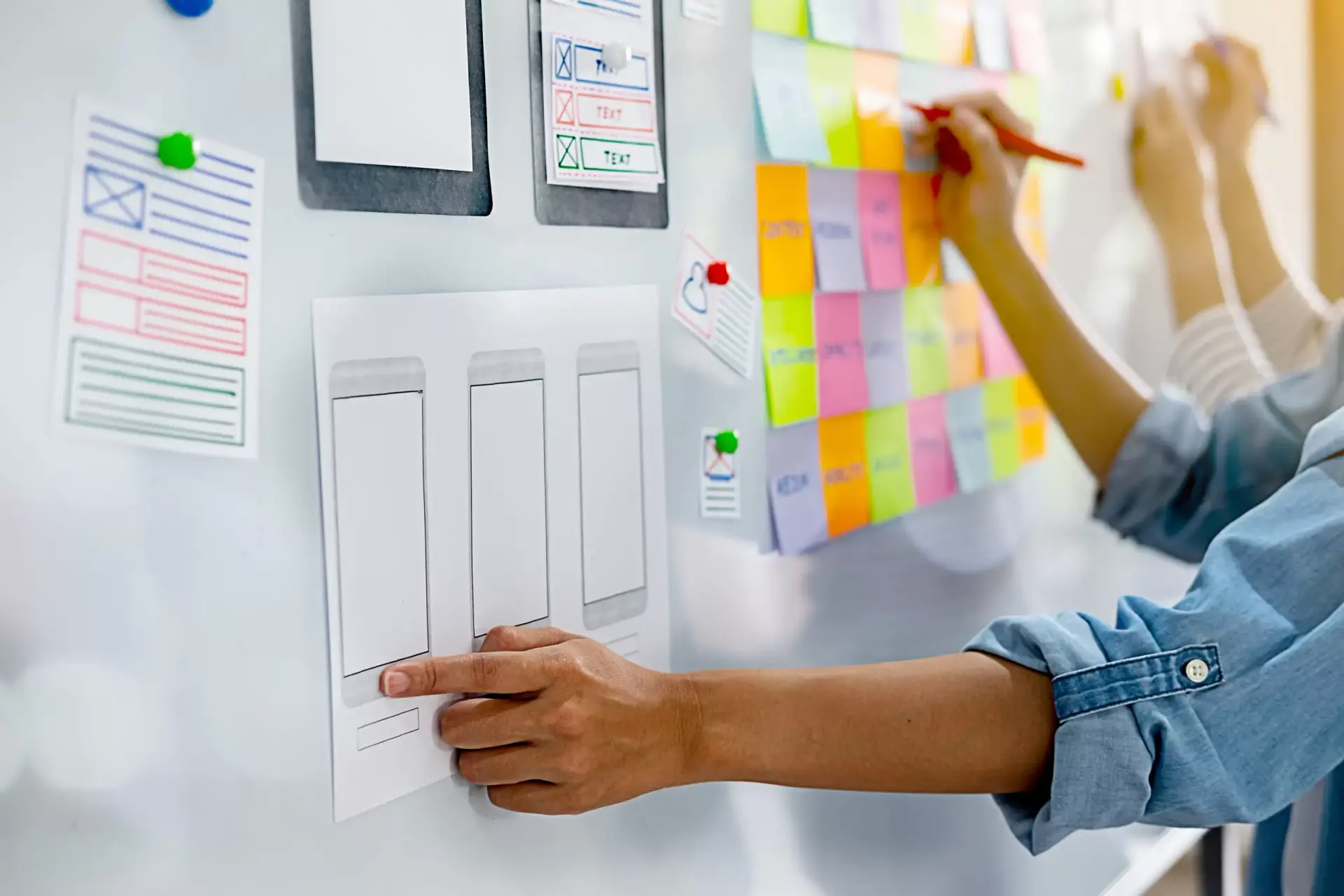
Not just about the end-user – it’s vital that any product development or product design effort is going to meet the needs of the client company and their ambitions and where they want to be as a business, and it works with all aspects of their business. Take the time to understand the viewpoints of the stakeholders. Those inputs are vital to creating a successful design – it has to meet the business needs. If you are interviewing a bunch of design firms – and if the company is only talking to you about the design and end-user and not asking you questions about the program’s business aspects or ambitions – it’s a red flag. It means that they will probably be thinking mostly about design from an egotistical point of view and not design as a tool to advance a company or grow a customer base – design is a business tool, not just art. It needs to be applied effectively.
8. Learn about their approach to design
Another important factor to consider when hiring a design firm is their design process. A well-structured design process will ensure that your project is completed efficiently and effectively. Look for firms that have a clear and organized design process that includes research, conceptualization, prototyping, and testing. This will give you confidence that the firm will deliver a high-quality product that meets your needs. Design firms come in all shapes and sizes. One important distinction is their overall approach to design. Some design firms are known for high style design that may never be produced. Others are known for doing thoughtful designs around user needs and are more engineering-driven. You can find firms looking at the trends and doing beautiful designs on the high-style and impact side which grace the covers of magazines but may never be made. They may also be a strategic design firm focused more on thought-leadership. On the more functional side of design, you find firms based in research and can execute the design through manufacturing. These are firms like RKS that focus on human-centered design and bring designs to life through a full-service engineering process.
9. See how their team does remote
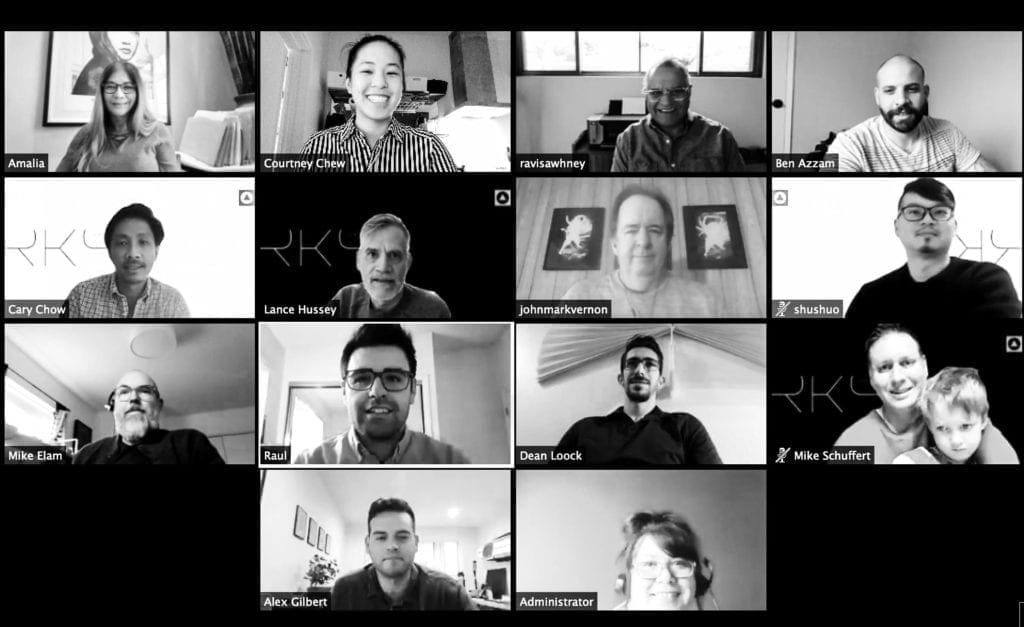
In the world of design, “remote” used to be a non-starter even though design firms often worked globally. Now in the world of COVID, the best design firms are implementing processes that allow them to achieve the same level of creativity and group work achieved in person. Brainstorm sessions, one of the tools used by design firms to generate new hypotheses and teams, can be done via Zoom in conjunction with hardware like the Owl and creative tools like Miro. Check how the design firm is using the latest tools to enable remote operations.
10. Make sure they have a user experience team
The key to successful products in our world user experience. Previously the user experience of a product may have been sidelined as a secondary concern. The user experience is now the differentiator. Consumers these days have high standards, and if you want to make an impression, you have to connect with the user on a variety of levels. You have to create an appreciation of the product that goes beyond how it looks towards how it makes them feel. When selecting a firm, make sure the user experience is appreciated. The design firm should demonstrate a real track record in delivering a user experience to customers. It will make a massive difference in the product’s success. It’s the great user experience that drives viral demand and word of mouth recommendation.
11. Make sure they have an engineering point of view
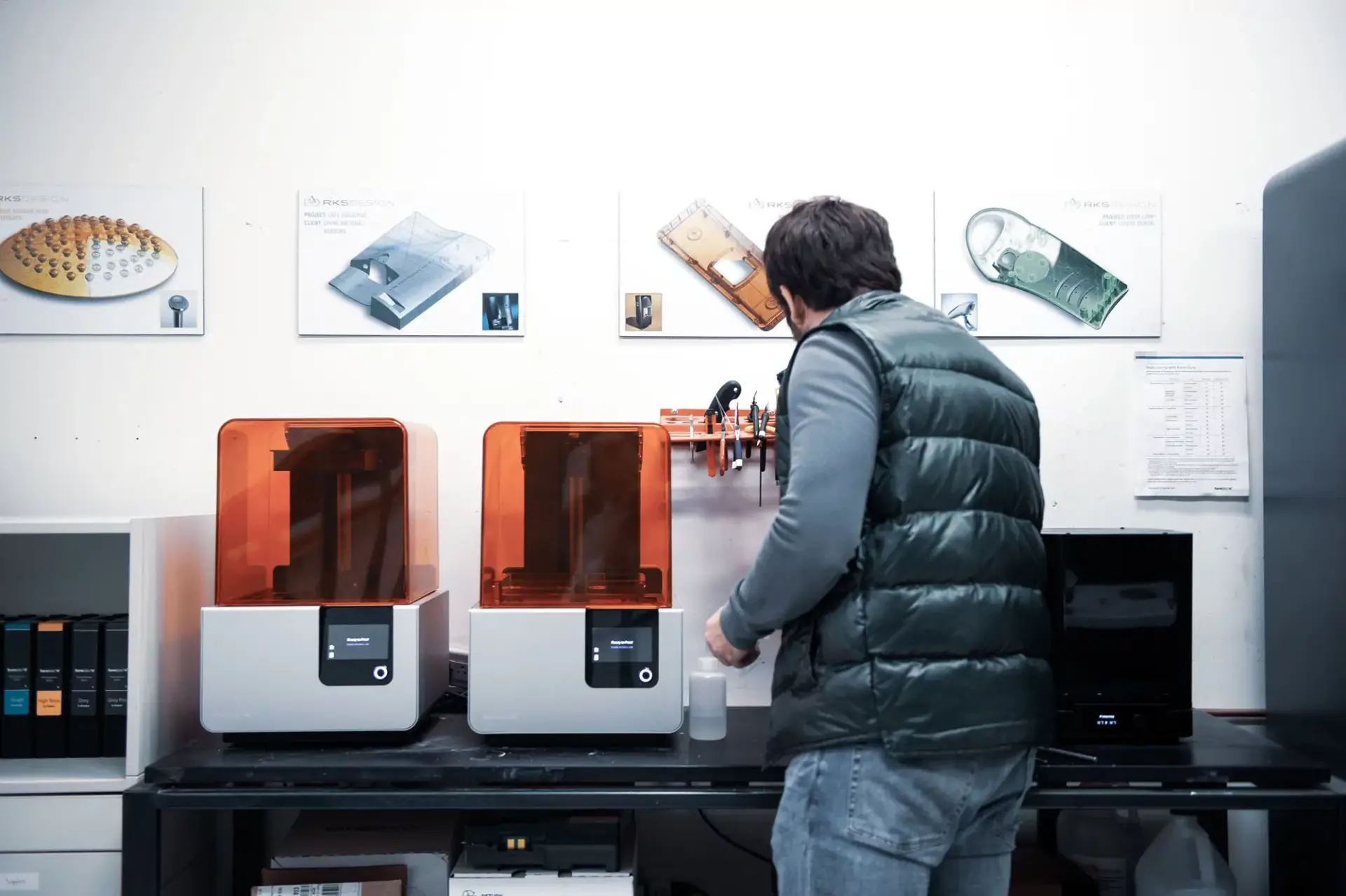
Usually, a client hires a design firm to create an end product that can be produced. That means the product has to move from the design stage to the engineering stage. Having a perspective on engineering allows a design firm to consider the engineering challenges early in the design process. Overcoming these challenges early on increases the likelihood of the product getting to market. On the other hand, designing a new product without considering engineering challenges early on can often lead to a product being redesigned due to engineering or manufacturing problems. It’s very common for engineering to be outsourced by design firms, usually causing the same issues. Therefore if your object is to create a product that will ultimately be manufactured, focus on design firms with an engineering team.