Field Notes
Holiday Gift Guide Vol 1: Five-Star Products by RKS
This year we've put together a series of holiday gift guides so you can find the best product for your friends and family. Volume 1 is a guide of unique products all designed by RKS.


Volume 1: Products designed by RKS

This year we’ve put together a series of holiday gift guides so you can find the best product for your friends and family.
Volume 1 is a guide of unique products all designed by RKS. Over the years we’ve produced hundreds of consumer products. Many are highly rated by hundreds or thousands of customers on Amazon, Home Depot, and other retailers across the world. We’ve chosen a few and created a list that includes items for different interests and budgets. We hope there’s something for everyone.
As a bonus, we’ve provided the story for each product. While these products span different categories and industries they share a common thread: user-centricity. We use our unique design-thinking methodology to consistently create predictable magic. This magic is a product that consumers love so much that not only use it but promote it through word of mouth, and in this case reviews. This secret to our success is really no secret at all. It’s part of every presentation to our clients, and we use it to design everything we do.
Stocking Stuffers
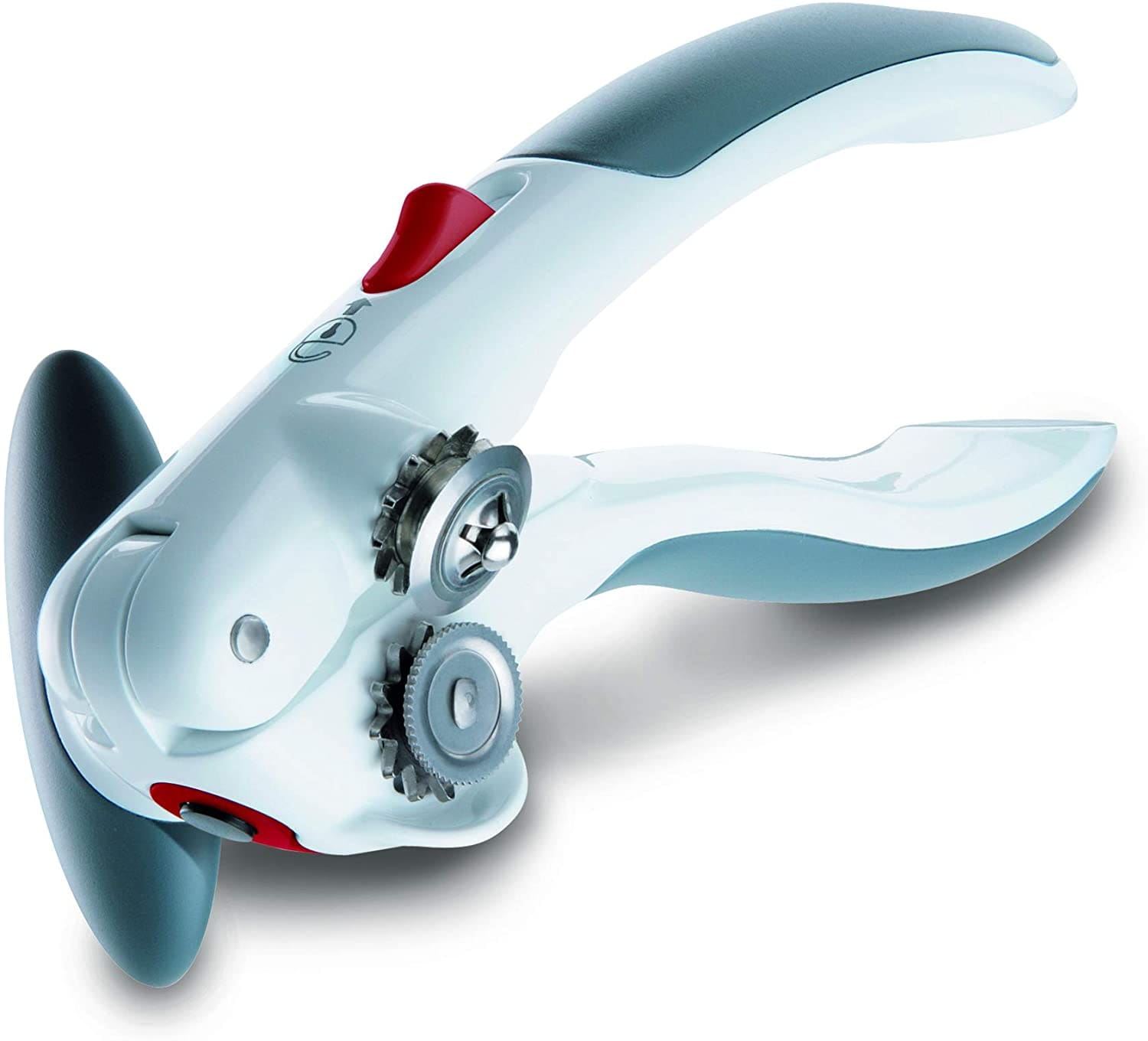
Lock ‘n Lift Can Opener by Zyliss – $15.99

The story
When Zyliss approached us to collaborate on kitchen accessories, they wanted us to expand their line by solving customer problems. Previously Zyliss had worked with another well-known design firm, and decided to transition to RKS. We focused on performance, how existing solutions could perform better for customers while creating an emotional connection to them. We looked at existing accessories from Zyliss and their competitors and asked ourselves: 1) How can we modernize classic designs and 2) What are the key attributes we can use to increase and enhance performance? One product where we found opportunity was the can opener. The rotating wheel can opener had stayed almost the same since it was invented – a user clamped the opener, and twisted. Often the opener would come undone making it difficult to turn, and the user would have to repeat the setup process. By understand this pain point, RKS added a simple feature: a lock. When the user closes the can opener it immediately locks, allowing the user to focus on turning. When the cranking is done, the user simply touches the nose of the can opener to the lid and the built in magnet picks up the lid sparing the user from getting the contents of the can on their fingers which is then released by the trigger release button.
Medium-sized gifts
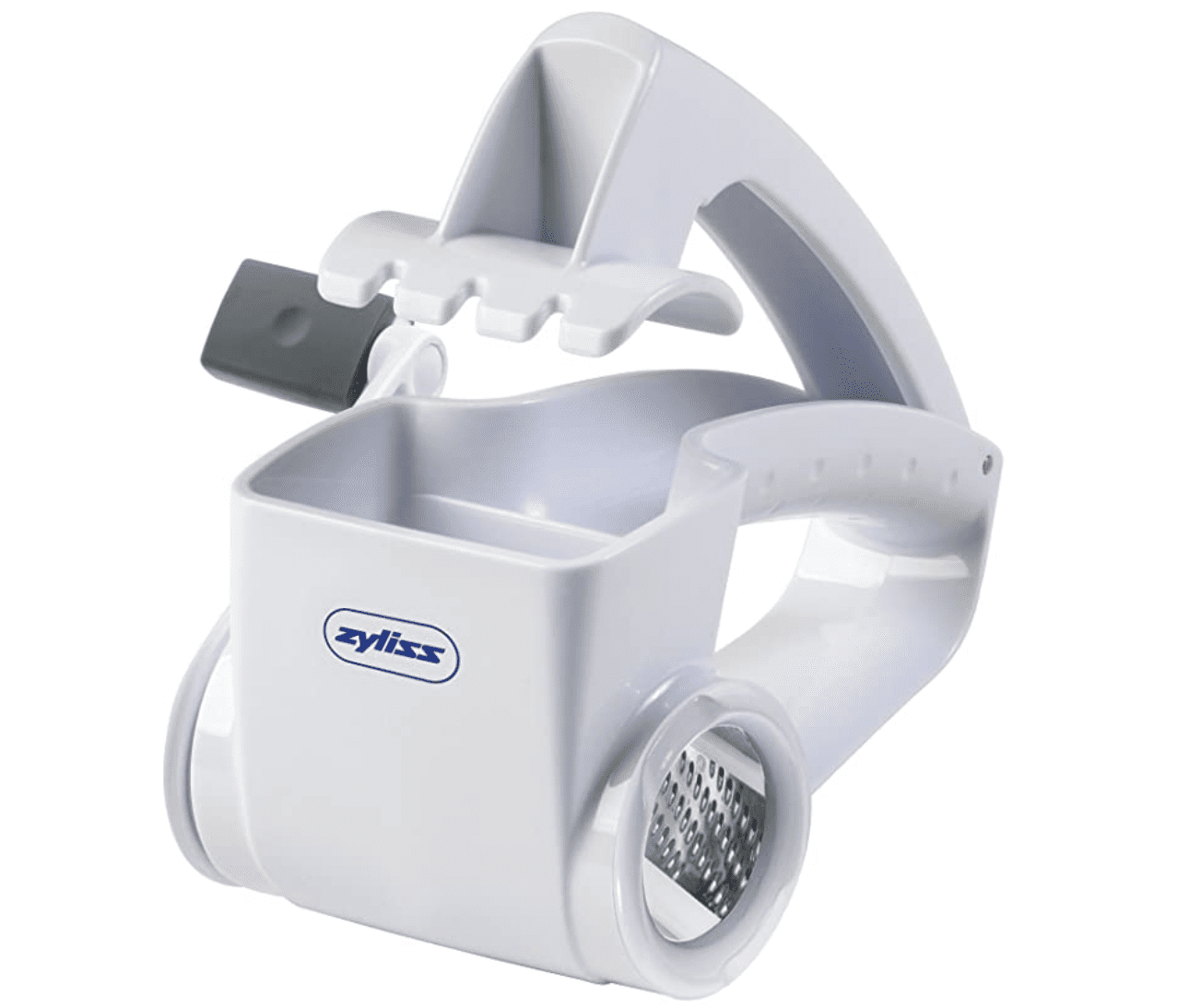
Zyliss – Rotary Cheese Grater – $38.94

The Story
The Zyliss rotary cheese grater is a popular product, but Zyliss felt that it hadn’t achieved the level of success it should have. In fact, they were right – the RKS-designed grater is now used in almost every restaurant you can imagine! In response to Zyliss’ request, RKS took the popular product and modernized it around some key customer insights. One insight was that users were putting cheese in but were unable to grind the cheese all the way through – leaving valuable cheese left useless. By changing the plunger design of the grater, RKS allowed users to grind to the cheese all the way through. Another insight was that users had difficulty cleaning the cheese graters after use. By making the pieces come apart, RKS also enabled users to easily clean the grater after use.
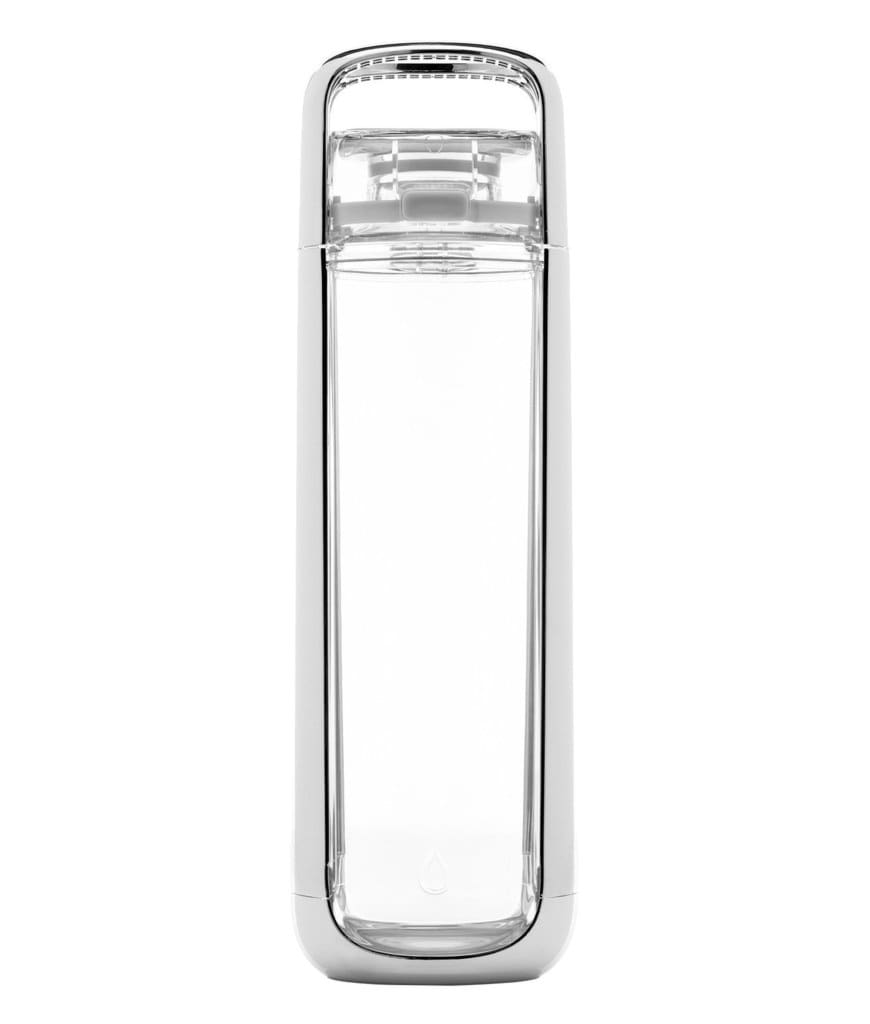
Kor One Water Bottle – $35.00

The story
Single user plastic water bottles were becoming a serious environmental problem, and two visionary entrepreneurs wanted to help solve it. One major contributor was single-use water bottles. While multi-use bottles were a solution, they both felt was that existing bottles were neither beautiful nor particularly functional for lifestyle environments. Existing solutions were very utilitarian, and uninspired looking. Furthermore, a new generation of users was were looking for extreme portability, and sans BPA (a chemical that had recently been found to cause cancer). The RKS team, jumped into product development mode, benchmarking customers, existing solutions, and identifying the opportunity zone. Leveraging our materials sourcing experience, we found a special plastic manufactured by Eastman that allowed the plastic water bottle to be BPA free. The result was one of the first BPA-free multi-use water bottles that looked like glass and was specially designed for people’s everyday life. The rest they say “is history”, with Tony Stark using the Kor One in Iron Man (because Gwyneth Paltrow was a fan of the Kor One), and David Duchovny sporting the bottle in paparazzi shoots around the world.
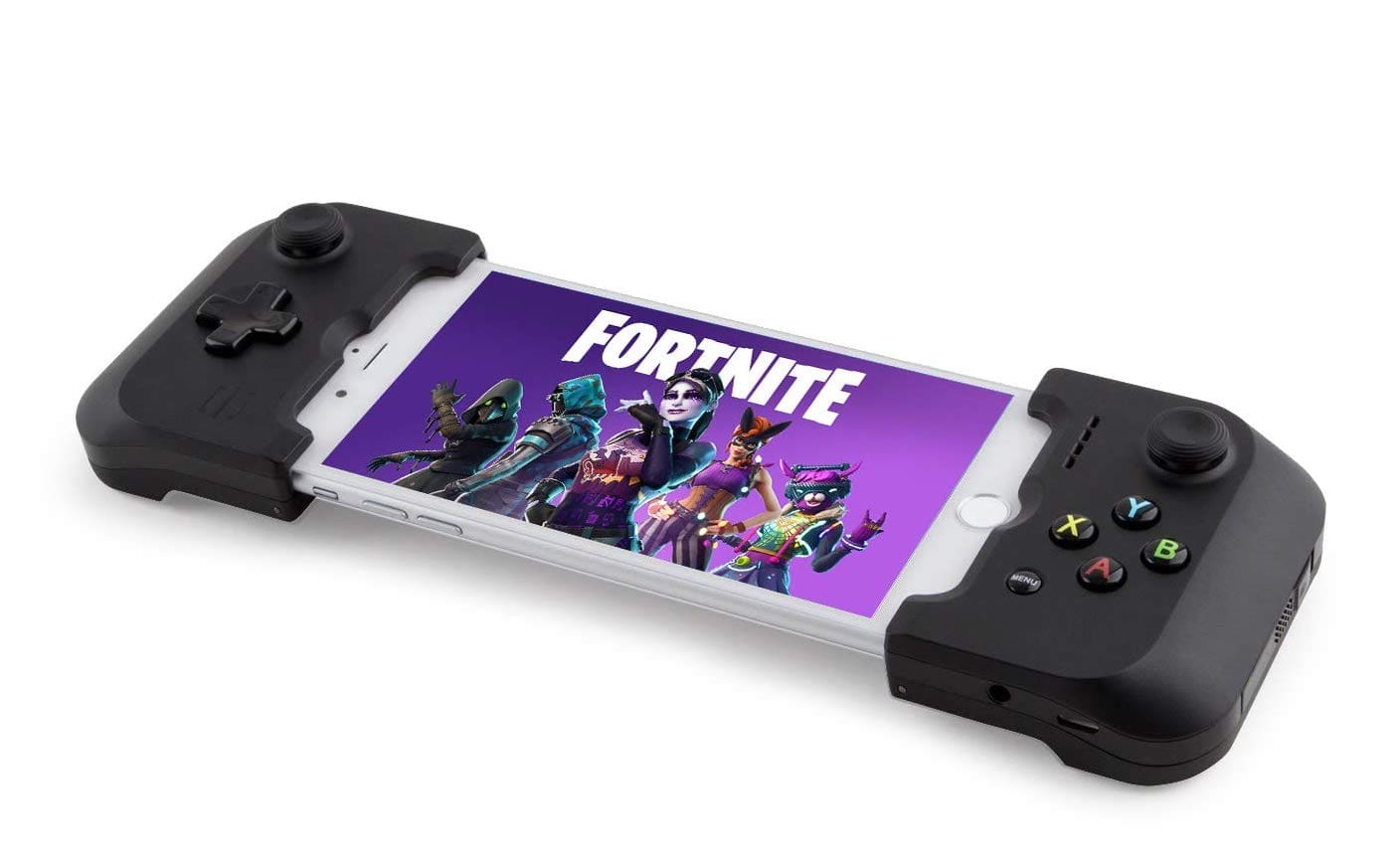
Gamevice – $40.15

The story
After the iPhone came out, then the App store came out, and it was clear shortly thereafter that mobile gaming was forever changed. A forward-looking company called Wikipad knew that the future of mobile gaming was going to be on smartphones. They had developed a portable gaming solution, but that solution required a proprietary tablet. It was clear, however, that people wanted to use their own devices. Wikipad (now GameVice) came to RKS to help come up with the right solution to meet the growing demand for mobile gaming. Aside from graphics, one of the most defining experiences of console gaming (and what mobile gaming lacked) was physical controls. Replicated on a touchscreen these controls did not create the same emotional resonance, nor allow the same playability (functionality) as console controls. The solution was the opportunity zone where mobile gamers wanted to play, and smartphones left them out in the cold. RKS collaborated with GameVice to develop the first mobile gamepad available in Apple Stores worldwide and by all accounts a tremendous success. The controler was able to adapt to different size devices from the largest manufacturers (iOS, Android, and Samsung) when in use, and folded away into a compact square for portability when not in use.
Larger gifts
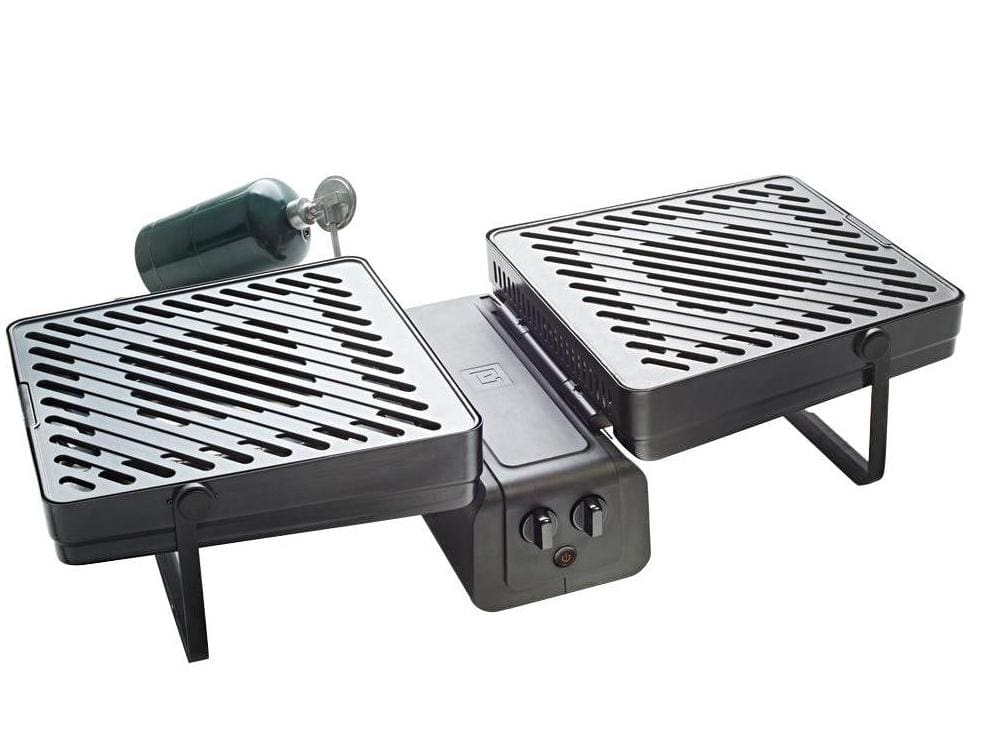
Elevate Grille – 152.99

The story
Tailgating and glamping had reached a fever pitch, but grills were either too big to reasonably bring to games or too small to cook for more than one or two people. RKS hosted a design competition where young designers were asked to solve the problem of “grilling on the go”. We provided guidance and mentoring to the winning group, which ultimately created the idea for the Elevate Grille. The Elevate Grill is unique because despite its size and portability it has a grilling area almost the size of a full Weber grill. When not in use it simply folds up for easy portability!
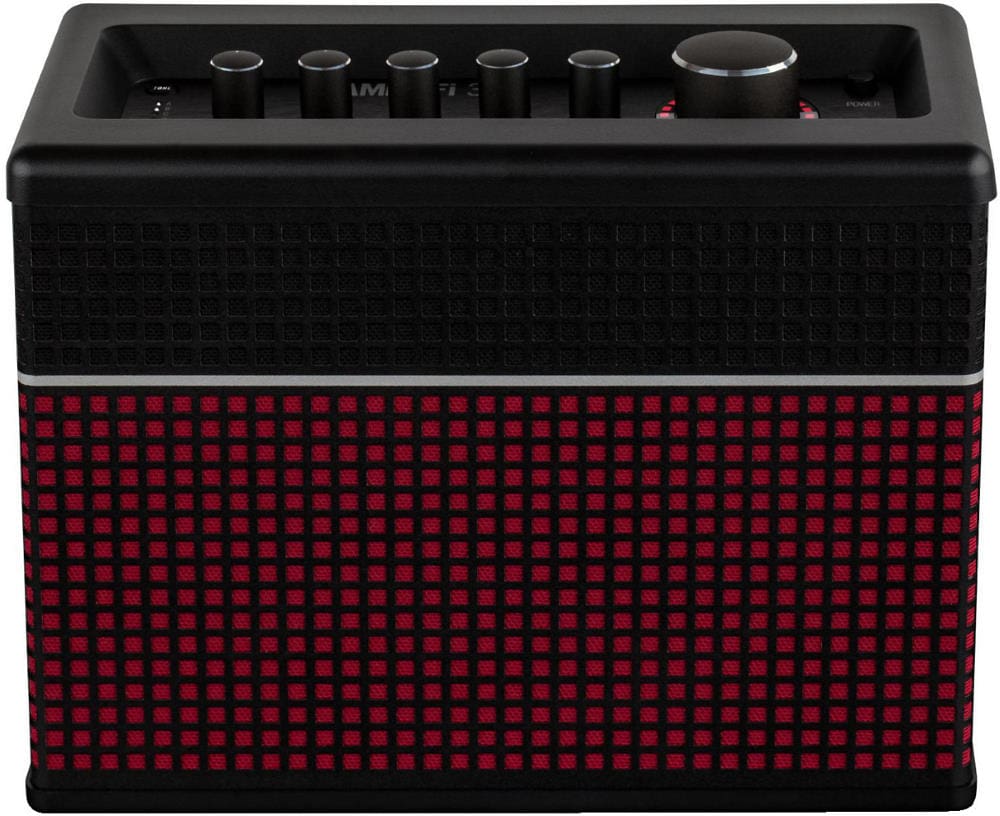
Line6 Amplifier – $299.21

The story
Electric guitars unlike acoustic guitars require an amplifier. Most amplifiers were designed for professional musicians as professional amplifiers, and the ones designed for hobbyists were designed to look like professional amplifiers. Professional amplifiers were designed for being used on the road, in different venues, for hours and hours at a time. The result was that hobbyist amplifiers didn’t “go” with any home decor, and were usually stored or at least hidden when not in use. The other result was the players, conscious of lugging around a professional amplifier simply played less. Line6 tasked RKS with designing a professional quality amplifier with consumer appeal. The goal wasn’t to replace a traditional guitar amplifier but was to increase the number of places a guitar amplifier could be used, for example, left in the living room when not in use, even used as a stereo. The result of the collaboration was AmpliFi, a software-driven amplifier that looks like a beautiful Bluetooth speaker, with the output of a professional amplifier (up to 150 watts). In its first year, Line6 couldn’t keep up with the orders from Guitar Center.