Field Notes
RKS Design Marks 45 Years of Innovation With PA-AI
As RKS Design marks 45 years, the introduction of PA-AI reflects a shift from possibility to precision.
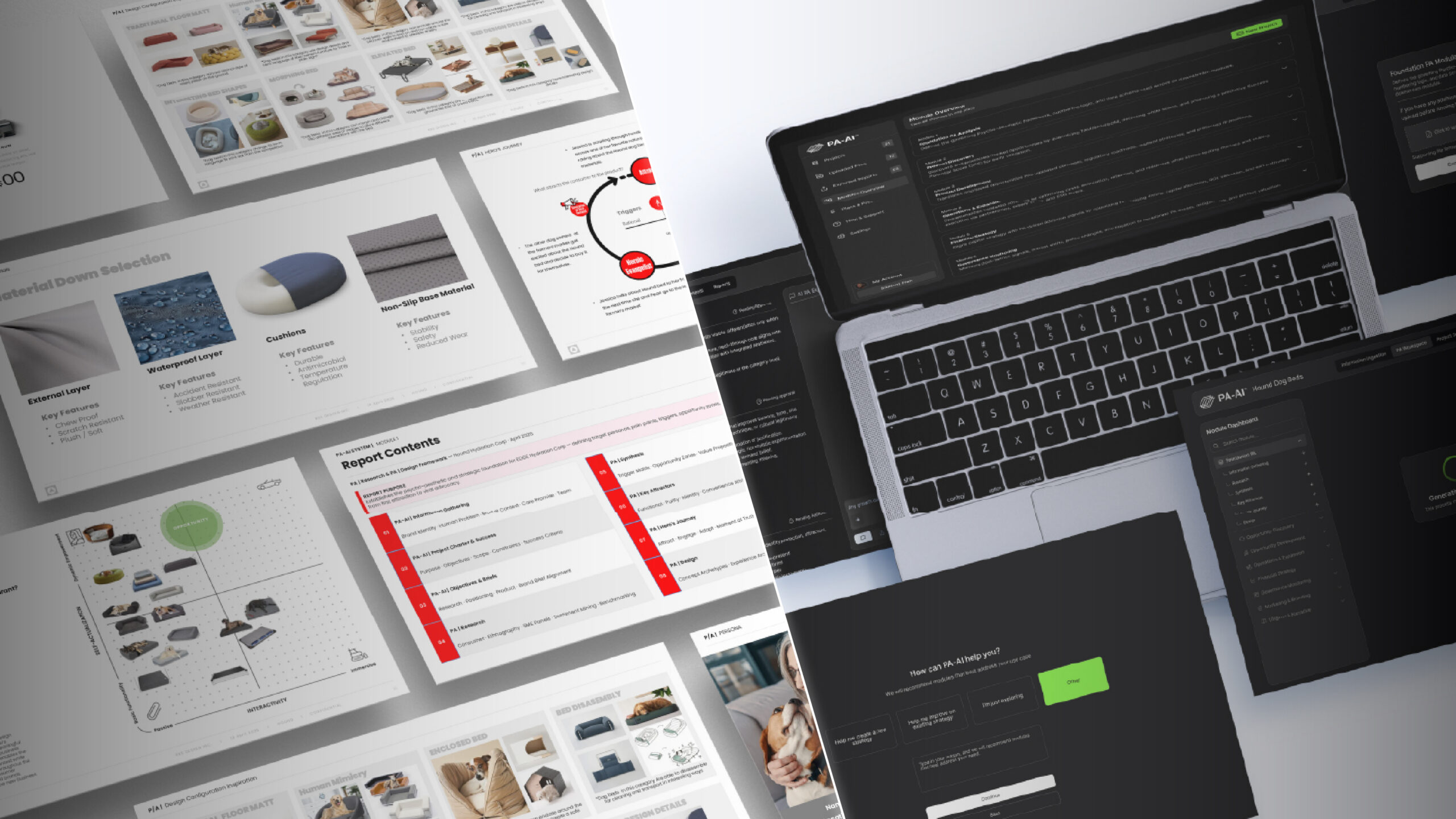

As RKS Design marks 45 years, the introduction of Eydora (formerly PA-AI) reflects a shift from possibility to precision. Built on decades of Psycho-Aesthetics® research, PA-AI translates human insight into a structured layer that guides AI-driven decision-making. It brings a critical dimension back into innovation: understanding not just what can be built, but what people will care about.
The Missing Layer in AI: How 45 Years of Human Insight Led to PA-AI
Type
Date
Press Release
45th Anniversary Book
RKS Design's Perspective
AI is accelerating execution.
But execution alone does not create value.
Value is created when decisions align with how people think, feel, and act.
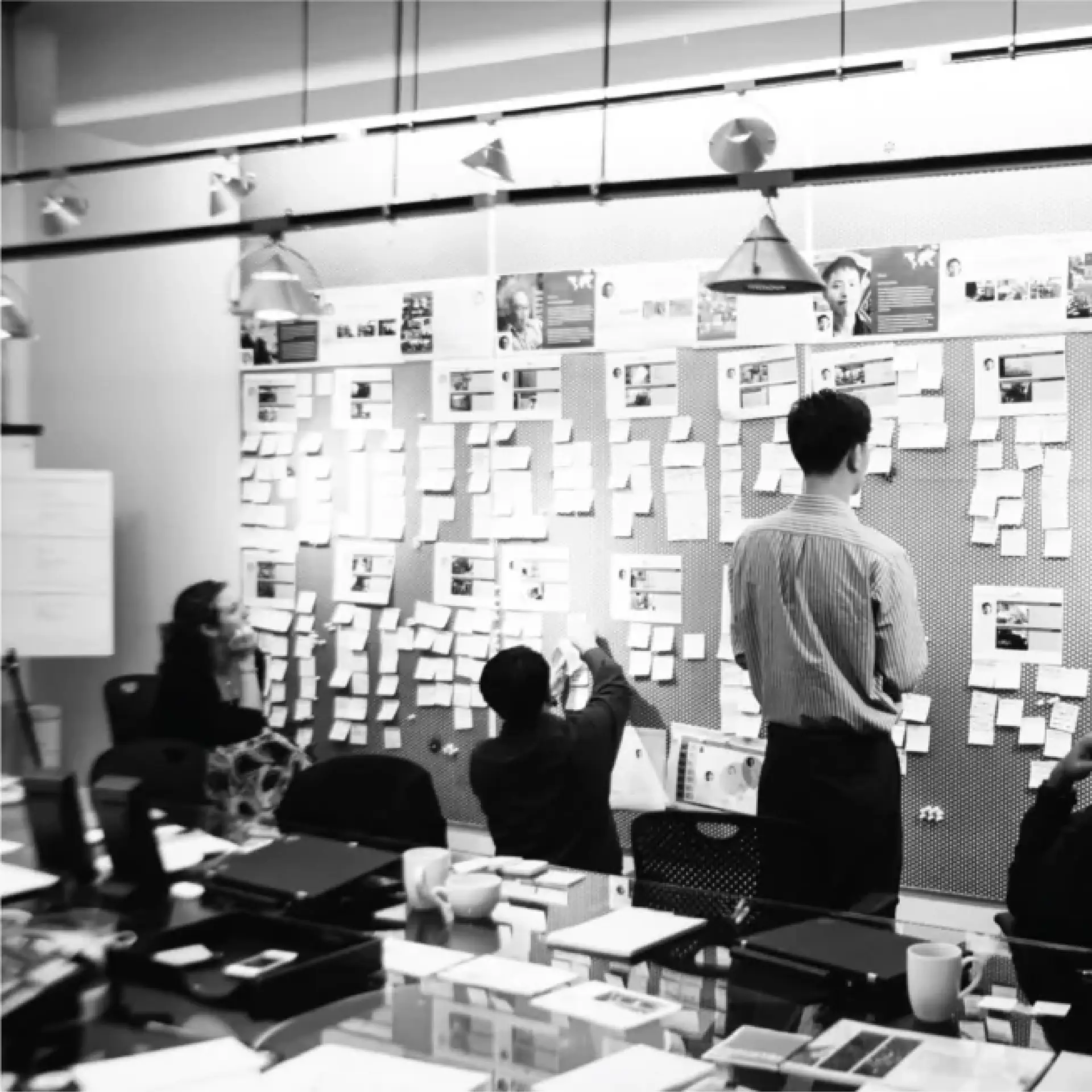
For over 45 years, RKS Design has studied these human factors through Psycho-Aesthetics, building a deep understanding of what drives adoption, trust, and meaning.
This is the shift happening now. From generating more, to choosing what matters. From capability, to clarity.
Organizations that understand this will not just move faster. They will move in the right direction.
PA-AI is not limited to a single type of user or organization.
It scales across levels of decision-making. From individuals shaping early ideas, to consultants guiding strategy, to enterprise teams aligning execution, and investors evaluating where to allocate capital.
In each case, the challenge is the same. Not what can be built, but what will be adopted.
This is where a Human Intelligence Layer becomes critical.
Why This Matters Now
AI is accelerating faster than decision-making frameworks can evolve.
Organizations are no longer limited by what they can generate. They are limited by what they can confidently choose. As AI produces more options, teams face increasing uncertainty around which direction will lead to meaningful outcomes.
This is where most initiatives break down. Not in capability, but in alignment.
As our CEO & Founder, Ravi Sawhney, puts it,
“AI is incredibly powerful, but it’s incomplete. It can generate answers, but it cannot determine how people will feel about those answers. And that is what ultimately drives success or failure.”
The challenge is no longer building. It is understanding.
What is PA-AI
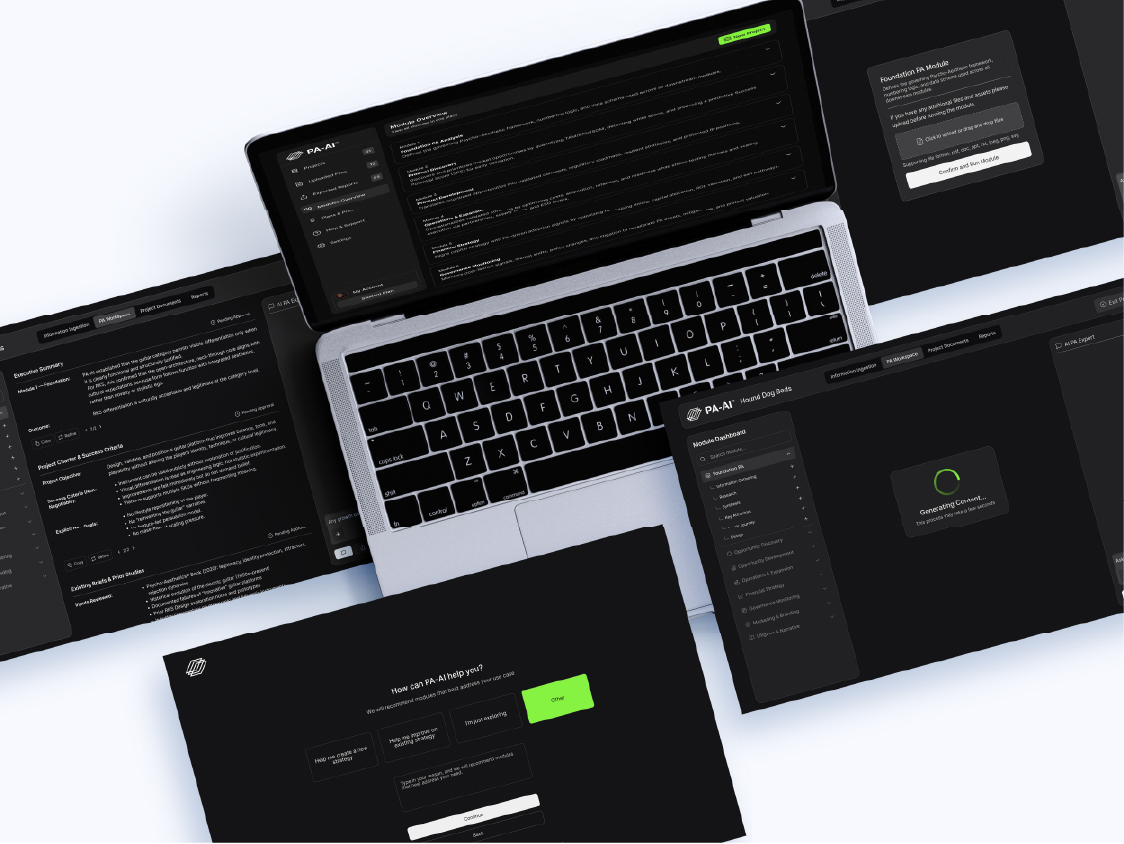
PA-AI introduces a Human Intelligence Layer that sits above artificial intelligence systems.
It works alongside AI as a co-pilot, guiding decision-making by evaluating outputs through the lens of human perception, trust, and adoption. Rather than generating more possibilities, it helps organizations determine which ideas are worth pursuing and why.
“If AI is the engine, PA-AI is the navigator,” said Sawhney. “It helps organizations understand not just what can be built, but what should be built, and why people will care.”
The goal is not more data. It is better decisions.
From 45 Years of Psycho-Aesthetics® to PA-AI
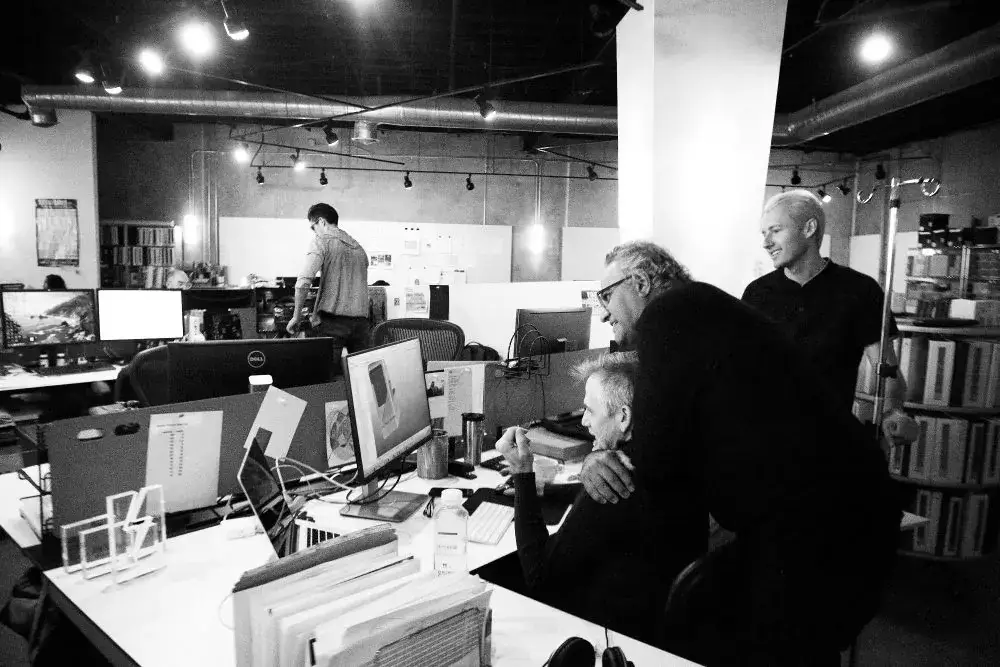
For over four decades, RKS Design has focused on a deeper question behind innovation: what drives people to choose, trust, and adopt?
The answer has consistently pointed beyond function.
Psycho-Aesthetics was developed to understand how perception, emotion, and meaning shape human behavior. It recognizes that products and experiences succeed not simply because they work, but because they align with how people see themselves and the world around them.
This methodology has guided the development of impactful products, brands, and systems across industries.
PA-AI represents the evolution of that work.
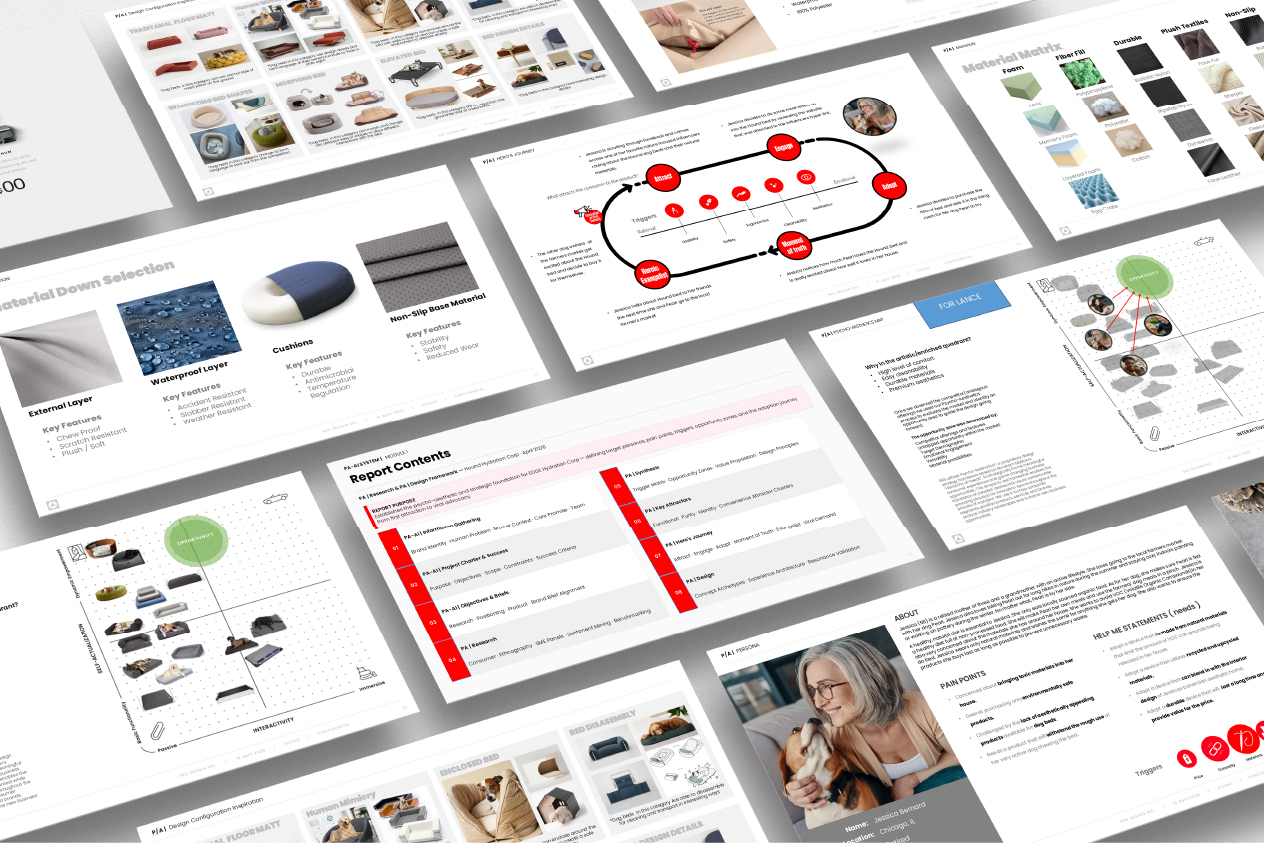
It transforms decades of human-centered design into a structured, input-driven system that can operate alongside AI. What was once applied through design intuition is now embedded into a scalable framework for decision-making.
A Human Problem, Not a Technology Problem
Most organizations approach AI as a technical challenge.
But the real issue is human.
AI can generate possibilities.
Consulting can implement them.
But neither determines what people will adopt.
Adoption is shaped by perception, identity, trust, and meaning.
In a recent working session with MBA students, PA-AI was used to explore a concept around sustainability and product lifecycle. The exercise revealed a critical insight. Adoption was not driven by access or cost, but by identity. When responsible consumption was reframed as a status signal, the concept became more compelling.
This reinforces a core principle behind PA-AI: more defined human inputs lead to more meaningful outputs.
“For decades, industrial designers have worked at the intersection of human behavior, desire, and meaning,” said Sawhney. “AI needs that perspective. Without it, we risk building things that work, but don’t matter.”
In the Press
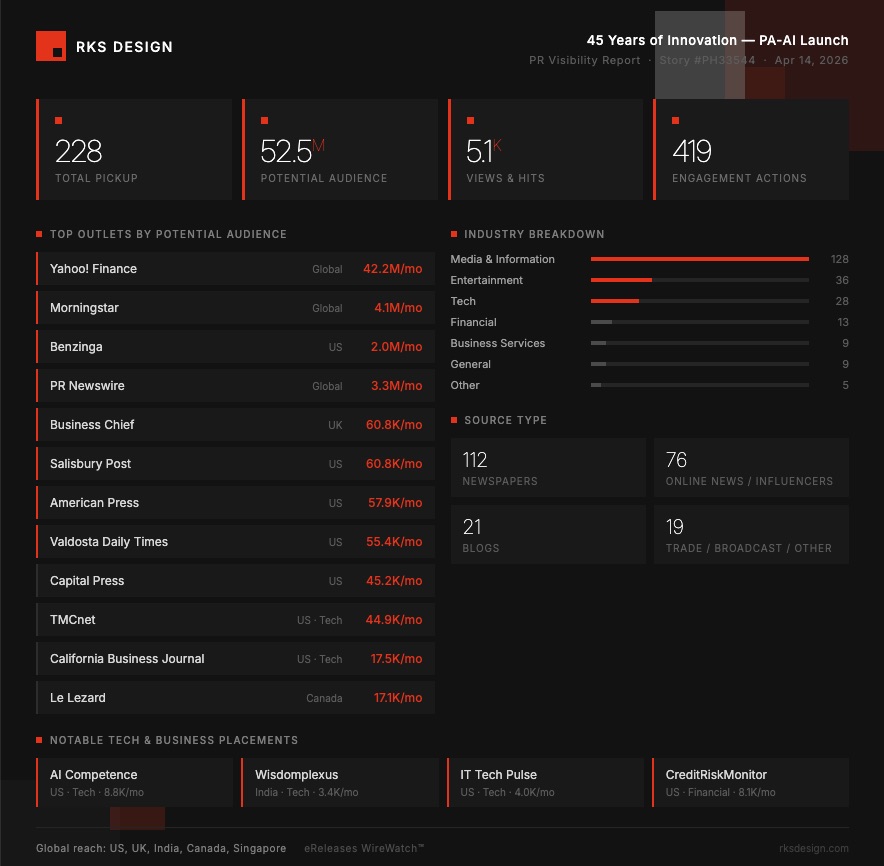
The announcement of RKS Design’s 45-year milestone and the introduction of PA-AI has generated significant global attention, with more than 200 media placements reaching over 50 million people.
Coverage spans financial, technology, and business publications, reflecting growing recognition that the future of AI depends on human alignment, not just technical advancement.
Notable outlets include PR Newswire, Morningstar, Benzinga, and a range of global media platforms across finance and technology.