Field Notes
When Robots Enter the Classroom, Human Intelligence Matters More Than Ever
Following his Newsmax interview, Ravi Sawhney explores why the future of AI isn't about replacing teachers or humans.

Artificial intelligence has quickly moved beyond the realm of experimentation. Today, it is reshaping how we work, communicate, create, and increasingly, how we learn.
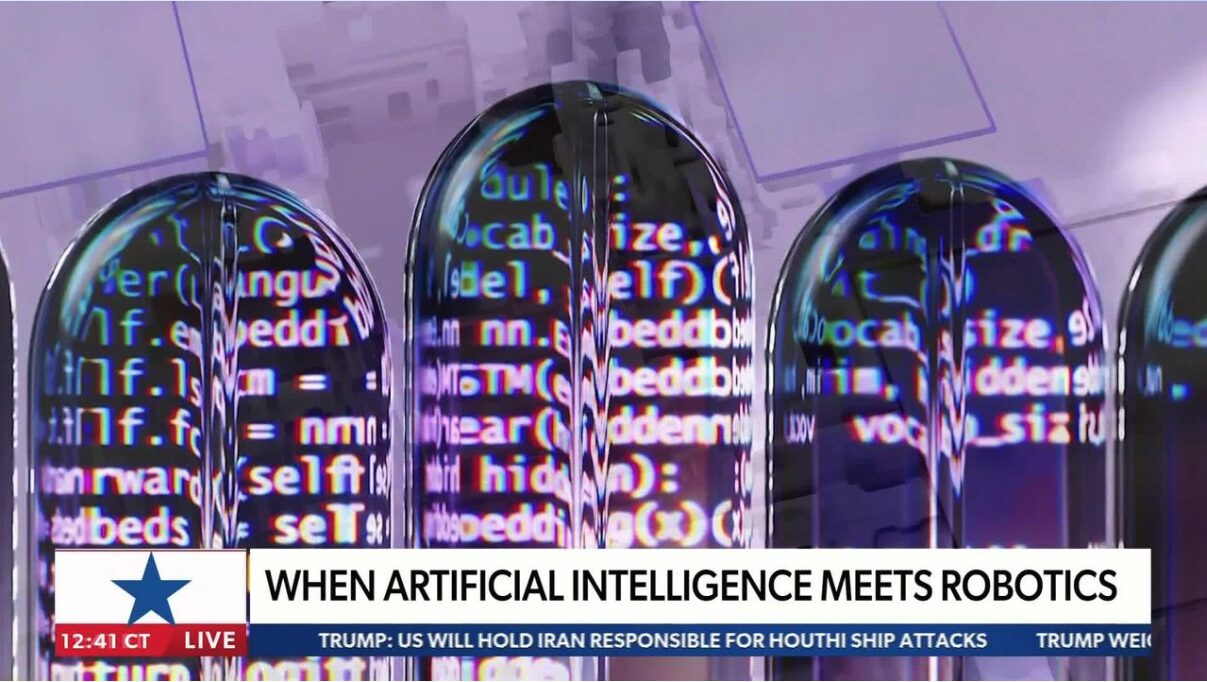
Recently, RKS Design Founder and CEO Ravi Sawhney joined Newsmax’s Bianca Across the Nation to discuss one of the latest milestones in this evolution: the deployment of what is believed to be the nation’s first humanoid robot teaching assistant in a New York school district.
While the story centered on a single robot named “Sally,” the conversation explored something much larger, the future relationship between humans and intelligent machines.
The question isn’t whether AI and robotics will become part of education.
The real question is how we ensure they enhance human potential rather than diminish it.
When Robots Enter the Classroom, Human Intelligence Matters More Than Ever
Type
Date
Publication
Watch the Full Segment

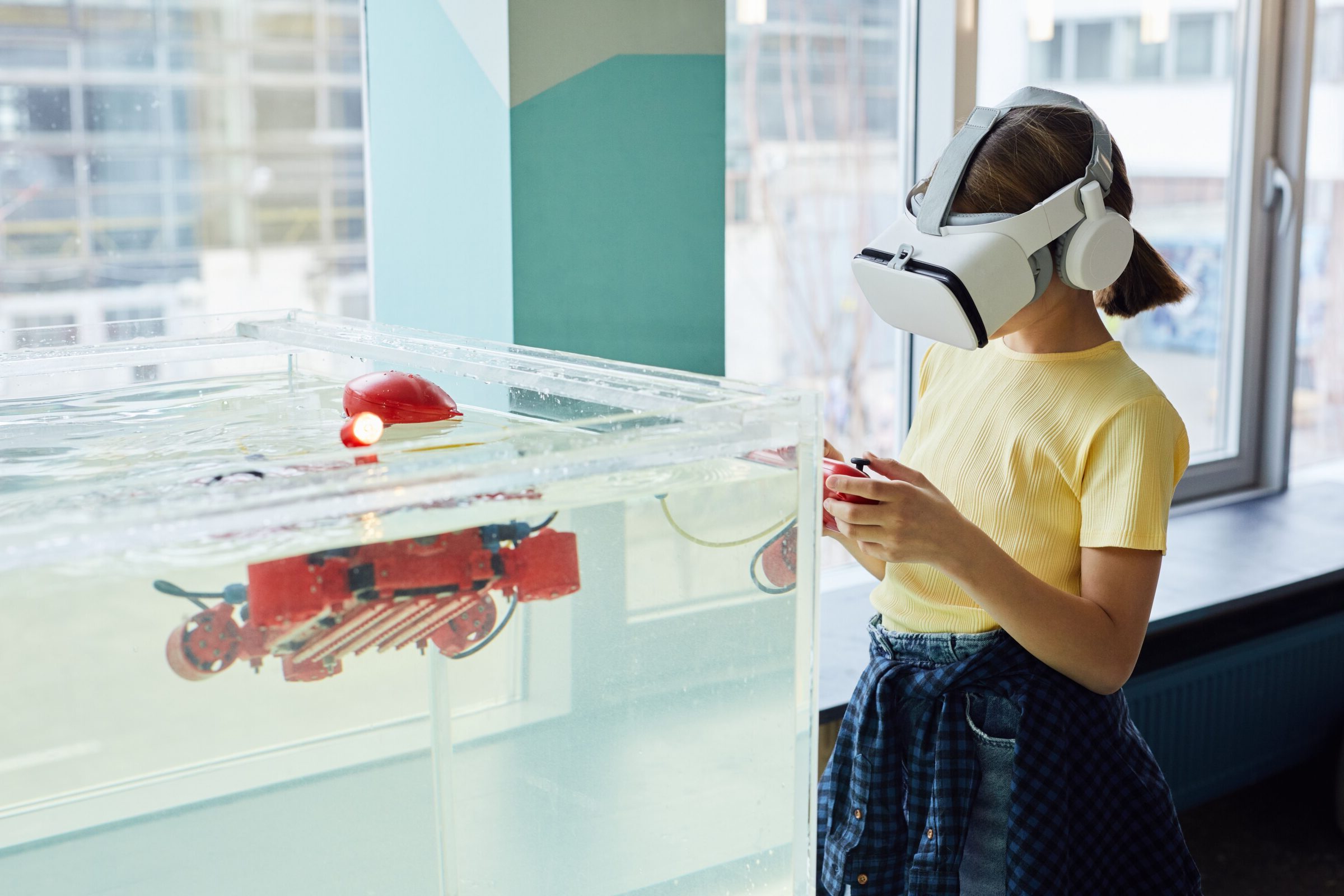
In this Newsmax interview, RKS Design Founder & CEO Ravi Sawhney discusses one of AI’s most important inflection points: as intelligent machines move into classrooms, hospitals, and everyday life, how do we ensure they remain aligned with human needs?
“What happens when AI becomes part of everyday human decision-making?”
The Next Generation of Learning
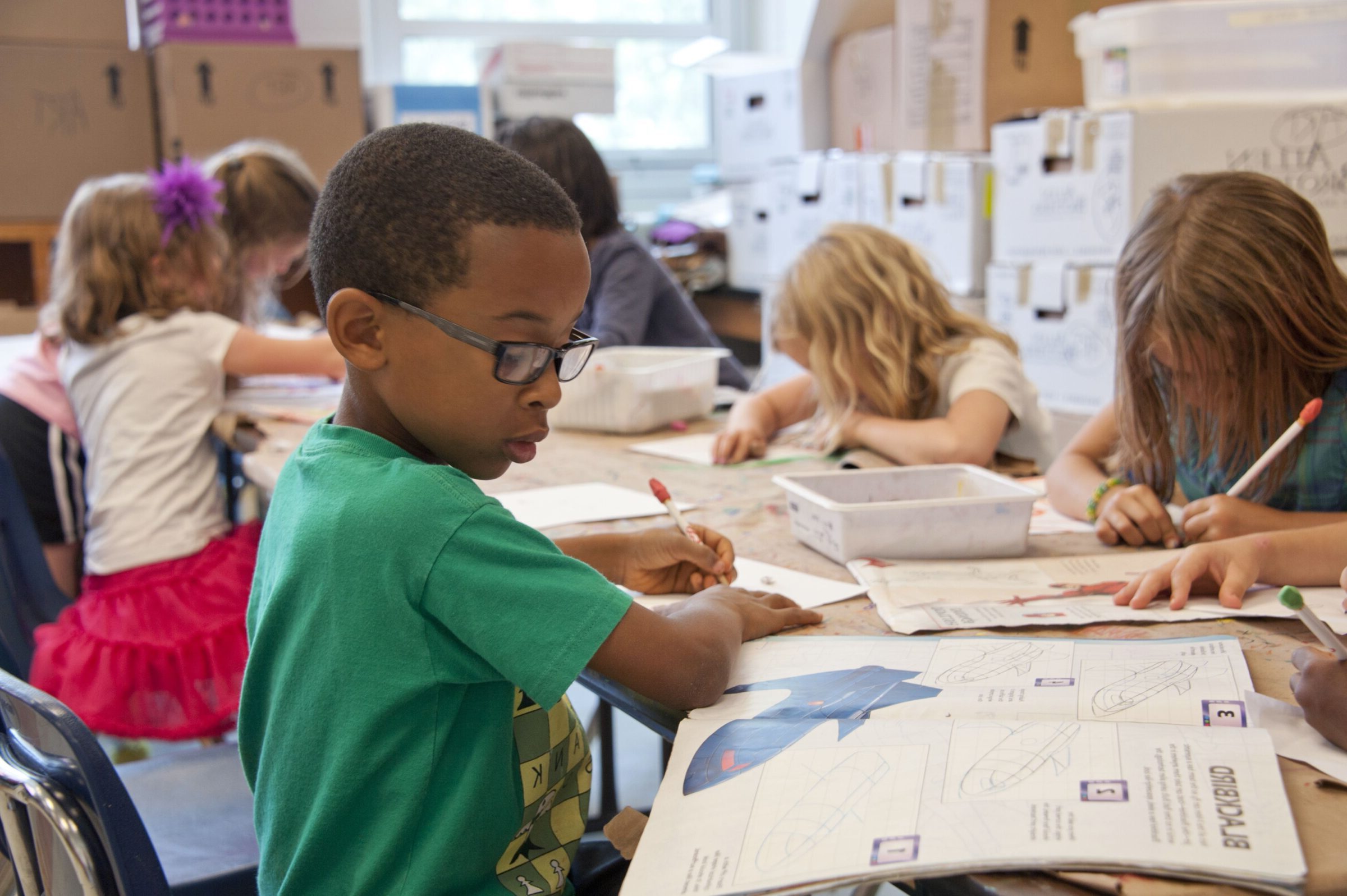
For decades, robots have primarily existed behind factory walls. They assembled automobiles, packaged products, and performed repetitive industrial tasks with remarkable precision.
Today, however, robotics is moving into environments built around people rather than production. Schools, hospitals, homes, and public spaces demand something entirely different than efficiency. They demand empathy, trust, communication, and understanding.
That is why the arrival of humanoid teaching assistants represents more than a technological milestone. It represents a design challenge.
Technology Should Extend Human Capability
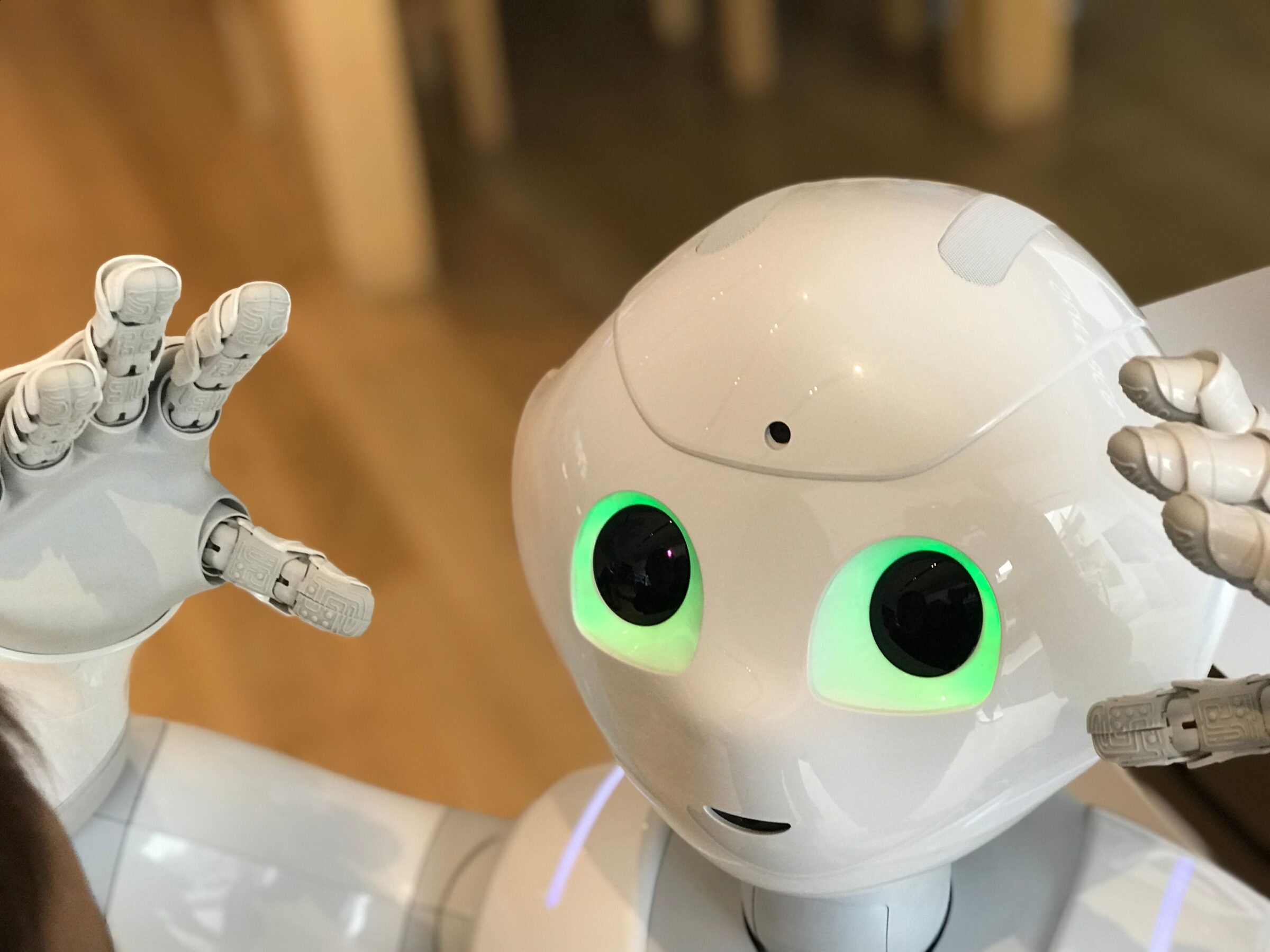
During the Newsmax interview, Ravi emphasized an important distinction: a robot should never replace a teacher. It should extend a teacher’s ability to teach.
Every classroom contains students who absorb information differently. Some learn visually. Others learn through interaction. Some require repetition, while others thrive when challenged.
AI has the ability to recognize patterns, personalize instruction, and provide teachers with insights that would otherwise be difficult to uncover.
Used responsibly, intelligent systems can help educators spend more time doing what humans do best: building confidence, creating relationships, inspiring curiosity, and helping students think critically.
Technology should increase human capacity, not substitute for human connection. That principle extends far beyond education.
Intelligence Is Not the Same as Understanding
As AI systems become increasingly capable, society often assumes capability equals intelligence.
Large language models can generate convincing answers. Algorithms can predict behavior. Robots can perform increasingly complex physical tasks. Yet none of these systems truly understand why people make the choices they make.
They recognize patterns.
Humans create meaning.
That distinction is becoming increasingly important as organizations rush to integrate AI into products, services, and customer experiences.
The future does not belong to companies that simply automate more work. It belongs to organizations that understand people more deeply.
The Missing Layer: Human Intelligence
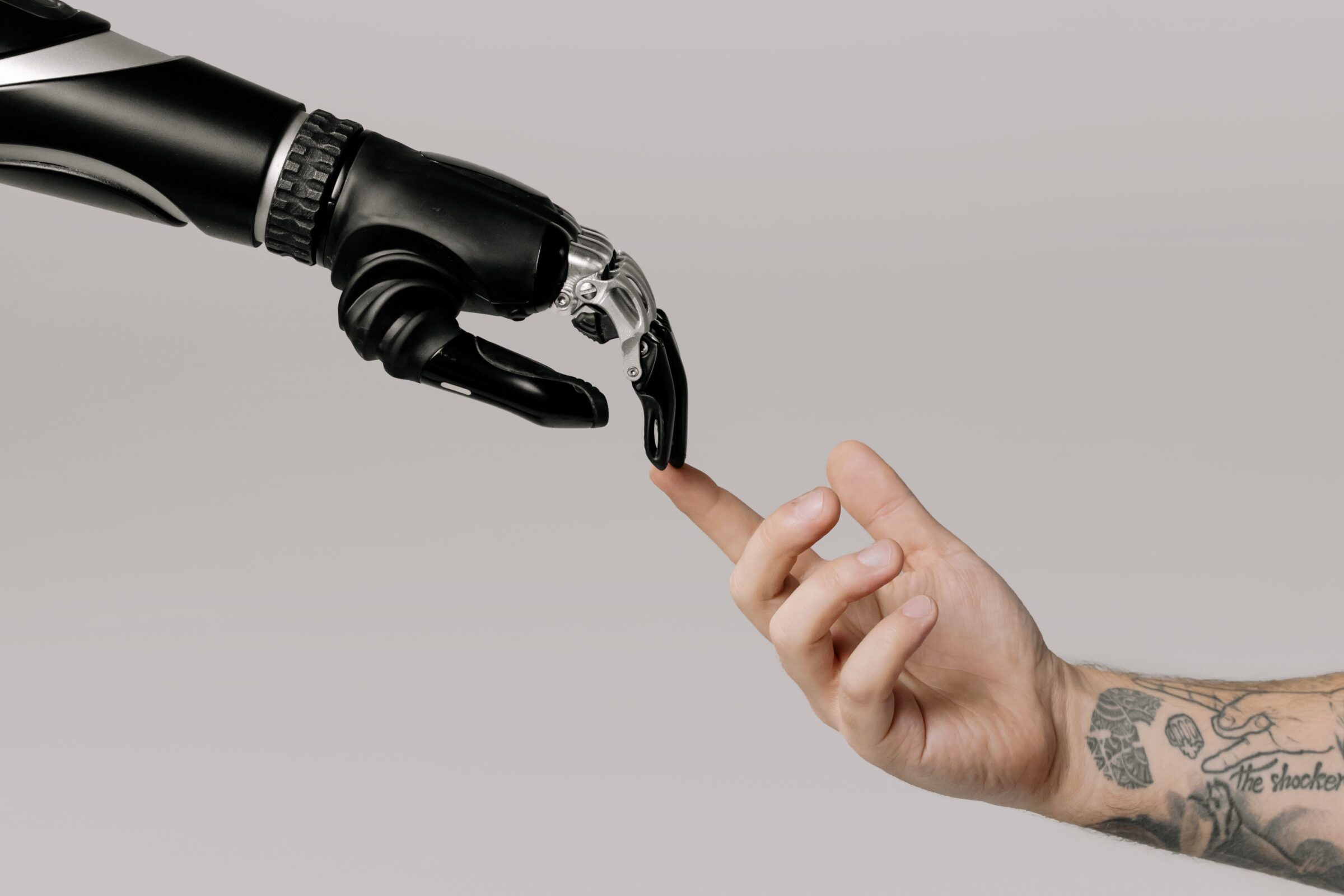
One of the central themes Ravi discussed during the interview is the importance of controlling what AI learns and how it is applied. Every AI system reflects the information it is given, and the quality of its outputs depends entirely on the quality of its inputs.
At RKS Design, decades of Human-Centered Design research have demonstrated that successful innovation begins long before technology enters the picture. It begins by understanding people: what motivates them, what creates trust, what drives adoption, and what makes an experience meaningful.
This philosophy ultimately led to the development of Psycho-Aesthetics® and, more recently, PA-AI, a methodology designed to provide AI with something it fundamentally lacks: human intelligence.
Rather than asking AI to invent what people want, the goal is to provide it with a human framework that guides better decisions.
Technology becomes an engine.
Humans remain the compass.
Designing Guardrails Before We Need Them
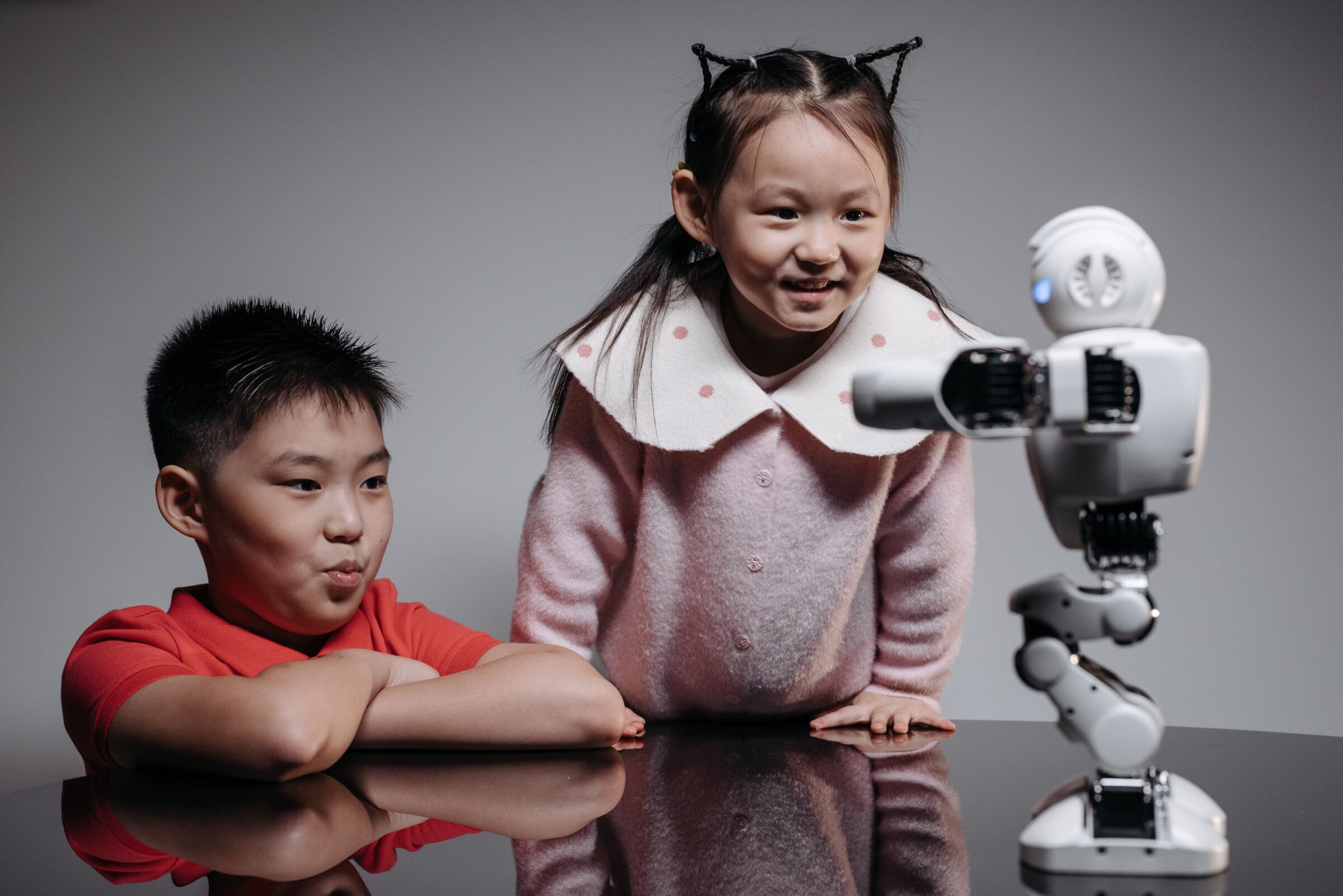
One of the most important questions raised during the discussion was who should ultimately control increasingly autonomous AI systems.
Governments? Technology companies? Individual users?
The answer is likely all three. But perhaps the most important safeguard begins much earlier.
It begins during design.
Every product embodies assumptions. Every algorithm reflects priorities. Every interface influences behavior.
Designers have always been responsible for shaping how humans interact with technology. That responsibility only grows as AI becomes embedded in everyday life.
Rather than asking what AI can do, organizations should first ask:
What should AI do?
That question cannot be answered by software alone. It requires understanding human values, emotions, aspirations, and decision-making.
The Future Isn’t Human vs. AI
Much of today’s conversation frames AI as a competition.
Will machines replace workers? Will robots replace teachers? Will algorithms replace creativity?
History suggests a different outcome.
The most transformative technologies rarely eliminate human capability.
They amplify it.
The calculator did not replace mathematicians. The internet did not replace knowledge. Computers did not eliminate creativity.
Likewise, AI’s greatest opportunity lies in helping people accomplish more than they could alone.
The organizations that thrive over the next decade will not be those with the most AI. They will be those that combine artificial intelligence with a deep understanding of human intelligence.
Designing a More Human Future
As humanoid robots begin appearing in classrooms and intelligent systems become commonplace across industries, one principle should remain constant: technology should serve people, not the other way around.
For more than four decades, RKS Design has believed that innovation succeeds when it begins with people. That philosophy continues to guide our work today as AI transforms nearly every aspect of modern life.
Because the future will not be defined solely by smarter machines.
It will be defined by how wisely humans choose to design, guide, and apply them.
As Ravi shared during his appearance on Bianca Across the Nation, AI can process extraordinary amounts of information.
But it cannot tell us what truly makes us feel good about ourselves.
That remains uniquely and powerfully human.