Use Cases of Artificial Intelligence in the Design Industry

Picture of Ravi Sawhney

Ravi Sawhney

Founder, and CEO RKS Design

Artificial Intelligence (AI) will change the way we work and live, and the design industry is no exception. The integration of AI has opened up a whole new world of possibilities for designers and clients alike. In this post, we’ll explore some of the ways of AI will influence design today, with a specific focus on industrial design, product engineering, software development, UX/UI design, product development, research, brand design, and digital marketing. 
Industrial Design

Industrial Design AI is transforming the way industrial designers work. With AI, designers can quickly generate design options, perform simulations, and optimize designs for different factors such as cost, manufacturability, and performance. AI can also help designers create more sustainable products by analyzing material choices and energy consumption. For example, AI-powered generative design tools can quickly generate thousands of possible designs based on a set of constraints and objectives, enabling designers to explore and evaluate more options than they would be able to manually. 

Product Engineering

Product Engineering AI can assist in identifying problems with product designs, detecting potential failures and errors, and optimizing product performance. AI can also help engineers analyze data and optimize processes for better results. For example, AI-powered predictive maintenance tools can monitor machine data in real-time and predict when maintenance is needed, reducing downtime and improving product reliability. 

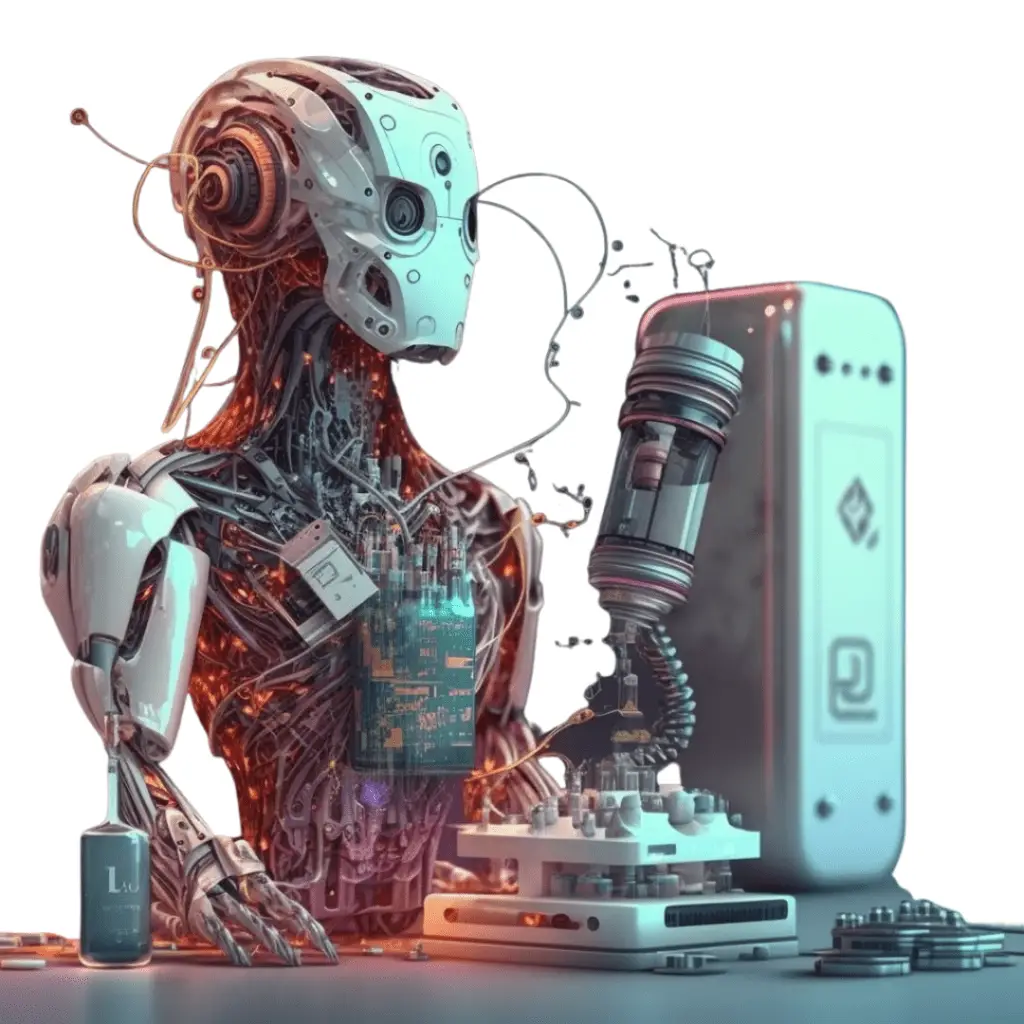
A humanoid robot with exposed circuits and wires interacts with a futuristic computer, using mechanical arms and complex components—a scene that could be crafted by an innovative product design firm specializing in advanced technology and artificial intelligence.

Product Development

Product Development AI can help streamline the product development process. AI can assist in automating tasks, reducing development time, and improving product quality. AI can also help designers generate new product ideas by analyzing data and identifying trends. For example, AI-powered product recommendation engines can analyze customer data and suggest new product ideas based on customer preferences and behavior. 

Software Development

Software Development AI can be used to enhance the software development process. With AI, developers can automate tasks, improve code quality, and identify bugs and issues before they occur. AI can also help developers create more intelligent and personalized software, improving the user experience. For example, AI-powered chatbots can assist software developers with coding, writing code and making recommendations that can be checked by a developer. AI can also enhance the user experience of products and services especially customer service and support, providing a more efficient and personalized experience than traditional methods. 

UX/UI

UX/UI Design AI can improve the user experience and user interface design. AI can help designers identify patterns in user behavior, personalize experiences, and optimize interfaces for better usability. AI can also assist designers in generating design options, creating prototypes, and conducting user testing. For example, AI-powered A/B testing tools can automatically analyze user behavior and suggest design changes to improve the user experience. 

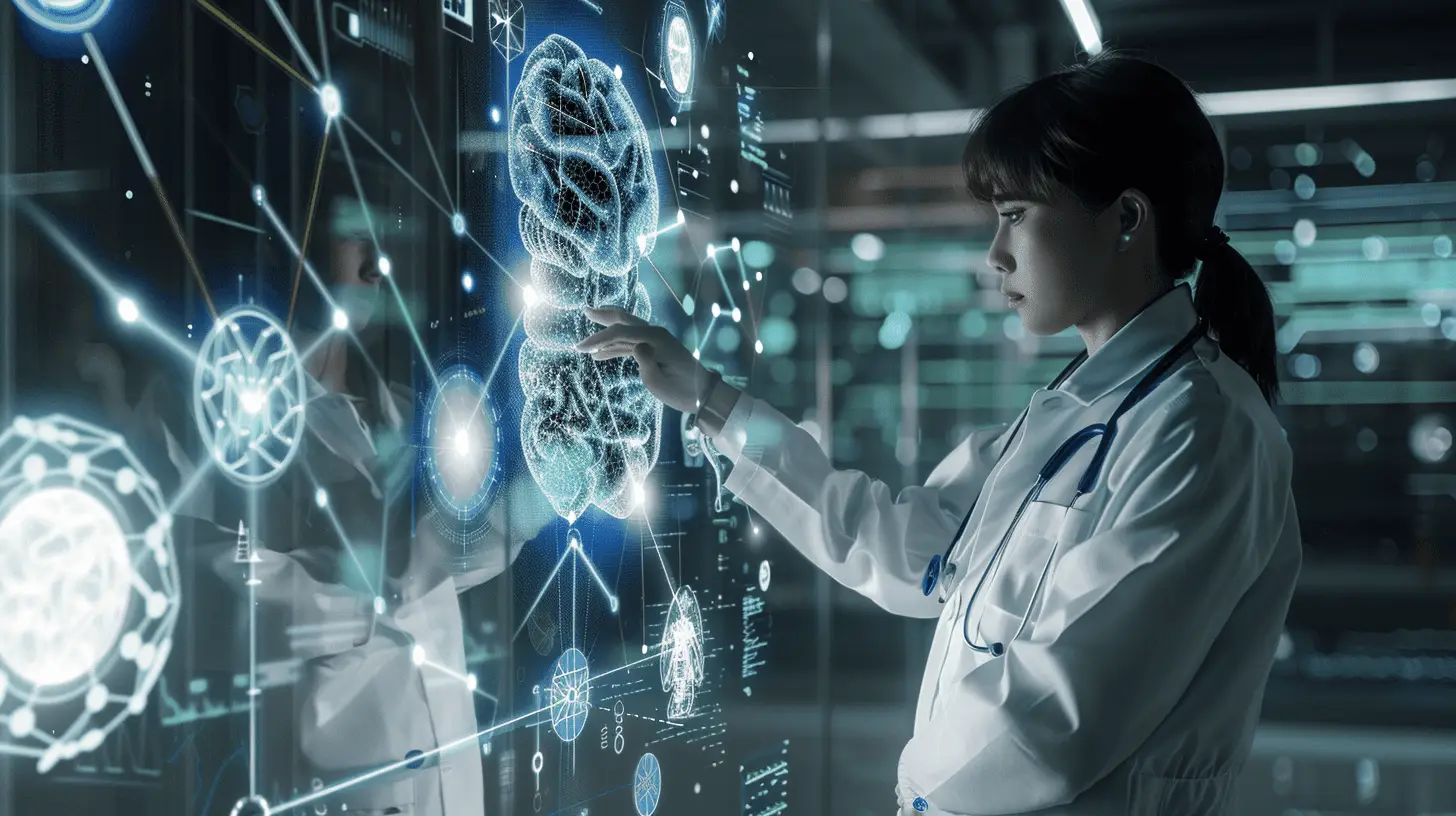
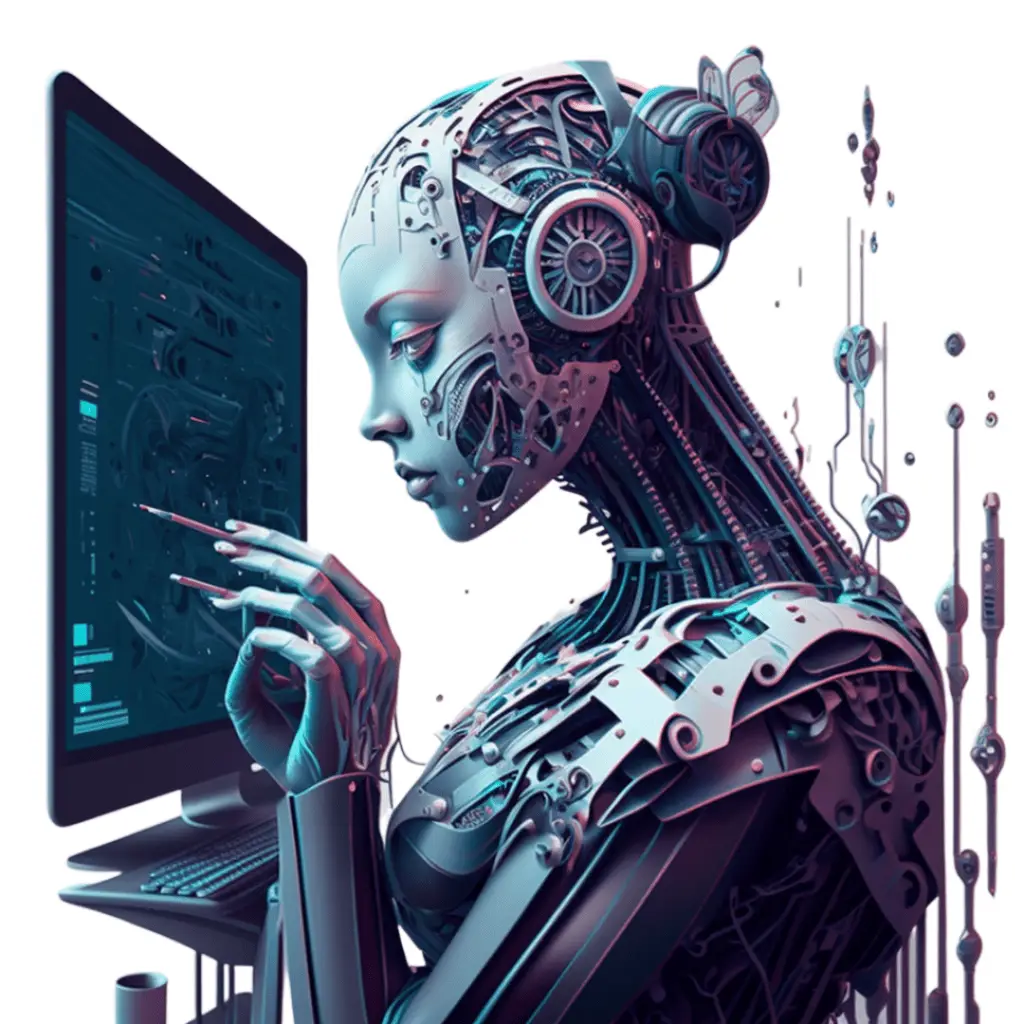
A futuristic female humanoid robot with mechanical parts and intricate wiring interacts with a computer screen, appearing focused and engaged—a vision of innovation ideal for an Industrial Design Firm. The background features abstract technological elements.

User Research

Research AI can improve research in design. AI can help designers analyze data, conduct experiments, and identify patterns and insights. AI can also assist in generating new ideas and innovations. For example, AI-powered trend analysis tools can analyze market trends and identify new opportunities for product innovation that can be filtered by product designers. AI can also help researchers identify emotions and detect nuances in product testing sessions. 

Brand Design

Brand Design AI can help companies create and maintain their brand identity. AI can assist in quickly generating logos, creating branding materials, and optimizing brand messages than can be honed by designers. AI can also help companies analyze and measure brand performance. For example, AI-powered sentiment analysis tools can analyze social media data and measure how customers perceive a brand. 

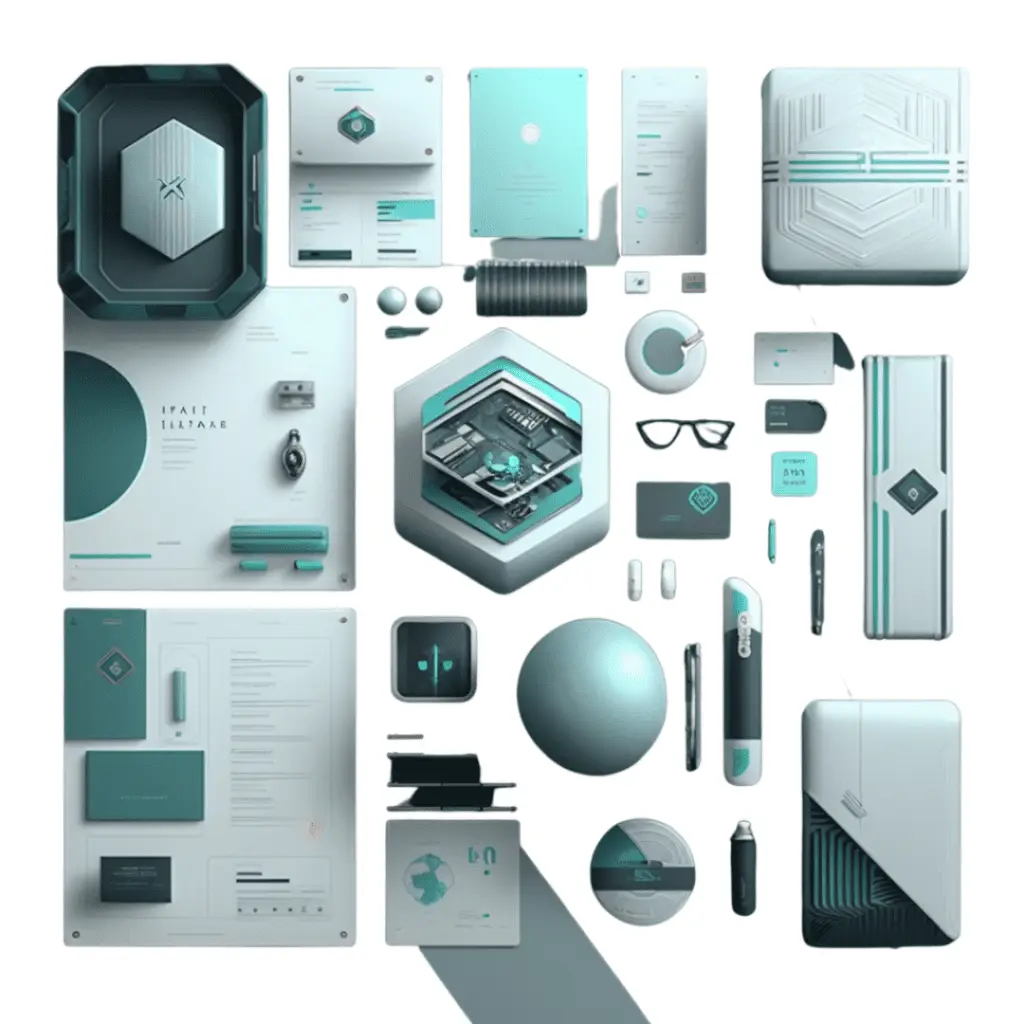
A neatly arranged flat lay of modern tech gadgets, curated by a leading Product Design Company, featuring tablets, smart devices, stationery, glasses, and cables in teal, grey, and white tones against a clean white background.

Digital Marketing

Digital Marketing AI can improve digital marketing efforts. AI can assist in analyzing data, creating personalized experiences, and optimizing marketing campaigns. AI can also help companies predict customer behavior and identify new marketing opportunities. For example, AI-powered personalized marketing tools can analyze customer data and create personalized marketing messages for each customer. 

AI will be seen by designers as an indispensable tool. AI offers many benefits to designers, engineers, researchers, and marketers. of design. From industrial design to digital marketing, AI is transforming the way we work and improving the products and experiences we create. By leveraging the power of AI, designers and companies can create more intelligent, personalized, and innovative products and experiences that meet the needs of today’s consumers. 

**All images in this blog were generated by AI**

more Thoughts & ideas

A collage shows people working on tactile art projects at the Holiday Ornament Workshop and a busy indoor event. In the center are the Momentum Innovative Disability Services logo and a red triangle in a circle, separated by an “x” symbol.

Creating Together

Our Holiday workshop at momentum Creating as a community To kick off the holiday season, we partnered with our new neighbors at Momentum, a nonprofit that has

A close-up of a futuristic circuit board with glowing lights, overlaid with the text: Designing the Future of Hard Tech. Insights from LA Tech Week 2025. Tech LA Week and a red logo appear in the corners.

Insights from LA Tech Week 2025

Designing the Future of HardTech Insights from LA Tech Week 2025 insights from la tech week hardtech panel Building, Scaling, & Funding HardTech Panel insights from RKS

A person interacts with a futuristic digital interface showing circular graphics. Text reads: “What We Learned from SoCalBio 2025: How AI Earns Its Place in Healthcare.” SoCalBio and another life sciences logo are visible.

What We Learned from SoCalBio 2025

How AI Earns ItsPlace in Healthcare What We Learned from SoCal Bio 2025 What we learned from socalbio 2025 How AI Earns Its Place in Healthcare Panel

About-RKS Product Design

About RKS

RKS is a design and innovation firm that creates solutions for clients that are relevant to the market, build the brand and create emotional connection. RKS services the full range of companies from funded startups to multinational corporations. Founder Ravi K. Sawhney cultivated a people-centric approach modeled from his work at Xerox PARC in the 1970’s, where innovative methods using psychology as an essential factor in design resulted in the first-generation touch screen graphic interface as well as many other breakthroughs. RKS came to national attention shortly after its founding by developing the production design of the animated Teddy Ruxpin, one of the greatest disruptive success stories in the history of the toy industry. Success followed success, with RKS being in on the ground floor of tablets with Alan Kay, Pocket Arcades with Sega and the game-changing dental whitening system for Discus Dental. Another milestone was the turnaround of MiniMed, developing a discreet personal insulin pump that allowed millions of diabetics to shed the stigma of being seen as “sick.” This inspired design took MiniMed from a declining $40M in revenue to $270M in three years, leading to its acquisition by Medtronic for $3.6B. The 1990’s brought a confluence of deep introspection and humanity, along with insights into how the work of Joseph Campbell and Abraham Maslow could inform design. This direction led to RKS Design’s highly acclaimed Psycho-Aesthetics methodology.
RKS Design Logo Product Design
Industrial Design Product Design

Use Cases of Artificial Intelligence in the Design Industry

Picture of Ravi Sawhney

Ravi Sawhney

Founder, and CEO RKS Design

Artificial Intelligence (AI) will change the way we work and live, and the design industry is no exception. The integration of AI has opened up a whole new world of possibilities for designers and clients alike. In this post, we’ll explore some of the ways of AI will influence design today, with a specific focus on industrial design, product engineering, software development, UX/UI design, product development, research, brand design, and digital marketing. 

Industrial Design

Industrial Design AI is transforming the way industrial designers work. With AI, designers can quickly generate design options, perform simulations, and optimize designs for different factors such as cost, manufacturability, and performance. AI can also help designers create more sustainable products by analyzing material choices and energy consumption. For example, AI-powered generative design tools can quickly generate thousands of possible designs based on a set of constraints and objectives, enabling designers to explore and evaluate more options than they would be able to manually. 

Product Engineering
Product Engineering AI can assist in identifying problems with product designs, detecting potential failures and errors, and optimizing product performance. AI can also help engineers analyze data and optimize processes for better results. For example, AI-powered predictive maintenance tools can monitor machine data in real-time and predict when maintenance is needed, reducing downtime and improving product reliability. 

A humanoid robot with exposed circuits and wires interacts with a futuristic computer, using mechanical arms and complex components—a scene that could be crafted by an innovative product design firm specializing in advanced technology and artificial intelligence.

Product Development

Product Development AI can help streamline the product development process. AI can assist in automating tasks, reducing development time, and improving product quality. AI can also help designers generate new product ideas by analyzing data and identifying trends. For example, AI-powered product recommendation engines can analyze customer data and suggest new product ideas based on customer preferences and behavior. 

Software Development

Software Development AI can be used to enhance the software development process. With AI, developers can automate tasks, improve code quality, and identify bugs and issues before they occur. AI can also help developers create more intelligent and personalized software, improving the user experience. For example, AI-powered chatbots can assist software developers with coding, writing code and making recommendations that can be checked by a developer. AI can also enhance the user experience of products and services especially customer service and support, providing a more efficient and personalized experience than traditional methods. 

UX/UI
UX/UI Design AI can improve the user experience and user interface design. AI can help designers identify patterns in user behavior, personalize experiences, and optimize interfaces for better usability. AI can also assist designers in generating design options, creating prototypes, and conducting user testing. For example, AI-powered A/B testing tools can automatically analyze user behavior and suggest design changes to improve the user experience. 

A futuristic female humanoid robot with mechanical parts and intricate wiring interacts with a computer screen, appearing focused and engaged—a vision of innovation ideal for an Industrial Design Firm. The background features abstract technological elements.

User Research

Research AI can improve research in design. AI can help designers analyze data, conduct experiments, and identify patterns and insights. AI can also assist in generating new ideas and innovations. For example, AI-powered trend analysis tools can analyze market trends and identify new opportunities for product innovation that can be filtered by product designers. AI can also help researchers identify emotions and detect nuances in product testing sessions. 

Brand Design
Brand Design AI can help companies create and maintain their brand identity. AI can assist in quickly generating logos, creating branding materials, and optimizing brand messages than can be honed by designers. AI can also help companies analyze and measure brand performance. For example, AI-powered sentiment analysis tools can analyze social media data and measure how customers perceive a brand. 

A neatly arranged flat lay of modern tech gadgets, curated by a leading Product Design Company, featuring tablets, smart devices, stationery, glasses, and cables in teal, grey, and white tones against a clean white background.

Digital Marketing

Digital Marketing AI can improve digital marketing efforts. AI can assist in analyzing data, creating personalized experiences, and optimizing marketing campaigns. AI can also help companies predict customer behavior and identify new marketing opportunities. For example, AI-powered personalized marketing tools can analyze customer data and create personalized marketing messages for each customer. 

AI will be seen by designers as an indispensable tool. AI offers many benefits to designers, engineers, researchers, and marketers. of design. From industrial design to digital marketing, AI is transforming the way we work and improving the products and experiences we create. By leveraging the power of AI, designers and companies can create more intelligent, personalized, and innovative products and experiences that meet the needs of today’s consumers. 

**All images in this blog were generated by AI**
more thoughts and ideas

About-RKS Product Design

About RKS

RKS is a design and innovation firm that creates solutions for clients that are relevant to the market, build the brand and create emotional connection.

RKS services the full range of companies from funded startups to multinational corporations. Founder Ravi K. Sawhney cultivated a people-centric approach modeled from his work at Xerox PARC in the 1970’s, where innovative methods using psychology as an essential factor in design resulted in the first-generation touch screen graphic interface as well as many other breakthroughs.
RKS came to national attention shortly after its founding by developing the production design of the animated Teddy Ruxpin, one of the greatest disruptive success stories in the history of the toy industry. Success followed success, with RKS being in on the ground floor of tablets with Alan Kay, Pocket Arcades with Sega and the game-changing dental whitening system for Discus Dental. Another milestone was the turnaround of MiniMed, developing a discreet personal insulin pump that allowed millions of diabetics to shed the stigma of being seen as “sick.” This inspired design took MiniMed from a declining $40M in revenue to $270M in three years, leading to its acquisition by Medtronic for $3.6B.

The 1990’s brought a confluence of deep introspection and humanity, along with insights into how the work of Joseph Campbell and Abraham Maslow could inform design. This direction led to RKS Design’s highly acclaimed Psycho-Aesthetics methodology.

RKS Design Logo Product Design

You have signed up for the designer!

Welcome to a world of design and innovation

Your download has started!

If this is not the case, then click the button below to start it