Field Notes
How to hire a (great) product development firm
How do I hire a product development firm? Follow these guidelines to understand how to find the right product development firm for your needs.

How do I hire a product development firm?
If you have found yourself asking this question, or others like this here are some other questions and answers to help guide your decision.
1. What are the firm's areas of expertise?
When considering hiring an industrial design firm, it’s important to understand their areas of expertise. This will ensure that the firm has the necessary skills and knowledge to tackle your project and deliver the best results. Look for firms that specialize in your specific industry or product type to ensure that they have the relevant experience.
2. What is the firm's design process?
The design process is another crucial aspect to consider when hiring an industrial design firm. A well-structured design process will ensure that your project is completed efficiently and effectively. Look for firms that have a clear and organized design process that includes research, conceptualization, prototyping, and testing. This will give you confidence that the firm will deliver a high-quality product that meets your needs.
3. How does the firm handle communication and collaboration?
Communication and collaboration are key to the success of any project. When hiring an industrial design firm, make sure to ask about their communication and collaboration strategies. Look for firms that have a clear and efficient communication system in place, and that are open to feedback and input from their clients. This will ensure that the project stays on track and that you are satisfied with the final product.
4. How does the firm handle budget and timelines?
Budget and timelines are important considerations when hiring an industrial design firm. Make sure to ask about their approach to budgeting and timelines, and how they handle any unexpected delays or changes. Look for firms that are transparent and upfront about their budget and timelines, and that have a proven track record of delivering projects on time and within budget.
5. What is the firm's aproach to prototyping and manufacturing?
Prototyping and manufacturing are critical stages in the industrial design process. Make sure to ask about the firm’s approach to prototyping and manufacturing, and how they ensure that the final product meets your specifications and quality standards. Look for firms that have a proven track record of delivering high-quality prototypes and manufactured products that meet your needs and exceed your expectations.
6. Does the firm have experience working in your specific industry?
Experience working in your specific industry is a key factor to consider when hiring an industrial design firm. Look for firms that have a proven track record of delivering successful projects in your industry and are familiar with the unique challenges of your industry. This will give you confidence that they have the necessary skills and knowledge to deliver a high-quality product that meets your needs.
7. Does the firm have any certifications or awards?
Lastly, certifications and awards are another important consideration when hiring an industrial design firm. Look for firms that have been recognized by industry leaders and have received certifications or awards for their work. This will give you confidence that the firm is a reputable and reputable company with a proven track record of delivering high-quality products.
Information to Consider:
New product development is a unique process that blends elements of design and engineering innovation, and risk management. In most cases product development is a process that defines and proves out the technologies required for a new product. Product development often involves selecting and combining core technologies that facilitate the product to be manufactured for the right price for the market, while meeting other specific business requirements and user needs. In cases where product developers create entirely new technologies or new approaches, the intellectual property a development firm generates for a client can be highly impactful for an organization’s long-term strategy. Every product development collaboration presents a unique set of challenges. Therefore, it’s crucial to find the right product development firm with the right skillset, and experience in managing the risks involved to successfully guide the project through to completion. Based on our years of experience, we’ve created this guide to help you focus on the right data points in your search for a product development firm.
Find out if they have internal development capabilities
Not all design and engineering firms have development capabilities, and in a marketplace with so many design and engineering firms, it can be difficult to tell who do, or how much is actually implemented internally rather than farmed out. Development is the third competency that only some design and engineering firms have seasoned experience of. Depending on the project and how it has evolved from its inception , a design firm will be your product development firm, with both happening under the same roof. In our opinion, this is ideal because design firms are good at bringing a diversity of perspectives to the tasks of innovation and engineering. A Development firm that can build a team of both designers and engineers of diverse experience will create very grounded and impactful innovations and patentable solutions; and developing products around designs that are based on a sound engineering perspective, increases speed to market, product quality, customer engagement and ultimately their likelihood of success in the marketplace.
Understand how they use external contractors
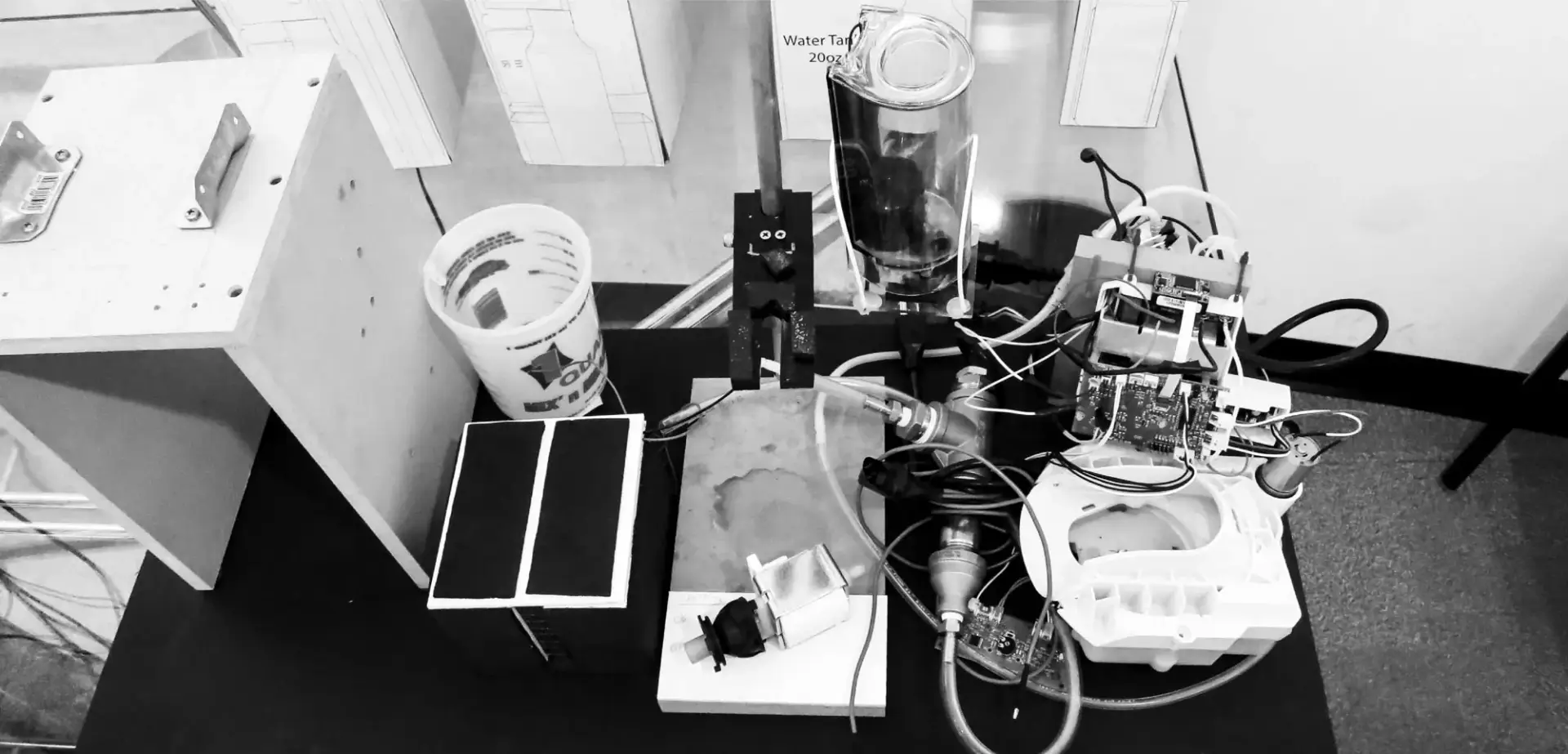
Because product development is a challenging cross-disciplinary effort, it’s common for design or engineering firms to rely on external companies to aid product development. Down the line, this type of collaboration usually causes issues that degrade the outcome of the project. In our experience, an outside engineering company simply isn’t going to be considering the design or the user experience when recommending engineering choices or vice versa. Development needs to be a single process between engineering and design, which requires high levels of communication and trust between the designers, engineers, and other team members. It’s worth noting that almost all development firms, even ones with design and engineering capabilities, use external contractors in some regards. Creating new technologies or using existing technologies in new ways often call for outside expertise in a limited capacity. As a result, they will have long-standing relationships that they can immediately call upon.
Determine their risk management procedures
Without clear guidelines, product development can quickly blossom from an idea into an ever-growing project that exceeds both the initial goal and the project budget. Therefore, proposals for product development should be structured around managing risk in the development process. The proposal should be thoughtful and explicit around the phases, stage gates, and critical decision points in the process. The proposal should also set up checks and balances to ensure that the budget is utilized appropriately. Tripwires can help ensure that the development stays on course, and that the team remains laser-focused on achieving the desired end results. One way we manage risk at RKS, is by developing a product requirements document. The product requirements document is a working document that establishes what the product has to have, including the major functional requirements. Establishing the product requirements document early on helps to make sure a project remains tied to key requirements.
Confirm that they have vendor and manufacturing relationships
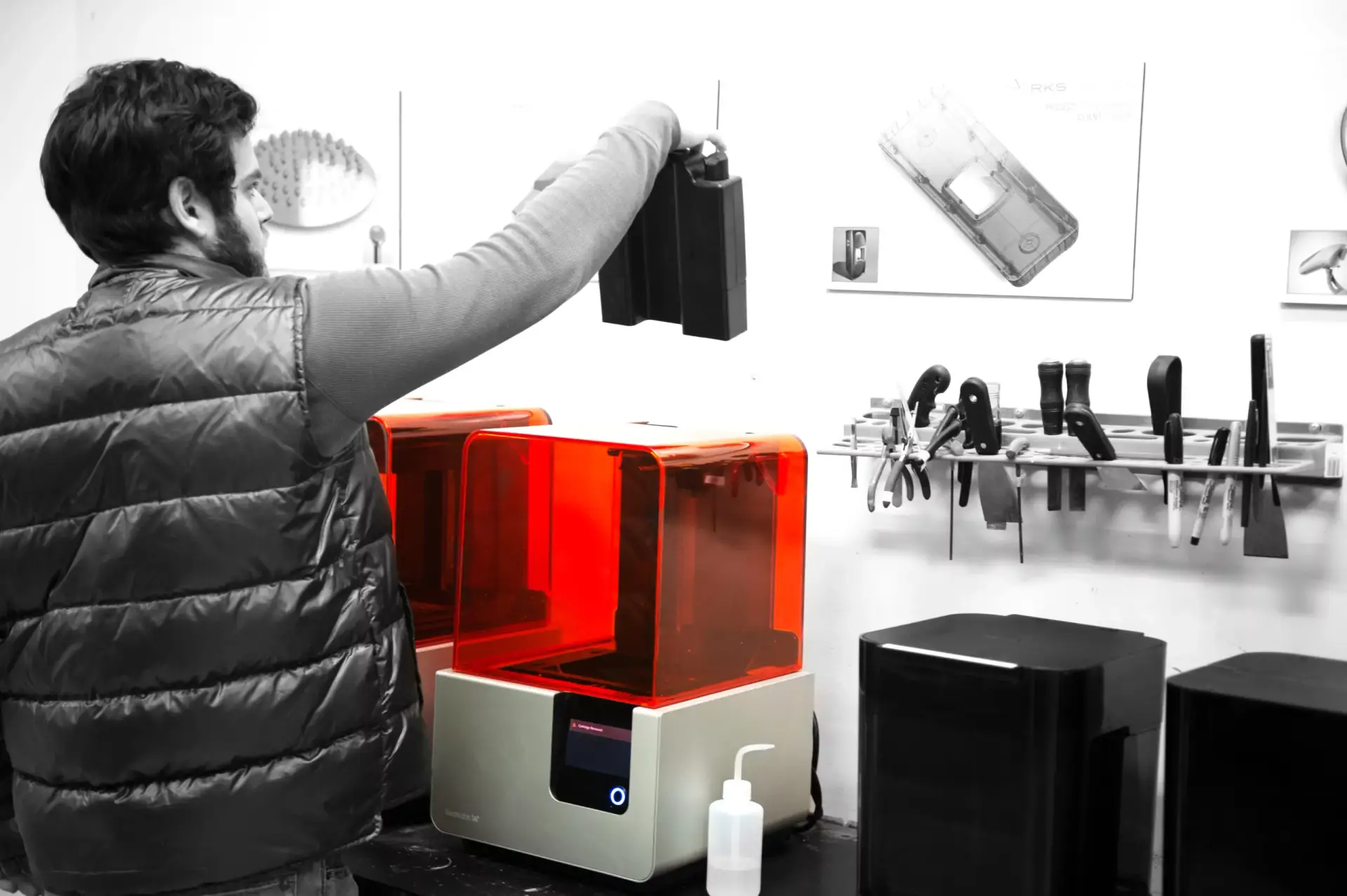
In almost all cases, products are developed to be produced and introduced into the market. This means that once development has finished, vendors will need to supply materials and components, and manufacturers will need to mass produce the product. In order to minimize tooling costs, cost of goods sold, and cost to market, vendors and contract manufacturers should be routinely integrated into the development process. Finding a firm with established relationships is the easiest way to ensure that vendors and manufacturers are integrated into the process. Another reason to find a firm with existing relationships is secure vendor supply and manufacturing allotment. Global instability has made it more challenging to find vendors and manufacturers on the fly, as many do not accept new clients or require commitments to accept new clients. In some cases, the development firm will need to help you source new vendors and manufacturers, especially if the technologies are new. Therefore, you want to find a firm that has experience of working with a variety of vendors and manufacturers, and that can find new vendors, vet vendors, or secure supply in a competitive market.
Look for strong project management
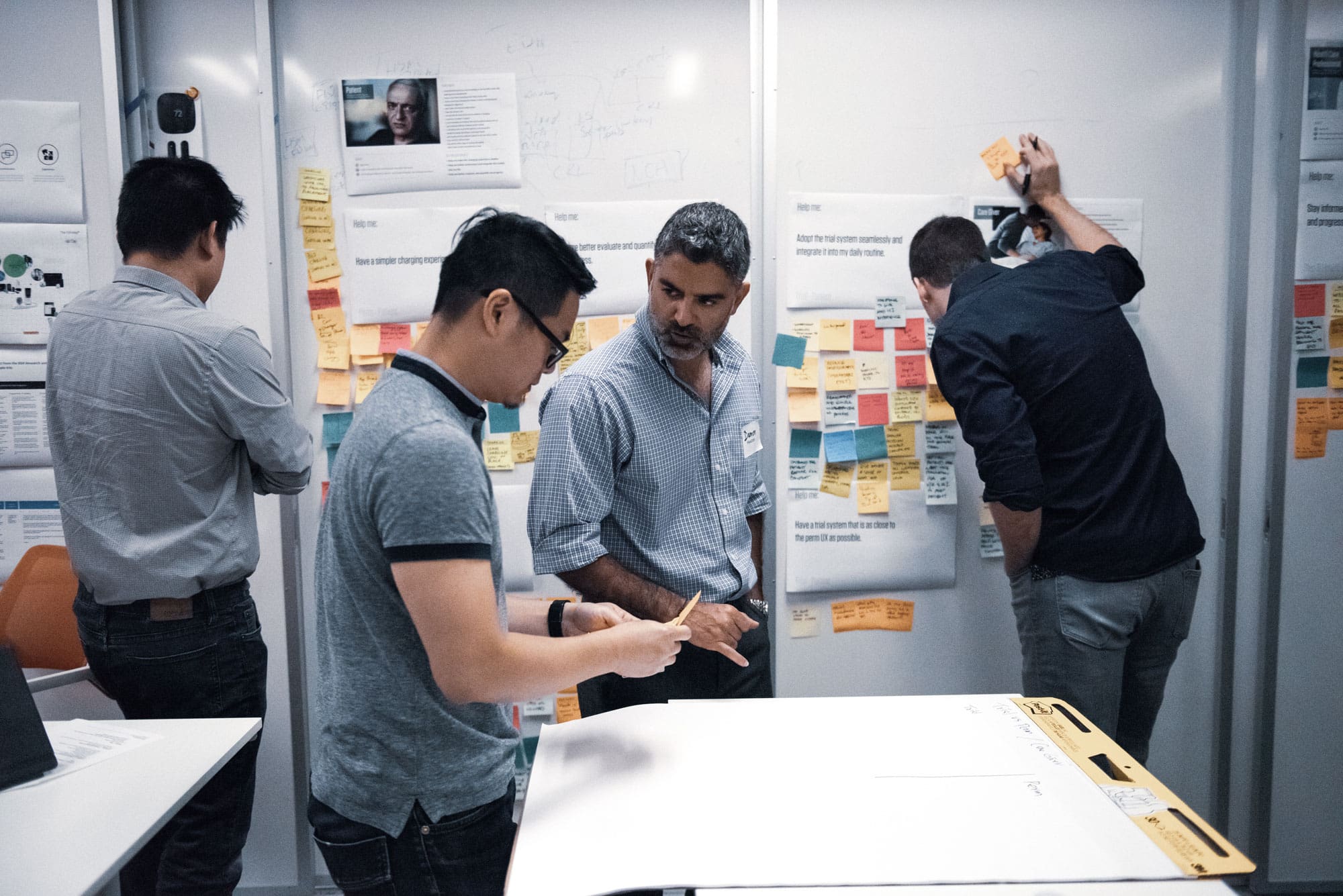
Project management is the bridge between the development, design and engineering teams, and the client. New product development requires an exceptionally high level of communication between these four stakeholders. With a good project management team, the communication level between teams and the client will be high from the very beginning. Weekly or biweekly status updates will be provided, and regular brainstorming sessions allow the design, engineering, and development teams to show their work to the clients as it evolves. Clients should always know how their budget is being utilized and how far along the team has progressed, including key milestones. Poor communication, especially at the beginning, either in terms of quality or quantity should be an immediate red flag.
Assess their innovation track record
A track record of success is a key component of assessing the innovation capabilities of a development firm. Their innovation track record can be measured by utility patents, which is a quantitative gauge of how much innovation the firm produces, and the impact previous development projects have had in the marketplace. Innovation drives product development in many ways. Firms that are better at innovation are much quicker in the development process, saving client time and money. They are also usually better at managing risk, which means that they can pivot and create a lower cost of goods for solutions when the time comes. There are countless choices made in the development of every new product, and leveraging innovation experience allows a team to sort through choices quickly and efficiently throughout the process.
About RKS Design
RKS is a comprehensive development firm with expertise in design, development, and engineering. Whether developing physical or digital products, we assist at all stages of a product’s life cycle. We use our advanced psycho-aesthetic process to solve complex usability issues that address design, engineering, brand, and regulatory issues. Our cross-disciplinary specialists, researchers, designers, and engineers leverage their deep experience within multiple industries and technologies to spark creative and innovative solutions.
Learn more about our team: https://rksdesign.com/about/