Field Notes
Why Product Adoption Begins With How People See Themselves
Discover how human perception, identity, and emotional meaning influence product adoption through Psycho-Aesthetics® and human-centered design.

When a new product fails to gain adoption, the instinct is often to examine its features, performance, price, or technical limitations. Yet some of the most important barriers to adoption are not found in the product specifications. They exist in how people interpret the experience and what using the product communicates about them.
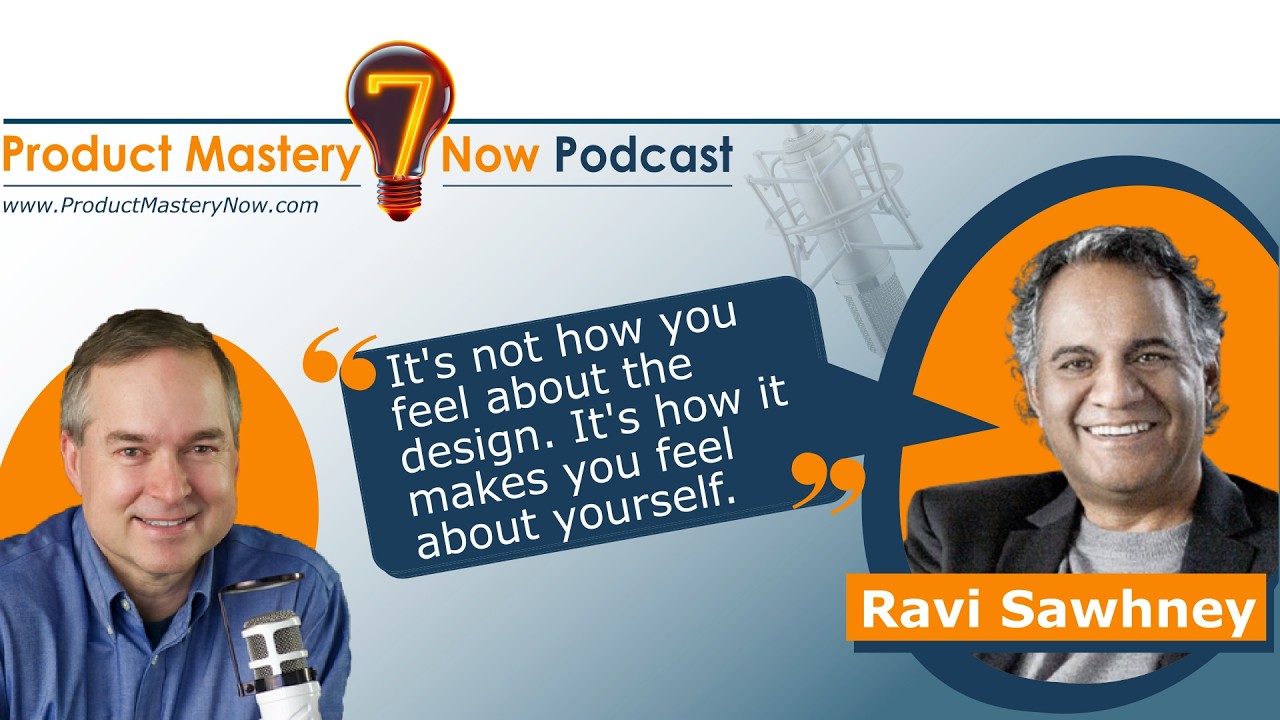
In a recent conversation on the Product Mastery Now podcast, RKS Design Founder and CEO Ravi Sawhney reflected on more than four decades of human-centered product development. From his early work on touchscreen interfaces at Xerox PARC to the evolution of Psycho-Aesthetics®, the discussion revealed a foundational principle of design: people do not experience products as isolated objects. They experience what those products allow them to feel, express, and become.
The most successful products do more than perform a function. They create a relationship between the experience and the user’s sense of identity.
Why Product Adoption Begins With How People See Themselves
Type
Date
Podcast
Listen to the Full Episode
In a recent episode of Product Mastery Now, our Founder & CEO Ravi Sawhney discussed why successful products are shaped by human behavior as much as engineering, design, and development:
“It’s not how you feel about the design or experience. It’s how it makes you feel about yourself.”
Functionality Is Only the Beginning
A product can work exactly as intended and still fail.
This happens because technical performance and human acceptance are not the same thing. Engineers may solve the functional problem while leaving the emotional, behavioral, or perceptual problem untouched.
Every interaction carries meaning. A medical device can communicate illness. A professional tool can signal competence. A new interface can feel empowering or intimidating. Even when these interpretations are unspoken, they influence whether people trust, adopt, recommend, or avoid a product.
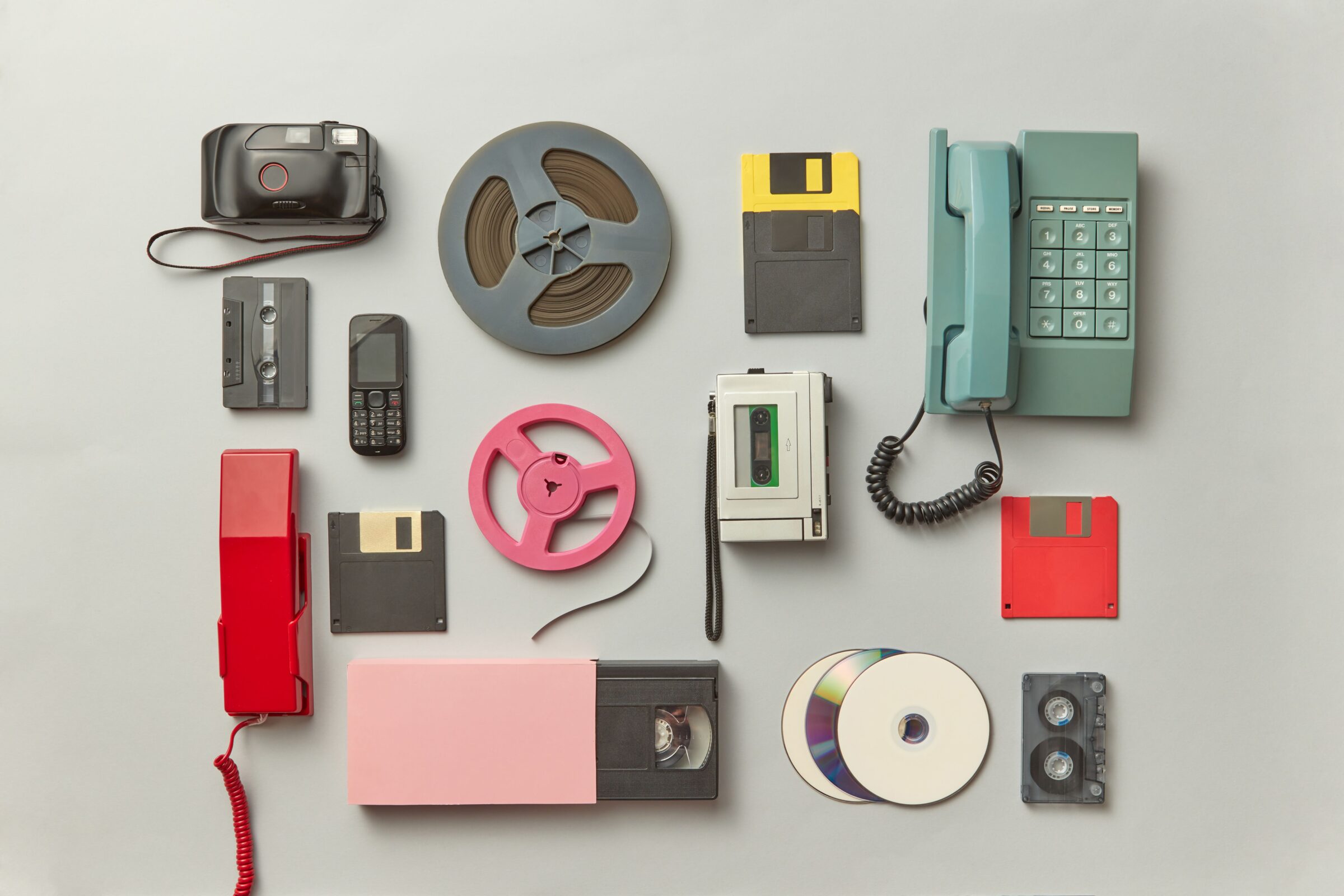
Sawhney’s early work on touchscreen technology illustrates this clearly. Today, touching a screen feels instinctive. At the time, people had spent their lives being told not to touch television displays or leave fingerprints on glass.
The technical capability existed, but the expected behavior did not.
The design challenge was therefore not simply to create a touchscreen control panel. It was to give people enough familiar visual cues, feedback, and reassurance to make an unfamiliar interaction feel understandable.
This distinction remains critical. Innovation succeeds when it helps people move toward something new without making them feel disconnected from what they already understand.
People Embrace Progress Through Familiarity
Human beings are motivated to evolve, but they rarely want to feel that everything they previously understood was wrong.
This creates a tension at the center of innovation. People are attracted to progress, but they also seek continuity. They want new possibilities presented through recognizable reference points.
A product that moves too far beyond a user’s existing mental model may be perceived as confusing, risky, or irrelevant. A product that remains entirely familiar may offer no meaningful advancement.
Effective design operates between these two conditions.
It provides enough familiarity to establish confidence while introducing enough advancement to create aspiration. This is not simply a matter of visual styling. It involves understanding the user’s expectations, habits, motivations, insecurities, and desired future state.
As Sawhney explains, the goal is not merely to teach people how to use something new. It is to motivate them to engage with it because the experience feels personally valuable.
The Real Barrier May Not Be the Product

When organizations encounter declining adoption, they often respond by improving performance, adding features, or refining communications.
These actions may be useful, but they can also overlook the deeper issue.
The MiniMed insulin pump provides a powerful example. The product offered meaningful health benefits, yet potential users resisted adopting it. The apparent challenge could have been interpreted as a technical, educational, or usability problem.
RKS approached the situation by attempting to experience the product as users did. Members of the design team wore pumps that delivered saline and used them in everyday environments.
The insight did not emerge from the device’s technical operation. It emerged in public.
When users interacted with the pump in restaurants or social settings, the appearance of the device drew attention. Its overtly medical design communicated illness. People were not only managing diabetes. They were managing how others might perceive them.
The barrier was stigma.
By transforming the device so that it resembled a high-end pager, the design changed the meaning of the interaction. Users could manage their condition without feeling that the product publicly defined them by it.
The result was not simply a more attractive medical device. It was an experience that protected dignity, reduced emotional friction, and supported a stronger sense of normalcy.
Commercial growth followed because the design addressed the human barrier that functionality alone could not solve.
Perception Becomes Behavior
People constantly interpret the signals around them.
Form, color, sound, language, material, context, and interaction all contribute to the meaning of an experience. These signals influence how people assess a product and how they believe others will assess them while using it.
Over time, interpretation becomes expectation.
Expectation becomes behavior.
A product repeatedly associated with difficulty may be avoided before it is even used. A brand associated with confidence may receive trust before it has fully earned it. An interface that consistently provides reassurance can encourage exploration, while one that creates uncertainty may cause users to disengage.
These responses are rarely based on a single design element. They emerge from the cumulative relationship between the user and the experience.
This is why emotional connection should not be reduced to making people happy. Emotion acts as a filter. It helps people decide what deserves attention, what feels relevant, and what belongs in their lives.
Products become meaningful when they resonate with the user’s priorities and reinforce something the user wants to believe about themselves.
From Signal to Narrative
Every product communicates a story, whether the organization intends it to or not.
That story may be about progress, competence, belonging, independence, health, status, creativity, or control. It may also communicate complexity, exclusion, vulnerability, or risk.
Individual signals accumulate into a narrative. Once that narrative becomes established, it shapes reputation and adoption.
This is true across products, services, brands, and communication systems. A company may describe an offering as simple, but repeated moments of friction create a different narrative. A product may promise empowerment, but an experience that makes the user feel dependent or exposed communicates the opposite.
Organizations frequently focus on the message they want to send. Human-centered design examines the meaning people actually receive.
Sawhney has long expressed this principle through a central Psycho-Aesthetics® idea:
“It’s not how you feel about the design or experience. It’s how it makes you feel about yourself.”
This turns the traditional design perspective around. The product is no longer the hero of the story. The user is.
The role of design is to help that person move toward a more capable, confident, or fulfilled version of themselves.
The RKS Design Perspective
At RKS Design, understanding the user means going beyond what people say they want.
Current feedback can reveal immediate frustrations, but it does not always expose the emotional forces shaping behavior or the aspirations that will define future demand.
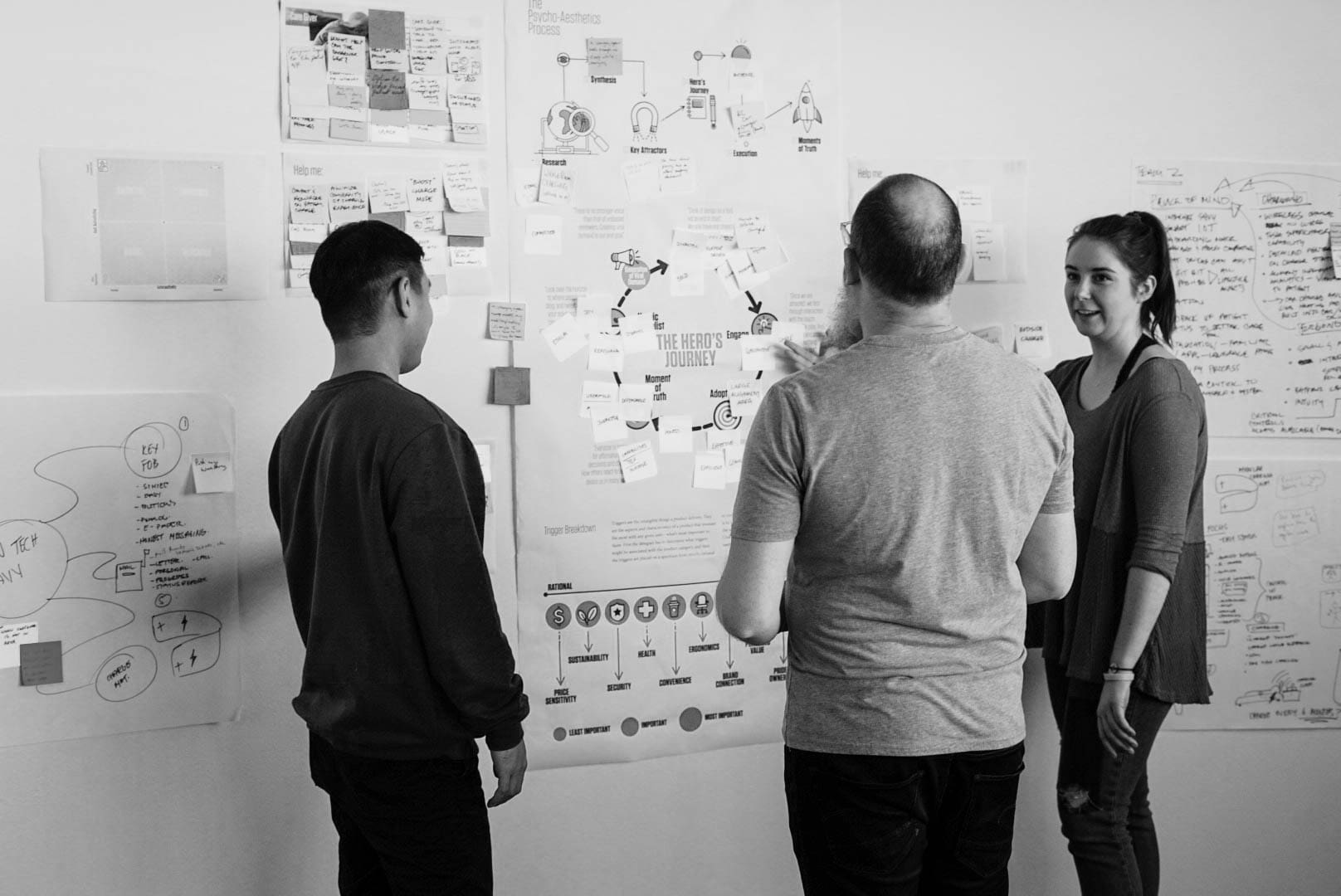
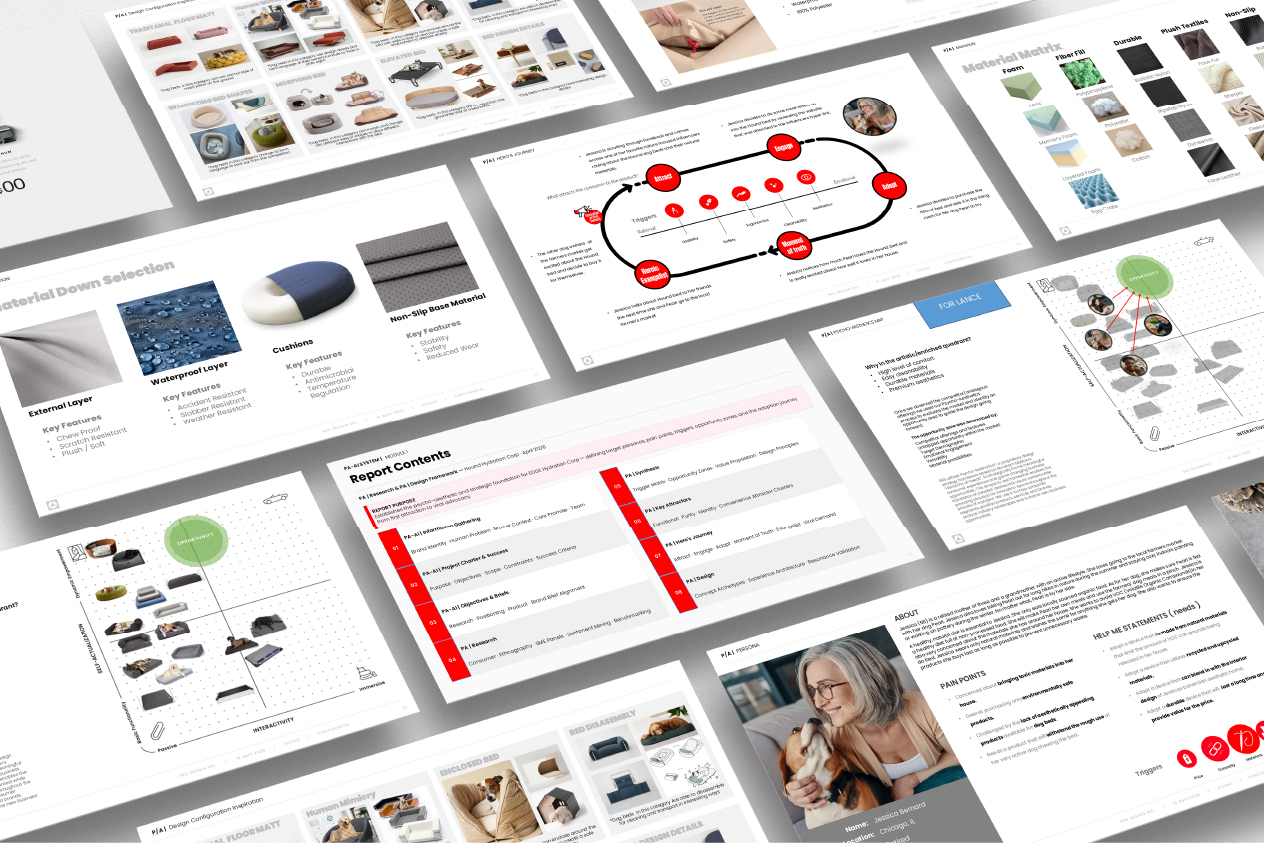
Psycho-Aesthetics® was developed to make this deeper understanding systematic and actionable. It combines research, ethnography, behavioral insight, persona development, competitive mapping, and projective thinking to help teams see an opportunity through the eyes of the people they serve.
The methodology examines both interactivity and self-actualization. It asks not only how someone will use a product, but what that interaction enables them to feel or achieve.
Needs are translated into “Help Me” statements that move teams away from internally focused problem solving. Instead of asking what the organization can build, teams ask what they can help a person accomplish.
This shift changes the development process.
It allows teams to identify hidden barriers, understand the emotional meaning surrounding an experience, and find white space beyond current customer requests. This is especially important because many products under development today will not reach the market for months or years.
Designing only for present behavior risks creating something that is already behind the user by the time it launches.
PA-AI extends this foundation by applying the principles and accumulated human insight of Psycho-Aesthetics® through an AI-enabled platform. The goal is not to replace human-centered thinking with artificial intelligence. It is to give teams a more structured way to translate human signals into strategic outputs, including opportunity areas, persona insights, business frameworks, executive briefs, and innovation direction.
AI can process information quickly. It can identify patterns and generate possibilities.
But meaningful innovation still depends on understanding what those patterns mean to people.
That is the deeper purpose of human-centered design. It does not simply make products easier to use. It helps organizations create experiences that people can recognize, trust, embrace, and integrate into their sense of self.