Field Notes
Why Toy Story 5 Is So Popular | The Psychology Behind Pixar’s Success
When Toy Story 5 opened to the biggest domestic box office debut of the year, the headlines focused on ticket sales, franchise records, and nostalgia. The deeper story is about emotional design.

When Toy Story 5 opened to the biggest domestic box office debut of the year, the headlines focused on ticket sales, franchise records, and nostalgia. But the film’s extraordinary success reveals something far more significant than another blockbuster opening. It demonstrates the enduring power of emotional design and why certain brands continue to resonate across generations while others fade from memory.
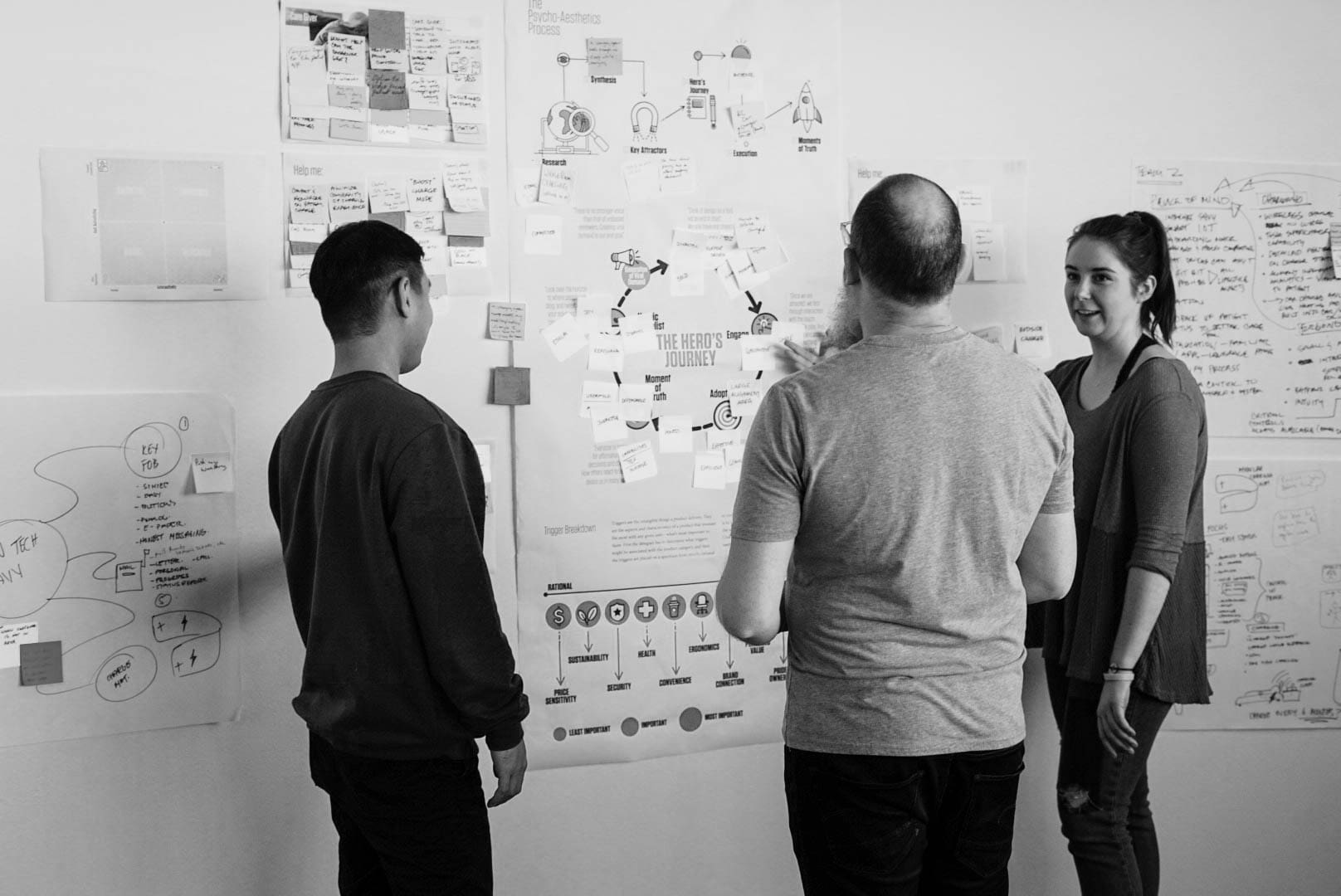
At RKS Design, we believe lasting success is built on more than innovation or entertainment. Through Psycho-Aesthetics®, our human-centered design methodology developed by Ravi Sawhney, we understand that people don’t simply buy products or experiences. They invest in meaning, trust, and emotional connection. Toy Story 5 is more than a successful sequel. It’s a compelling reminder that when design creates lasting emotional value, it can build relationships that span decades and generations.
Why Toy Story 5 Resonates Beyond Nostalgia: The Psychology Behind Pixar’s Success
- Type
- RKS Design Perspective
- Date
- June 24th, 2026
- Publication
- New York Post
- Read the Full Article
- Here: Read the Full Article
Emotional Design and Human Connection
When Toy Story 5 opened to the largest domestic box office debut of the year, many headlines focused on ticket sales, franchise longevity, and nostalgia.
Those are visible outcomes.
The deeper story is about why people continue choosing these characters after three decades.
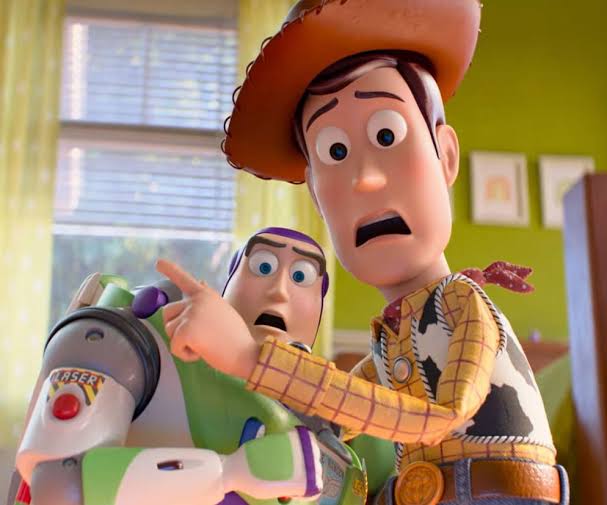
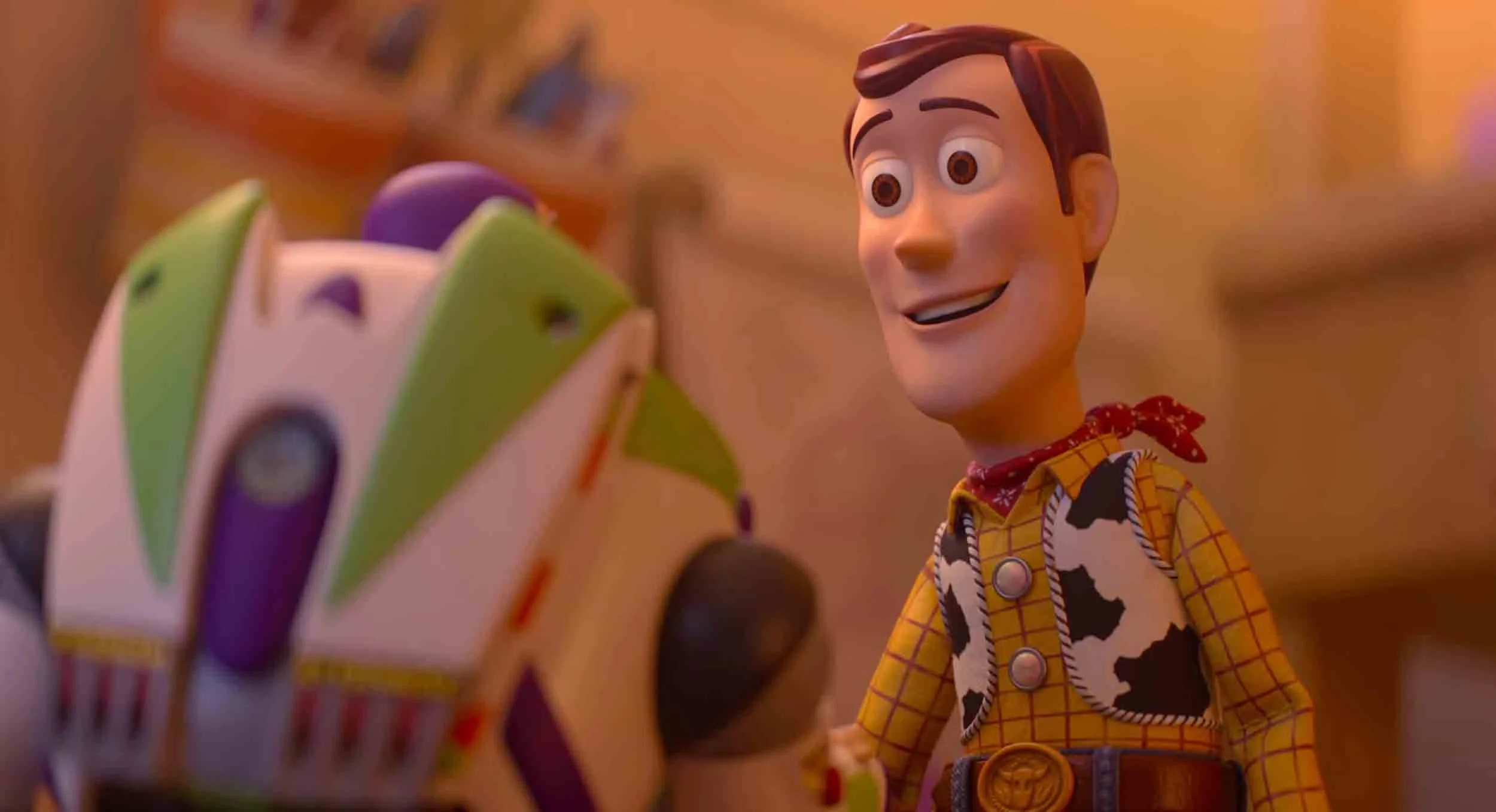
The answer has less to do with animation than with human psychology. For over 30 years, Woody and Buzz have represented something remarkably difficult for brands to achieve: emotional permanence.
That permanence is not accidental.
It is designed.
Nostalgia Is Not Looking Back
Many marketers describe nostalgia as remembering the past.
Psycho-Aesthetics® suggests something much more meaningful is happening.
People are not purchasing memories.
They are purchasing continuity.
As RKS Design Founder and creator of Psycho-Aesthetics®, Ravi Sawhney explains:
“People often assume nostalgia is simply looking backward, but what’s happening here is much more powerful. Parents who grew up with these characters are now sharing them with their own children, creating a rare experience that connects generations through a shared emotional language.”
That emotional language becomes part of family identity. The movie ticket is simply the final transaction. The real value exchange happened years earlier.
Great Design Creates Emotional Equity
Products can become obsolete.
Technology evolves.
Entertainment changes.
But emotional meaning compounds.
This is where many organizations misunderstand innovation.
They compete on features while consumers make decisions through perception, trust, aspiration, and identity.
Emotional equity becomes one of the most valuable assets any brand can build because it creates loyalty that survives changing technologies and changing generations.
Toy Story demonstrates that exceptional experiences continue creating value decades after they are introduced.
Why Trust Travels Across Generations
Children do not inherit brands.
They inherit experiences.
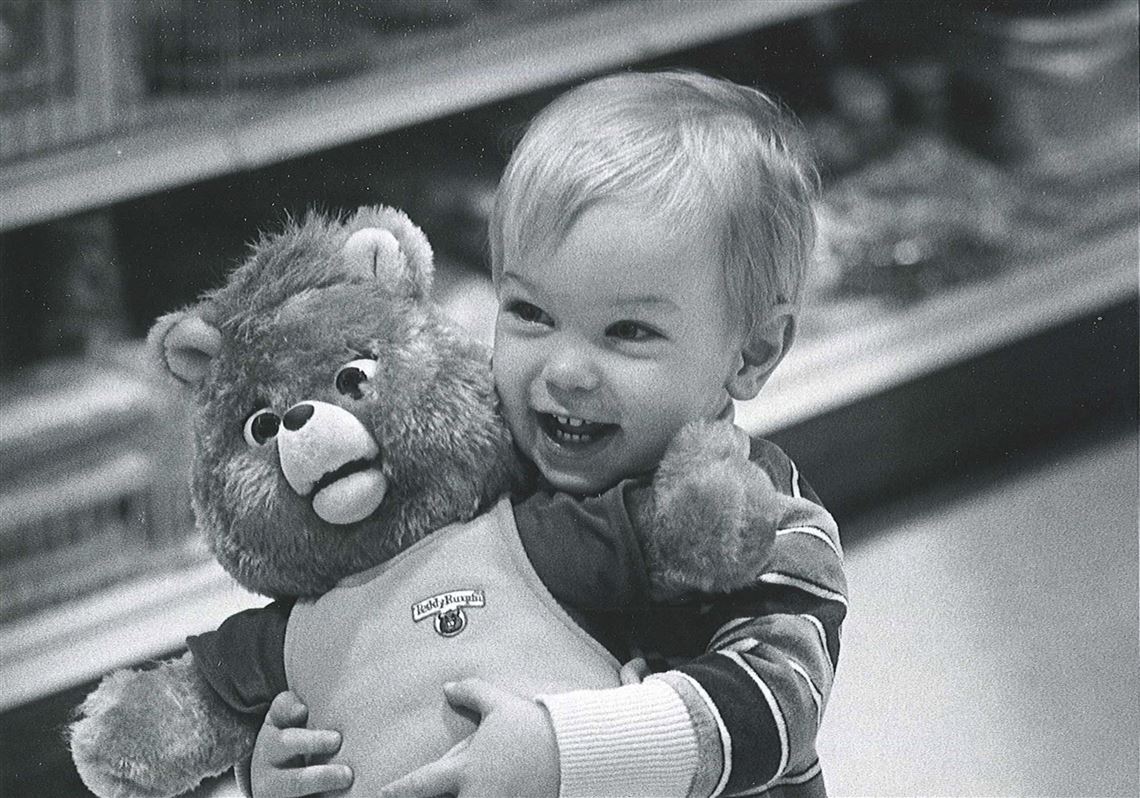
Parents who trusted Woody and Buzz as children now introduce those same characters to their own families.
That recommendation carries more credibility than any advertising campaign.
Trust moves through people.
Not media.
The strongest brands become part of family traditions because they consistently reinforce emotional expectations over time.
The Psycho-Aesthetics® Perspective
At RKS Design, Psycho-Aesthetics® has long explored the relationship between human perception and product success.
People rarely choose products based solely on functionality.
They choose experiences that reinforce how they want to feel about themselves.
When a product creates confidence…
When it creates belonging…
When it creates meaning…
It becomes more than something people use.
It becomes something people carry with them.
That is exactly what Toy Story has accomplished.
The characters became emotional reference points that families continue passing forward.
Designing for Emotional Longevity
Many companies ask how to create the next viral product.
A more valuable question is:
How do you create something people still choose thirty years from now?
The answer isn’t found in algorithms.
It isn’t found in technology alone.
It begins by understanding people.
When organizations design for emotional meaning before market performance, they create products that outlast trends, transcend generations, and build enduring trust.
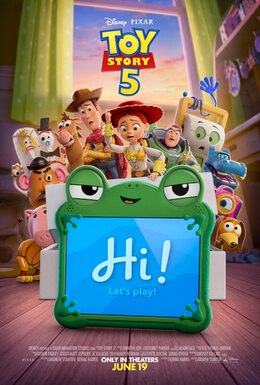
That is the lasting lesson behind *Toy Story 5*.
Not simply that nostalgia sells.
But that meaningful design continues creating value long after the original experience ends.