
Beyond silicon: shaping ecosystems in industrial computing.
Intel sought to reinvent its role in the Emerging Market Industrial PC (EMIPC) space, positioning itself not as a component supplier, but as a systems leader. The challenge: research global industrial ecosystems and develop a market-entry strategy tailored to China and Southeast Asia.
Global Research Insights
Key Outputs
- User Personas
- Psycho-Aesthetics® 2.0 Map
- Benchmarking
- Opportunity Areas & Design Criteria
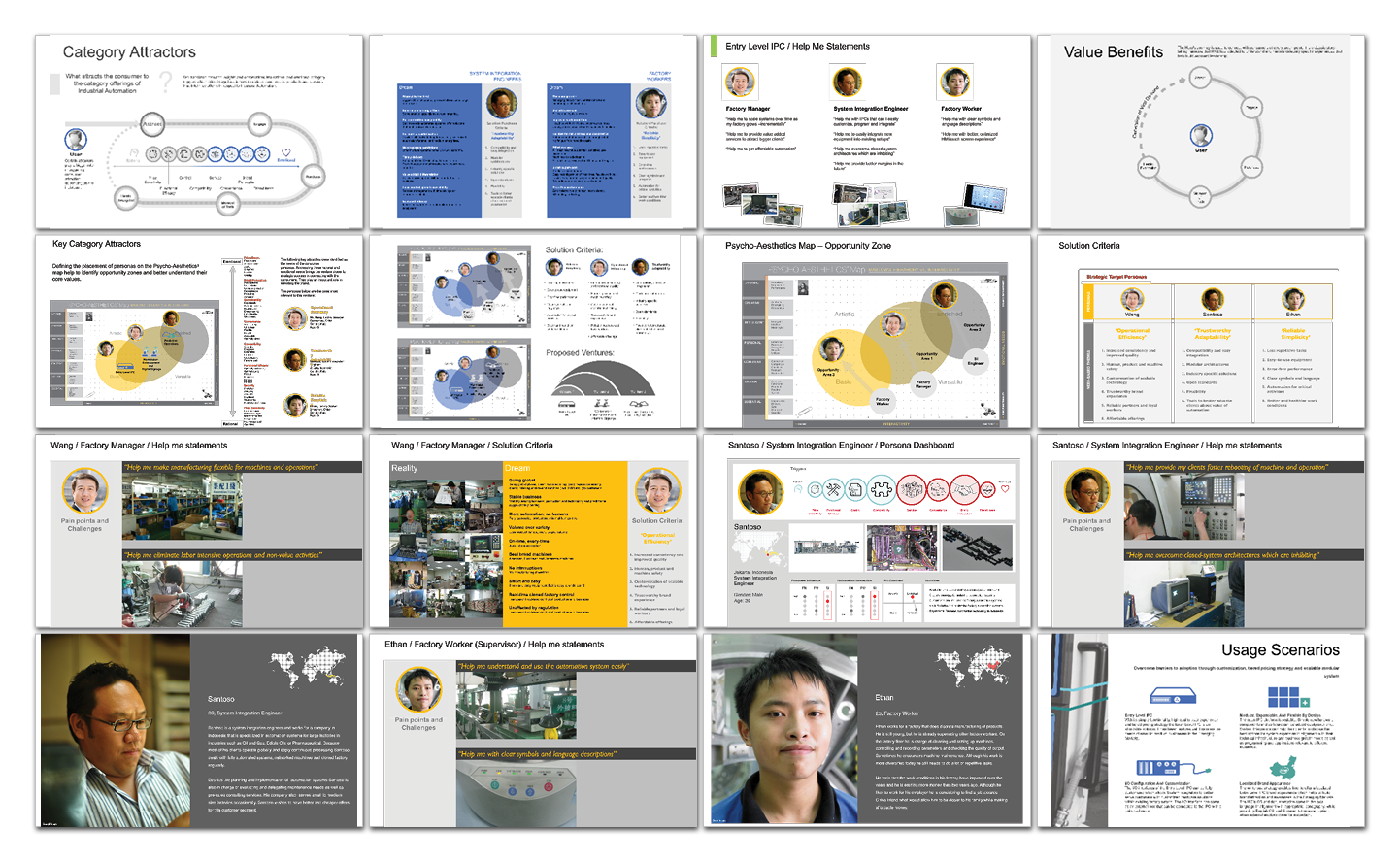
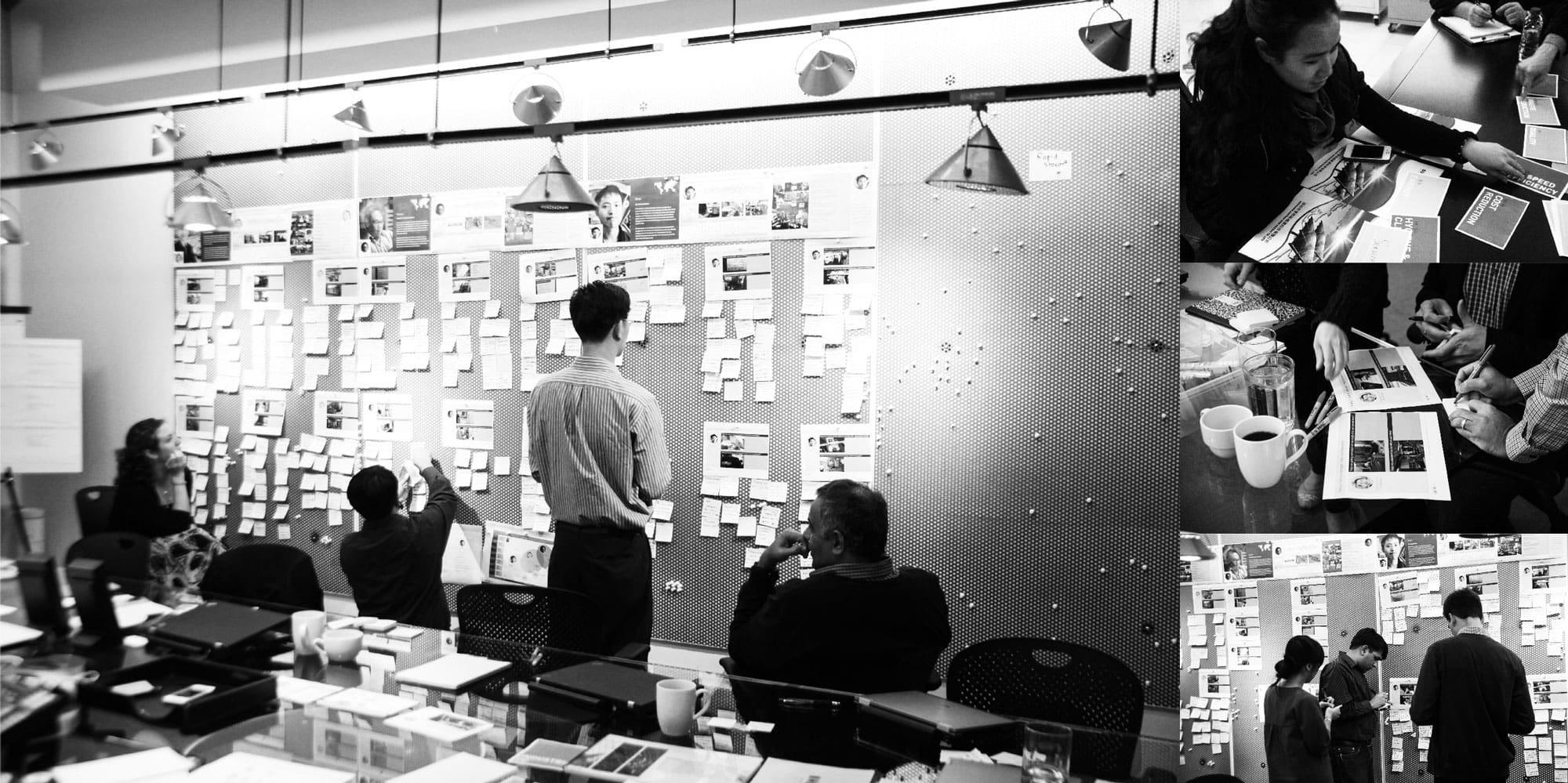
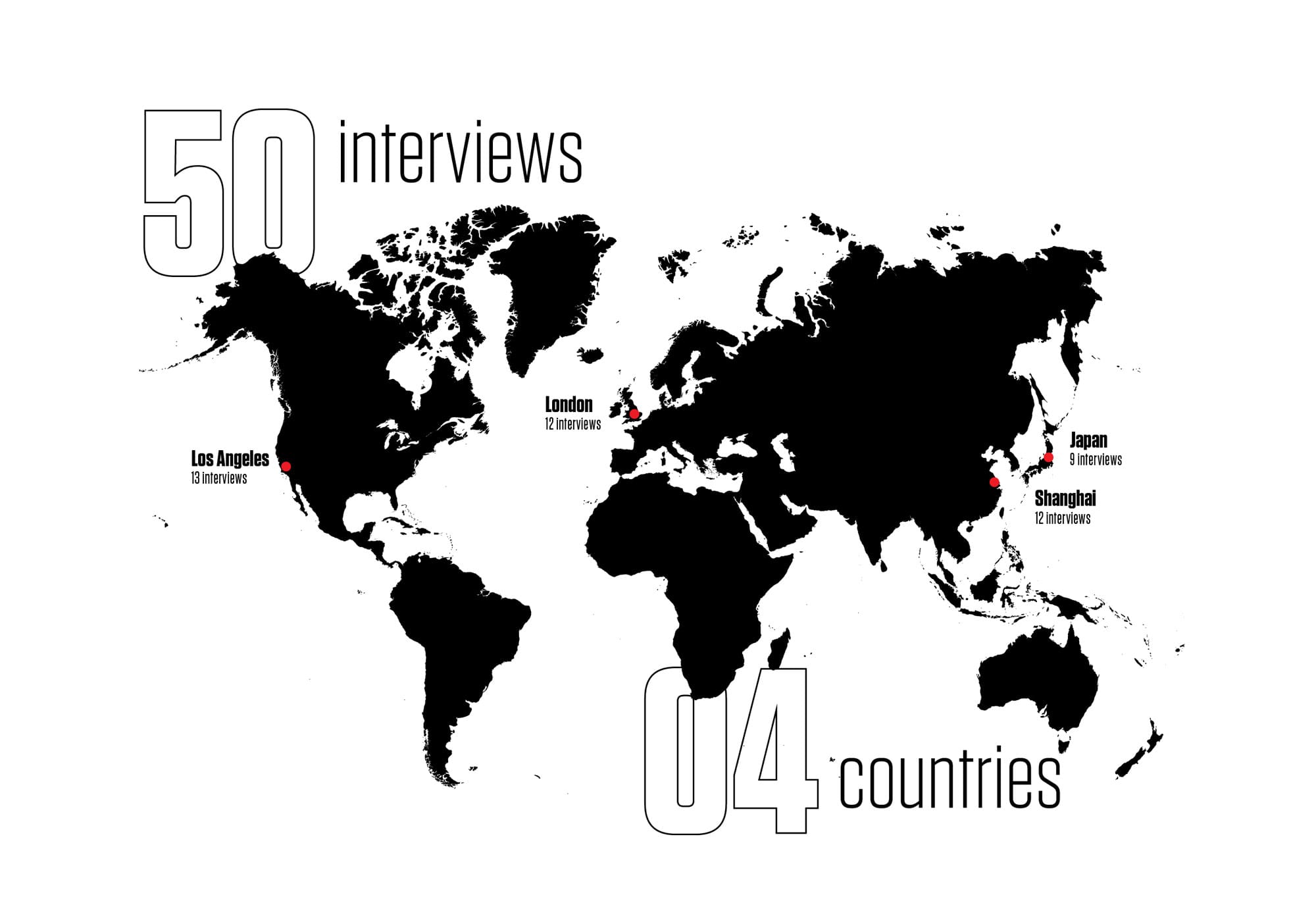
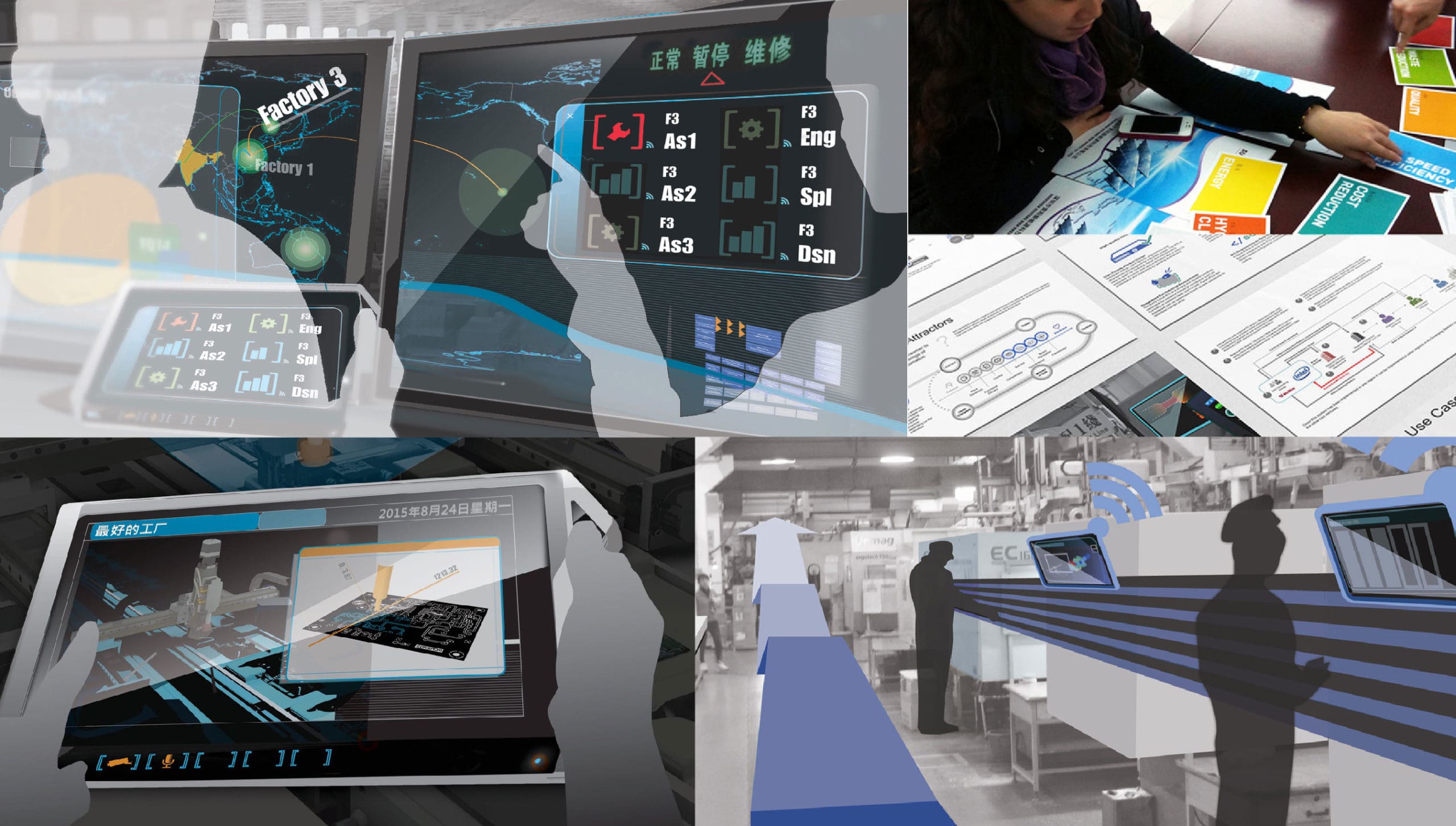
RKS led comprehensive global research (engaging industry experts, site observations, and stakeholder workshops) to define future business models and value KPIs for Intel’s expansion into industrial PC systems. We identified unmet customer needs and shaped a roadmap to elevate Intel into a trusted solution partner.
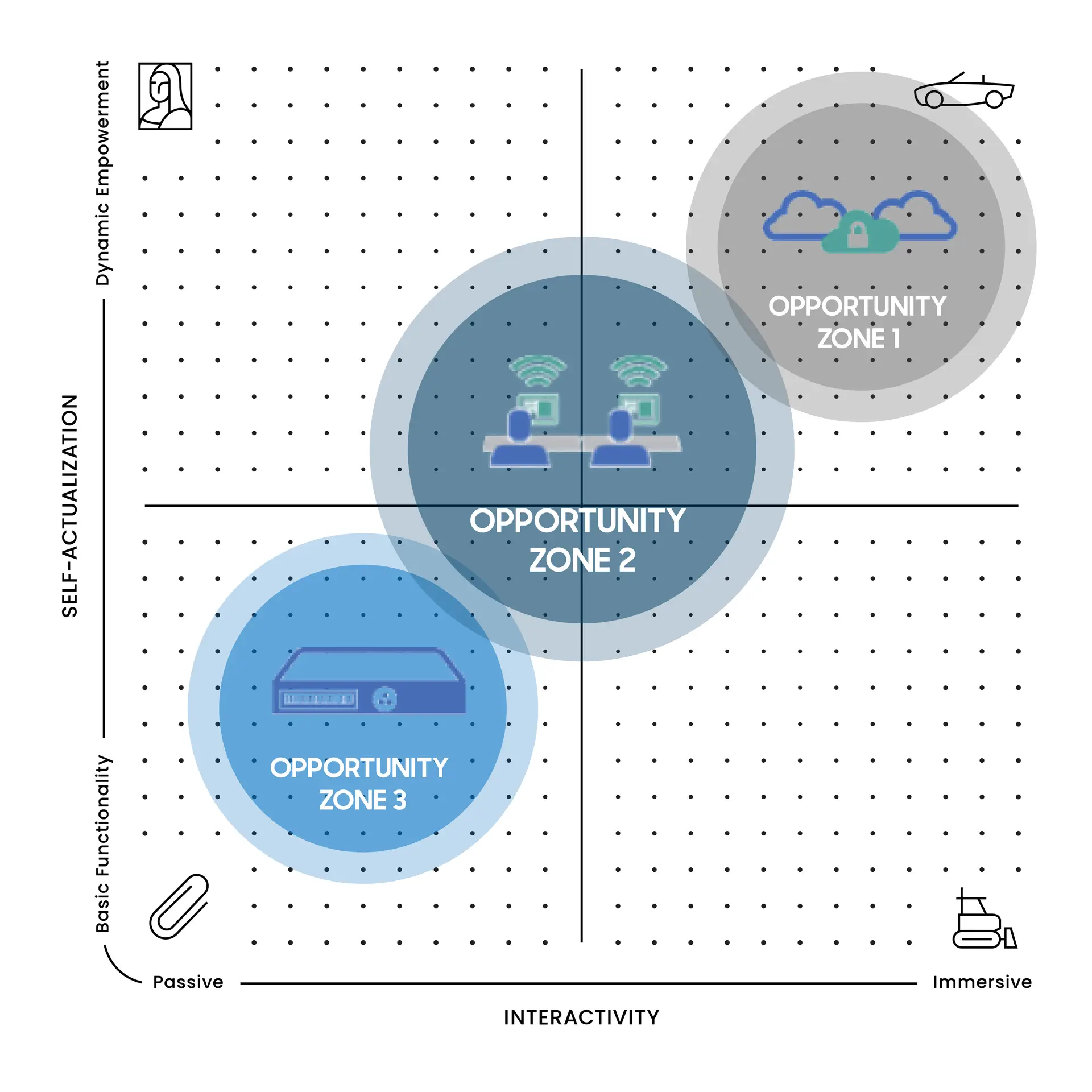
How We Used Psycho-Aesthetics™ to Identify Unique Opportunities in the Project.
Using our proprietary Psycho-Aesthetics® 2.0 framework, we conducted in-depth interviews and ethnographic observation in diverse lab settings. We identified key emotional and usability pain points, such as intimidation with complex interfaces, workspace clutter, and trust in precision. These insights guided both the form and interface strategy, ensuring approachability and confidence in operation.
Strategy & Playbook Development
Key Outputs
- EMIPC market research across verticals
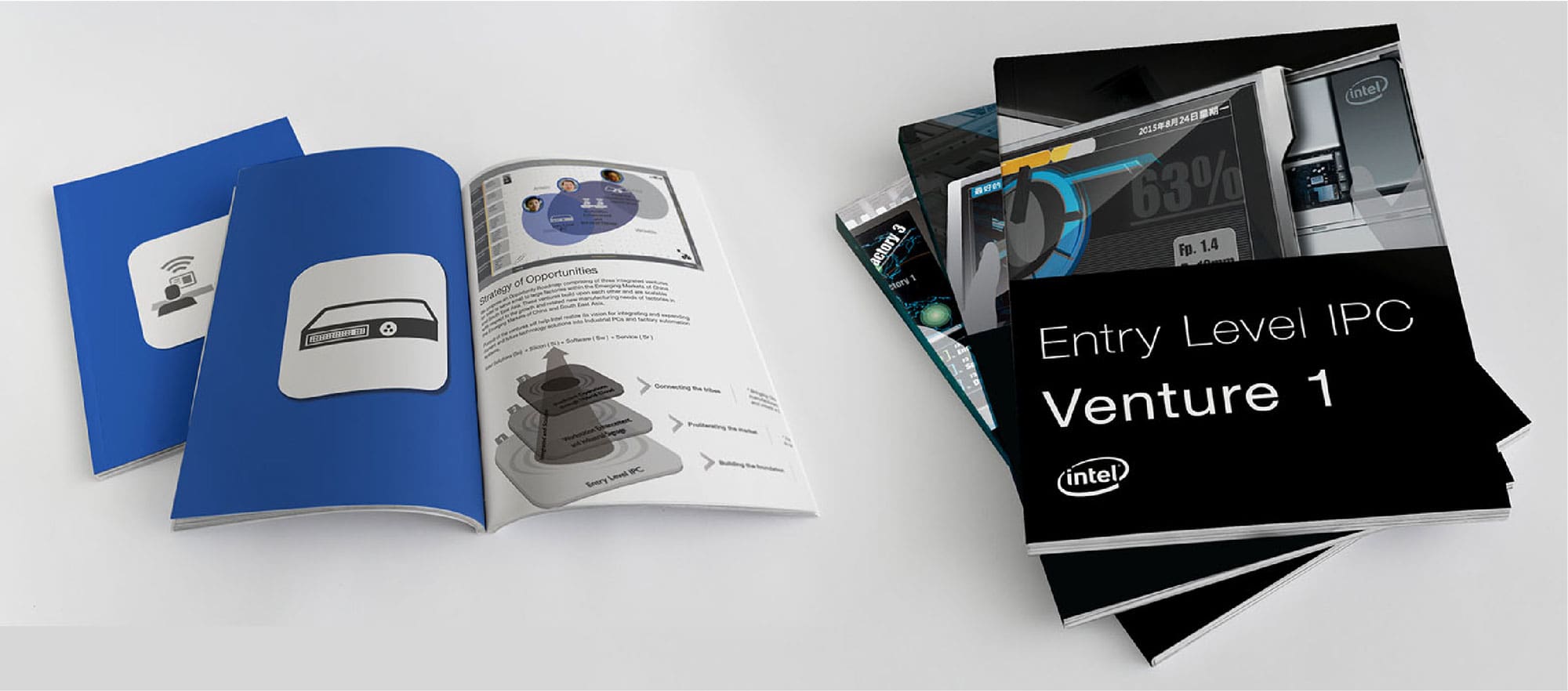
- Go-to-market playbook: portfolio architecture, solution bundling, service models
- Regional positioning for China and Southeast Asia
Collaboratively with Intel teams, we developed a comprehensive playbook, detailing portfolio architecture, go-to-market strategies, solution bundling, service models, and regional positioning. This playbook became the operational blueprint for launching the new business unit in China and Southeast Asia.
Solution & Service Design
Key Outputs
- Integrated hardware and service offering definitions
- Solution bundling and portfolio architecture
- Value narratives by customer segment
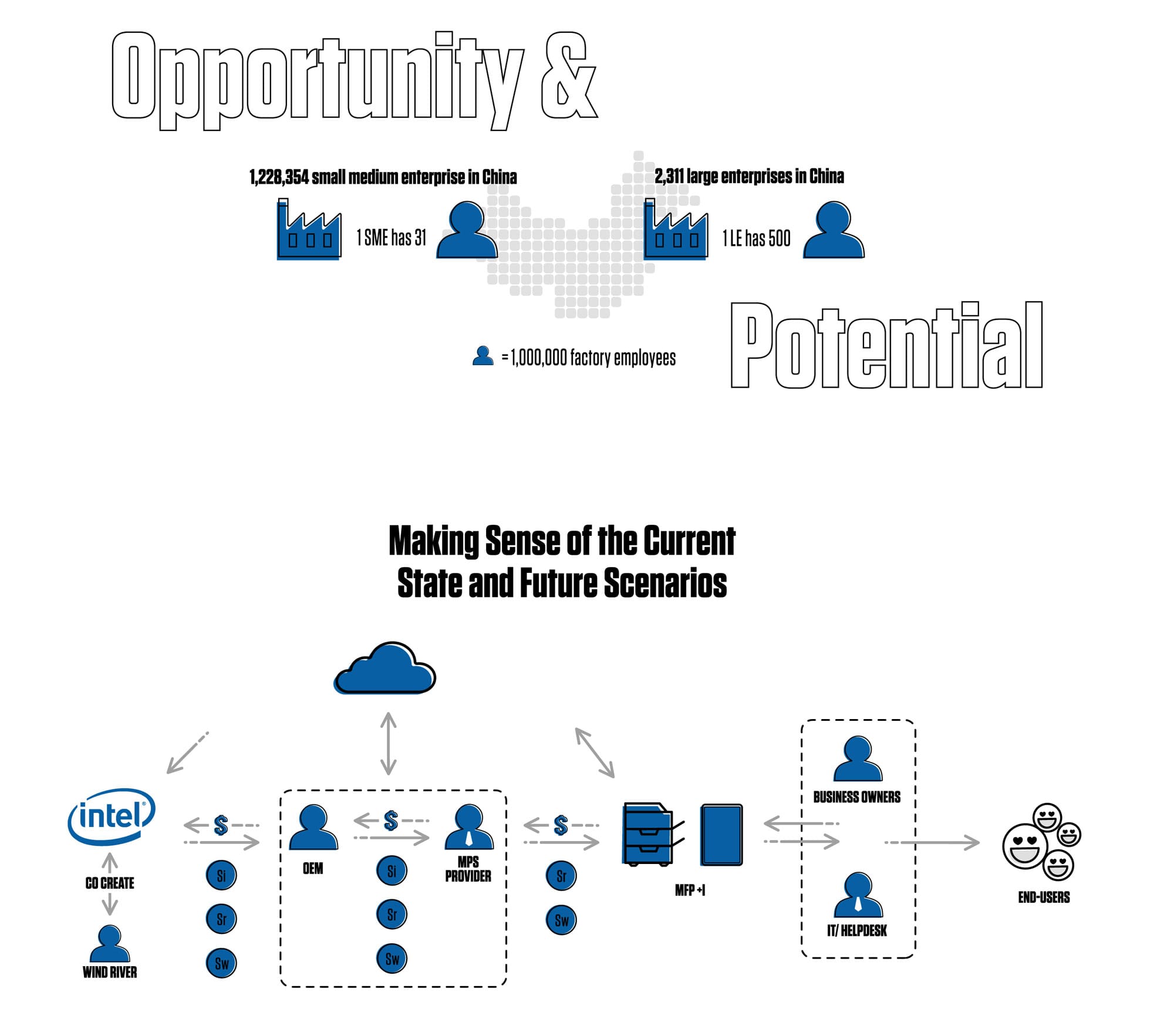
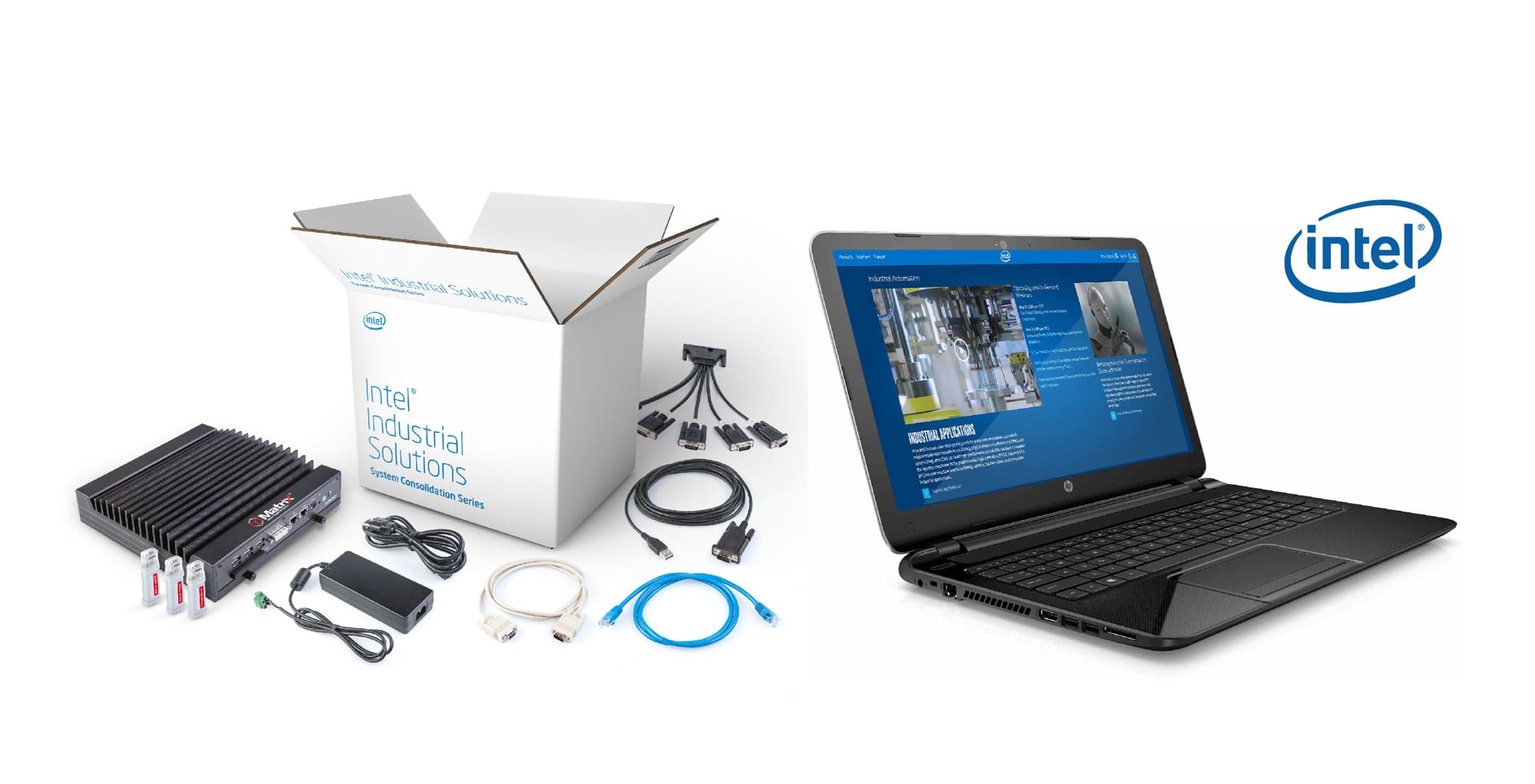
Building on the playbook, RKS helped Intel shape the integrated hardware and service offerings that would define its move beyond components. We worked through how products, services, and support should be bundled and positioned for industrial customers, so each offering tied to a clear customer need and a defensible value story, and the portfolio read as a systems partner's rather than a chipset supplier's.
Execution & Activation
Key Outputs
- Roadmap validation
- Regional pilot plans for China and Southeast Asia
- Cross-functional alignment across manufacturing, marketing, and sales
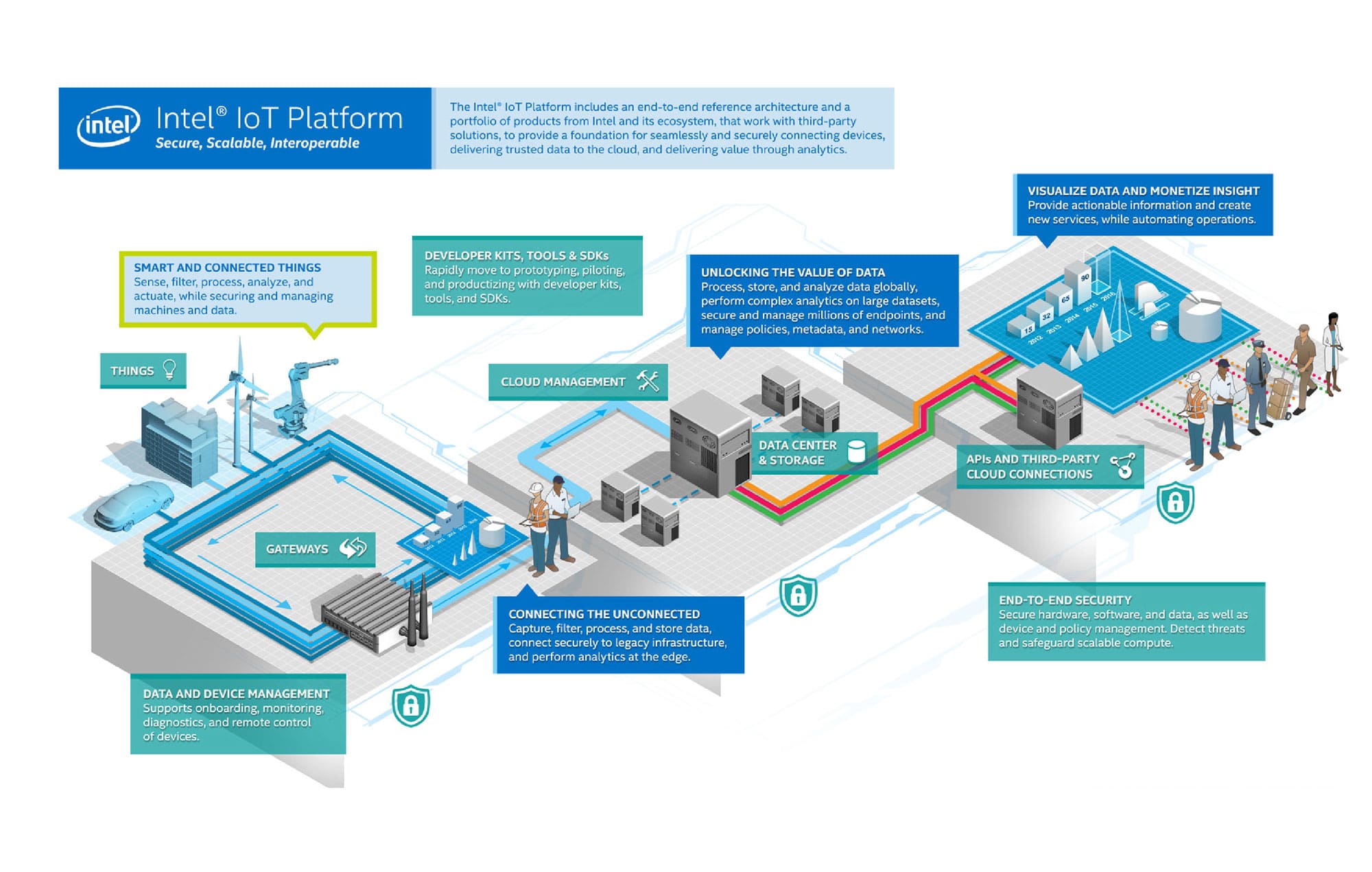
To turn strategy into activation, RKS supported roadmap validation, regional pilot planning, and alignment across Intel's manufacturing, marketing, and sales teams. We helped translate the playbook into pilots for China and Southeast Asia and build the internal consensus needed to stand up the new business unit, keeping Intel's shift toward a solutions model strategic, differentiating, and scalable.
Business Definition & Market Launch Planning
Key Outputs
- Pilot program briefs for China and Southeast Asia
- Executive strategy decks for internal stakeholders
- Alignment plans for cross-functional execution teams
Focused on actionable execution, we supported roadmap validation, regional pilot planning, and internal alignment with manufacturing, marketing, and sales teams, ensuring Intel’s evolution was strategic, differentiating, and scalable.
Key Outcomes and Results
Key Accomplishments
- Status: Delivered EMIPC Playbook and launch strategy (2015)
- Strategic Impact:
- Enabled Intel’s initial deployment of integrated hardware and service offerings in emerging markets
- Positioned the company as a systems-oriented innovator, not just a chipset supplier
- Aligned internal teams for business unit activation in China and Southeast Asia within months
The Intel EMIPC project illustrates RKS’s capacity to scale innovation from strategic insight to global transformation. By marrying deep ethnographic research, emotional-functional mapping, and meticulously crafted execution playbooks, RKS helped shift a tech behemoth’s identity, turning Intel into an ecosystem architect rather than a commoditized component supplier.
ready to partner with us?
Contact UsExplore More Work
Aspargo
A smart connected oral suspension drug delivery device to manage dosing and adherence to ensure healthy outcomes.
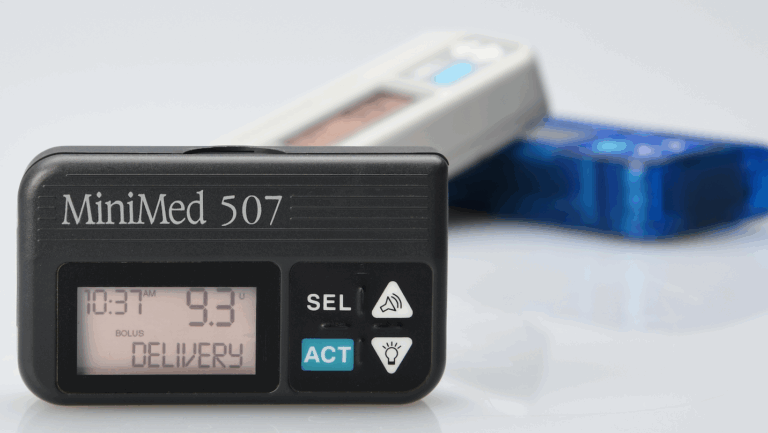
MiniMed
The launch of the MiniMed 507 marked a turning point in diabetes treatment and insulin pump adoption.
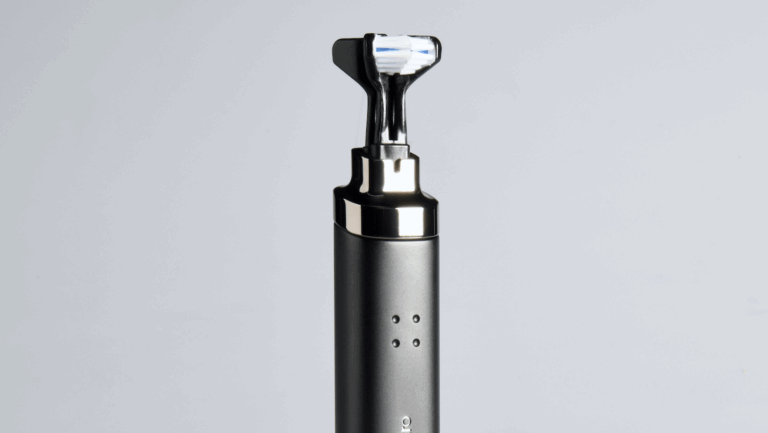
Quatro Toothbrush
A revolutionary dental experience that automates cleaning with greater efficacy and less time than traditional toothbrushes.
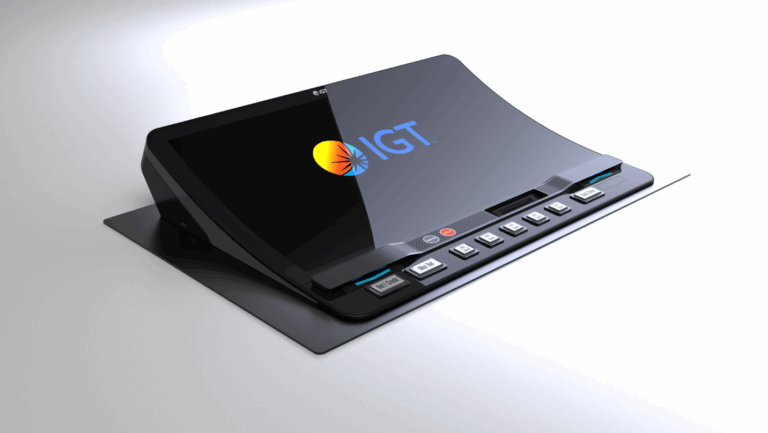
IGT Poker Bartop
IGT Peak Bartop perfectly balances low-profile and playable gaming seamlessly integrating into any environment.
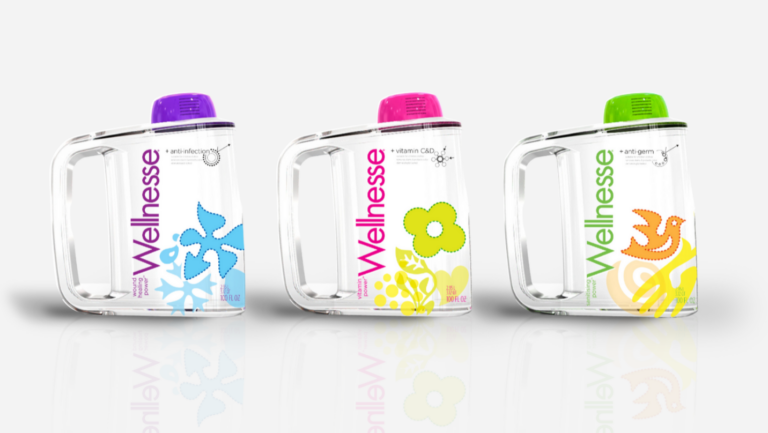
Unilever Laundry Additive
Global research project uncovering insights into hygiene and wellness to create a laundry additive that adds value benefits like vitamins and protected health.
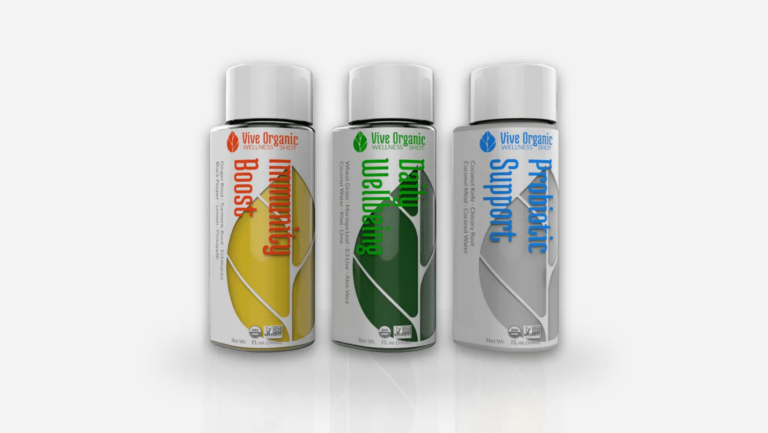
Vive Wellness Shot
A premium wellness shot featuring ergonomic packaging and a bold brand identity.
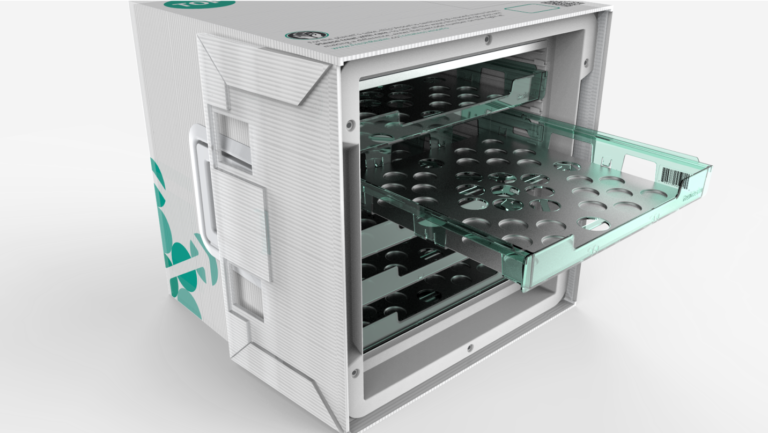
Fresh Realm
A zero-waste solution that provides healthy meals right to your doorstep.

Finnita
A digital service experience that redefines student debt.
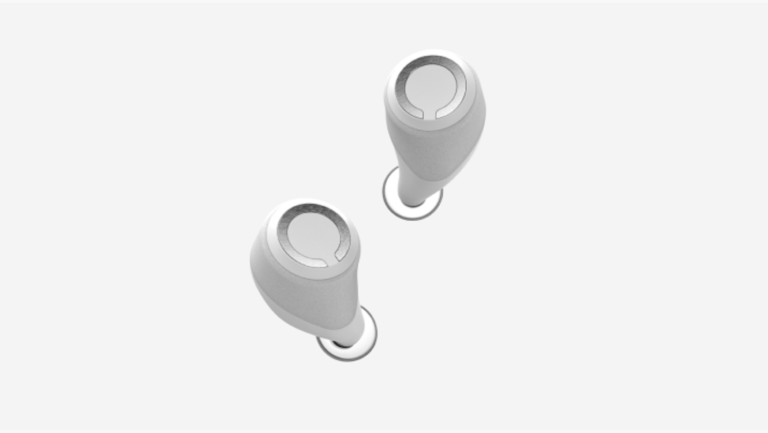
Cue
True wireless headphones with hybrid driver technology for uncompromised sound.

Unilever
Sustainability and Global Strategy to drive and reduce water usage in the laundry category for emerging markets.
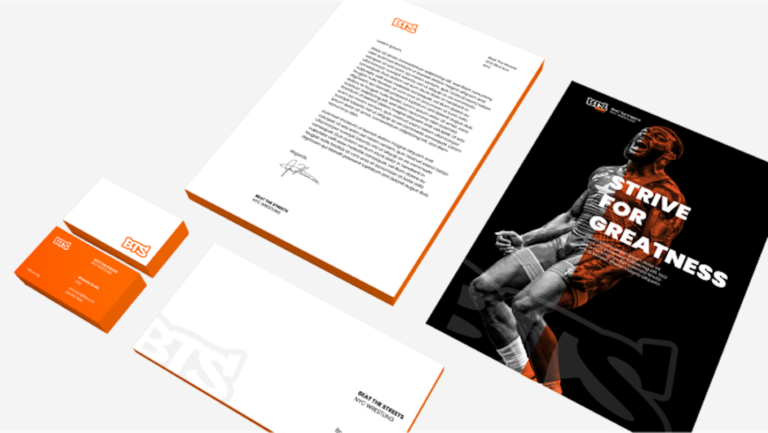
Beat the Streets
A compelling brand identity for non-profit youth wrestling organizations that inspires inner-city youth to participate while engaging donors to support their growth and development.

Kor One
Stylish personal hydration designed to eliminate disposable water bottles, paving the way for a sustainable and brighter future.