Field Notes
Why Useful Products Fail When They Ignore Human Identity


Why Useful Products Fail When They Ignore Human Identity | RKS Design Blog
Type
Date
Podcast
Listen to the Full Episode

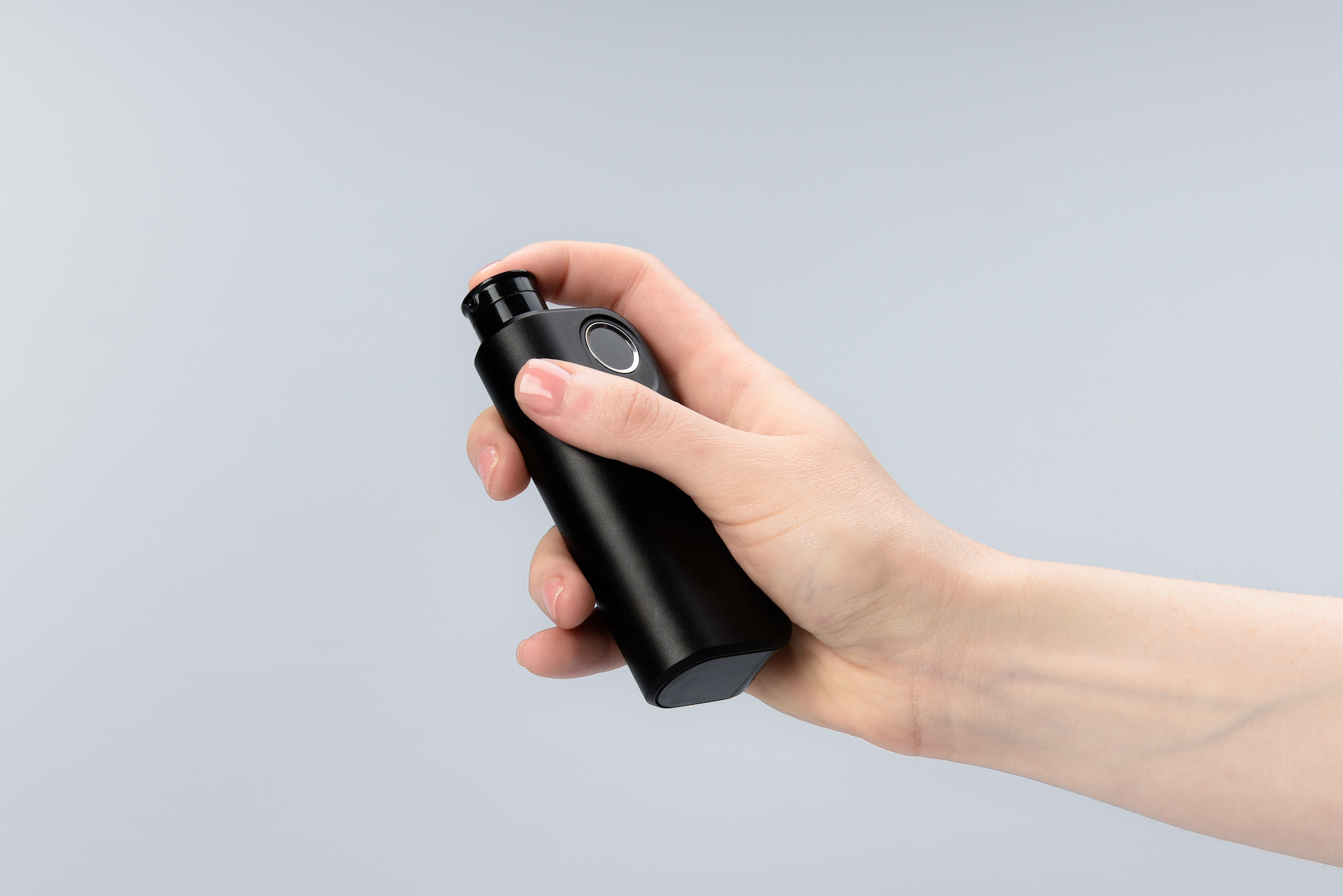
In a recent episode of An Hour of Innovation, Ravi Sawhney explained why innovation succeeds when teams design for how people perceive, interpret, and connect with an experience, not simply how well the technology performs.
“It’s not how you feel about the design or experience. It’s how it makes you feel about yourself.”
The Real Barrier Is Often Not Functionality
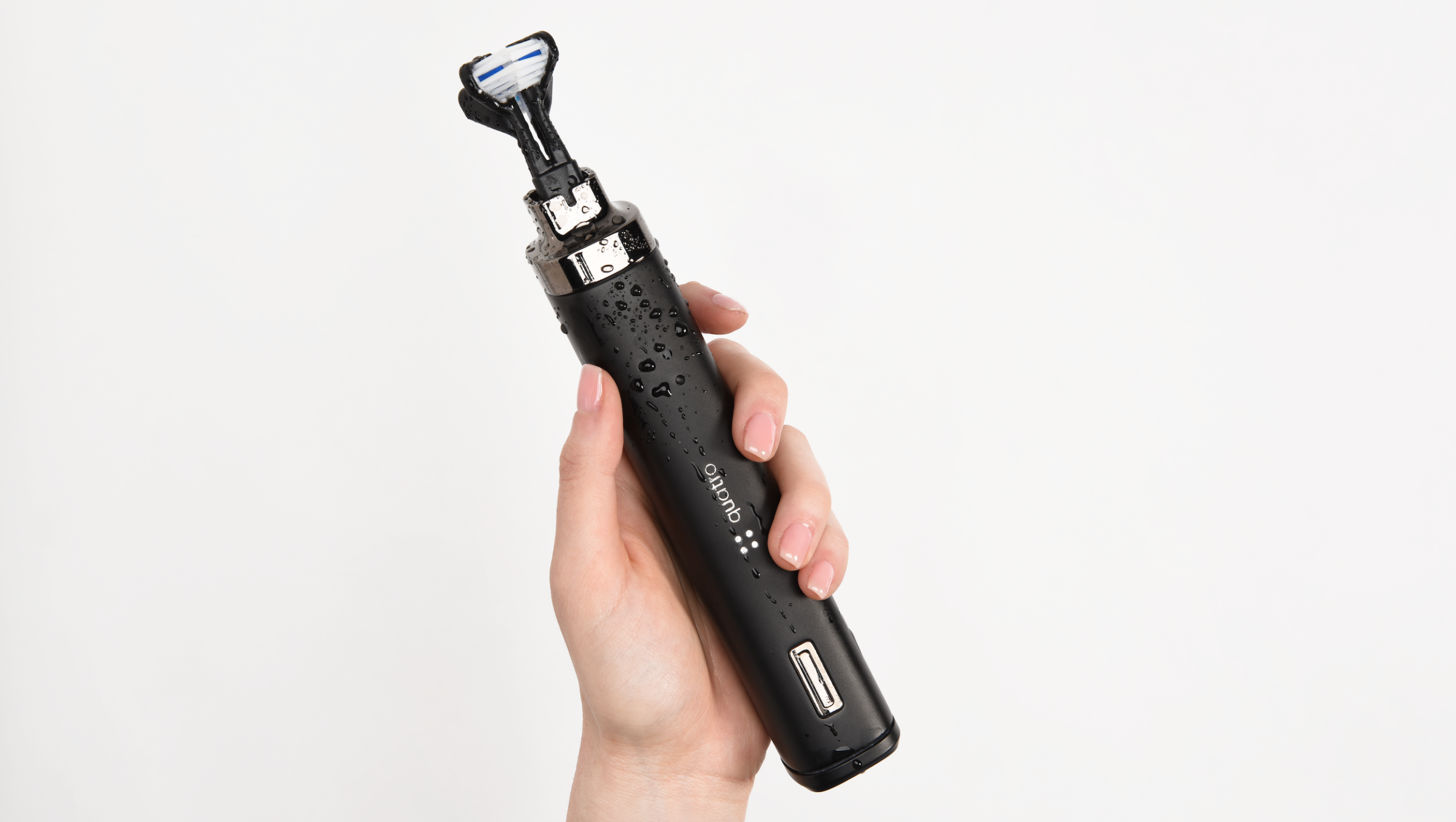
Product teams are naturally drawn toward questions they can answer directly. Can the technology perform the required task? Can it be manufactured? Can it operate reliably? Can it deliver measurable value?
These questions are essential, but they do not represent the complete decision-making process taking place in the customer’s mind.
People may recognize that a product is useful while simultaneously feeling uncomfortable using it. They may understand its benefits while rejecting the identity, behavior, or social signal associated with it. They may even know that a product could improve their lives and still avoid it because the experience introduces embarrassment, uncertainty, or emotional friction.
Sawhney describes this as a problem of resonance. The engineering may be correct, but the product may fail to connect with the people expected to adopt it.
A technically successful product answers the question, “Can this work?”
A human-centered product must also answer, “What does using this say about me?”
People Adopt Meaning, Not Features

Every product communicates something beyond its stated function. Its appearance, language, interactions, and context influence how people interpret what it means to own or use it.
These signals can reinforce confidence, belonging, progress, or control. They can also communicate illness, complexity, vulnerability, or exclusion.
RKS encountered this dynamic while working with MiniMed on an insulin infusion pump. The medical technology could improve the quality and length of life for people with diabetes, yet adoption was suffering. The barrier became clearer only after the design team wore the device themselves and experienced it in everyday settings.
The original product looked overtly medical. Using it in public could make people feel exposed and visibly defined by their condition. The health benefit was significant, but so was the perceived social cost.
RKS redesigned the device to resemble a contemporary personal electronic product rather than a piece of medical equipment. Its function remained critical, but its meaning changed. Instead of emphasizing illness, the design allowed users to feel more discreet, independent, and socially comfortable.
The lesson extends far beyond healthcare. People do not experience products as collections of features. They interpret them as signals about who they are and how they fit into the world around them.
Why Research Can Miss Emotional Truth
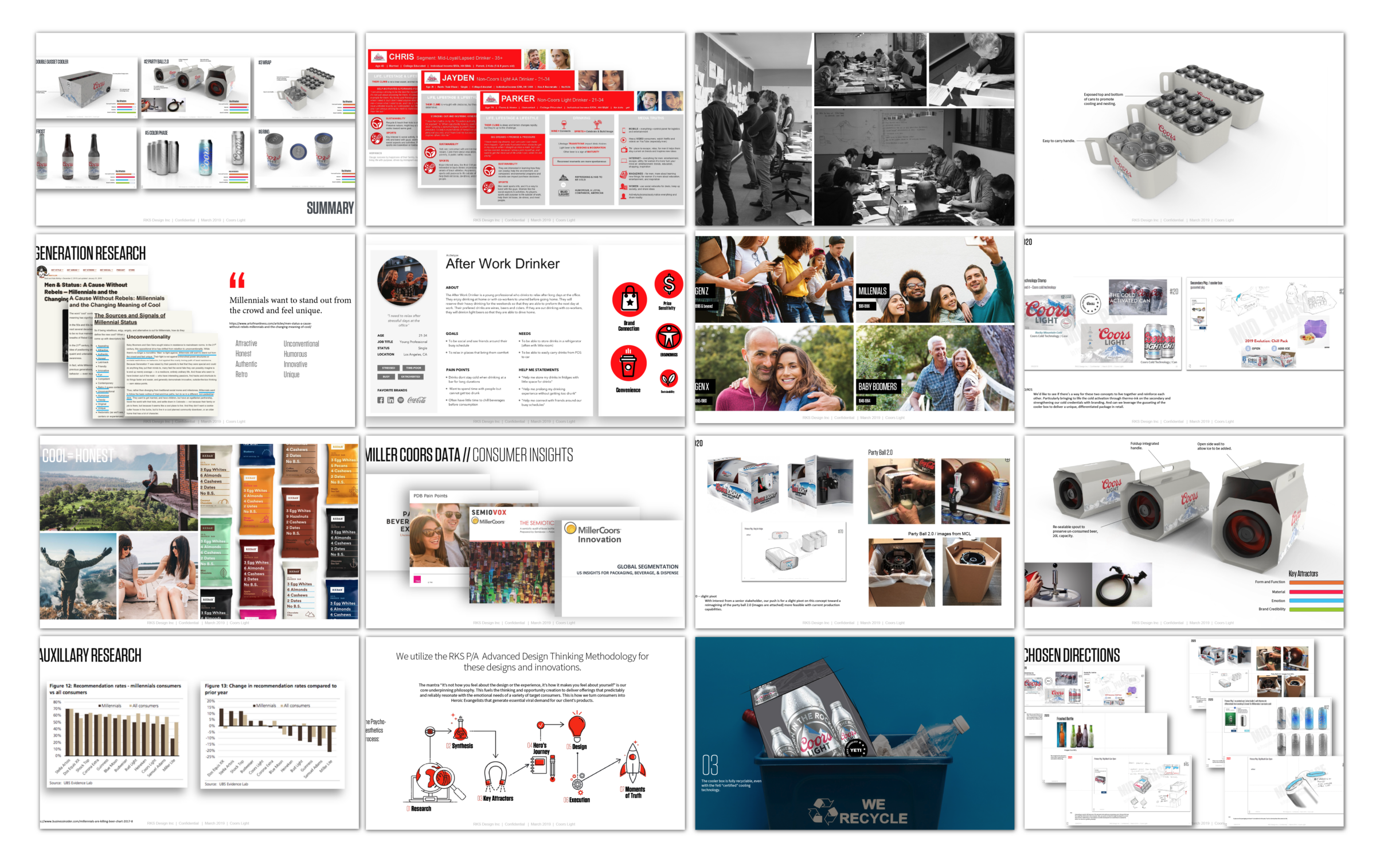
Traditional customer research often begins by asking people what they want, what they value, or what they believe they would use. This information is useful, but it cannot always reveal the full emotional structure behind behavior.
People are not necessarily withholding the truth. They may simply lack the language or self-awareness to explain why they feel resistance. What people say they would do can differ significantly from what they do when a real choice carries social, emotional, or financial consequences.
A customer might describe a product as useful but never purchase it. Another may say price is the primary concern when the deeper barrier is uncertainty or lack of trust. Someone may reject an interface because it feels complicated when the underlying emotion is fear of making a mistake.
Meaningful research therefore requires more than collecting opinions. It requires observing behavior, context, body language, workarounds, anxieties, and contradictions.
The goal is not simply to document what people request. It is to understand what they are trying to become, avoid, protect, or communicate through their decisions.
Perception Becomes Behavior

People constantly interpret the signals around them.
Form, color, sound, language, material, context, and interaction all contribute to the meaning of an experience. These signals influence how people assess a product and how they believe others will assess them while using it.
Over time, interpretation becomes expectation.
Expectation becomes behavior.
A product repeatedly associated with difficulty may be avoided before it is even used. A brand associated with confidence may receive trust before it has fully earned it. An interface that consistently provides reassurance can encourage exploration, while one that creates uncertainty may cause users to disengage.
These responses are rarely based on a single design element. They emerge from the cumulative relationship between the user and the experience.
This is why emotional connection should not be reduced to making people happy. Emotion acts as a filter. It helps people decide what deserves attention, what feels relevant, and what belongs in their lives.
Products become meaningful when they resonate with the user’s priorities and reinforce something the user wants to believe about themselves.
From Product Signal to Personal Narrative
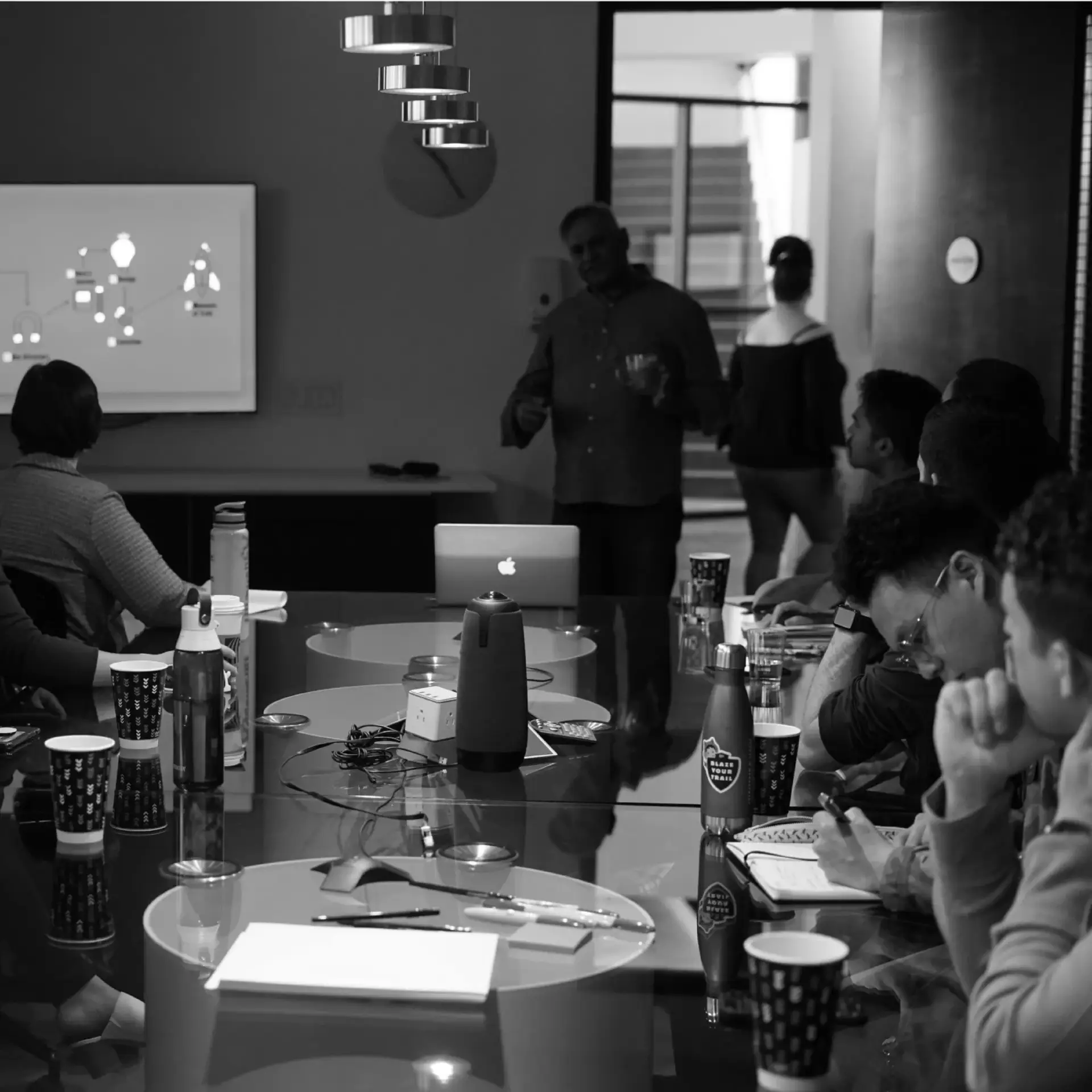
A single interaction can influence how someone feels about a product. Repeated interactions can become a broader narrative about the company behind it.
When a product consistently feels intuitive, respectful, and empowering, people begin to associate those qualities with the brand. When it repeatedly creates confusion, embarrassment, or uncertainty, that experience becomes part of the organization’s reputation.
This is how small design signals accumulate into belief.
A confusing setup process may suggest that a company does not understand its customers. An overly clinical product may make a person feel reduced to a diagnosis. An unfamiliar innovation without a clear point of reference may feel too risky, even when its underlying technology is impressive.
New ideas are especially vulnerable to this gap. When people cannot connect an unfamiliar product to an existing behavior or mental model, they may not know how to evaluate it. The innovation can arrive before the audience has a meaningful place to put it.
Successful design provides that bridge. It helps people interpret what the product is, why it matters, and how it fits into their lives. It makes the unfamiliar feel understandable without removing what makes the idea valuable or new.
Human Meaning Is a Business Requirement
A failure of resonance does not remain confined to the design department. It affects pricing, positioning, adoption, customer support, marketing efficiency, brand trust, and the overall return on innovation.
Teams may attempt to solve an adoption problem through additional features, lower prices, or more communication. These responses can consume significant resources without addressing the emotional barrier beneath the surface.
Price itself is partly a matter of perception. A lower price does not always increase adoption if it weakens the perceived importance, credibility, or value of the product. In some categories, customers interpret price as a signal of effectiveness, quality, or consequence.
The same principle applies across business decisions. A company can communicate a technically accurate message that fails because the audience interprets it differently than intended. A feature can be objectively useful but positioned in a way that makes it feel unnecessary. A service can offer clear financial value while creating a sense of dependency or loss of control.
These are not superficial concerns. They influence whether people pay attention, understand, trust, purchase, continue using, and eventually advocate for an offering.
Human meaning is not an aesthetic layer placed on top of strategy. It is part of the strategy itself.