
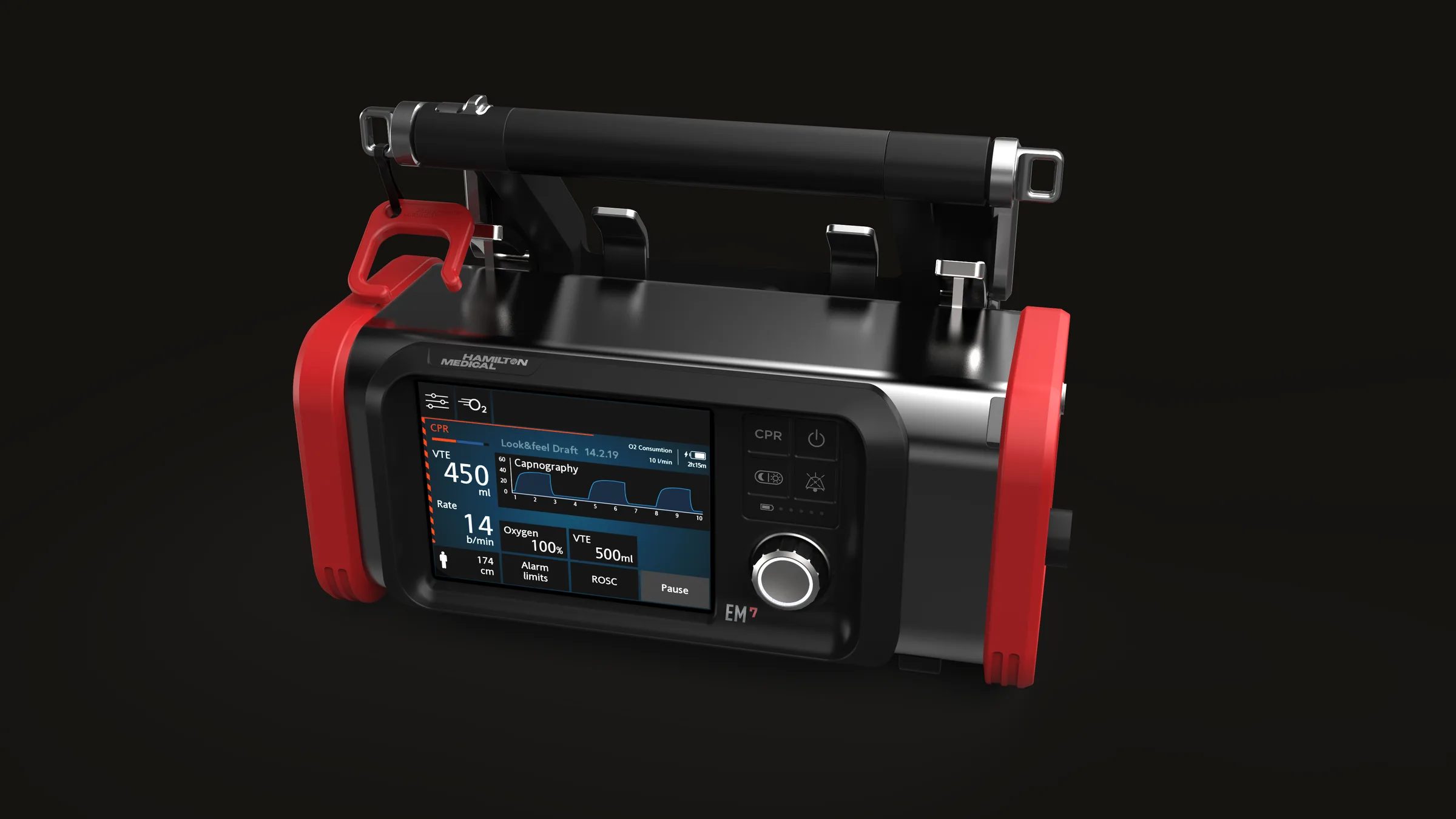
Confident ventilation when every second counts.
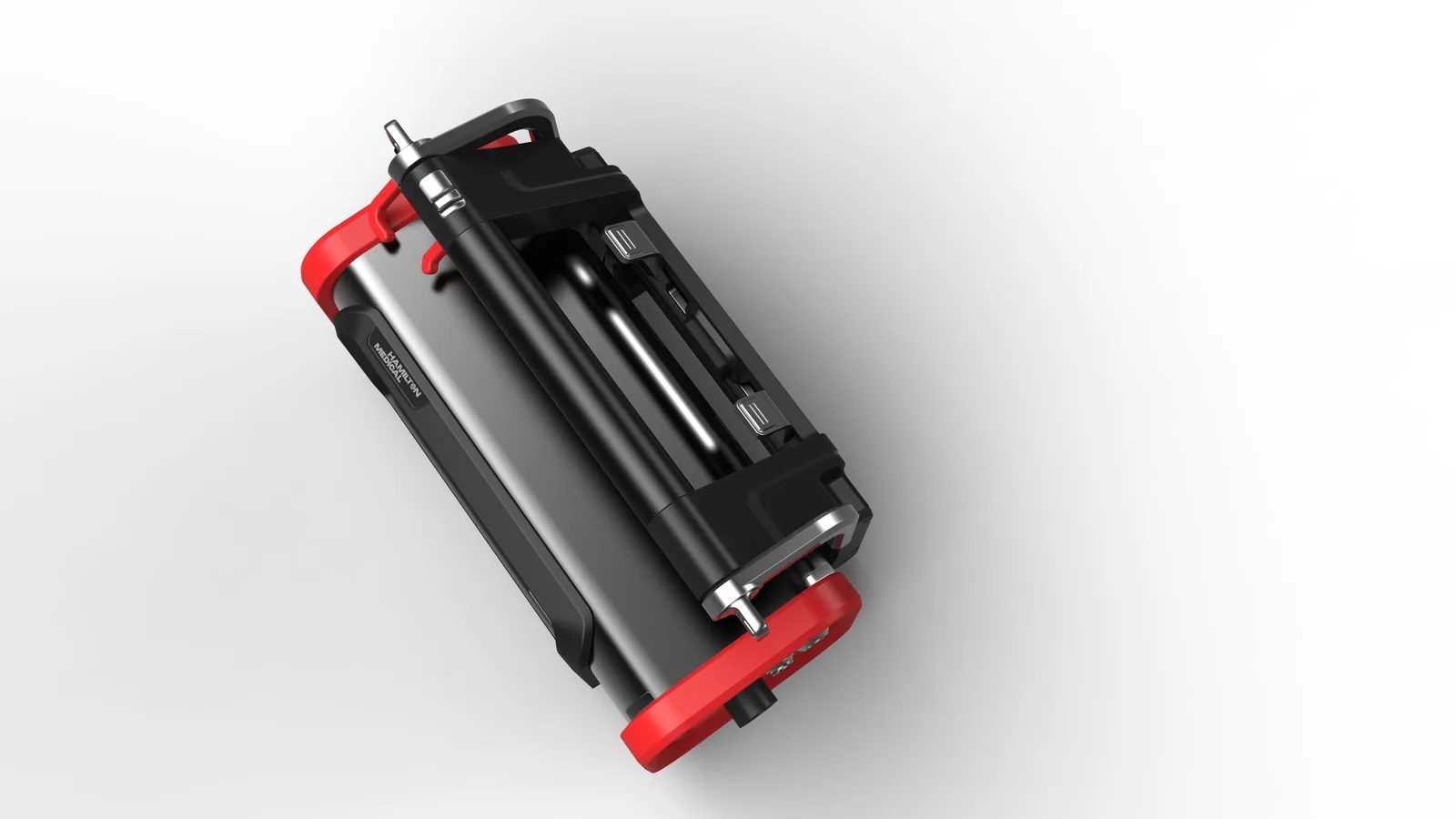
Paramedics ventilate patients in the hardest places: a moving ambulance, a roadside, a narrow stairwell. Hamilton Medical asked RKS to help shape a new emergency ventilator around how EMS crews actually work. Our team led the ethnographic research, innovation consulting, industrial design, and the UI/UX of the control interaction for the product that became the HAMILTON-EM7, launched at RETTmobil 2026 in Fulda, Germany.
Ethnographic Research
Key Outputs
- Field Research with EMS Crews
- Psycho-Aesthetics® Map & Opportunity Zone
- Competitive Analysis
- Opportunity Areas & Design Criteria
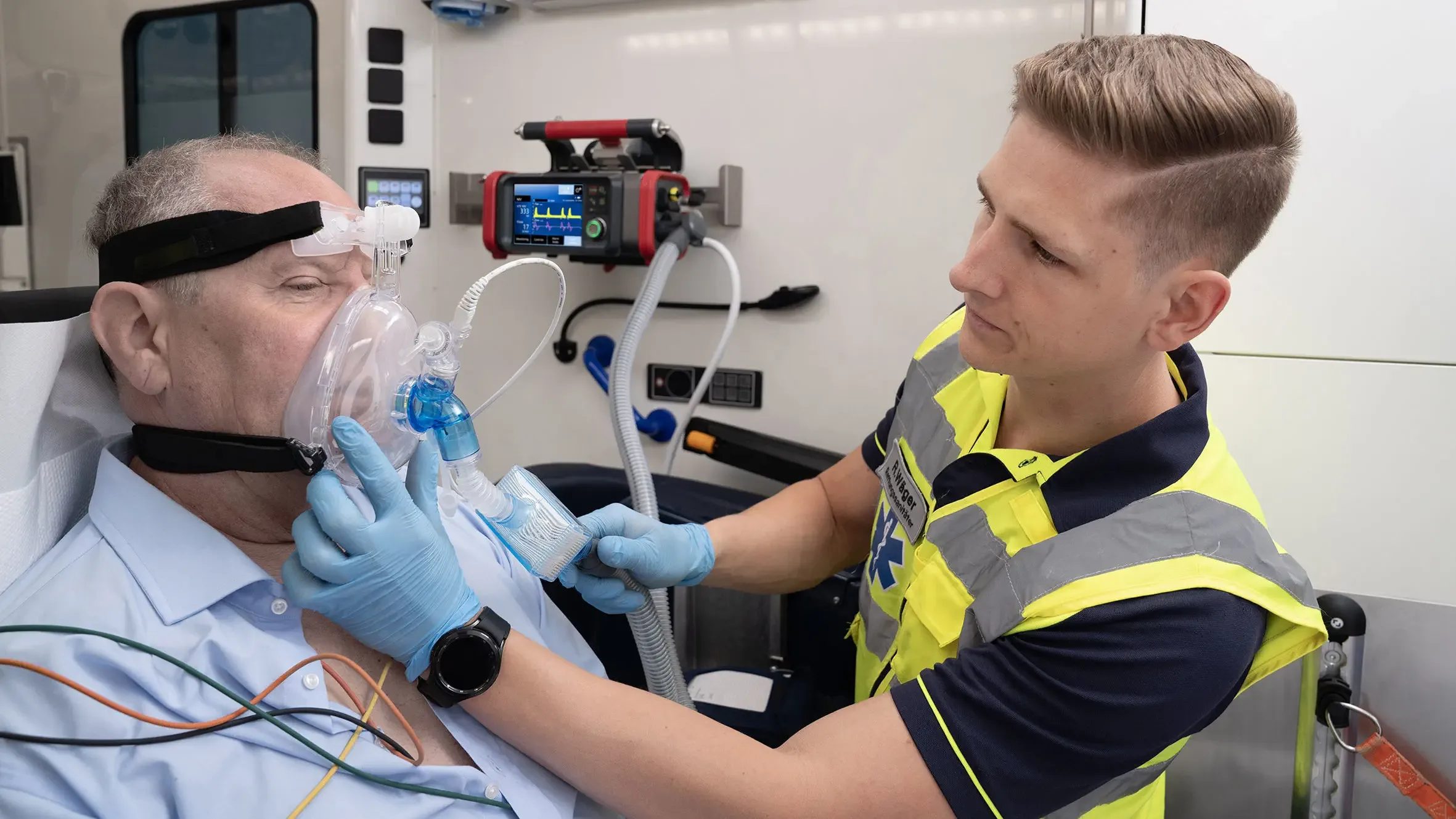
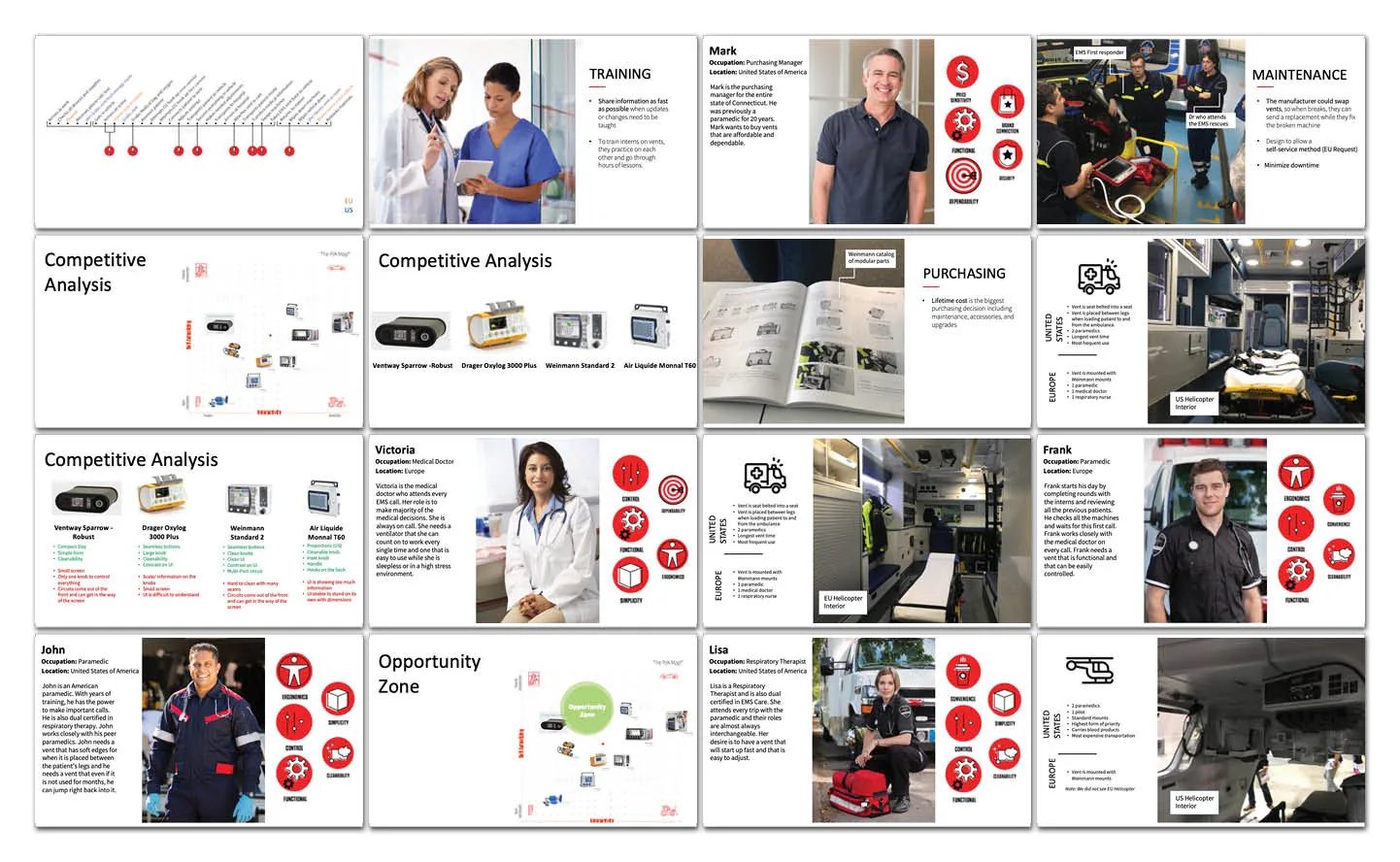
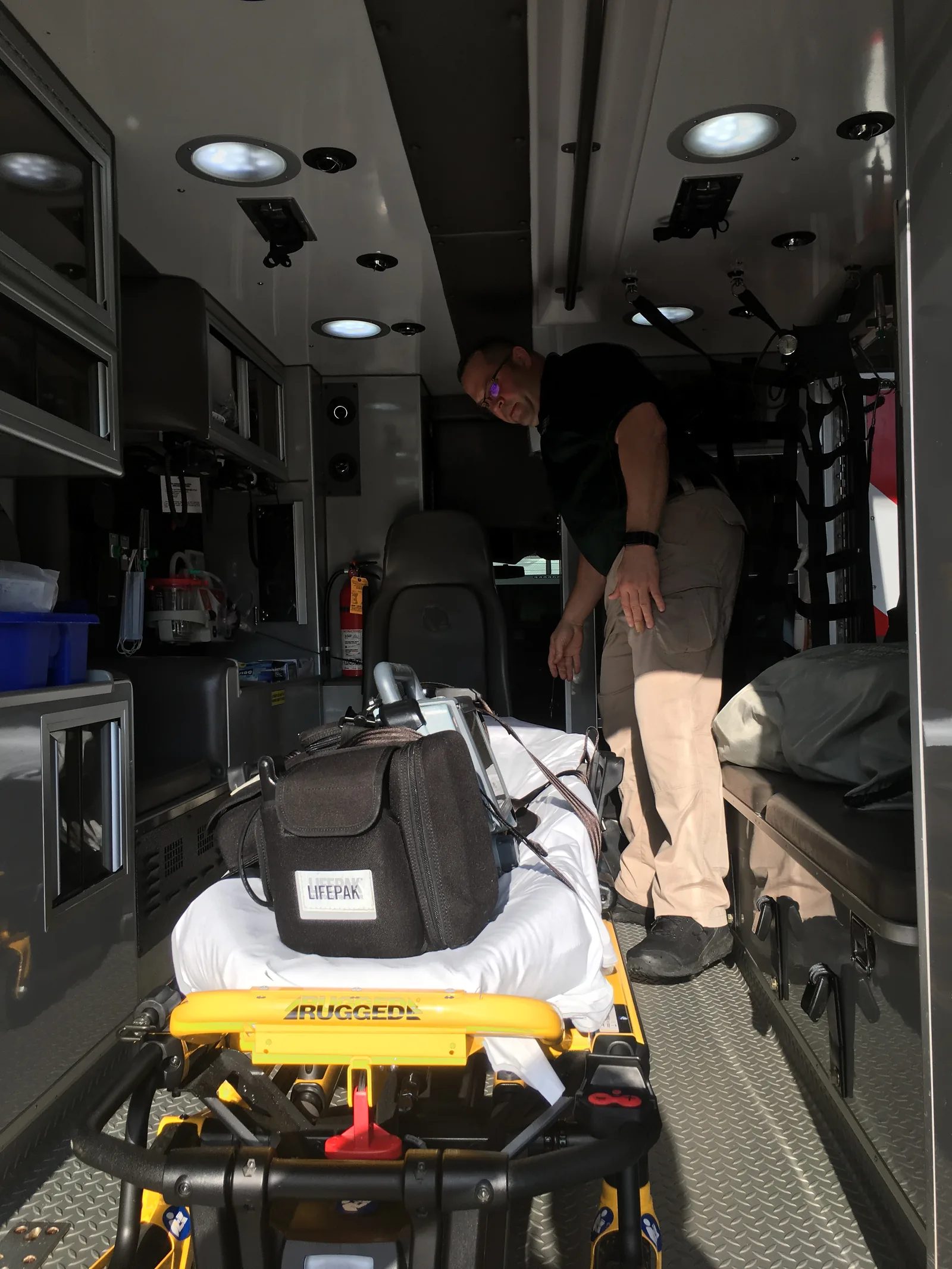
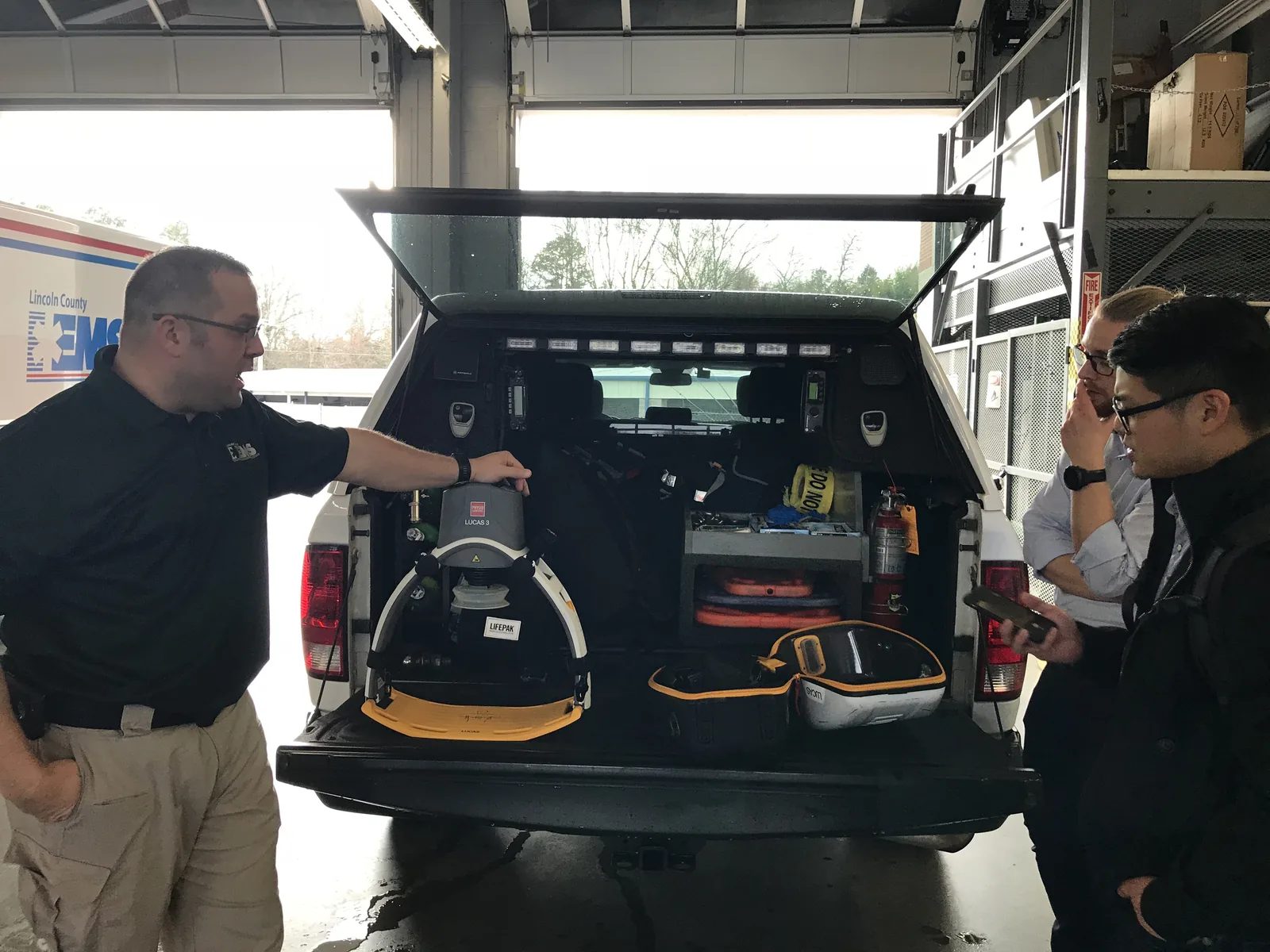
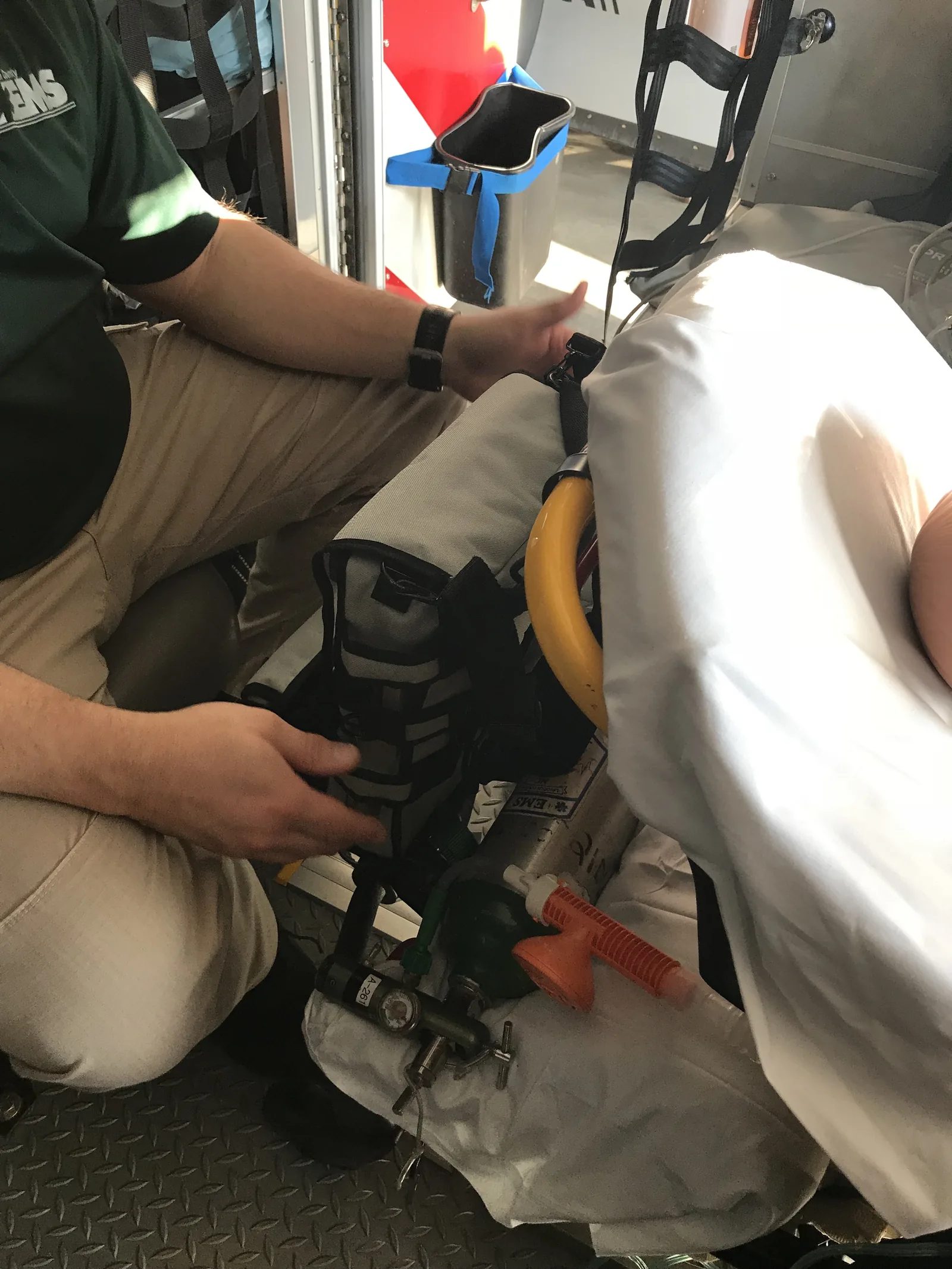
Our ethnographic research team spent time with EMS crews inside their ambulances and response vehicles. We watched how ventilators, monitors, and airway kits are stored, carried, and used beside a stretcher.
Back in the studio, we organized every observation on an insight wall. One early question shaped the whole project: should the controls be a physical knob, a touchscreen, or both?
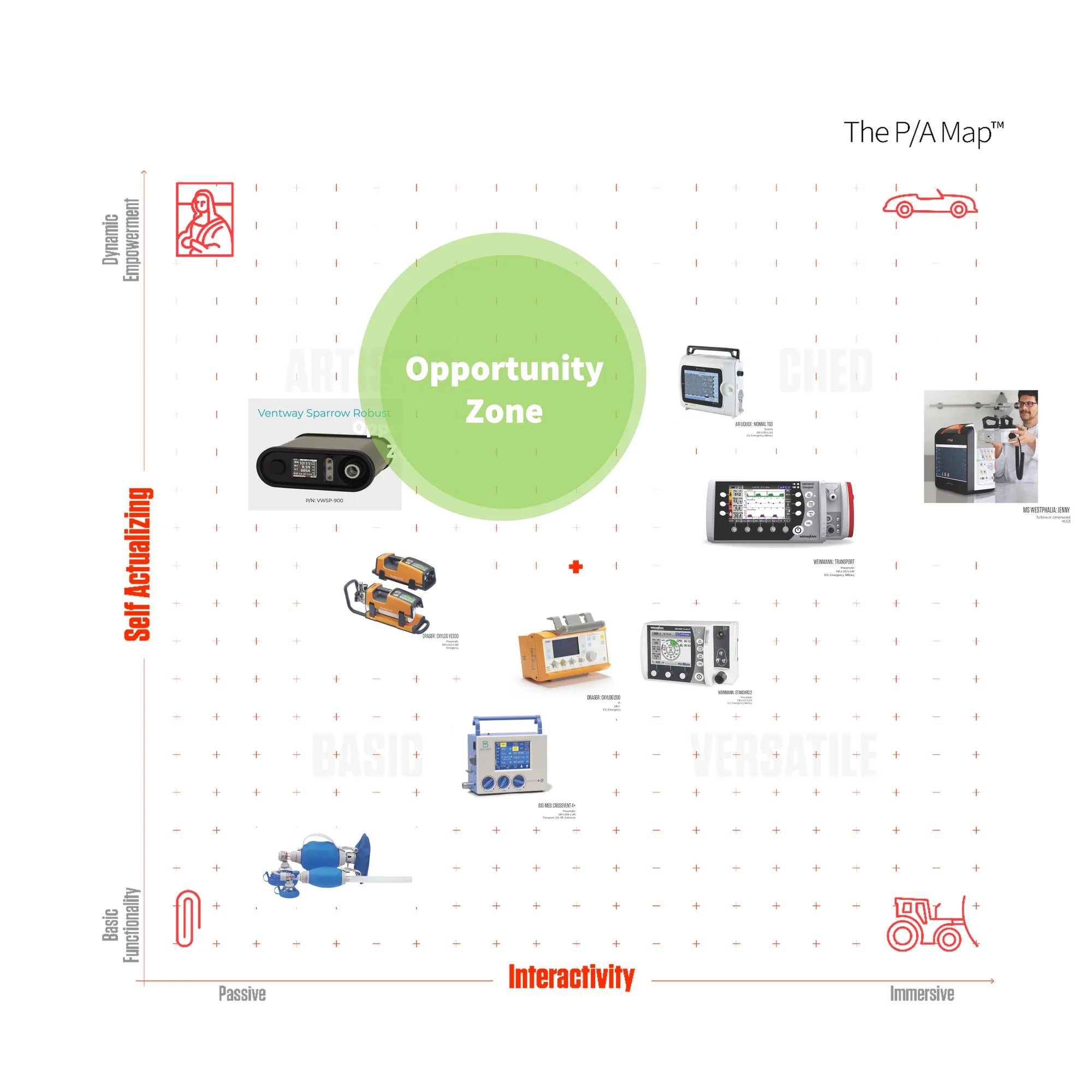
How We Used Psycho-Aesthetics® to Identify Unique Opportunities in the Project.
Using our proprietary Psycho-Aesthetics® framework, we mapped existing emergency and transport ventilators by emotional value and interactivity. The map revealed an open Opportunity Zone: a device that feels capable and reassuring to a paramedic under stress, yet is simple enough to set up in seconds.
“Confident ventilation in emergency care.”
Hamilton Medical’s launch film for the HAMILTON-EM7, released in May 2026 after the reveal at RETTmobil. It shows the device the way it was designed to be used: in the hands of EMS crews, in the first minutes of an emergency.
Innovation Consulting
Key Outputs
- Product Positioning Against the Competitive Set
- Design Criteria & Opportunity Areas
- Configuration Strategy
Research told us what paramedics needed. Our innovation consulting work turned that into a clear position for the product.
Starting from the Psycho-Aesthetics® Opportunity Zone, we defined where EM7 should sit against existing emergency and transport ventilators, including Hamilton’s own T1, and set the design criteria the whole team worked to: light enough to carry with one hand, rugged enough for the back of an ambulance, and simple enough to set up in seconds.
Industrial Design
Key Outputs
- More Than a Dozen Form Concepts
- Alignment with the Hamilton Design Language
- Internal Layout & Form Studies
- Full-Size Configuration Models
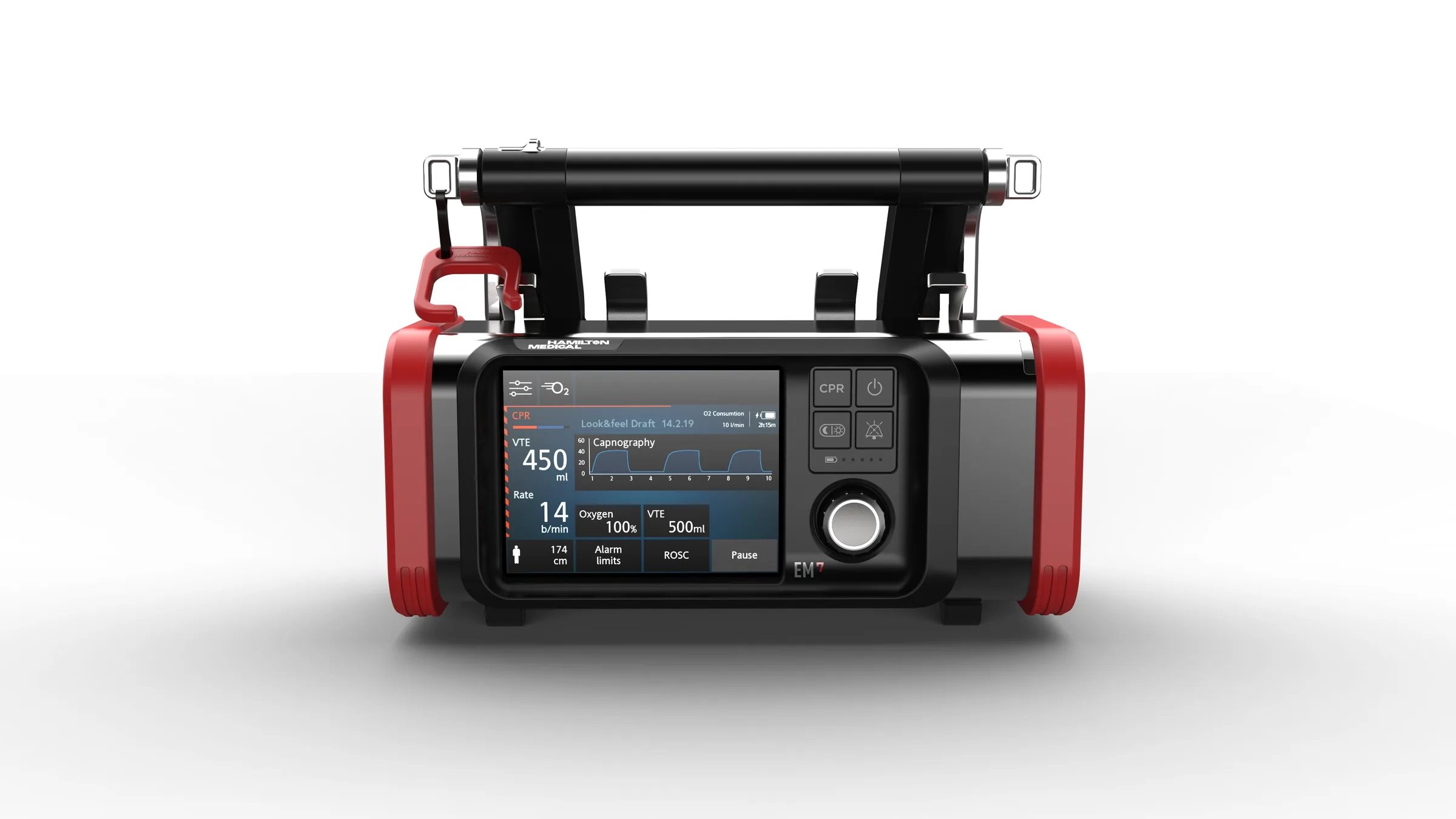
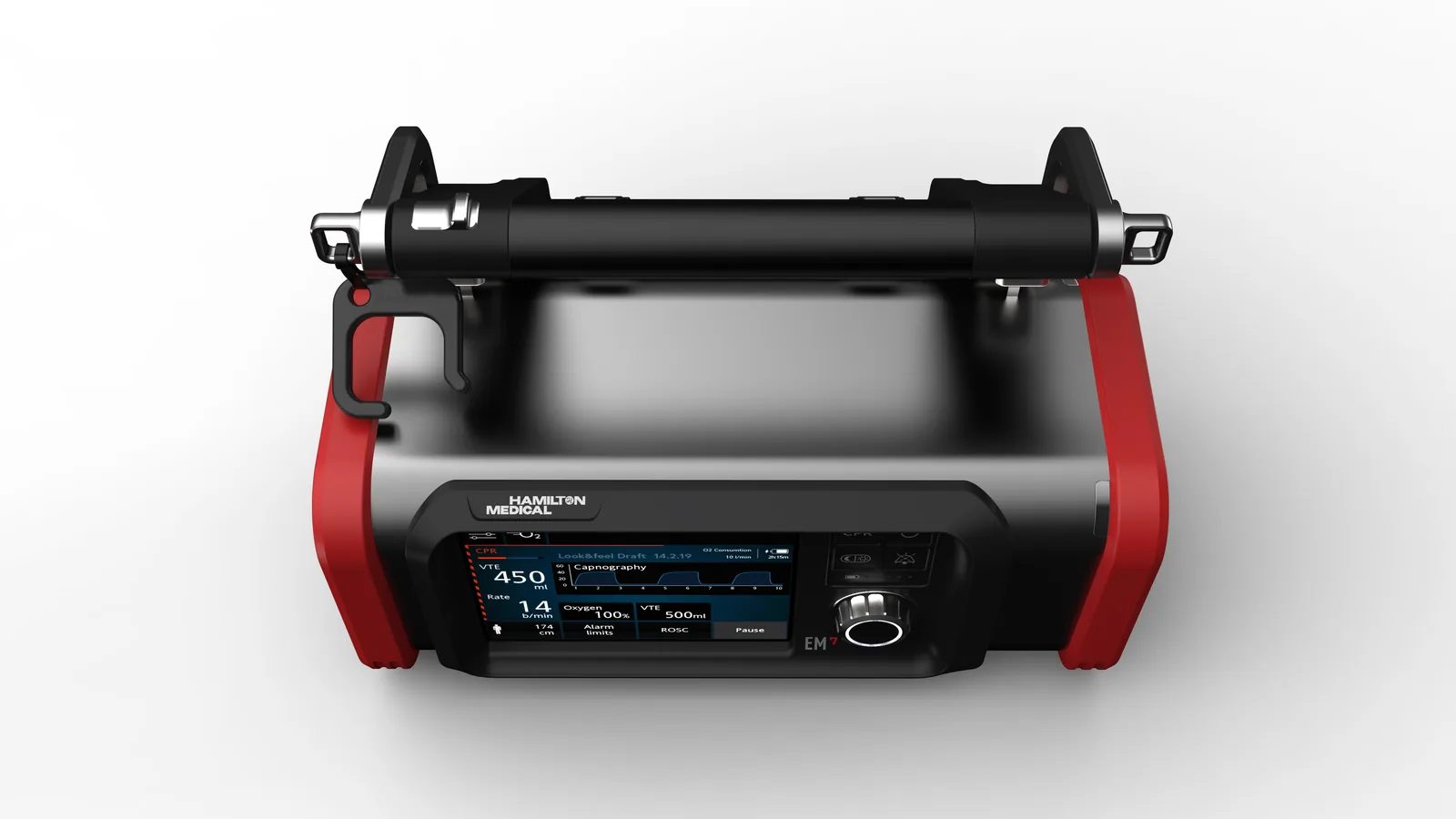
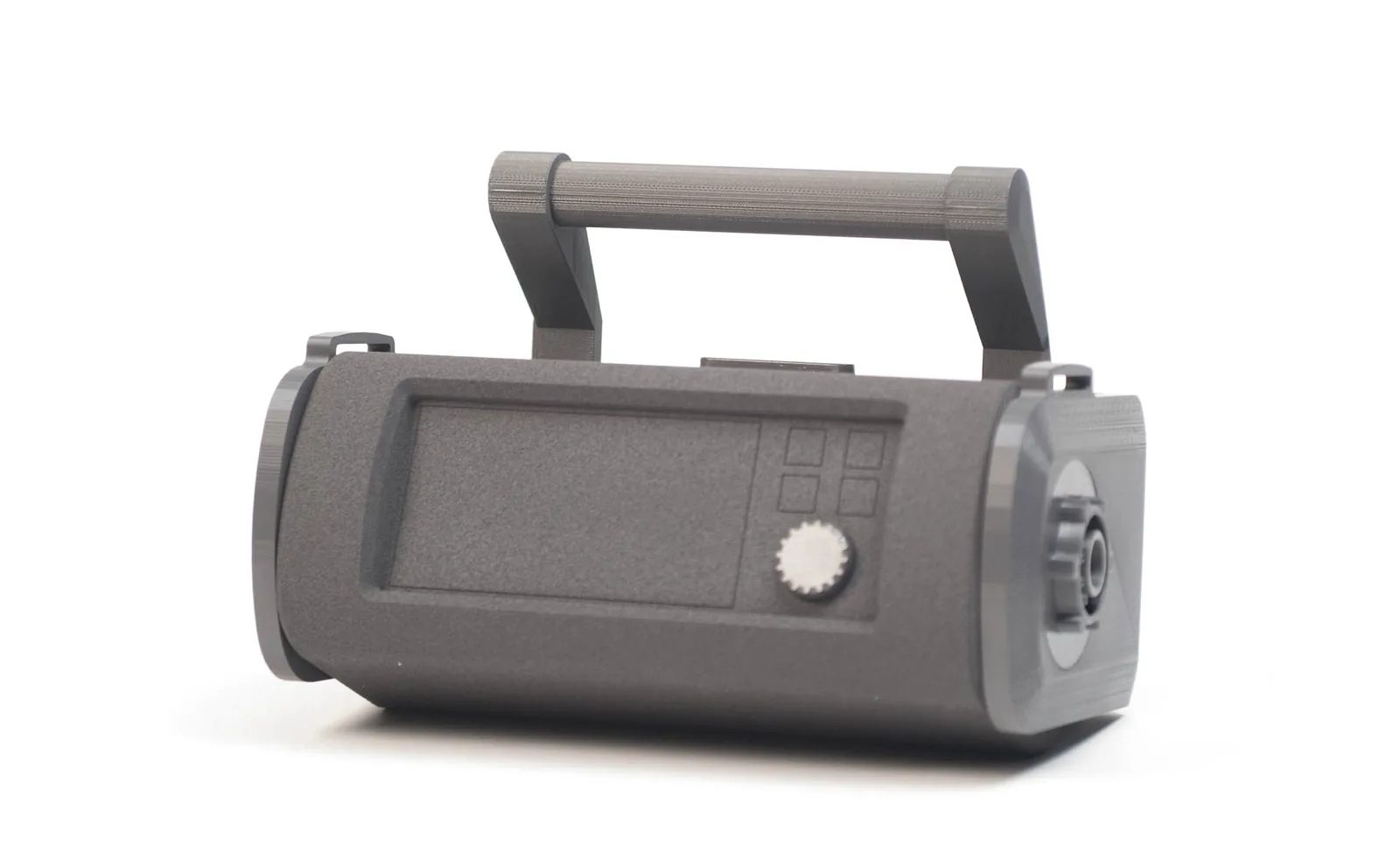
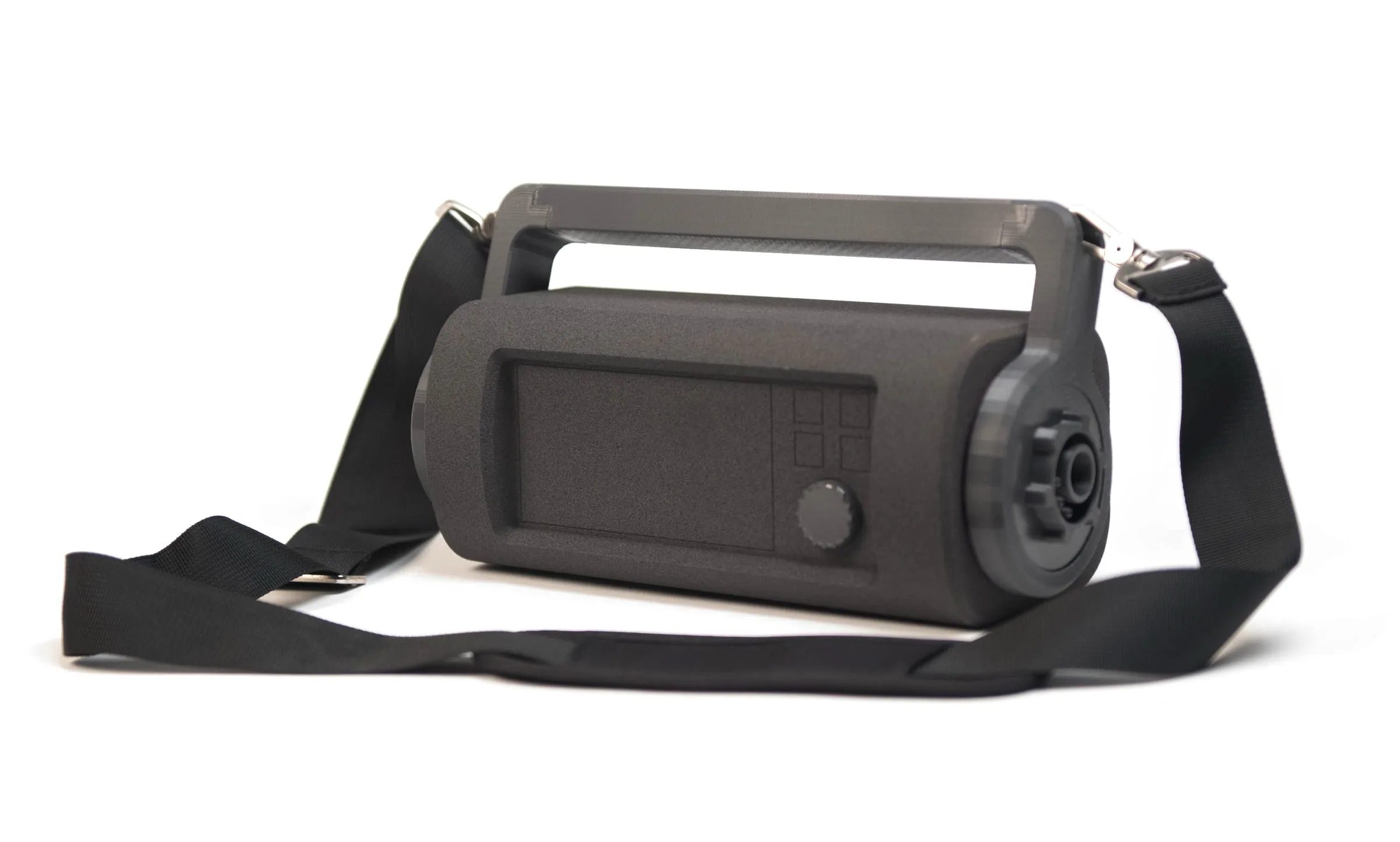
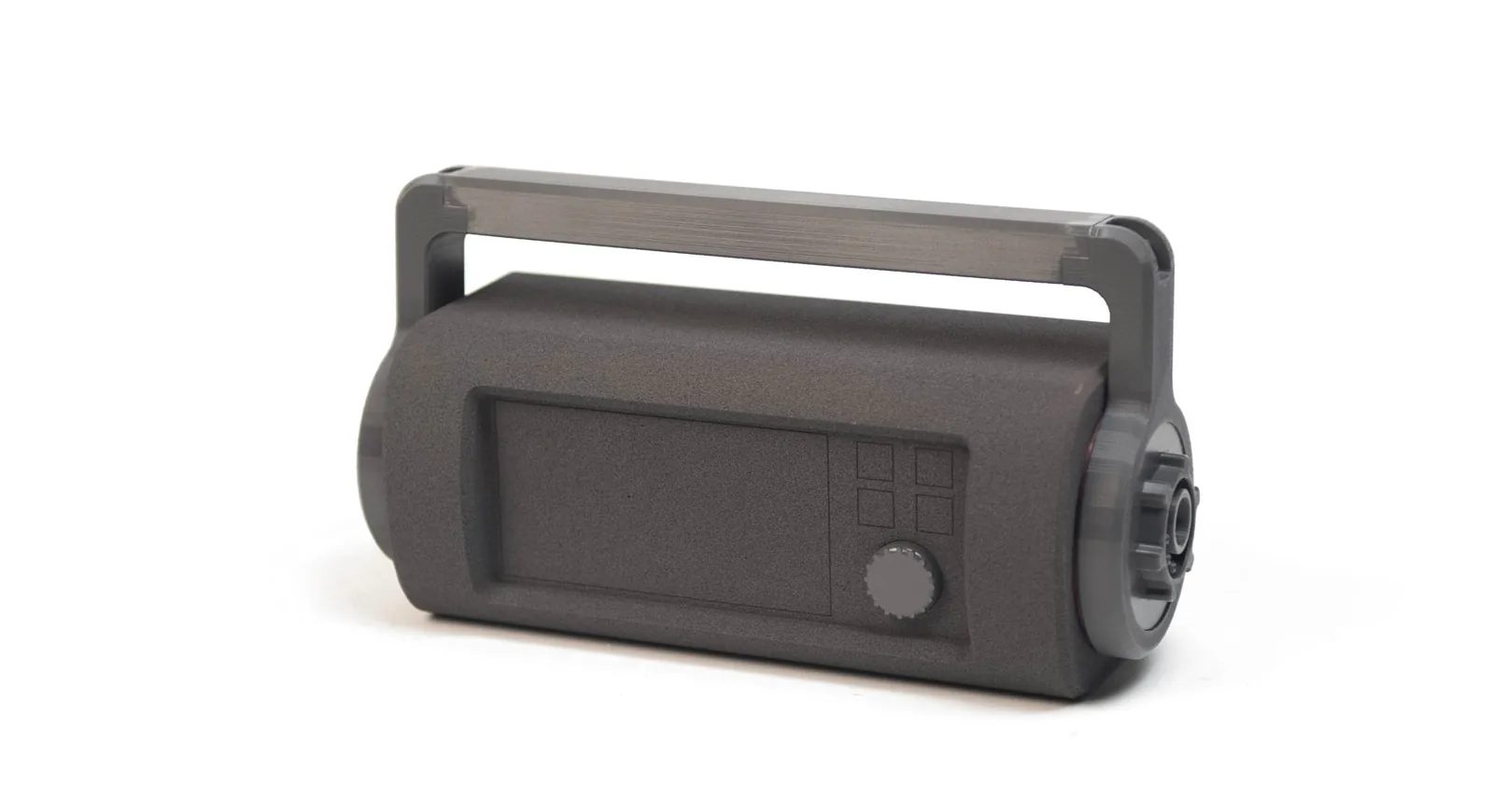
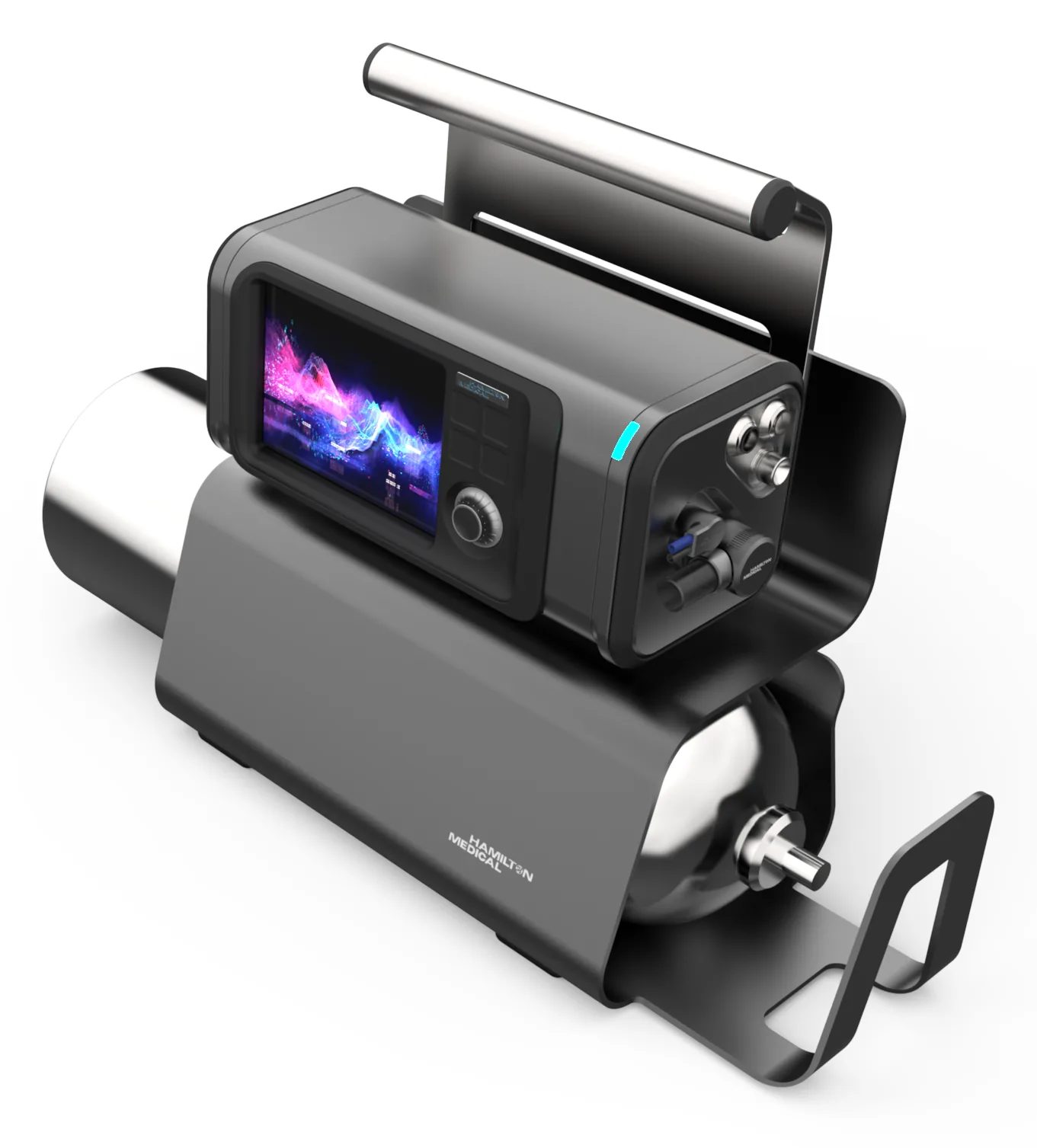
Our industrial design team explored a wide range of forms, from compact boxes to handled cases, testing where the screen, control knob, and carry handle should sit. We checked each direction against the Hamilton design language, so EM7 belongs to the same family as the Hamilton T1 while staying smaller and focused on one job: emergency ventilation.
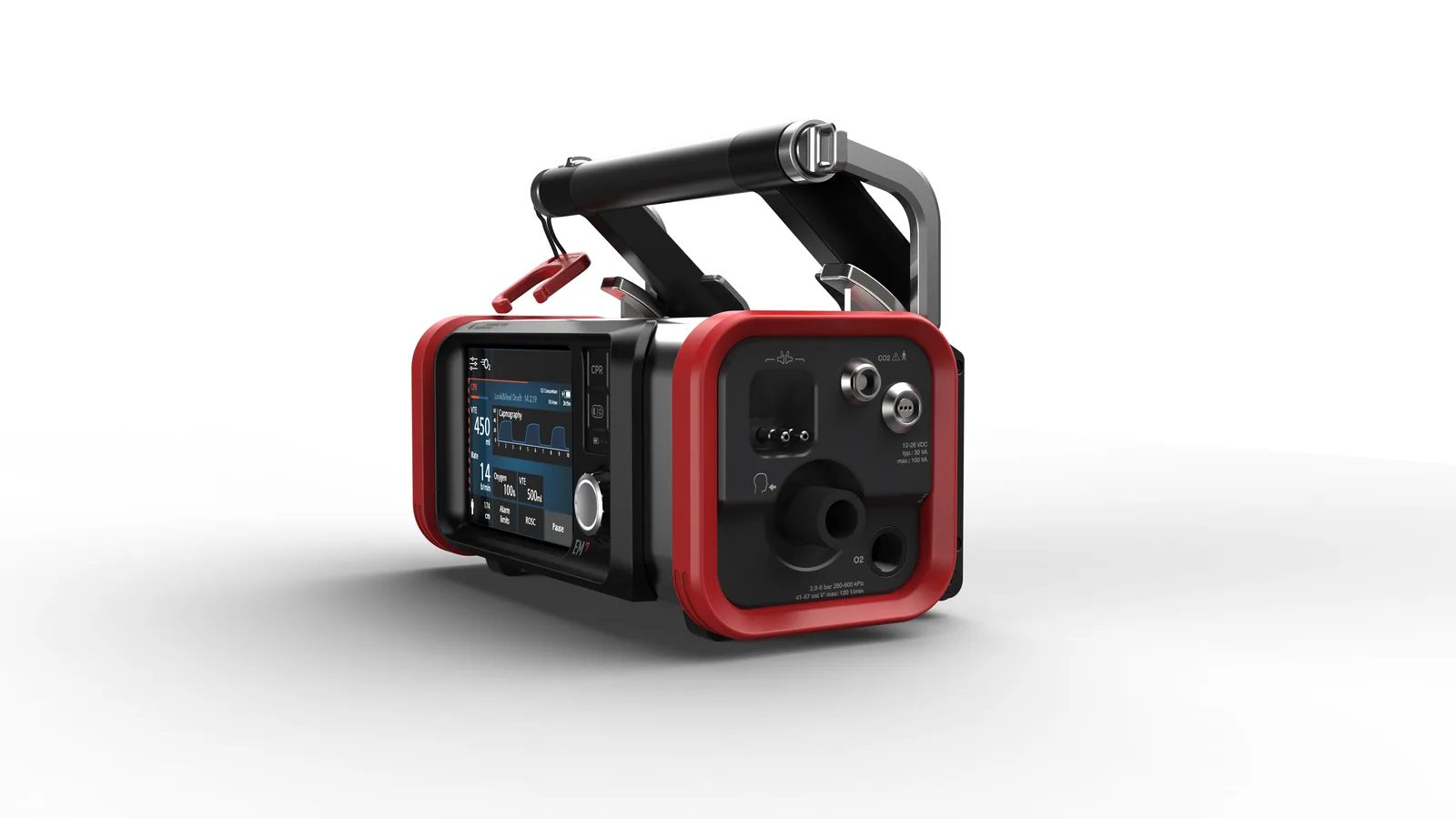
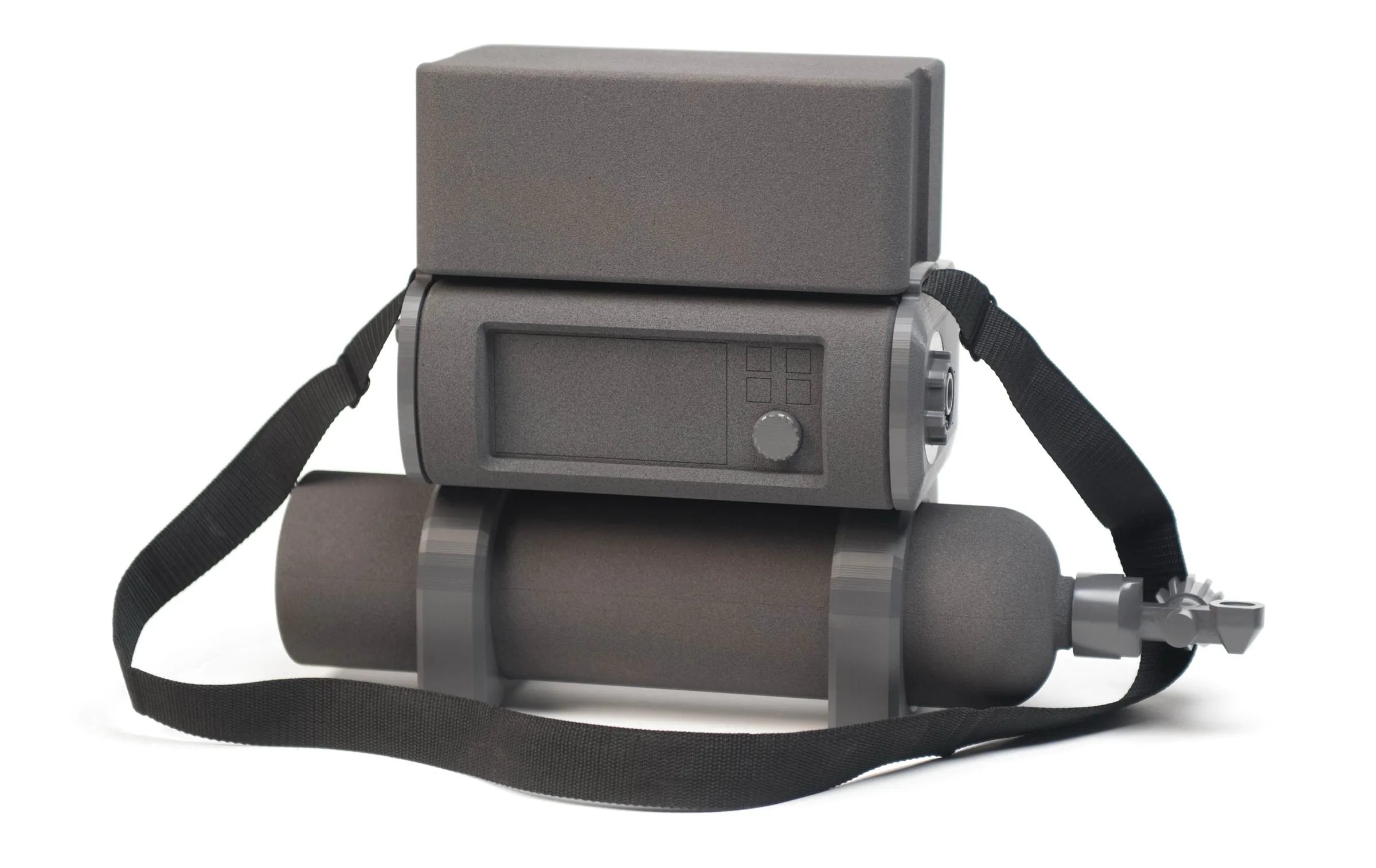
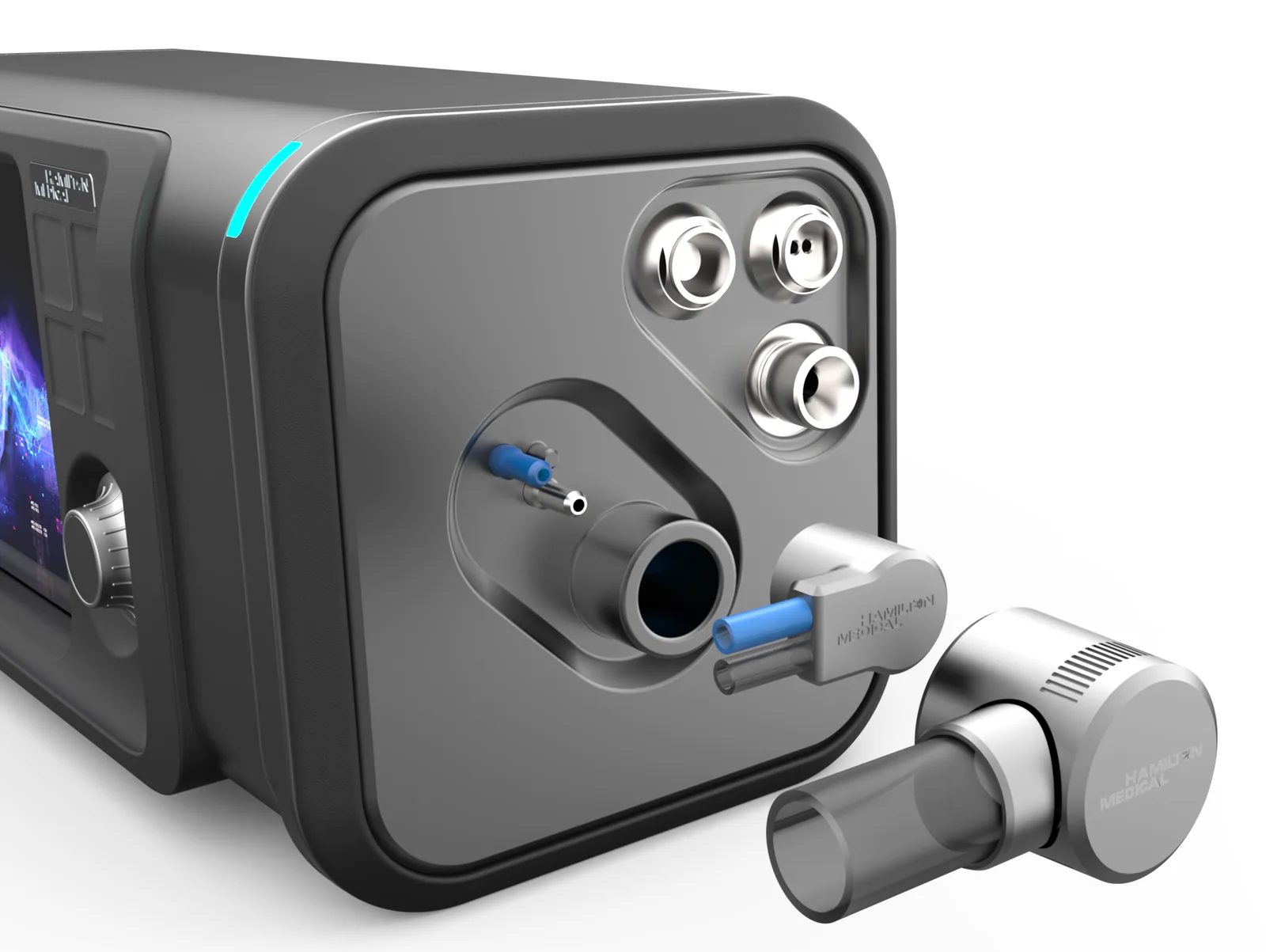
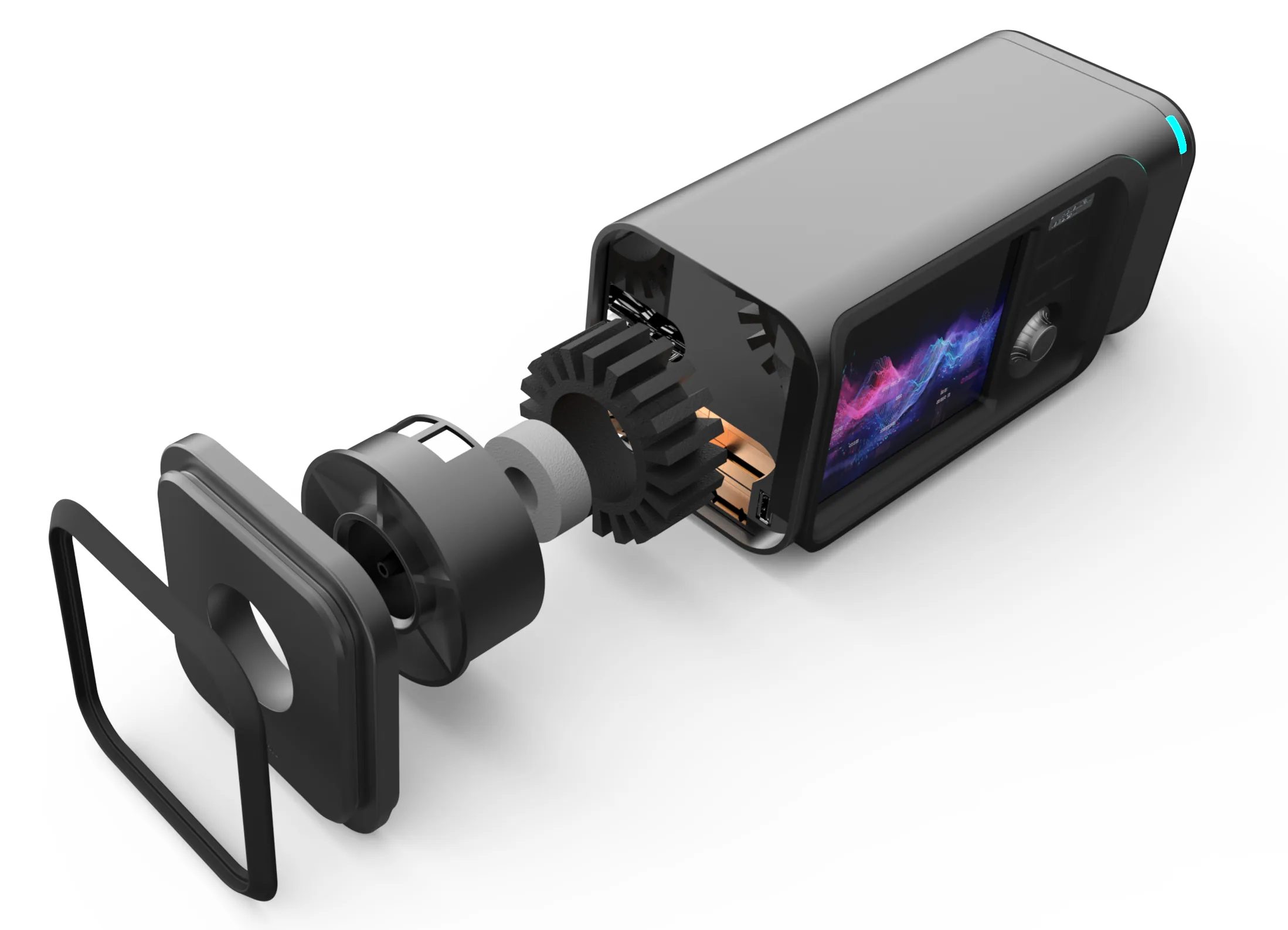
We then worked the form around the inside of the device, studying how the turbine, battery, and patient connections fit within a compact, rugged shell, and built full-size configuration models to test size, balance, and carry options in the hand.
UI/UX Design
Key Outputs
- Control Interaction & Touchscreen Layout
- Screen, Knob & Hard-Key Placement
- Controls That Work with Gloved Hands
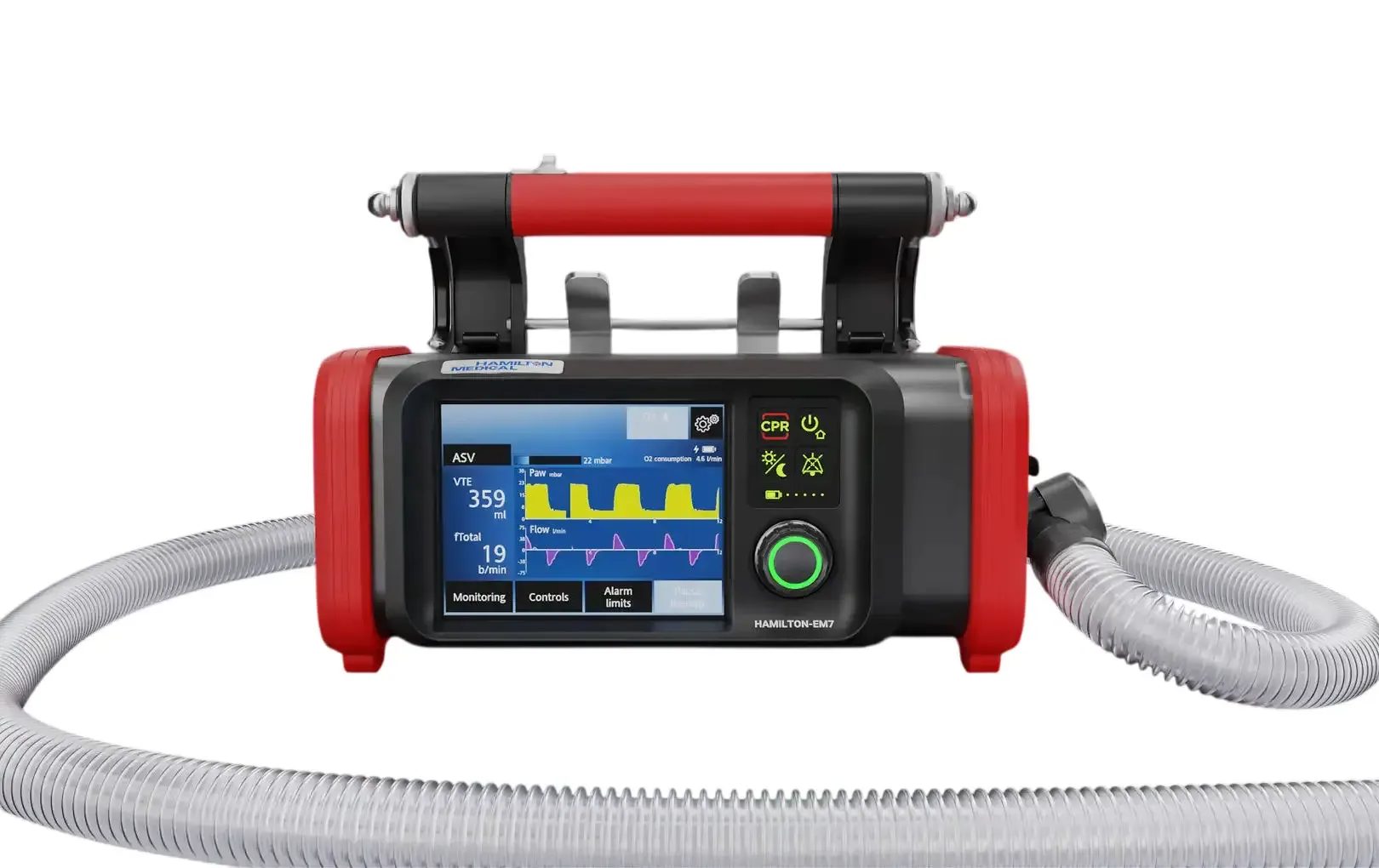
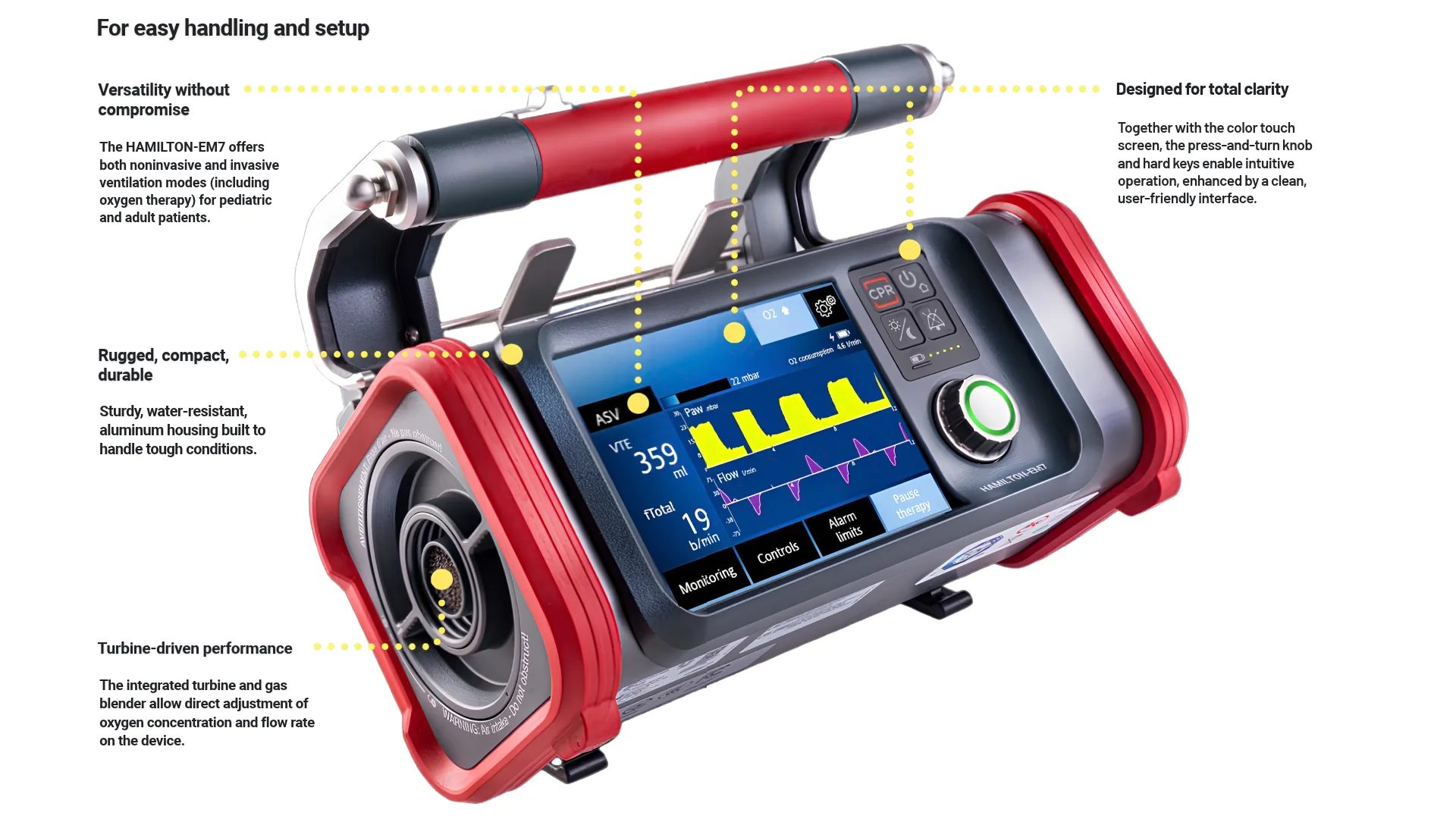
A paramedic’s first contact with EM7 is through its controls. Our UI/UX design team shaped the control interaction around the touchscreen area: where the screen sits, the size and position of the press-and-turn knob, and the hard keys, including a dedicated CPR key, so the most urgent actions are always one press away, even with gloves on.
Key Outcomes and Results
Key Accomplishments
- Launched: unveiled at RETTmobil 2026 in Fulda, Germany, and shown at Interschutz 2026 in Hannover
- Compact and rugged: under 4.5 kg, milled aluminum frame, up to 8.5 hours of battery
- Guided workflows: built-in CPR and RSI guidance for EMS crews
- Strong reception: Hamilton reported visitors especially praised the user interface and workflow design
- Rolling out market by market as approvals come through
The HAMILTON-EM7 continues a long partnership between Hamilton Medical and RKS that includes the Hamilton T1 and Hamilton C6.
It shows how medical device design grounded in real field research can turn a complex, life-critical machine into a tool a paramedic can trust in seconds.
Let’s move together.
Get in touchExplore More Work
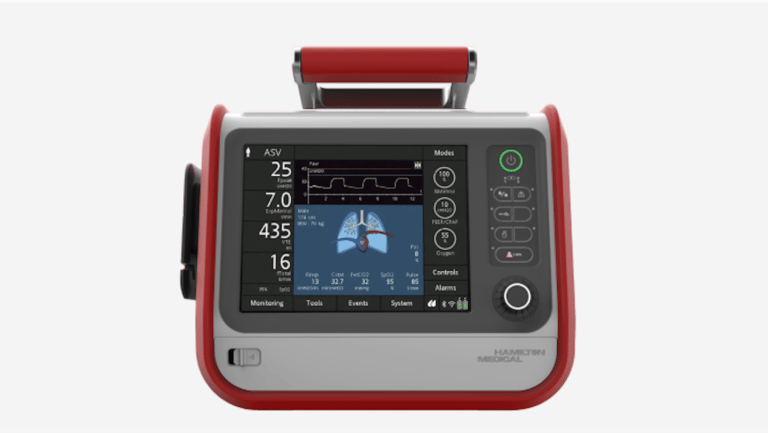
Hamilton T1
A more compact mobile ventilator.
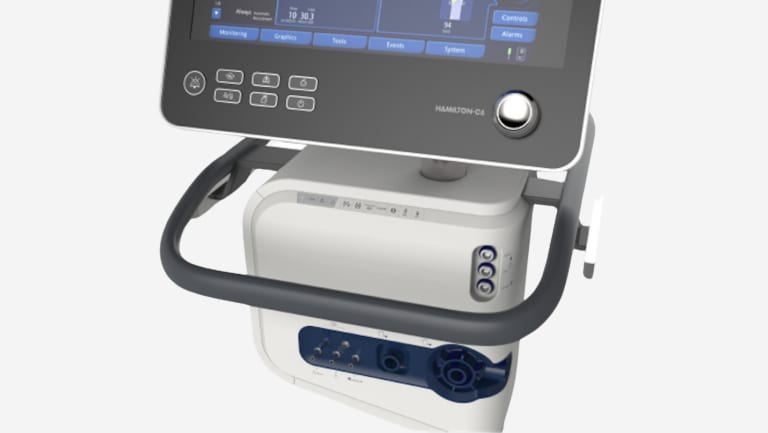
Hamilton C6
A new generation of high-end ventilators allowing users to personalize their patient’s ventilation therapy.
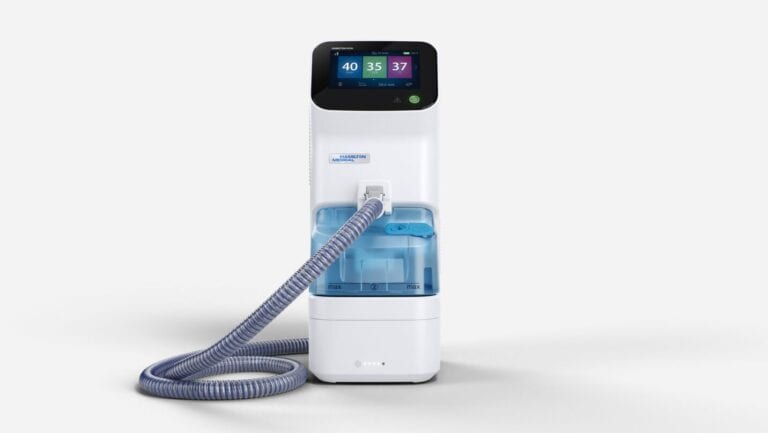
Hamilton-HF90
Advanced high flow oxygen therapy.
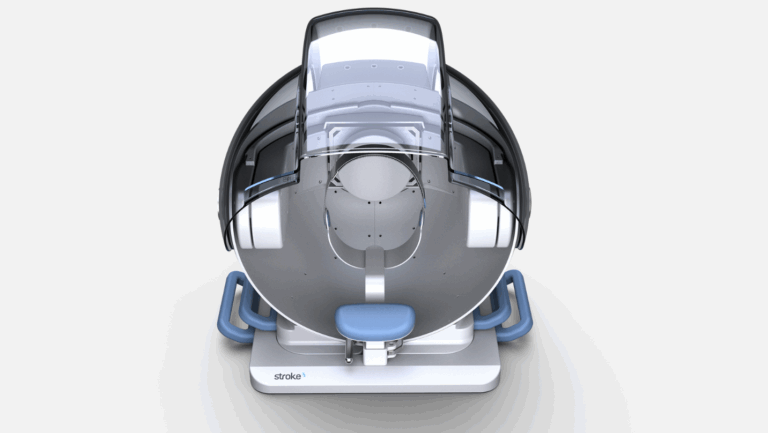
Stroke DX
An automated stroke detection device used at the patient bedside to quickly detect ischemic or hemorrhagic strokes.
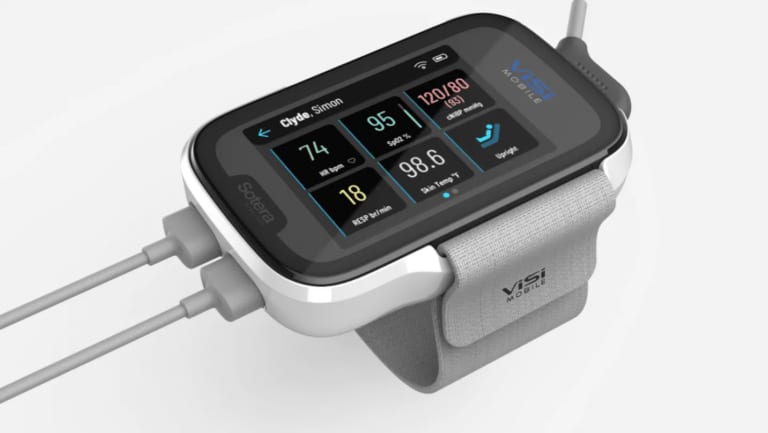
Sotera Wireless
Continuous patient monitoring with an advanced wireless system.
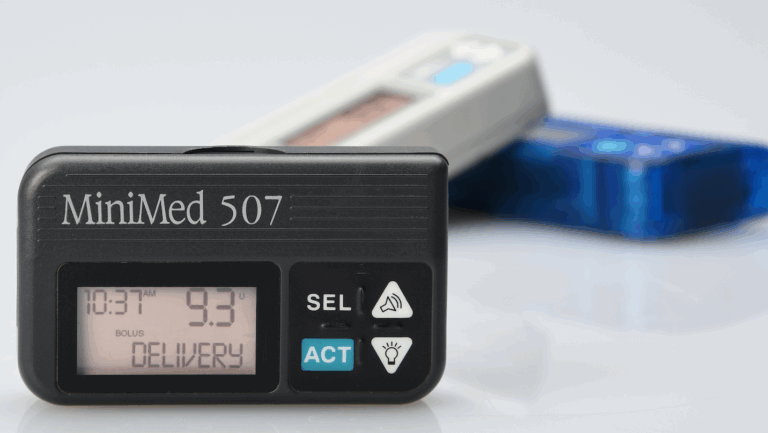
MiniMed
The launch of the MiniMed 507 marked a turning point in diabetes treatment and insulin pump adoption.
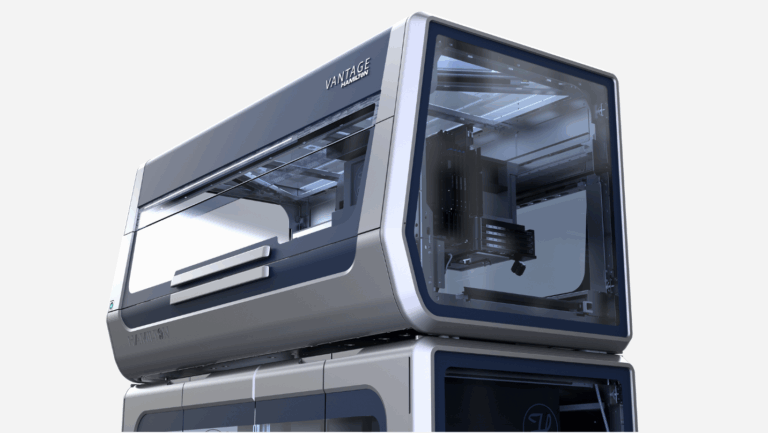
Hamilton Vantage
A modular updated design for Hamilton’s automated liquid handling platform.
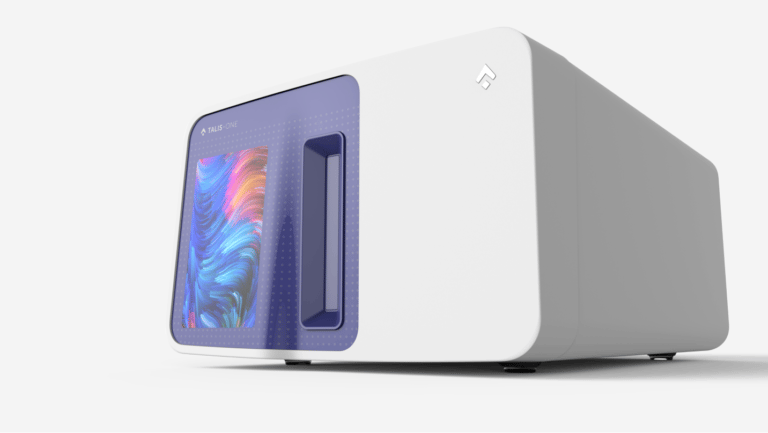
Talis
In-office analyzer that will transform the future of women’s health.