
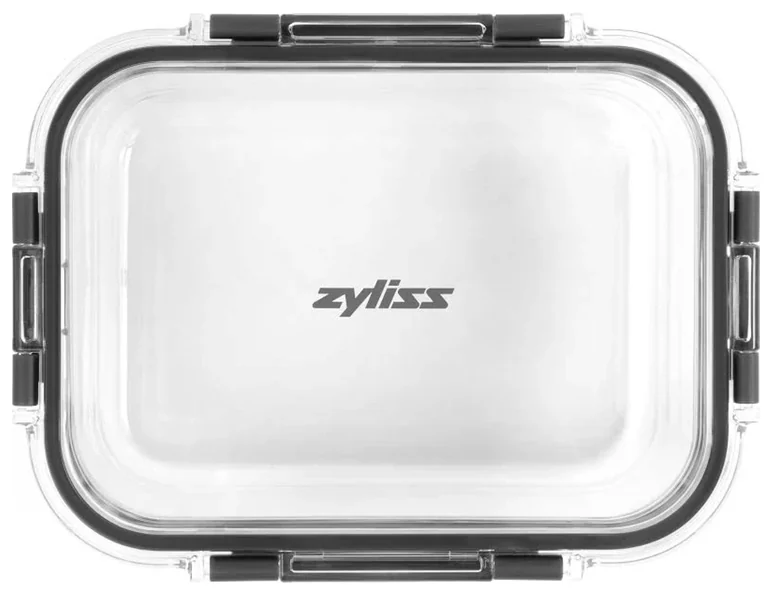
An integrated food storage system for Zyliss.
Zyliss engaged RKS to uncover high-value growth opportunities capable of expanding its global brand. Through a comprehensive Psycho-Aesthetics® study, our innovation consulting team identified food storage as a compelling new opportunity in the consumer market, then transformed that insight into a differentiated product strategy and breakthrough solution.
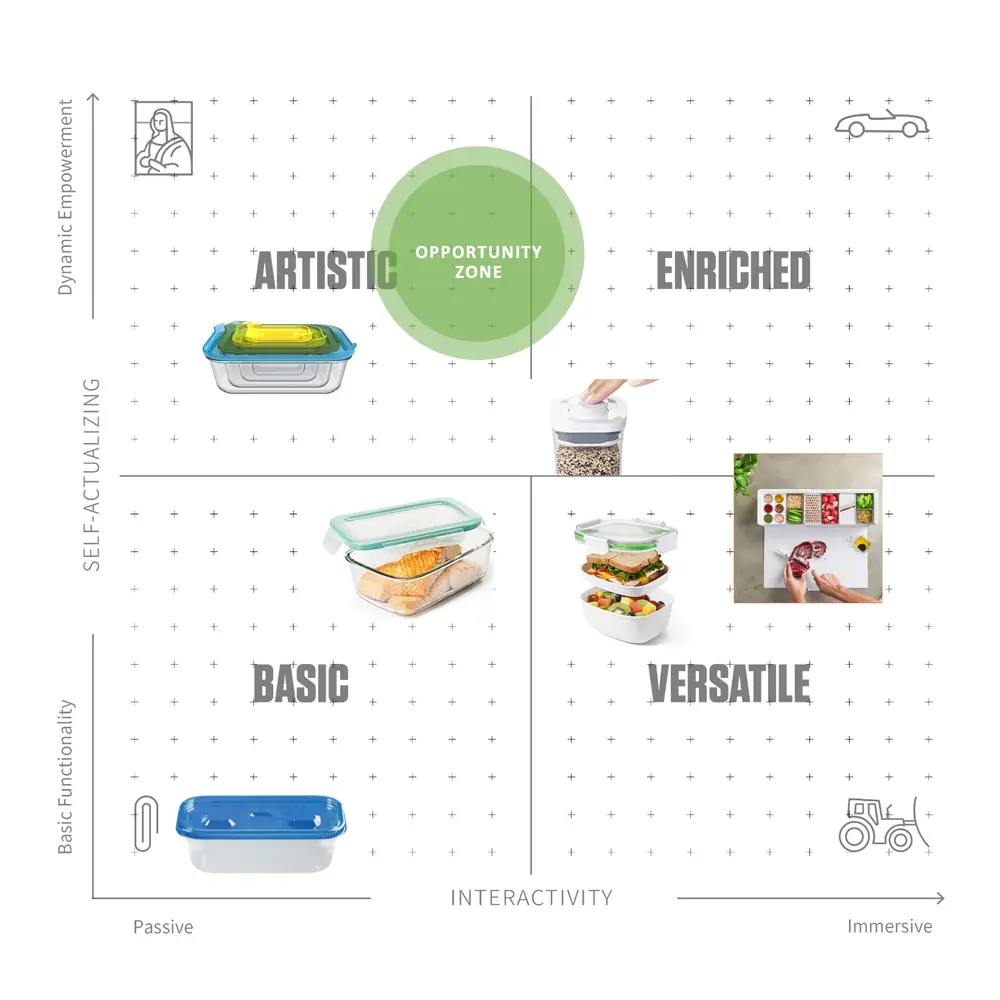
Psycho-Aesthetics® Strategy
Key Outputs
- Psycho-Aesthetics® Opportunity Mapping
- Competitive & Category Analysis
- Brand-Adjacency Assessment
- Category Entry Recommendation
Choosing the category before designing the product
RKS did not begin with food storage as a given. Our innovation consulting team assessed adjacent categories through Psycho-Aesthetics® analysis, competitor and category research, portfolio adjacency, and entry friction across consumers, retailers, and distributors.
The question was not which market looked attractive, but where Zyliss had the strongest right to enter and the best chance to win.
Food storage answered it: a natural extension of Zyliss’s role in food preparation, moving the brand into an adjacent part of the kitchen without asking anyone to reinterpret what Zyliss stood for.
Research & Innovation Consulting
Key Outputs
- Ecosystem Personas
- Purchase & Usage Journey Maps
- Materials & Component Research
- Opportunity Areas & Design Criteria
Understanding the whole food journey
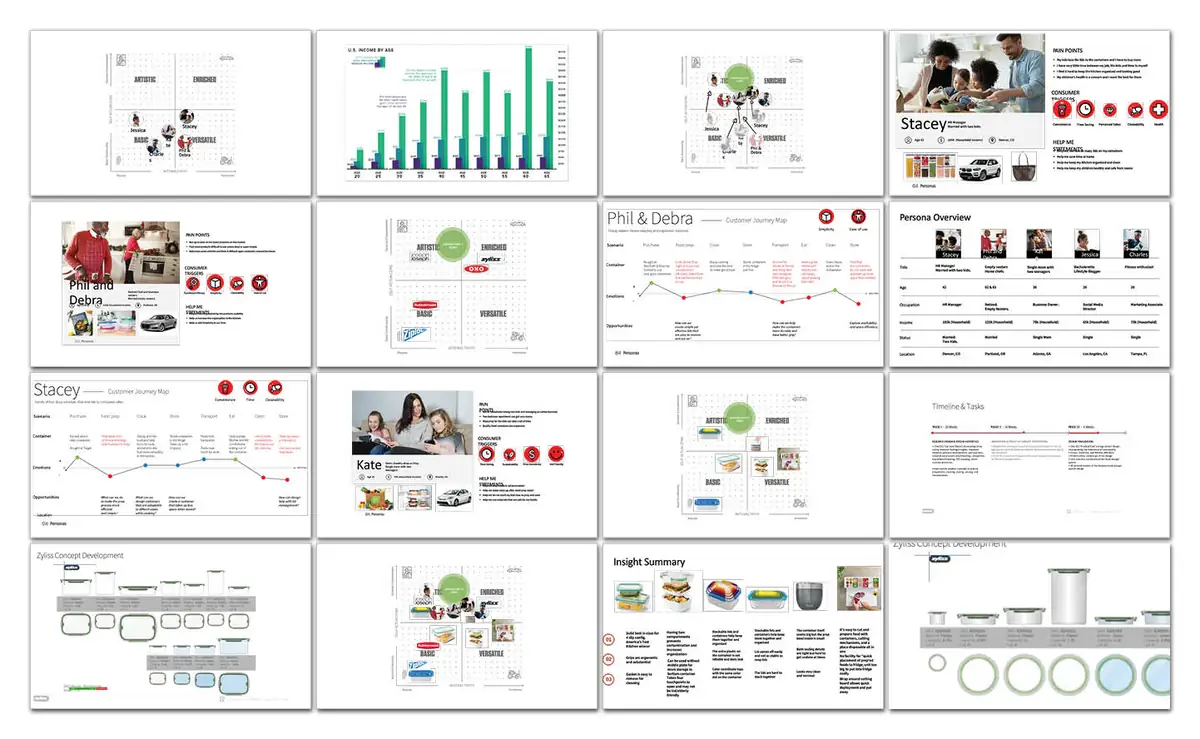
Our research team expanded on studies provided by Zyliss to understand how people prepare, manage, transport, and enjoy homemade food.
The team examined lifestyle trends, user scenarios, competitive products, consumer reviews, materials, components, and relevant intellectual property.
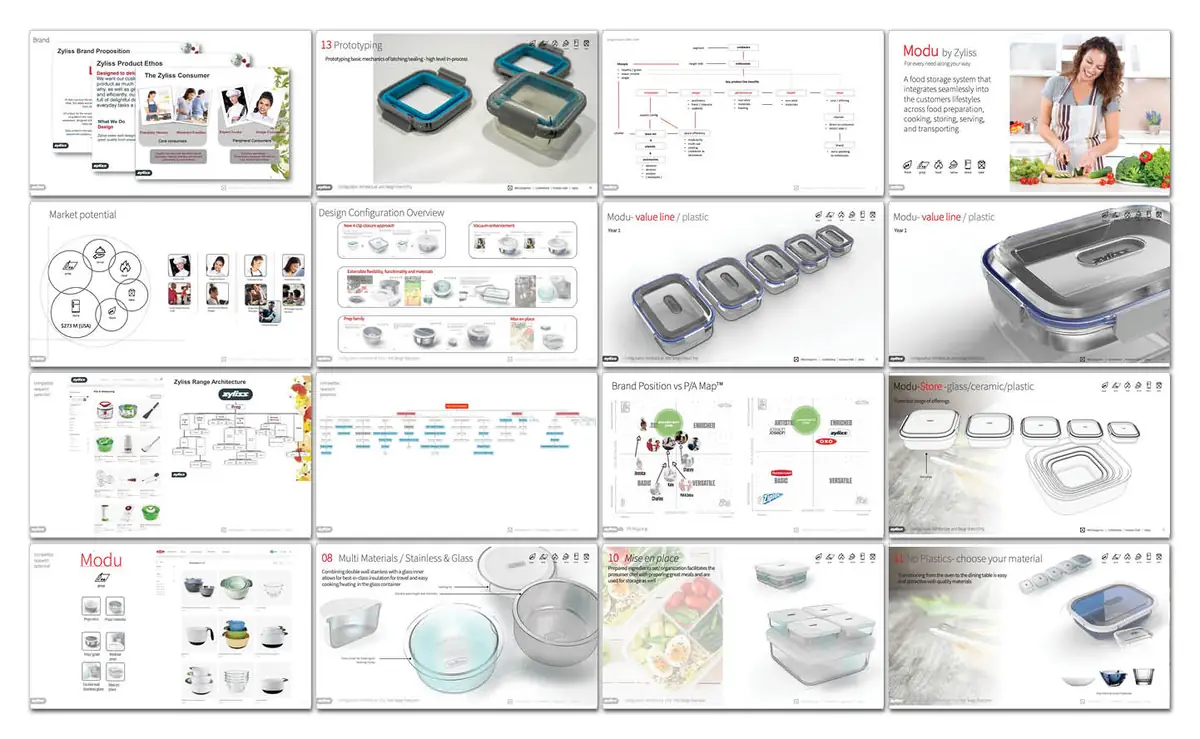
Using our proprietary Psycho-Aesthetics® methodology, we developed ecosystem personas and mapped the experience from purchase through preparation, cooking, storage, transportation, serving, and cleaning. The research revealed opportunities to simplify fragmented routines and create a system that delivers greater flexibility, convenience, and emotional value.
How We Used Psycho-Aesthetics® to Identify Unique Opportunities in the Project.
Through the Psycho-Aesthetics® framework, RKS explored not only what users needed from food storage, but why those needs mattered. Up to five ecosystem personas helped reveal key pain points and emotional motivators, expressed through focused “help me” statements.
Competitive products and brands were evaluated across features, benefits, aesthetics, messaging, positioning, and visual language. These insights established clear opportunity territories for a differentiated Zyliss system, one designed around the complete experience of making, carrying, and enjoying food.
Prototype Development & Testing
Key Outputs
- Lid-Mechanism CAD
- Three Breadboard Prototypes
- Iterative Usability Testing
- Full-Size Lid-System Prototype
From mechanism to proof of concept
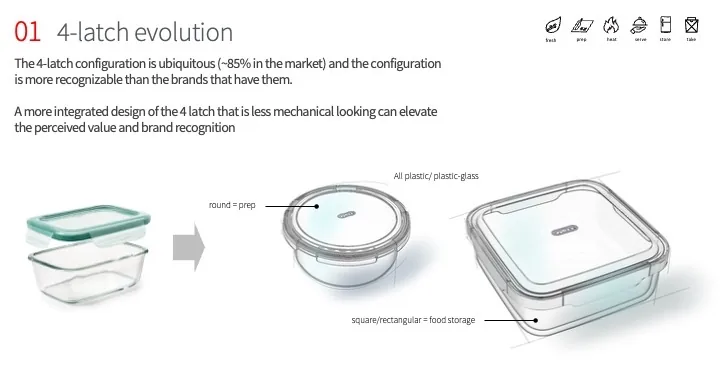
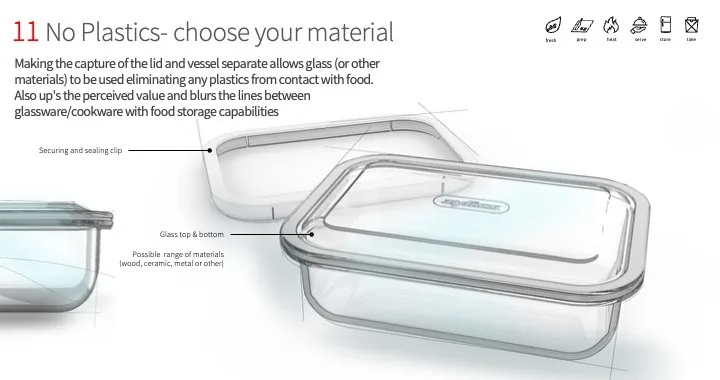
As part of our product development process, RKS structured the prototyping program to move efficiently from individual mechanisms to a complete proof of concept.
Three breadboard prototypes evaluated selected lid functions, exposed technical challenges, and refined the most promising approaches. Testing focused on usability, functionality, assembly, and the relationship between each lid and container.
Following evaluation with Zyliss, the selected lid system advanced into a full-size proof-of-concept prototype, with each iteration strengthening the experience and reducing risk before design development.
Product Engineering
Key Outputs
- Production-Ready 3D CAD
- Works-Like Prototype
- Bill of Materials & CTF Drawings
- Manufacturing Quotation Package
Built to be manufactured
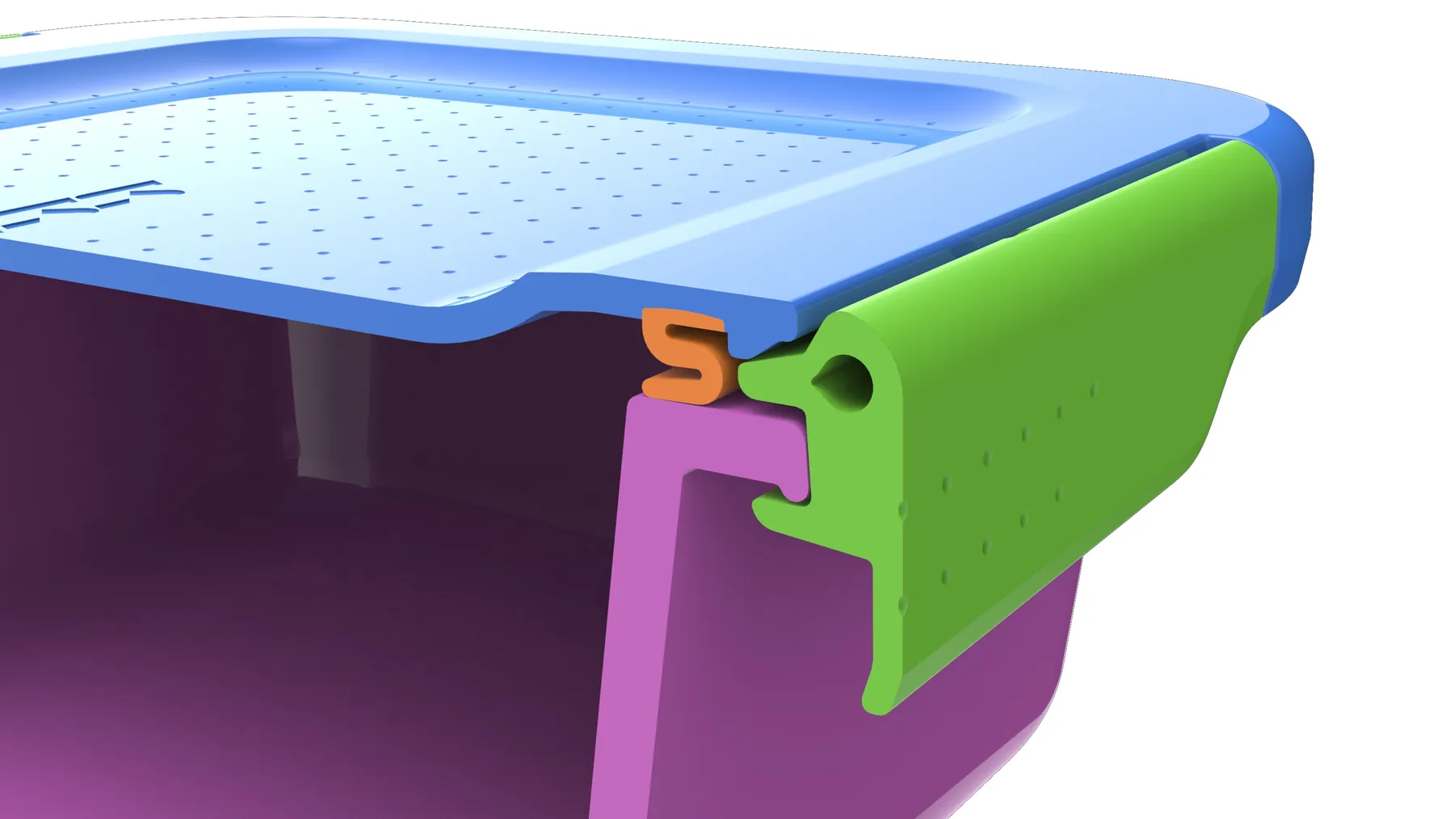
Our product engineering team translated the selected concept into a manufacturable system, coordinating design intent, mechanical performance, materials, and production requirements.
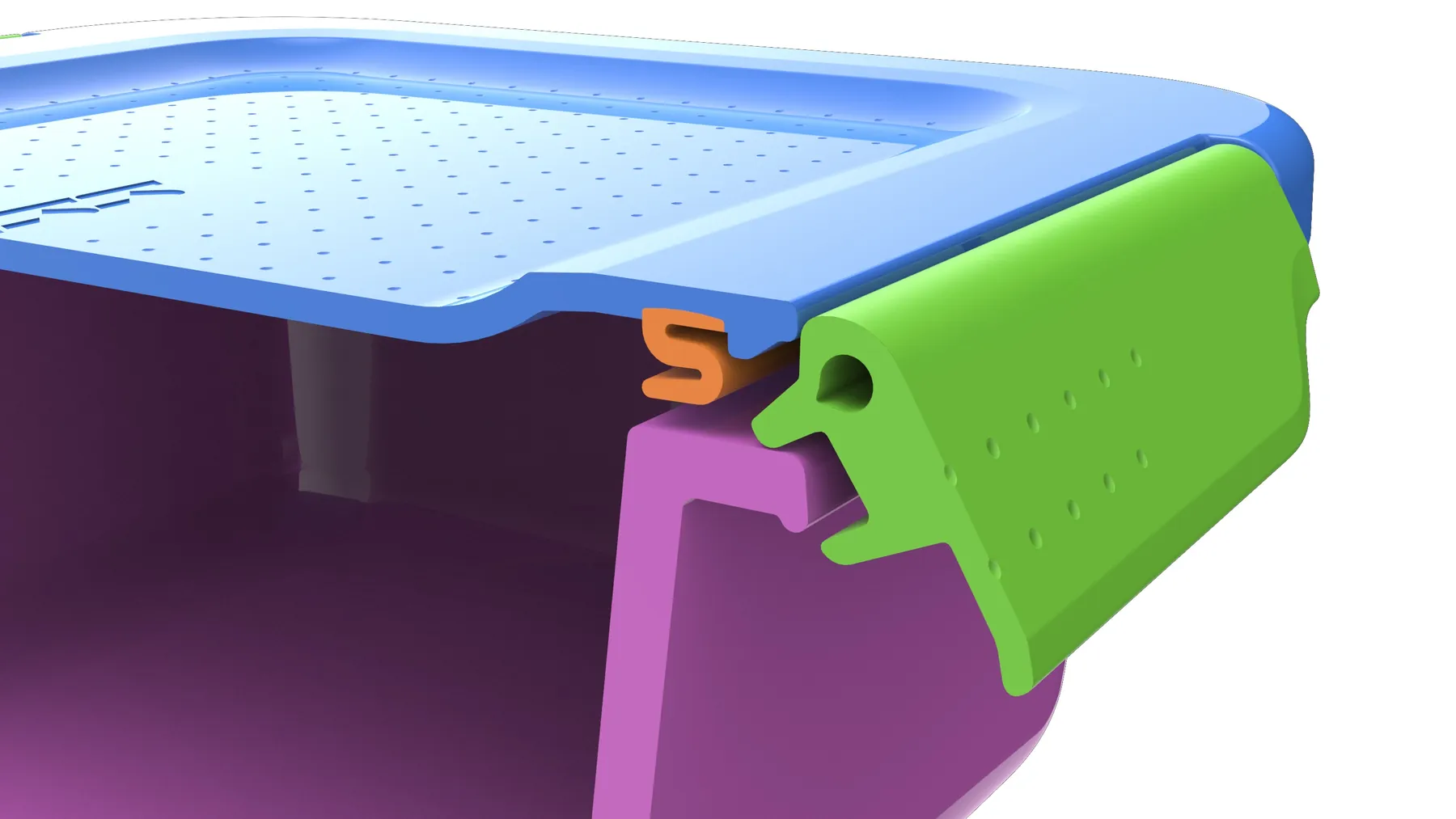
RKS developed production-ready CAD with detailed part architecture, ribs, bosses, draft angles, textures, and other manufacturing features. A works-like prototype was produced from the engineering data and refined through iterative testing and debugging.
The team also prepared the technical documentation required for supplier quotations and a clear handoff to Zyliss.
Final Design
Key Outputs
- Complete Food Storage System
- Color, Material & Finish Definition
- Photorealistic Product Renderings
- 3D-Printed Presentation Models
One cohesive system
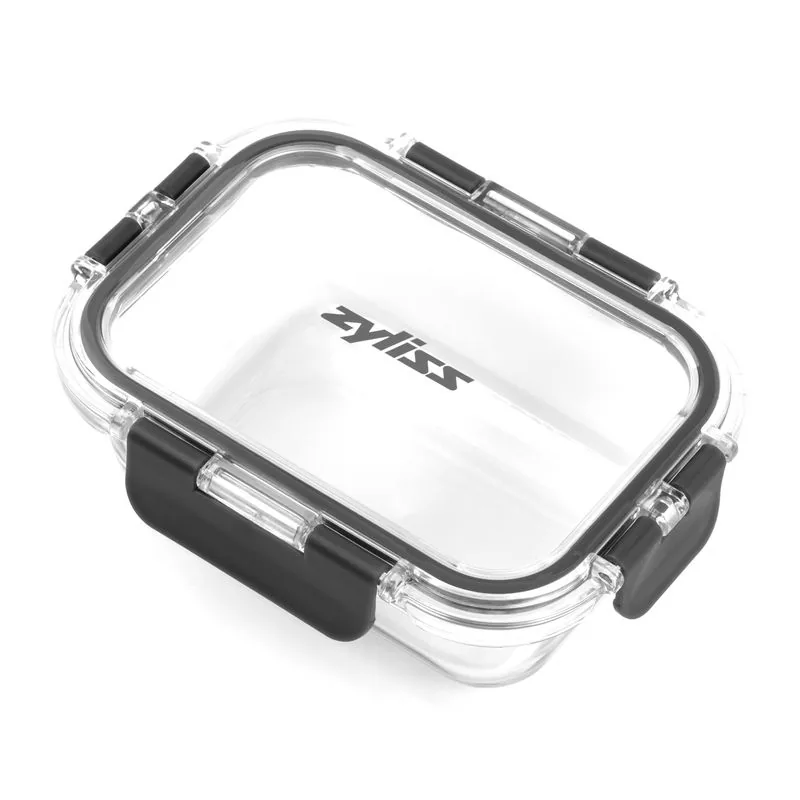
RKS brought the research, the strategy, and the prototype learnings together into one finalized food storage system, delivered to Zyliss.
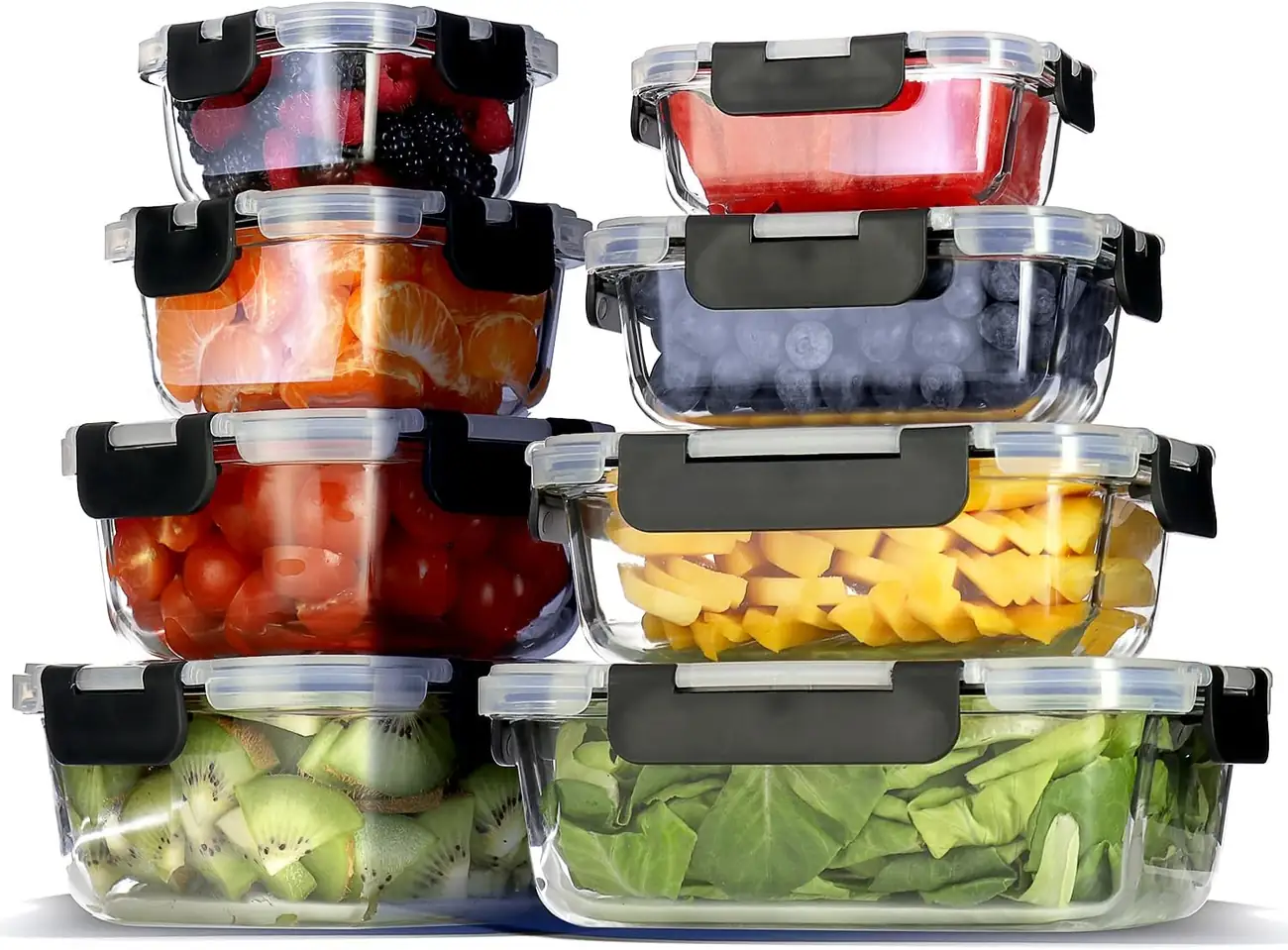
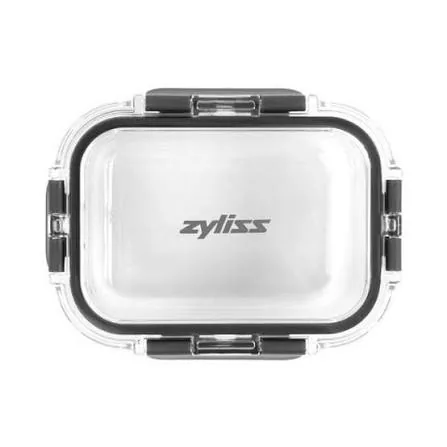
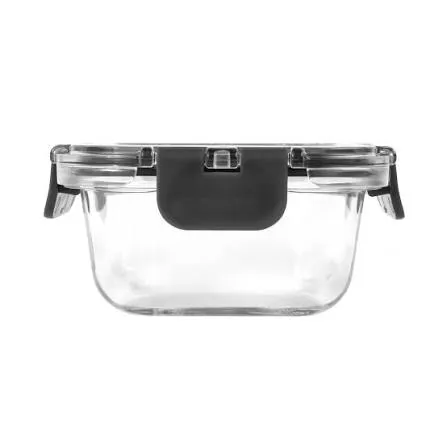
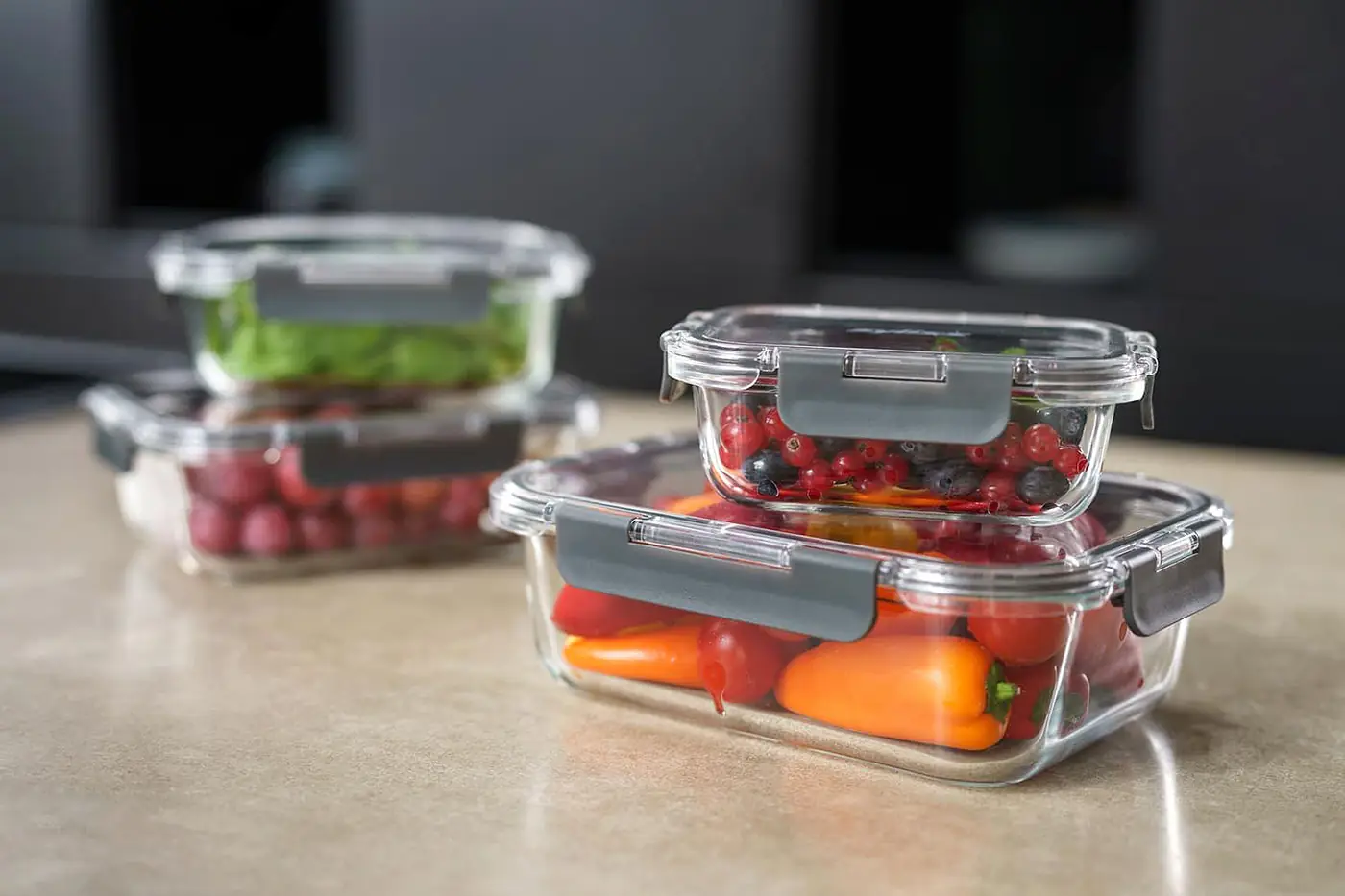
The platform comprised four container formats, four specialized lids for preparation and cooking, and one differentiated sealing-lid approach. Our industrial design team defined colors, materials, finishes, and surface details across the range to create a visual language consistent with the Zyliss brand.
Photorealistic renderings, 3D-printed models, and a user-scenario storyboard showed how the system supports the full meal journey, turning a collection of containers into a connected culinary experience. See more of our work for the consumer market.
Let’s move together.
Get in touchExplore More Work
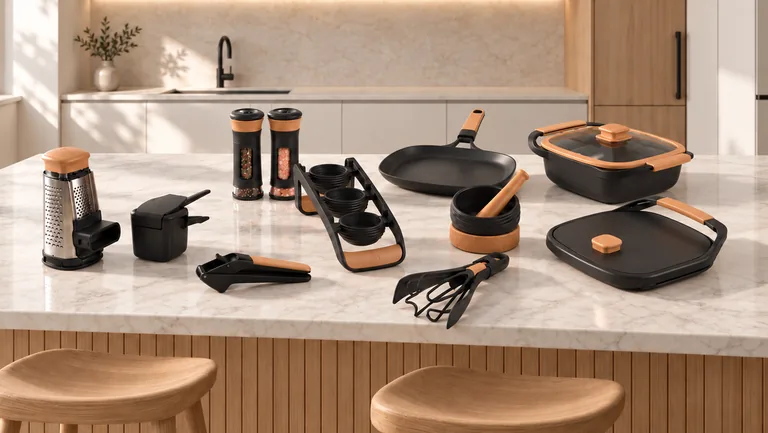
Kitalma
Brand, packaging and a cookware design language for a culinary passport in the home kitchen.
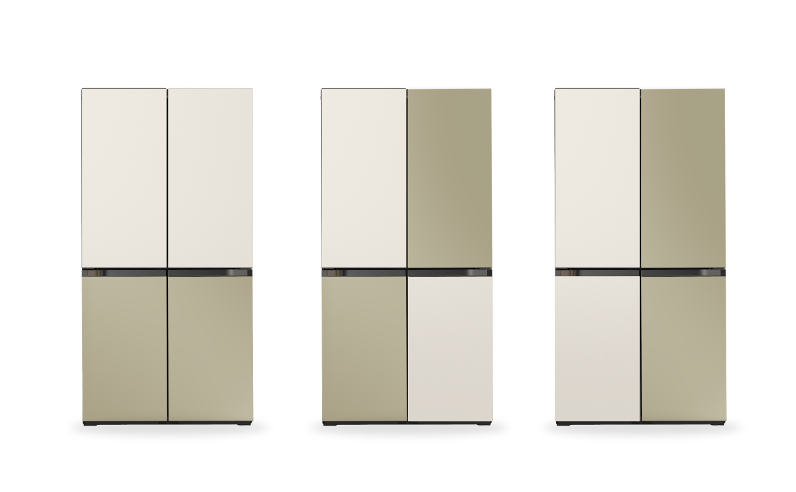
Samsung Bespoke
Research, color strategy and retail concepts for Samsung’s modular kitchen line.
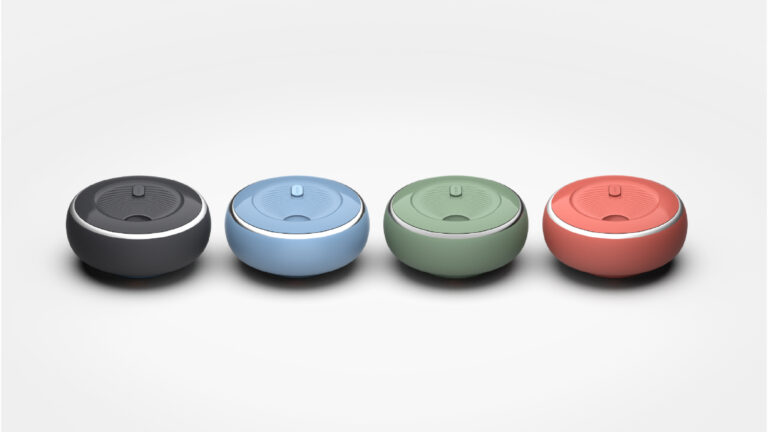
My Dabba
A new category in smart culinary design.
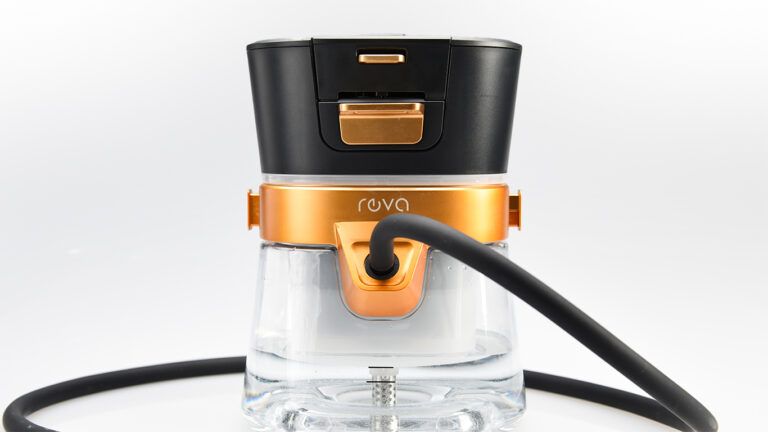
Reva
Rethinking a category from the inside out.
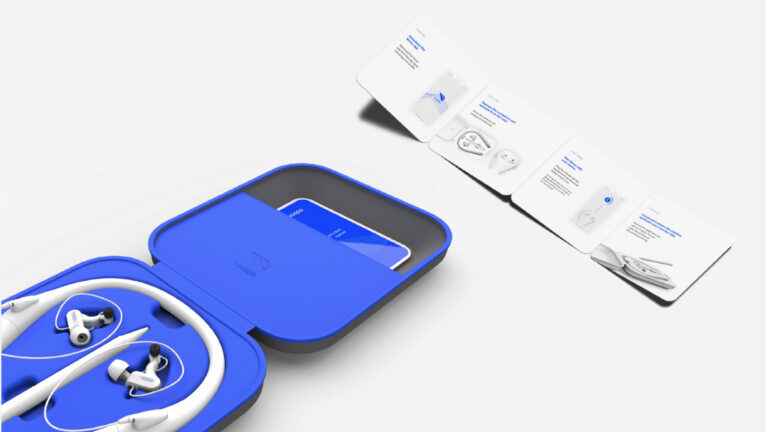
Vorso
Neuroscience-driven wearable for chronic condition therapy.
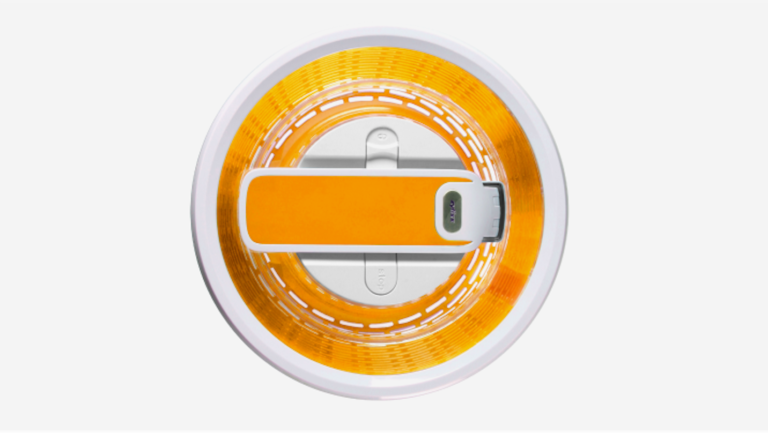
Zyliss
Creating iconic kitchen gadgets that rise above the rest.
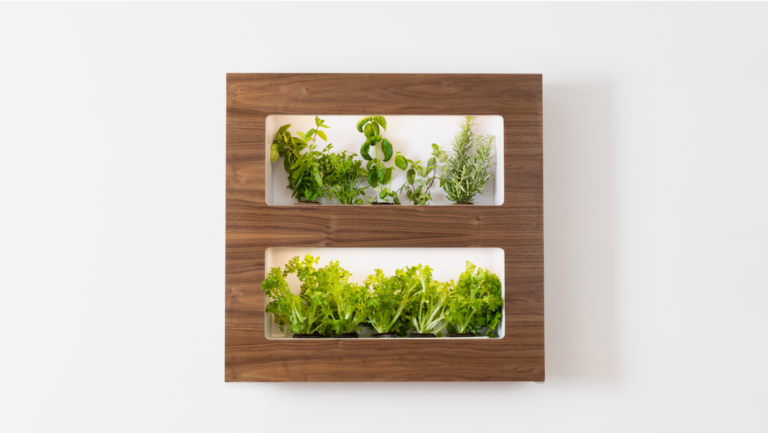
Miravel
A wall-mounted hydroponic pond that raises AI’s elegance to grow any small plant at home.
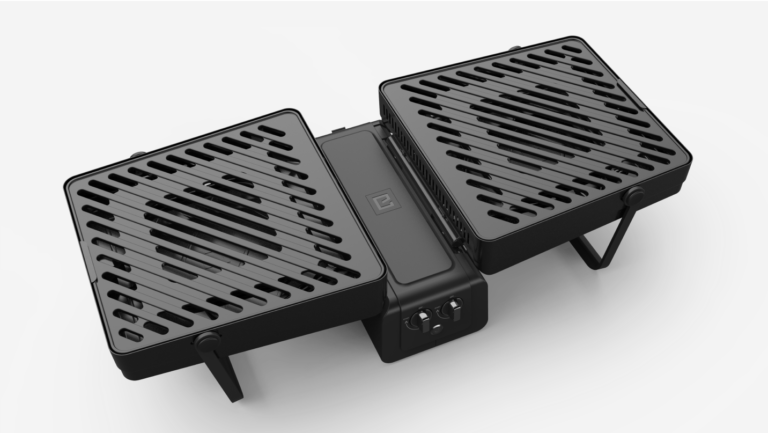
Elevate Grill
A compact, portable grilling experience.