
Powerful automation. Simplified.
Laboratories face complexity, training bottlenecks, and error prone setup in robotic liquid handling. Hamilton’s VENUS software needed to lower the barrier, making lab automation accessible, precise, and adaptable across diverse workflows and skill levels.
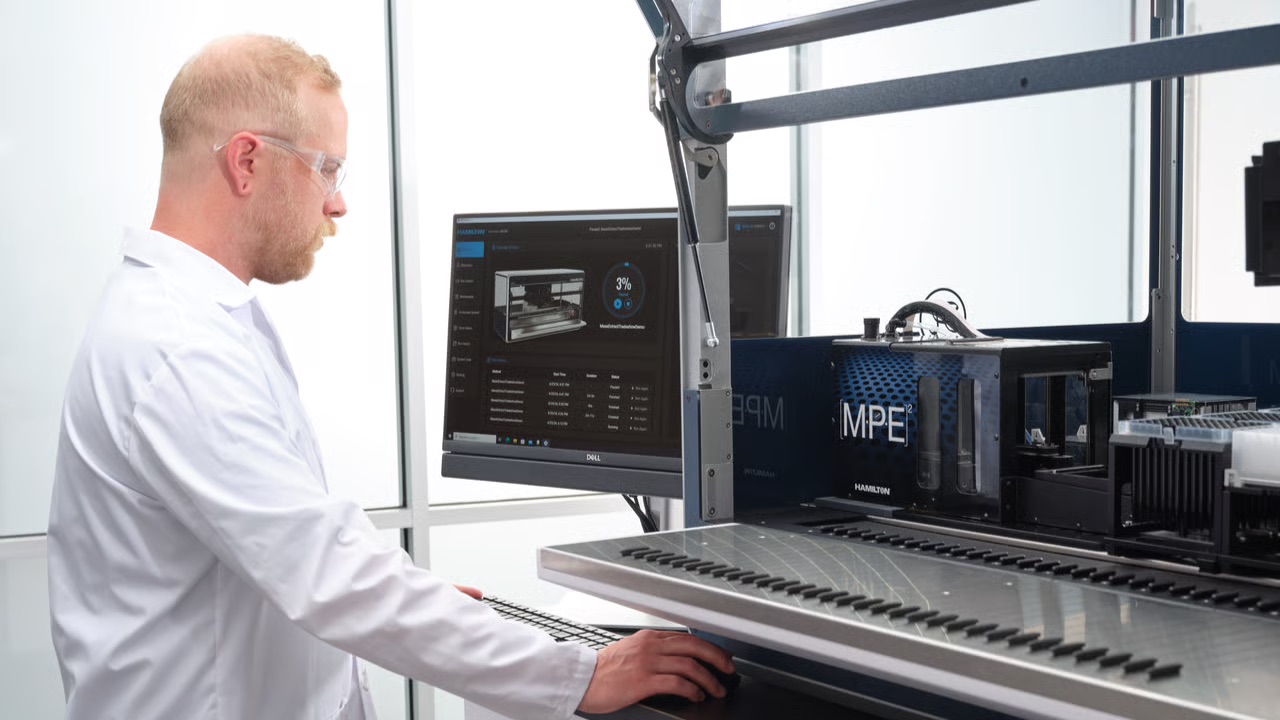
Research Insights & Discovery
Key Outputs
- User Personas
- Psycho-Aesthetics® 2.0 Map
- Benchmarking
- Opportunity Areas & Design Criteria
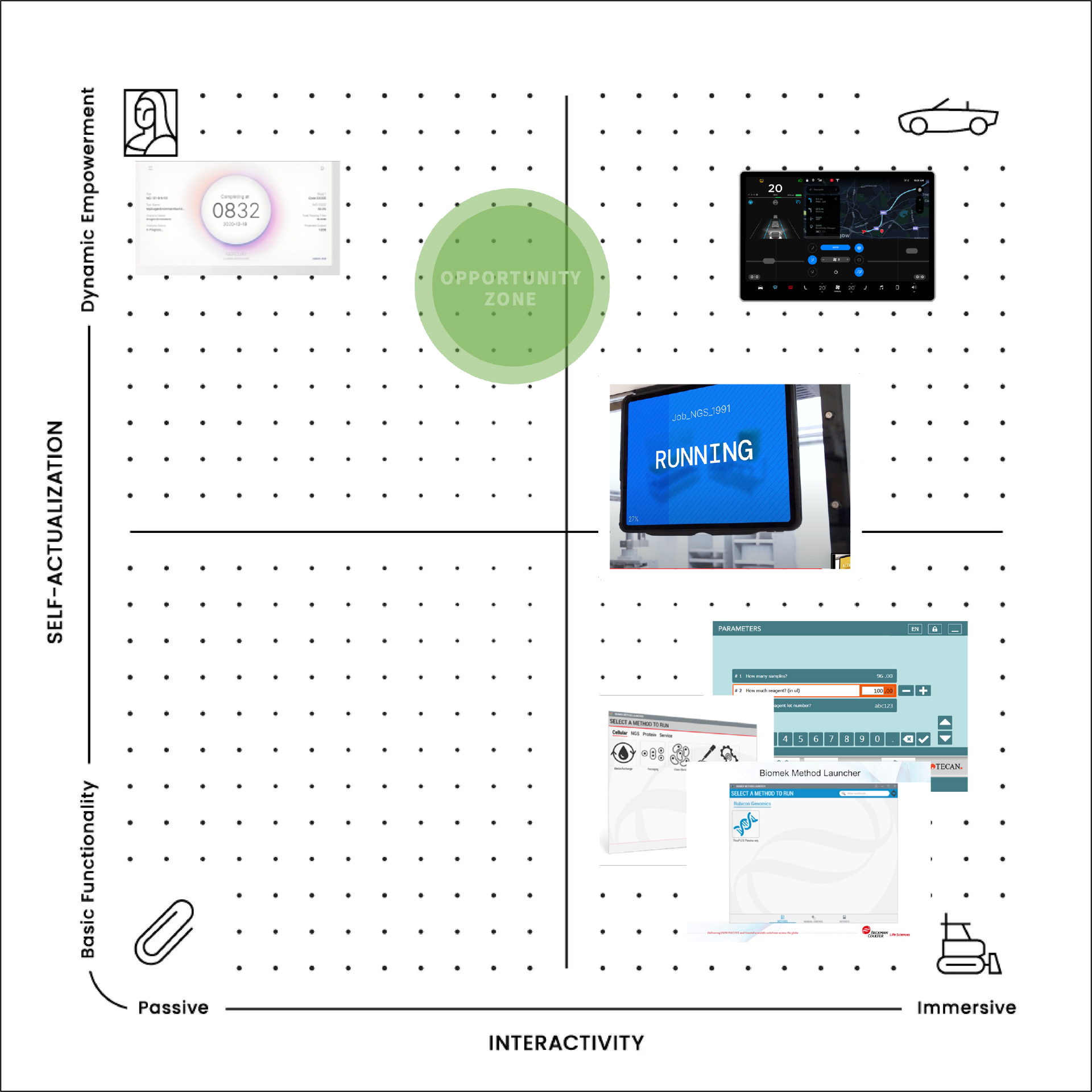
We conducted field observations across academic, clinical, and industrial labs to identify users’ emotional needs: clarity, trust, adaptability, and empowerment. Many faced overwhelming complexity, awkward navigation, and anxiety about reagent handling. By positioning VENUS in the “empowered clarity” quadrant, we created an interface that feels approachable while delivering robust automation.
How We Used Psycho-Aesthetics™ to Identify Unique Opportunities in the Project.
Using our proprietary Psycho-Aesthetics® 2.0 framework, we conducted in-depth interviews and ethnographic observation in diverse lab settings. We identified key emotional and usability pain points, such as intimidation with complex interfaces, workspace clutter, and trust in precision. These insights guided both the form and interface strategy, ensuring approachability and confidence in operation.
Prototyping
Key Outputs
- Validated user flows and functionality early in development
- Optimized ergonomics and usability through iterative testing
- Delivered final pre-production prototype aligned with manufacturing
RKS rapidly translated concepts into tangible, testable models, starting with low-fidelity wireframes to validate structure and interactions, then advancing to high-fidelity prototypes to refine ergonomics, usability, and brand expression. This iterative process minimized risk, accelerated decision-making, and ensured design intent carried through to production.

UI/UX Design
Key Outputs
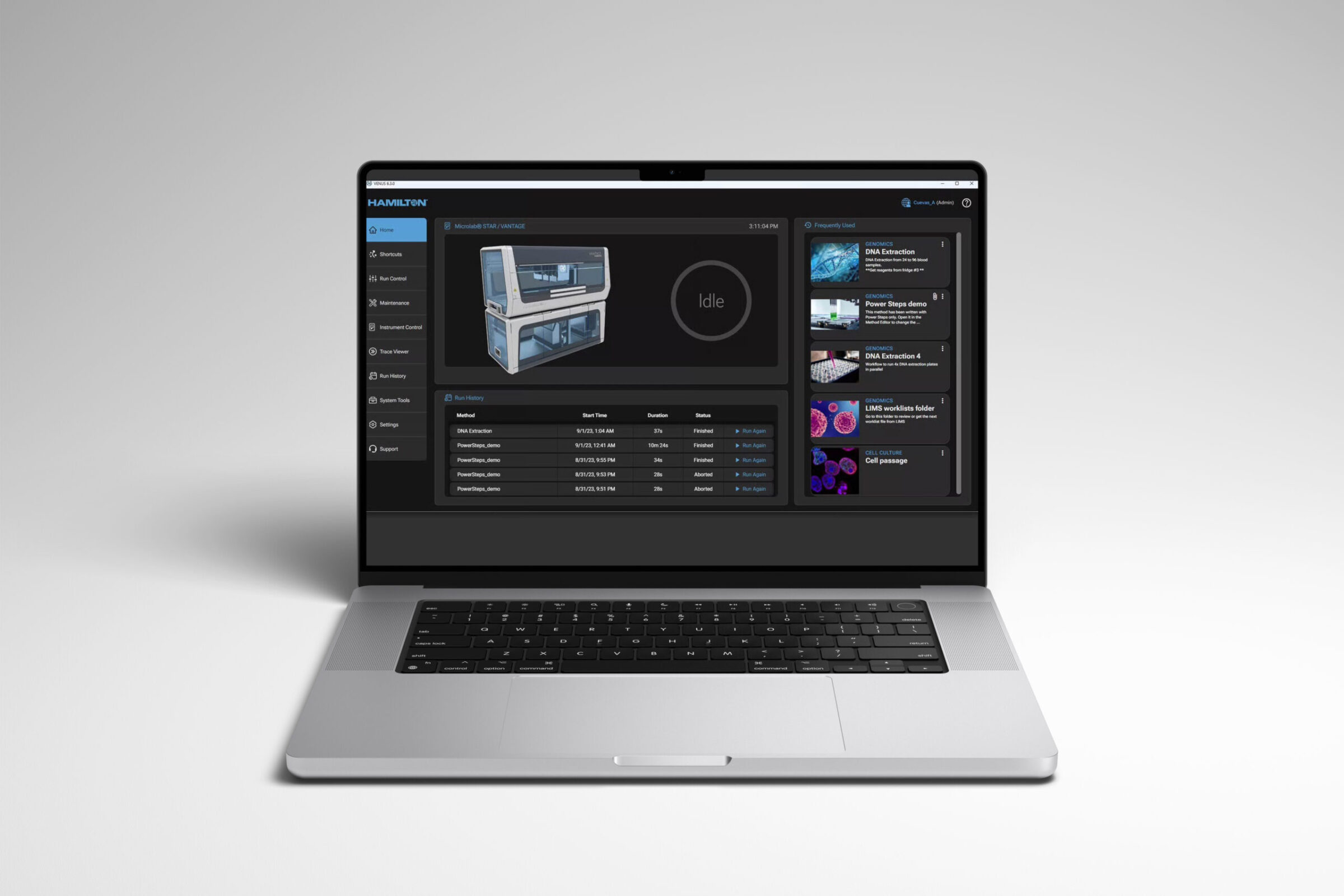
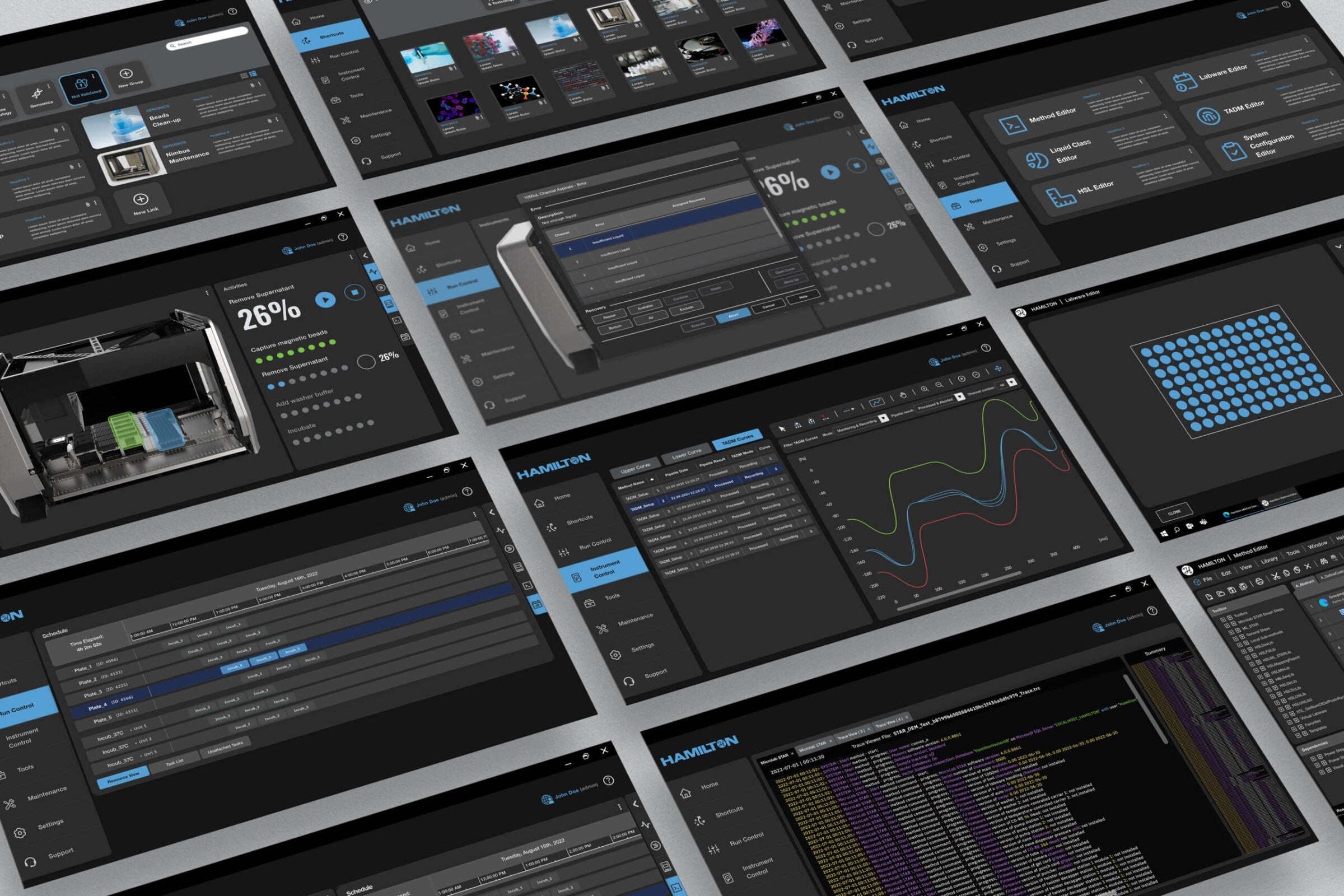
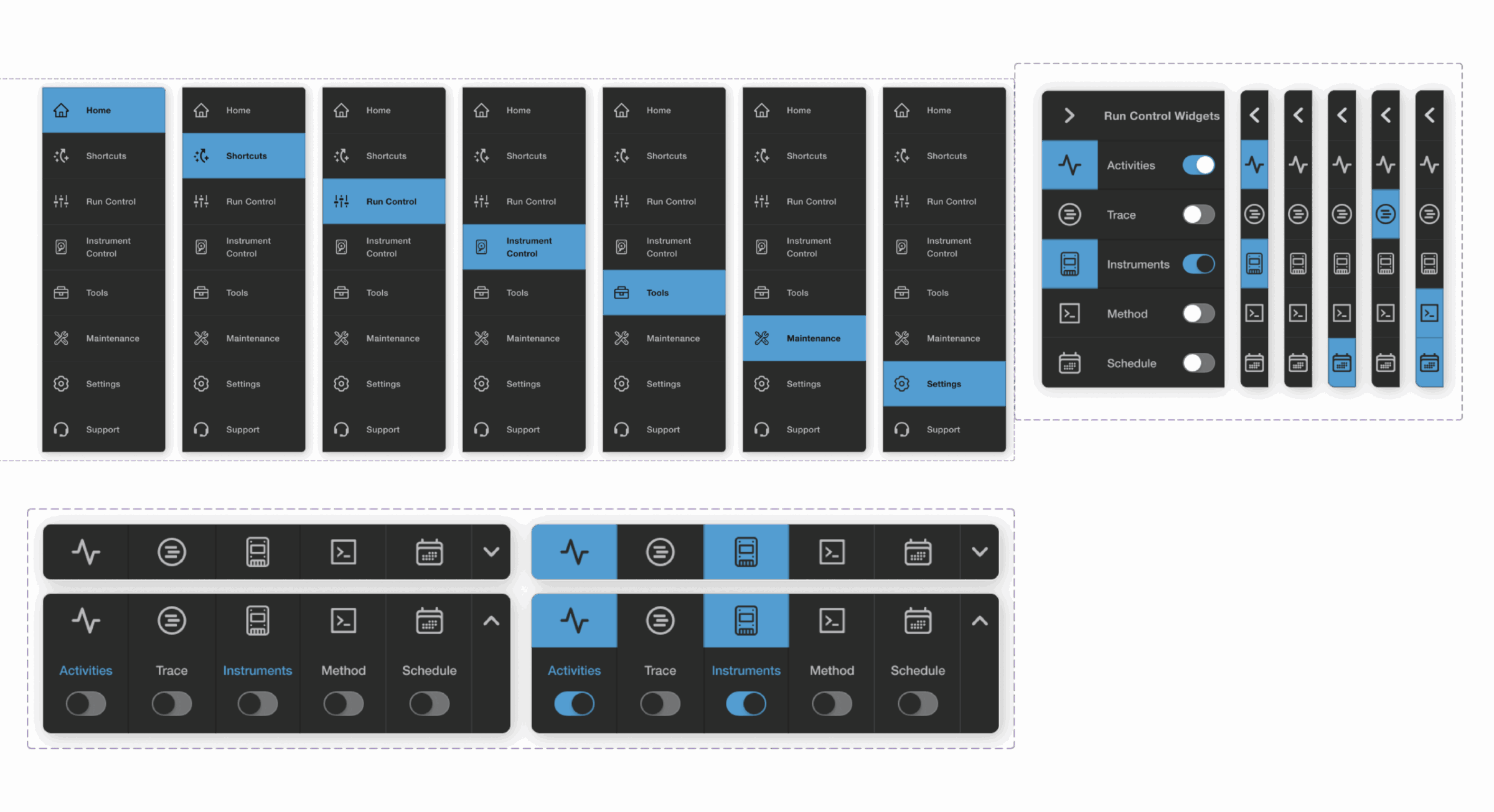
- Power Steps: Simplify common workflows like serial dilutions or replating with structured, visual shortcuts
- Dynamic Scheduling & Deck Visualization: Graphical labware layout preview aligns spatial awareness with operations
- Remote Monitoring & REST API: Track status, receive alerts, and integrate with LIMS or other systems from any device
- Error Detection & Traceability: Real-time pressure (TADM), droplet control (ADC), and volume verification (MAD) for confidence under the hood
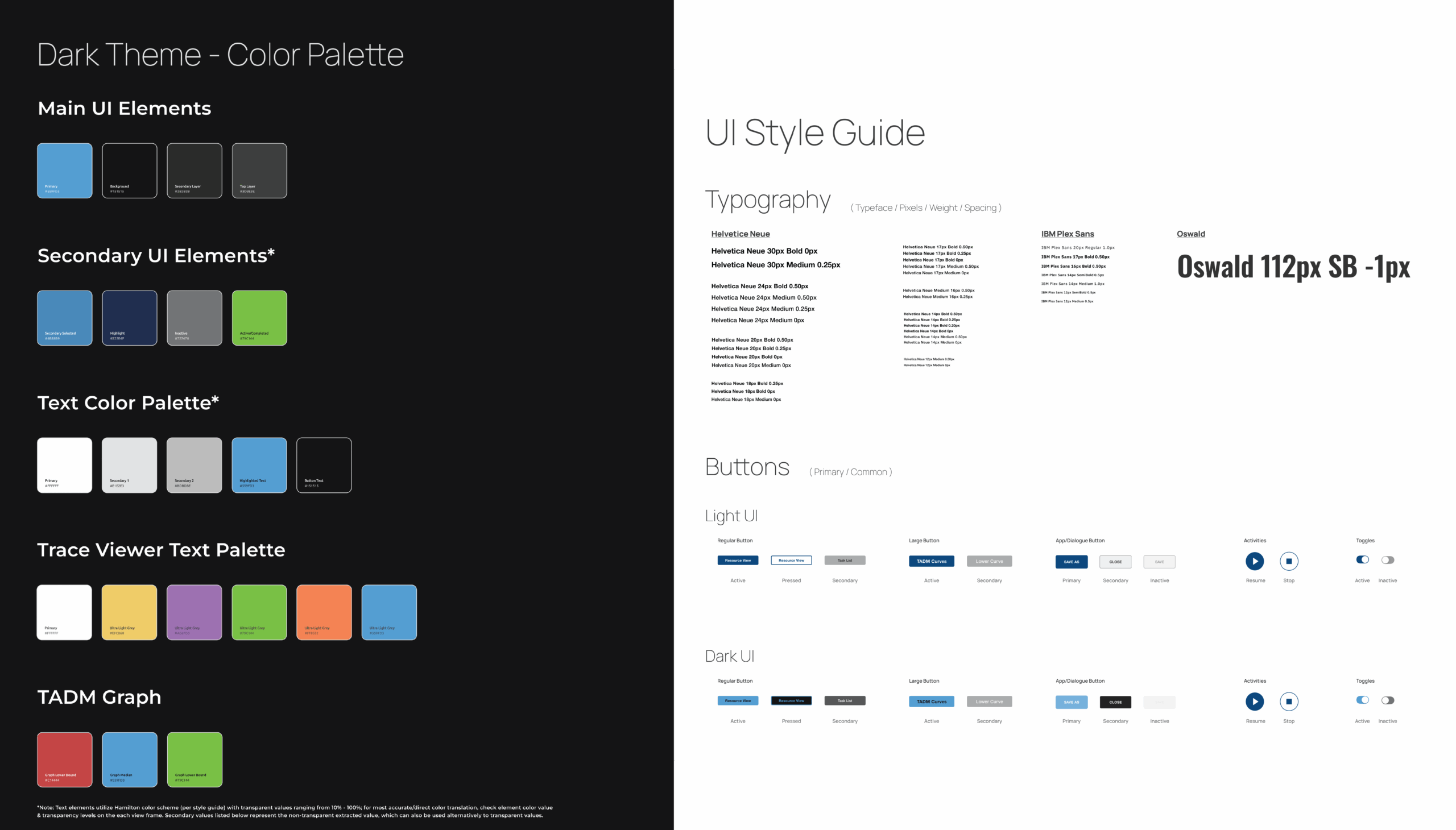
RKS crafted an intuitive, modular interface. Built around drag-and-drop “Power Steps,” guided workflows, and real-time run monitoring, VENUS reduces setup time and cognitive load. Effortless onboarding meets powerful flexibility, whether building a new protocol, debugging an error, or deploying via REST API and remote monitoring.
Key Outcomes and Results
Key Accomplishments
- Status: Fully implemented control software across Hamilton’s Microlab STAR and VANTAGE systems
- Impact:
- Rapid adoption: VENUS now powers thousands of systems worldwide
- Ease of use: Training times shrank from weeks to days
- Trusted across spectrum, from novice technicians to automation specialists
- Automation intelligence: flexible programming for high throughput with intuitive interface
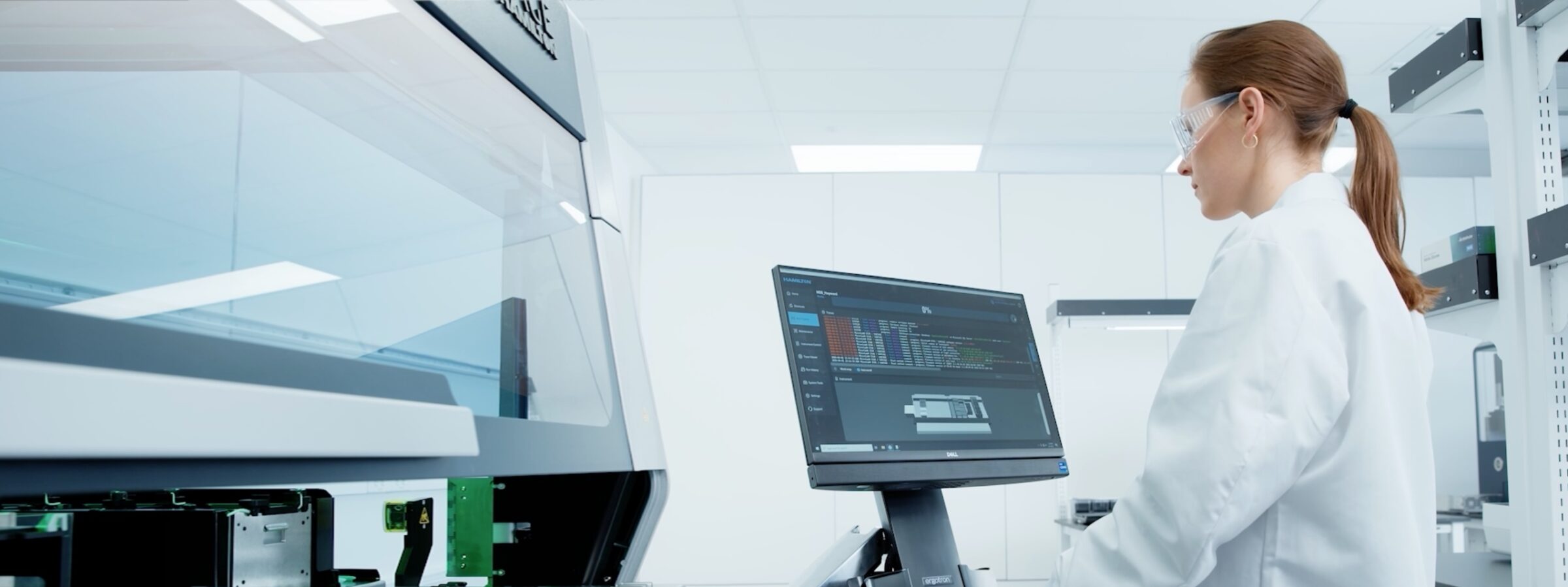
VENUS showcases RKS Design’s ability to humanize complex automation systems. By translating deep user empathy into interface clarity and software sophistication, we elevated lab automation into an empowering, accessible experience. Instead of intimidating pipelines, users now command powerful workflows with confidence, merging precision with simplicity.
ready to partner with us?
Contact UsExplore More Work

Teddy Ruxpin
The story of designing the world’s first animatronic toy.
LYNX
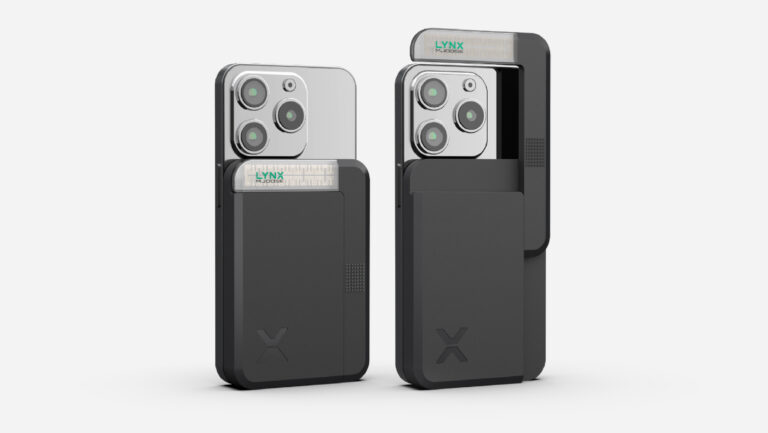
A pocket-sized connectivity solution that boosts reception, extends battery life, and reduces radiation exposure.
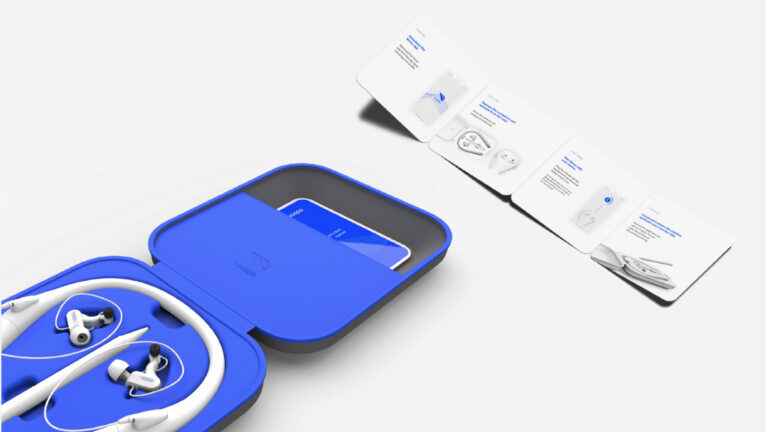
Vorso
Transforming medical treatment through human-centered design.
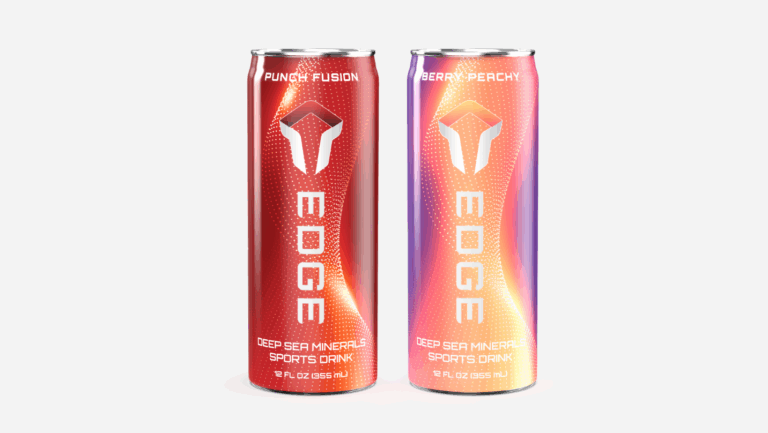
Edge Hydration
Designing a next-gen sports drink rooted in wellness and clarity.
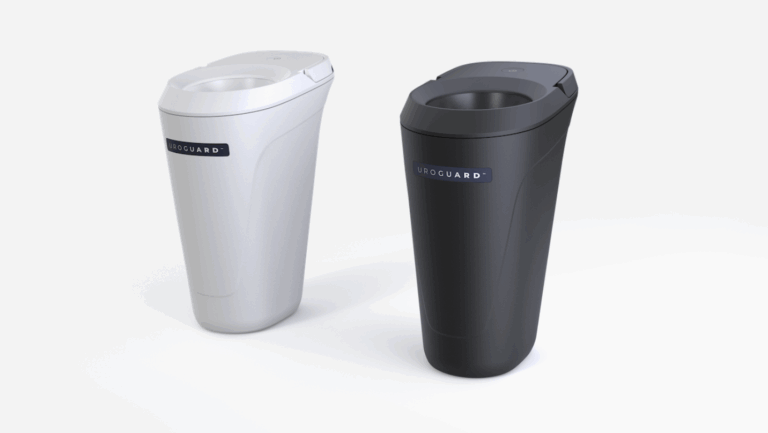
Uroguard
At-home prostate health monitoring.
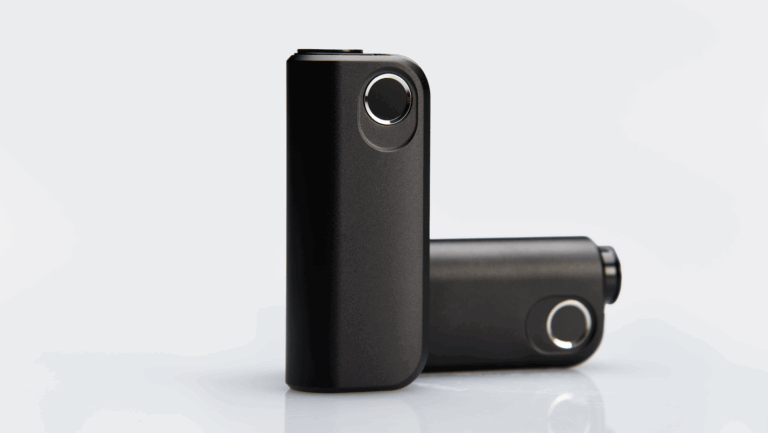
Aspargo
A smart connected oral suspension drug delivery device to manage dosing and adherence to ensure healthy outcomes.
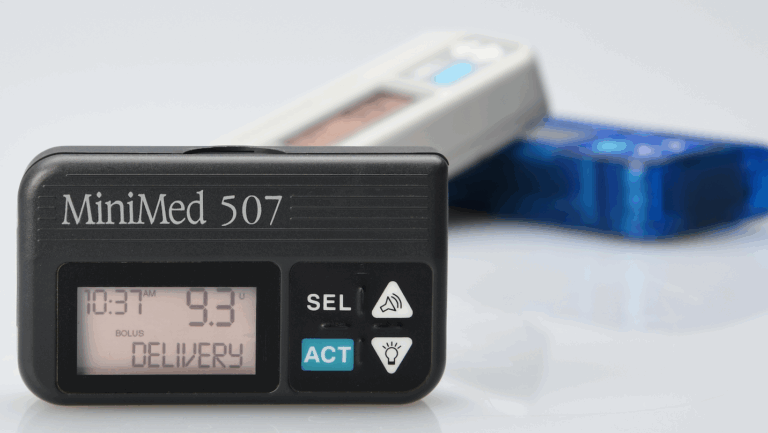
MiniMed
The launch of the MiniMed 507 marked a turning point in diabetes treatment and insulin pump adoption.
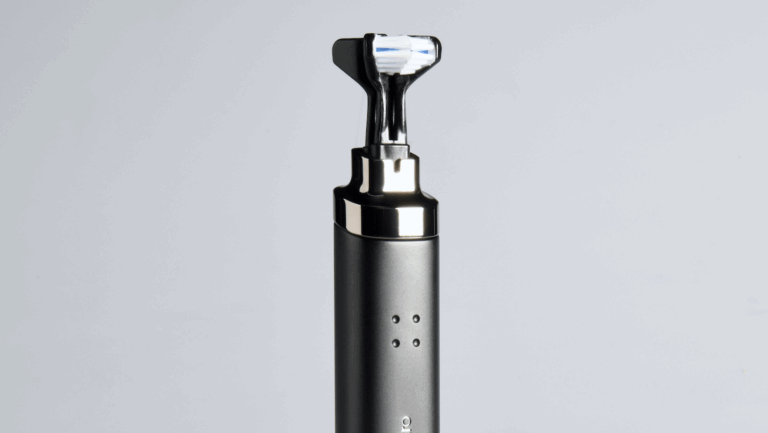
Quatro Toothbrush
A revolutionary dental experience that automates cleaning with greater efficacy and less time than traditional toothbrushes.
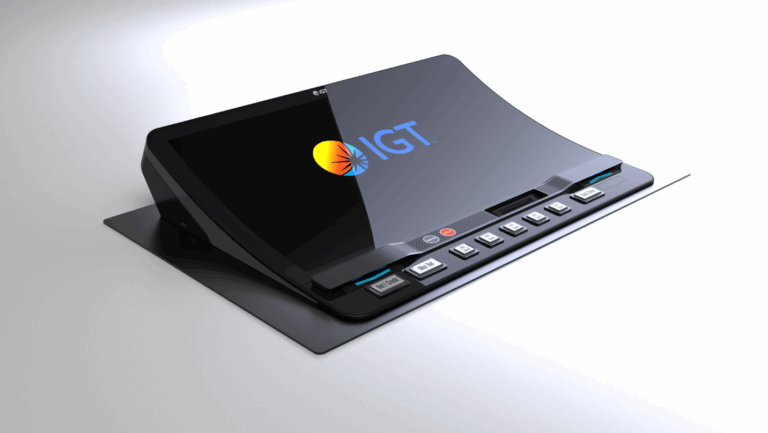
IGT Poker Bartop
IGT Peak Bartop perfectly balances low-profile and playable gaming seamlessly integrating into any environment.
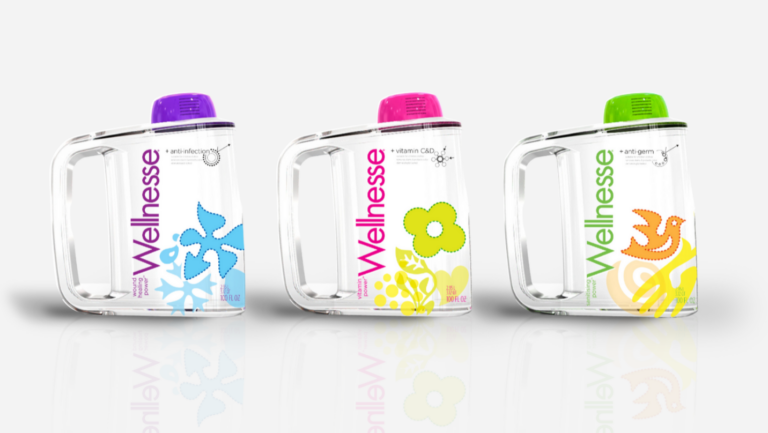
Unilever Laundry Additive
Global research project uncovering insights into hygiene and wellness to create a laundry additive that adds value benefits like vitamins and protected health.
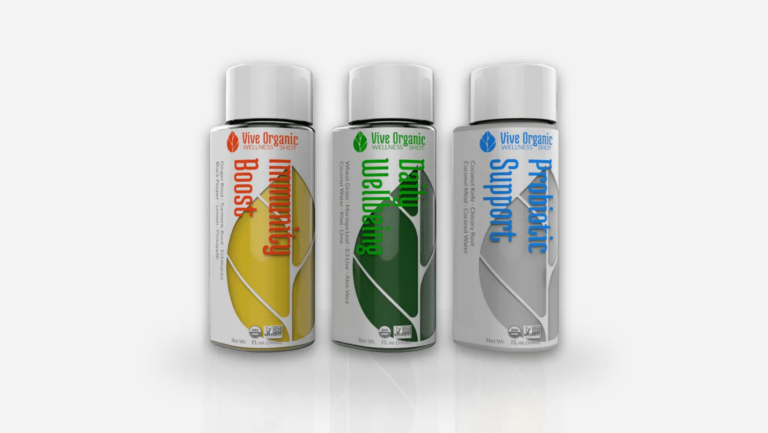
Vive Wellness Shot
A premium wellness shot featuring ergonomic packaging and a bold brand identity.
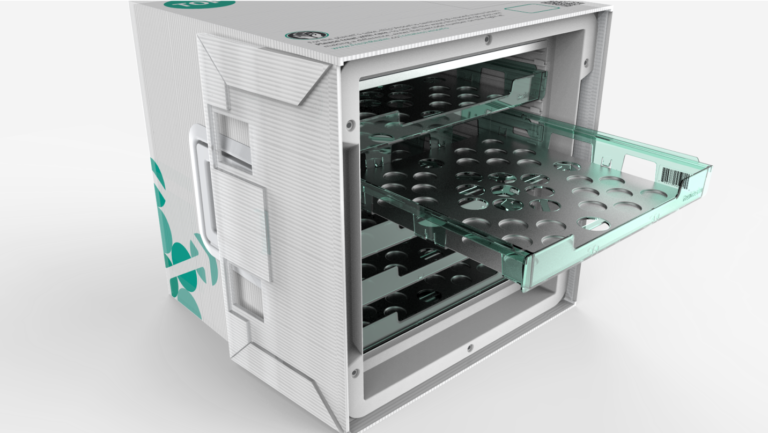
Fresh Realm
A zero-waste solution that provides healthy meals right to your doorstep.