
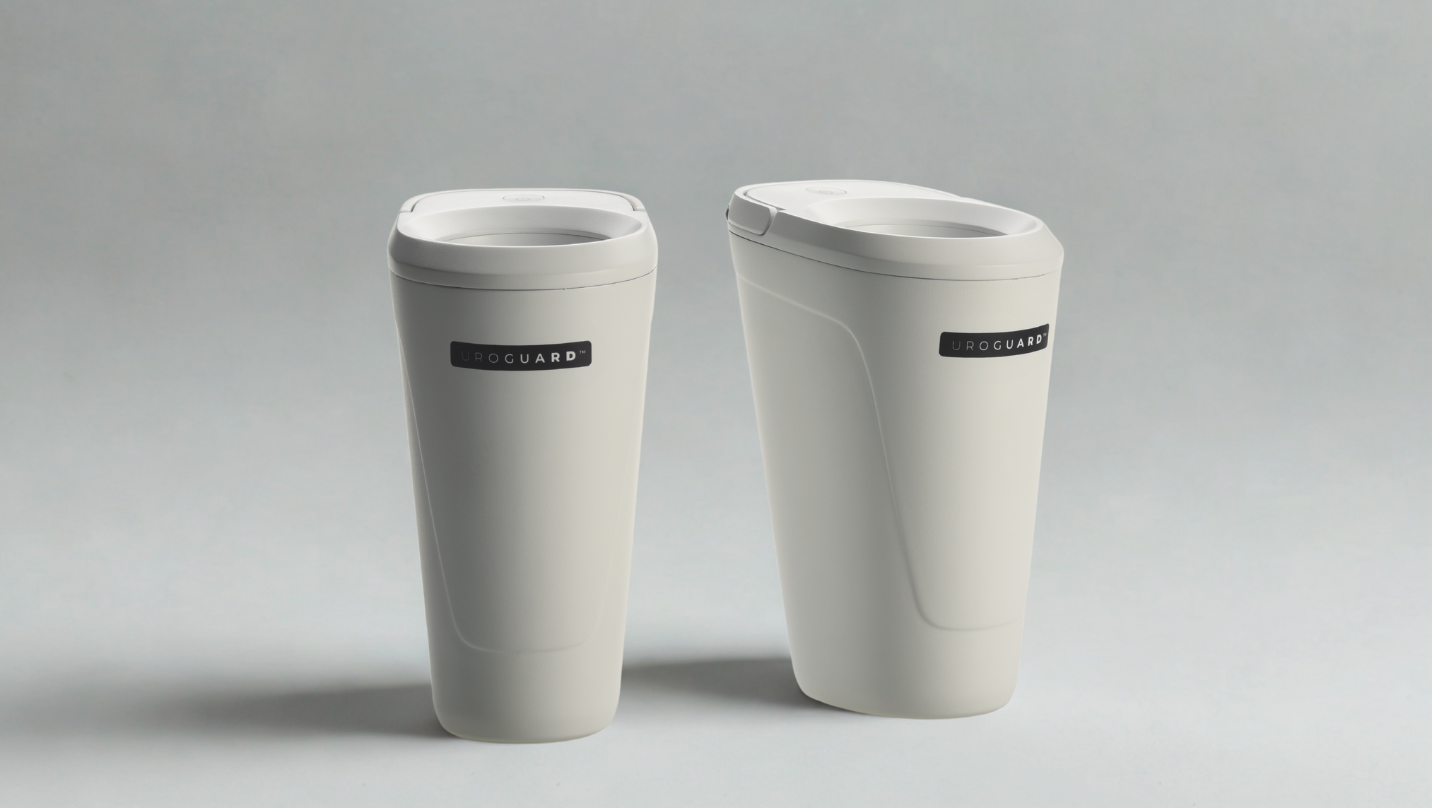
Empowering men with discreet, at-home flow monitoring.
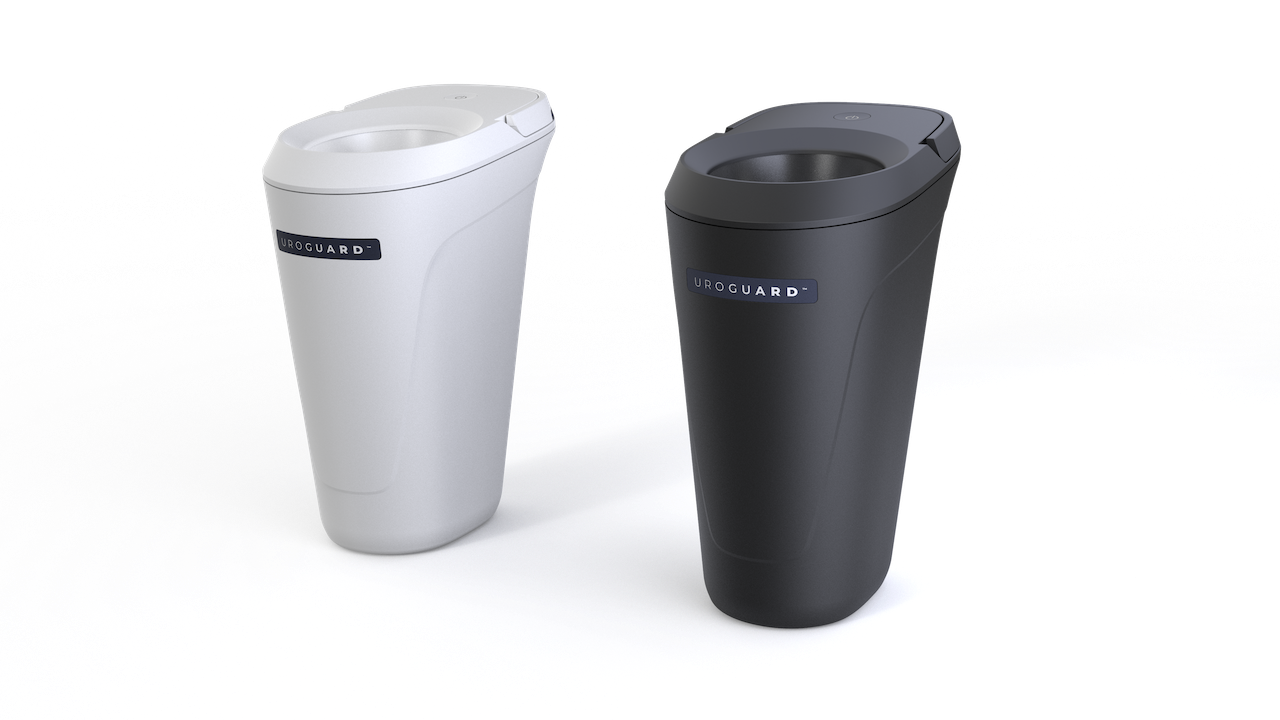
Urinary flow issues often develop gradually, leaving men uncertain about their health and reluctant to seek clinical evaluation. Traditional uroflowmetry requires in-office testing, which can be inconvenient, uncomfortable, and inconsistent. FloSciences’ UroGuard, delivers the world’s first simple, discreet, at-home urine flow testing system. Guided by our Psycho-Aesthetics® methodology, Uroguard blends ergonomic comfort, cleanability, and intuitive operation empowering men to take control of their prostate health from the privacy of home.
Research Insights & Discovery
Key Outputs
- User interviews and persona creation
- Competitor device benchmarking
- Pain points: discretion, usability, data clarity
- Defining the opportunity zone
- Target segments: proactive, reactive, assistive
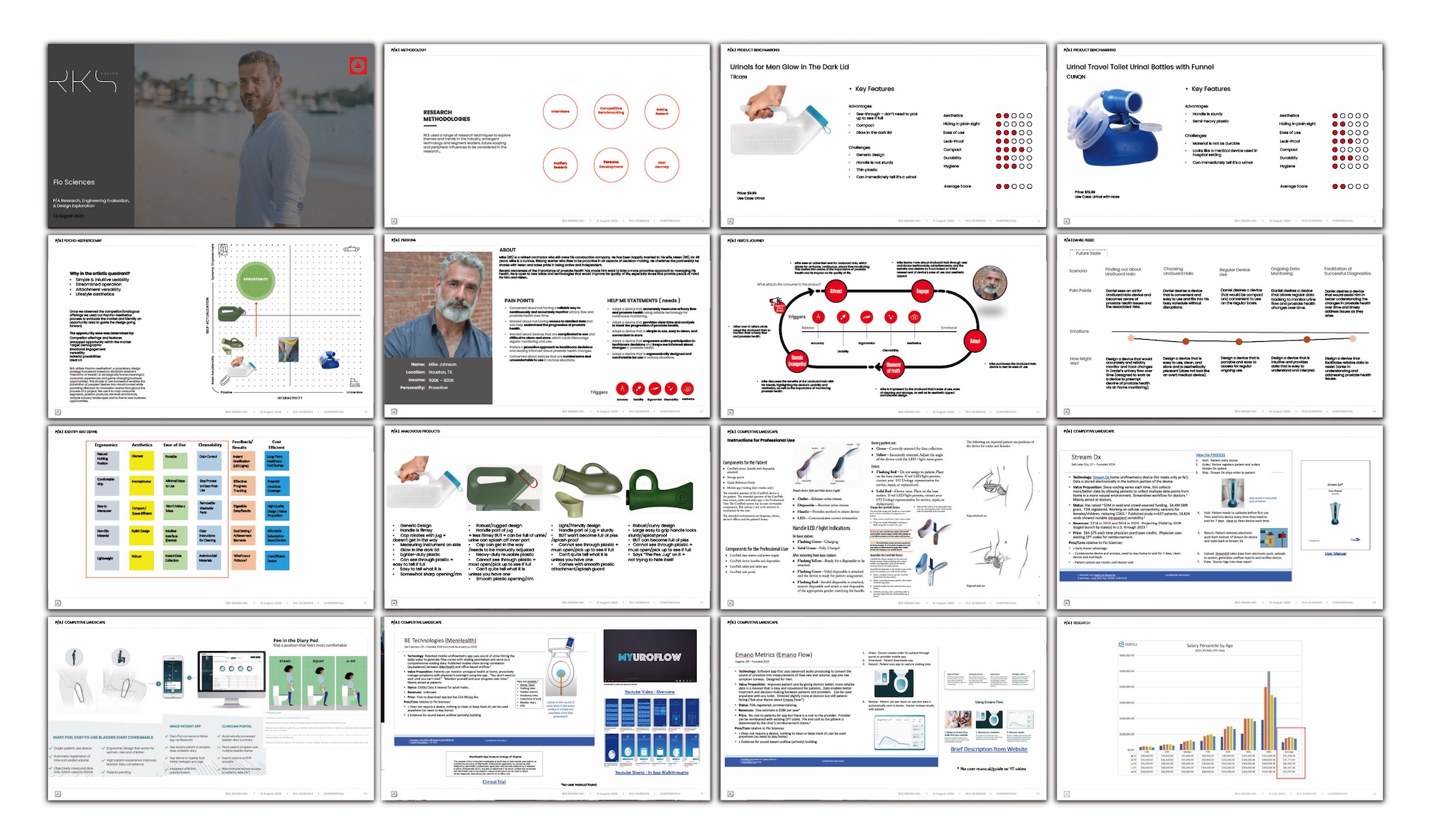
Research began with immersive user interviews, revealing deep emotional drivers around health uncertainty, privacy, and control. Competitive benchmarking exposed gaps in aesthetics, usability, and data accessibility. Mapping findings through the Psycho-Aesthetics® lens identified an opportunity for a device that is both medically precise and lifestyle-friendly. Personas clarified three key audiences (proactive users, reactive users, and supportive partners), allowing every design choice to resonate with both functional needs and personal values.
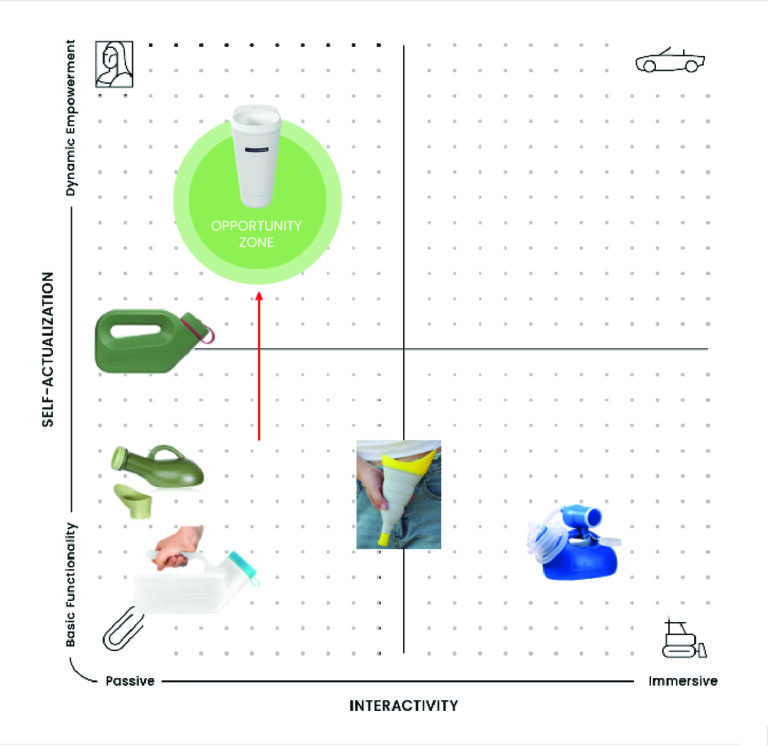
How We Used Psycho-Aesthetics™ to Identify Unique Opportunities in the Project.
Uroguard addresses a long-overlooked need in men’s health: accurate, private urine flow monitoring from home. Traditional uroflowmetry tests require in-clinic visits, limiting frequency and comfort. Guided by RKS Design’s Psycho-Aesthetics® methodology, the project reimagined this experience with a discreet, ergonomic, and data-rich solution. Uroguard empowers men to proactively track prostate health, engage in informed conversations with doctors, and integrate self-monitoring seamlessly into daily routines without stigma or inconvenience.
Lifestyle-Friendly Design
Key Outputs
- Ergonomically optimized form factors
- Compact, space-efficient design aesthetic
- Integration of cleanability and antimicrobial materials
- CMF exploration for premium yet approachable feel
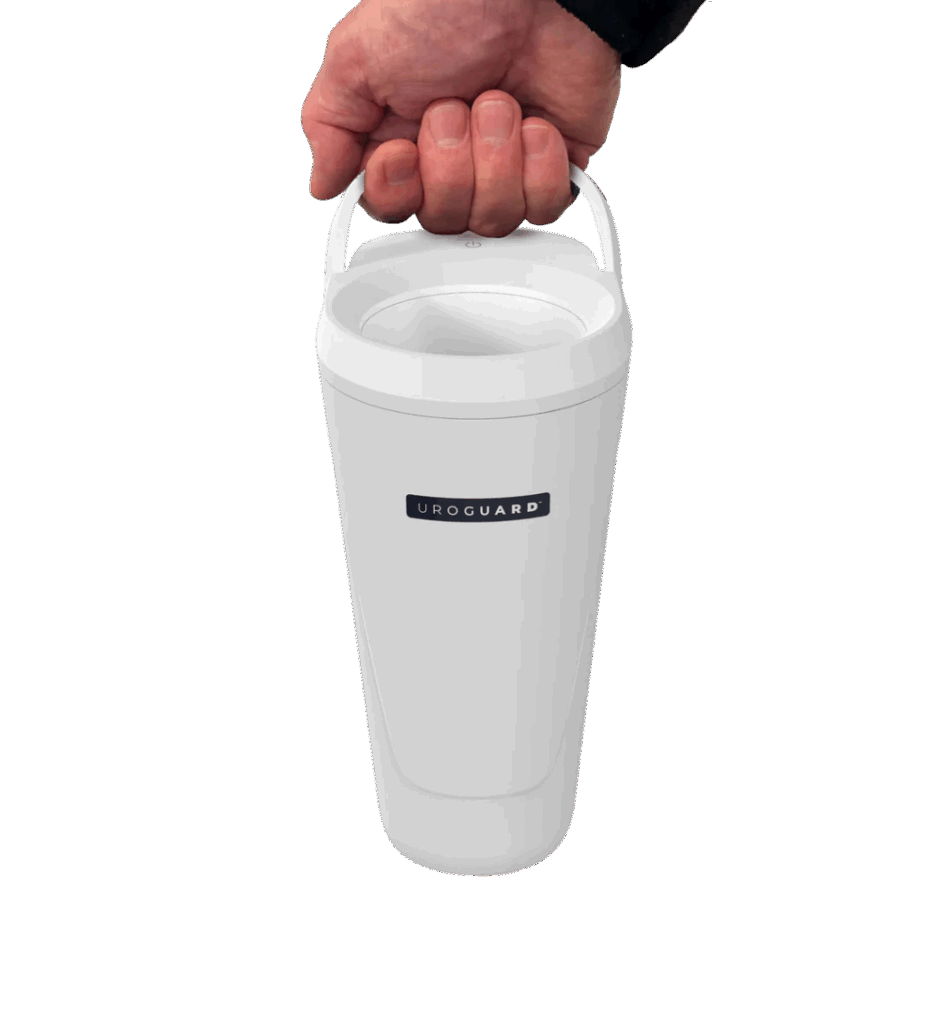
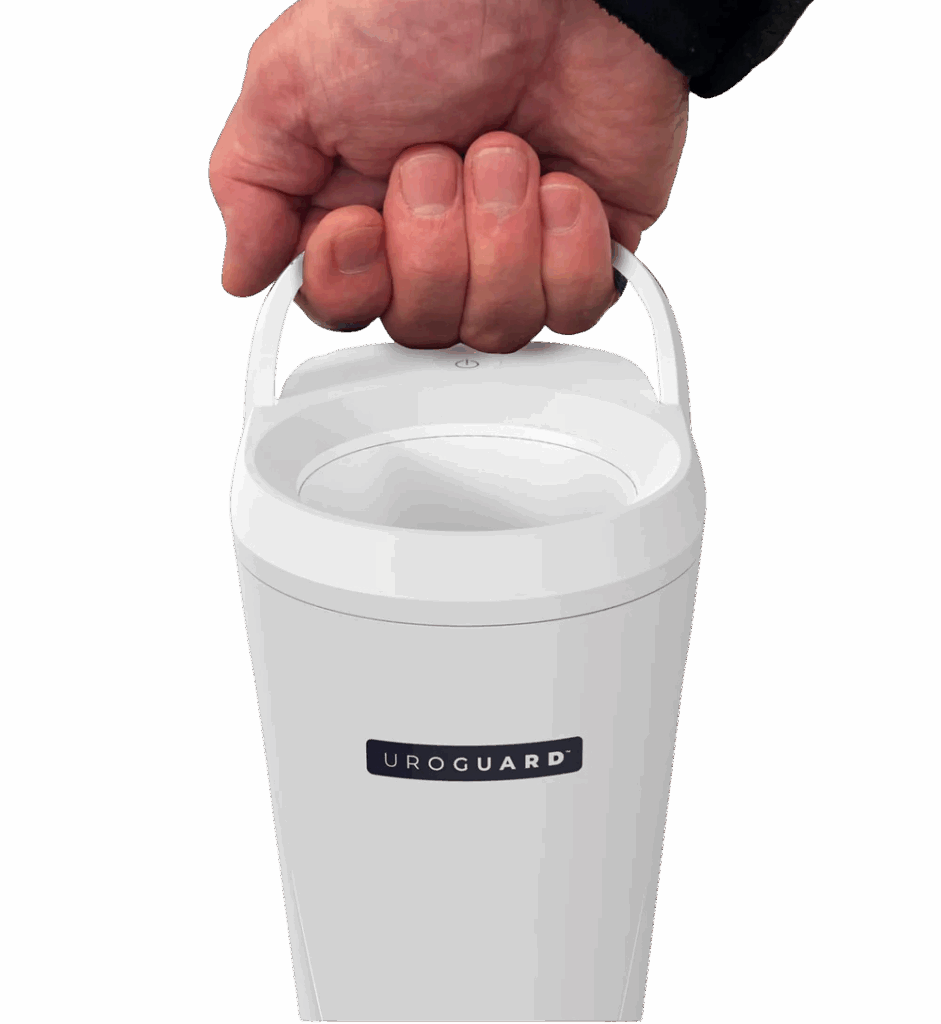
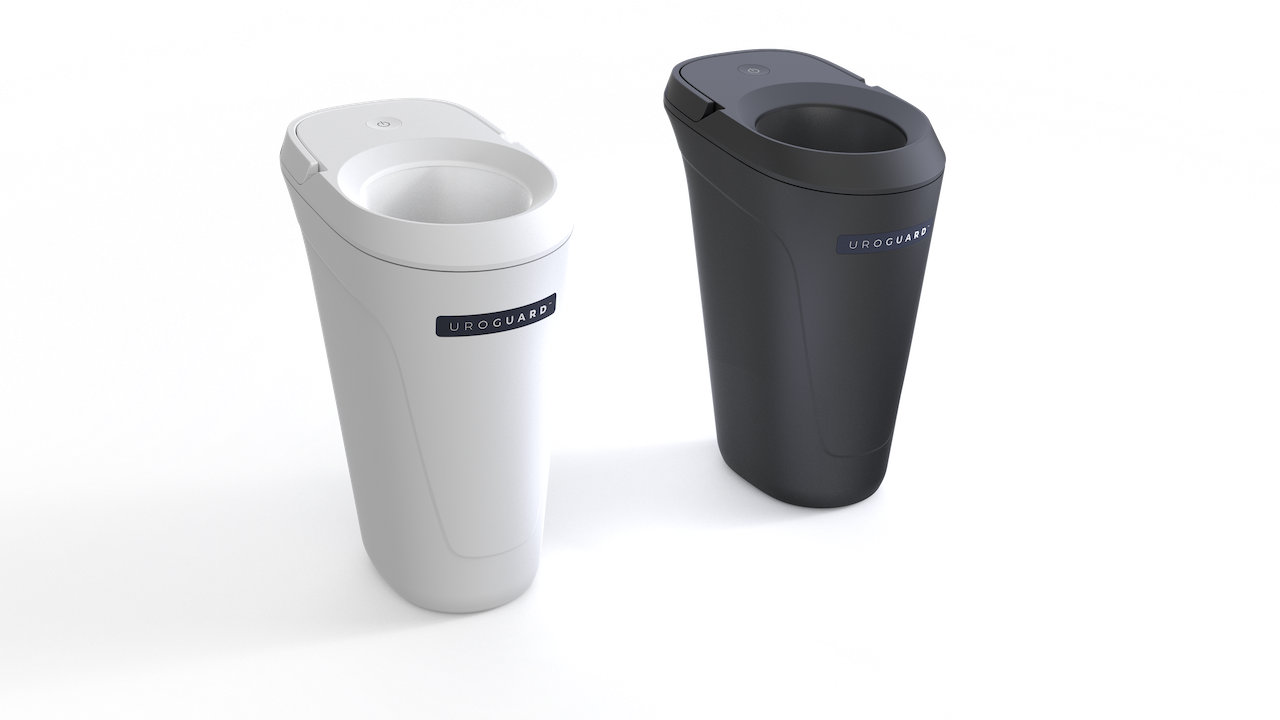
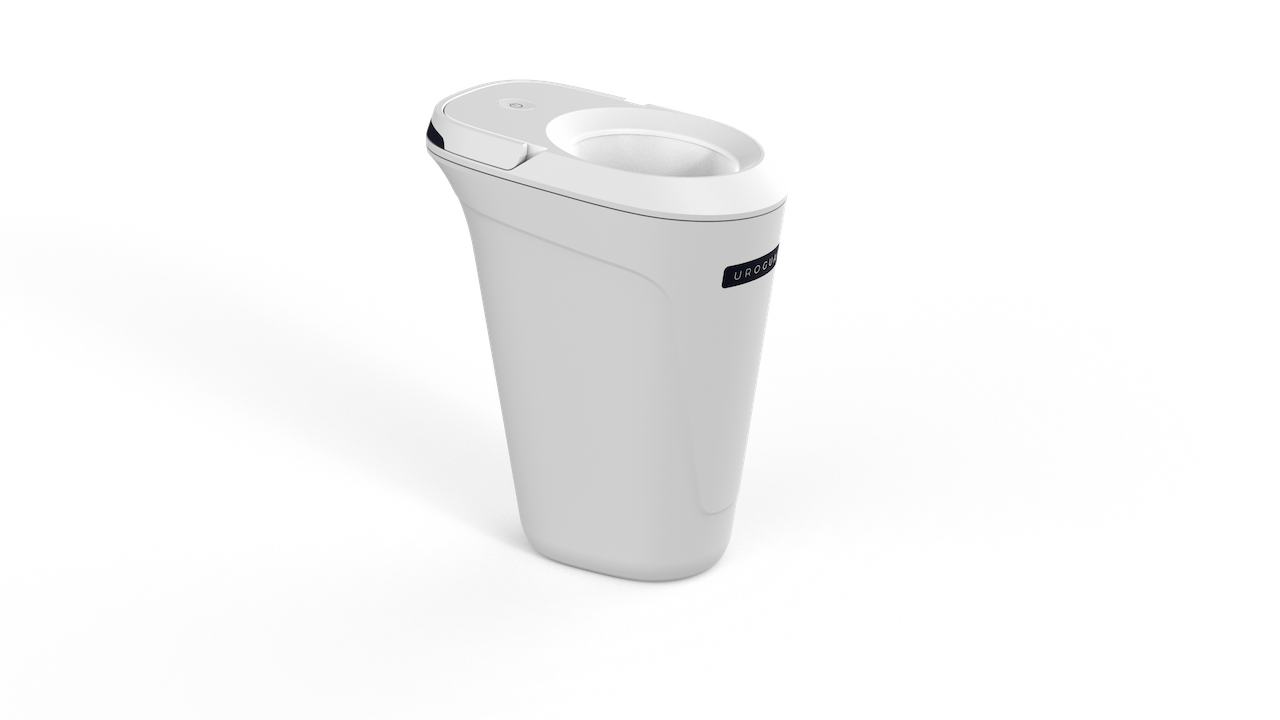
RKS Design created a product language that avoids the cold, clinical look of traditional medical devices. Ergonomic studies informed a form that’s comfortable to hold and intuitive to use, while compact proportions ensure easy storage. Colors, materials, and finishes were selected to blend seamlessly into home environments. Photorealistic renderings helped stakeholders visualize Uroguard’s discreet elegance early, aligning the design with both user expectations and manufacturing feasibility.
Prototyping
Key Outputs
- Creation of non-functional ergonomic models
- Testing of form, size, and handling comfort
- Validation of assembly and cleaning workflows
- Stakeholder reviews to finalize configuration
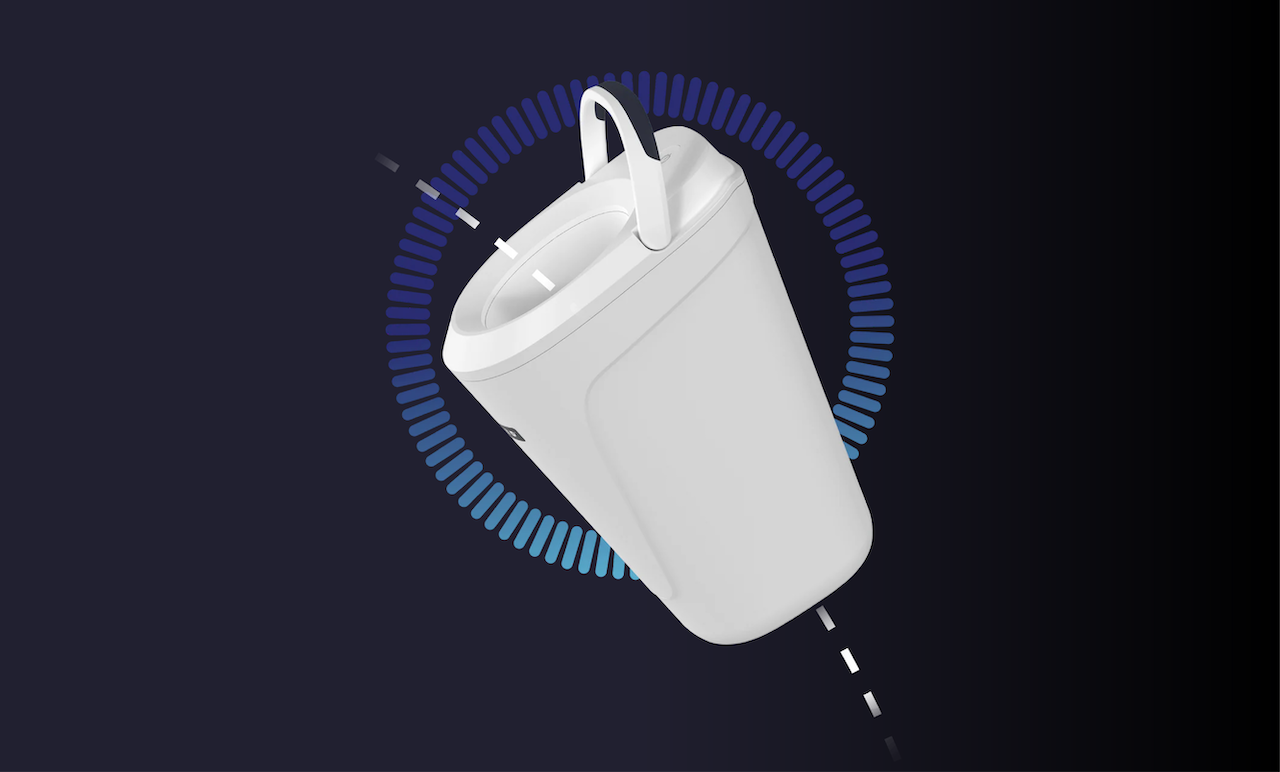
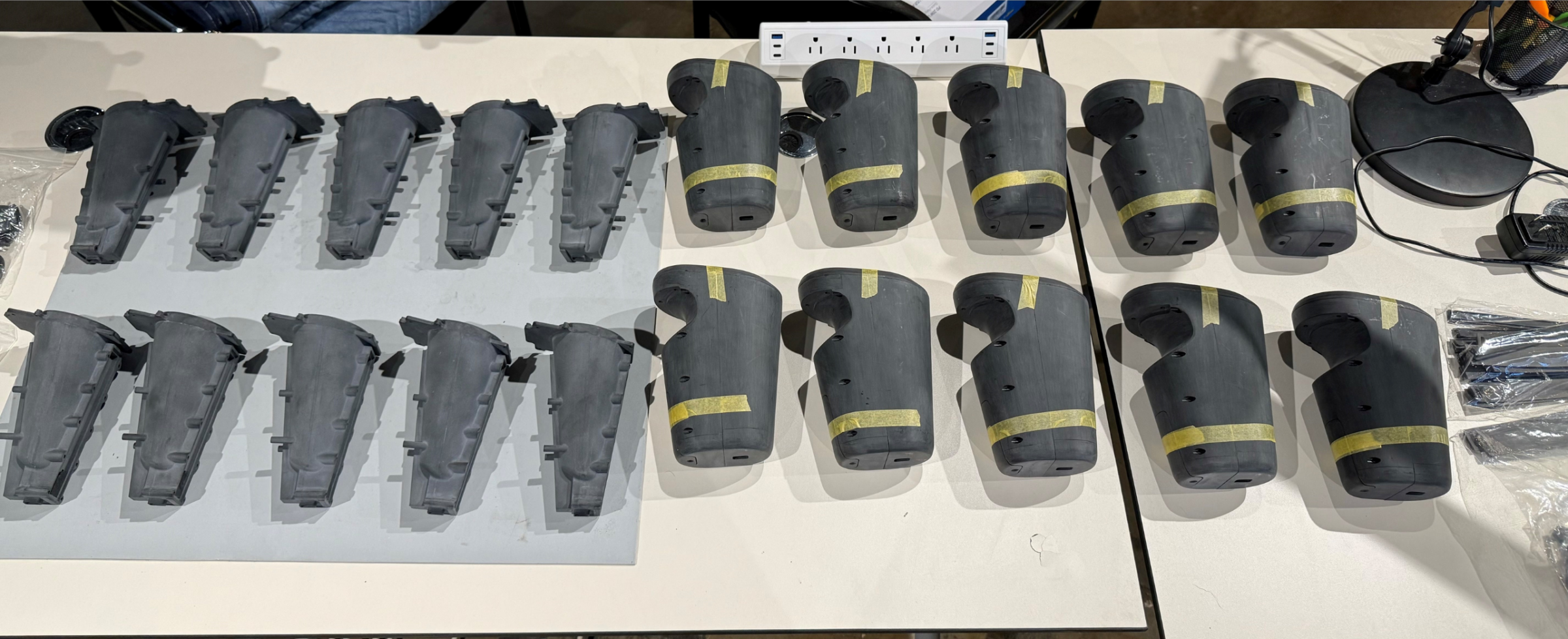
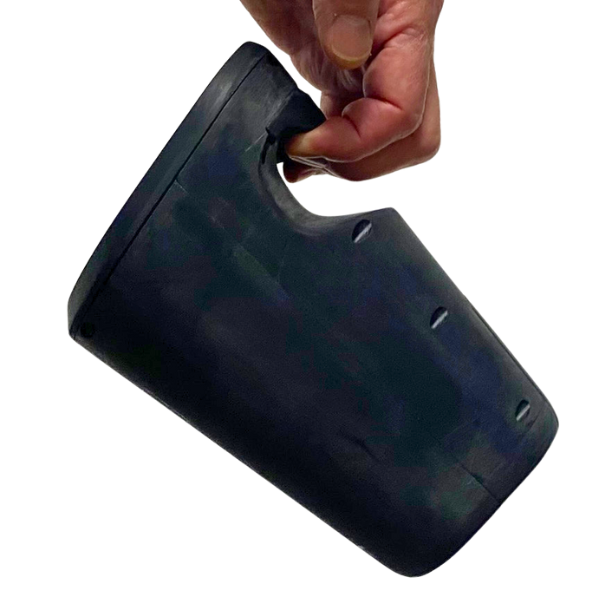
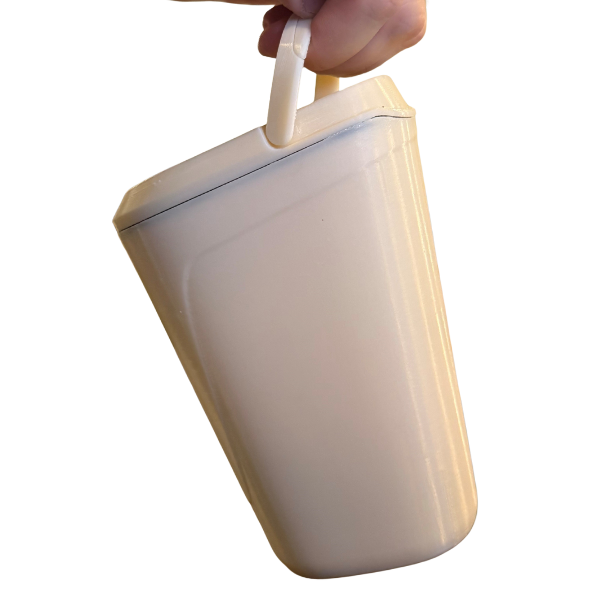
Prototyping transformed research and design intent into tangible test articles. RKS produced non-functional ergonomic models to evaluate handling comfort, form proportions, and alignment with daily-use scenarios. Each iteration refined grip comfort, balance, and ease of cleaning. Prototypes also validated internal space for components and confirmed intuitive user workflows. Stakeholder feedback during these reviews ensured the final design delivered on both technical performance and user satisfaction.
Configuration Testing
Key Outputs
- Assessment of cone geometries for accuracy and comfort
- Identification of optimal chamber shape for reliable data
- Collaboration with Porticos on design feasibility
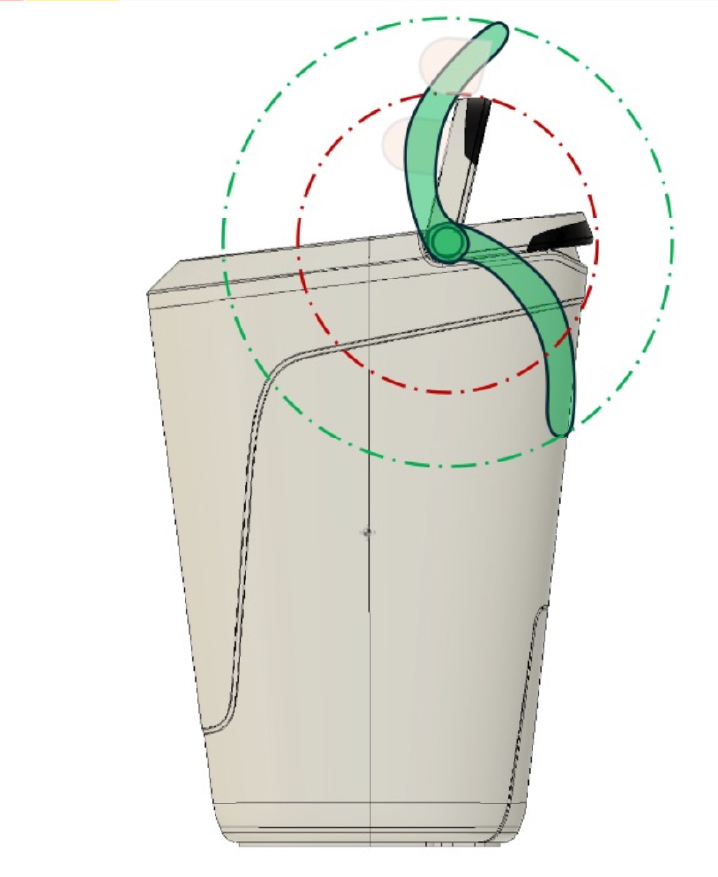
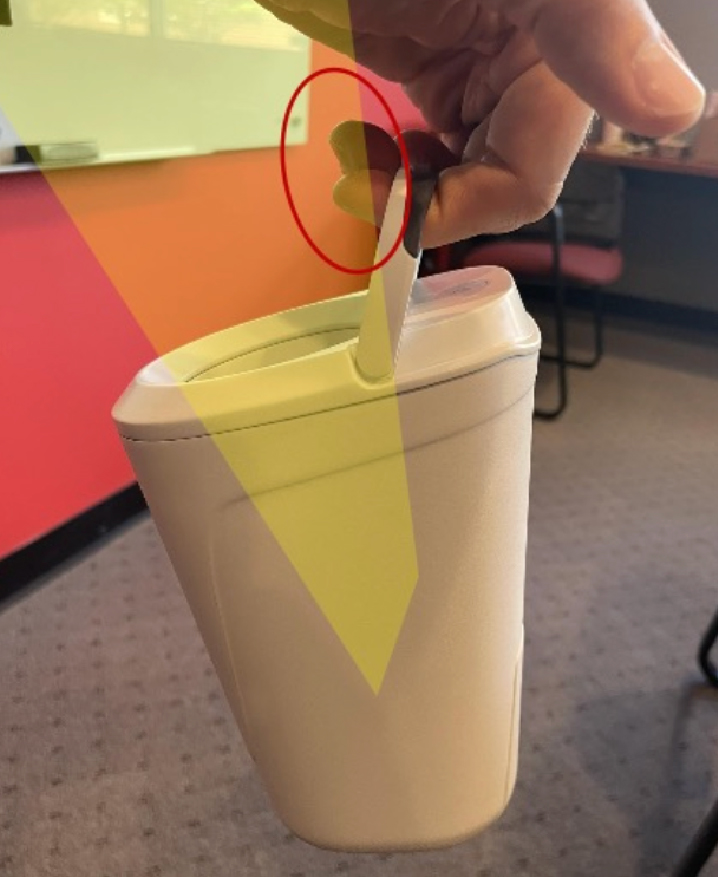
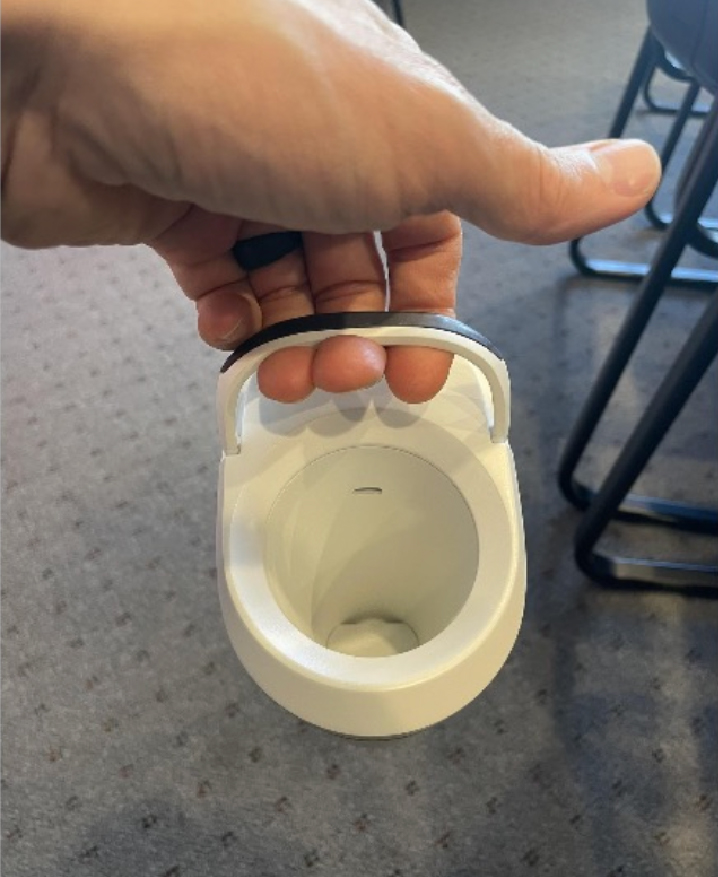
Before refining aesthetics, RKS tested Uroguard’s core functionality through flow chamber simulations and real-world ergonomic trials. Different cone geometries were evaluated for accuracy across strong and weak flows, minimizing potential overflow or under-measurement. Non-functional mockups allowed testing of natural grip positions and intuitive orientation. These insights guided final proportions and internal geometry, ensuring reliable data capture and ease of use. Elements which are all critical for building trust and encouraging consistent at-home monitoring.
Engineered for Reliability
Key Outputs
- Optimization for internal component layouts
- Defined assembly for durability and cleanability
- Alignment with regulatory and usability requirements
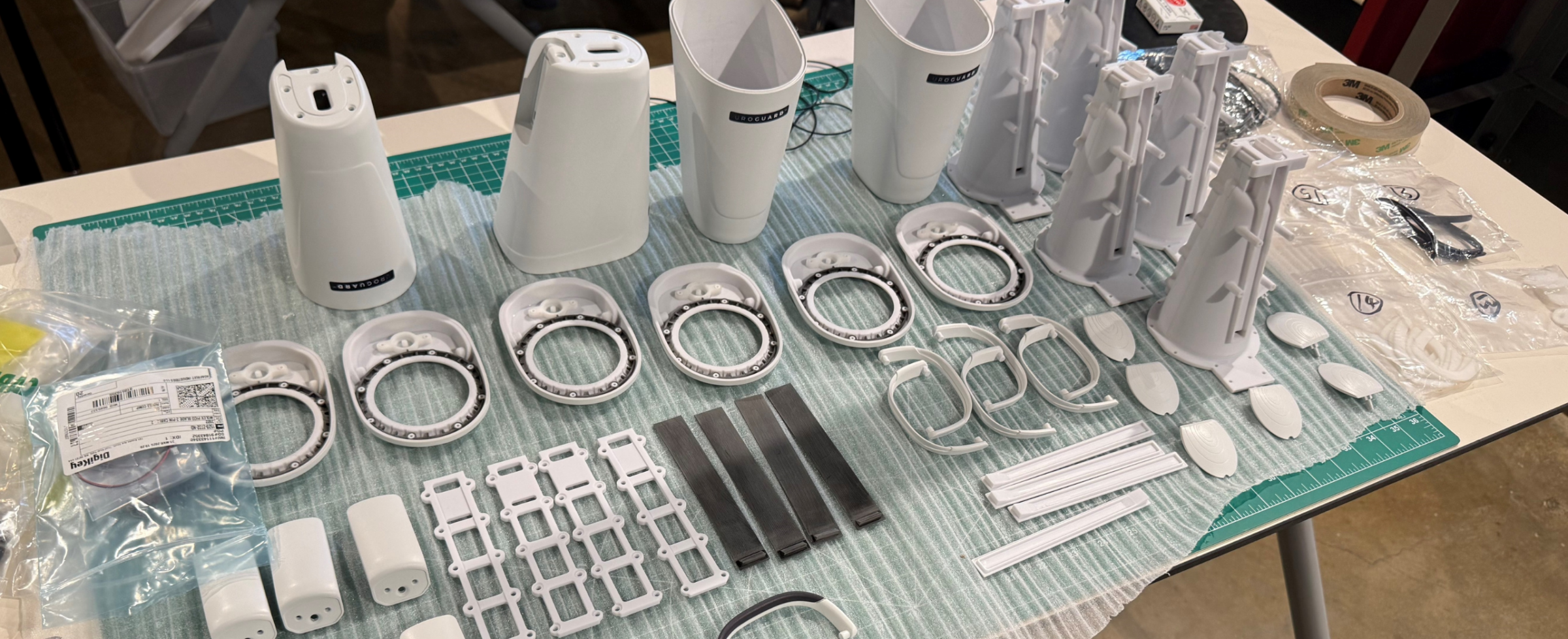
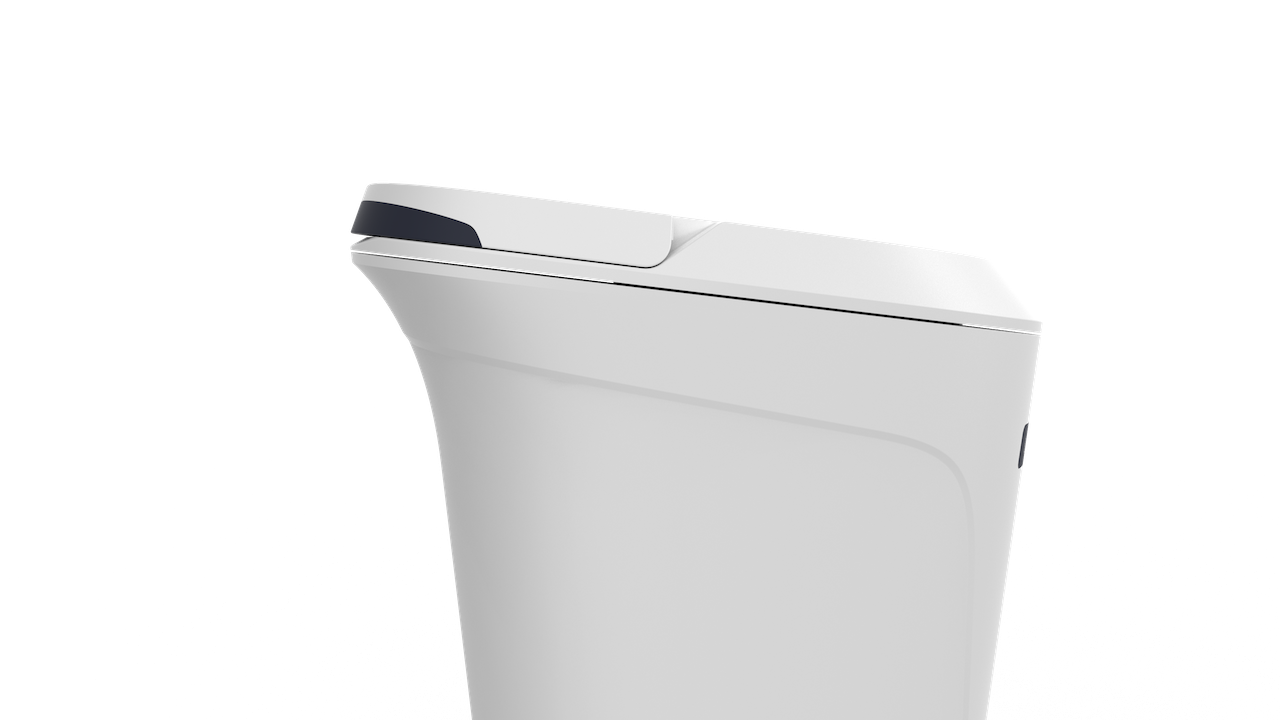
RKS partnered closely with Porticos to integrate their validated flow chamber design into Uroguard’s final form. Engineering efforts focused on precise internal layouts that supported accurate data collection while maintaining ergonomic balance. Surface CAD files detailed every curve and connection for manufacturing readiness. Material selection and assembly planning prioritized durability, hygiene, and compliance, ensuring that the final design could be produced at scale without sacrificing performance or user comfort.
ready to partner with us?
Contact UsExplore More Work
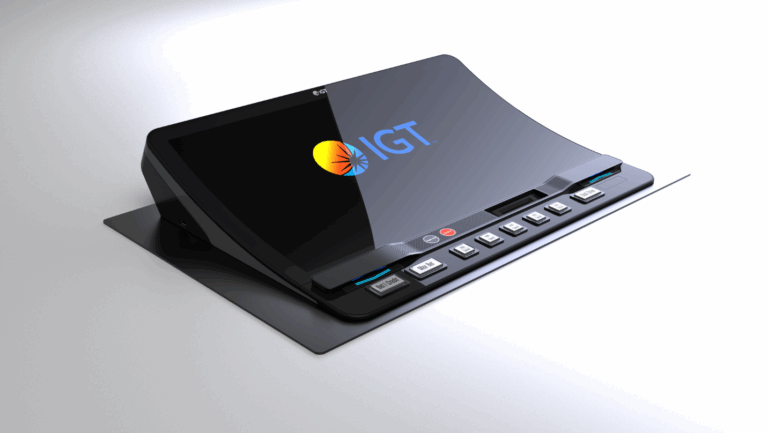
IGT Poker Bartop
IGT Peak Bartop perfectly balances low-profile and playable gaming seamlessly integrating into any environment.
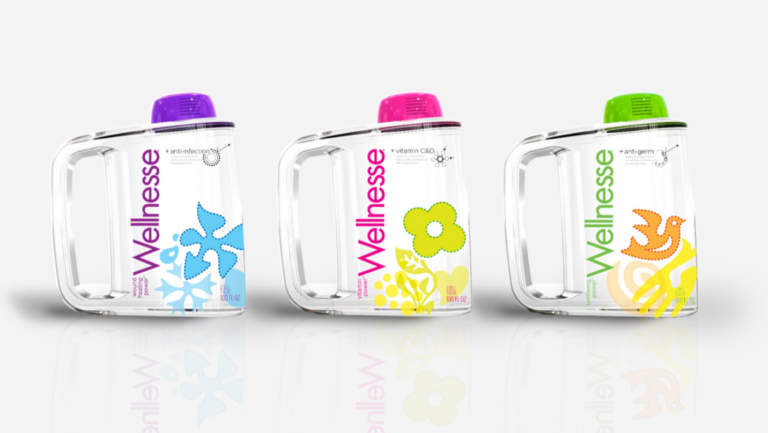
Unilever Laundry Additive
Global research project uncovering insights into hygiene and wellness to create a laundry additive that adds value benefits like vitamins and protected health.
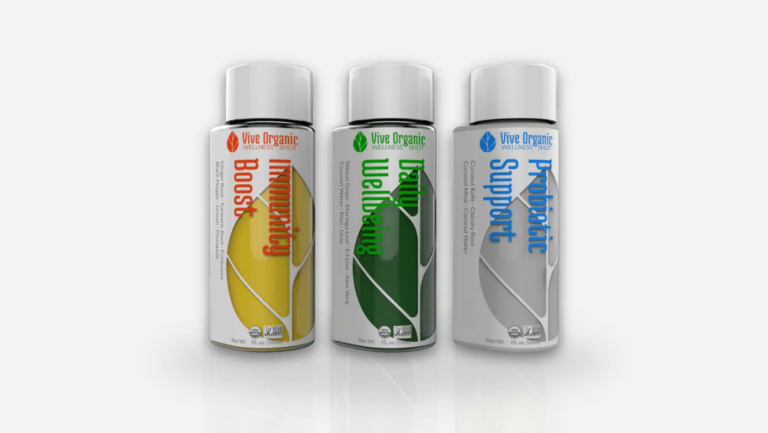
Vive Wellness Shot
A premium wellness shot featuring ergonomic packaging and a bold brand identity.
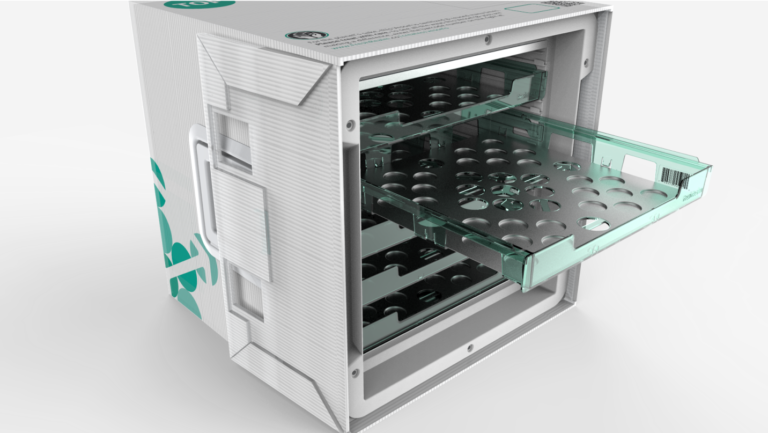
Fresh Realm
A zero-waste solution that provides healthy meals right to your doorstep.
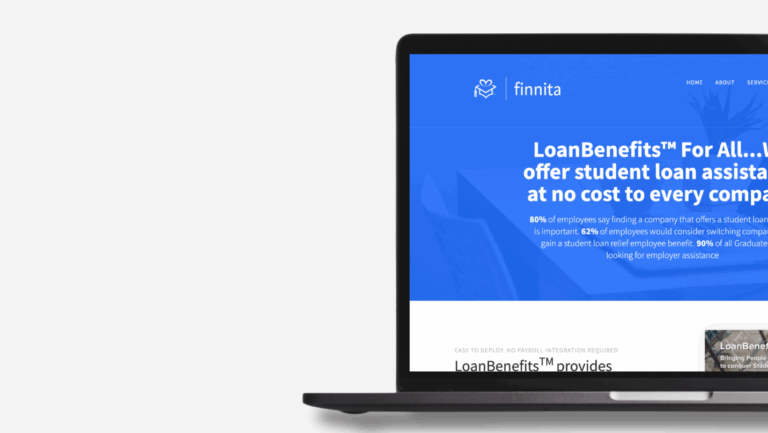
Finnita
A digital service experience that redefines student debt.
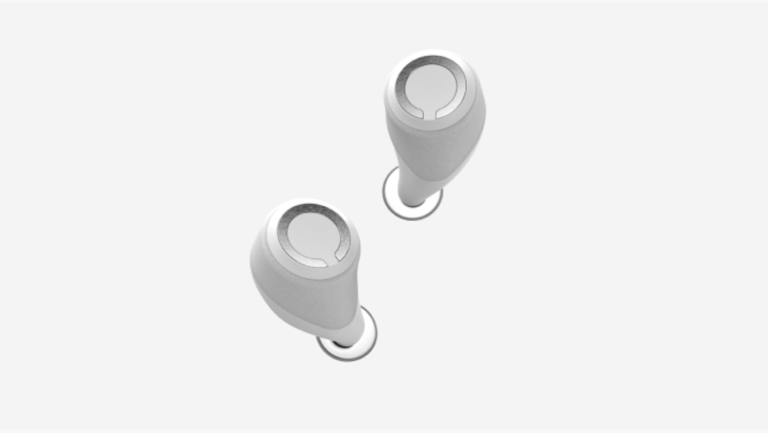
Cue
True wireless headphones with hybrid driver technology for uncompromised sound.

Unilever
Sustainability and Global Strategy to drive and reduce water usage in the laundry category for emerging markets.
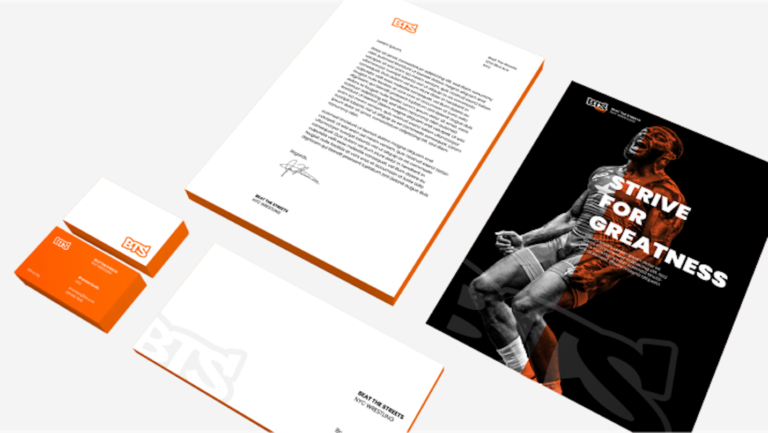
Beat the Streets
A compelling brand identity for non-profit youth wrestling organizations that inspires inner-city youth to participate while engaging donors to support their growth and development.
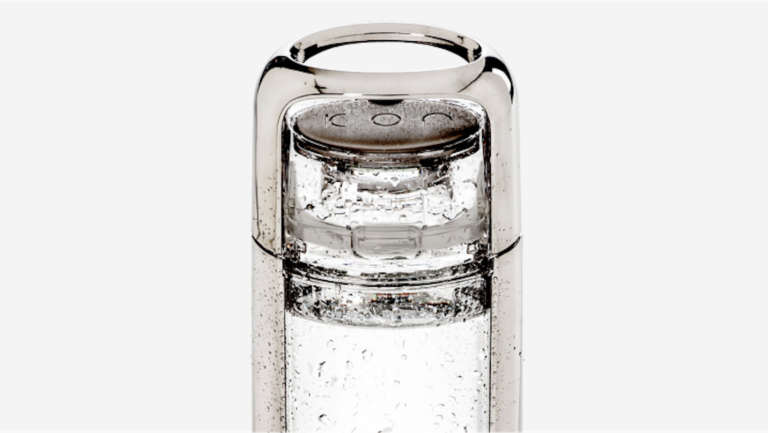
Kor One
Stylish personal hydration designed to eliminate disposable water bottles, paving the way for a sustainable and brighter future.
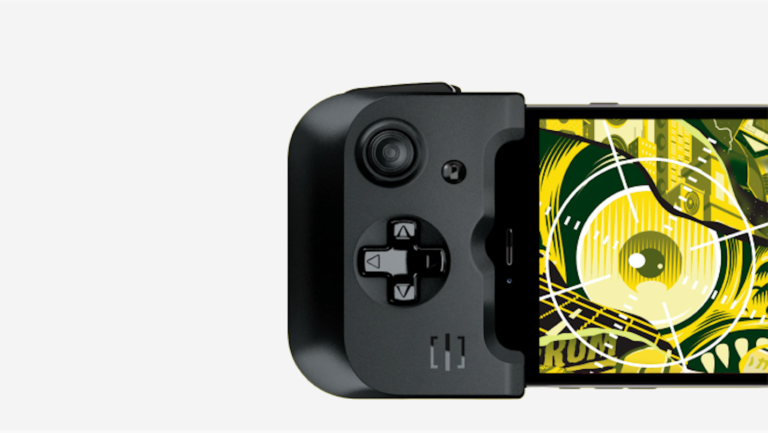
Gamevice
A new mobile gaming category that enables gamers to play on the go with physical controls and zero latency.
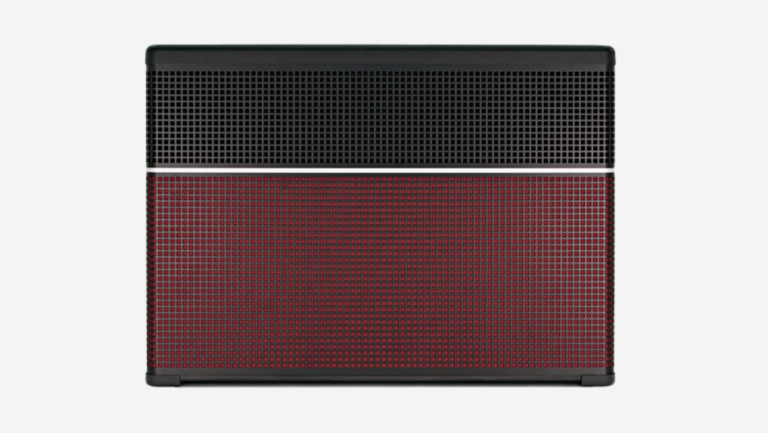
Line 6
A smart, high-performance guitar amp designed to amplify the unique sound of your favorite guitar.
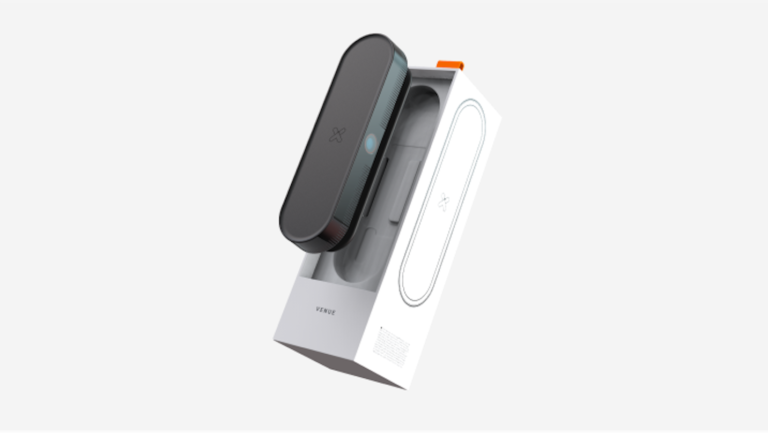
Xcinex Venue
Bringing the Big Screen to the comfort of your home.