
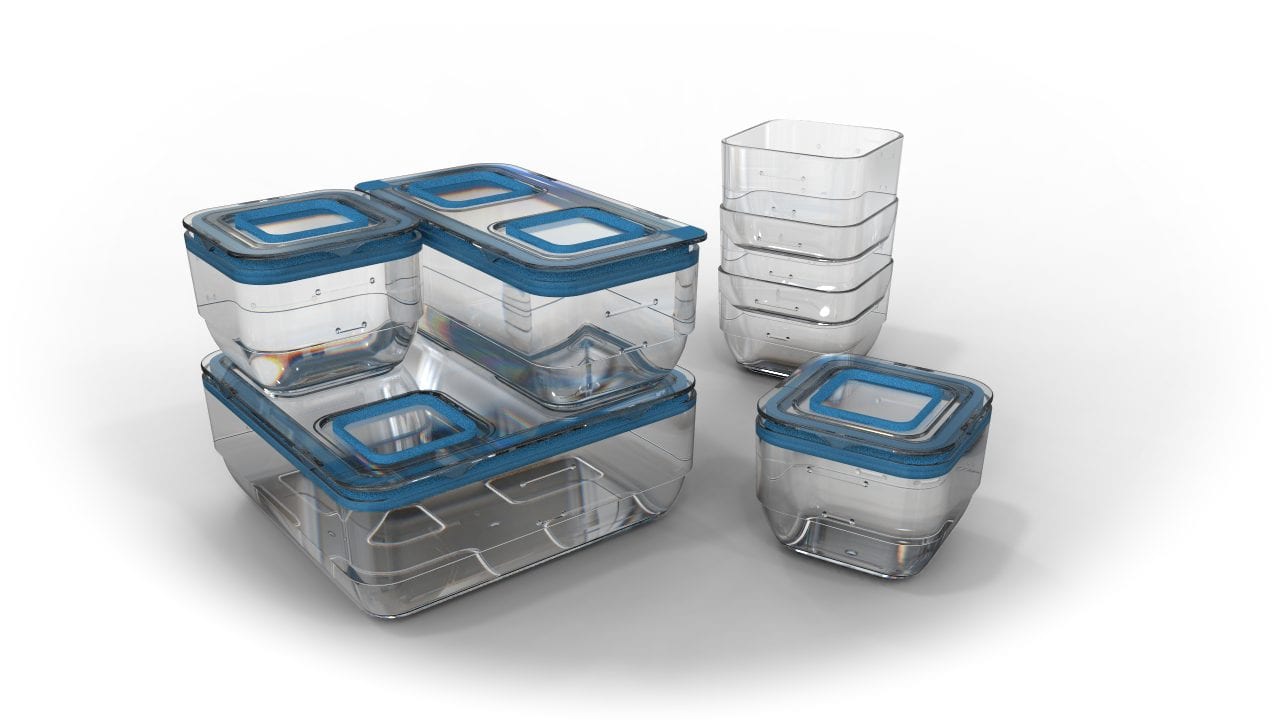
Designing for food in transition.
SC Johnson asked RKS to look beyond leftovers and understand how families really manage meals at home. Our ethnographic research team followed food through real kitchens, our innovation consulting team turned what we saw into new opportunity areas, and our industrial design team shaped them into PIXELS, a modular system that moves with food from counter to fridge to table, created for the packaged goods market.
Ethnographic Research
Key Outputs
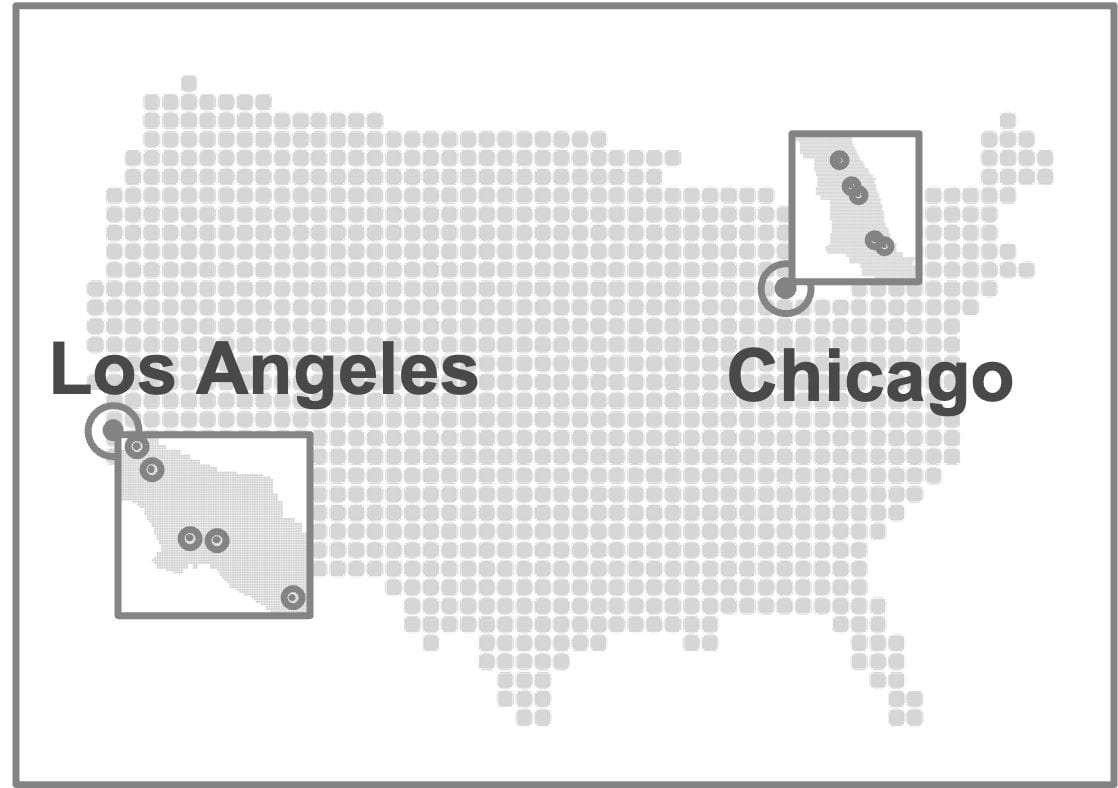
- In-Home Research in Los Angeles & Chicago
- Lateral Expert Interviews
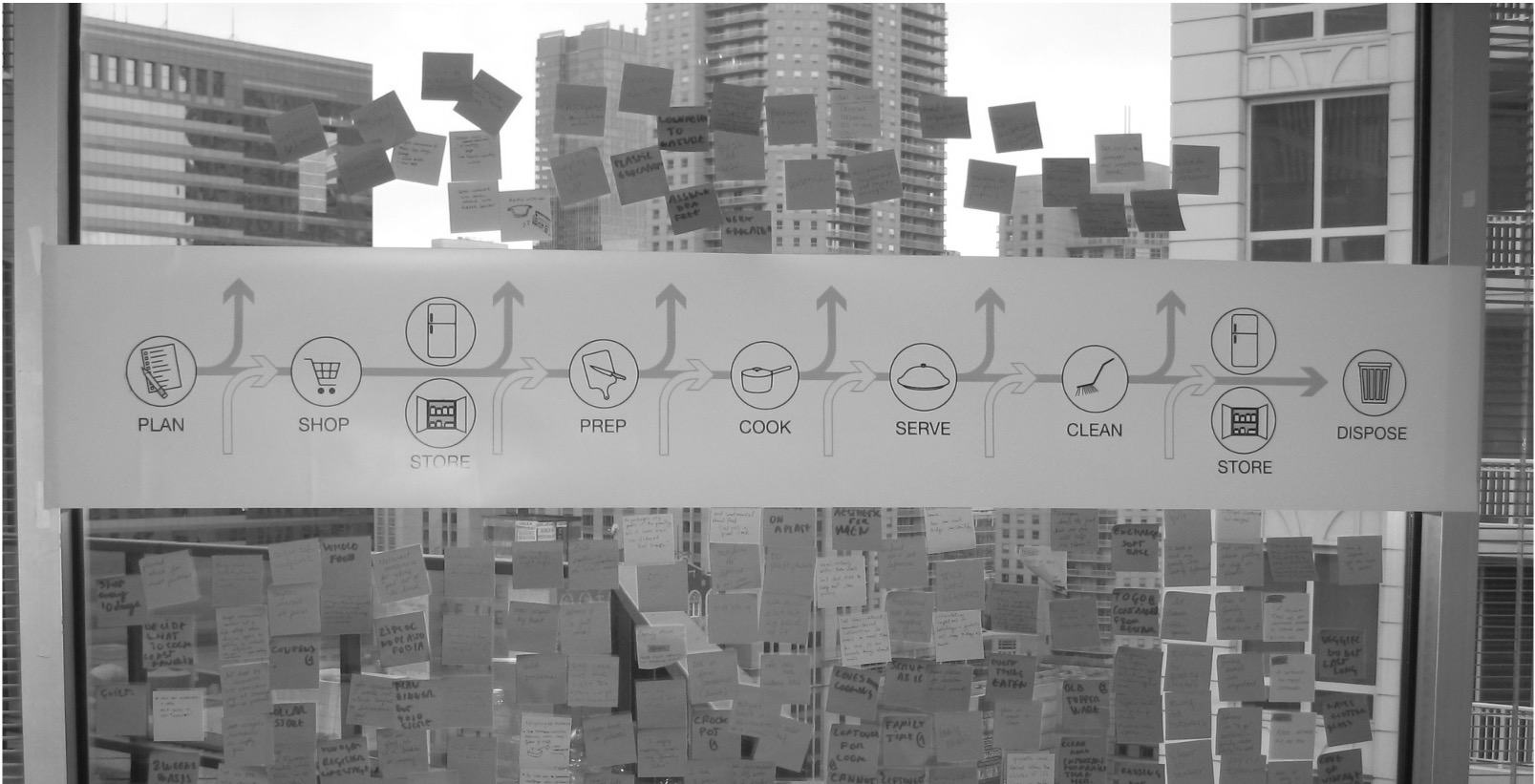
- Food Journey Mapping
- Persona Development
- Psycho-Aesthetics® Map & Opportunity Zone
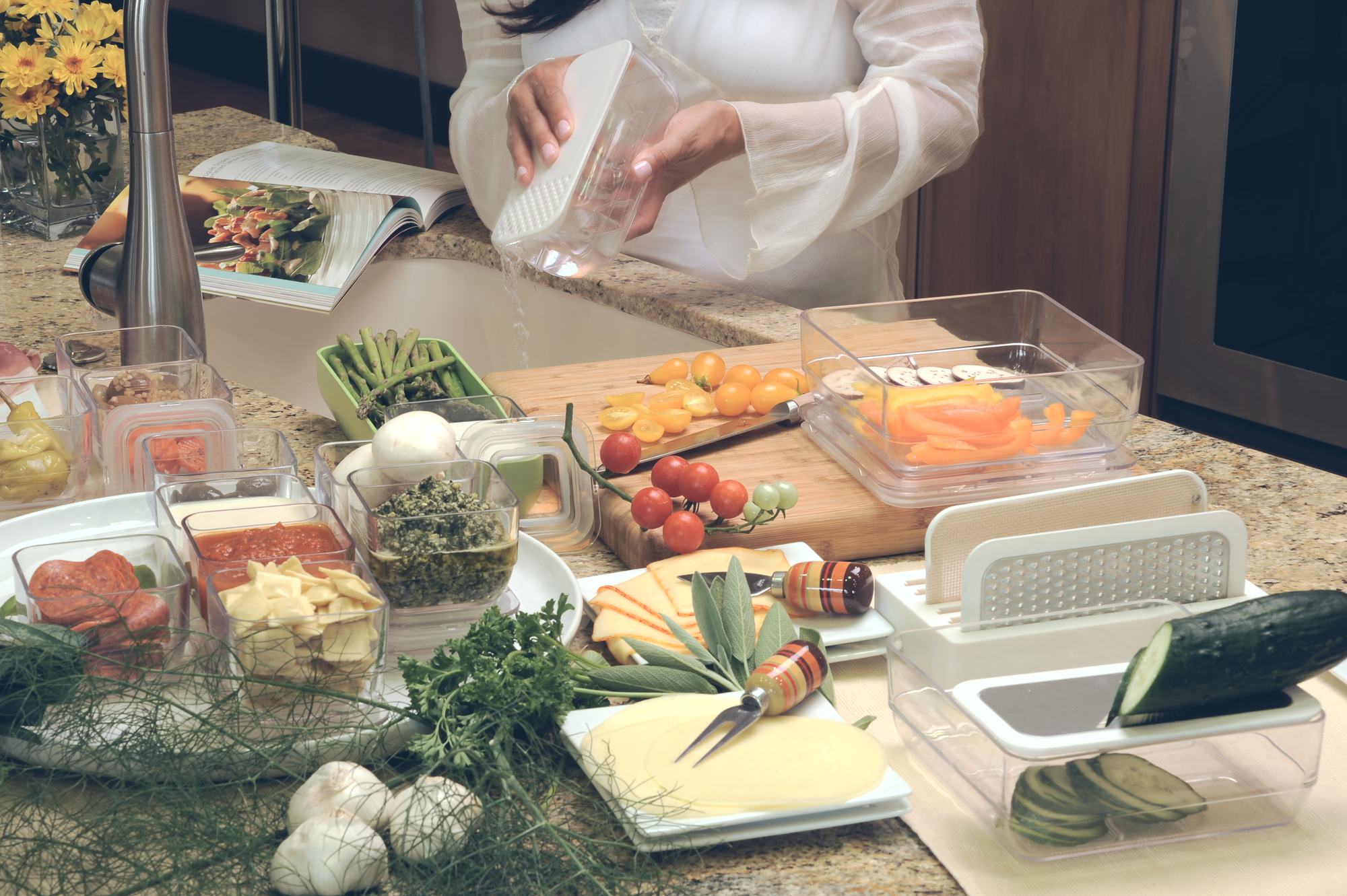
Following food through real kitchens
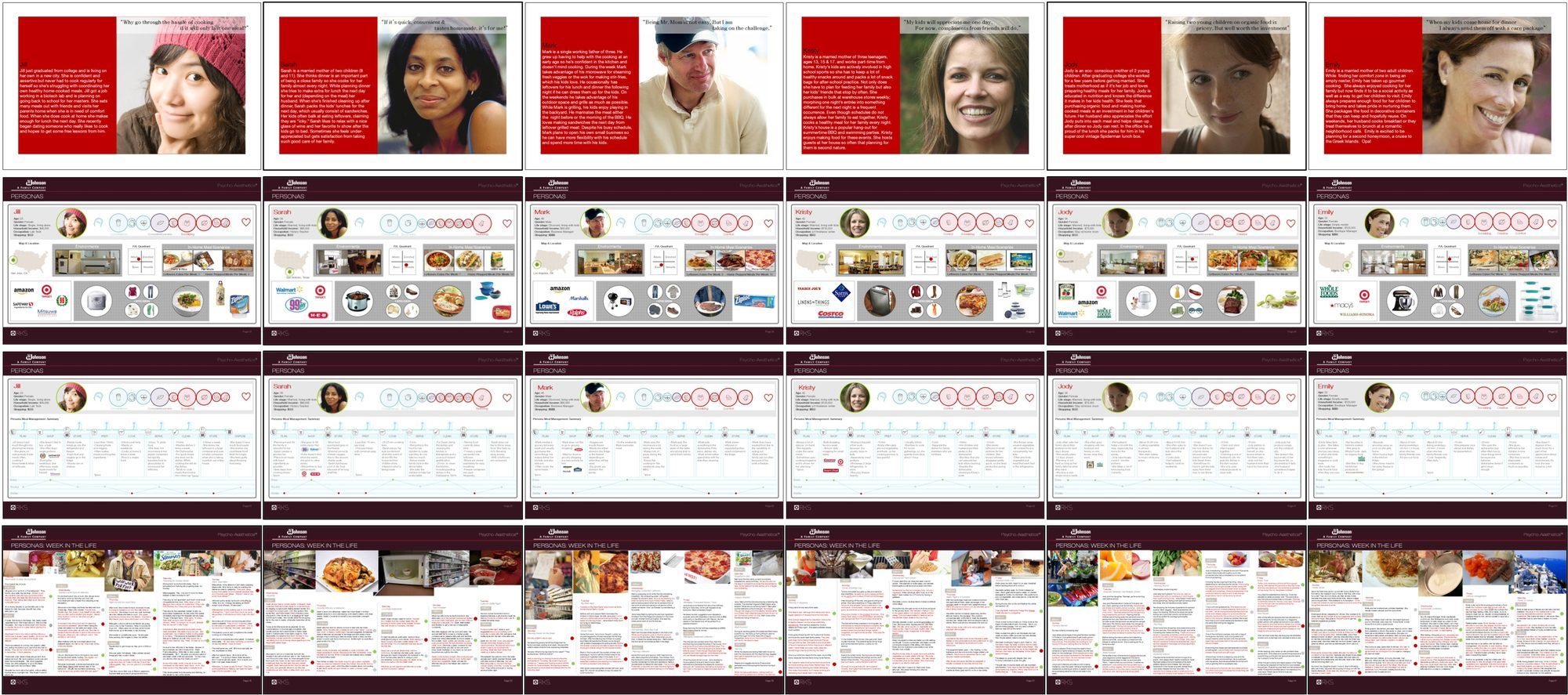
Our ethnographic research team built on SC Johnson’s existing consumer studies, then went into homes in Los Angeles and Chicago to watch how families plan, prep, cook, serve, and save their meals. Interviews with experts from parallel industries added a fresh perspective.
Three patterns stood out. Leftovers are often planned, and yesterday’s ingredients become tomorrow’s dinner. Meals rarely happen in one go; they stretch across the day around work, school, and practice. And the containers people already own are asked to do jobs they were never designed for.
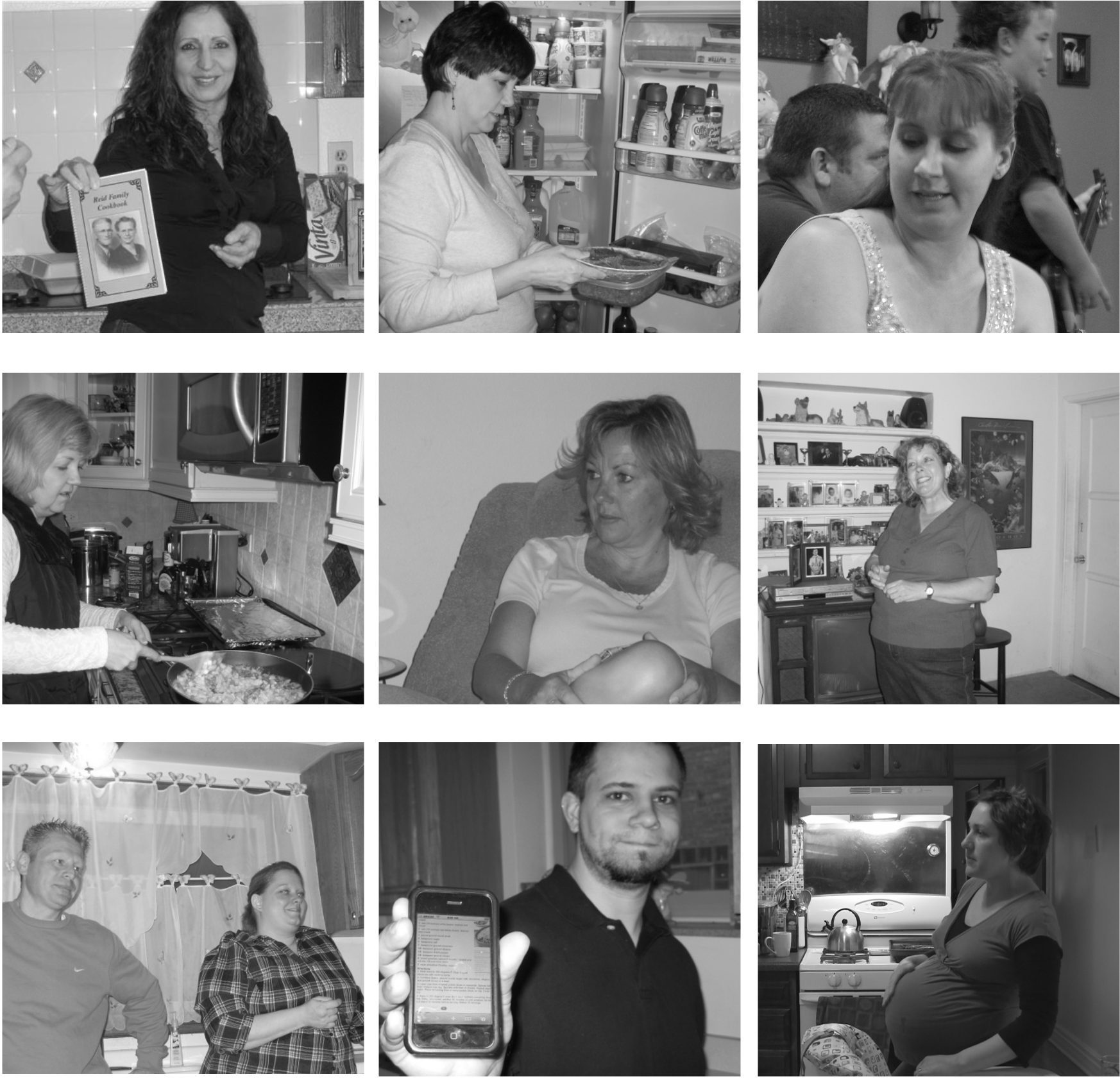
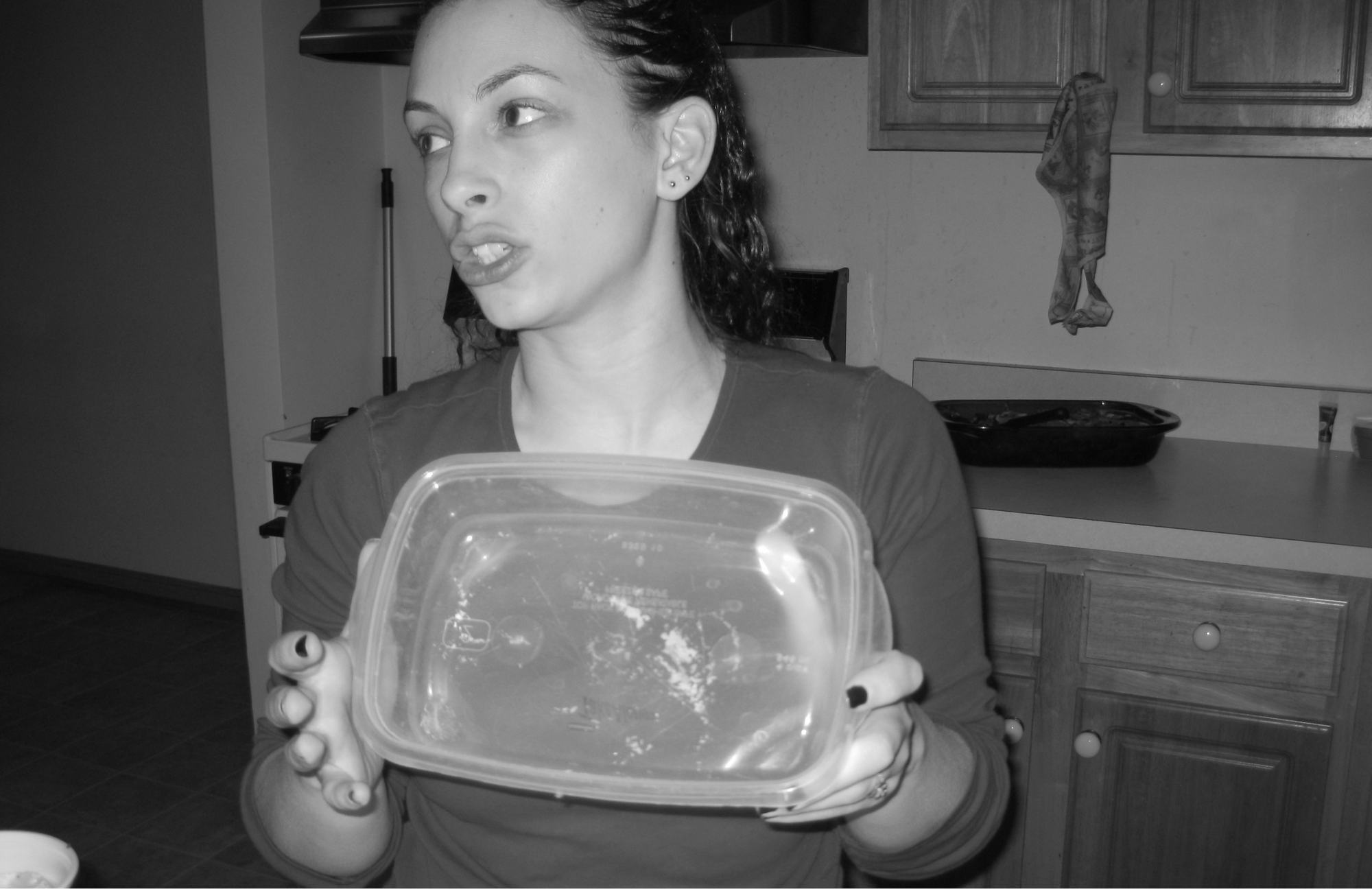
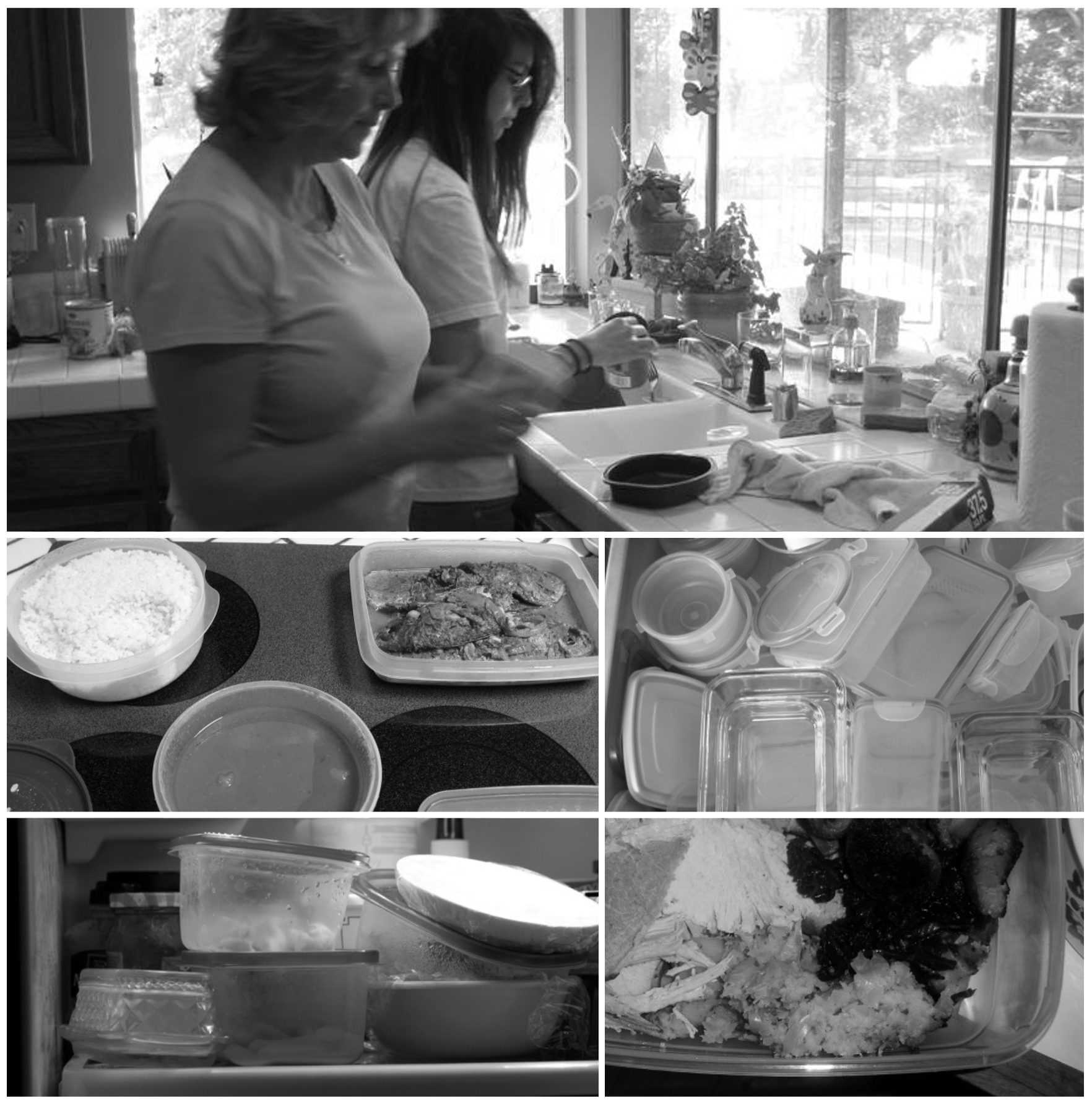
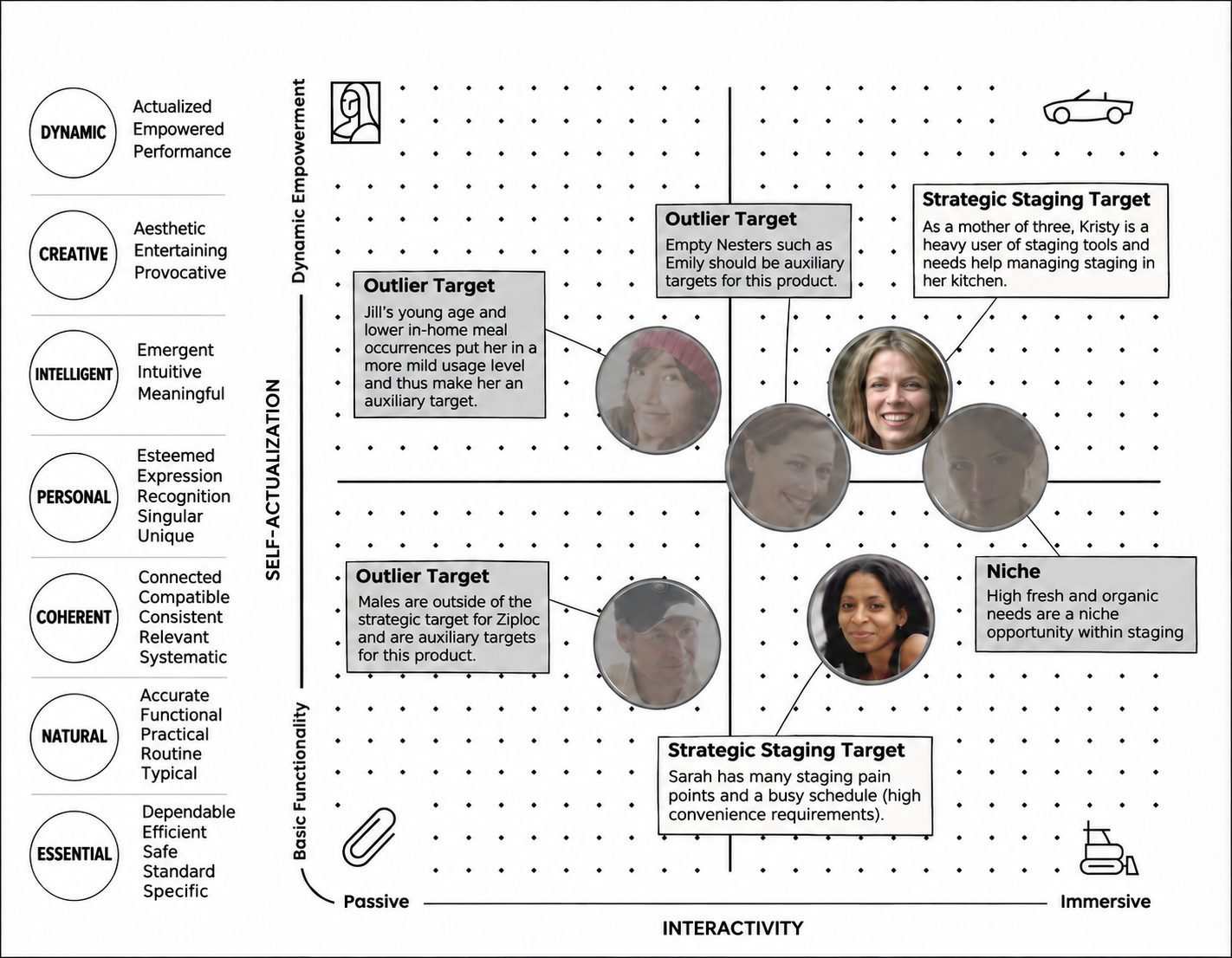
How We Used Psycho-Aesthetics® to Identify Unique Opportunities in the Project.
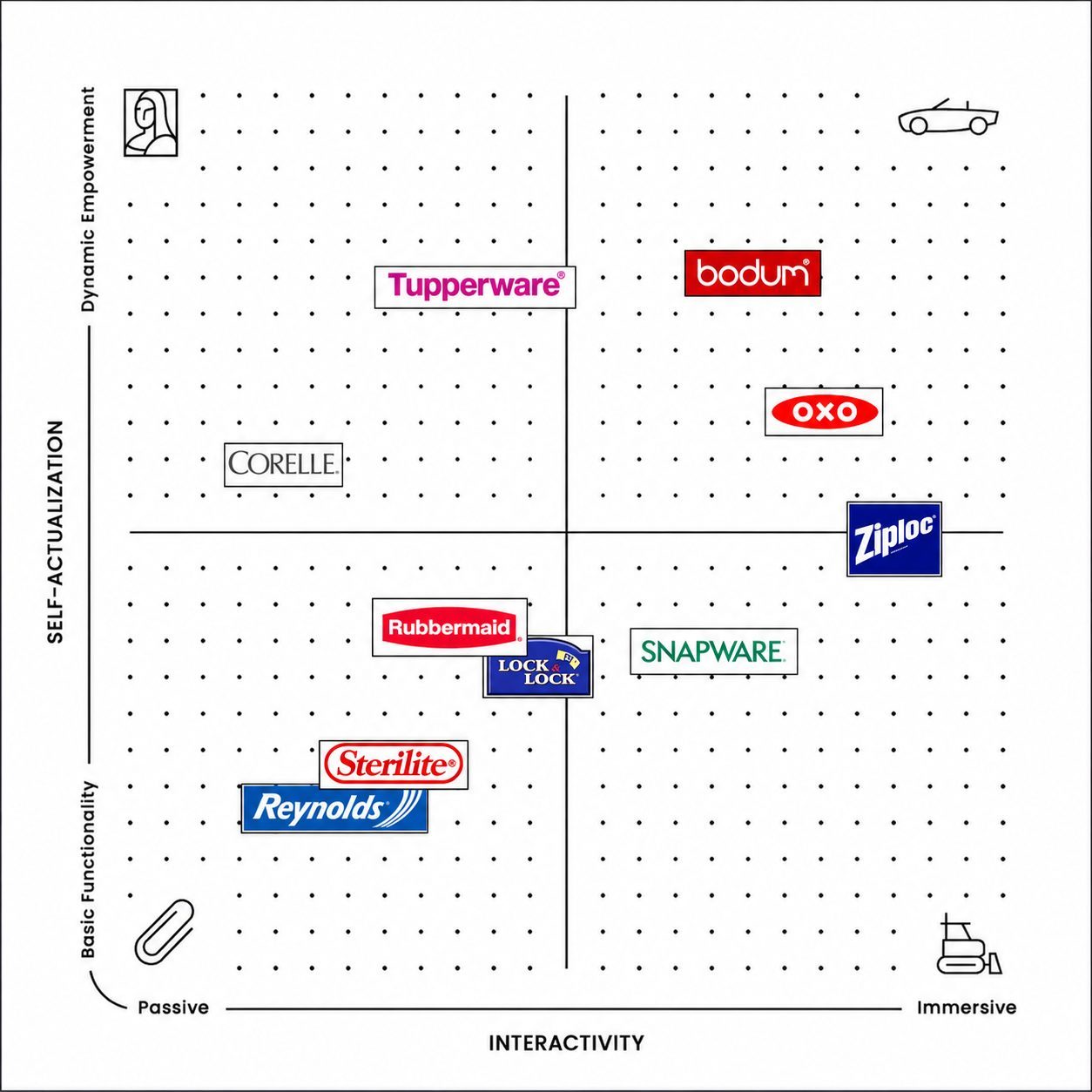
Using our proprietary Psycho-Aesthetics® framework, we combined in-home interviews and ethnographic observation in Los Angeles and Chicago with a review of the leading food storage brands. We identified key emotional and usability pain points, such as juggling too many single-purpose containers, keeping food fresh between steps, and wanting food to look good when it reaches the table.
Mapping brands by interactivity and self-actualization showed most of them clustered around basic, passive storage. The open Opportunity Zone guided both the system strategy and the design: products people use actively throughout the meal, and are proud to put on the table.
Innovation Consulting
Key Outputs
- Co-Creation Workshops
- Concept Idea Sheets
- Opportunity Platforms
- Use-Scenario Storyboards
- Multi-Generation Product Roadmap
Reframing the problem: food in transition
The research pointed to a simple but important shift. Food spends more time moving between steps than sitting in long-term storage: set aside mid-prep, kept warm for a late arrival, or saved to become tomorrow’s lunch. Yet almost every product on the shelf is designed for just one step.
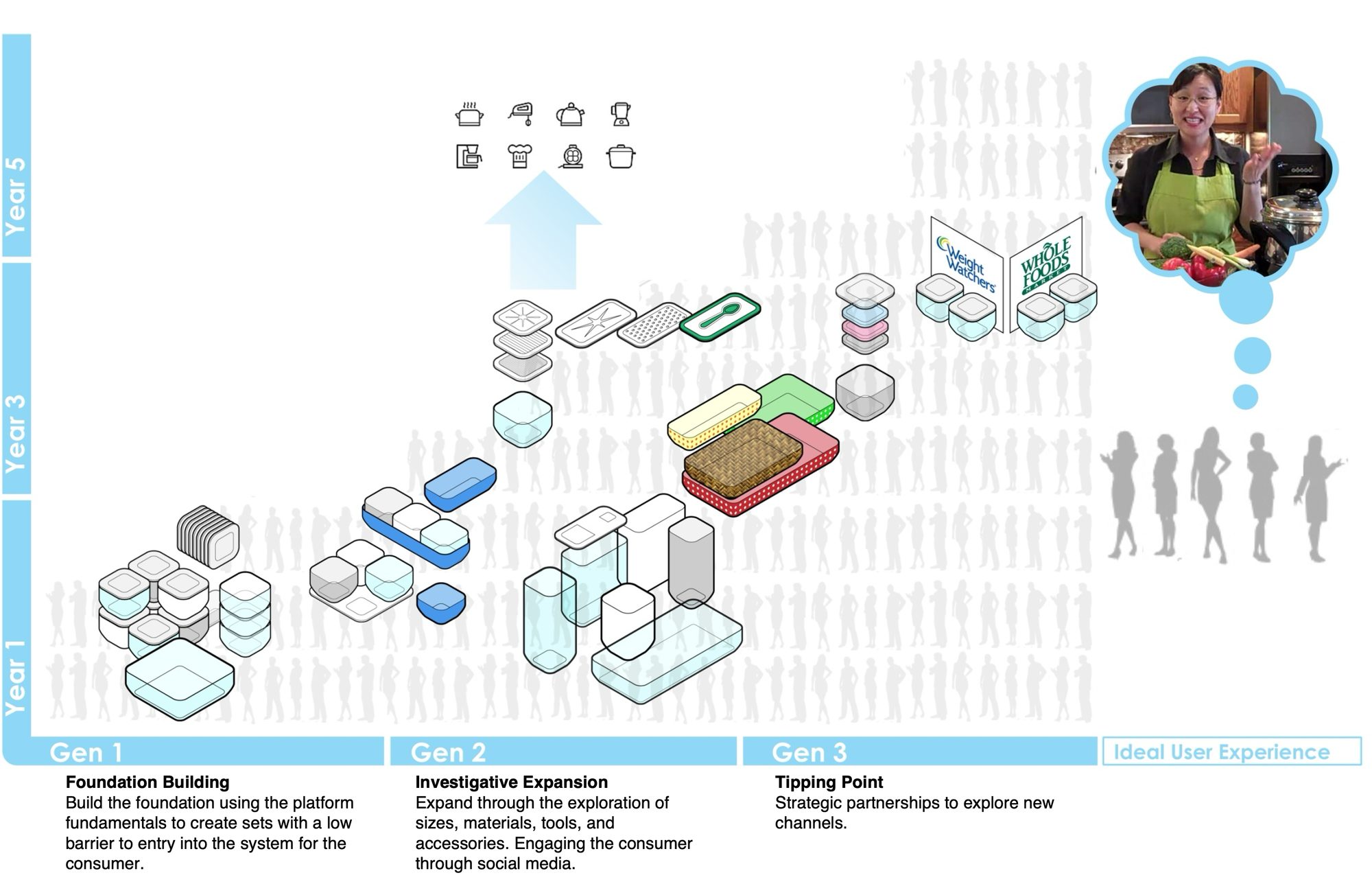
In collaborative workshops with SC Johnson, our innovation consulting team turned that insight into opportunity platforms for prep, organization, serving, and storage, and tested them through illustrated use scenarios. A multi-generation roadmap showed how a first product could grow into a broader platform over time.
Product Development
Key Outputs
- Appearance Models
- Form & Fit Prototypes
- Nesting Validation
Testing ideas in the hand
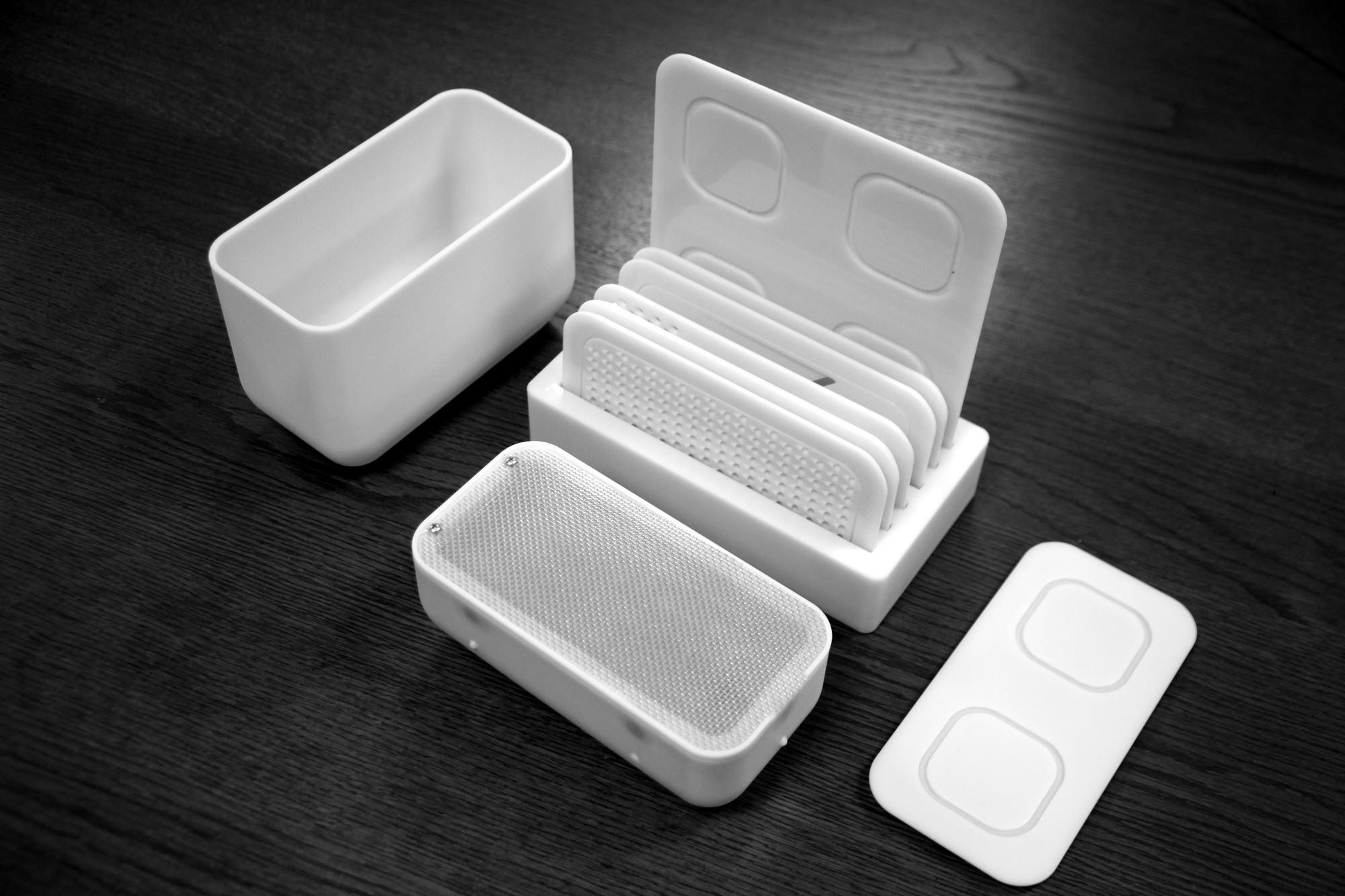
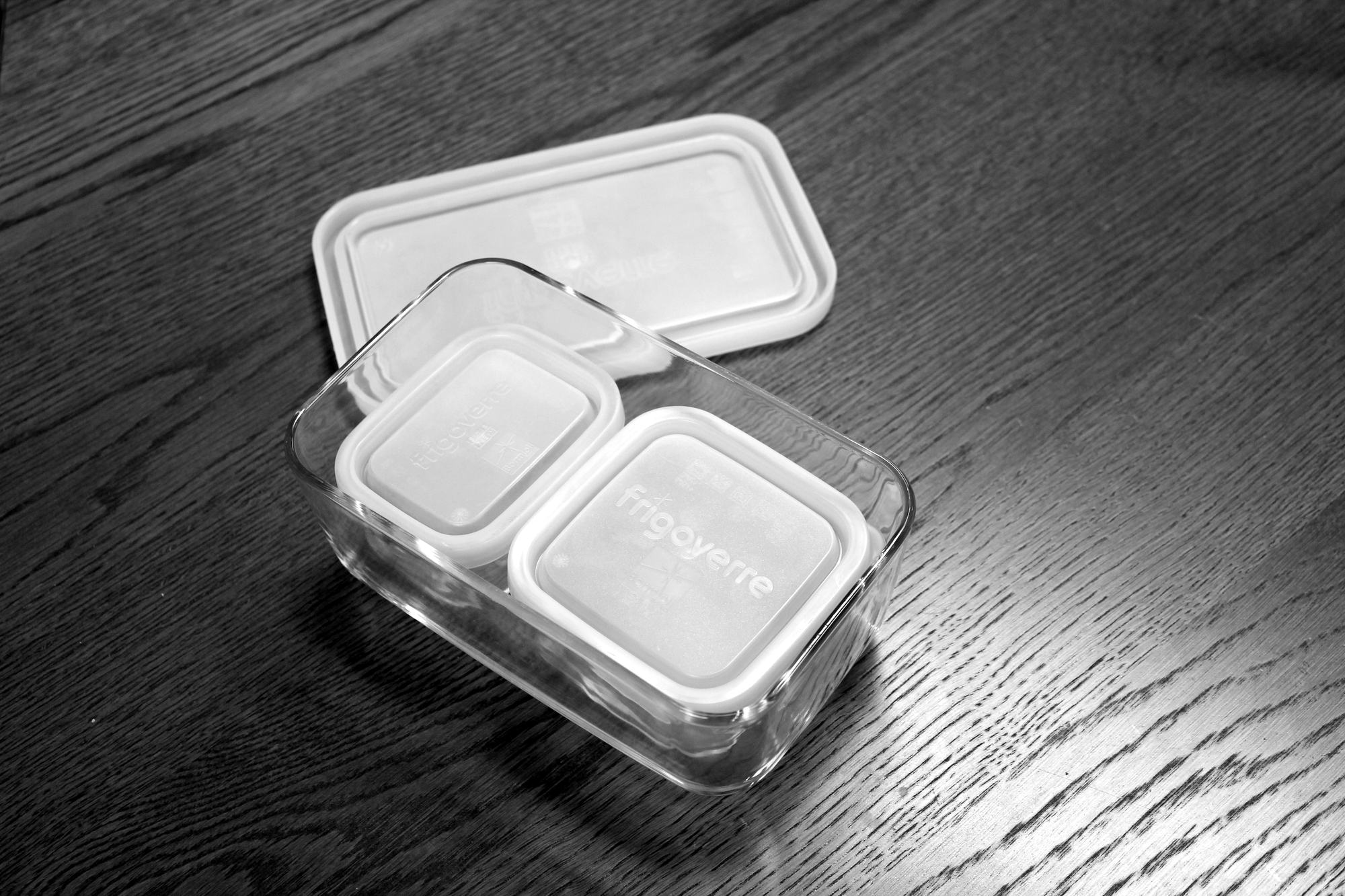
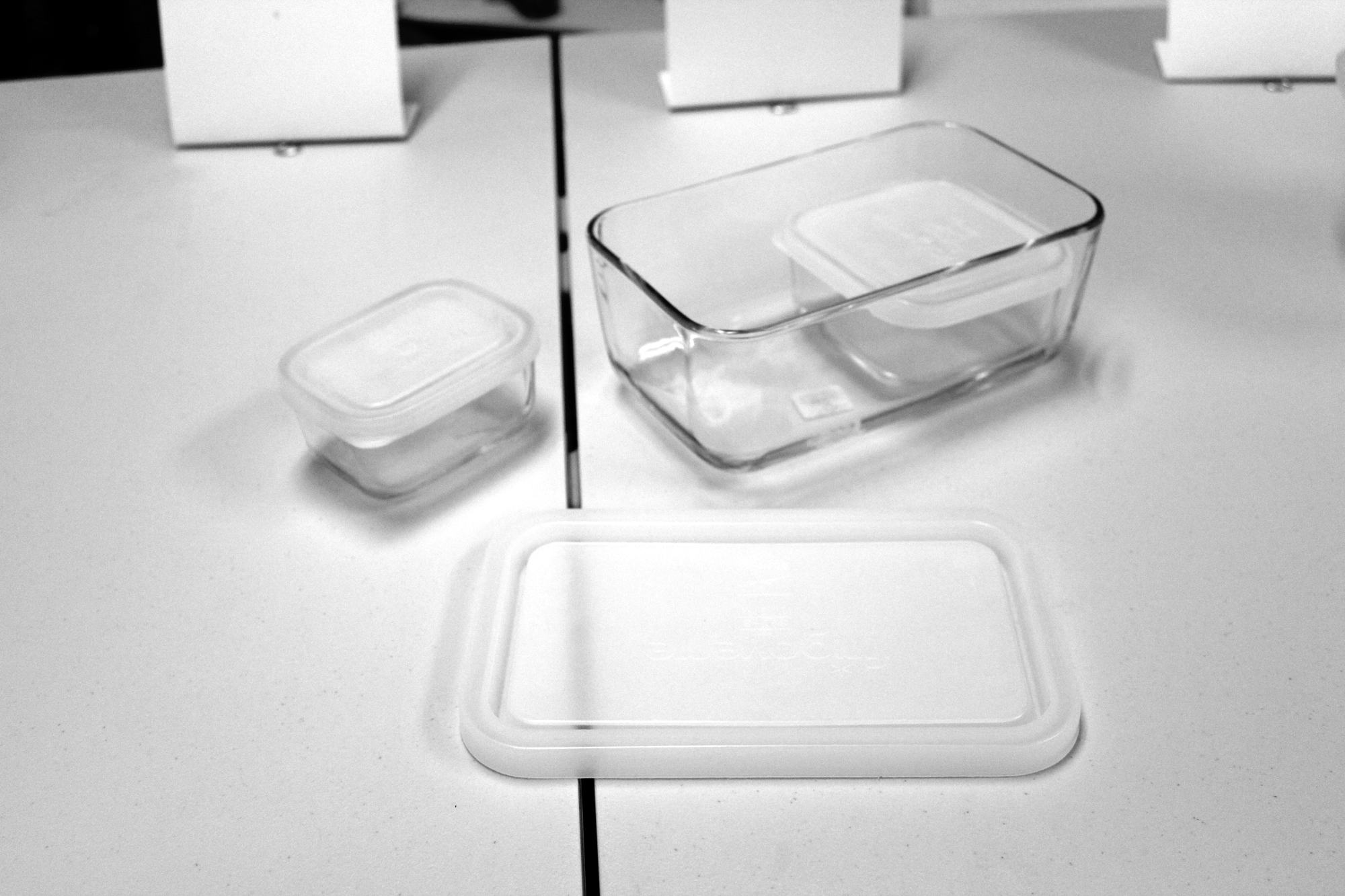
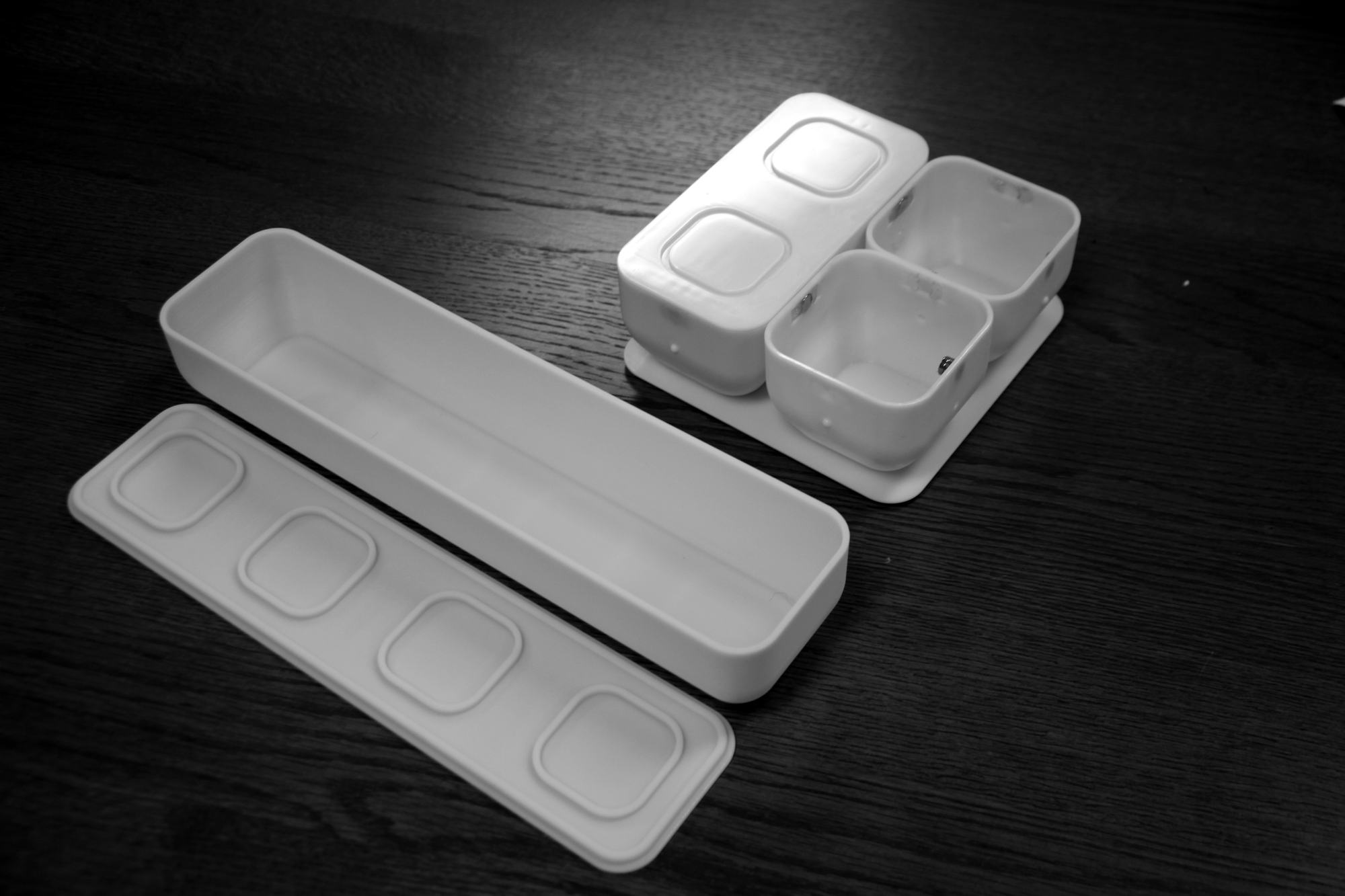
As part of our product development process, the team built physical models in glass and plastic to check scale, stacking, and nesting, and to see how lids, trays, and inserts work together on a real countertop.
Industrial Design
Key Outputs
- Modular Container Family
- Lid & Nesting Studies
- Color Explorations
- In-Context Renderings
Same, but different
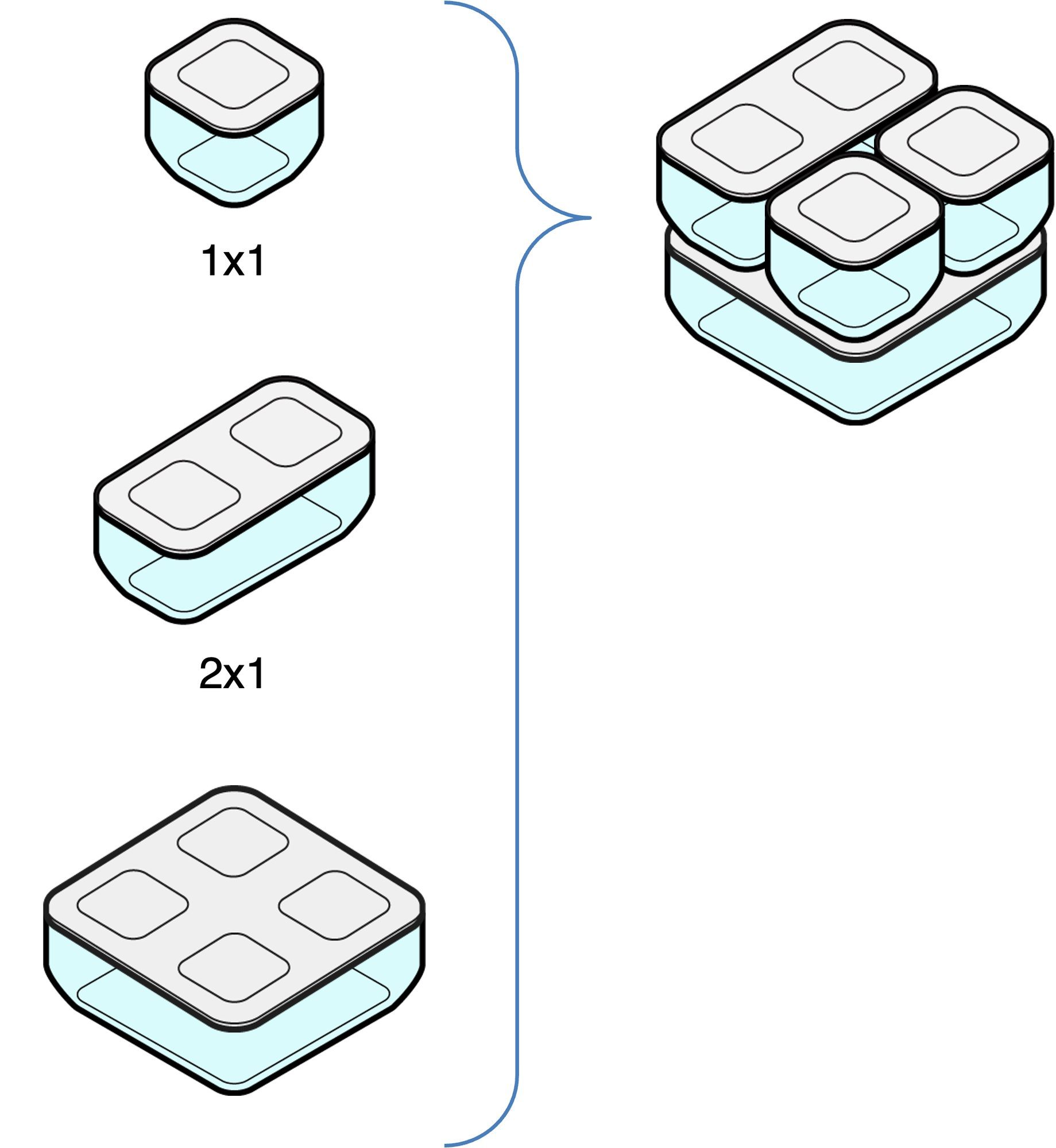
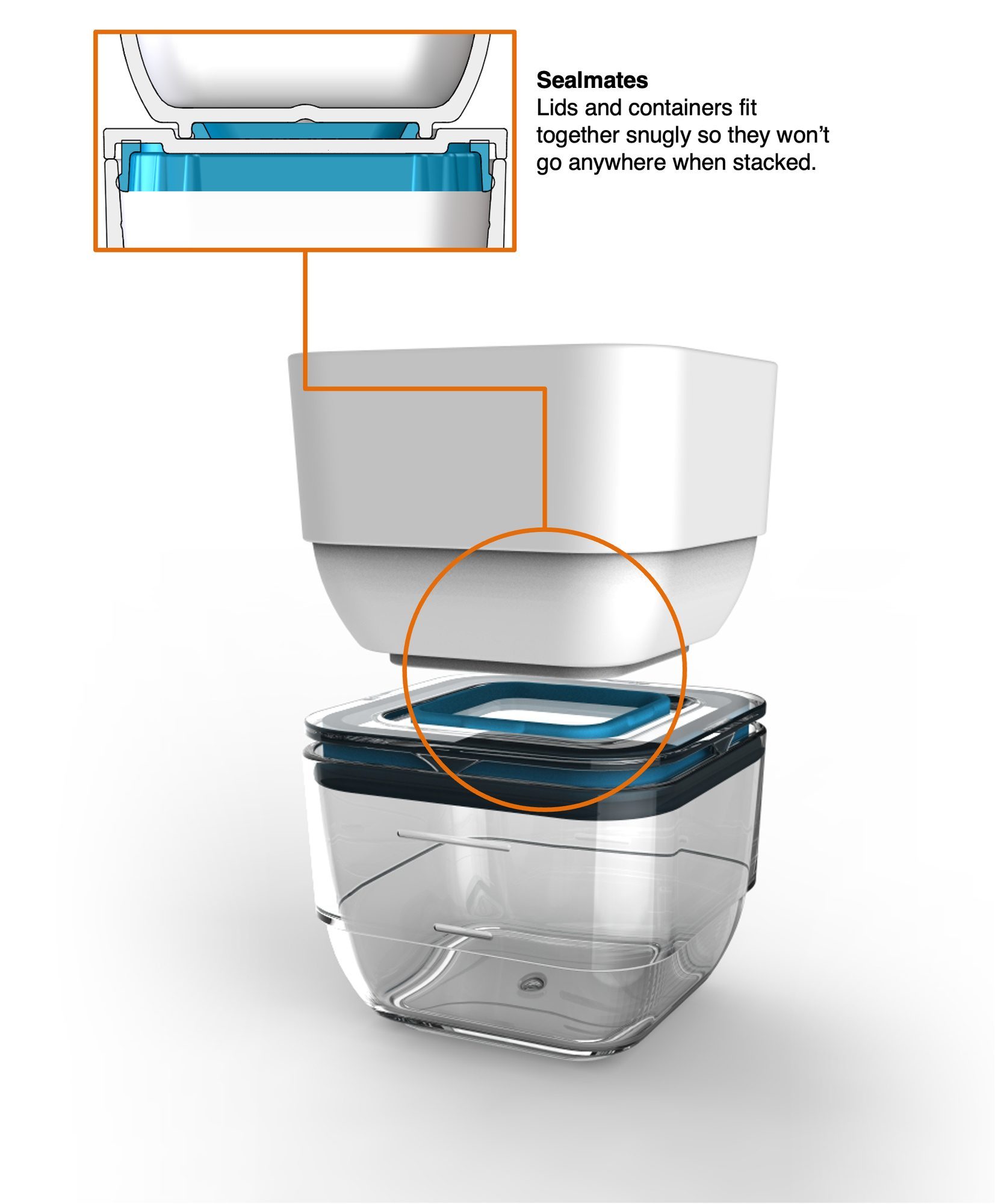
Our industrial design team developed a modular family of containers, lids, prep boards, and trays built on one shared footprint, so pieces stack, nest, and lock together as food moves from counter to fridge to table.
Each piece looks familiar but works harder, doing the job of several single-purpose dishes. Color studies and in-context renderings explored how the system would live in real cupboards and fridges, a core concern in the consumer market.
Branding & Packaging Design
Key Outputs
- Product Line Naming
- Logotype Exploration
- Retail Packaging Concepts
- Ziploc Co-Brand Studies
- Color Variants
A name built from building blocks
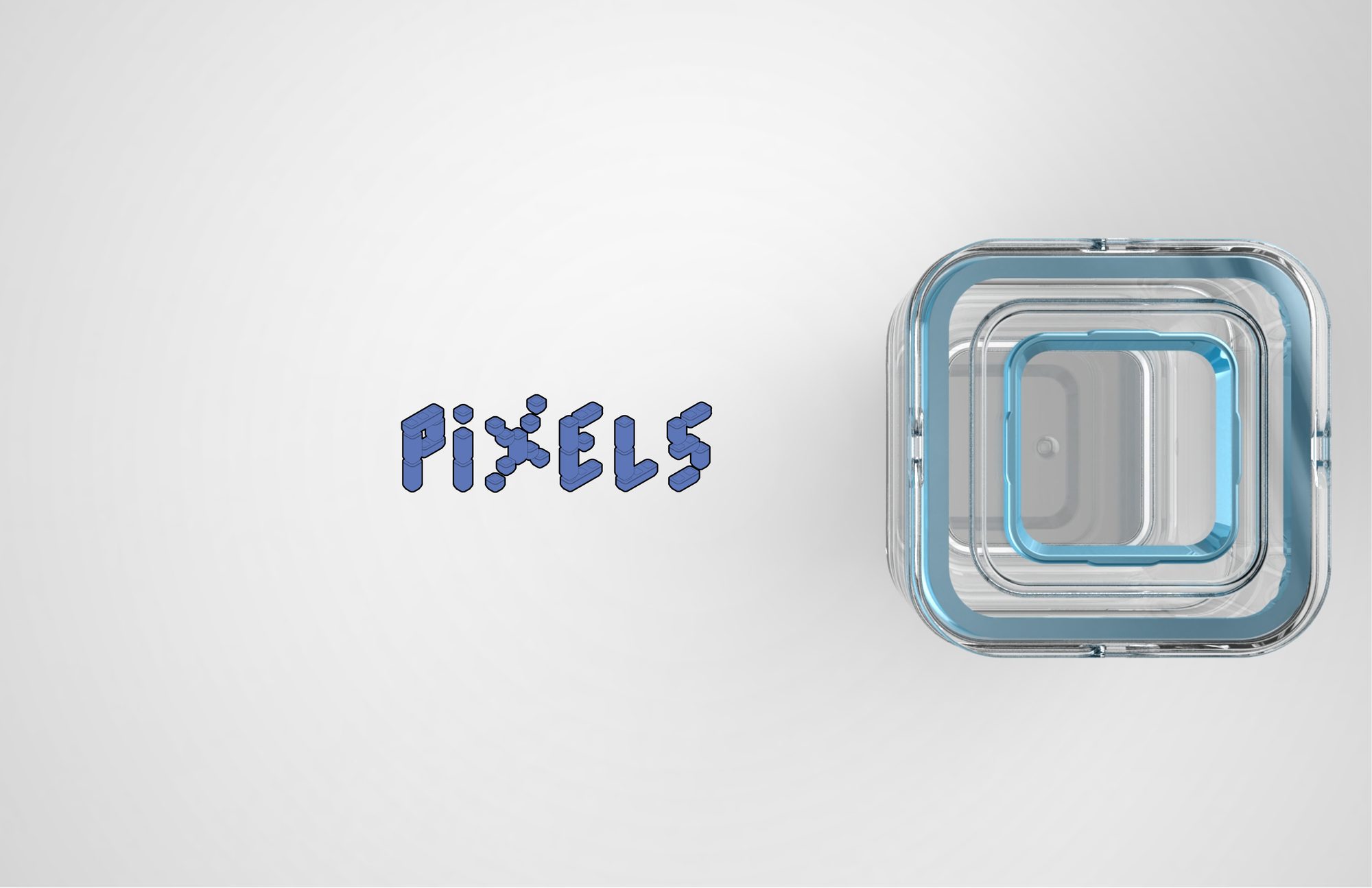
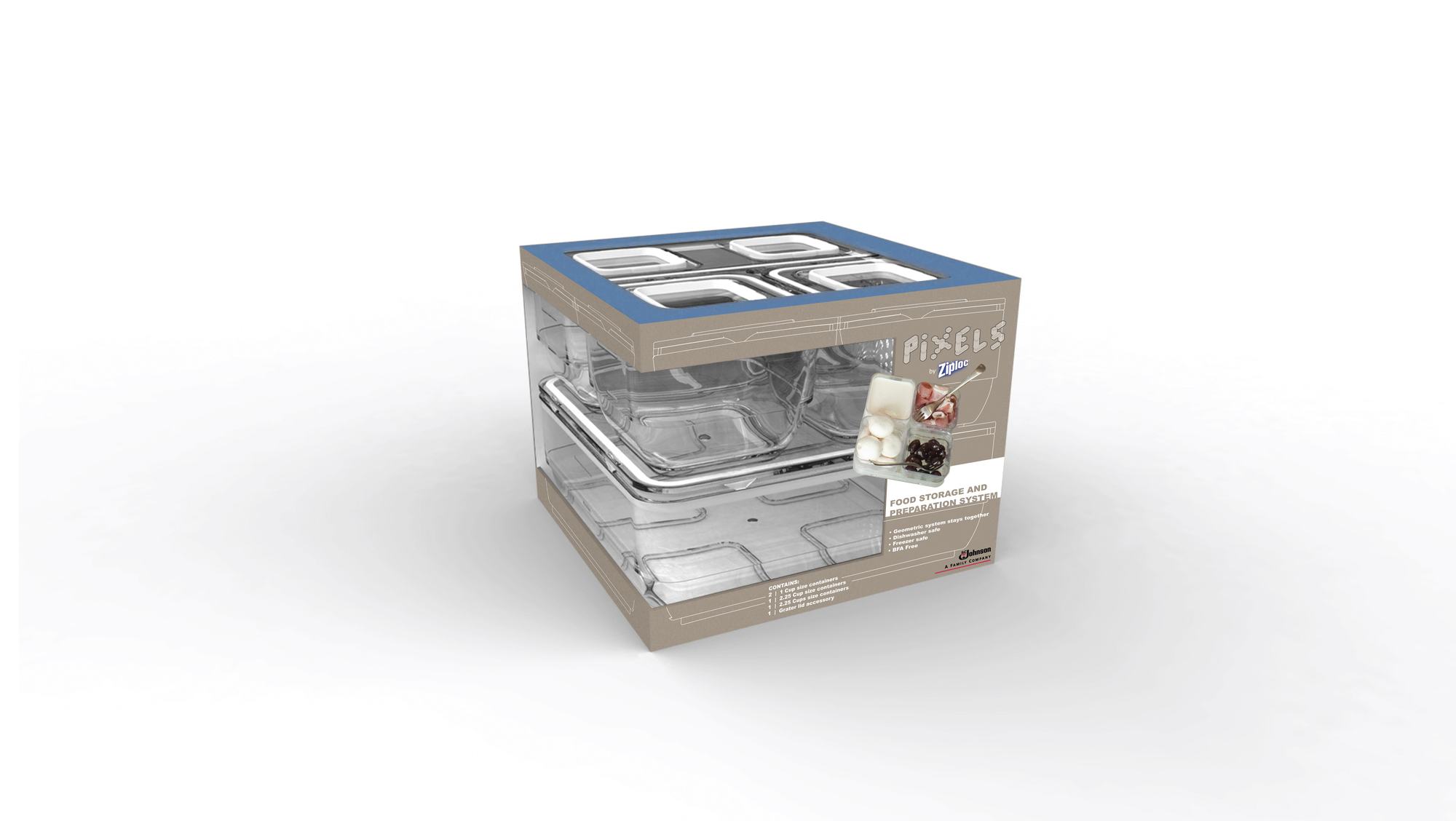
Our branding design team developed PIXELS, a playful name and logotype that echoes the square-by-square, modular logic of the system and sits comfortably alongside the Ziploc brand.
Showing the system on the shelf
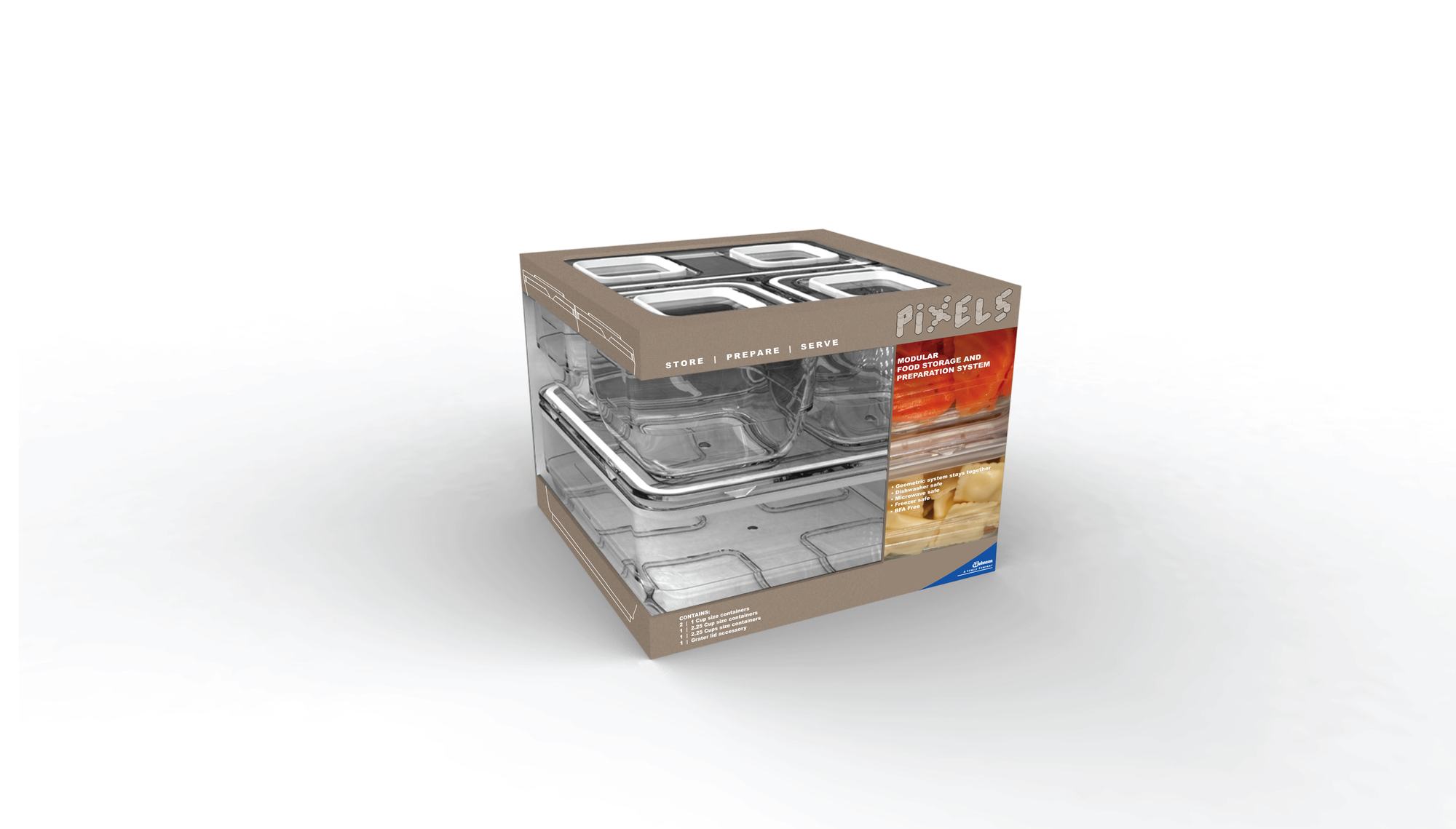
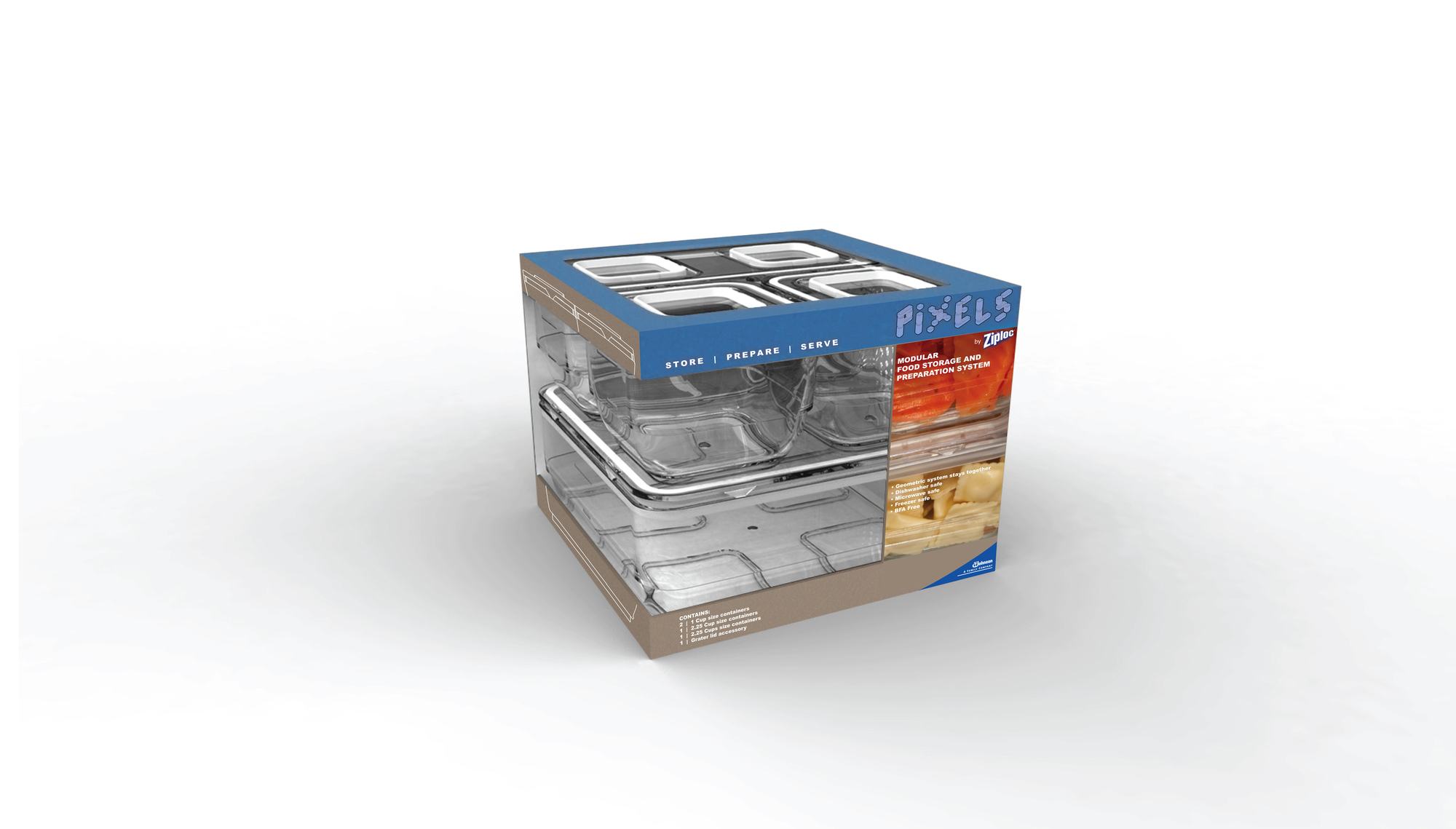
Our packaging design team created retail concepts that show the containers nested inside the box, so shoppers understand the system at a glance. Co-branded Ziploc versions and color variants were explored for the packaged goods aisle.
Final Design
Key Outputs
- Complete Modular System
- Photorealistic Renderings
- Large-Format Presentation Posters
- Lifestyle Photo Shoot
One system for the whole meal
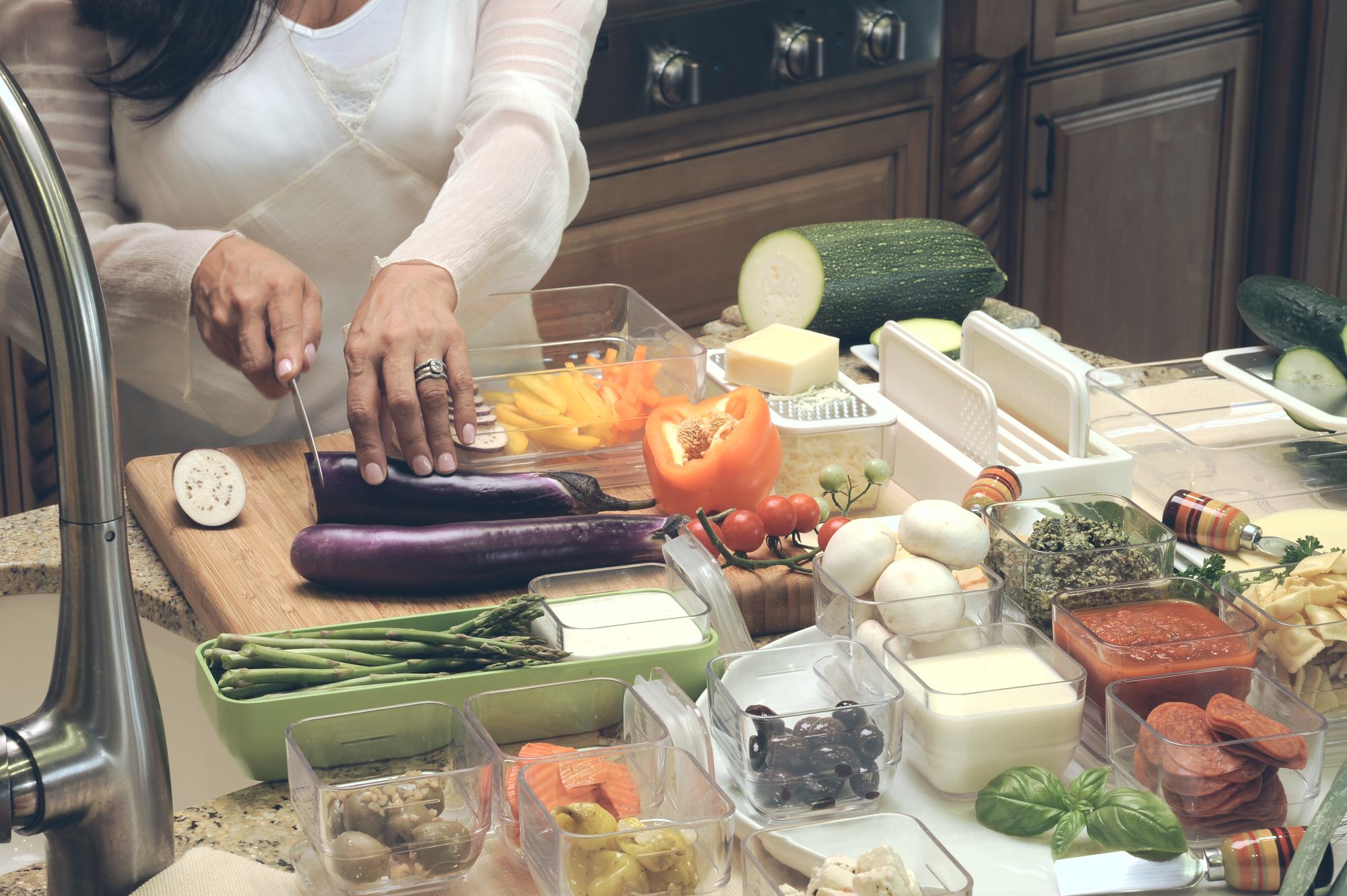
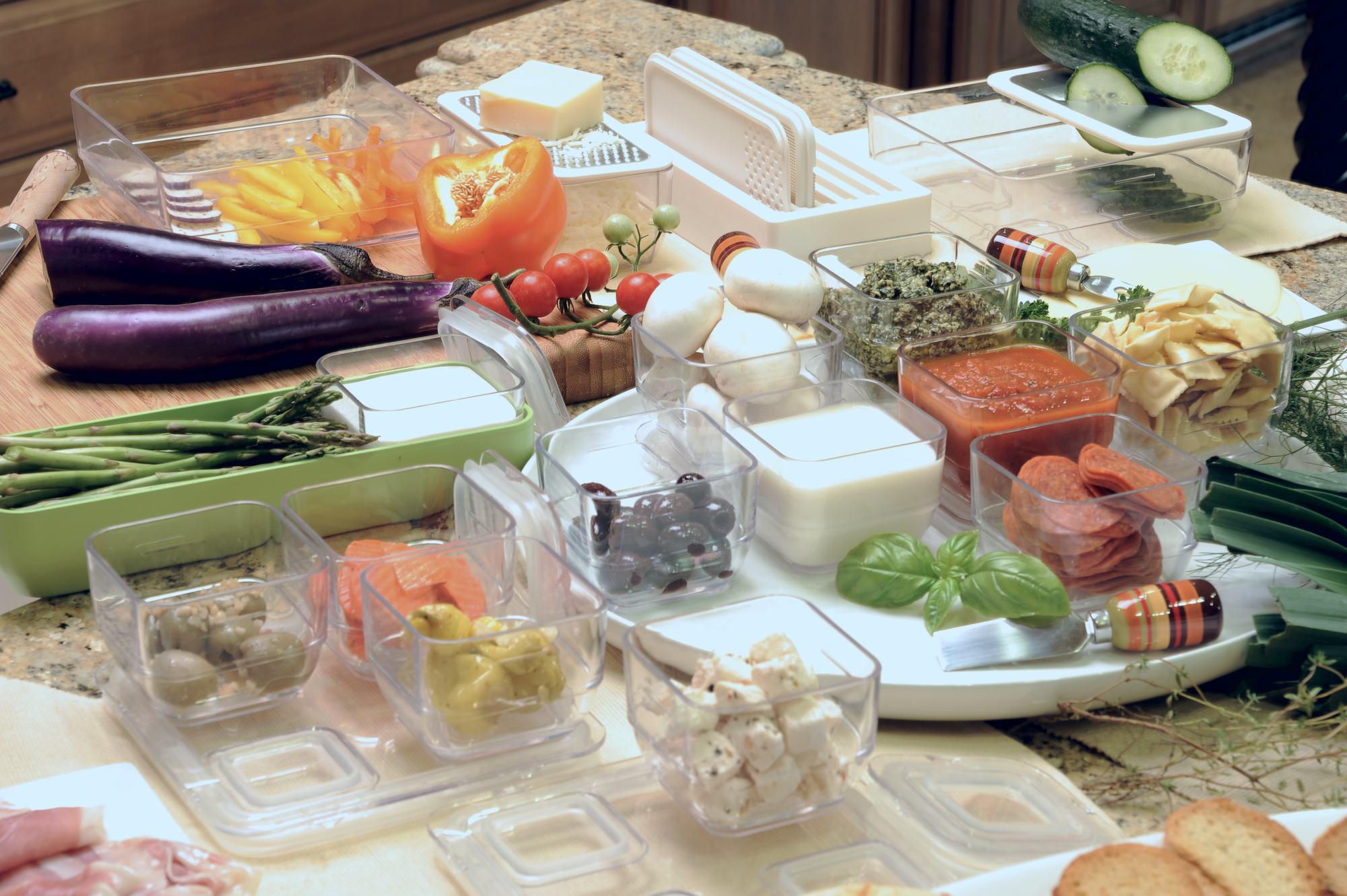
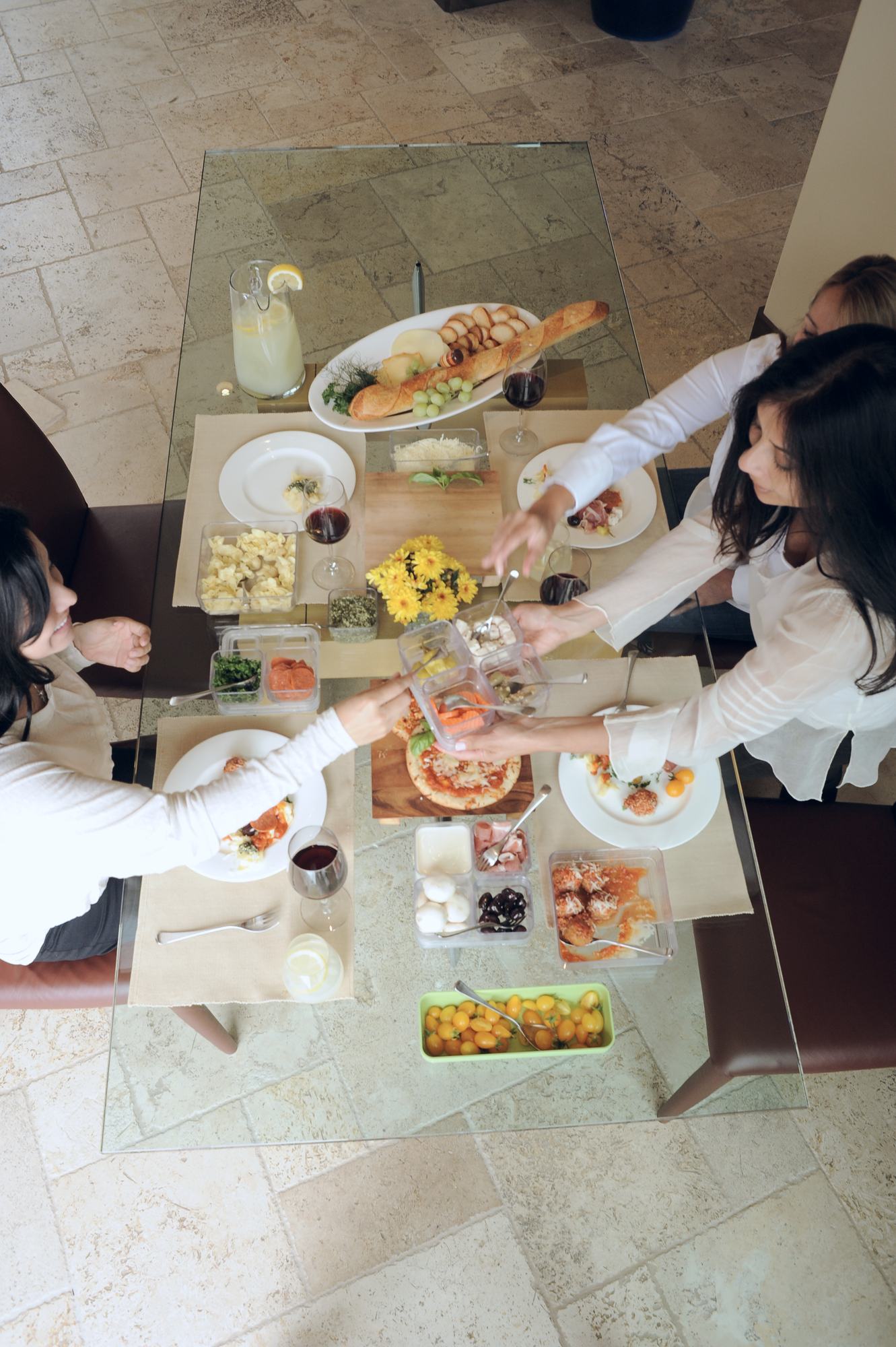
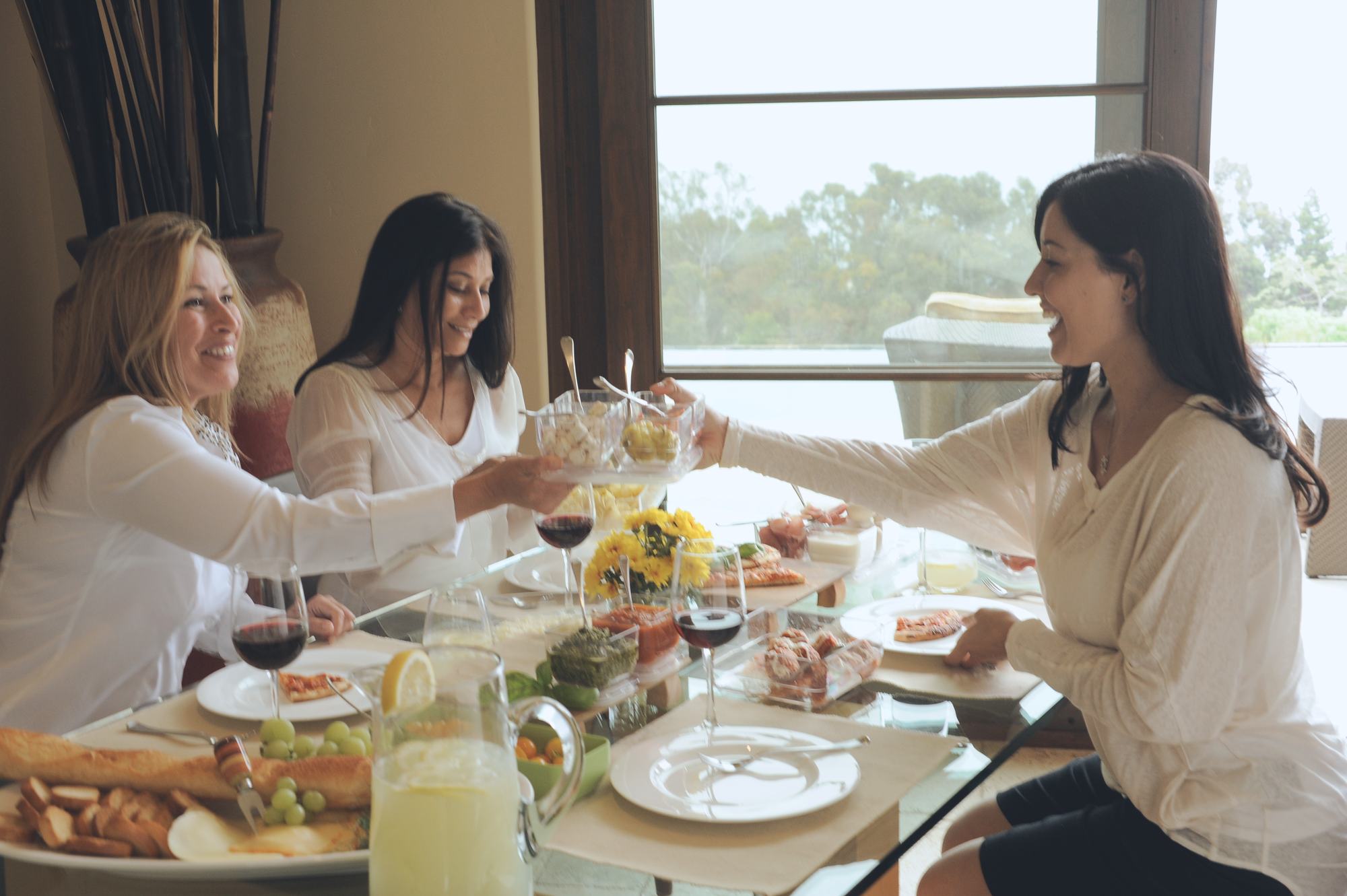
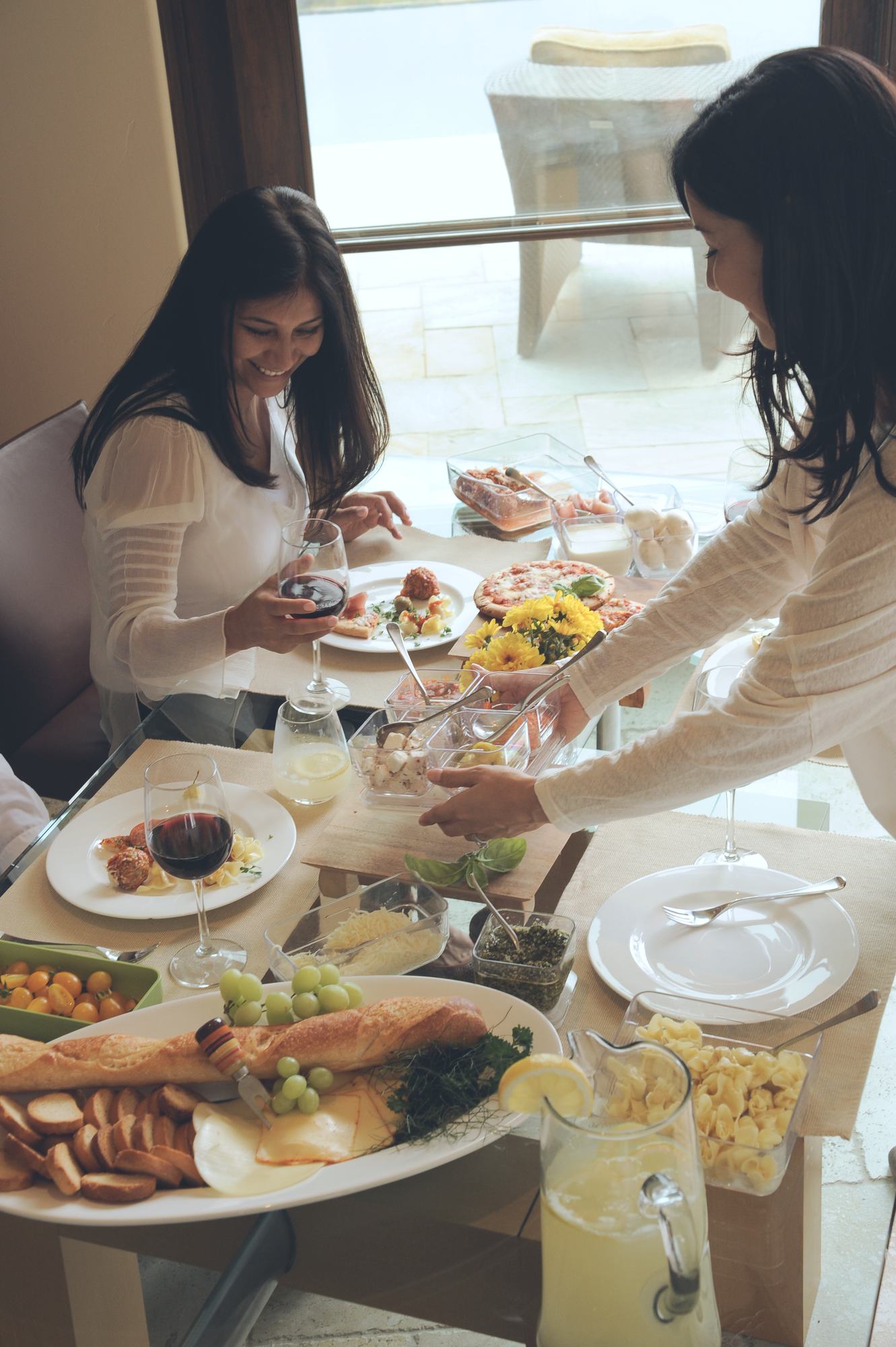
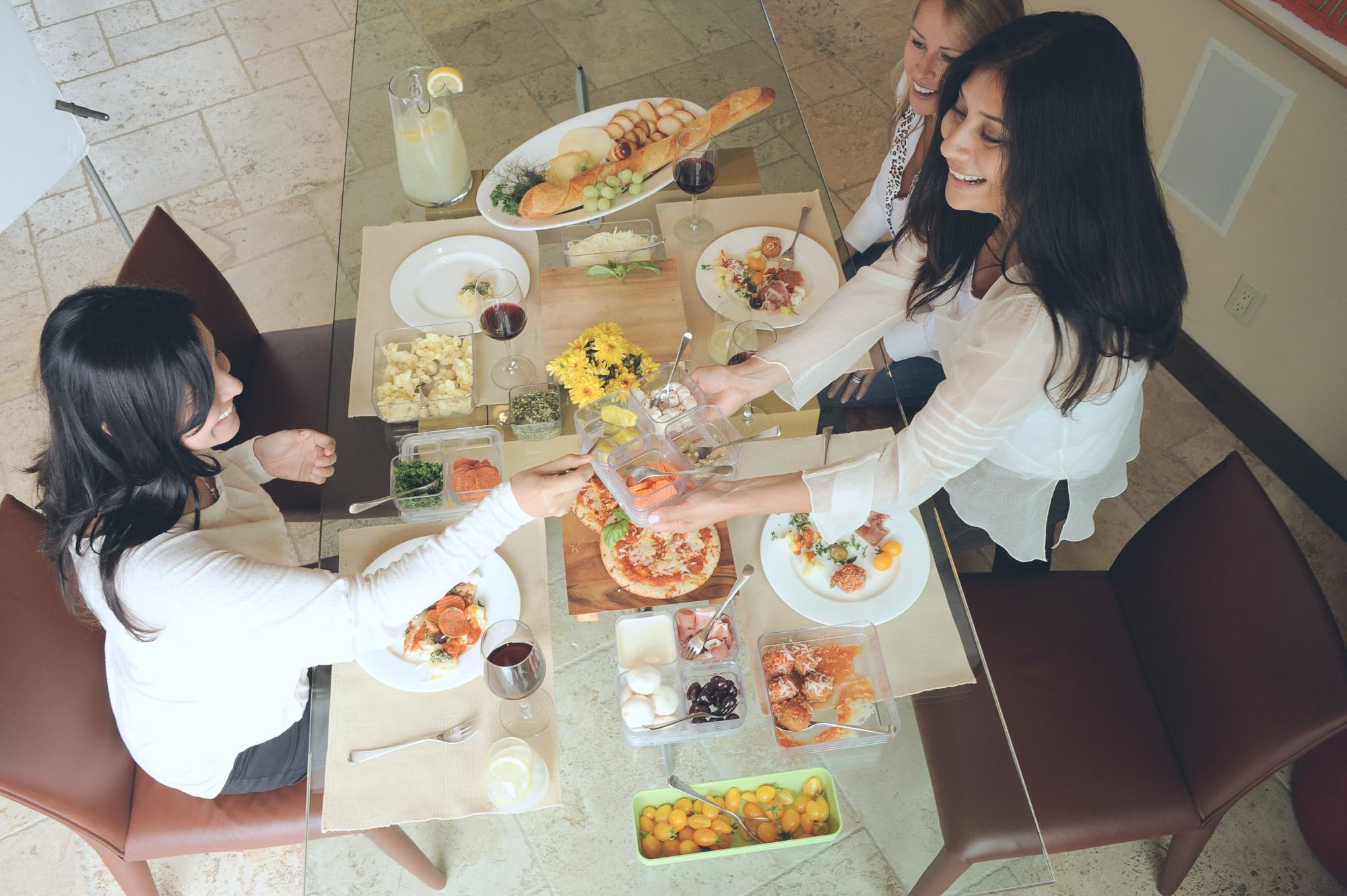
RKS brought the research, strategy, and design work together into a final concept system delivered to SC Johnson: prep boards, carrying trays, and nesting containers that stay with the food from prep to table to fridge, cutting down the number of dishes along the way.
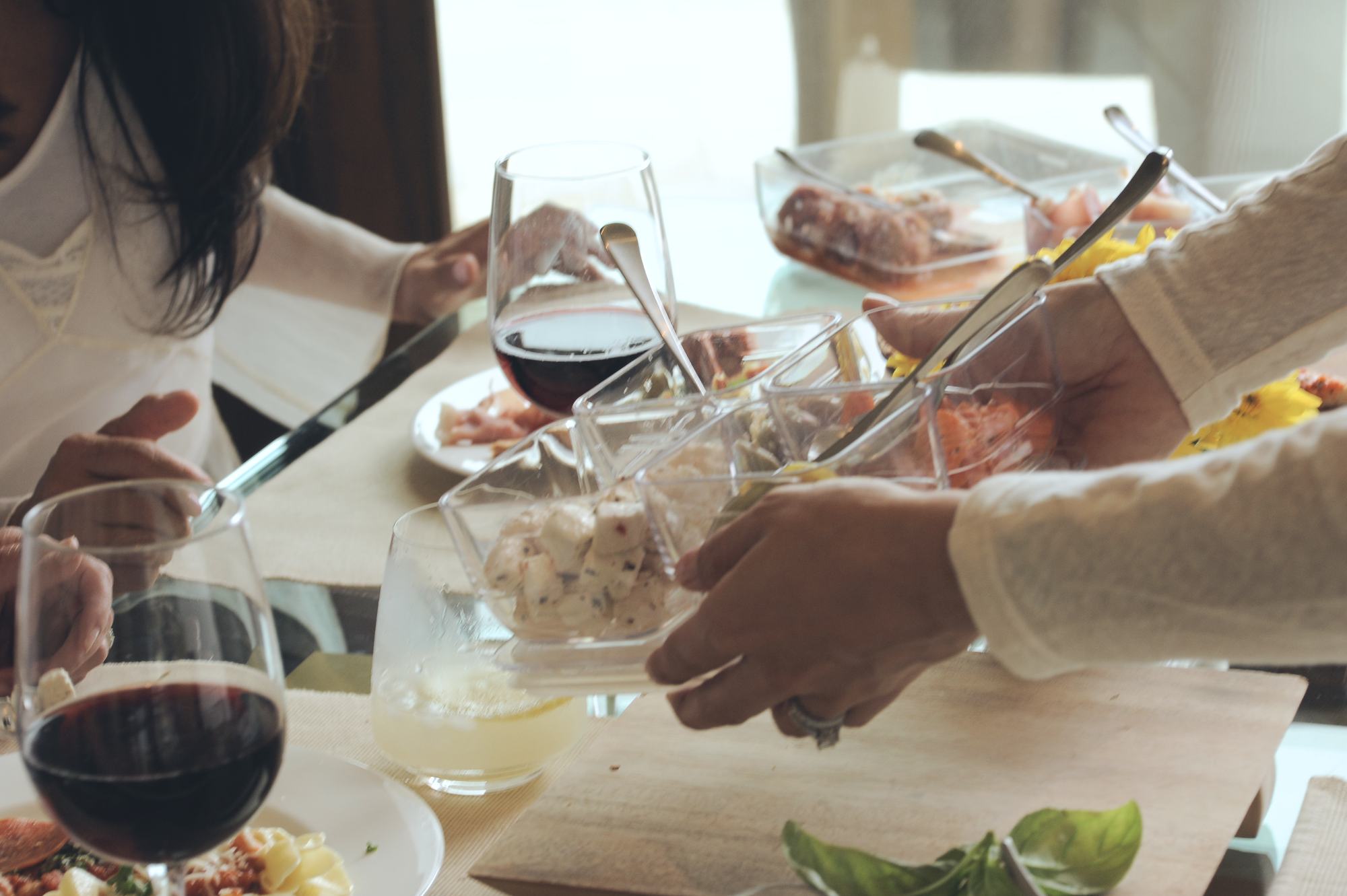
Photorealistic renderings, large-format posters, and a lifestyle photo shoot showed the system at home in real kitchens. See more of our work for the consumer market and across all markets.
Let’s move together.
Get in touchExplore More Work
Zyliss Food Storage
An integrated food storage system, from Psycho-Aesthetics® strategy to production-ready engineering.
My Dabba
Redefining mealtime freedom through intelligent, sustainable design.
Kitalma
Brand, packaging and a cookware design language for a culinary passport in the home kitchen.
Samsung Bespoke
Research, color strategy and retail concepts for Samsung’s modular kitchen line.
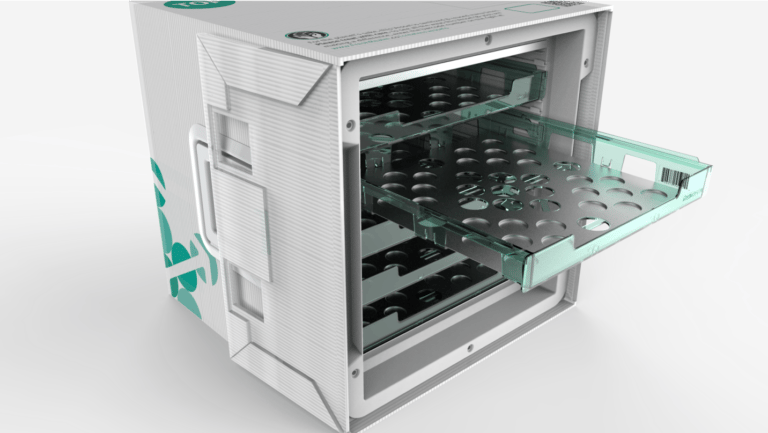
Fresh Realm
A zero-waste solution that provides healthy meals right to your doorstep.
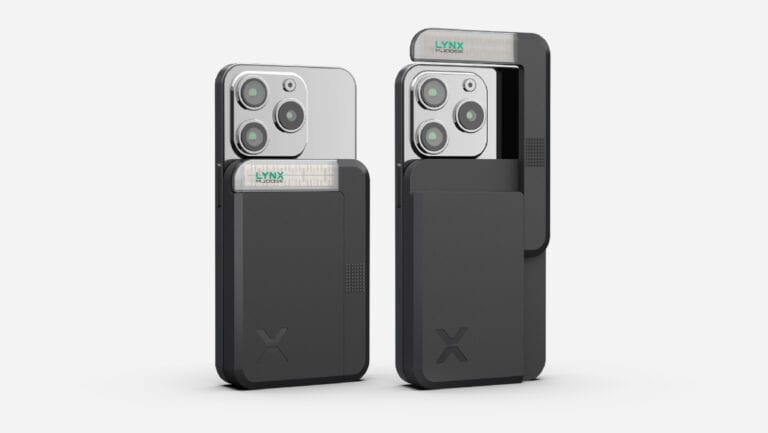
LYNX
A pocket-sized connectivity solution that boosts reception, extends battery life, and reduces radiation exposure.
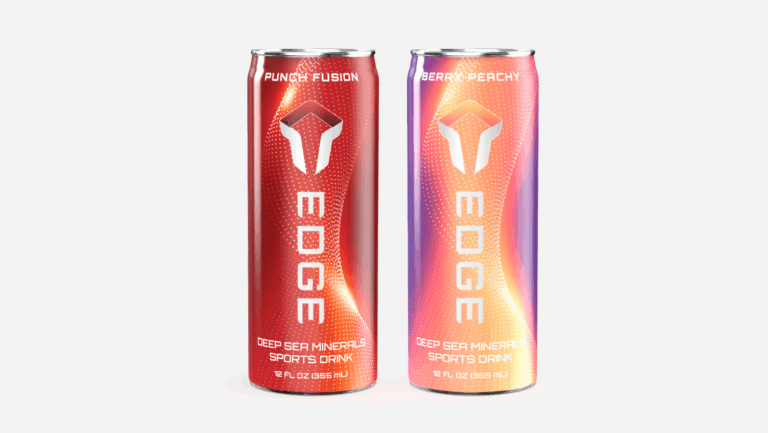
Edge Hydration
Designing a next-gen sports drink rooted in wellness and clarity.
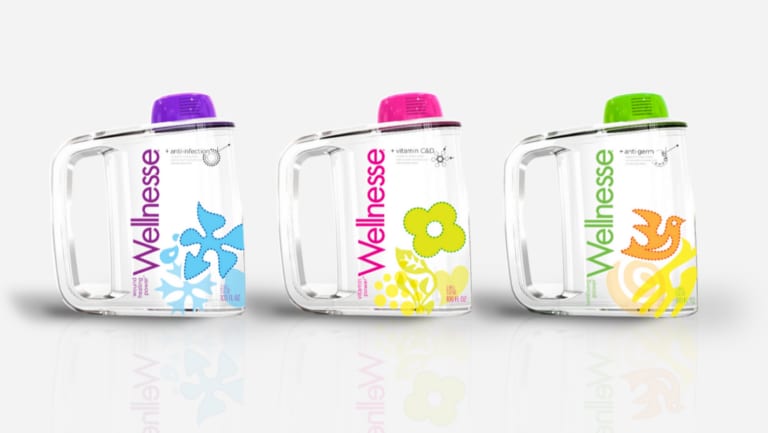
Unilever Laundry Additive
Global research project uncovering insights into hygiene and wellness to create a laundry additive that adds value benefits like vitamins and protected health.