
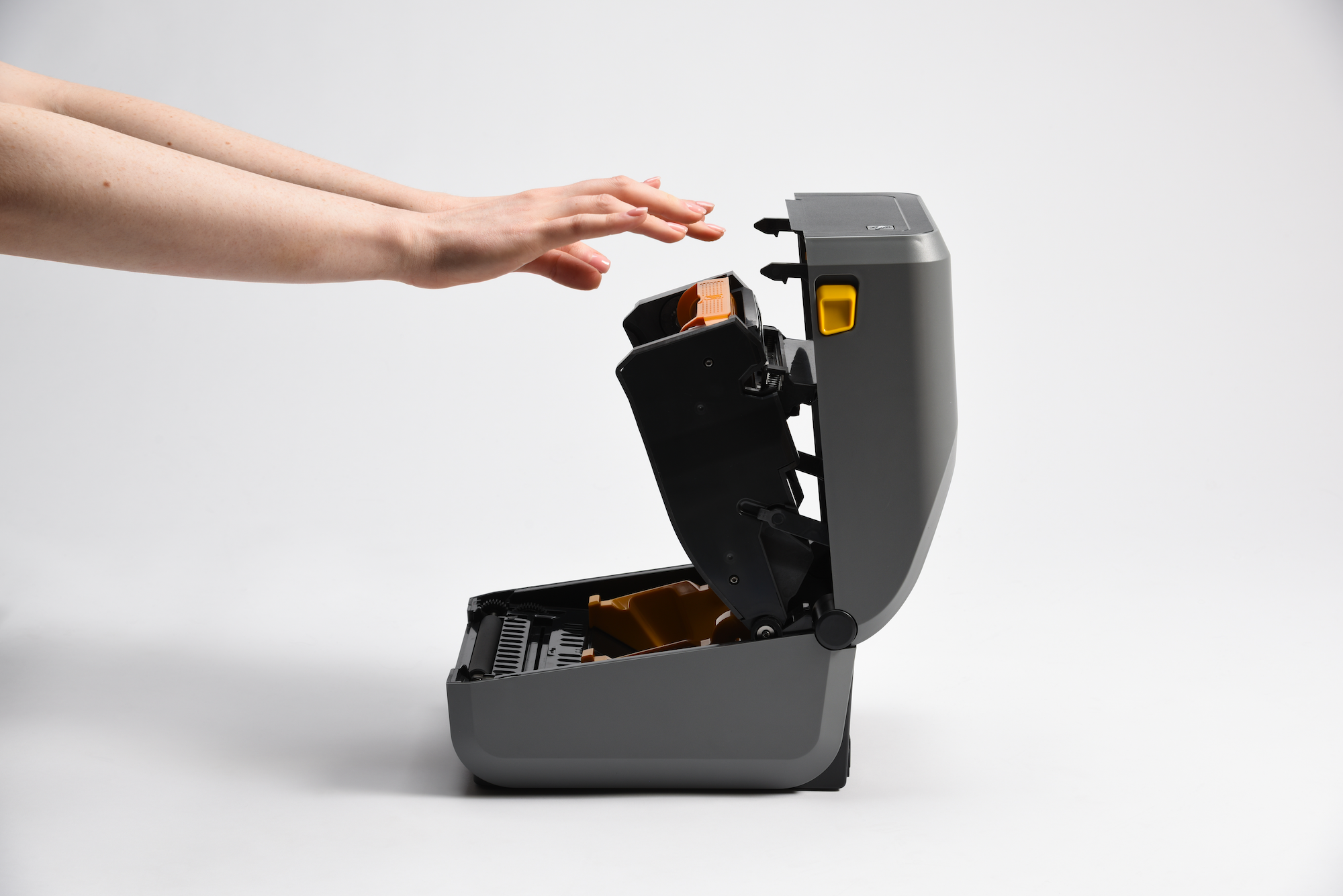
Smarter printing. Simplified.
Zebra’s legacy desktop printers had dominated the category for a decade, but the market was shifting. Customers demanded easier setup, better integration with cloud applications, and enhanced data security. RKS was asked to help create a disruptive new platform that simplified the user experience, anticipated emerging needs, and secured Zebra’s leadership position in both industrial and healthcare environments.
Research Insights & Discovery
Key Outputs
- Customer journey mapping for industrial and healthcare use cases
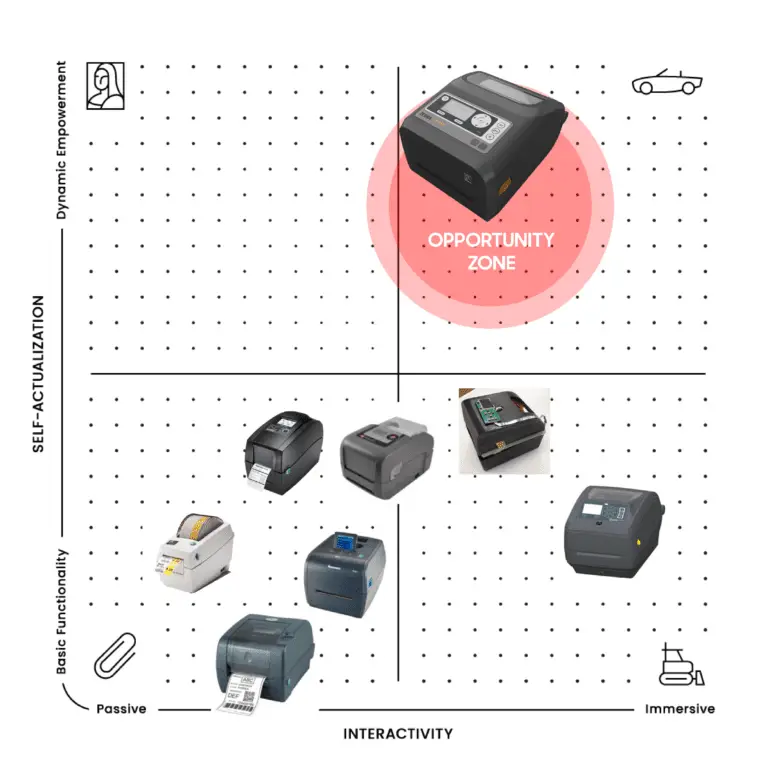
- Competitive analysis highlighting usability and security gaps
- Design requirements rooted in user feedback and long-term trends
- Opportunity Areas & Design Criteria
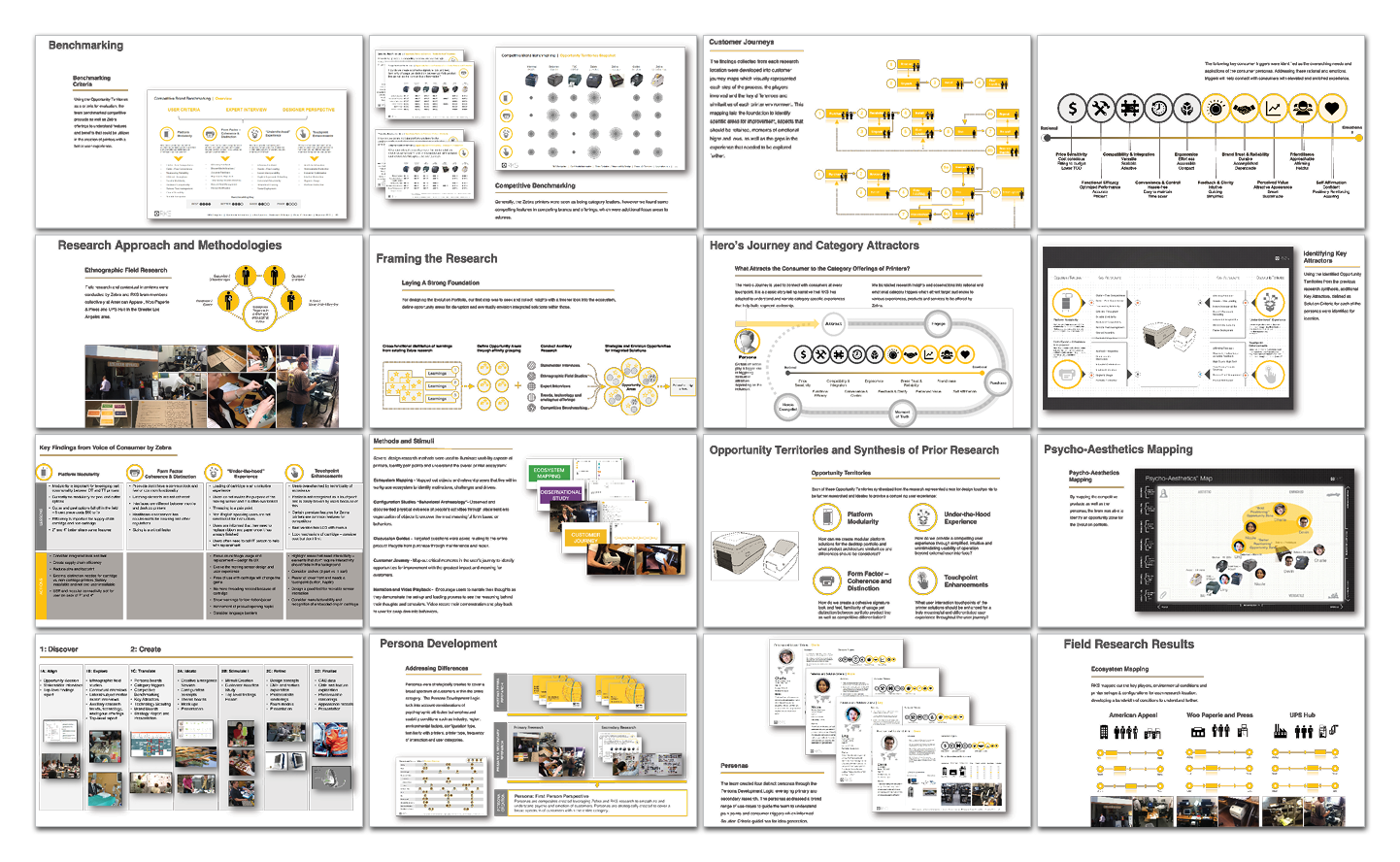
RKS began with comprehensive research into market needs and user pain points. We conducted surveys, observed setup and loading behaviors, and benchmarked competitor offerings. Insights revealed opportunities to simplify media loading, reduce downtime, and integrate digital workflows into the physical product.
How We Used Psycho-Aesthetics™ to Identify Unique Opportunities in the Project.
Using our proprietary Psycho-Aesthetics® 2.0 framework, we conducted in-depth interviews and ethnographic observation in diverse lab settings. We identified key emotional and usability pain points, such as intimidation with complex interfaces, workspace clutter, and trust in precision. These insights guided both the form and interface strategy, ensuring approachability and confidence in operation.
Industrial Design Concept Development
Key Outputs
- Form Factor Concepts
- CMF Strategy
- Refined Industrial Design Language
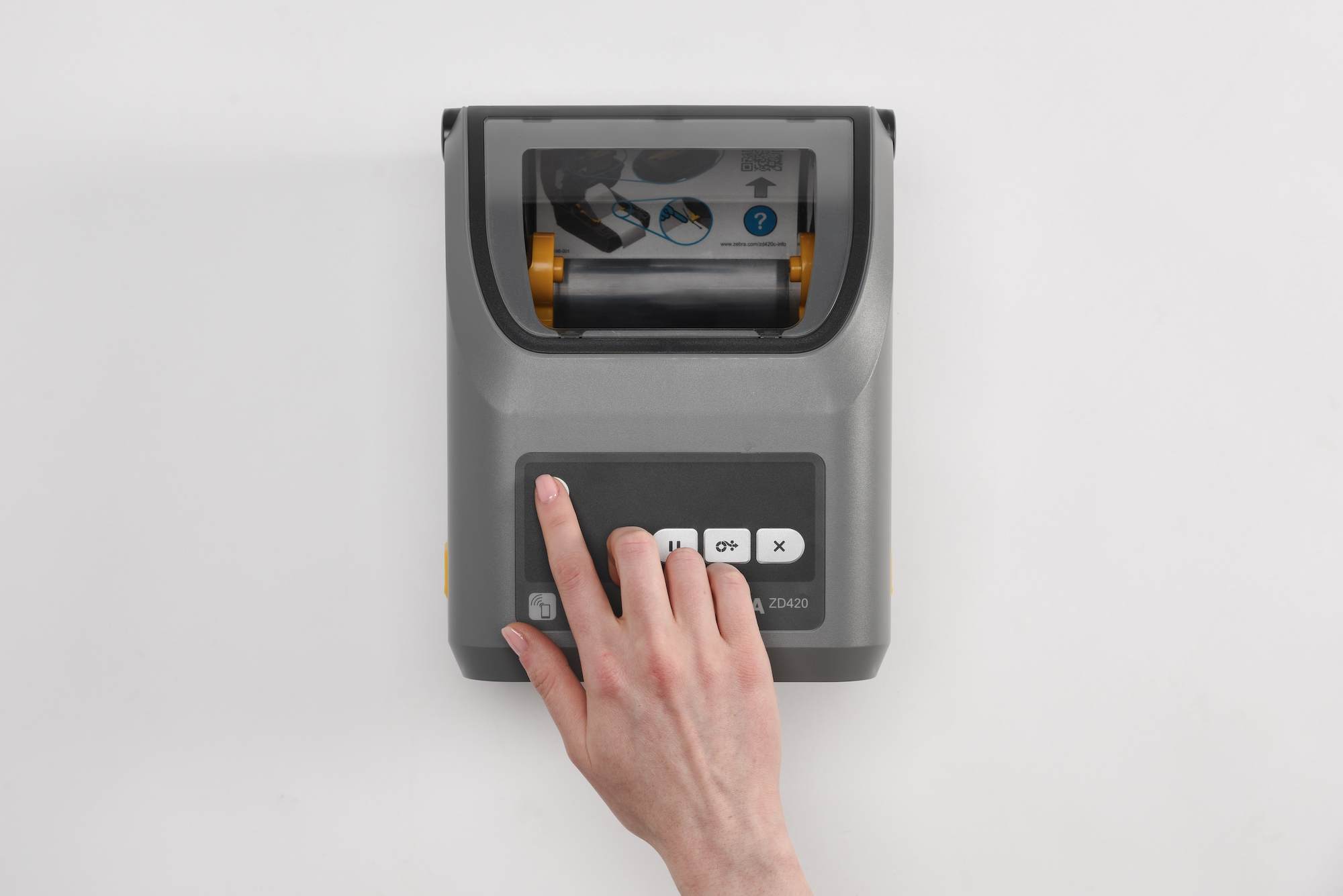
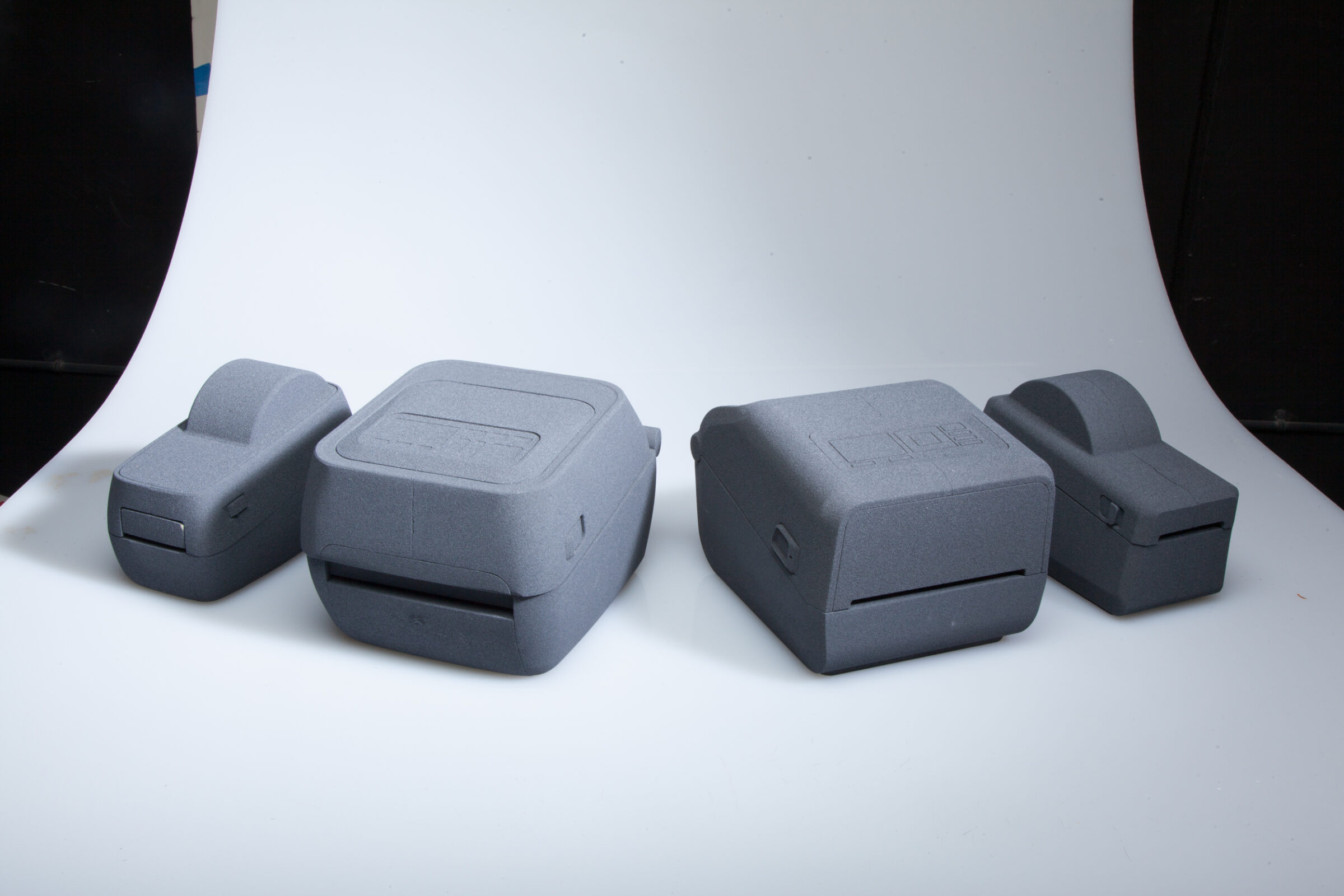
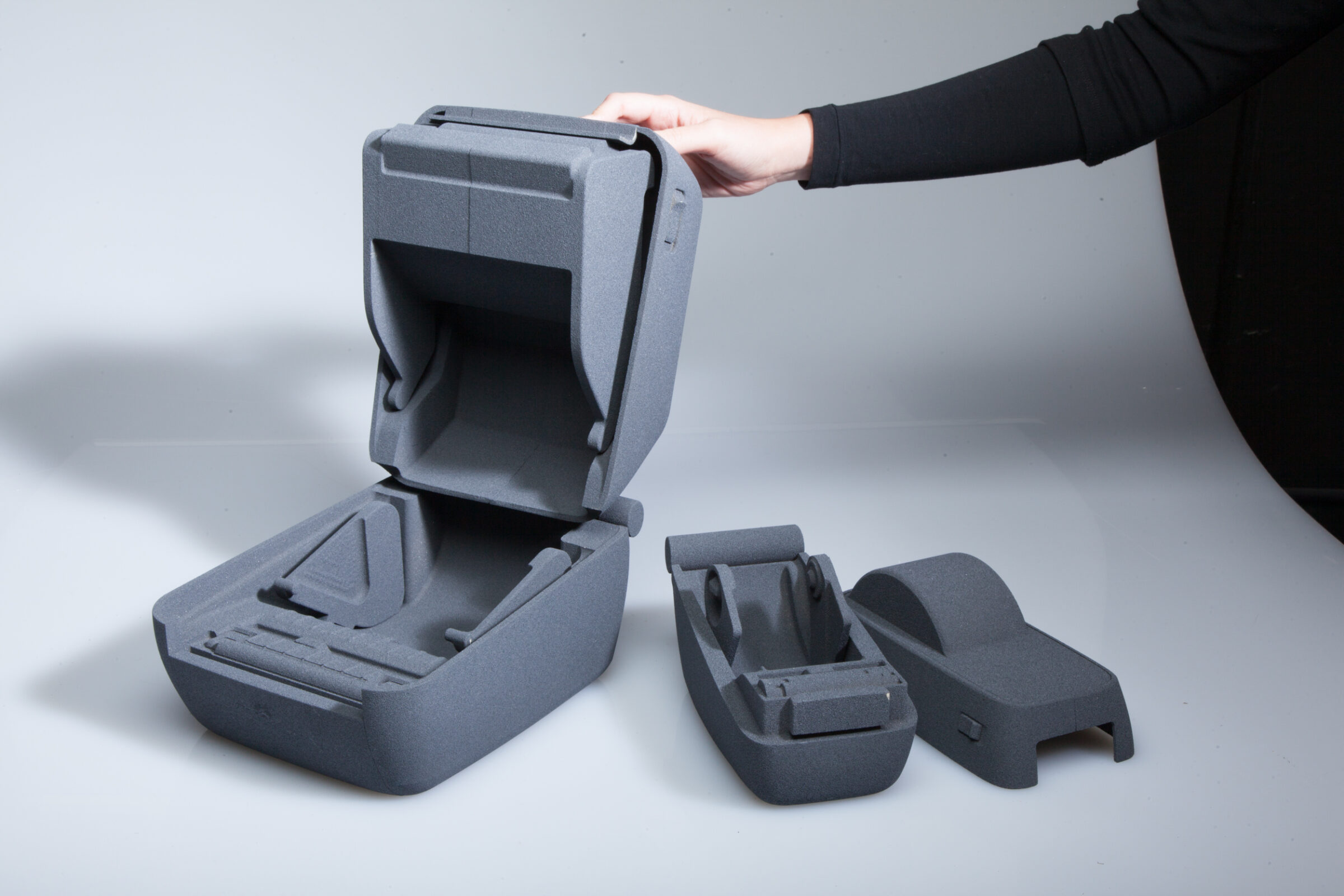
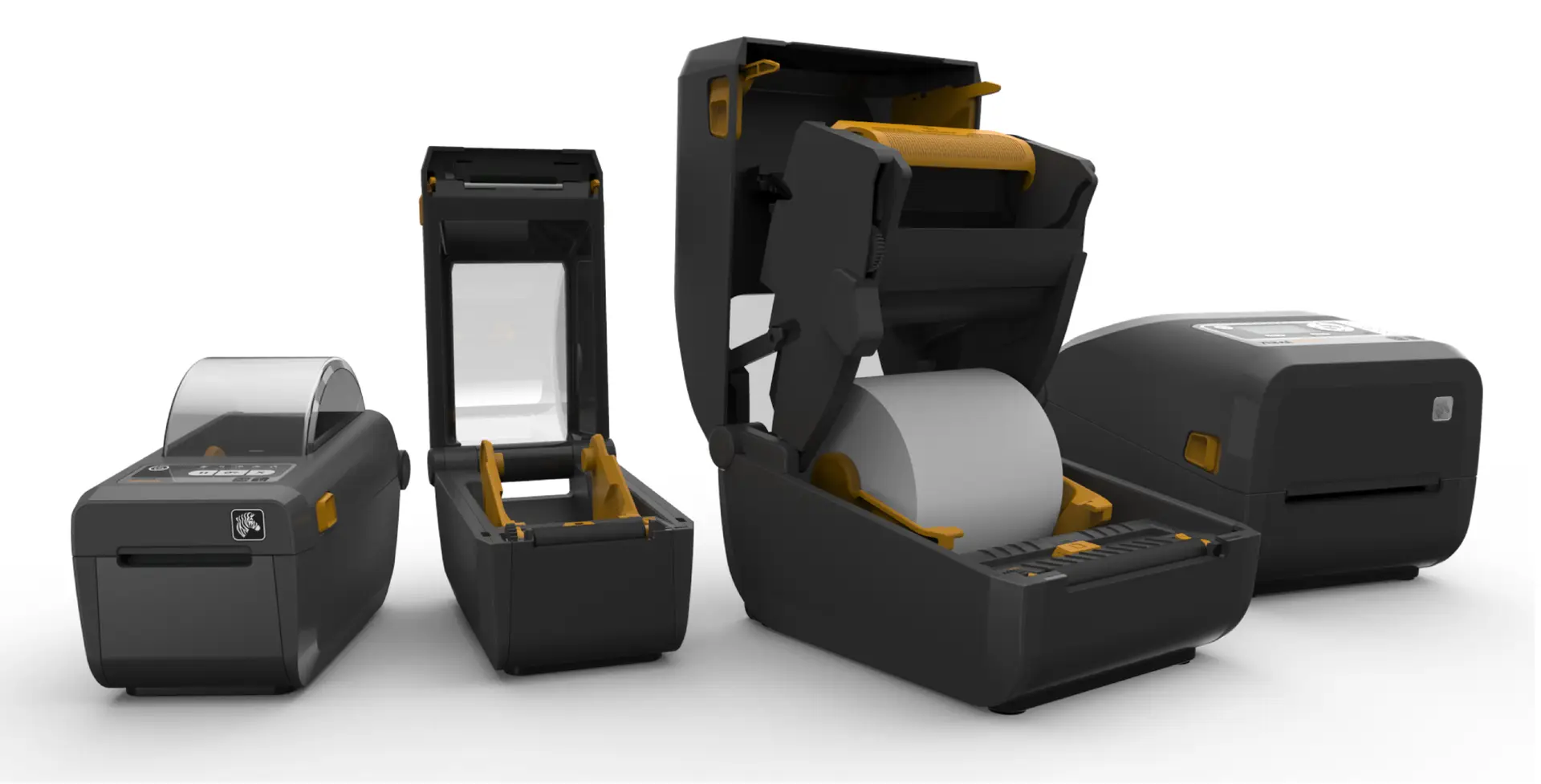
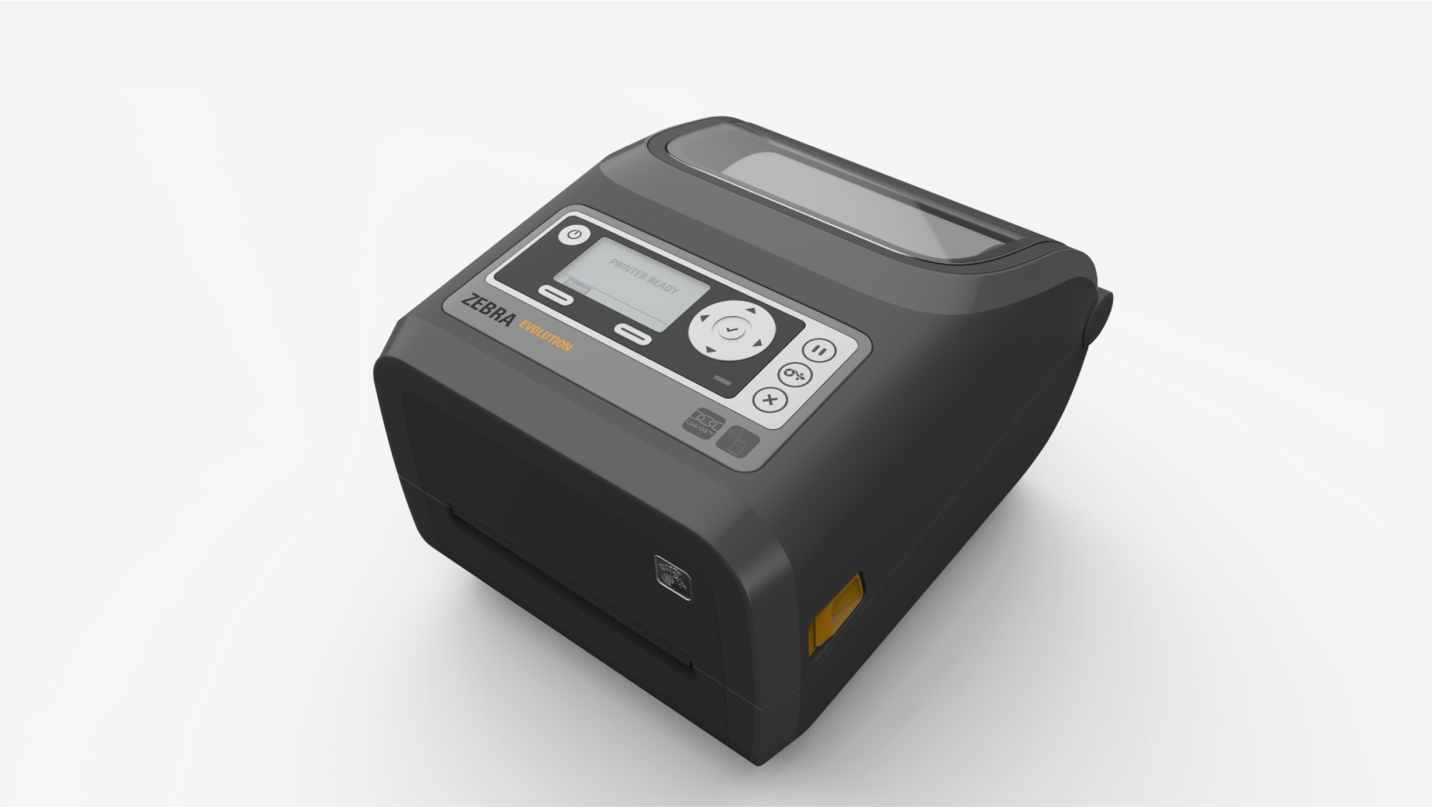
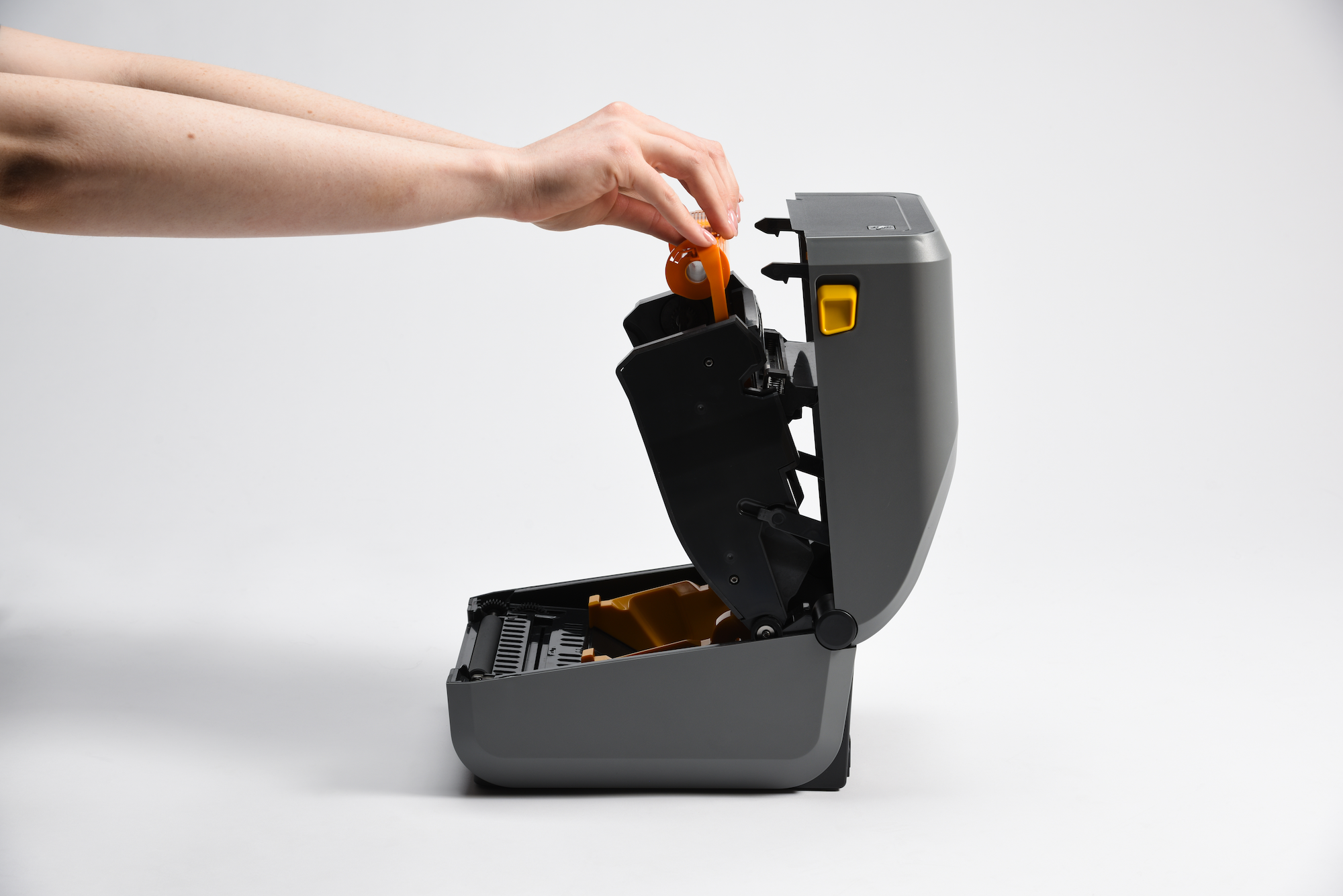
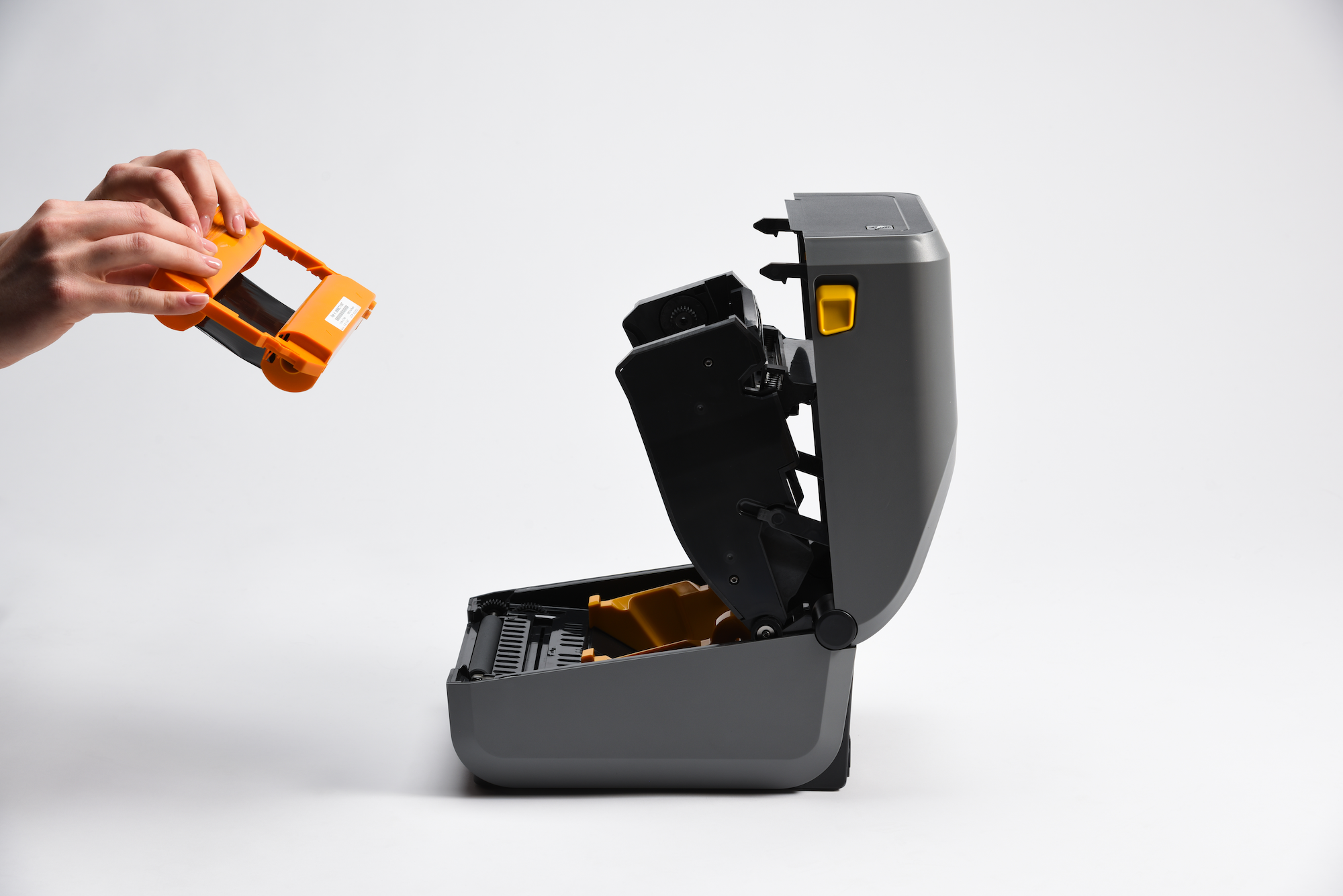
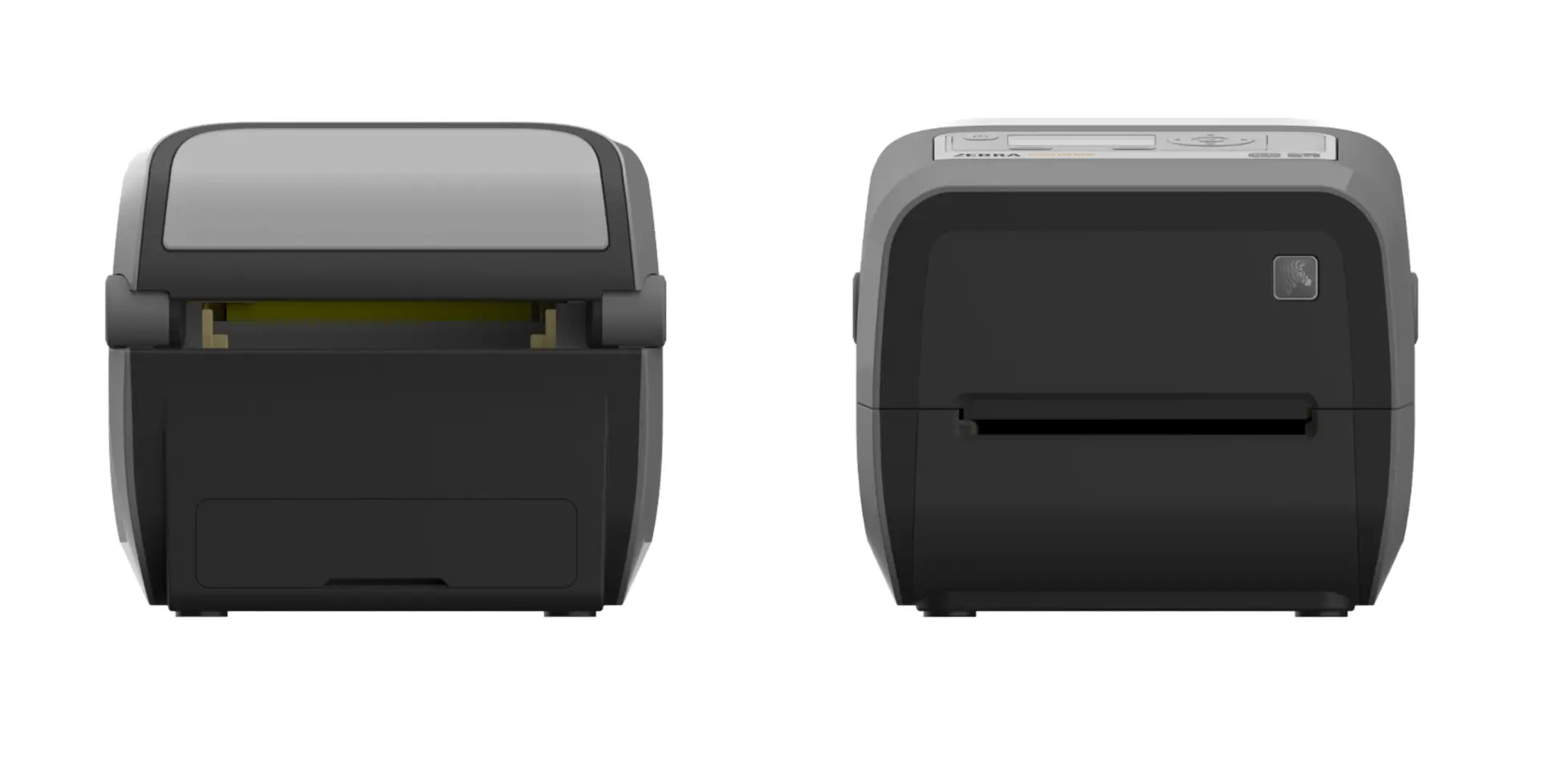
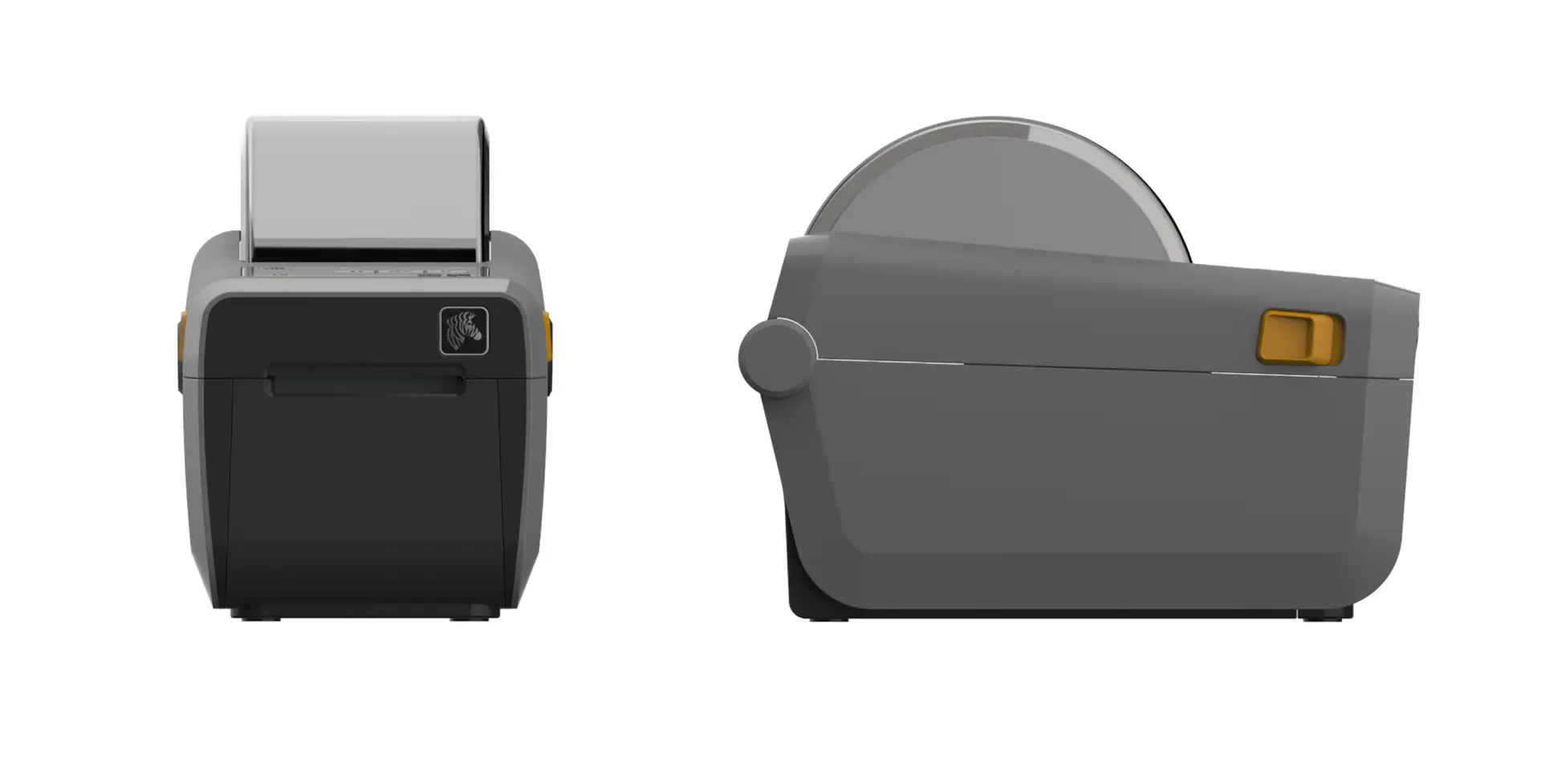
We translated insights into a clean, intuitive design and validated it through rapid prototyping. The ZD400 Series was shaped around frustration free setup and operation: ribbon cartridge models for easy loading, LED icon indicators for instant feedback, and healthcare specific variants designed for sterilization protocols. Wireframes of the digital interface and physical mockups of the loading system allowed us to refine usability before engineering handoff. Iterative prototypes ensured seamless hardware/software integration, ergonomic handling, and alignment with Zebra’s brand identity.
Engineering Validation
Key Outputs
- Engineering Evaluation Prototypes
- Tolerance Analysis & DFM Refinements
- Validation Reports
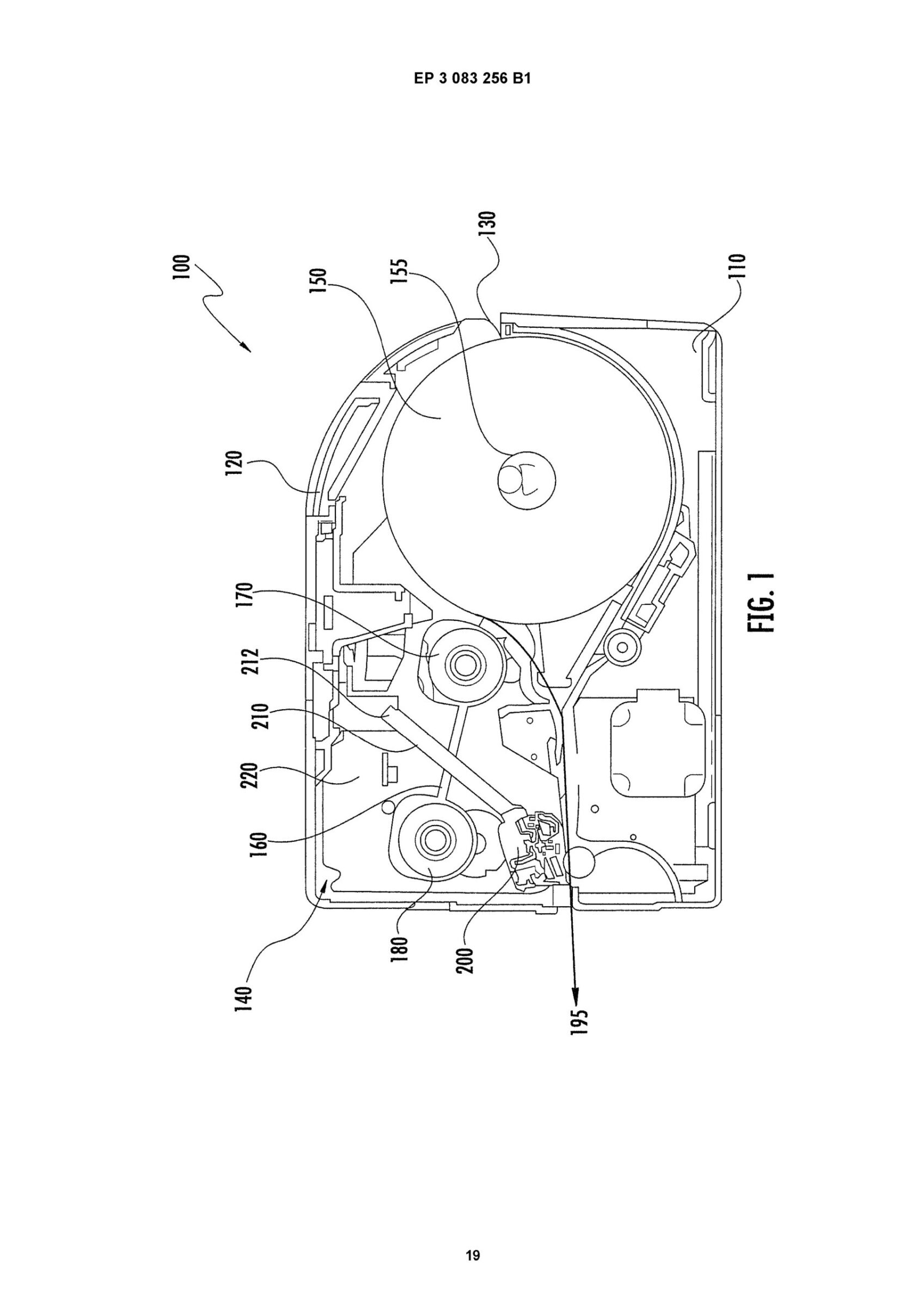
We partnered closely with Zebra’s engineering and manufacturing teams to ensure seamless integration of mechanical, electronic, and software systems. Prototyping and testing cycles confirmed durability, print quality, and connectivity in demanding real-world environments.
Key Outcomes and Results
Key Accomplishments
- Elevated ease of use, reducing setup and training times
- Enhanced reliability with field-upgradeable connectivity options
- Strengthened Zebra’s leadership in enterprise and healthcare markets
Our collaboration with Zebra on the ZD400 Series Desktop Printers began with extensive research aimed at understanding market needs and technological trends. We conducted comprehensive user surveys, analyzed market dynamics, and studied competitors to identify opportunities for innovation in desktop printing. Our goal was to create a product that not only meets the current demands of businesses but also anticipates future requirements.
ready to partner with us?
Contact UsExplore More Work
Line 6
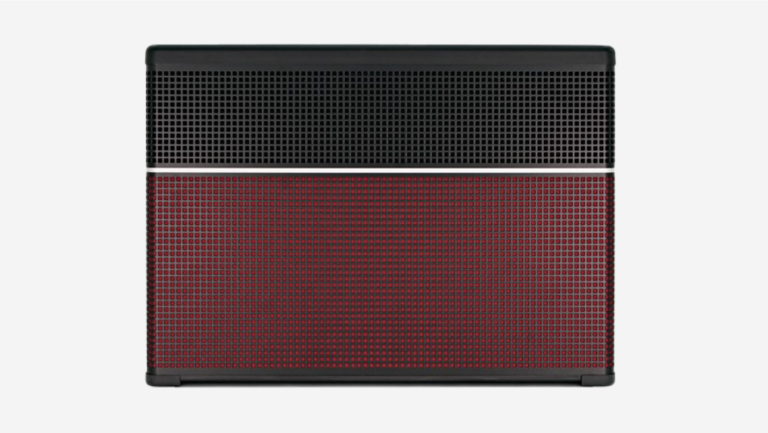
A smart, high-performance guitar amp designed to amplify the unique sound of your favorite guitar.
Xcinex Venue
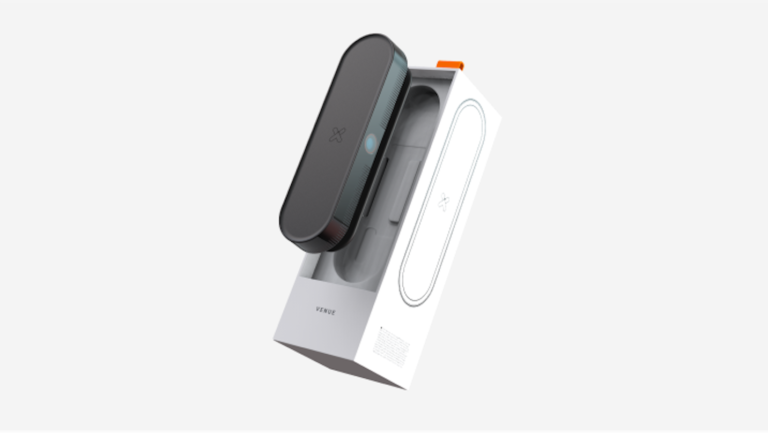
Bringing the Big Screen to the comfort of your home.
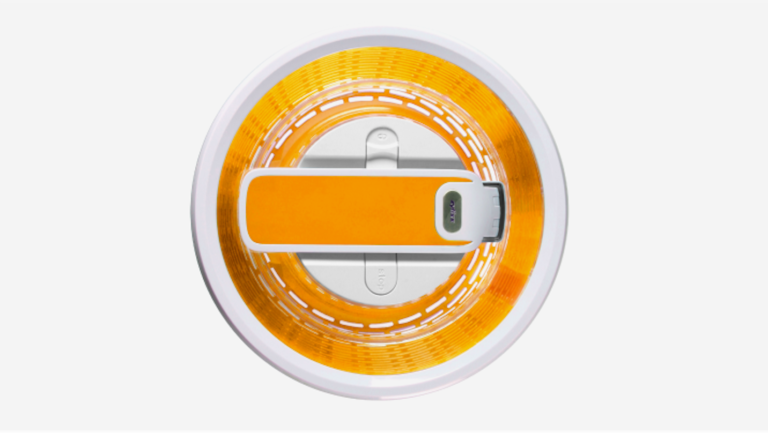
Zyliss
Creating iconic kitchen gadgets that rise above the rest.
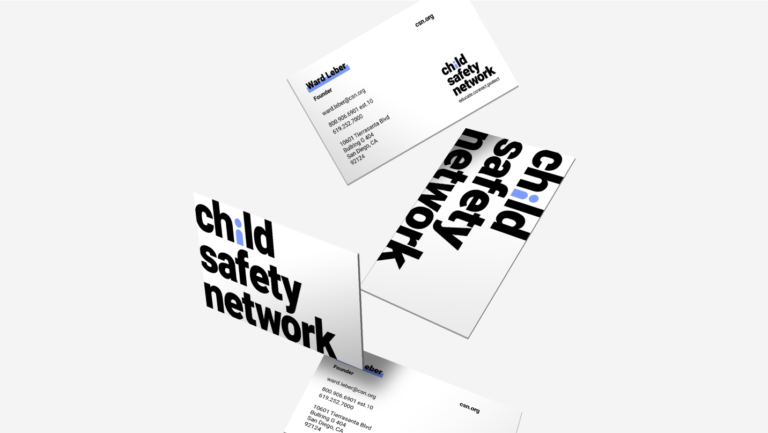
Child Safety Network
Repositioning a brand in its 30th year to help appeal to millennial parents and facilitate fundraising to ensure the safety of kids.
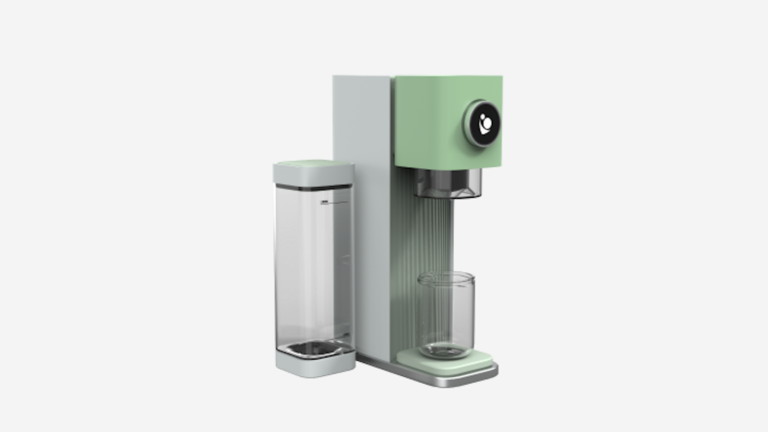
Baby Barista
The perfect baby bottle formula in less than a minute.
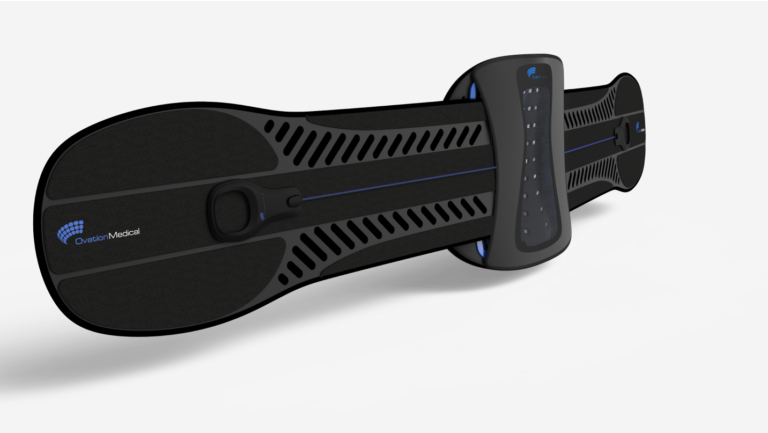
Ovation
Active influenced back brace that delivers support through a streamlined design.
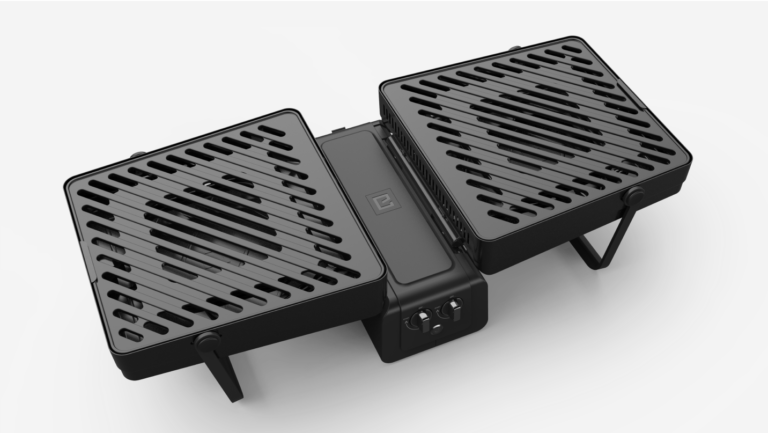
Elevate Grill
A compact, portable grilling experience.
DPA ONE®
Reimagining homeownership access through human-centered innovation.
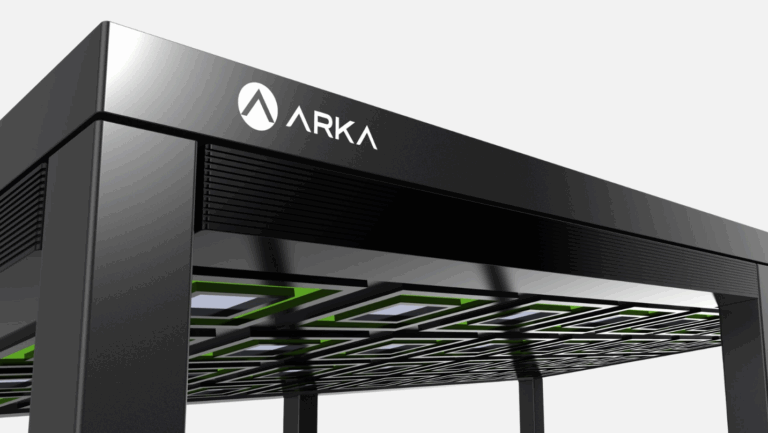
Arka Power Gazebo
Elegant solar powered outdoor living.
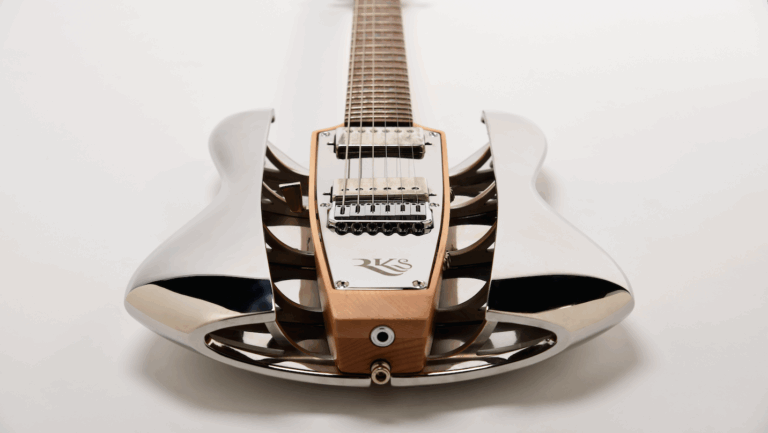
RKS Guitars
Reinventing the electric guitar to drive sustainability and increase usability for the optimal playing experience.
My Dabba
Redefining mealtime freedom through intelligent, sustainable design.
Teddy Ruxpin
The story of designing the world’s first animatronic toy.